



Skip to content
Online Courses​
no-Online Courses
Online Courses​
no-Online Courses
no-Online Courses
Online Courses​
Nationally Accredited First Aid Courses
(08) 7120 2570
Firstaidpro Logo
[wp_menu_megatabs id="493"]
Student login
daily deals
No-Online

OR

Online
Applicable to:
Healthcare
Aged Care & NDIS Support
Construction
Warehousing

3 Key Steps for Sports Fracture Aid

sports fracture first aid

Table of Contents

  • About
  • Latest Posts
Sharon McCulloch
Sharon McCulloch
CEO, Founder and First Aid Trainer at FirstAidPro
Sharon McCulloch is the CEO and Founder of FirstAidPro, Australia's leading Registered Training Organisation (31124), delivering First Aid Courses nationwide.

Sharon has 21+ years of experience as a qualified Emergency Care Nurse registered with the Australian Health Practitioner Regulation Agency (APHRA) and 12+ years as a First Aid Trainer.

She takes pride in FirstAidPro making first aid training available, comprehensive and affordable to everybody.
Sharon McCulloch
Latest posts by Sharon McCulloch (see all)
  • Australian Spider Bite & Bite First Aid Guide – Identification, Symptoms & Treatment - 14/04/2026
  • Anti-Inflammatory Tablets – Sting & Bite Symptoms, Risks & First Aid - 10/04/2026
  • LVR CPR Training Australia: What Is the UETDRMP018 Course and Who Needs It? - 08/04/2026

You’ve probably heard the sickening crack or felt the sudden pain that signals a sports fracture. It’s a moment that can derail your game and your season.

But knowing how to respond in those vital first minutes can make all the difference in your recovery. There are three key steps you should take immediately after a suspected fracture occurs.

These steps can help minimise further damage, manage pain, and set you on the path to proper healing. Let’s explore what you need to do when faced with this common yet potentially serious sports injury.

Key Takeaways

• Assess the injury for severity, looking for signs like deformity, swelling, and limited range of motion.

• Immobilise the affected area using a splint or makeshift support to prevent further damage.

• Apply the R.I.C.E. protocol: Rest, Ice, Compression, and Elevation to control pain and swelling.

• Administer first aid pain management with ice application and over-the-counter analgesics if appropriate.

• Seek professional medical help promptly for proper evaluation, including X-rays and expert treatment guidance.

Assess and Immobilise

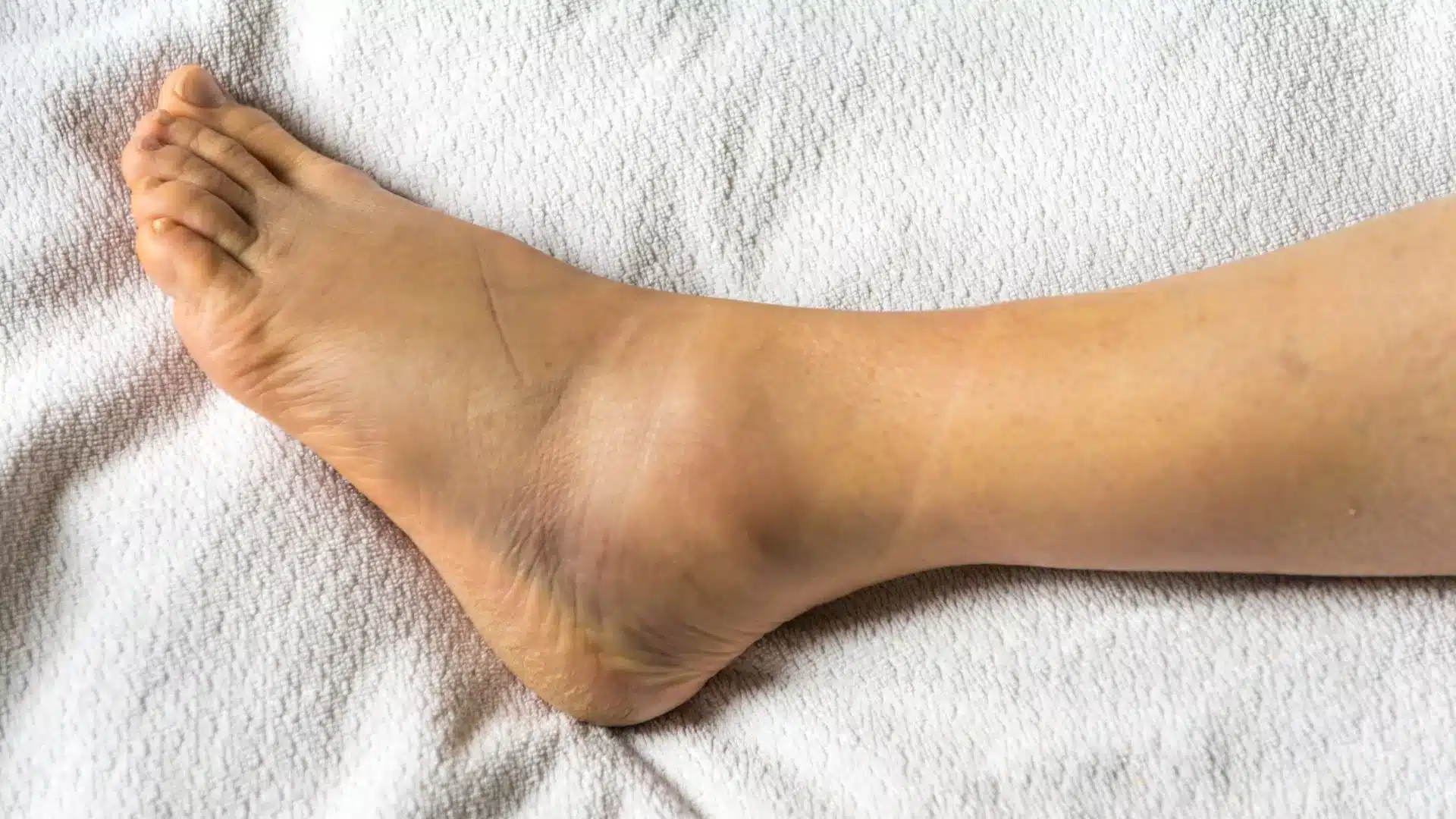
Your initial step in treating a sports fracture is to assess the injury and immobilise the affected area. Conduct an initial evaluation to determine the severity of the fracture and identify any associated injuries. Look for signs of deformity, swelling, discolouration, and limited range of motion. If you suspect a fracture, don’t attempt to realign the bone.

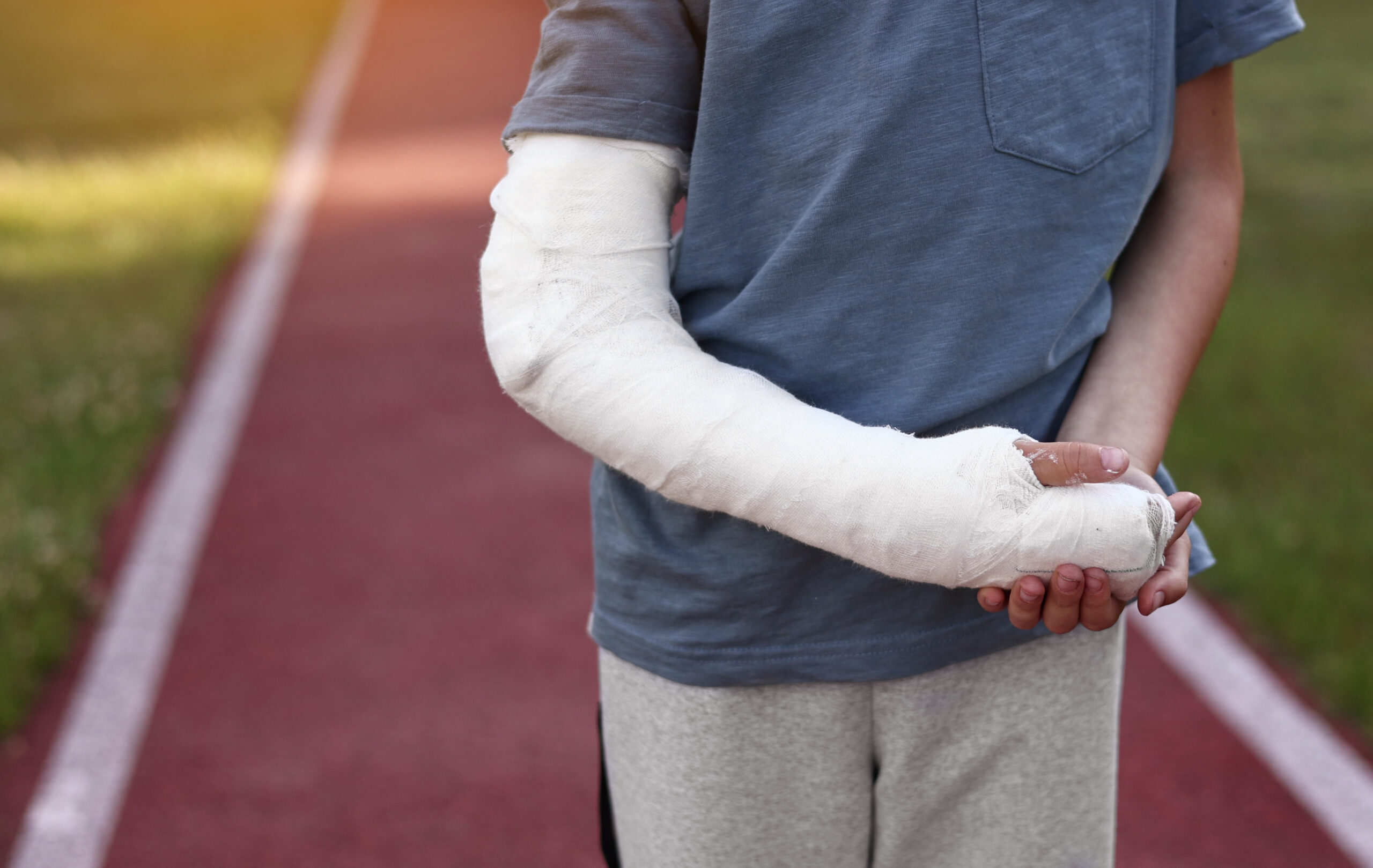
Next, apply stabilisation techniques to prevent further injury. Use a splint or makeshift support to immobilise the fractured limb. For upper extremity fractures, employ a sling to support the arm and restrict movement. For lower extremity fractures, use a rigid splint extending beyond the joints above and below the injury site.

When immobilising, follow the R.I.C.E. protocol: Rest the injured area, apply Ice to reduce swelling, use Compression to minimise oedema, and Elevate the limb above heart level. Don’t apply ice directly to the skin; use a barrier like a thin cloth. Maintain immobilisation until professional medical help arrives.

Control Pain and Swelling

Effective pain and swelling control are vital steps in managing sports fractures and facilitating the healing process. You’ll need to implement immediate measures to minimise discomfort and reduce inflammation.

Begin with ice application, a significant technique in fracture management. Apply ice packs or cold compresses to the affected area for 15-20 minutes at a time, every 2-3 hours. This helps constrict blood vessels, limiting swelling and numbing pain receptors.

Alongside ice therapy, employ compression techniques to further control swelling. Use an elastic bandage to wrap the injured area, starting from the point farthest from the heart and moving upwards. Verify the wrap is snug but not tight enough to impair circulation.

Elevate the injured limb above heart level whenever possible to promote fluid drainage and reduce swelling.

For pain management, over-the-counter analgesics like ibuprofen or paracetamol can be effective. However, consult a healthcare professional before administering any medication. They may prescribe stronger pain relievers if necessary.

Seek Professional Medical Help

While managing pain and swelling is important, seeking professional medical help is the next critical step in treating sports fractures.

Don’t delay in contacting a medical professional, as prompt attention can greatly impact your recovery timeline and outcome. Head to an emergency department or urgent care facility for an initial evaluation if you suspect a fracture.

During your visit, you’ll undergo a thorough examination, which may include X-rays or other imaging tests to confirm the fracture’s location and severity. The healthcare provider will assess the injury, determine the appropriate treatment plan, and decide if you need a referral to an orthopaedic specialist for expert consultation.

Be prepared to provide detailed information about how the injury occurred, your symptoms, and any first aid measures you’ve taken. This information helps the medical team make an accurate diagnosis and develop an effective treatment strategy.
They’ll also guide you on proper immobilisation techniques, pain management, and follow-up care.

Frequently Asked Questions

How Long Does It Typically Take for a Sports Fracture to Heal Completely?

Your fracture healing timeline typically ranges from 6 to 12 weeks, depending on the bone affected and fracture severity. Recovery factors like your age, health, and adherence to treatment protocols can greatly influence the duration of complete healing.

Are There Specific Nutritional Recommendations to Support Fracture Recovery in Athletes?

You’ll need to focus on nutrient timing and increased protein intake. Consume calcium-rich foods, vitamin D, and omega-3s. Adequate hydration is essential. Consult a sports nutritionist for personalised recommendations tailored to your specific fracture.

The content on this website offers general insights regarding health conditions and potential treatments. It is not intended as, and should not be construed as, medical advice. If you are facing a medical emergency, dial 000 immediately and follow the guidance provided.

Recent Posts
Common Australian Spiders
Australian Spider Bite & Bite First Aid Guide – Identification, Symptoms & Treatment
14/04/2026

An Australian spider bite is common, but serious injury is rare. This guide explains how to identify several Australian spiders, what a spider bite looks …

infected-insect-bite
Anti-Inflammatory Tablets – Sting & Bite Symptoms, Risks & First Aid
10/04/2026

Key Takeaways Anti-inflammatory tablets reduce pain and swelling from insect bites and stings but cannot treat serious allergic reactions or anaphylaxis.NSAIDs such as ibuprofen are …

LVR CPR Training -UETDRMP018 Perform Rescue From A Live Low Voltage Panel
LVR CPR Training Australia: What Is the UETDRMP018 Course and Who Needs It?
08/04/2026

Low voltage rescue (LVR) is the process of safely removing a person from contact with a live low voltage electrical panel and providing emergency care …

CPR and AED
CPR and AED: Why They’re Critical for Saving Lives in Emergencies
01/04/2026

CPR and AED are life-saving first aid techniques used during cardiac arrest to help save lives before an ambulance arrives. When a person’s heart stops …

sprain of the ankle
Sprain vs Strain: Key Differences, Symptoms, and First Aid Treatment
27/03/2026

A sprain is a common soft-tissue injury that occurs when a ligament is stretched or torn, usually after a fall, twist, or sudden impact. Sprains …

Information
  • About Us
  • Contact Us
  • Mental Health Pro
  • Onsite Training
  • Careers
  • Collaborations
  • Course Calendar
  • Daily Deals
  • FAQs
  • Explore Our Courses
  • Instant Price Beat
  • Partners
  • Same Day Certificates
Resources
  • Student Login
  • Blog
  • Learn First Aid
  • Create Your USI
  • Find Your USI
  • First Aid Charts
Popular Courses
  • CPR
  • First Aid
  • Childcare First Aid
  • First Aid Mental Health
  • Remote First Aid
  • Advanced First Aid
  • CPR, Asthma & Anaphylaxis
  • Asthma & Anaphylaxis
  • CPR LVR
  • Manual Handling
  • Manual Handling Refresher
  • Medication Administration
  • White Card
Online Courses
  • Zoom Online CPR
  • Zoom Online First Aid
  • Zoom Childcare First Aid
  • Zoom NDIS HISS Courses
Blended Courses
  • Blended CPR
  • Blended First Aid
  • Blended Childcare First Aid
Charity Courses
  • Free CPR
  • Free First Aid
Locations
  • South Australia
  • Queensland
  • New South Wales
  • Victoria
  • ACT
  • Tasmania
  • Northern Territory
  • Western Australia
Policies & Procedures
  • Academic Honesty
  • Complaints & Appeals
  • LLN
  • Refunds & Cancellations
  • RPL & Credit Transfers
  • Training & Assessment
Firstaidpro Logo
Facebook Instagram Youtube tiktok Pinterest Linkedin
  • Level 3, Unit 6/9 Frinton Street, Southport QLD 4215
  • (08) 7120 2570
  • Get In Touch

FirstAidPro is a leading Registered Training Organisation (RTO: 31124) delivering industry-leading standards and the latest training techniques. We provide you with Australia’s most comprehensive, officially recognised first aid qualification!

  • Same-Day Certificates
  • Courses Available 7 days
  • Nationally Accredited Certification
eway-payment.png
© 2026 Firstaidpro Australia Pty Ltd (RTO: 31124) | ABN: 70 106 788 050 | ACN: 106 788 050 | All rights reserved.
  • Privacy Policy
  • Refund Policy
  • Website Disclaimer
North Hobart