




Skip to content
Online Courses​
no-Online Courses
Online Courses​
no-Online Courses
no-Online Courses
Online Courses​
Nationally Accredited First Aid Courses
(08) 7120 2570
Firstaidpro Logo
[wp_menu_megatabs id="493"]
Student login
daily deals
No-Online

OR

Online
Applicable to:
Healthcare
Aged Care & NDIS Support
Construction
Warehousing

3 Best Practices for Immediate Spinal Injury Care

spinal injury care doctor

Table of Contents

  • About
  • Latest Posts
Sharon McCulloch
Sharon McCulloch
CEO, Founder and First Aid Trainer at FirstAidPro
Sharon McCulloch is the CEO and Founder of FirstAidPro, Australia's leading Registered Training Organisation (31124), delivering First Aid Courses nationwide.

Sharon has 21+ years of experience as a qualified Emergency Care Nurse registered with the Australian Health Practitioner Regulation Agency (APHRA) and 12+ years as a First Aid Trainer.

She takes pride in FirstAidPro making first aid training available, comprehensive and affordable to everybody.
Sharon McCulloch
Latest posts by Sharon McCulloch (see all)
  • Australian Spider Bite & Bite First Aid Guide – Identification, Symptoms & Treatment - 14/04/2026
  • Anti-Inflammatory Tablets – Sting & Bite Symptoms, Risks & First Aid - 10/04/2026
  • LVR CPR Training Australia: What Is the UETDRMP018 Course and Who Needs It? - 08/04/2026

When faced with a potential spinal injury, your immediate actions can make a significant difference in the victim’s outcome.

You’ll need to act swiftly and decisively, but with great care. The three best practices for immediate spinal injury care involve immobilisation, assessment, and prevention of further harm.

These steps may seem straightforward, but executing them correctly under pressure requires knowledge and preparation.

As you consider the gravity of such situations, you might wonder: are you truly ready to handle a spinal injury emergency?

The answer could mean the difference between life and death, or between recovery and permanent disability.

Key Takeaways

• Immediately immobilise the victim to prevent further spinal damage, instructing them to remain still.

• Assess breathing and circulation, checking for chest movement and carotid pulse.

• Maintain spinal alignment by manually stabilising the head and neck until professional help arrives.

• Avoid repositioning the victim unless in immediate danger; use log roll technique if movement is necessary.

• Prevent hypothermia by covering the victim without lifting their head, maintaining position until medical assistance is available.

Immobilise the Victim

The first essential step in spinal injury care is to immobilise the victim immediately after the incident occurs. You must prevent any movement of the spine to avoid further damage. Proper spinal stabilisation techniques are vital in this phase.

Start by instructing the victim not to move. If they’re conscious, explain the importance of staying still. Next, assess the scene for safety before approaching.

Once it’s safe, kneel beside the victim and place your hands on either side of their head. Gently hold their head and neck in the position you found them, maintaining alignment with their spine.

If you’ve had emergency response training, you may use a cervical collar to support the neck. However, don’t attempt this without proper training, as incorrect application can cause harm.

For full-body immobilisation, a backboard might be necessary, but this should only be done by trained professionals.

Assess Breathing and Circulation

After immobilising the victim, quickly assess their breathing and circulation to ensure essential functions are intact.

Begin your breathing assessment by observing the chest for rise and fall. If you can’t see movement, place your ear near the victim’s mouth to listen and feel for breath. Check for at least 10 seconds. If breathing is absent or irregular, be prepared to start rescue breaths.

Next, perform a circulation evaluation. Check the victim’s pulse at the carotid artery in the neck. Place two fingers gently on the side of the neck, beneath the jawline. Count the pulse for 15 seconds and multiply by four to get beats per minute. A normal adult pulse ranges from 60-100 beats per minute. If there’s no pulse, be ready to start chest compressions.

Look for signs of poor circulation, such as pale, cool, or clammy skin. Check capillary refill by pressing on a fingernail until it turns white, then release. The colour should return within two seconds. If circulation is compromised, elevate the legs slightly, if possible, without moving the spine.

Prevent Further Injury

With breathing and circulation assessed, your next priority is preventing additional harm to the spinal injury victim.

Implement spinal precautions immediately to safeguard against further damage. Instruct the injured person not to move and reassure them that help is on the way. If they’re conscious, ask them to remain still and avoid any head or neck movement.

As you continue your injury assessment, don’t attempt to reposition the victim unless they’re in immediate danger. If movement is absolutely necessary, use the log roll technique, keeping the spine, neck, and head aligned. Enlist help from bystanders if available. Support the head and neck manually to maintain neutral alignment throughout any necessary movement.

Remove any objects that might cause additional injury, such as debris or loose clothing around the neck. If the victim is wearing a helmet, don’t remove it unless it’s interfering with breathing.

In cold environments, prevent hypothermia by covering the victim with blankets or coats, but avoid lifting their head to place anything underneath. Your goal is to maintain the victim’s position and prevent any unnecessary movement until professional medical help arrives.

Frequently Asked Questions

What Are the Long-Term Effects of a Spinal Injury?

You’ll face challenges in neurological recovery and quality of life. Paralysis, chronic pain, and loss of bodily functions are common long-term effects you might experience.

Are There Symptoms That Indicate a Severe Spinal Injury?

You should watch for key injury indicators during symptom assessment. Severe pain, numbness, paralysis, loss of bowel/bladder control, and difficulty breathing are critical signs. Don’t ignore these symptoms; they may indicate a serious spinal injury.

What Rehabilitation Options Are Available for Spinal Injury Patients?

Physical therapy is essential, helping you regain strength and mobility. You’ll also use adaptive equipment to enhance independence. Occupational therapy and counselling may be part of your extensive recovery plan.

The content on this website offers general insights regarding health conditions and potential treatments. It is not intended as, and should not be construed as, medical advice. If you are facing a medical emergency, dial 000 immediately and follow the guidance provided.

Recent Posts
Common Australian Spiders
Australian Spider Bite & Bite First Aid Guide – Identification, Symptoms & Treatment
14/04/2026

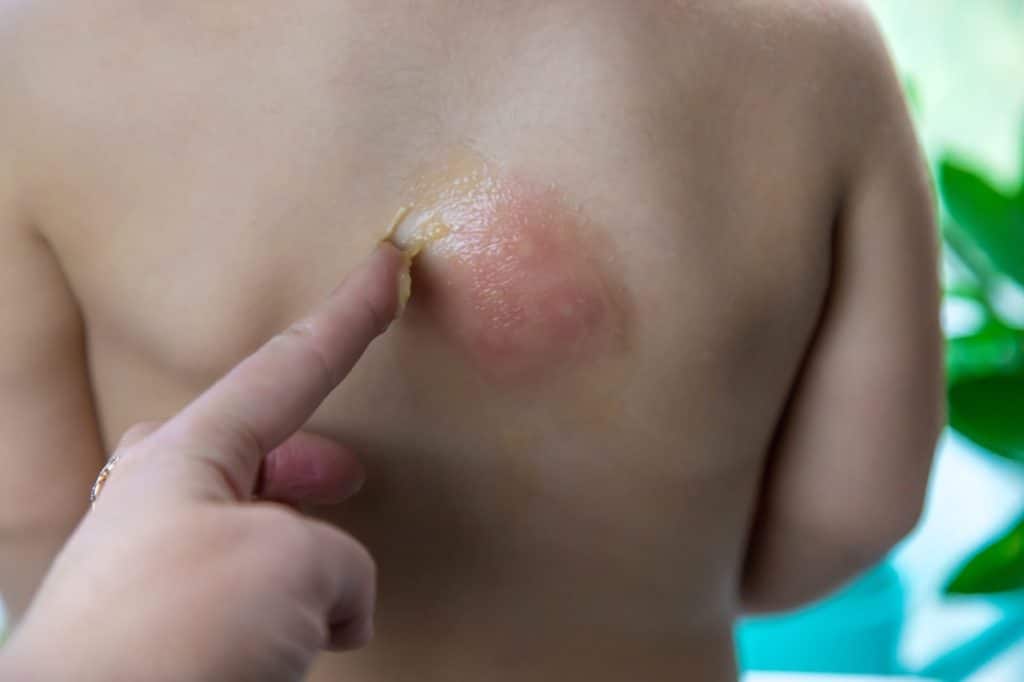
An Australian spider bite is common, but serious injury is rare. This guide explains how to identify several Australian spiders, what a spider bite looks …

infected-insect-bite
Anti-Inflammatory Tablets – Sting & Bite Symptoms, Risks & First Aid
10/04/2026

Key Takeaways Anti-inflammatory tablets reduce pain and swelling from insect bites and stings but cannot treat serious allergic reactions or anaphylaxis.NSAIDs such as ibuprofen are …

LVR CPR Training -UETDRMP018 Perform Rescue From A Live Low Voltage Panel
LVR CPR Training Australia: What Is the UETDRMP018 Course and Who Needs It?
08/04/2026

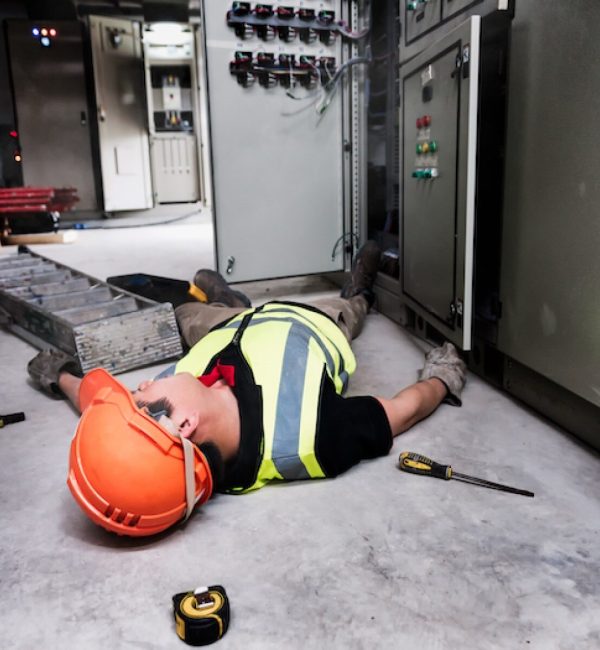
Low voltage rescue (LVR) is the process of safely removing a person from contact with a live low voltage electrical panel and providing emergency care …

CPR and AED
CPR and AED: Why They’re Critical for Saving Lives in Emergencies
01/04/2026

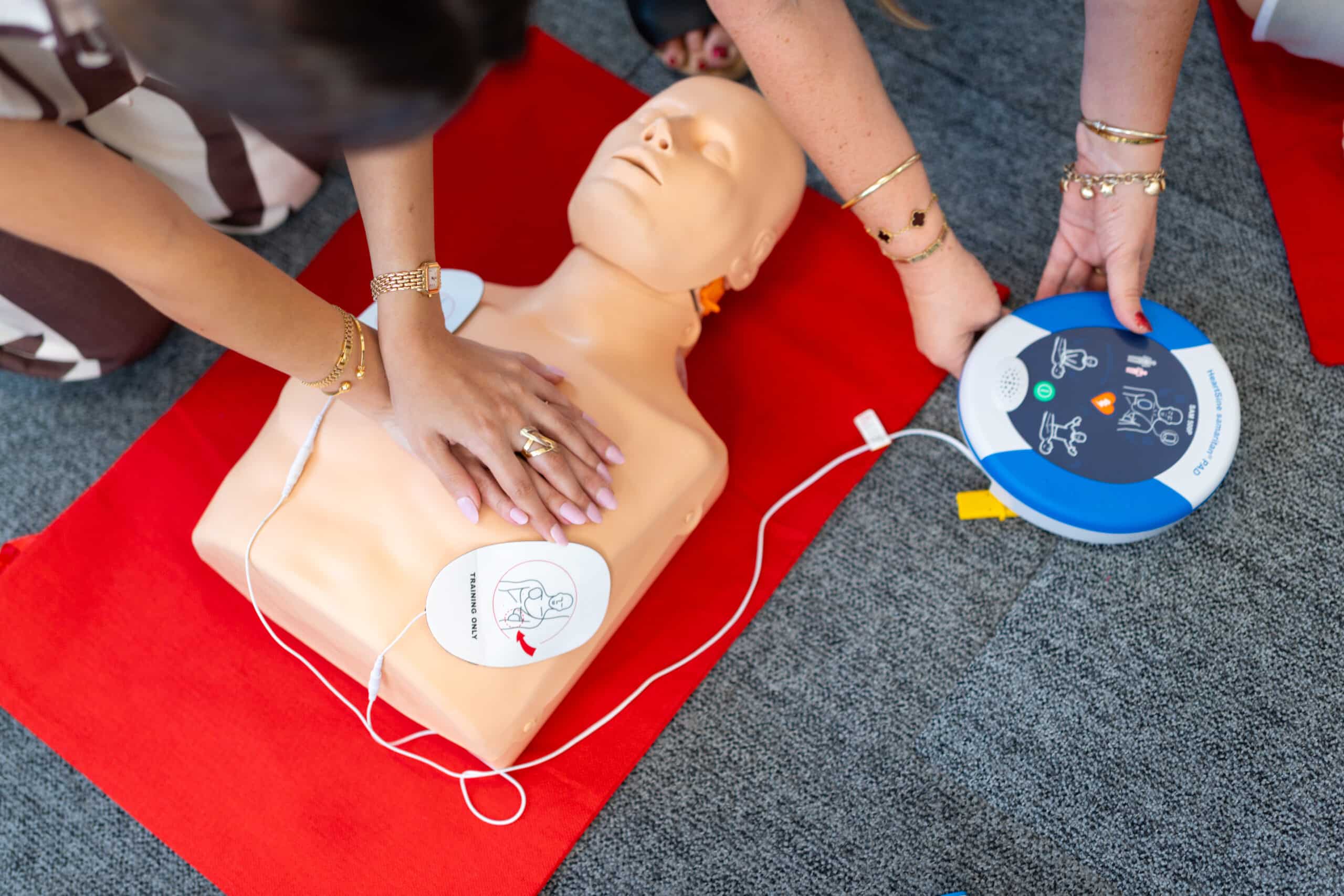
CPR and AED are life-saving first aid techniques used during cardiac arrest to help save lives before an ambulance arrives. When a person’s heart stops …

sprain of the ankle
Sprain vs Strain: Key Differences, Symptoms, and First Aid Treatment
27/03/2026

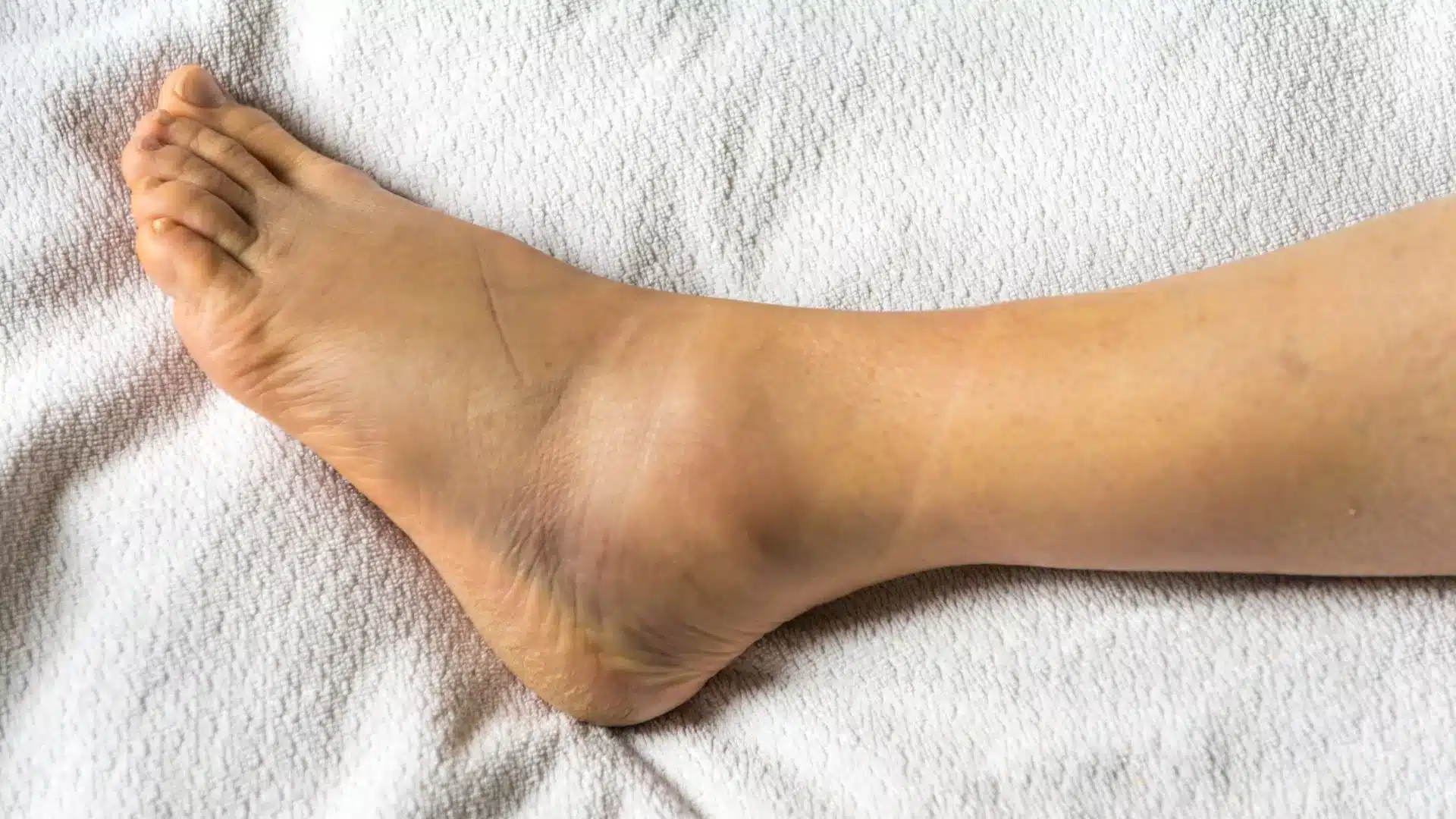
A sprain is a common soft-tissue injury that occurs when a ligament is stretched or torn, usually after a fall, twist, or sudden impact. Sprains …

Information
  • About Us
  • Contact Us
  • Mental Health Pro
  • Onsite Training
  • Careers
  • Collaborations
  • Course Calendar
  • Daily Deals
  • FAQs
  • Explore Our Courses
  • Instant Price Beat
  • Partners
  • Same Day Certificates
Resources
  • Student Login
  • Blog
  • Learn First Aid
  • Create Your USI
  • Find Your USI
  • First Aid Charts
Popular Courses
  • CPR
  • First Aid
  • Childcare First Aid
  • First Aid Mental Health
  • Remote First Aid
  • Advanced First Aid
  • CPR, Asthma & Anaphylaxis
  • Asthma & Anaphylaxis
  • CPR LVR
  • Manual Handling
  • Manual Handling Refresher
  • Medication Administration
  • White Card
Online Courses
  • Zoom Online CPR
  • Zoom Online First Aid
  • Zoom Childcare First Aid
  • Zoom NDIS HISS Courses
Blended Courses
  • Blended CPR
  • Blended First Aid
  • Blended Childcare First Aid
Charity Courses
  • Free CPR
  • Free First Aid
Locations
  • South Australia
  • Queensland
  • New South Wales
  • Victoria
  • ACT
  • Tasmania
  • Northern Territory
  • Western Australia
Policies & Procedures
  • Academic Honesty
  • Complaints & Appeals
  • LLN
  • Refunds & Cancellations
  • RPL & Credit Transfers
  • Training & Assessment
Firstaidpro Logo
Facebook Instagram Youtube tiktok Pinterest Linkedin
  • Level 3, Unit 6/9 Frinton Street, Southport QLD 4215
  • (08) 7120 2570
  • Get In Touch

FirstAidPro is a leading Registered Training Organisation (RTO: 31124) delivering industry-leading standards and the latest training techniques. We provide you with Australia’s most comprehensive, officially recognised first aid qualification!

  • Same-Day Certificates
  • Courses Available 7 days
  • Nationally Accredited Certification
eway-payment.png
© 2026 Firstaidpro Australia Pty Ltd (RTO: 31124) | ABN: 70 106 788 050 | ACN: 106 788 050 | All rights reserved.
  • Privacy Policy
  • Refund Policy
  • Website Disclaimer
North Hobart