



Sharon has 21+ years of experience as a qualified Emergency Care Nurse registered with the Australian Health Practitioner Regulation Agency (APHRA) and 12+ years as a First Aid Trainer.
She takes pride in FirstAidPro making first aid training available, comprehensive and affordable to everybody.
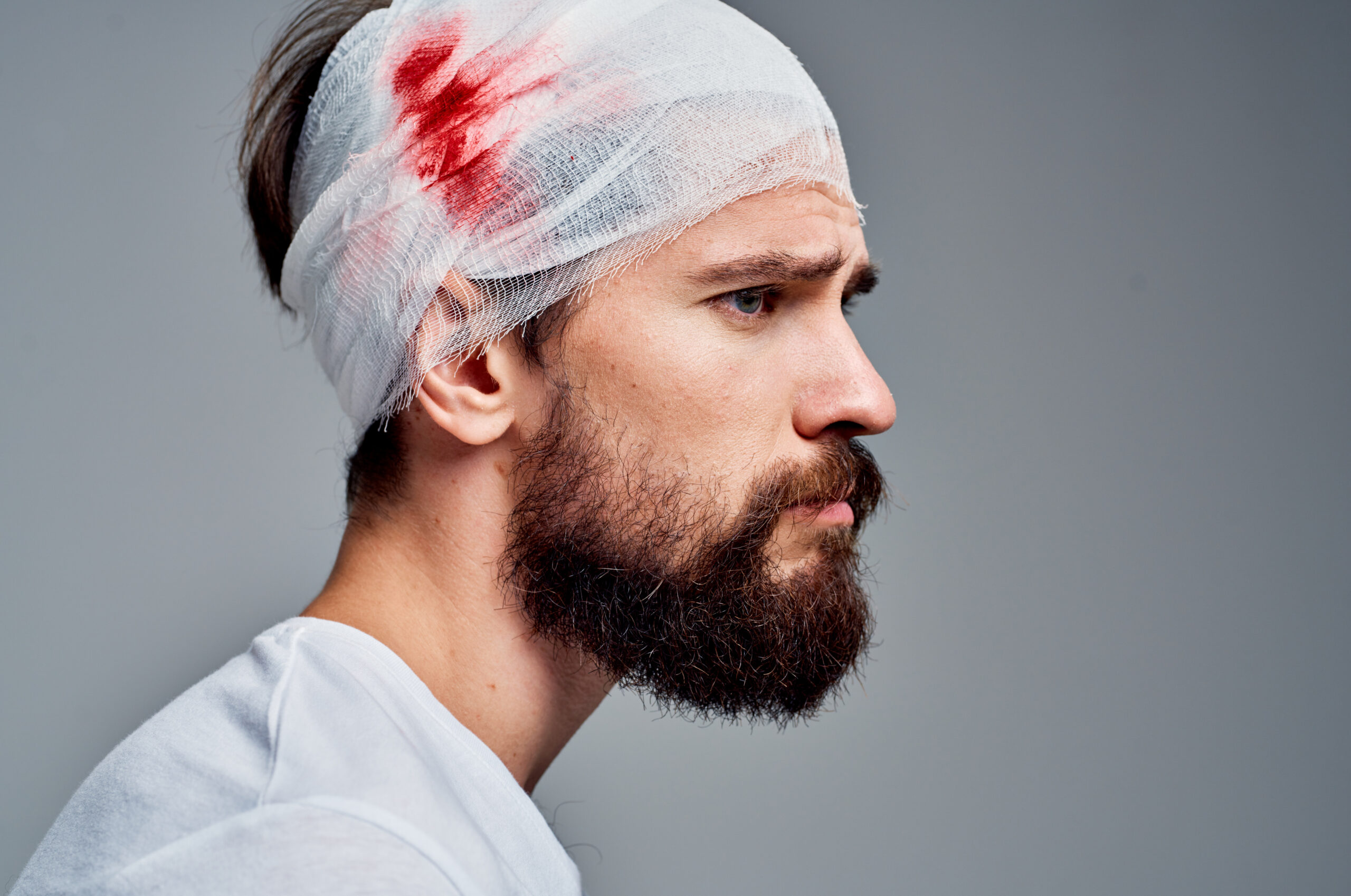
When athletes experience an unfortunate head-related incident on the field, it’s essential to know the proper steps for concussion care. You’ve likely heard about the importance of recognising symptoms and removing players from the game, but there’s much more to effective concussion management.
From evaluating consciousness to implementing a structured return-to-play protocol, each step in concussion care plays an important role in ensuring an athlete’s safety and recovery.
But what happens after the initial evaluation, and how can you protect players from long-term consequences?
The answers might surprise you and could make all the difference in an athlete’s future.
Key Takeaways
• Recognise concussion symptoms, including headache, dizziness, confusion, and memory loss.
• Remove the athlete from play immediately to prevent further injury and ensure proper care.
• Assess consciousness, alertness, and physical coordination using standardised tests.
• Monitor vital signs and protect the athlete from additional harm during recovery.
• Initiate immediate physical and cognitive rest, followed by a gradual, stepwise return to activities.

Recognise Concussion Symptoms
Frequently, concussions present with a constellation of symptoms, including headache, dizziness, confusion, and memory loss, which athletes and coaches must promptly recognise for proper management.
Physical symptoms include balance problems, sensitivity to light or noise, and blurred vision. Cognitive symptoms may encompass difficulty concentrating, feeling ‘foggy,’ or slowed reaction times. Emotional changes, such as irritability or sadness, can also indicate a concussion.
Athlete education on concussion care plays a key role in enhancing symptom recognition. You should familiarise yourself with the diverse range of concussion symptoms and understand that each case may present differently.
Remove From Play Immediately

Once you’ve identified concussion symptoms, immediate removal from play is the next critical step in concussion management protocols. This action is paramount in preventing further injury and initiating proper care. You must enforce a strict ‘when in doubt, sit them out’ policy to safeguard athletes’ health.
Implement concussion prevention strategies by educating coaches, parents, and athletes on the importance of prompt removal. Athlete education programs should emphasise the risks of continuing play with a suspected concussion, including increased vulnerability to additional injuries and prolonged recovery times. These programs should also stress that no game or competition is worth compromising an athlete’s long-term health.
Don’t allow the athlete to return to play on the same day, even if symptoms appear to resolve quickly.
Assess Consciousness and Alertness

After removing the athlete from play, your immediate priority is to assess their level of consciousness and alertness, which are vital indicators of concussion severity.
Begin your consciousness assessment by evaluating the athlete’s ability to respond to verbal and physical stimuli. Check if they can open their eyes, speak coherently, and follow simple commands.
For the alertness evaluation, observe the athlete’s orientation to time, place, and person. Ask them questions about their current location, the date, and their name. Assess their ability to recall recent events, such as details about the game or practice.
Look for signs of confusion, disorientation, or memory loss, which may indicate a more severe concussion. If you notice any deterioration in consciousness or alertness during your concussion care assessment, seek immediate medical attention.
Evaluate Physical Coordination

Physical coordination assessment is a crucial component of concussion evaluation, providing valuable insights into the athlete’s neurological function and balance. To evaluate coordination, you’ll need to conduct simple tests that challenge the athlete’s motor skills and equilibrium.
Incorporate coordination drills like the finger-to-nose test and rapid alternating hand movements. These exercises assess the athlete’s ability to perform precise, controlled motions. Pay attention to any tremors, delays, or inaccuracies in movement.
Monitor Vital Signs

Beyond evaluating coordination, you’ll need to carefully monitor the athlete’s fundamental signs to gain a thorough understanding of their physiological state following a suspected concussion.
Implement a systematic approach, focusing on these key essential signs:
• Blood pressure: Check for notable deviations from the athlete’s baseline
• Heart rate: Monitor for abnormal rhythms or rates
• Respiratory rate: Observe for irregular breathing patterns
• Body temperature: Watch for sudden changes that may signal underlying issues
When monitoring essential signs, use calibrated equipment and record measurements at regular intervals. Compare these readings to the athlete’s pre-injury baseline values, if available.
Notable changes in essential signs may indicate increased intracranial pressure or other serious conditions requiring immediate medical attention. Be particularly vigilant for signs of bradycardia (abnormally slow heart rate) or irregular breathing patterns, as these can be indicators of worsening neurological status.
Remember that essential signs alone don’t provide a complete picture; always consider them in conjunction with other clinical findings and the athlete’s overall presentation during concussion care.
Manage Pain and Discomfort

Over-the-counter pain relievers, such as paracetamol, may be used as directed by a healthcare professional to alleviate headaches and other symptoms.
Rest
Following a concussion, immediate rest and controlled ice application serve as primary non-pharmacological interventions for managing pain and reducing inflammation.
Rest duration recommendations typically suggest 24-48 hours of complete cognitive and physical rest, followed by a gradual return to activities as symptoms improve. This initial concussion care period is vital for allowing the brain to heal and reducing the risk of further injury.
Ice application techniques should be implemented carefully to avoid exacerbating symptoms. Apply ice for 15-20 minutes at a time, with at least 40 minutes between applications. Use a cloth barrier between the ice and skin to prevent tissue damage. Target areas include:
• The site of impact
• The base of the skull
• The forehead and temples
• The neck and shoulders
While rest and ice are beneficial, it’s important to balance these interventions with controlled activity to prevent deconditioning.
After the initial rest period, engage in light, non-impact activities as tolerated. Monitor symptoms closely and adjust activity levels accordingly.
Over-The-Counter Pain Relievers
When implementing pain management strategies, you should prioritise acetaminophen (Panadol) over nonsteroidal anti-inflammatory drugs (NSAIDs) like ibuprofen or naproxen. Acetaminophen effectively reduces pain and fever without increasing the risk of bleeding, which is fundamental in concussion care.
Observe for Worsening Symptoms
Vigilant monitoring for exacerbating symptoms is essential in the management of sports-related concussions, as it can indicate a need for immediate medical intervention.
Establish clear communication strategies between the injured athlete, their family, coaches, and medical professionals. Encourage the patient to maintain a symptom diary, recording the frequency, intensity, and duration of symptoms throughout the recovery process.
Be alert for red flags such as worsening headaches, increased confusion, seizures, repeated vomiting, or unusual behaviour changes. These may indicate a more severe injury or complication requiring urgent medical attention.
Monitor for signs of post-concussion syndrome, which can manifest as persistent symptoms lasting beyond the typical recovery period. If symptoms worsen or fail to improve over time, consult with a neurologist or concussion specialist to reassess the treatment plan and consider additional diagnostic imaging or interventions.
Arrange a Medical Evaluation
Securing a thorough medical evaluation by a healthcare professional experienced in concussion management is essential for accurately evaluating the severity of the injury and developing an appropriate treatment plan. You should arrange this assessment as soon as possible after the suspected concussion occurs.
The concussion evaluation typically includes:
• A detailed neurological examination
• Cognitive function tests
• Balance and coordination assessments
• Evaluation of visual and auditory processing
During the medical assessment, you’ll need to provide detailed information about the injury, including the mechanism of impact and any symptoms you’ve experienced. Be prepared to discuss your medical history, including any previous concussions or neurological conditions.
The healthcare provider may also order imaging tests, such as CT scans or MRIs, if they suspect more severe brain injury.
It’s vital to follow the healthcare provider’s recommendations for follow-up appointments and monitoring. They’ll use these subsequent evaluations to track your recovery progress and adjust the treatment plan as needed.
Follow Return-to-Play Protocol

Once you’ve received medical clearance, it’s essential to adhere to a structured return-to-play protocol designed to safely reintegrate you into sports activities while minimising the risk of re-injury.
This protocol typically follows a stepwise progression, gradually increasing physical exertion and cognitive demands. Return to play guidelines often include six stages: light aerobic exercise, sport-specific exercise, non-contact training drills, full-contact practice, and finally, return to competition.
It’s vital to honestly report any recurring symptoms to your healthcare provider or athletic trainer, as premature return to play can greatly increase the risk of subsequent concussions and prolonged recovery periods.
Athlete safety is paramount throughout this process. You should be closely monitored by trained professionals who can objectively assess your physical and cognitive performance. They’ll evaluate factors such as balance, coordination, reaction time, and decision-making abilities to guarantee you’re fully prepared to return to your sport safely.
Educate Athletes and Coaches on Concussion Care
To mitigate concussion care risks and enhance recovery outcomes, thorough education of athletes and coaches on concussion prevention, recognition, and management is essential. Implement a detailed concussion education program that covers the following key areas:
• Mechanisms of injury: Explain how concussions occur and the biomechanics involved.
• Signs and symptoms: Train athletes to recognise both immediate and delayed symptoms.
• Reporting protocols: Emphasise the importance of promptly reporting suspected concussions.
• Return-to-play guidelines: Outline the stepwise process for safe return to sports participation.
You should conduct regular workshops and provide educational materials to reinforce athlete safety principles.
Incorporate scenario-based training to help athletes and coaches apply their knowledge in real-world situations. This approach enhances retention and decision-making skills.
Frequently Asked Questions
Can a concussion increase sensitivity to light and sound?
Yes. This occurs due to temporary disruptions in the brain’s ability to process sensory input. Reducing exposure to bright screens, loud environments, and fluorescent lighting can help manage discomfort. Gradually reintroducing stimuli under medical guidance ensures a smoother recovery.
How does age affect concussion recovery?
Younger athletes tend to have longer recovery periods compared to adults due to ongoing brain development. Adolescents may also experience more severe symptoms and should follow a conservative return-to-play protocol to reduce the risk of long-term complications.
Are there any dietary factors that support concussion recovery?
Certain nutrients, such as omega-3 fatty acids, antioxidants, and protein, may aid brain recovery by reducing inflammation and supporting neural repair. Proper hydration and a balanced diet rich in vitamins B, C, and D can also help optimise healing.