



Skip to content
Online Courses​
no-Online Courses
Online Courses​
no-Online Courses
no-Online Courses
Online Courses​
Nationally Accredited First Aid Courses
(08) 7120 2570
Firstaidpro Logo
[wp_menu_megatabs id="493"]
Student login
daily deals
No-Online

OR

Online
Applicable to:
Healthcare
Aged Care & NDIS Support
Construction
Warehousing

5 Tips for Your Hiking First Aid Kit

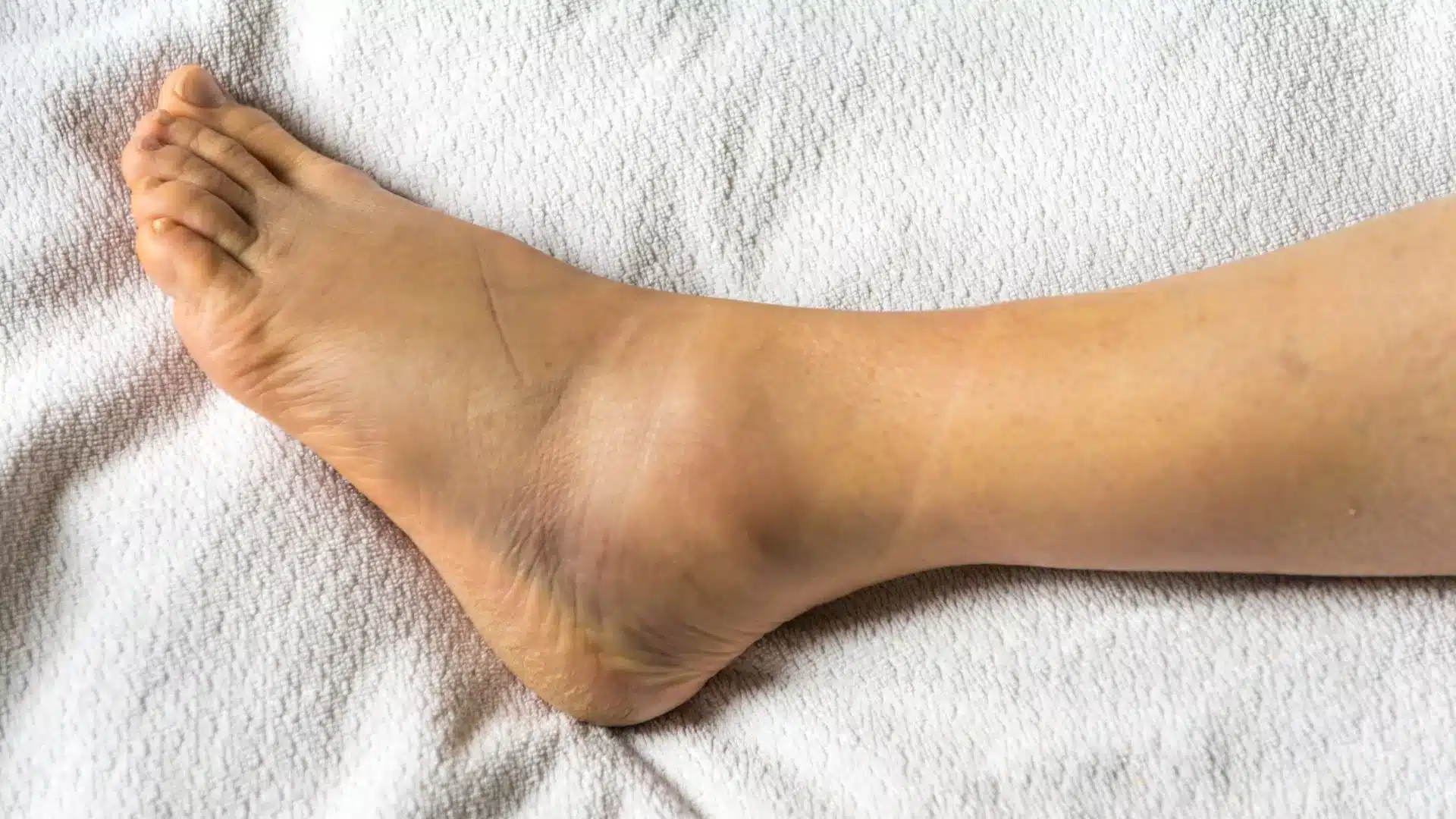
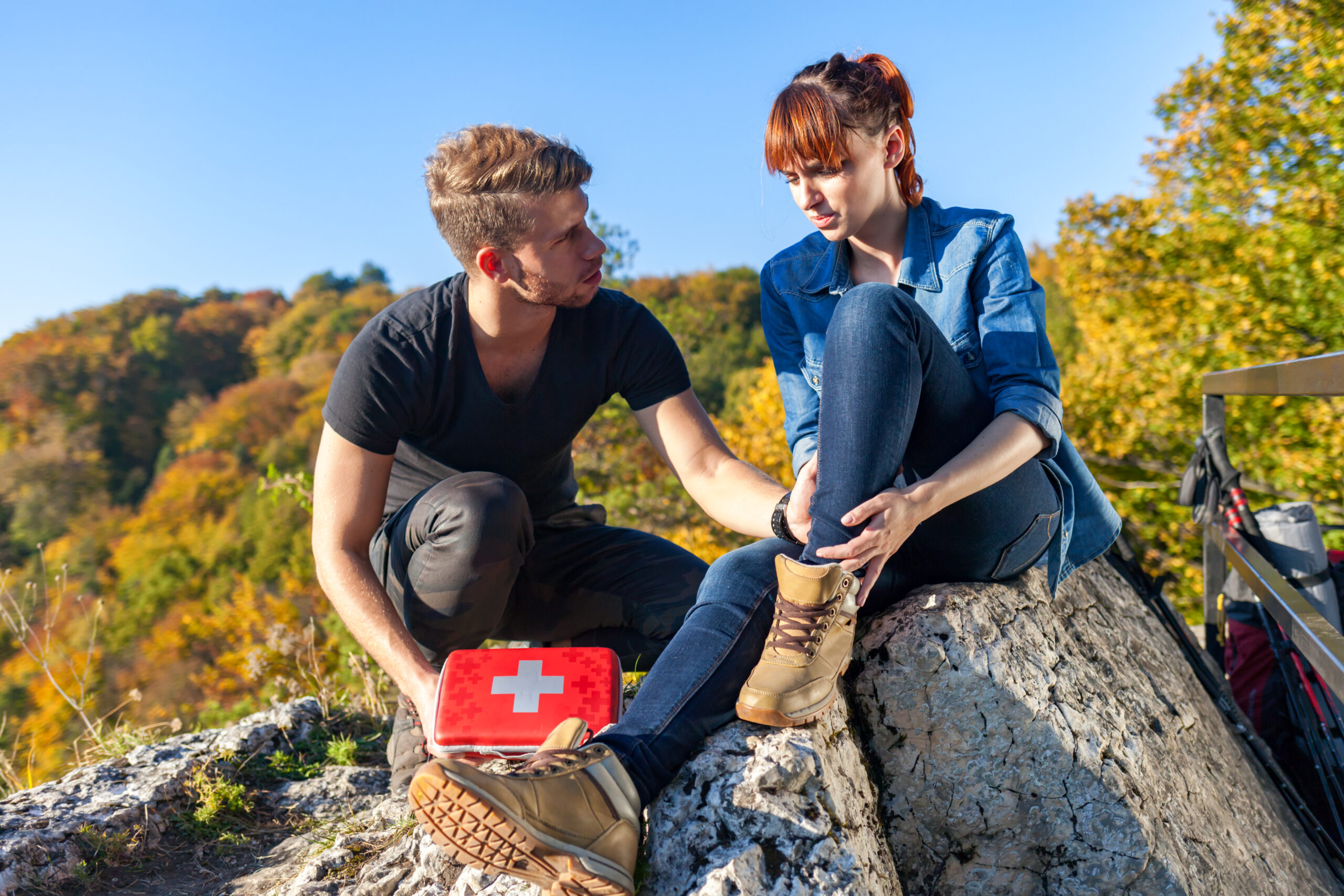
Ankle sprained, woman suffering from injury while trekking with hiking first aid kit

Table of Contents

  • About
  • Latest Posts
Sharon McCulloch
Sharon McCulloch
CEO, Founder and First Aid Trainer at FirstAidPro
Sharon McCulloch is the CEO and Founder of FirstAidPro, Australia's leading Registered Training Organisation (31124), delivering First Aid Courses nationwide.

Sharon has 21+ years of experience as a qualified Emergency Care Nurse registered with the Australian Health Practitioner Regulation Agency (APHRA) and 12+ years as a First Aid Trainer.

She takes pride in FirstAidPro making first aid training available, comprehensive and affordable to everybody.
Sharon McCulloch
Latest posts by Sharon McCulloch (see all)
  • Australian Spider Bite & Bite First Aid Guide – Identification, Symptoms & Treatment - 14/04/2026
  • Anti-Inflammatory Tablets – Sting & Bite Symptoms, Risks & First Aid - 10/04/2026
  • LVR CPR Training Australia: What Is the UETDRMP018 Course and Who Needs It? - 08/04/2026

Have you ever found yourself in a sticky situation on the trail, wishing you’d packed that one important item in your hiking first aid kit? You’re not alone.

Preparing for the unexpected is a key part of any hiking adventure, and a well-stocked hiking first aid kit can be the difference between a minor setback and a major emergency.

But what exactly should you include, and how can you ensure you’re ready for anything without weighing yourself down?

Let’s explore five essential tips that’ll help you craft the perfect first aid kit for your next outdoor excursion, making sure you’re prepared for whatever nature throws your way.

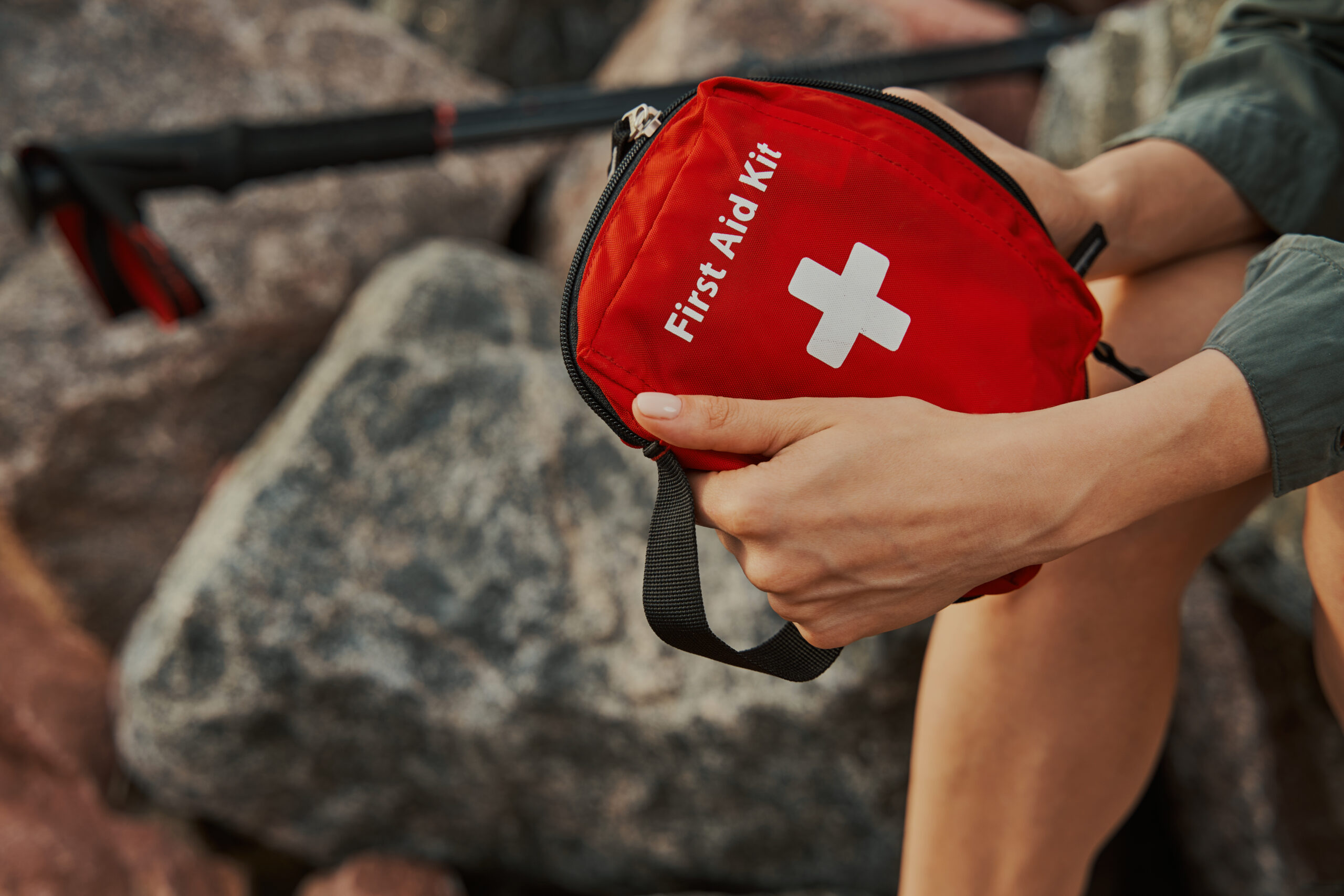
First aid kit in hands of a tourist

Key Takeaways

• Customise your hiking first aid kit based on terrain, weather, and potential hazards specific to your hiking destination.

• Include essential items like bandages, antiseptics, pain relievers, and emergency signalling devices.

• Opt for lightweight, compact solutions to maximise utility while minimising bulk in your backpack.

• Store supplies in clear, waterproof containers and organise items logically for quick access during emergencies.

• Regularly inspect and update your kit, replacing expired items and adjusting contents seasonally.

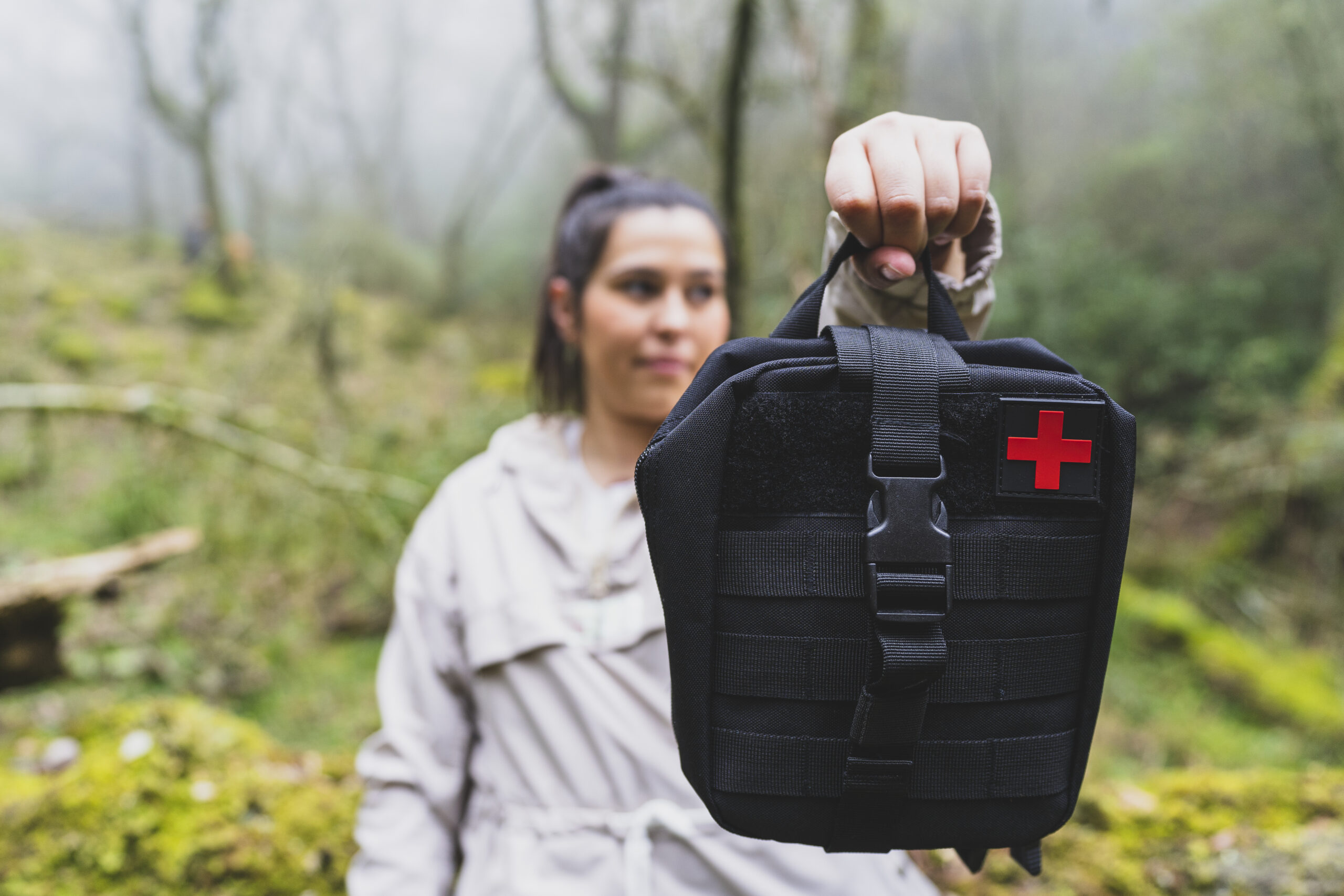
Closeup shot of the female holding a first aid bag in the forest

Essential Items for Hiking Safety

A well-stocked hiking first aid kit is your lifeline when hiking in remote areas, containing essential items to address common injuries and unexpected emergencies.

You’ll want to include a variety of bandages, gauze pads, and adhesive tape for wound care. Pack antibiotic ointment and antiseptic wipes to clean and protect cuts. Don’t forget tweezers for removing splinters or ticks, and scissors for cutting tape or clothing in emergencies.

For pain relief and inflammation, include over-the-counter medications like ibuprofen and paracetamol. Antihistamines are vital for managing allergic reactions and insect bites. Pack oral rehydration salts to combat dehydration, especially in hot climates. Include an emergency blanket for warmth and a whistle for signalling in case you’re lost.

Customising Your First Aid Kit

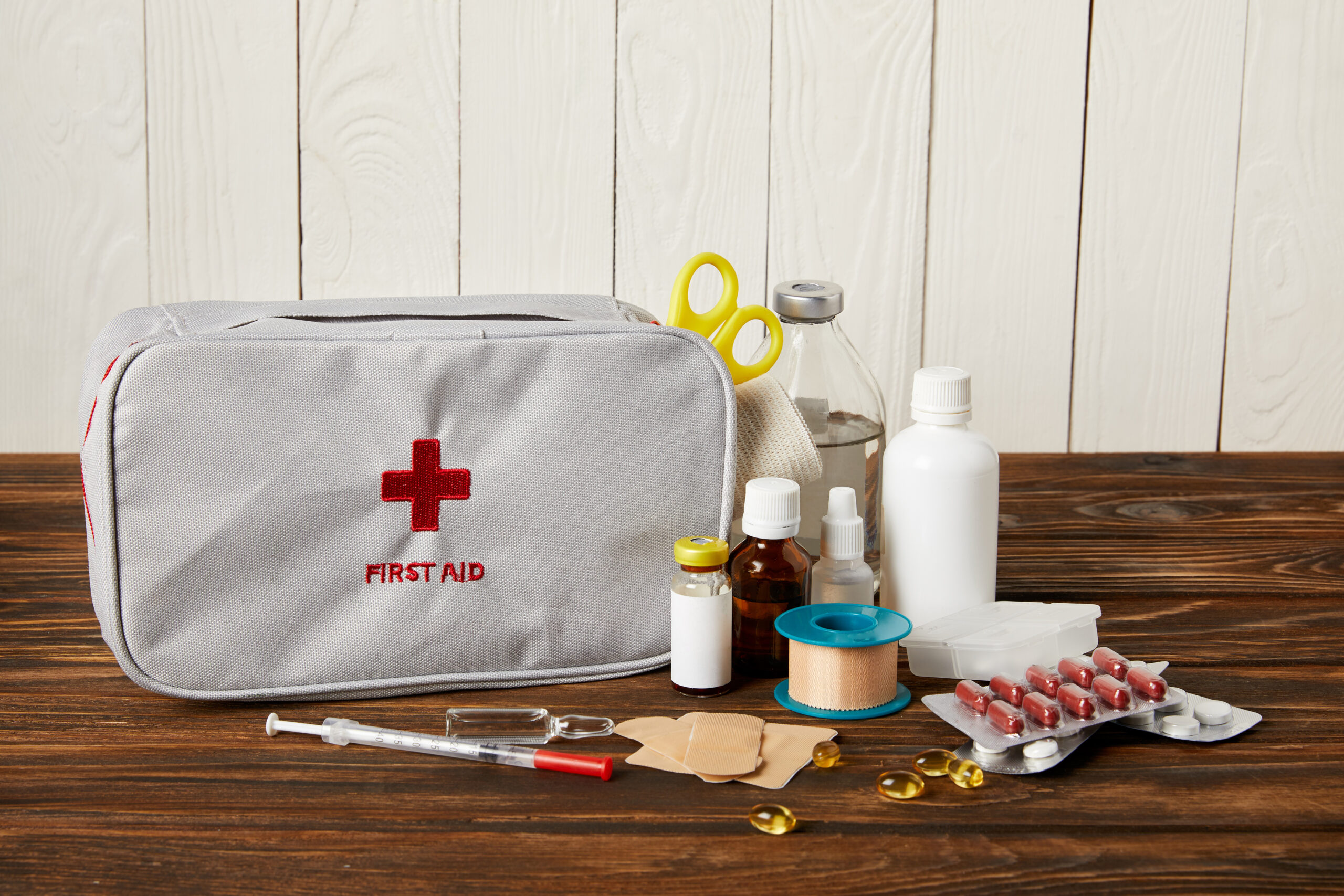
close up shot of first aid kit with various medicines on wooden tabletop

While a basic first aid kit covers many scenarios, customising your kit to match your specific hiking needs and destination will greatly enhance your preparedness and safety on the trail.

Consider the terrain, weather conditions, and potential hazards of your hiking location when adding items to your kit. For instance, if you’re hiking in an area known for snake encounters, include a snake bite kit. Similarly, if you’re prone to blisters, pack extra moleskin and blister treatments. Similarly, if you’re going remote you might consider a satellite phone or portable emergency distress beacon.

Take into account your personal medical history and any specific injuries you’ve experienced in the past. If you have allergies, make sure you have appropriate medications. For longer hikes, include items for potential emergencies like a space blanket or water purification tablets.

Weight and Space Considerations

supplies for minor injuries

Balancing the weight and space of your first aid kit is essential for a comfortable and safe hiking experience. When packing, consider compact solutions that maximise utility while minimising bulk. Opt for multi-purpose items, like a bandanna that can serve as a triangular bandage or a cooling cloth. Choose lightweight, travel-sized versions of essential medications and ointments.

Pay attention to weight distribution within your backpack. Place heavier items closer to your back and at shoulder level to maintain proper balance while hiking. Your first aid kit should be easily accessible, so store it in an outer pocket or near the top of your pack. Consider using a waterproof container or bag to protect your supplies from moisture.

Don’t sacrifice necessary items for the sake of weight reduction. Instead, focus on smart packing techniques. Use resealable bags to organise and compress supplies. Remove excess packaging from items before packing. If you’re hiking in a group, distribute first aid supplies among members to share the load.

Proper Storage and Organisation

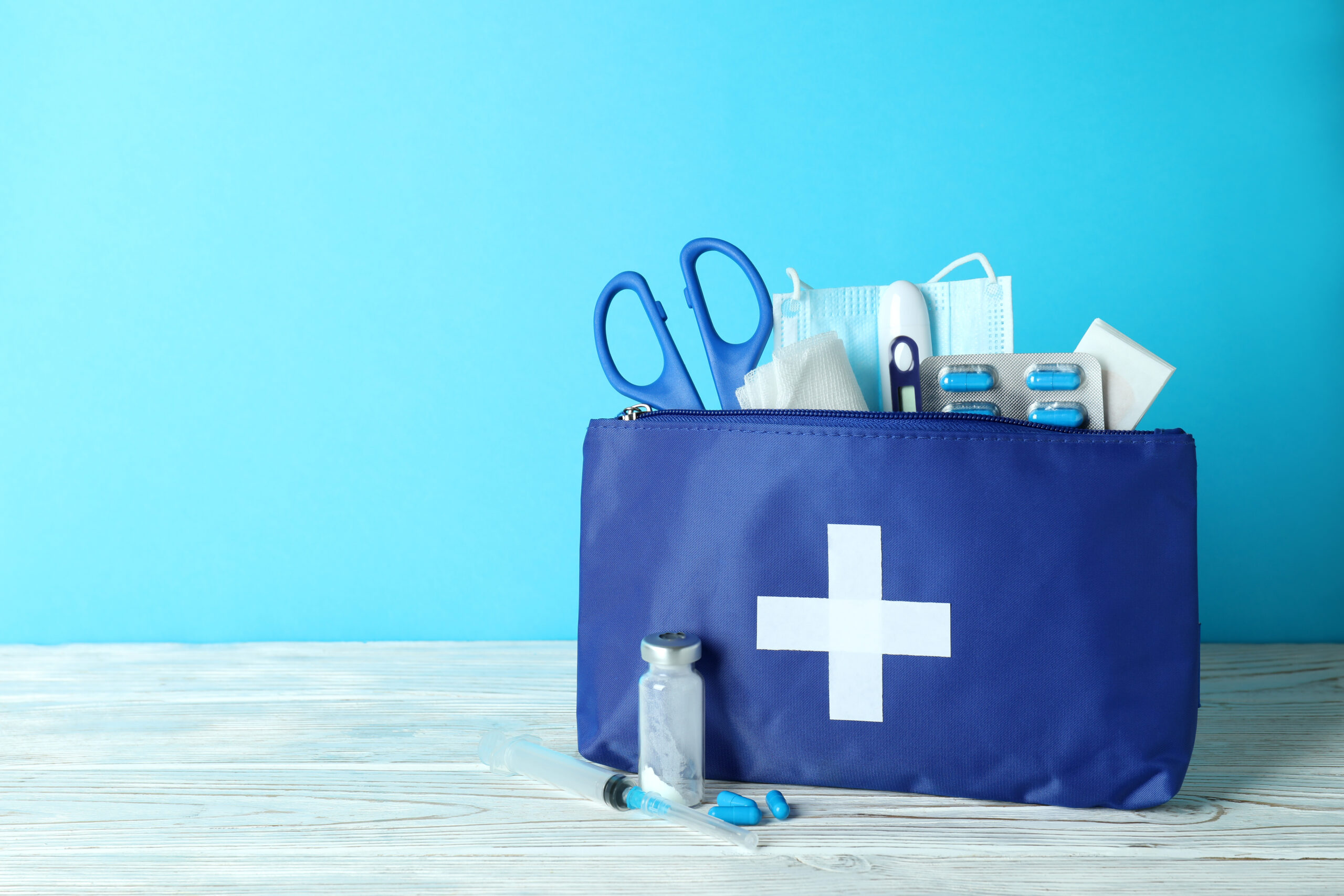
First aid medical kit against blue background

Now that you’ve optimised your kit’s weight and space, let’s focus on proper storage and organisation to guarantee quick access to supplies when you need them most. Efficient storage solutions and organisation techniques are essential for your hiking first aid kit’s effectiveness.

Use clear, waterproof containers to protect your supplies from moisture and dirt. Opt for compartmentalised boxes or pouches to keep items separated and easily identifiable. Label each section clearly, using large, bold text or colour-coding for quick recognition in stressful situations.

Arrange your supplies logically, grouping similar items together. For instance, keep all bandages in one section and medications in another. Place frequently used items near the top or in easily accessible pockets. Regularly check and update your kit, replacing expired items and replenishing used supplies.

Regular Maintenance and Replacements

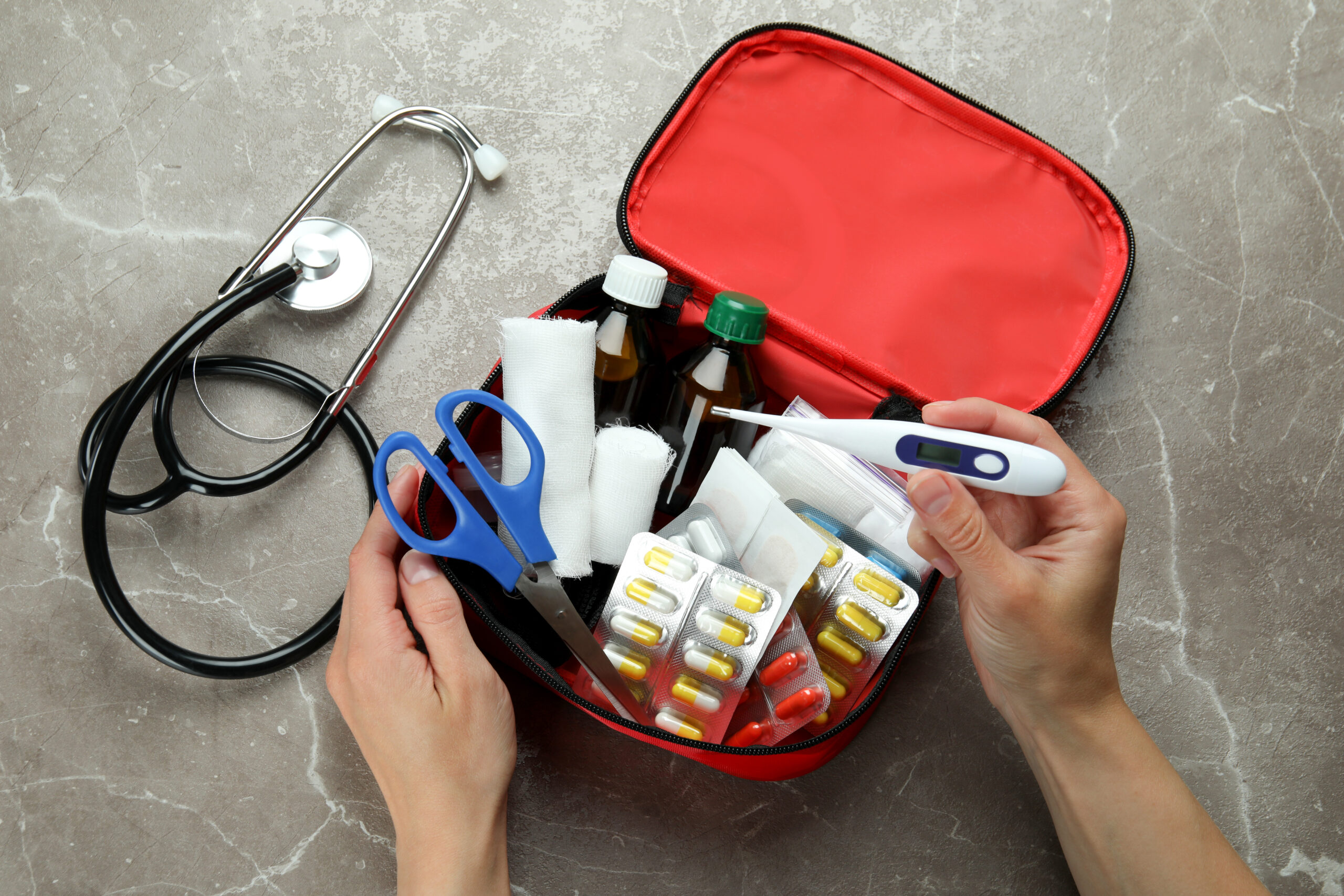
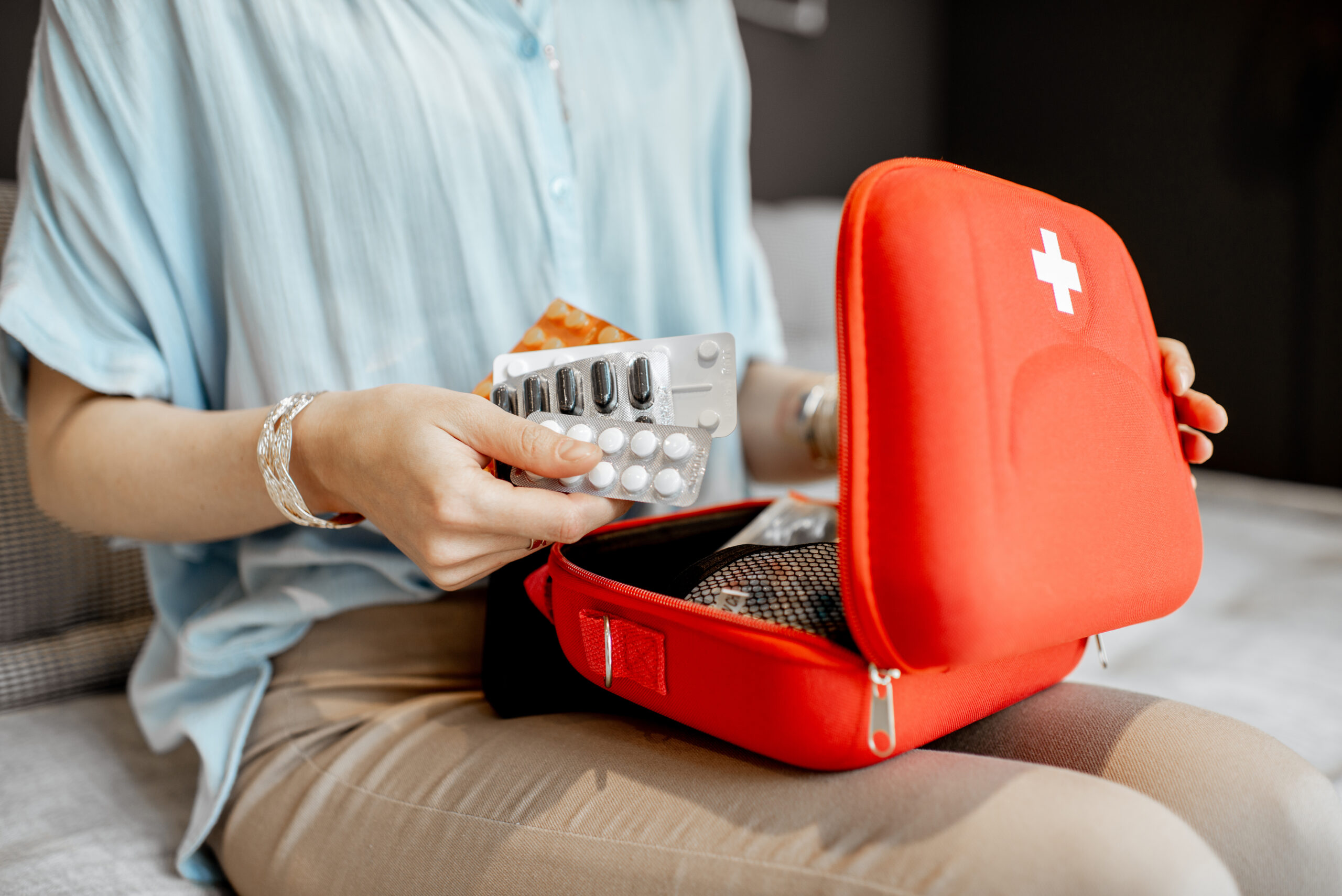
Taking pills from the first aid kit

To guarantee your hiking first aid kit remains effective and reliable, you’ll need to establish a regular maintenance routine and replacement schedule for its contents.

Start by performing kit inspections every few months, checking expiration dates on medications and ensuring all items are in good condition. Replace any expired or damaged items immediately.

Pay attention to seasonal updates as your kit’s needs may change throughout the year. In summer, add extra sunscreen and insect repellent, while winter might require additional hand warmers and cold-weather gear.

Keep a checklist of your kit’s contents and review it before each hike, replenishing any used items.

Monitor the condition of your kit’s container, replacing it if it shows signs of wear or damage. Check that all zippers, compartments, and closures are functioning properly.

Regularly clean and disinfect the kit’s exterior and interior to prevent contamination.

Set calendar reminders for annual overhauls of your kit. During these thorough inspections, reassess your kit’s contents based on your current hiking needs and any new medical considerations.

Stay informed about updated first aid practices and adjust your kit accordingly to ensure you’re always prepared for emergencies on the trail.

Frequently Asked Questions

What should I do if I run out of a crucial first aid item while hiking?

If you find yourself without an essential item, improvisation is key. Clean water can be used to rinse wounds, and a piece of clothing can act as a bandage. Knowing basic wilderness first aid techniques can help you manage injuries with available resources until professional help is accessible.

How do I handle a medical emergency if I'm hiking alone?

Carrying a personal locator beacon (PLB) or satellite messenger is crucial for solo hikers. If an emergency arises, use these devices to signal for rescue. Additionally, inform someone of your route before you depart, so they can alert authorities if you don’t check in as planned.

The content on this website offers general insights regarding health conditions and potential treatments. It is not intended as, and should not be construed as, medical advice. If you are facing a medical emergency, dial 000 immediately and follow the guidance provided.

Recent Posts
Common Australian Spiders
Australian Spider Bite & Bite First Aid Guide – Identification, Symptoms & Treatment
14/04/2026

An Australian spider bite is common, but serious injury is rare. This guide explains how to identify several Australian spiders, what a spider bite looks …

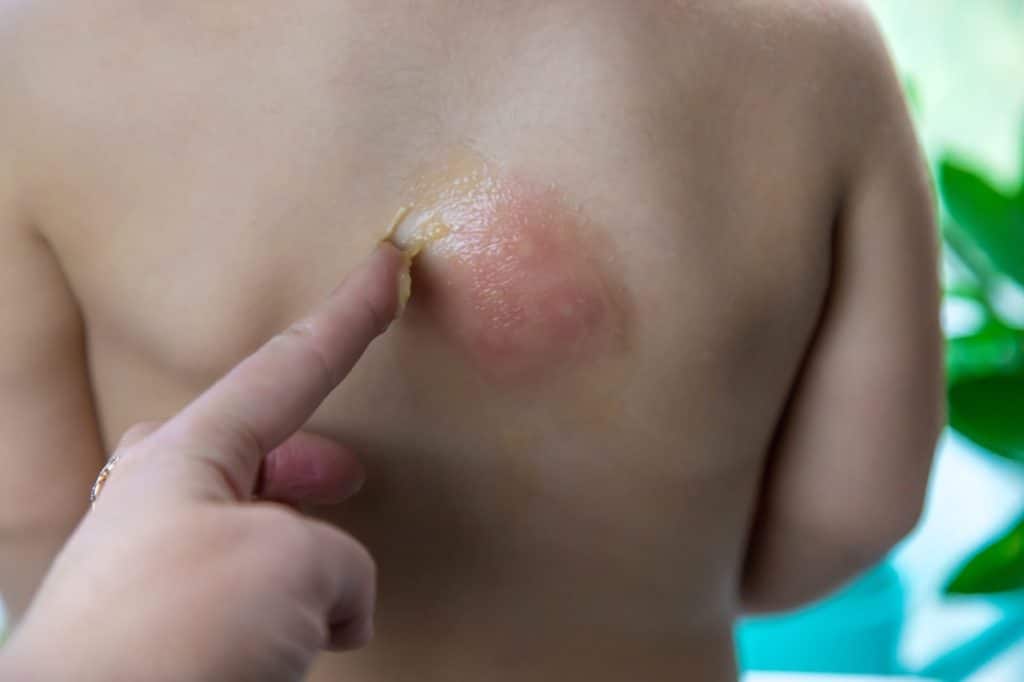
infected-insect-bite
Anti-Inflammatory Tablets – Sting & Bite Symptoms, Risks & First Aid
10/04/2026

Key Takeaways Anti-inflammatory tablets reduce pain and swelling from insect bites and stings but cannot treat serious allergic reactions or anaphylaxis.NSAIDs such as ibuprofen are …

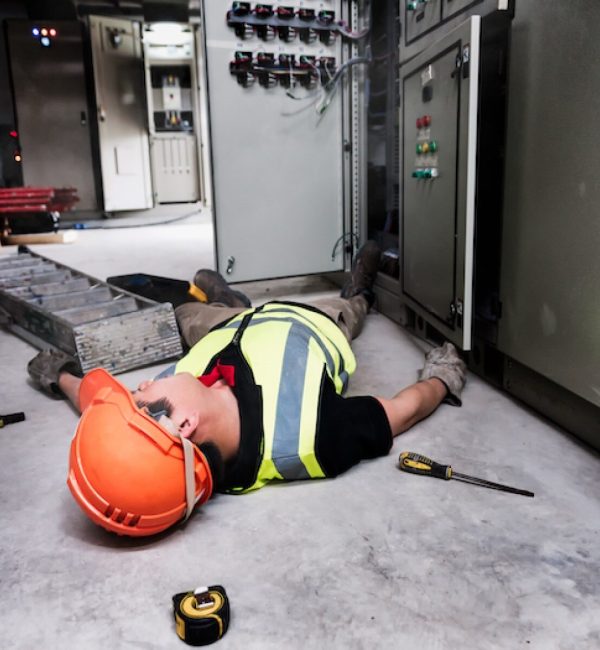
LVR CPR Training -UETDRMP018 Perform Rescue From A Live Low Voltage Panel
LVR CPR Training Australia: What Is the UETDRMP018 Course and Who Needs It?
08/04/2026

Low voltage rescue (LVR) is the process of safely removing a person from contact with a live low voltage electrical panel and providing emergency care …

CPR and AED
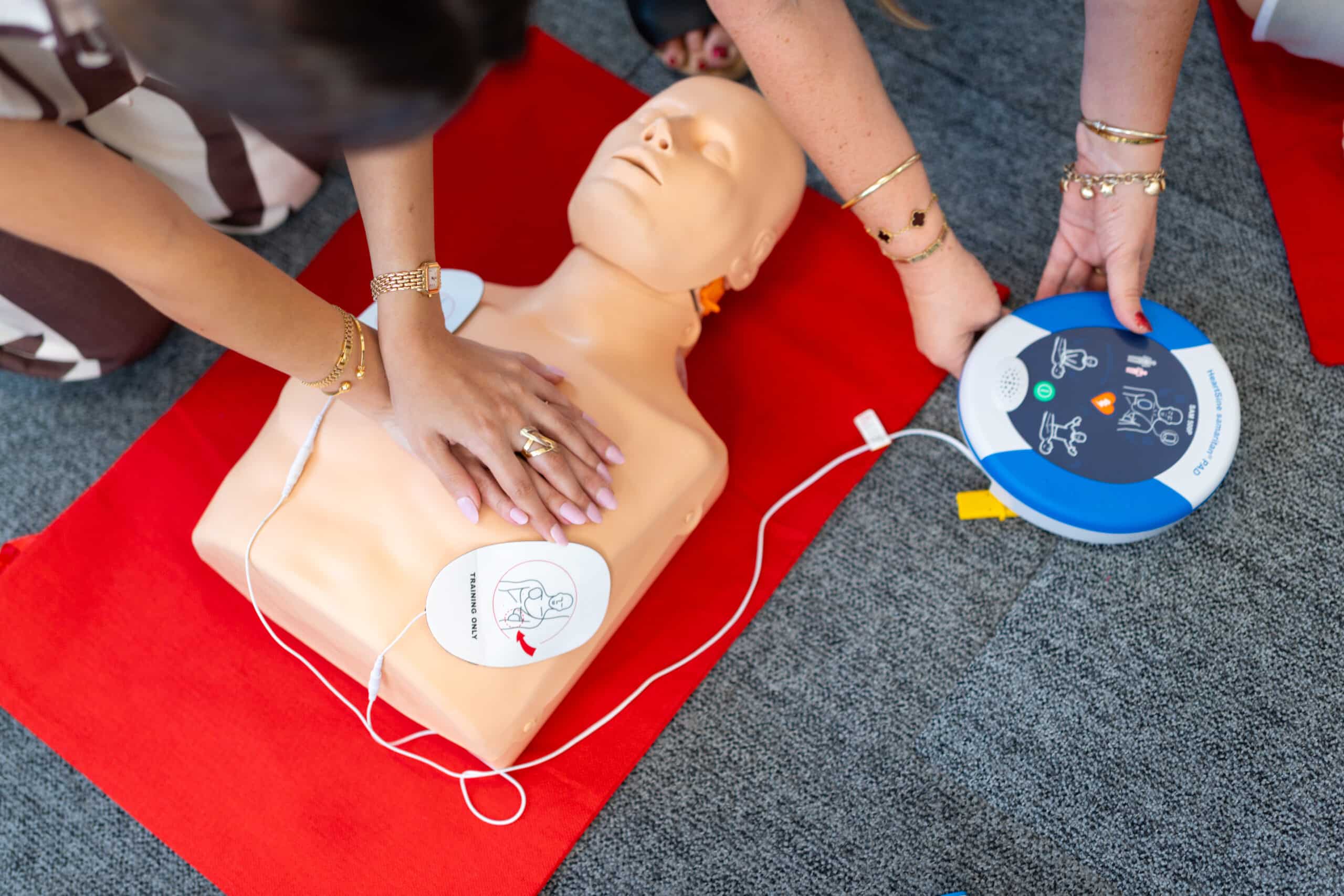
CPR and AED: Why They’re Critical for Saving Lives in Emergencies
01/04/2026

CPR and AED are life-saving first aid techniques used during cardiac arrest to help save lives before an ambulance arrives. When a person’s heart stops …

sprain of the ankle
Sprain vs Strain: Key Differences, Symptoms, and First Aid Treatment
27/03/2026

A sprain is a common soft-tissue injury that occurs when a ligament is stretched or torn, usually after a fall, twist, or sudden impact. Sprains …

Information
  • About Us
  • Contact Us
  • Mental Health Pro
  • Onsite Training
  • Careers
  • Collaborations
  • Course Calendar
  • Daily Deals
  • FAQs
  • Explore Our Courses
  • Instant Price Beat
  • Partners
  • Same Day Certificates
Resources
  • Student Login
  • Blog
  • Learn First Aid
  • Create Your USI
  • Find Your USI
  • First Aid Charts
Popular Courses
  • CPR
  • First Aid
  • Childcare First Aid
  • First Aid Mental Health
  • Remote First Aid
  • Advanced First Aid
  • CPR, Asthma & Anaphylaxis
  • Asthma & Anaphylaxis
  • CPR LVR
  • Manual Handling
  • Manual Handling Refresher
  • Medication Administration
  • White Card
Online Courses
  • Zoom Online CPR
  • Zoom Online First Aid
  • Zoom Childcare First Aid
  • Zoom NDIS HISS Courses
Blended Courses
  • Blended CPR
  • Blended First Aid
  • Blended Childcare First Aid
Charity Courses
  • Free CPR
  • Free First Aid
Locations
  • South Australia
  • Queensland
  • New South Wales
  • Victoria
  • ACT
  • Tasmania
  • Northern Territory
  • Western Australia
Policies & Procedures
  • Academic Honesty
  • Complaints & Appeals
  • LLN
  • Refunds & Cancellations
  • RPL & Credit Transfers
  • Training & Assessment
Firstaidpro Logo
Facebook Instagram Youtube tiktok Pinterest Linkedin
  • Level 3, Unit 6/9 Frinton Street, Southport QLD 4215
  • (08) 7120 2570
  • Get In Touch

FirstAidPro is a leading Registered Training Organisation (RTO: 31124) delivering industry-leading standards and the latest training techniques. We provide you with Australia’s most comprehensive, officially recognised first aid qualification!

  • Same-Day Certificates
  • Courses Available 7 days
  • Nationally Accredited Certification
eway-payment.png
© 2026 Firstaidpro Australia Pty Ltd (RTO: 31124) | ABN: 70 106 788 050 | ACN: 106 788 050 | All rights reserved.
  • Privacy Policy
  • Refund Policy
  • Website Disclaimer
North Hobart