


Sharon has 21+ years of experience as a qualified Emergency Care Nurse registered with the Australian Health Practitioner Regulation Agency (APHRA) and 12+ years as a First Aid Trainer.
She takes pride in FirstAidPro making first aid training available, comprehensive and affordable to everybody.
When you’re faced with a severe bleeding situation, your immediate actions can mean the difference between life and death. You’ll need to act quickly and decisively, following a series of critical first aid steps to control the blood loss and prevent further complications.
From evaluating the scene to applying pressure and elevating the injured area, each action plays a crucial role in managing this medical emergency.
Let’s explore the thorough approach to severe bleeding control.
Key Takeaways
• Assess the situation for hazards and identify the source of bleeding.
• Apply direct pressure to the wound using clean cloth, gauze, or bare hands.
• Elevate the injured area above heart level to reduce blood flow.
• Call for emergency medical assistance and provide clear location details.
Assess the Situation
Before taking any action, quickly evaluate the scene for potential hazards and identify the source of bleeding. This initial situation analysis is essential for your safety and the victim’s. Look for dangers like ongoing traffic, unstable structures, or aggressive individuals that could pose a risk to you or the patient.
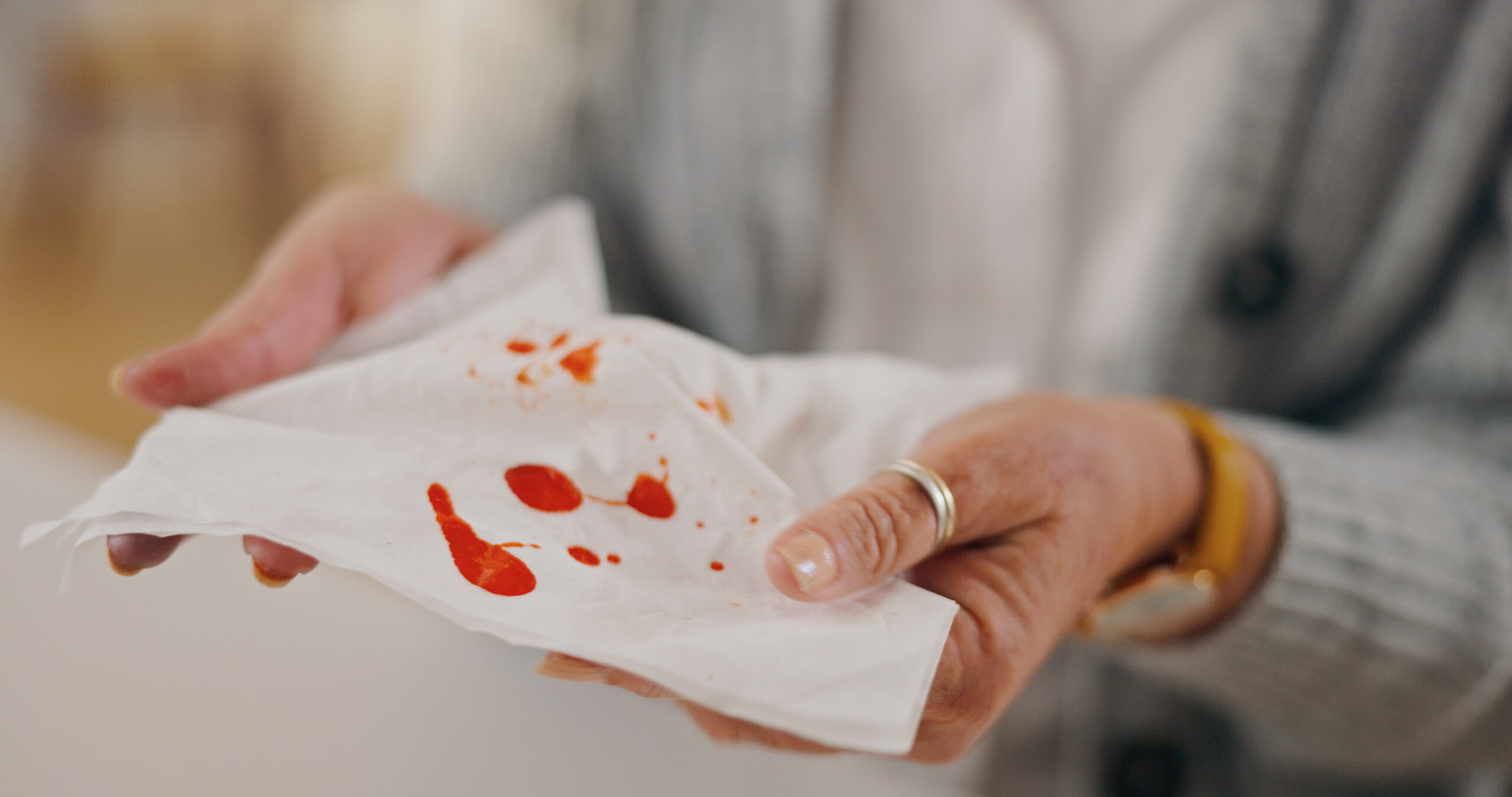
Once you’ve verified the area is safe, assess the severity of the bleeding. Is it arterial, venous, or capillary? Arterial bleeding, characterised by bright red blood spurting in sync with the heartbeat, is the most critical. Venous bleeding is darker and flows steadily, while capillary bleeding is typically slower and easier to control.
Perform a rapid risk assessment of the patient’s condition. Check for signs of shock, such as pale, cool, and clammy skin, rapid breathing, and confusion. Determine if there are multiple injuries or just a single wound. This information will guide your immediate actions and help prioritise care if there are multiple victims.
Call for Emergency Help
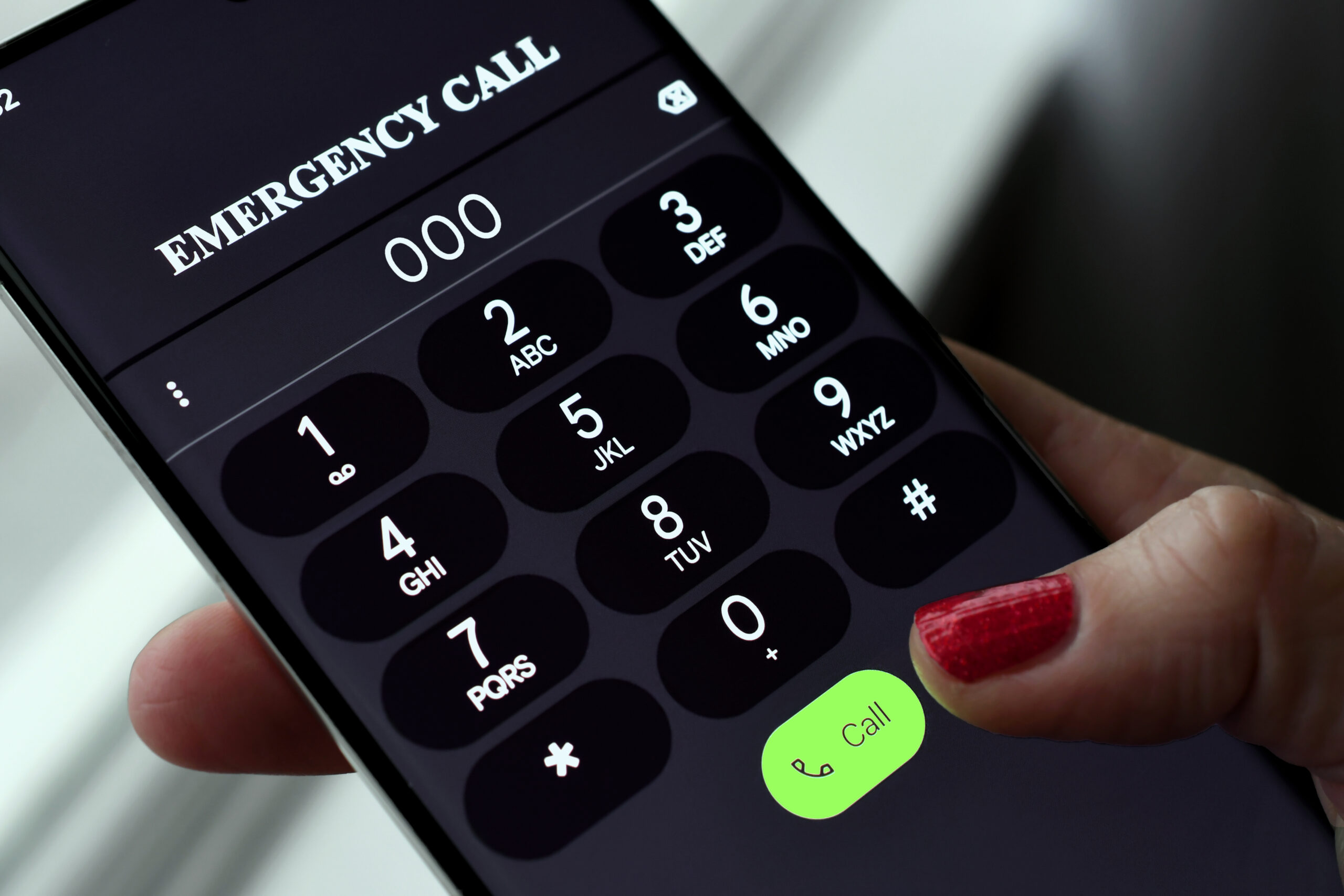
After evaluating the situation, your next immediate step in bleeding control is to call for emergency medical assistance. This action is essential in initiating the emergency response protocol and ensuring professional help arrives as quickly as possible. If you’re alone, use your mobile phone to dial the local emergency number (such as 000 in Australia). If others are present, designate someone specific to make the call while you focus on immediate bleeding control measures.
When communicating with emergency services, provide clear, concise information. State your location precisely, including any landmarks or specific directions if you’re in a hard-to-find area. Describe the nature of the emergency, emphasising that there’s severe bleeding.
Relay any relevant information about the victim’s condition, such as level of consciousness or difficulty breathing. Follow the dispatcher’s instructions carefully, as they may guide you through immediate first aid steps. Don’t hang up until instructed to do so, as the dispatcher may need additional information.
If possible, send someone to meet and guide the emergency responders to your exact location. Remember, effective emergency communication can notably impact the speed and quality of the medical response.
First Aid For Severe Bleeding
Apply Direct Pressure
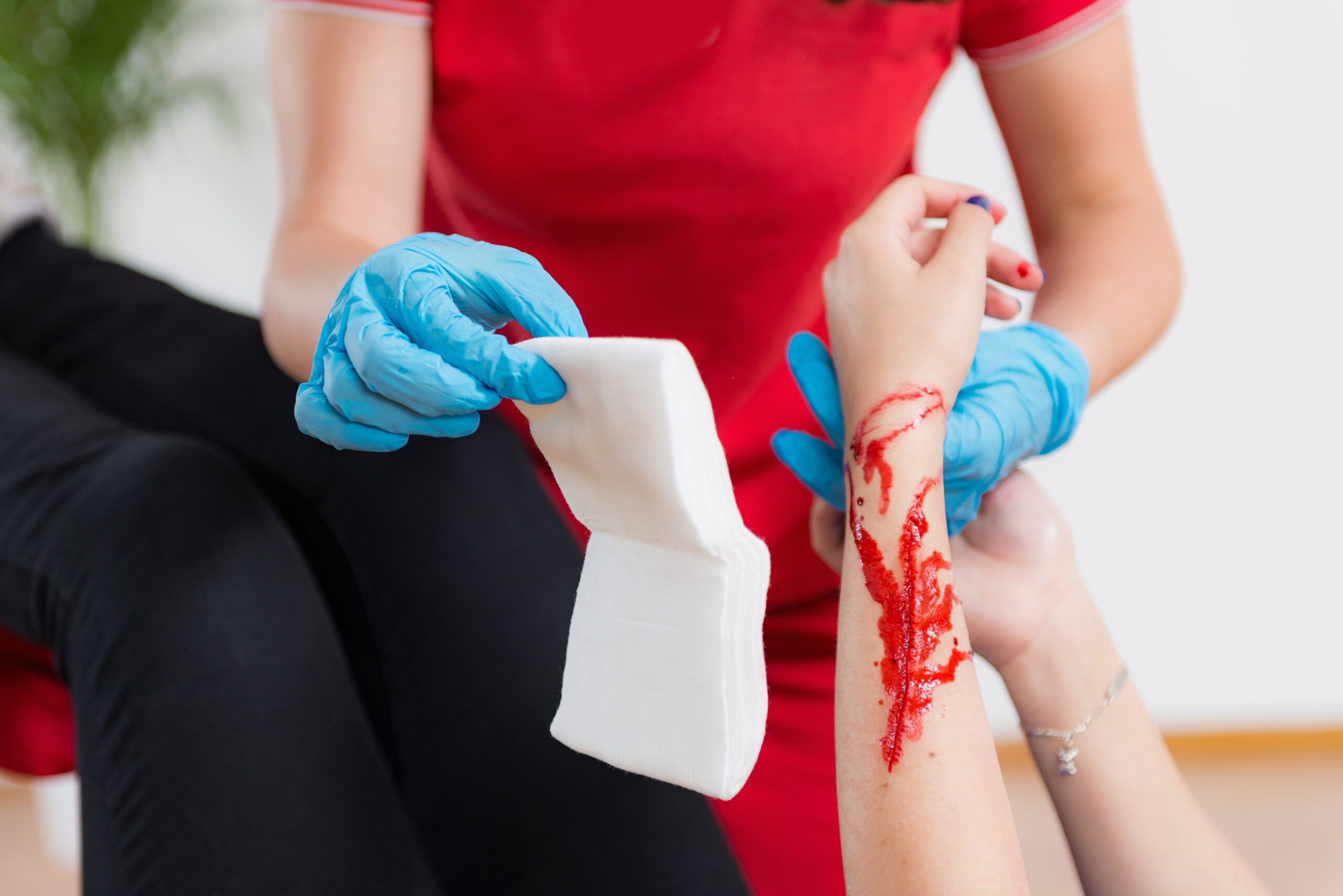
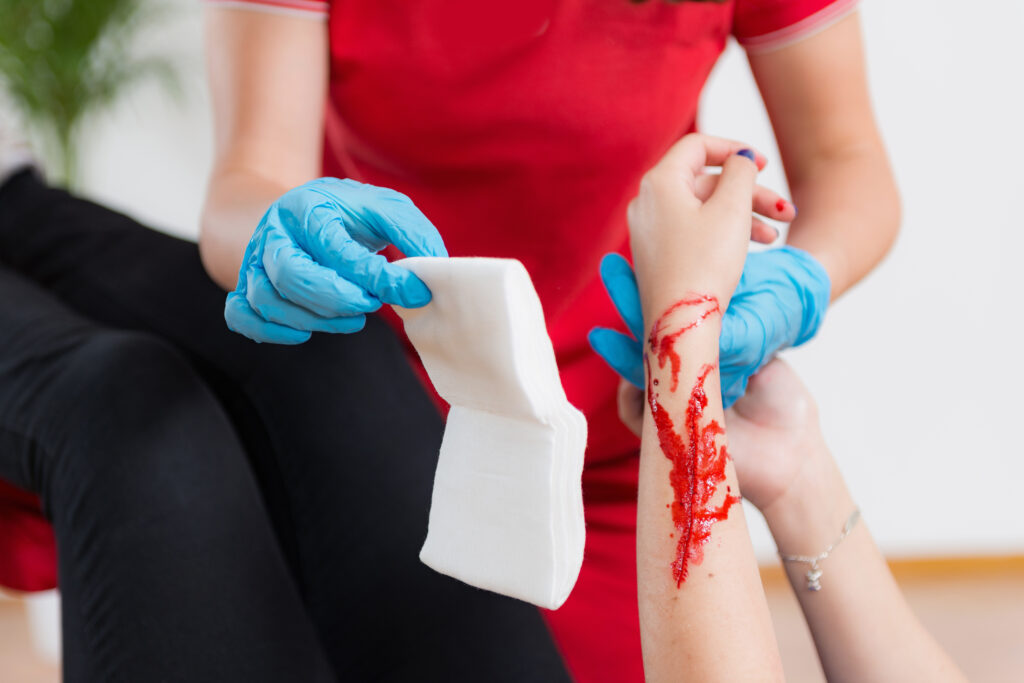
Direct pressure is the primary and most effective method for bleeding control. As a critical first aid technique, it’s important to apply firm, steady pressure directly on the wound using a clean cloth, sterile gauze, or your bare hands if nothing else is available.
Don’t remove the cloth or gauze if it becomes soaked with blood; instead, add more layers on top to maintain pressure.
Apply pressure continuously for at least 15 minutes without lifting your hands or checking the wound. This allows time for clotting to occur. If possible, elevate the injured area above the heart to reduce blood flow to the wound. For limb injuries, you can use a pressure point above the wound to further slow bleeding.
Elevate the Injured Area
Gently elevating the injured area above heart level can greatly reduce blood flow to the wound, aiding in bleeding control.
To properly elevate, use pillows or other supports to raise the affected limb while keeping the patient comfortable and stable.
Remember that elevation should be used in conjunction with direct pressure for maximum effectiveness.
Proper Elevation Technique
To properly elevate an injured area, you’ll need to position it above the level of the heart while maintaining comfort and stability. This technique is vital for maximising the benefits of elevation in controlling severe bleeding. Start by finding a secure surface to rest the affected limb on, such as pillows, folded blankets, or a sturdy chair.
For arm injuries, sit upright and use pillows to prop up the arm, ensuring it’s higher than your heart. If it’s a leg injury, lie flat on your back and elevate the leg on pillows or a raised surface. The goal is to achieve a 15 to 30-degree angle above heart level.
When applying elevation techniques, be mindful of any pain or discomfort. Adjust the position as needed, but always maintain the elevation. Remember, proper elevation helps reduce blood flow to the injured area, minimising blood loss and swelling. It’s important to combine this method with direct pressure and other first aid measures for the best results.
Keep the injured area elevated until professional medical help arrives. This consistent application of elevation benefits will contribute greatly to controlling severe bleeding and improving the overall outcome of the injury.
Monitor Vital Signs
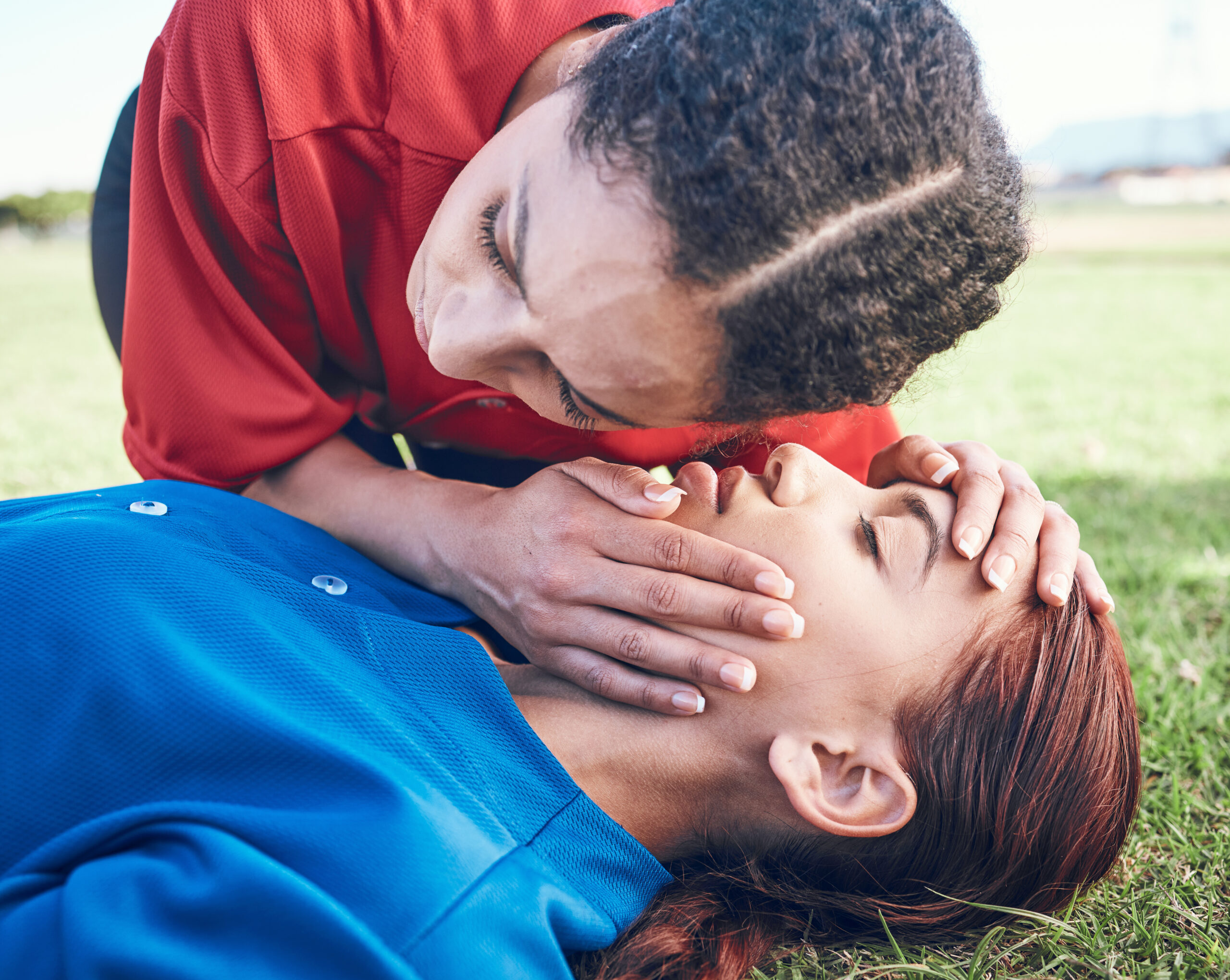
Keeping a close eye on essential signs is important for bleeding control, as they provide significant information about the patient’s condition and response to treatment.
When performing important sign assessment, focus on the following key indicators: blood pressure, heart rate, respiratory rate, and level of consciousness.
Monitor blood pressure frequently, as a substantial drop can indicate severe blood loss. A systolic pressure below 90 mmHg is cause for immediate concern.
Heart rate typically increases to compensate for blood loss; a rapid, weak pulse may signal worsening shock.
Watch for respiratory rate changes, as rapid, shallow breathing can indicate inadequate oxygen delivery.
Utilise monitoring techniques such as pulse oximetry to assess oxygen saturation levels.
Maintain vigilance for signs of altered mental status, which can range from confusion to unconsciousness. These changes may indicate decreased blood flow to the brain.
Document all important signs at regular intervals, noting any trends or sudden changes. This information is significant for healthcare providers to make informed decisions about ongoing treatment.
Prevent Shock

Maintaining the patient’s body temperature is essential in preventing shock during bleeding control. As blood loss occurs, the body’s ability to regulate temperature diminishes, potentially leading to hypothermia and further complications. You must act quickly to keep the patient warm, using available resources to insulate them from the environment.
To effectively keep the patient warm and prevent shock:
- Use thermal blankets if available, as they’re designed to retain body heat efficiently.
- Cover the patient with any available dry clothing, blankets, or even newspapers if necessary.
- Shield the patient from wind, rain, or cold surfaces by placing insulating materials beneath them.
- Remove any wet clothing, as it can rapidly cool the body.
Monitor the patient’s body temperature regularly if possible. If you don’t have a thermometer, feel their skin for coldness or clamminess. Pay special attention to extremities, as they’re often the first to cool.
Provide Ongoing Care
Perform regular wound assessments to ensure that bleeding remains controlled and to detect any signs of infection or complications.
Maintain the following steps in your ongoing care routine:
- Regularly check essential signs, including blood pressure, heart rate, and respiratory rate.
- Monitor the patient’s level of consciousness and assess for signs of shock.
- Evaluate the wound site for any changes in appearance, swelling, or increased pain.
- Reassess and adjust bandages or dressings as needed to maintain proper pressure.
Remember that severe blood loss can have lasting effects on the body, so continue to observe the patient closely even after the initial crisis appears to have passed.
Frequently Asked Questions
Can severe bleeding lead to other complications?
Yes, excessive bleeding can cause complications like shock, organ failure, and infection. If untreated, reduced blood flow may deprive vital organs of oxygen, leading to long-term damage. Open wounds also increase the risk of bacterial contamination, which could result in serious infections like sepsis.
How does the body naturally respond to severe bleeding?
The body reacts by constricting blood vessels to slow blood loss and increasing heart rate to maintain circulation. Blood clotting mechanisms also activate, forming clots to seal wounds. However, in severe cases, these responses may not be enough, requiring immediate first aid intervention.
What should be done if the bleeding is internal?
Internal bleeding can be harder to detect but may show symptoms like dizziness, swelling, or bruising. Lay the person down, keep them still, and seek emergency medical help immediately. Unlike external bleeding, direct pressure cannot be applied, so professional care is essential.
Are certain individuals at higher risk of excessive bleeding?
Yes, individuals with blood clotting disorders, those taking anticoagulant medications, and people with liver disease are more prone to excessive bleeding. In such cases, even minor wounds may require urgent medical attention to prevent complications.
How can dehydration affect bleeding control?
Dehydration reduces blood volume, making it harder for the body to compensate for blood loss. This can lead to faster shock onset and impair clotting. Providing fluids (if the person is conscious and not at risk of choking) may help stabilise circulation while awaiting medical assistance.