


Sharon has 21+ years of experience as a qualified Emergency Care Nurse registered with the Australian Health Practitioner Regulation Agency (APHRA) and 12+ years as a First Aid Trainer.
She takes pride in FirstAidPro making first aid training available, comprehensive and affordable to everybody.
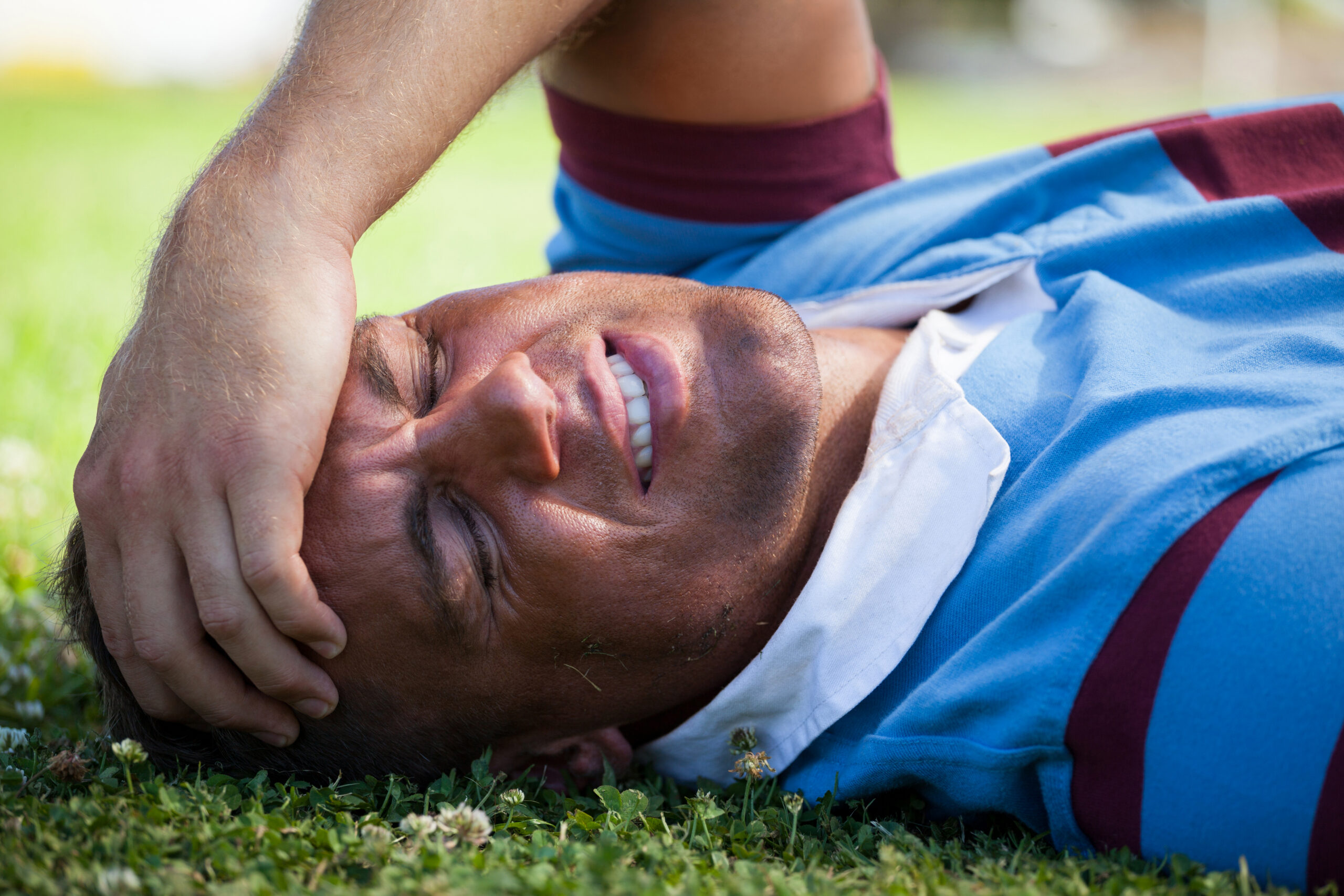
You’re suddenly faced with a potential sports head injury situation. Do you know what to do next? Head injuries in sports can be serious, even life-threatening, and your immediate response could make all the difference.
Whether you’re a coach, player, or spectator, understanding the essential first aid steps for sports-related head injuries is vital.
Let’s explore seven key tips that could help you handle this critical situation with confidence and potentially save a life.
Key Takeaways
- Immediately assess consciousness and breathing, stabilising the head and neck to prevent further injury.
- Use the Glasgow Coma Scale to evaluate cognitive function and monitor pupil dilation and reaction.
- Do not move the athlete unless absolutely necessary, and avoid removing protective equipment like helmets.
- Monitor vital signs closely, including pulse, breathing rate, and level of consciousness for any changes.
- Seek immediate medical help for loss of consciousness, worsening headache, repeated vomiting, or clear fluid from ears or nose.
Recognise Signs of Sports Head Injury
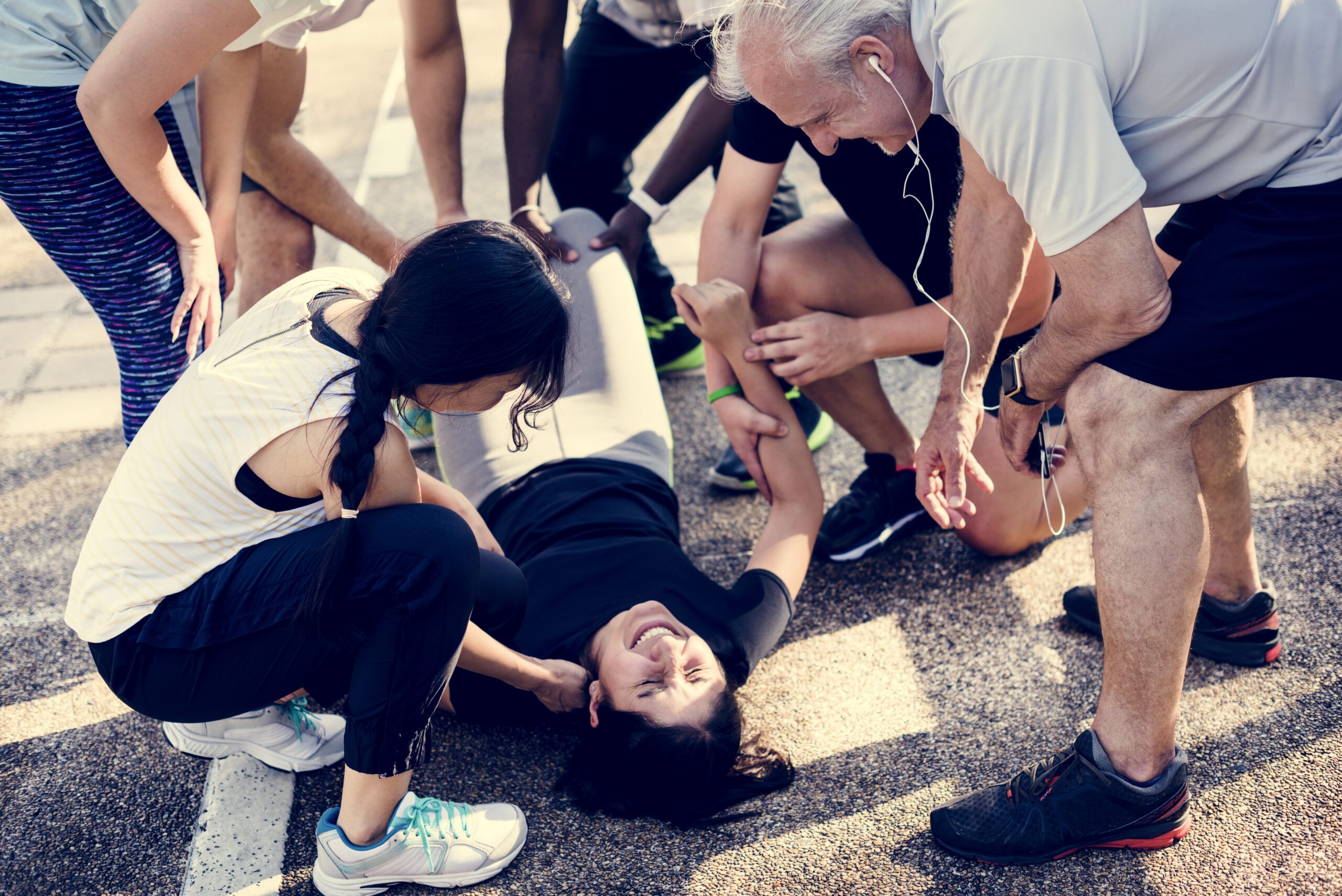
Vigilance in recognising head injury symptoms is vital for prompt and effective first aid intervention. You must be able to quickly identify potential signs of trauma, as immediate action can greatly impact the athlete’s recovery and long-term health outcomes.
Familiarise yourself with an extensive symptoms checklist to assess injury severity accurately. Look for visible indicators such as bleeding, bruising, or swelling around the head and face. Pay close attention to the athlete’s level of consciousness, as confusion, disorientation, or loss of consciousness can signal a severe injury.
Monitor for changes in pupil size or reactivity, which may indicate increased intracranial pressure. You should also watch for less obvious symptoms like dizziness, balance issues, or memory problems. Nausea, vomiting, and sensitivity to light or noise are additional red flags. Be aware that symptoms can sometimes develop or worsen over time, so continuous monitoring is vital.
If you observe any of these signs, don’t hesitate to seek immediate medical attention. Remember, it’s always better to err on the side of caution when dealing with potential head injuries in sports.
Immediate Response Protocol
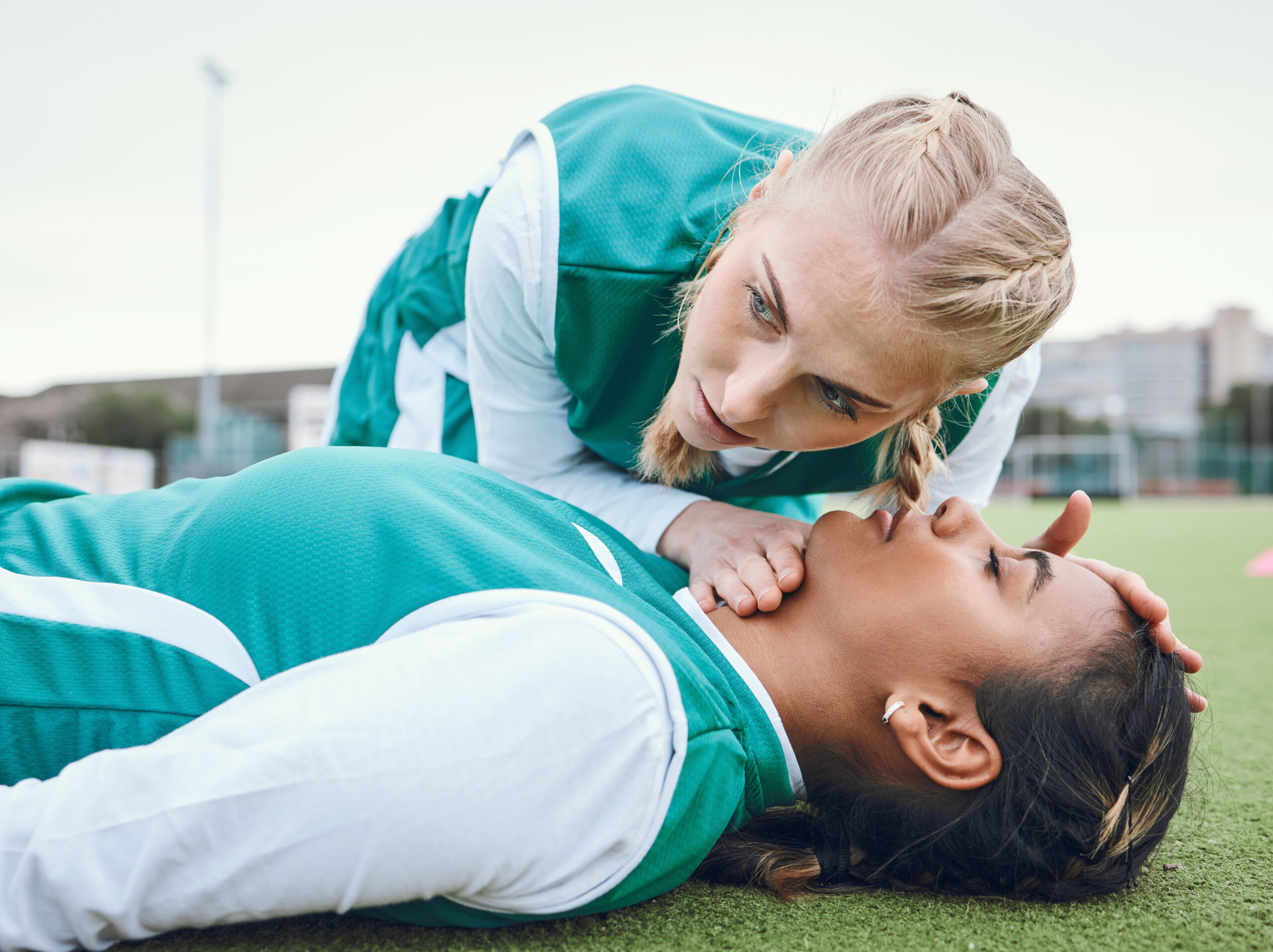
When responding to a sports-related head injury, your first priority is to assess the athlete’s consciousness and breathing.
Assess Consciousness and Breathing
Your immediate priority after a sports-related head injury is to assess the athlete’s level of consciousness and ensure they’re breathing properly.
Begin the consciousness assessment by speaking loudly and clearly to the injured athlete. If they respond, ask simple questions like their name or the current date to evaluate their awareness. If there’s no response, gently shake their shoulders while continuing to speak to them.
For the breathing evaluation, look for chest movement, listen for breath sounds, and feel for air coming from their nose or mouth. If breathing is present but irregular, monitor closely and prepare to intervene if necessary. In cases of no breathing or abnormal breathing patterns, immediately begin CPR and call for emergency medical services.
Stabilise Head and Neck
Proper stabilisation of the head and neck is essential immediately following a sports-related head injury to prevent potential exacerbation of cervical spine damage.
You must employ head immobilisation techniques and neck support methods to maintain the athlete’s spine in a neutral position. Don’t attempt to move the injured player unless there’s an immediate threat to their safety.
To effectively stabilise the head and neck:
- Kneel at the athlete’s head and gently place your hands on either side of their helmet or head.
- Maintain manual cervical spine stabilisation until emergency medical services arrive.
- If you’re trained, apply a cervical collar to provide additional support.
- Keep the athlete still and discourage any movement of their head or neck.
- Communicate calmly with the injured player, explaining the importance of remaining motionless.
Prevent Further Injury
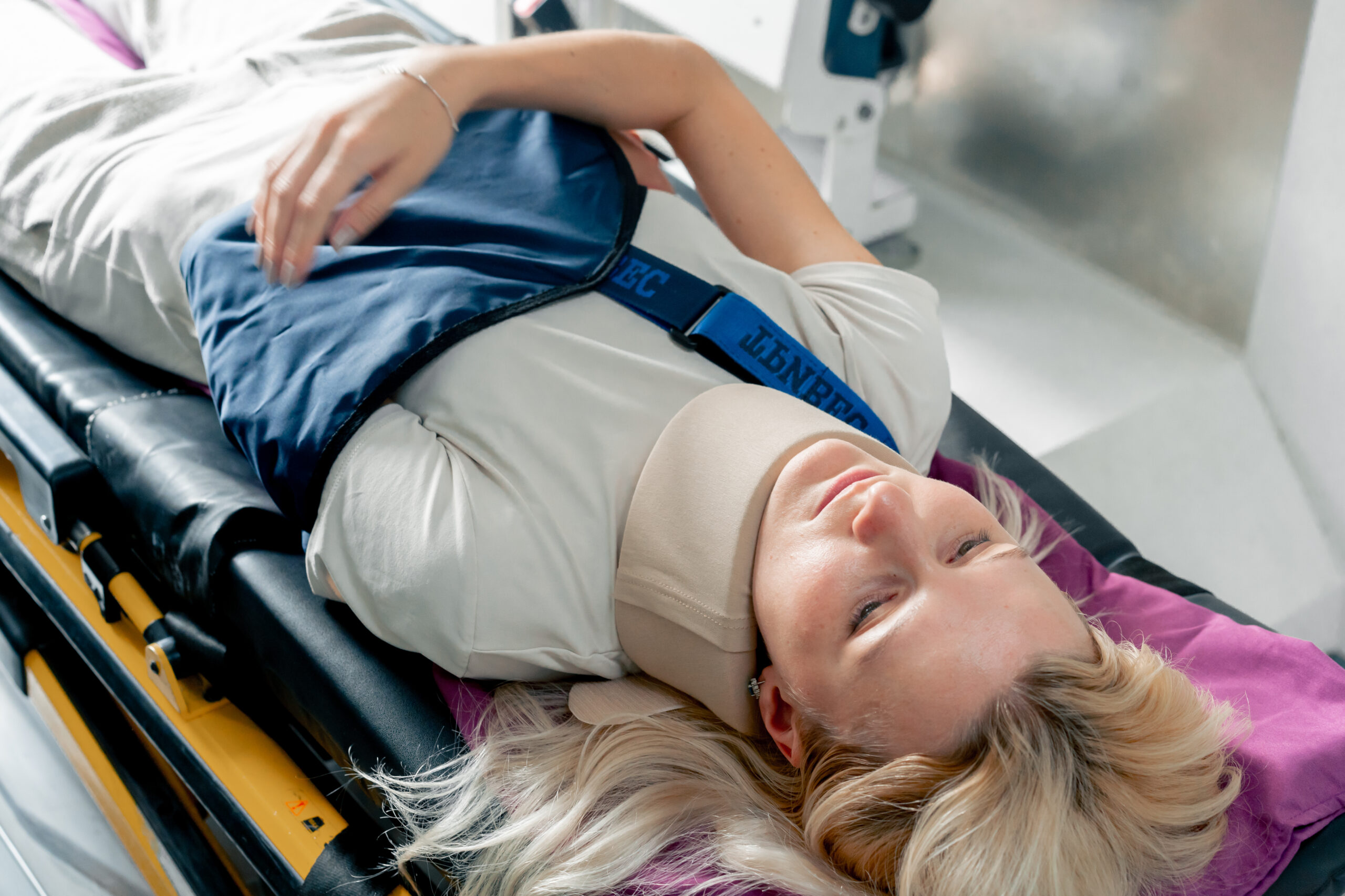
It’s vital to prevent any additional injury to the athlete. Stabilise the head and neck to minimise movement, as this can exacerbate potential spinal injuries.
Don’t remove the helmet unless absolutely necessary, as it provides significant protection and may be holding cervical spine alignment.
Ensure the playing area is safe and free from hazards that could cause further harm. If possible, create a protective barrier around the injured athlete to prevent accidental contact from other players or equipment.
Monitor the athlete closely for any changes in condition, and be prepared to initiate CPR if breathing stops.
Injury prevention is significant in sports-related head injuries. Here are key points to remember:
- Always enforce proper helmet safety and fit
- Teach athletes correct tackling and playing techniques
- Implement strict concussion protocols
- Maintain well-maintained playing surfaces
- Encourage a culture of reporting injuries
Monitor Vital Signs
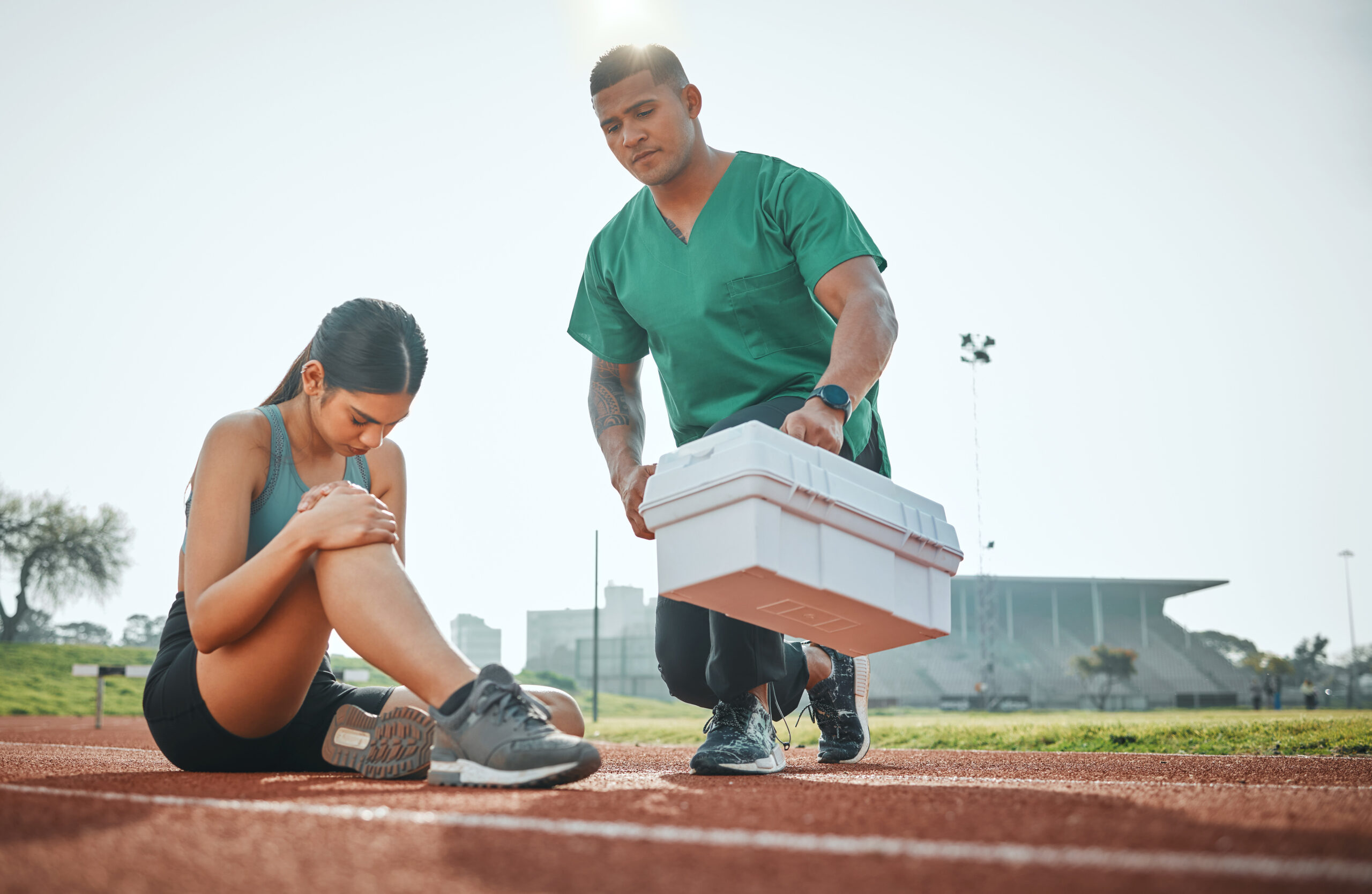
Monitor essential signs closely after a sports-related head injury. In addition to pulse and breathing, you should also observe pupil dilation and reaction times.
Pupillary response serves as a significant indicator of brain function and potential intracranial pressure changes following a sports-related head injury. When performing a neurological assessment, you’ll need to carefully observe the injured athlete’s pupils. Use a penlight to check each eye individually, noting the size, shape, and symmetry of the pupils. A normal pupillary response involves constriction when exposed to light and dilation in darkness.
Pay close attention to these key aspects of pupil dilation/reaction:
- Pupil size: Measure and compare both pupils
- Reactivity: Observe how quickly pupils constrict to light
- Symmetry: Check if both pupils are equal in size and react similarly
- Accommodation: Test the pupils’ ability to focus on near and far objects
- Persistence: Monitor pupillary response over time for changes
Abnormal pupil reactions, such as unequal size (anisocoria), sluggish response, or fixed and dilated pupils, may indicate severe brain injury or increased intracranial pressure. If you observe any of these signs, it’s essential to seek immediate medical attention.
When to Seek Medical Help

Immediate medical attention is essential if you observe any of the following symptoms after a head injury:
- Loss of consciousness, even briefly
- Severe headache that worsens over time
- Repeated vomiting or nausea
- Seizures or convulsions
- Slurred speech or difficulty speaking
- Weakness or numbness in any part of the body
- Confusion, disorientation, or unusual behaviour
- One pupil larger than the other
- Clear fluid or blood draining from ears or nose
- Inability to wake up or stay awake
Keep a symptoms checklist handy in your sports first aid kit for quick reference. If you observe any of these signs, call emergency services immediately.
Follow-up Care and Recovery
Once medical professionals have cleared the athlete for discharge, proper follow-up care becomes the next essential step in ensuring a full recovery from a sports-related head injury. It’s vital to adhere to the prescribed rehabilitation strategies and follow-up appointments.
Cognitive rest is essential during the initial recovery phase, which means limiting activities that require mental concentration.
Gradually reintroduce physical and mental activities, following the healthcare professional’s guidance. This process, known as ‘return-to-play’ protocol, is important for preventing re-injury and ensuring complete recovery.
Key follow-up care and recovery steps include:
- Adhering to prescribed medication schedules
- Maintaining a consistent sleep routine
- Avoiding alcohol and recreational drugs
- Gradually returning to normal activities as tolerated
- Attending all scheduled follow-up appointments
Frequently Asked Questions
Can Wearing a Mouthguard Help Prevent Sports Head Injuries?
Yes, wearing a mouthguard can greatly reduce your risk of sports-related head injuries. Its effectiveness in injury prevention extends beyond dental protection, potentially decreasing concussion risk by absorbing shock and stabilising your jaw during impacts.
Are Some Sports More Prone to Sports Head Injuries Than Others?
Rugby risks and football statistics show these contact sports lead the pack. Concussion rates are considerably higher compared to non-contact activities.
What Are the Long-Term Effects of Multiple Concussions in Athletes?
Multiple concussions can lead to serious long-term effects. You’re at risk of chronic traumatic encephalopathy, which may cause cognitive impairment and emotional instability. Memory loss, depression, and increased risk of neurodegenerative diseases are also potential consequences you should be aware of.