



Sharon has 21+ years of experience as a qualified Emergency Care Nurse registered with the Australian Health Practitioner Regulation Agency (APHRA) and 12+ years as a First Aid Trainer.
She takes pride in FirstAidPro making first aid training available, comprehensive and affordable to everybody.
You’ve probably seen a workplace first aid kits around your office, but do you know how to use them effectively? It’s not just about having one; it’s about being prepared when emergencies strike.
From familiarising yourself with the contents to understanding workplace-specific hazards, there’s more to proper first aid kit management than meets the eye.
The tips we’ll explore can mean the difference between a minor incident and a major catastrophe.
So, are you ready to enhance your workplace safety knowledge?
Key Takeaways
- Familiarise yourself with the kit’s contents and organisation for quick access during emergencies.
- Regularly check and replace expired items to maintain kit effectiveness.
- Keep the first aid kit easily accessible in a visible location known to all employees.
- Use appropriate personal protective equipment (PPE) when administering first aid.
- Document all kit usage and report incidents according to workplace protocols.
Familiarise Yourself With Contents
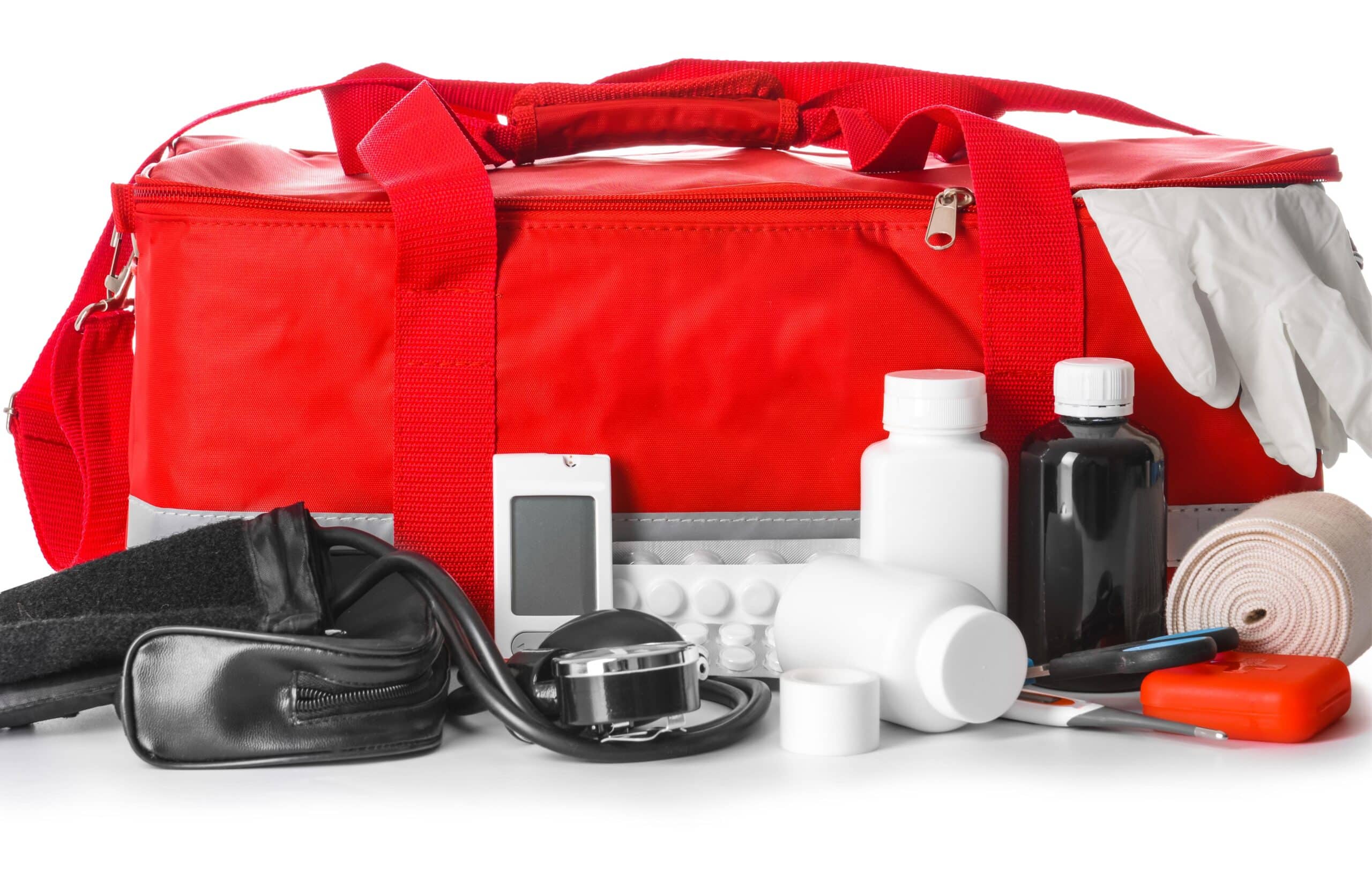
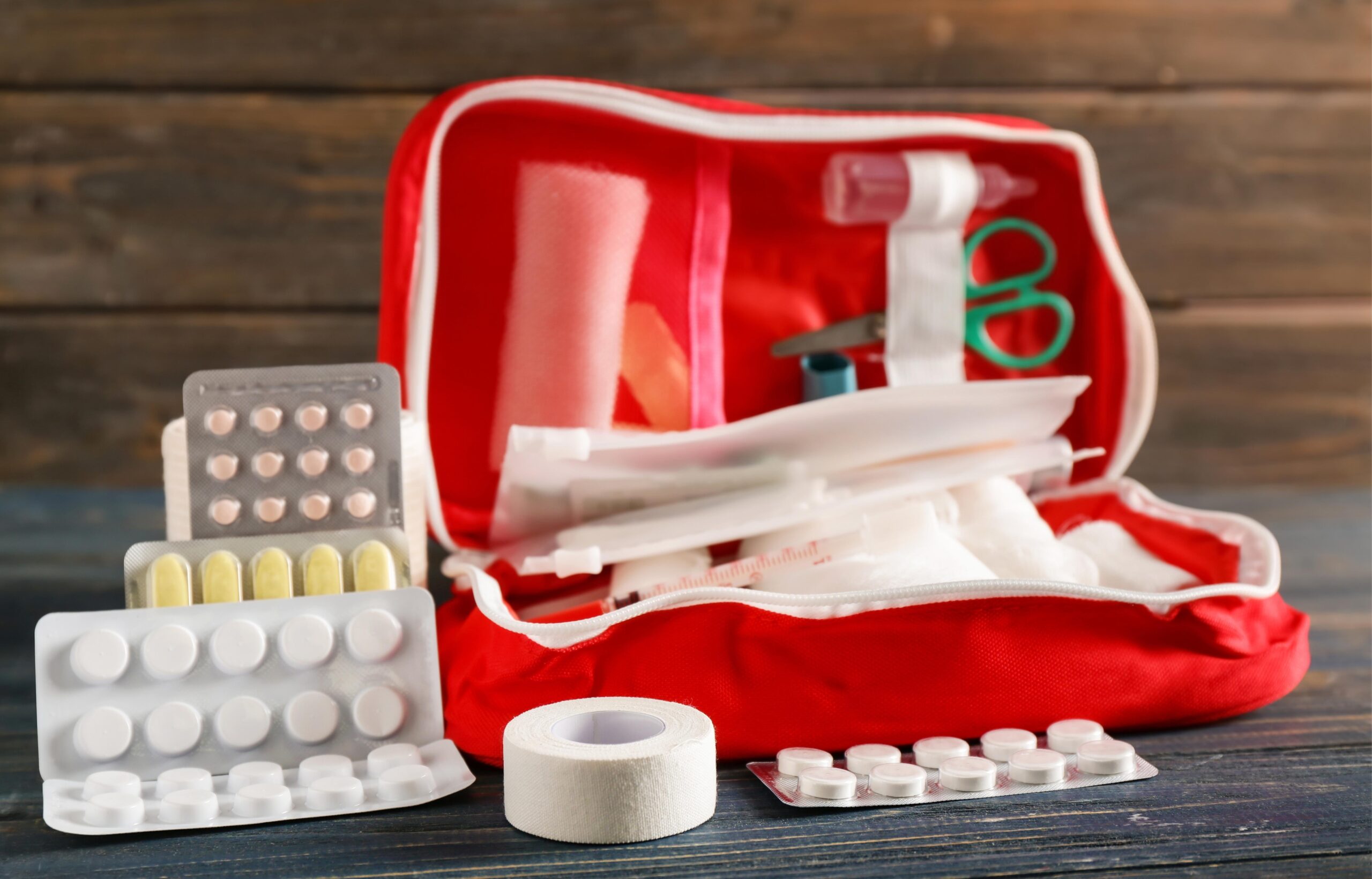
Familiarity with your workplace first aid kit‘s contents is vital for swift and effective emergency response. Take time to thoroughly inspect and understand each item in your kit.
Start by identifying the first aid essentials, such as bandages, gauze, antiseptic wipes, and adhesive tape. Familiarise yourself with their locations and purposes to guarantee quick access during emergencies.
Pay attention to kit organisation, as it plays an important role in efficient use. Most kits are divided into sections or compartments, each housing specific types of supplies. Memorise this layout to minimise search time when every second counts.
Check Expiration Dates Regularly

While understanding the contents of your first aid kit is essential, it’s equally important to monitor the expiration dates of all items to confirm their effectiveness in emergencies.
Regularly checking expiration dates guarantees that you’re equipped with reliable supplies when they’re needed most.
Implement a systematic approach to inventory management by creating a schedule for inspecting your first aid kit. Set expiration reminders in your calendar or task management system to prompt timely checks.
During these inspections, carefully examine each item’s packaging for clearly marked expiration dates. Pay close attention to medications, sterile dressings, and adhesive products, as these tend to degrade over time.
Replace expired items immediately to maintain the kit’s integrity. When restocking, opt for products with the furthest expiration dates to maximize their shelf life.
Keep a log of replacement dates and upcoming expirations to streamline future checks. Consider using a digital inventory system for larger workplaces with multiple first aid stations.
Maintain Proper Storage Conditions

Proper storage conditions are essential for maintaining the integrity and effectiveness of your workplace first aid kit contents. To ensure your kit remains in prime condition, you’ll need to focus on two key factors: temperature control and humidity levels.
Store your first aid kit in a cool, dry place away from direct sunlight and heat sources. Extreme temperatures can degrade medications and compromise the sterility of medical supplies. Aim for a storage area with a consistent temperature between 15°C and 30°C. Avoid locations prone to temperature fluctuations, such as near windows or heating vents.
Monitor humidity levels in the storage area, as excessive moisture can lead to mould growth and deterioration of supplies. Ideally, maintain relative humidity below 60%. If your workplace is in a high-humidity environment, consider using silica gel packets inside the kit to absorb excess moisture.
Regularly inspect the kit’s container for signs of damage or wear that could compromise its ability to protect the contents. Ensure the container is clean, free from dust, and easily accessible to all employees.
Restock After Each Use
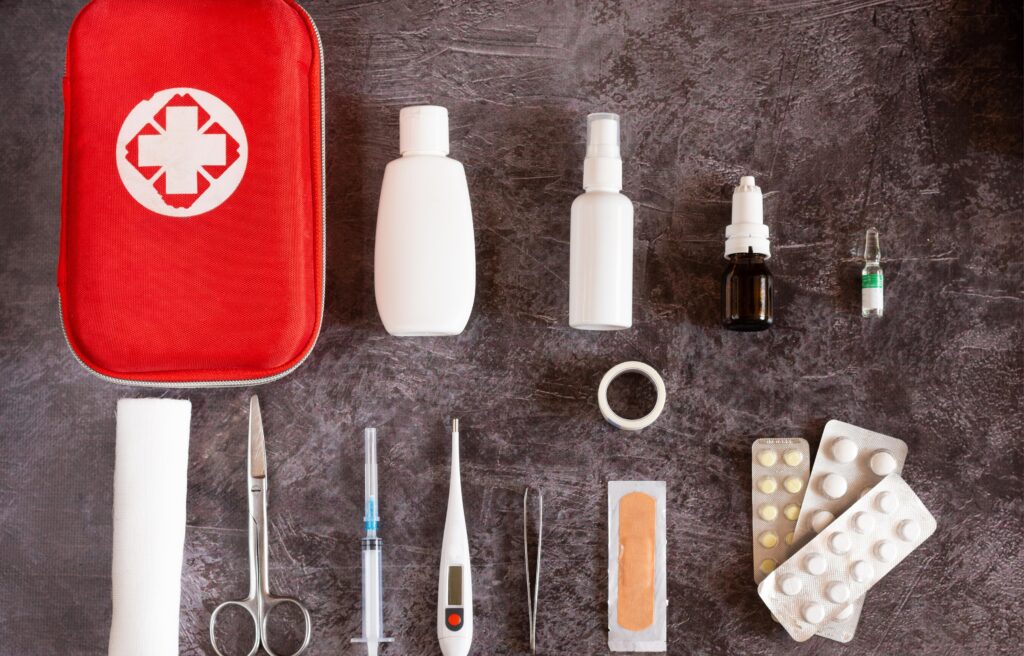
Regularly inspect and promptly replace expired items in your workplace first aid kit to ensure its effectiveness during emergencies. Establish a routine check, ideally monthly, to identify and remove any expired components. Pay close attention to medications, sterile dressings, and adhesive products, as these often have shorter shelf lives.
Don’t overlook less frequently used items, as they may expire before being utilised. By maintaining a proactive approach to replacing expired items, you’ll ensure your workplace first aid kit remains a reliable resource for emergency situations.
Learn Basic First Aid Techniques
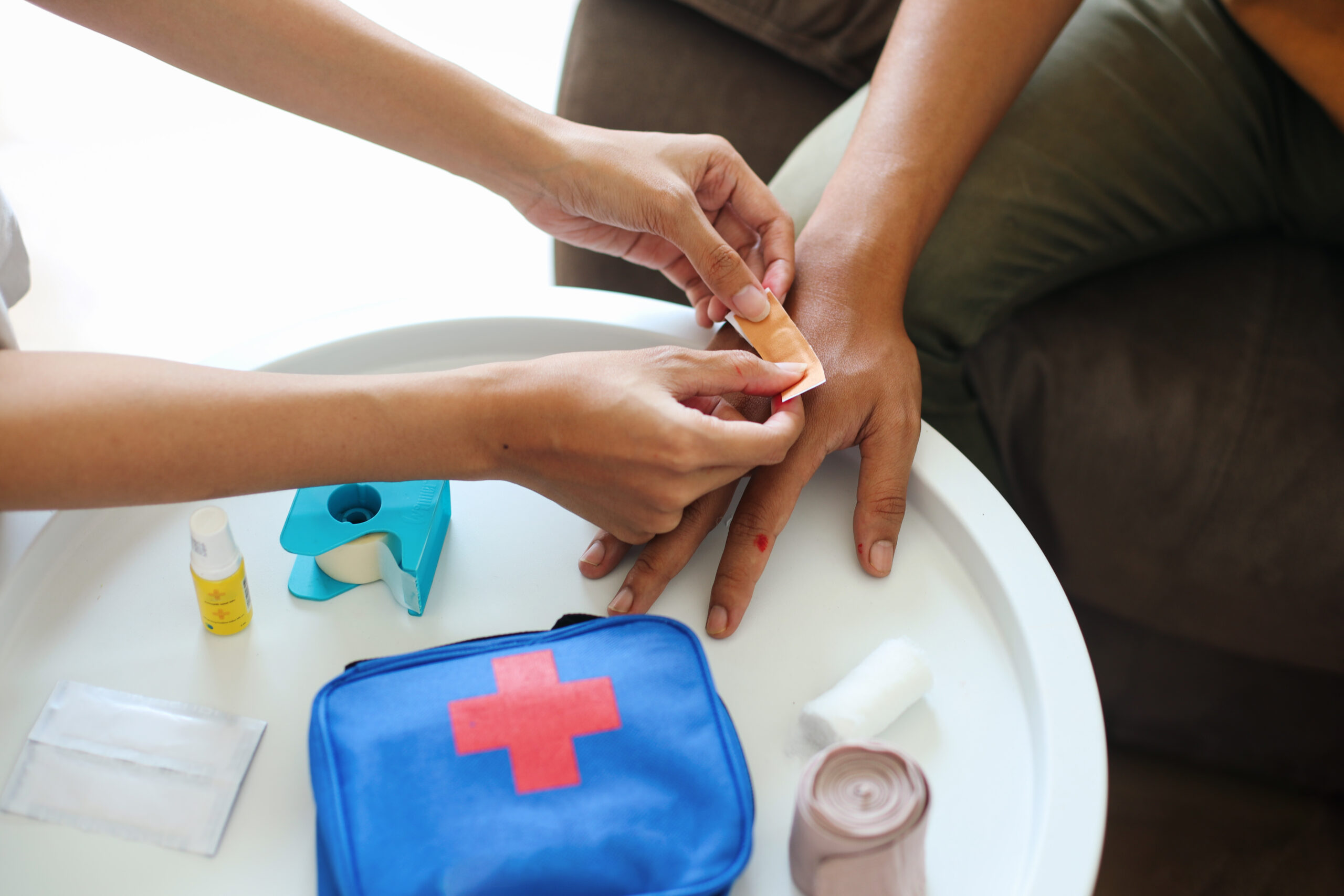
To effectively utilise your workplace first aid kit, you must acquire essential first aid skills.
Treating Cuts and Burns
When treating cuts and burns in the workplace, it’s crucial to follow proper first aid techniques to minimise infection risk and promote healing.
For cuts, start by cleaning your hands thoroughly. Use sterile gauze or a clean cloth to apply direct pressure to the wound, stopping the bleeding. Once controlled, clean the area with soap and water or an antiseptic solution. Apply an antibiotic ointment and cover with a sterile bandage.
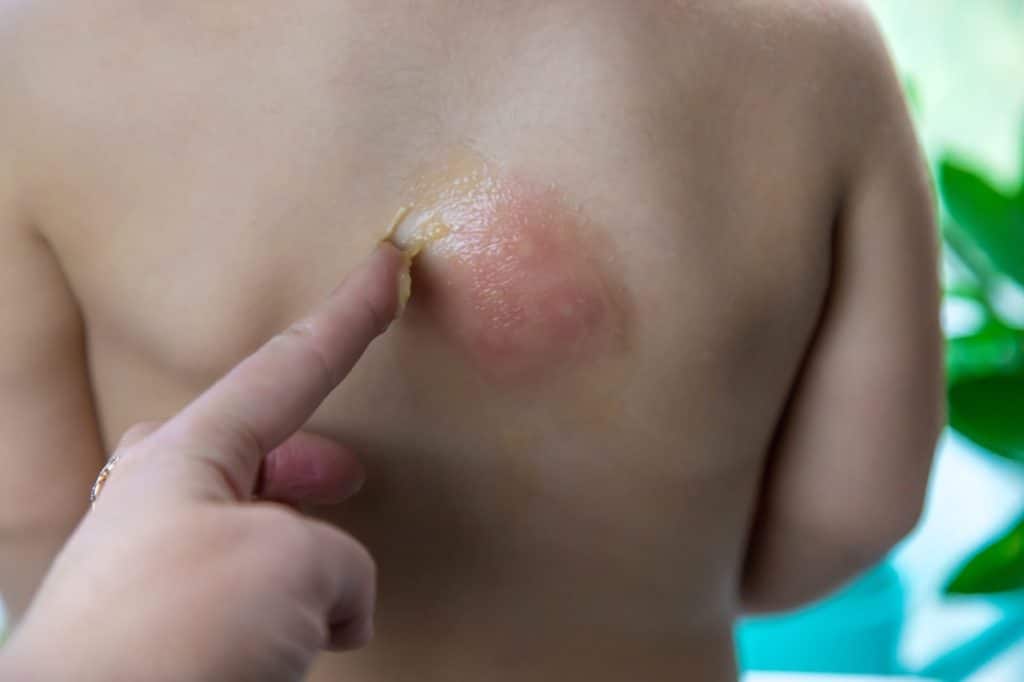
For burns, immediately cool the affected area under running water for at least 10 minutes. Remove any jewellery or tight clothing near the burn site. Don’t apply ice, butter, or ointments, as these can worsen the injury. Cover the burn loosely with a sterile, non-stick dressing.
In both cases, prioritise infection prevention through proper cleaning techniques. For severe cuts or burns, seek professional medical attention.
Always wear disposable gloves when treating others to protect yourself and the patient from potential cross-contamination. Regularly check and restock your first aid kit to guarantee you have the necessary supplies for treating cuts and burns effectively in the workplace.
Keep Kit Easily Accessible
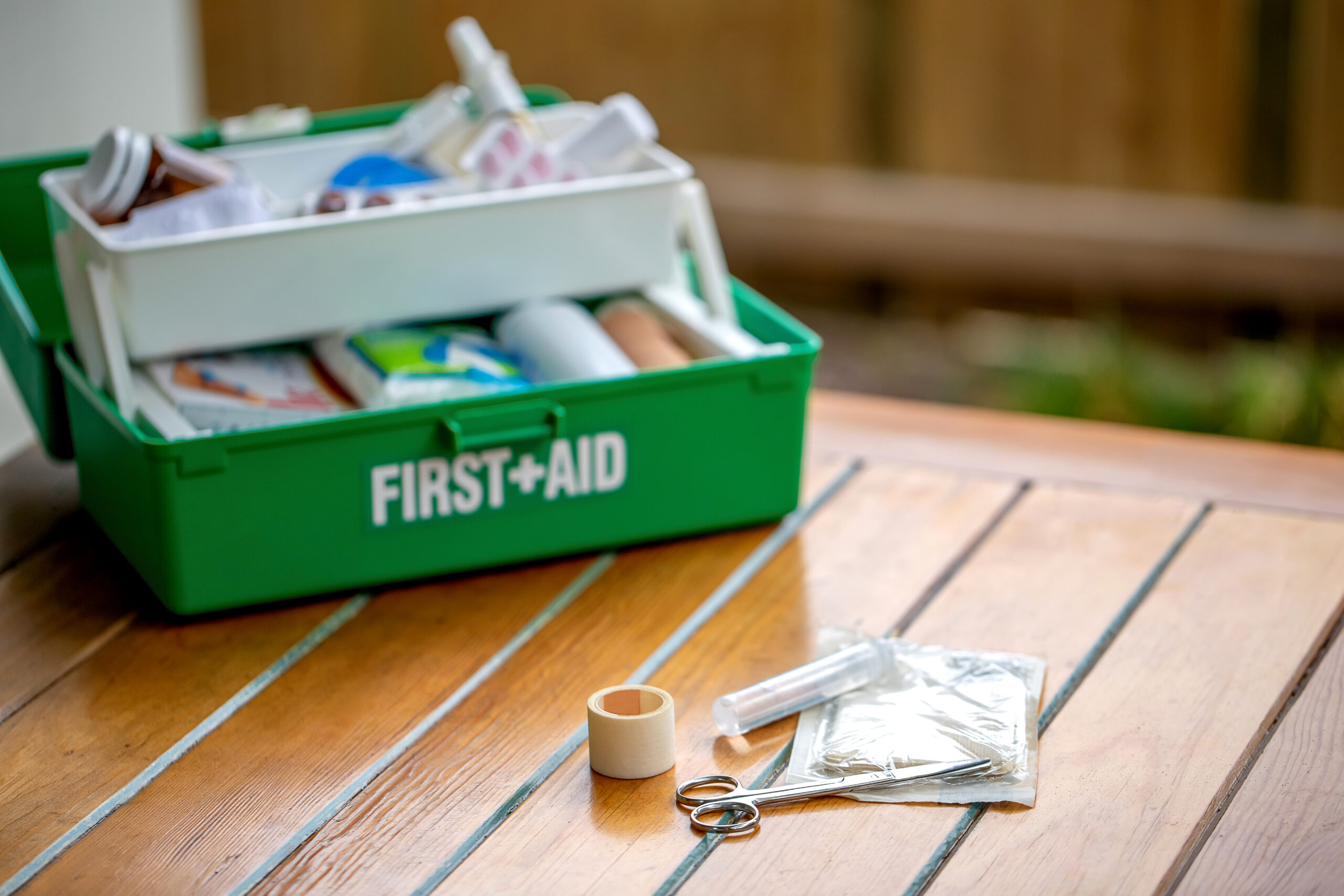
Easy accessibility of your workplace first-aid kit is essential for swift emergency response and ideal safety outcomes. To guarantee your kit is readily available when needed, implement strategic visibility strategies throughout your workplace layout.
Place kits in high-traffic areas, near potential hazard zones, and at central locations on each floor. Consider using bright colours or reflective tape to make the kit stand out, and install clear signage to guide employees to its location.
Don’t obstruct access to the kit with furniture, equipment, or stored items. Instead, mount it on a wall or place it on a dedicated shelf that’s easily reachable. If your workplace spans multiple floors or buildings, confirm there’s a kit on each level and in each structure. For large facilities, you may need multiple kits distributed strategically.
Document All Kit Usage
To maintain compliance and guarantee kit readiness, you must meticulously record every instance of first aid kit usage in your workplace. Implementing a robust usage tracking system ensures you’re always prepared for emergencies and aids in kit inventory management.
When documenting kit usage, include the following information:
- Date and time of the incident
- Name of the injured person
- Nature of the injury or illness
- Specific items used from the kit
- Name of the person administering first aid
Establish a standardized form or digital log for consistent recording. This documentation serves multiple purposes: it helps identify patterns in workplace injuries, assists in restocking supplies promptly, and provides valuable data for safety audits. Regularly review these records to assess the effectiveness of your safety protocols and identify areas for improvement.
Use Personal Protective Equipment

Personal protective equipment (PPE) forms a critical barrier between you and potential workplace hazards, serving as your last line of defence in first aid situations. When using a first aid kit, always adhere to PPE guidelines to protect yourself and the injured person. Common PPE types you’ll need include disposable gloves, face masks, and eye protection.
Before approaching any first aid scenario, don your PPE correctly. Start with hand hygiene, then put on gloves. If there’s a risk of bodily fluid splashes, wear a face mask and eye protection. Remember, PPE is only effective when used properly, so ensure a snug fit without gaps.
After administering first aid, remove PPE safely to avoid cross-contamination. Dispose of single-use items in designated biohazard containers. For reusable PPE, follow your workplace’s decontamination protocols.
Frequently Asked Questions
What's the Recommended Size of a First Aid Kit for Different Workplace Sizes?
You’ll need to follow workplace safety standards when selecting first aid kit sizes. For small workplaces (2-25 employees), choose a basic kit. Larger workplaces require more extensive kits, scaling up based on employee count and specific hazards.
Are There Legal Requirements for Workplace First Aid Kit Contents?
You’ll find that first aid regulations often mandate specific contents for workplace kits. Check your local workplace compliance guidelines to verify your kit meets legal requirements for your industry.
Who Is Responsible for Maintaining and Restocking the First Aid Kit?
You’ll find that the responsibility for maintaining and restocking first aid kits typically falls to designated employees. Establish clear responsibility delegation and training protocols to guarantee kits are always fully stocked and compliant with safety standards.