



Sharon has 21+ years of experience as a qualified Emergency Care Nurse registered with the Australian Health Practitioner Regulation Agency (APHRA) and 12+ years as a First Aid Trainer.
She takes pride in FirstAidPro making first aid training available, comprehensive and affordable to everybody.
Enteral feeding training is essential for healthcare professionals and NDIS support workers who provide high intensity support skills to clients requiring nutritional assistance through gastrostomy (PEG) or jejunostomy (PEJ) tubes. Proper NDIS high intensity support skills training ensures that tube feeding support is delivered safely and effectively, reducing risks and improving client outcomes.
This comprehensive guide outlines the essential knowledge and skills needed to provide quality enteral feeding support in accordance with Australian healthcare standards and NDIS HISS descriptors.
Ready to enhance your care skills? Enrol in First Aid Pro’s comprehensive Enteral Feeding Training course today! Our NDIS-approved training will give you the confidence to provide safe and effective tube feeding support.
Key Takeaways
- Enteral feeding requires specialised training as part of NDIS high intensity support skills
- Understanding different tube types (PEG/PEJ) is fundamental to safe practice
- Proper training significantly reduces complications and improves client outcomes
- Regular skill updates through accredited NDIS courses are essential
- Person-centred approaches should be central to all tube feeding support
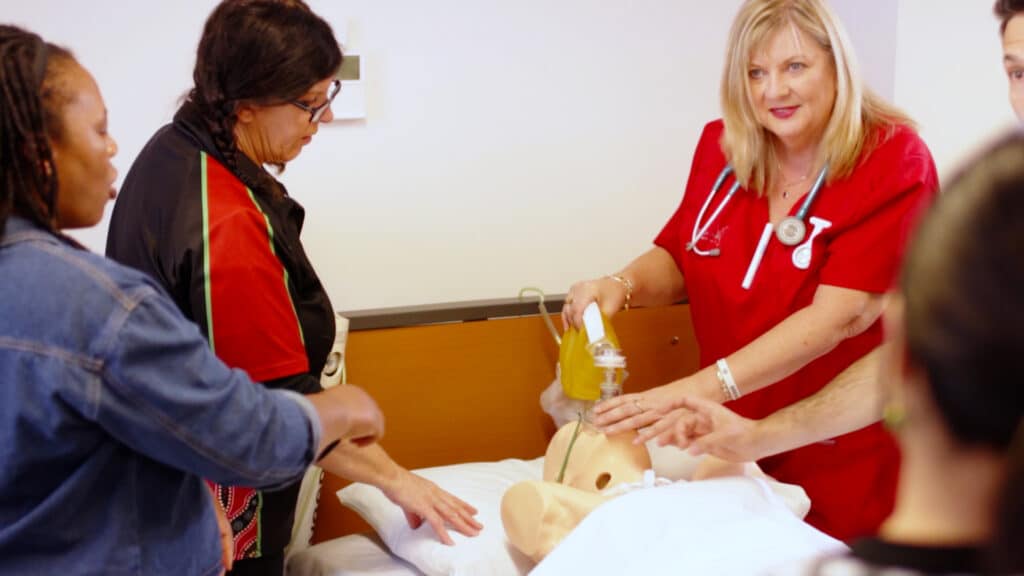
Understanding Enteral Feeding
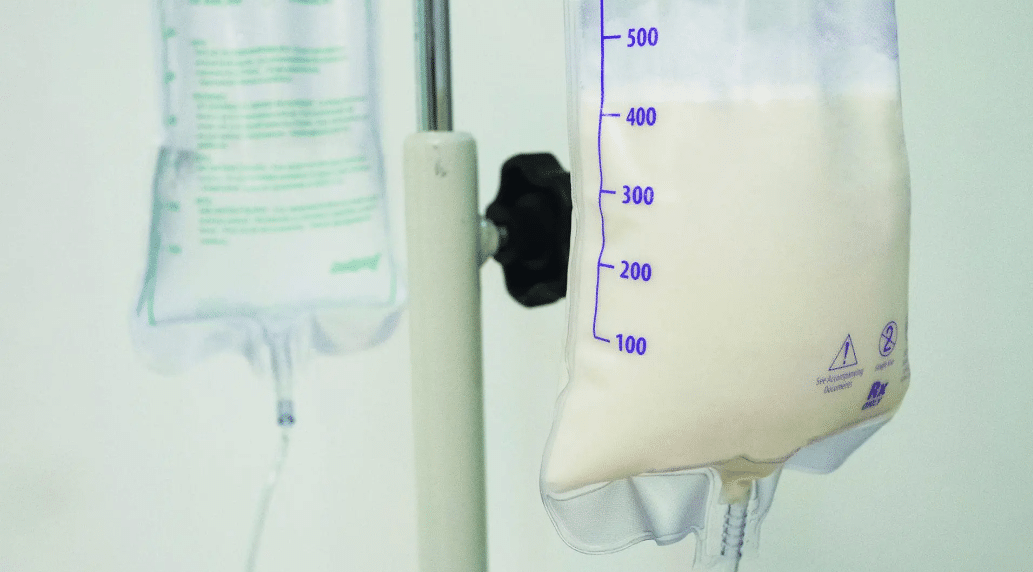
Enteral feeding, commonly known as tube feeding, delivers nutrition directly into the digestive system when a person cannot eat or drink enough by mouth. This vital support method ensures individuals receive essential nutrients despite challenges with swallowing (dysphagia), reduced appetite, or digestive conditions.
The most common feeding tubes include:
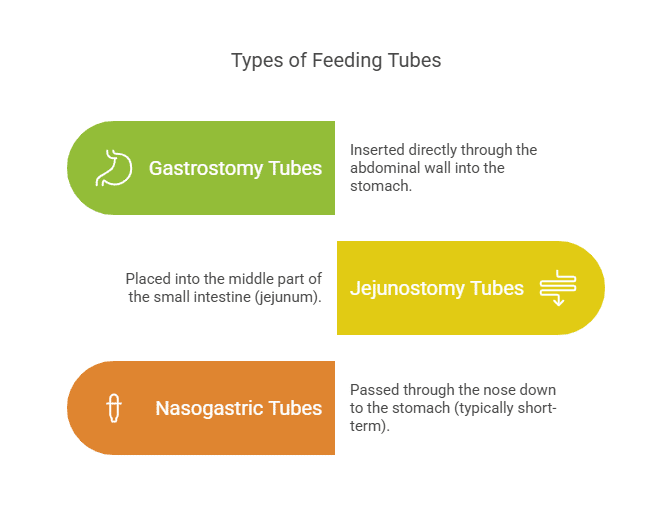
People with a disability, including aged care recipients may require tube feeding support for various reasons, including:
- Neurological conditions like stroke, motor neurone disease, or Parkinson’s disease
- Cancer of the mouth, throat, or oesophagus
- Recovery from major surgery or trauma
- Congenital conditions affecting swallowing or digestion
- Dementia or other cognitive impairments affecting eating
In Australia, a significant number of PEG tubes are inserted annually, highlighting the critical need for qualified professionals trained in enteral feeding techniques and support.
NDIS High Intensity Support Skills Framework
The National Disability Insurance Scheme (NDIS) classifies enteral feeding as a high intensity support skill, requiring specialised training and competency verification for this type of complex care. This categorisation acknowledges the potential risks associated with tube feeding and emphasises the importance of proper preparation for support workers.
The NDIS Quality and Safeguards Commission requires that all workers providing support for high intensity daily personal activities such as enteral feeding, must:
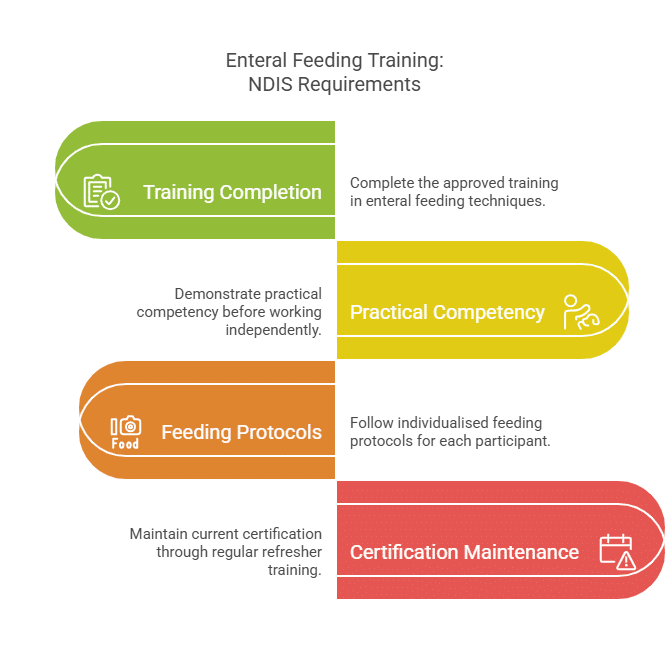
These requirements ensure NDIS participants receive safe, high-quality care that minimises risks while preserving dignity and independence. Service providers must maintain training records and ensure all staff members hold valid certifications in these high intensity support skills.
Essential Training Components
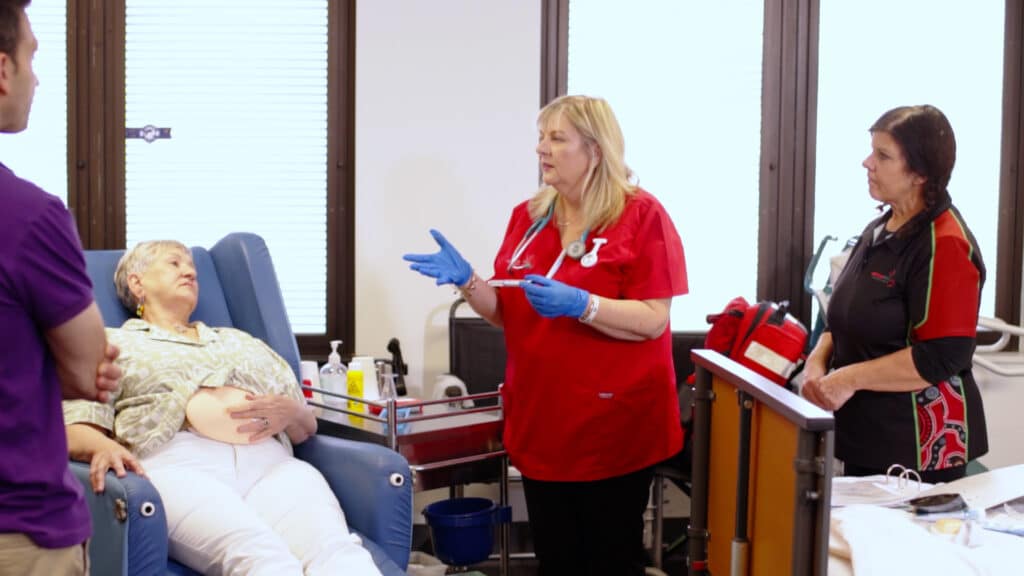
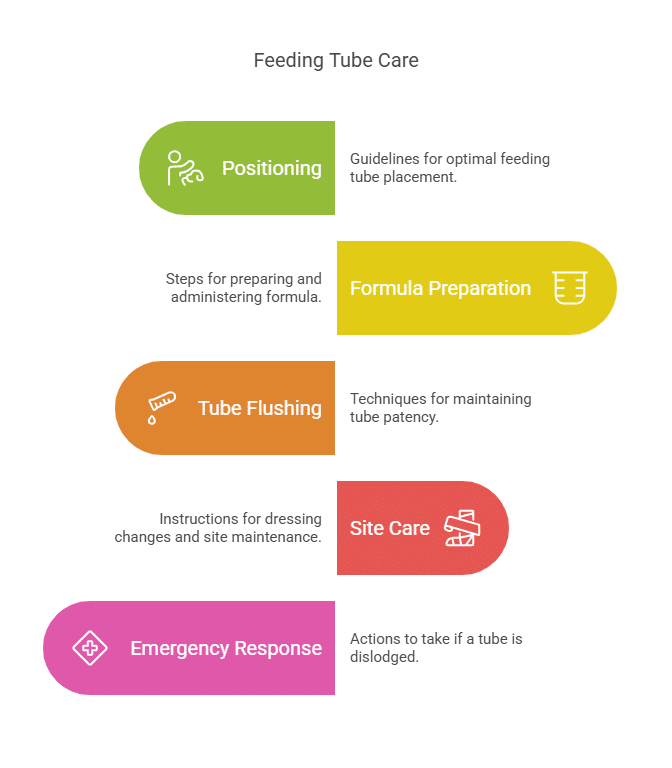
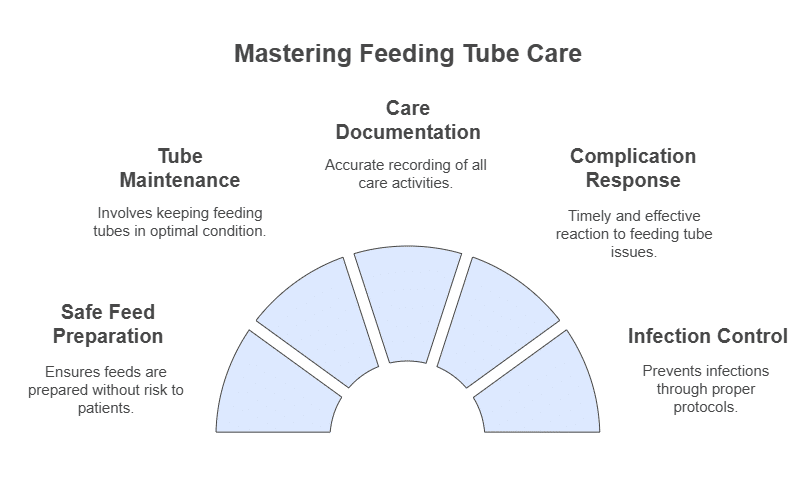
Comprehensive enteral feeding training covers several critical knowledge areas:
Nutritional Understanding Training begins with basic nutrition principles and how enteral formulas meet dietary needs. Support workers learn about different formula types, caloric requirements, and how to identify nutritional deficiencies.
Tube Types and Maintenance Detailed knowledge of gastrostomy (PEG) and jejunostomy (PEJ) tubes is essential, including:
- Physical characteristics and placement locations
- Daily cleaning requirements
- Site assessment for complications
- Tube patency checks and flushing techniques
- Troubleshooting common tube problems
Safe Feeding Practices Proper positioning, feeding rates, and formula preparation are covered extensively to prevent aspiration and ensure optimal nutrition delivery.
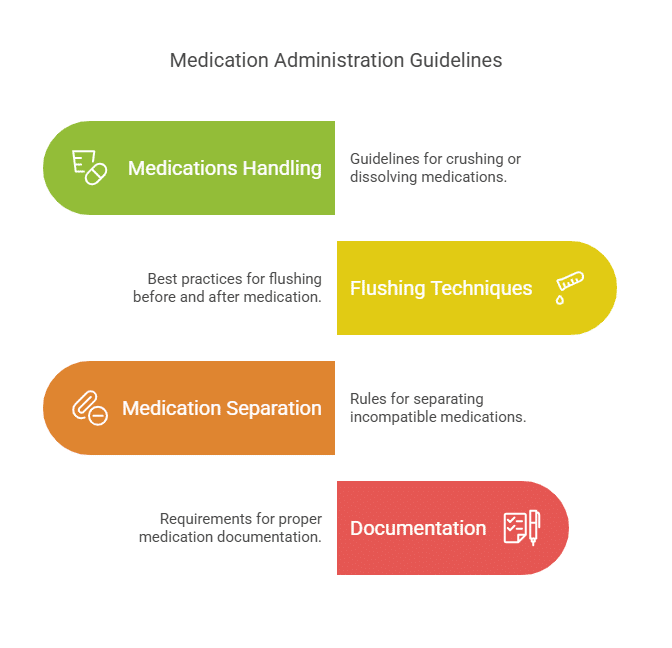
Medication Administration Support workers learn safe practices for administering medications through feeding tubes, including:
Complication Management Training addresses common complications such as tube blockages, site infections, dislodgement, and gastrointestinal symptoms, preparing disability support workers to respond appropriately.
Infection Control Rigorous hygiene practices are emphasised throughout training to minimise infection risks, including hand hygiene, clean technique for manipulating tubes, and formula storage guidelines.
Upgrade your skills with First Aid Pro’s Enteral Feeding course. Our hands-on courses provide the practical experience needed for NDIS high intensity support qualification. Book your training session today!
Practical Skills Development
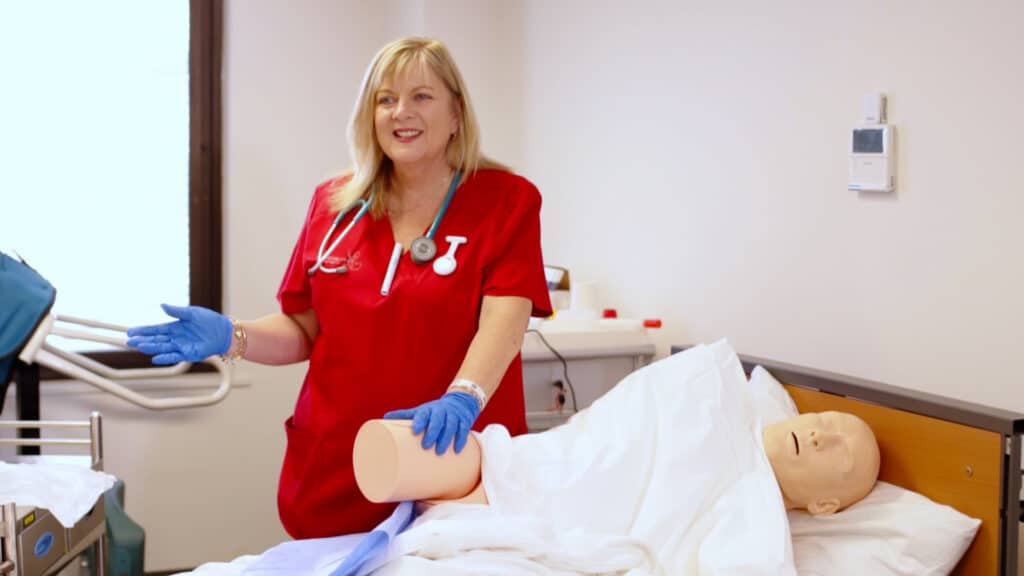
Theoretical knowledge must be complemented by hands-on practice. Effective enteral feeding training includes:
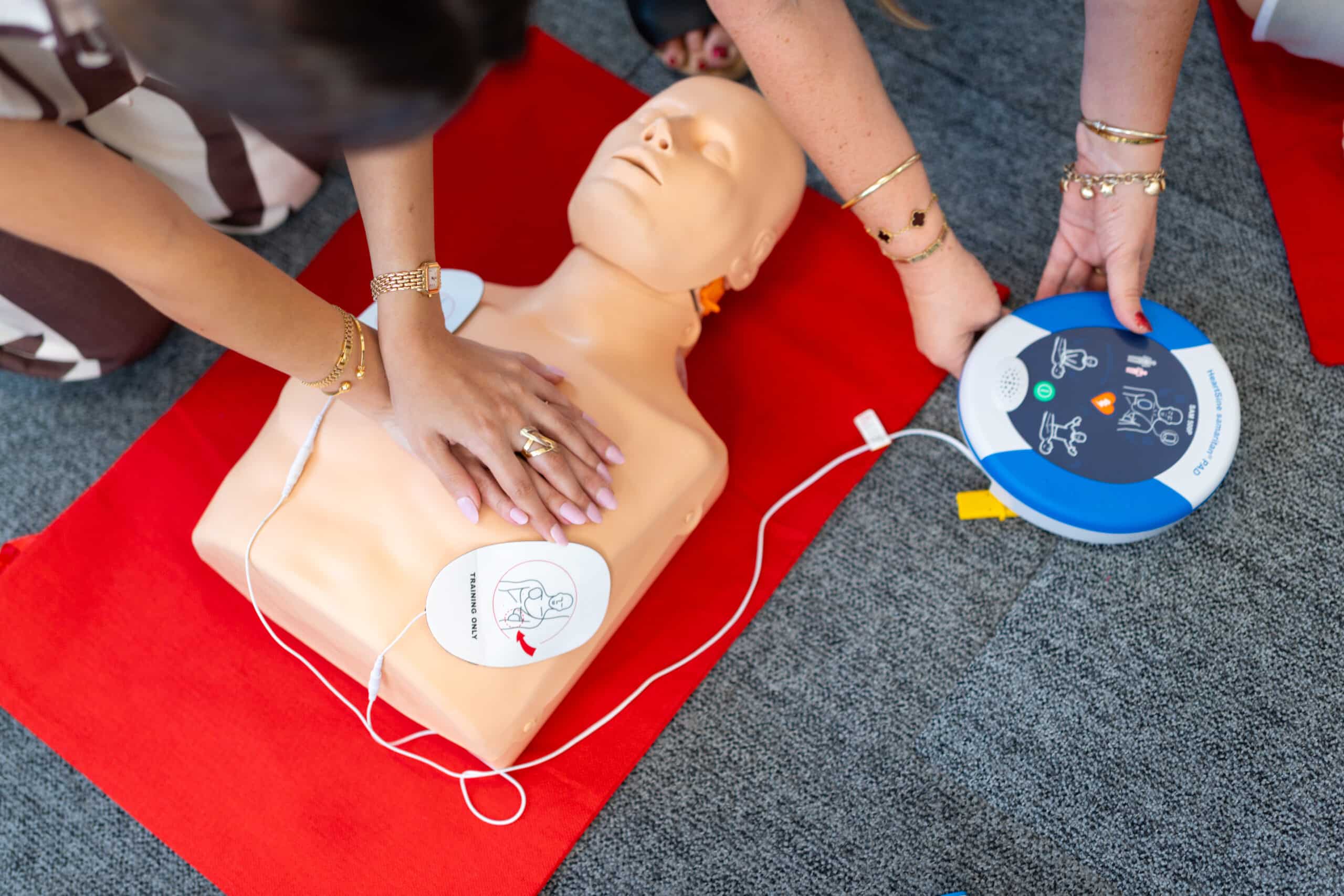
Simulation Practice: Using mannequins and training models, learners practice:
Competency Assessment: Formal evaluation through practical demonstrations ensures trainees can provide:
On-the-job Supervised Clinical Practice: Once employed, trainees perform feeding procedures under qualified supervision with gradually increasing independence, receiving feedback and guidance.
Skills Maintenance Regular refresher training (recommended annually) ensures skills remain current and incorporates any updates to best practice guidelines.
Patient-Centred Approach

Quality enteral feeding training emphasises person-centred care that goes beyond technical skill:
Respectful Communication: Support workers learn to explain procedures clearly, obtain ongoing consent, and respond to concerns with empathy and respect.
Supporting Dignity: Training addresses ways to maintain privacy, minimise discomfort, and normalise the feeding experience through social inclusion during mealtimes.
Cultural Considerations: Cultural beliefs and practices around food and mealtimes are respected and incorporated into care planning where possible.
Emotional Support: Training acknowledges the psychological impact of tube feeding and equips workers to provide emotional support or refer to appropriate services when needed.
Family Involvement: In some cases, family members are included in training when appropriate, empowering them to participate in care and support their loved one’s independence.
Emergency Preparednes
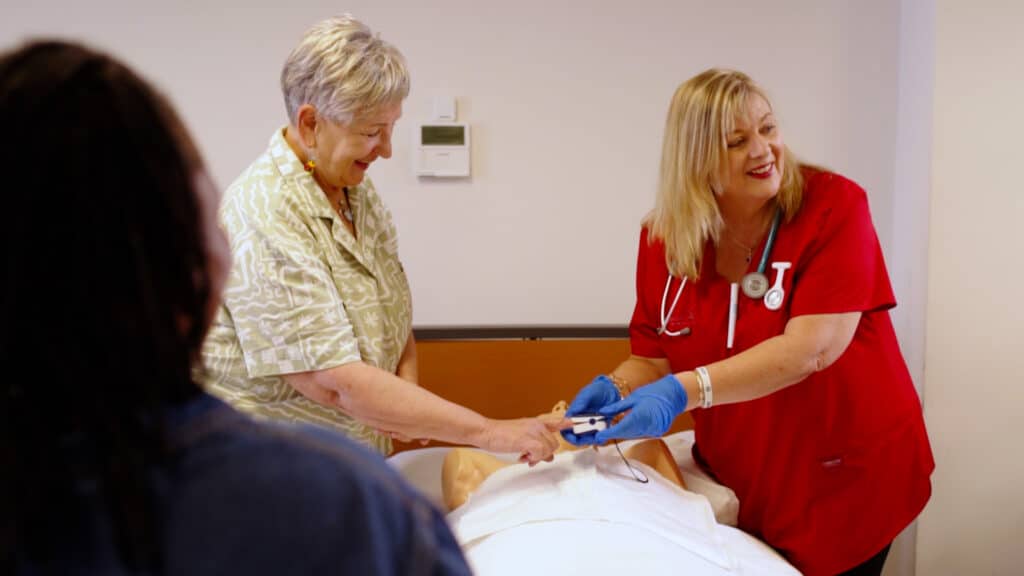
Comprehensive training prepares support workers to recognise and respond to emergencies related to enteral feeding:
Urgent Situations: Workers learn to identify signs requiring immediate attention:
- Significant pain during or after feeding
- Signs of aspiration (coughing, choking, breathing difficulty)
- Tube dislodgement or damage
- Signs of infection or peritonitis
- Persistent vomiting or severe diarrhoea
Emergency Responses :Training covers immediate actions for common emergencies, including:
- Stopping feeds immediately when complications arise
- Basic first aid for aspiration
- Temporary tube management if dislodged
- Infection control measures
- Clear documentation of incidents
Medical Referral Pathways: Support workers learn when and how to escalate concerns to medical professionals and how to communicate essential information clearly.
NDIS Courses and Training Options At First Aid Pro
First Aid Pro specialises in delivering high-quality NDIS high intensity support skills training that meets industry standards and compliance requirements. Our enteral feeding training programs are specifically designed for disability support workers, nurses, NDIS providers, caregivers and healthcare professionals working throughout Australia’s aged care and disability sectors.

Comprehensive Training Approach
Our Enteral Feeding Support Training Program combines essential theoretical knowledge with hands-on practical workshops. This balanced approach ensures participants not only understand the concepts but can confidently apply techniques in real-world care situations. All training aligns with NDIS Practice Standards and Quality Indicators, providing peace of mind for both employers and care recipients.
Flexible Delivery Options
We understand the diverse needs of healthcare organisations and individual professionals. That’s why we offer multiple training delivery methods:
- Onsite private courses at your facility
- Corporate workplace sessions for team training
- Public training sessions at competitive rates
Full Range of NDIS High Intensity Support Skills Training
As well as specialised Enteral Feeding Support, FirstAidPro offers a complete suite of NDIS-compliant training courses that cover all the complex care essentials to build your professional capabilities:
- Complex Bowel Care (Includes Ostomy and Stoma Care & Enema and Suppository Care)
- Complex Wound Care Support
- Dysphagia Support
- Enteral Feeding Support
- Epilepsy & Seizure Support
- Subcutaneous Injections & Diabetes Management
- Tracheostomy Support
- Urinary Catheter Support (In-dwelling Urinary Catheter, In-out Catheter & Suprapubic Catheter)
- Ventilator Support
Our supportive learning environment prioritises practical skill development, ensuring you gain confidence alongside competence. With First Aid Pro’s training, you’ll be equipped to provide the highest standard of care while meeting all regulatory requirements for NDIS high intensity support delivery.
Don’t delay your career advancement. Join First Aid Pro’s next Enteral Feeding Training and gain the skills needed for NDIS high intensity support roles.
Best Practice Guidelines
Current best practice in enteral feeding follows evidence-based guidelines developed by nutrition and healthcare organisations:
Australian Standards: Training aligns with guidelines from:
- Gastroenterological Society of Australia
- Dietitians Australia
Documentation Requirements: Thorough record-keeping is essential, including:
- Formula type, rate, and volume
- Tolerance and complications
- Site care and observations
- Medication administration
- Hydration status
Quality Assurance: Regular audits and client feedback help maintain and improve service quality, with training updated to reflect current evidence.
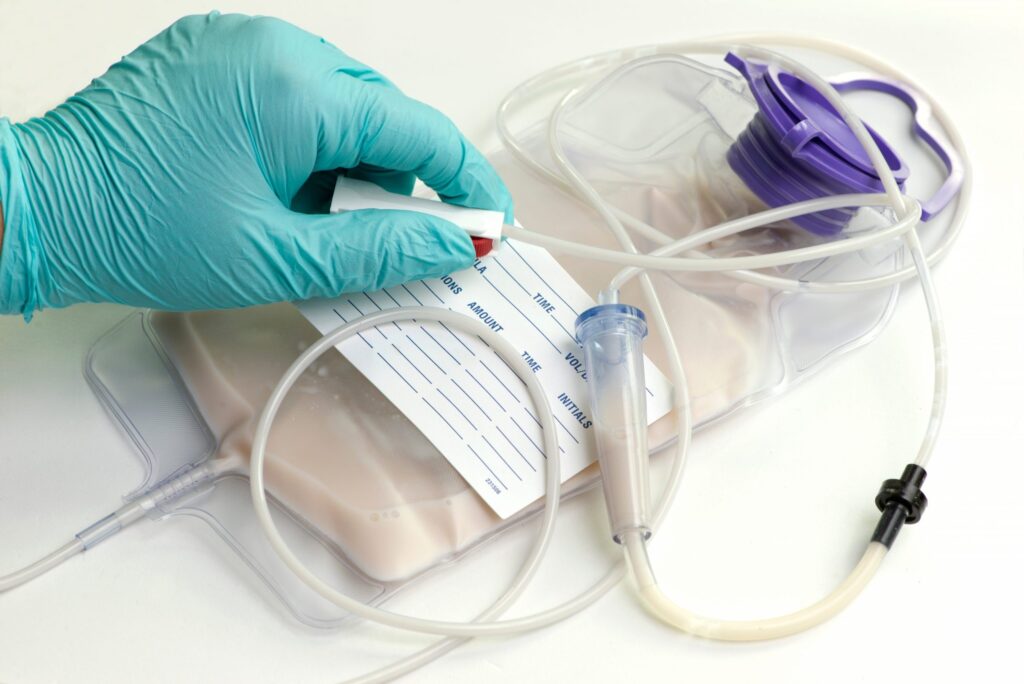
Enteral Feeding Training: A Critical Component Of HISS
Properly trained professionals ensure that individuals requiring tube feeding support receive safe, dignified, and effective care. Through comprehensive education covering both technical skills and person-centred approaches, support workers can significantly improve quality of life for people with gastrostomy (PEG) or jejunostomy (PEJ) tubes.
As the NDIS continues to emphasise quality and safety, investing in proper training becomes increasingly important for both individual workers and service providers. By completing recognised NDIS courses in enteral feeding, support workers not only enhance their career prospects but
Helpful Resources
- NDIS Practice Standards
- Dietitians Australia: www.dietitiansaustralia.org.au/resources
- AuSPEN (Australasian Society for Parenteral and Enteral Nutrition): www.auspen.org.au
- Gastroenterological Nurses College of Australia: www.genca.org/resources