



Sharon has 21+ years of experience as a qualified Emergency Care Nurse registered with the Australian Health Practitioner Regulation Agency (APHRA) and 12+ years as a First Aid Trainer.
She takes pride in FirstAidPro making first aid training available, comprehensive and affordable to everybody.
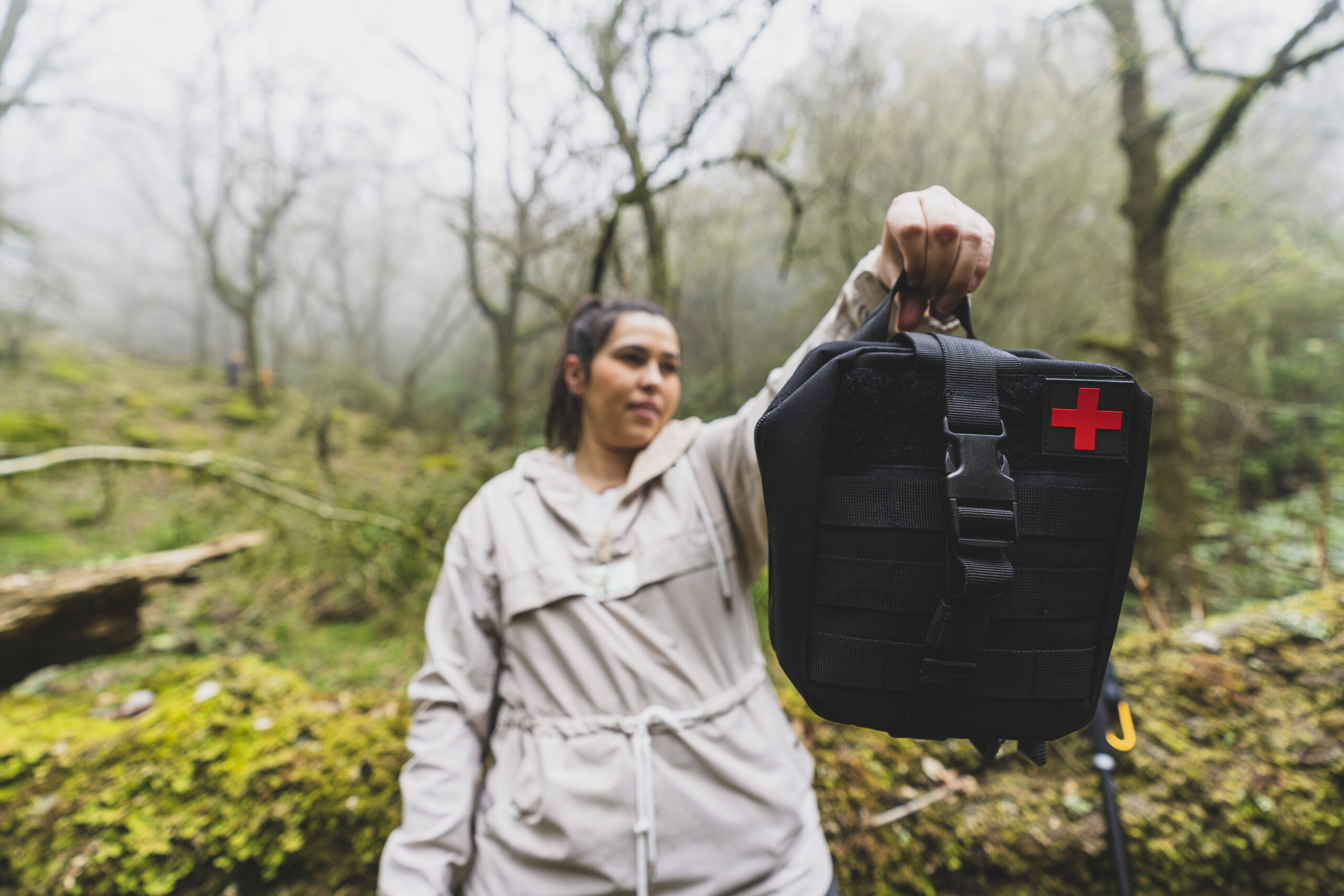
Have you ever found yourself in the wilderness, miles from civilisation, wishing you’d packed that essential first aid item in your camping first aid kit? A well-prepared camping trip first aid kit can mean the difference between a minor inconvenience and a major disaster.
You’ll want to make sure your kit is stocked with important items, properly sized for your trip, and tailored to the specific risks of your outdoor adventure.
But what exactly should you include, and how can you balance preparedness with practicality?
As you plan your next excursion into nature, read our ultimate guide to camping first aid kits to understand the vital role they play in keeping you safe and sound under the stars.
Key Takeaways
- Include essential items like bandages, antiseptics, medications, and emergency supplies tailored to your trip’s duration and activities.
- Choose the right kit size based on group size, trip length, and specific camping activities planned.
- Ensure proper waterproofing of your first aid kit to protect contents from moisture damage.
- Organise supplies in labelled compartments for easy access and familiarise yourself with basic first aid treatments.

Essential First Aid Kit Items
When assembling your camping first aid kit, you’ll need to include several essential items that can address a range of potential injuries and ailments in the wilderness.
Start with various bandage types: adhesive bandages in assorted sizes, gauze pads, elastic bandages, and triangular bandages for slings. Don’t forget medical tape to secure dressings.
Include antiseptic solutions like hydrogen peroxide or iodine to clean wounds and prevent infection. Pack antibiotic ointment and burn gel for additional protection. Scissors, tweezers, and safety pins are vital tools for your kit.
For pain relief and common ailments, include over-the-counter medications such as ibuprofen, paracetamol, antihistamines, and antidiarrhoeal tablets. Add oral rehydration salts to combat dehydration.
Pack disposable gloves to maintain hygiene when treating injuries. Include a first aid manual for reference and a waterproof container to protect your supplies. Consider adding a space blanket for emergencies and moleskin for blister prevention.
Choosing the Right Kit Size
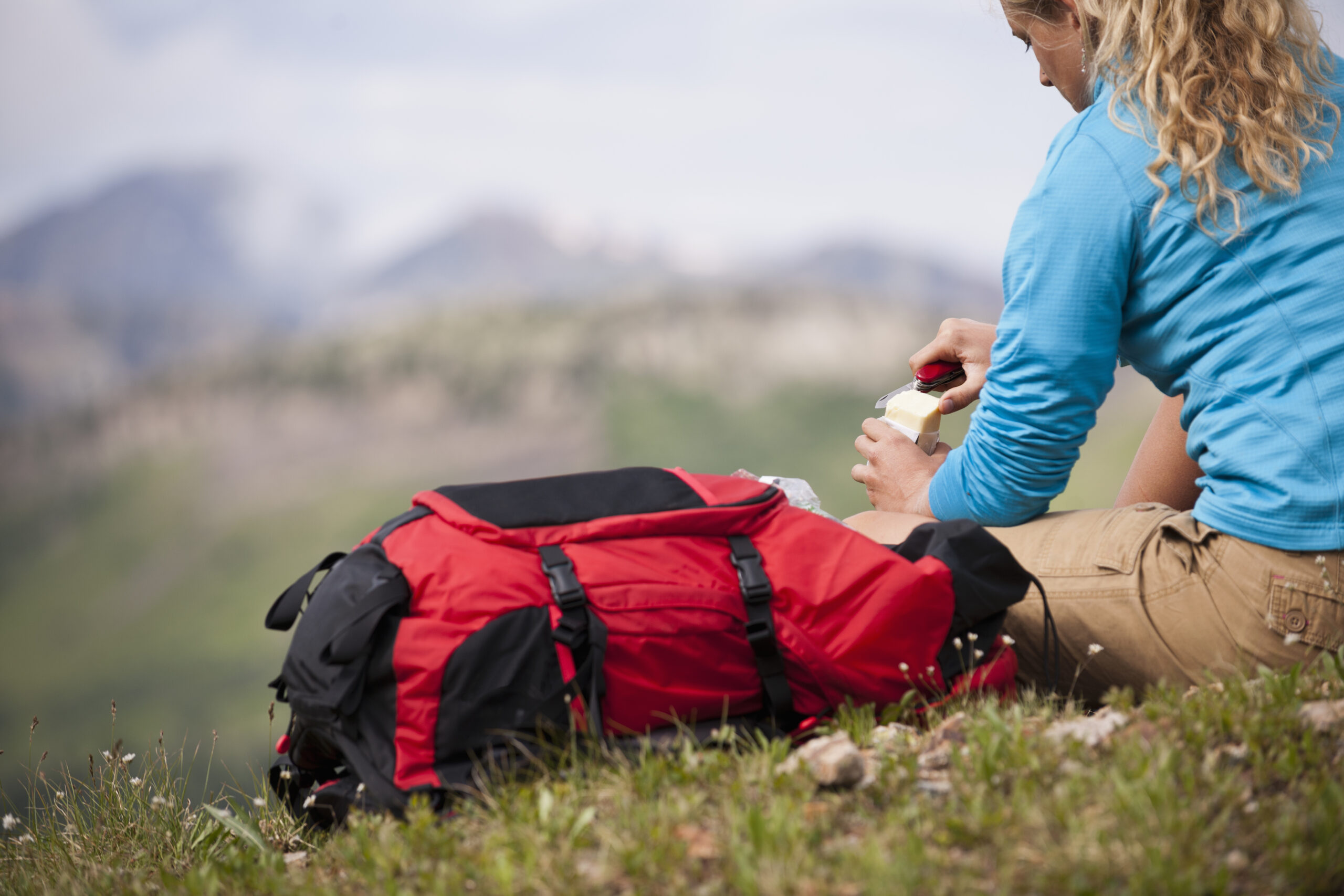
When selecting a first aid kit for your camping trip, you’ll need to take into account several factors to guarantee you’re adequately prepared.
Consider Trip Duration
Invariably, the duration of your camping trip plays an essential role in determining the appropriate size and contents of your first aid kit. When considering trip length, you’ll need to pack enough supplies to last the entire journey, plus a little extra for unforeseen circumstances.
For weekend excursions, a compact kit with basic essentials might suffice. However, for extended trips lasting a week or more, you’ll want a more thorough kit with larger quantities of supplies.
Group Size Matters
Beyond trip duration, the size of your camping group greatly impacts the contents and dimensions of your first aid kit. Larger groups require more extensive supplies to accommodate potential injuries or illnesses. For every additional person, you’ll need to increase the quantity of common items like bandages, antiseptic wipes, and pain relievers.
For groups of six or more, consider bringing multiple smaller kits instead of one large one. This strategy allows for better distribution and accessibility in case the group splits up.
Waterproofing Your First Aid Kit
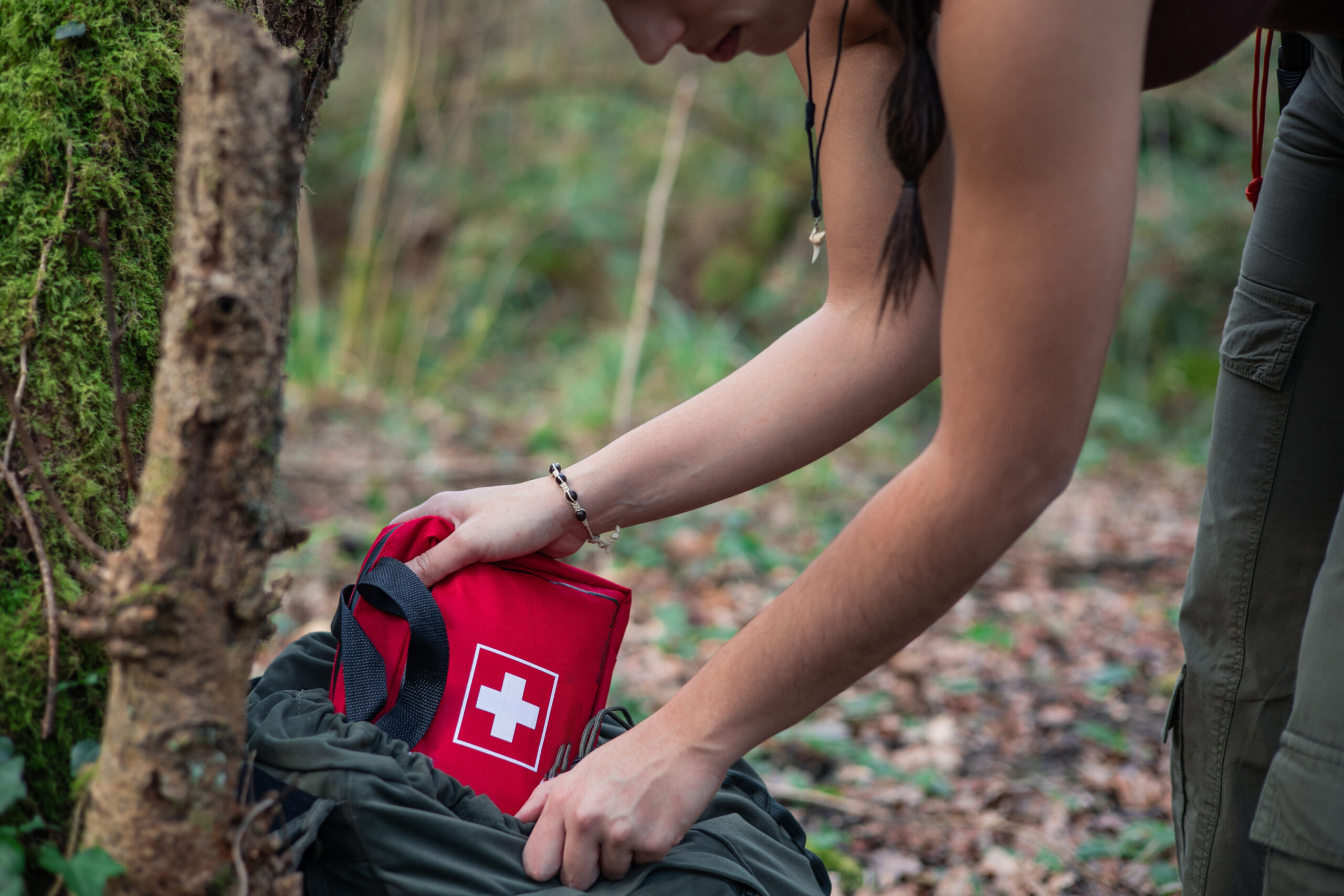
Protecting your first-aid supplies from moisture is crucial for maintaining their effectiveness and preventing potential contamination during your camping trip. To waterproof your kit, start by selecting a container made from waterproof materials, such as a heavy-duty plastic box or a dry bag. These options provide excellent moisture barriers, keeping your supplies safe even in wet conditions.
For added protection, consider using resealable plastic bags to organise and store individual items within the main container. This extra layer of defence helps safeguard sensitive items like adhesive bandages and medications from humidity. You can also include silica gel packets to absorb any residual moisture that might seep in.
Medications for Camping Emergencies
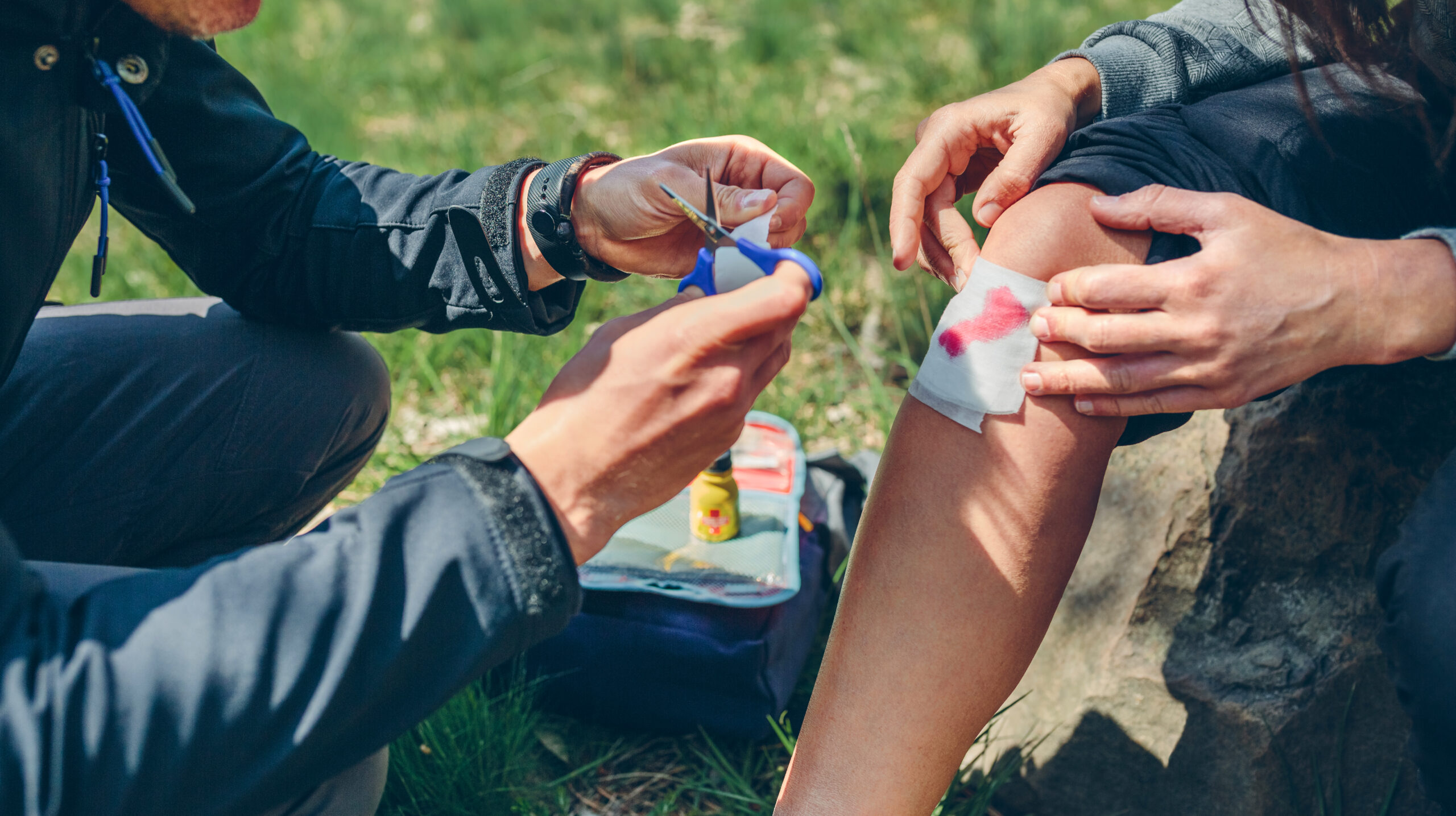
Your camping first aid kit should include a mix of over-the-counter and prescription medications to address common ailments and potential emergencies.
For over-the-counter medications, include pain relievers like ibuprofen and paracetamol, antihistamines for allergic reactions, and antidiarrhoeal medication. Don’t forget antacids for indigestion, hydrocortisone cream for rashes, and antibiotic ointment for minor cuts. If you’re camping in high altitudes, pack altitude sickness medication.
As for prescription medications, verify you have an ample supply of any daily medications you or your camping companions take. It’s also wise to carry a broad-spectrum antibiotic prescribed by your doctor for potential infections. If anyone in your group has severe allergies, pack an epinephrine auto-injector.
Treating Common Camping Injuries
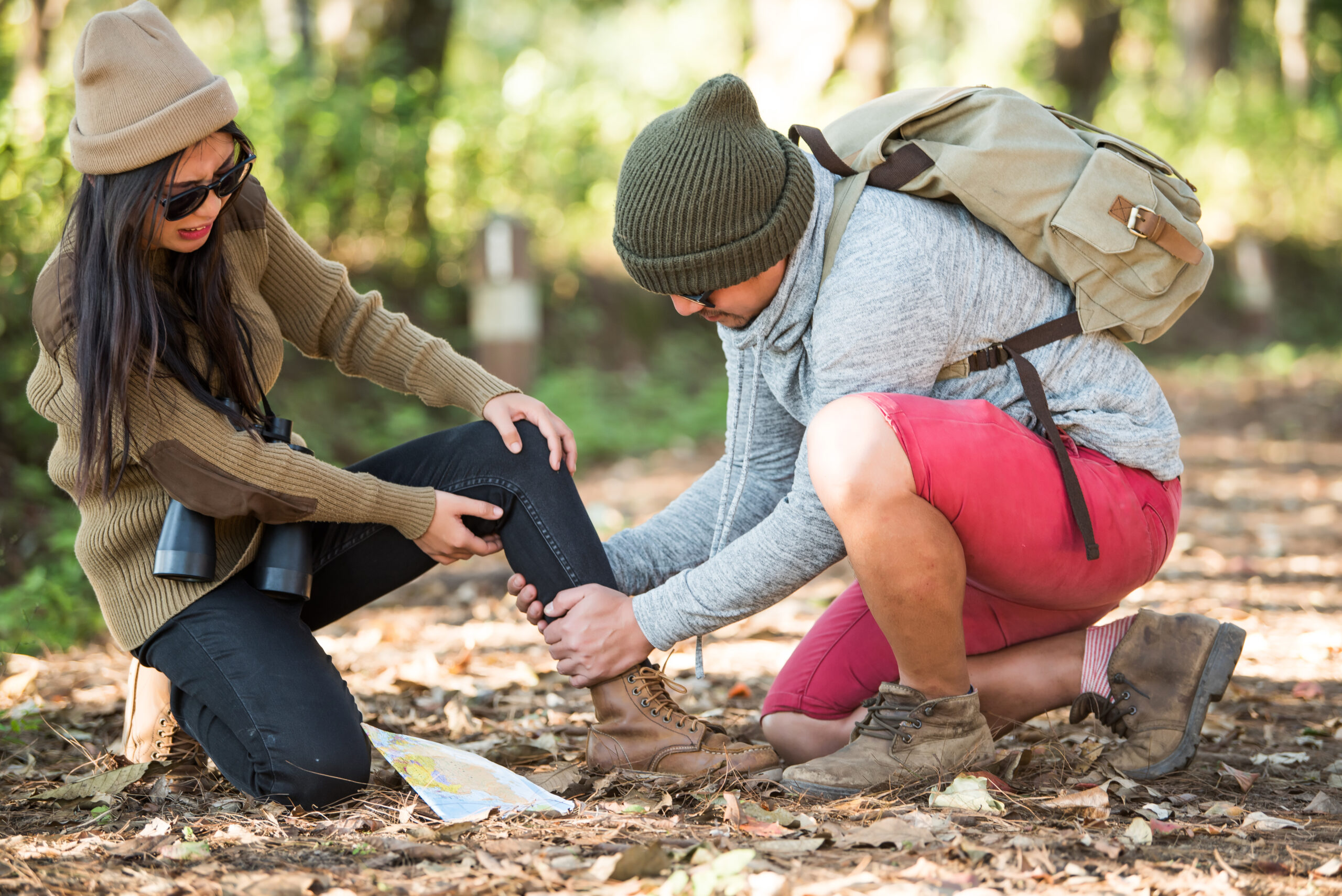
Countless camping injuries can be effectively treated with proper knowledge and a well-stocked first aid kit.
When dealing with minor cuts, first clean the wound thoroughly with clean water and mild soap. Apply an antibiotic ointment to prevent infection, then cover with a sterile adhesive bandage. For deeper cuts, apply direct pressure to stop bleeding before cleaning and dressing the wound.
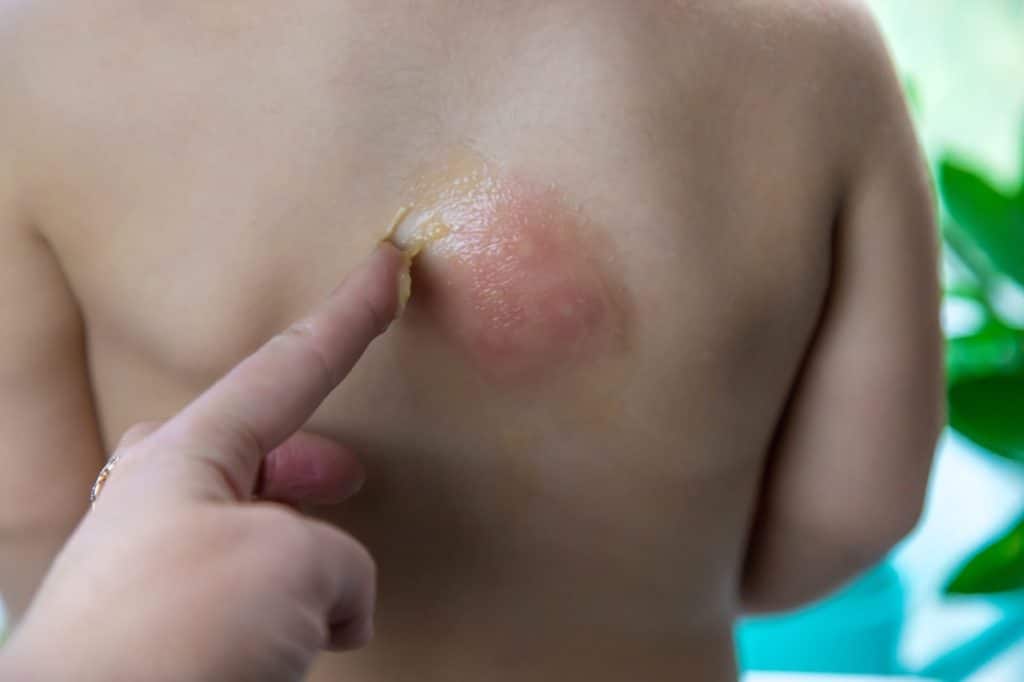
Insect bites are another common camping concern. For mosquito bites, apply a cold compress to reduce swelling and itching. Hydrocortisone cream can provide additional relief. If you’ve been stung by a bee, carefully remove the stinger by scraping it out with a credit card edge. Apply a paste made of baking soda and water to neutralise the venom and reduce pain.
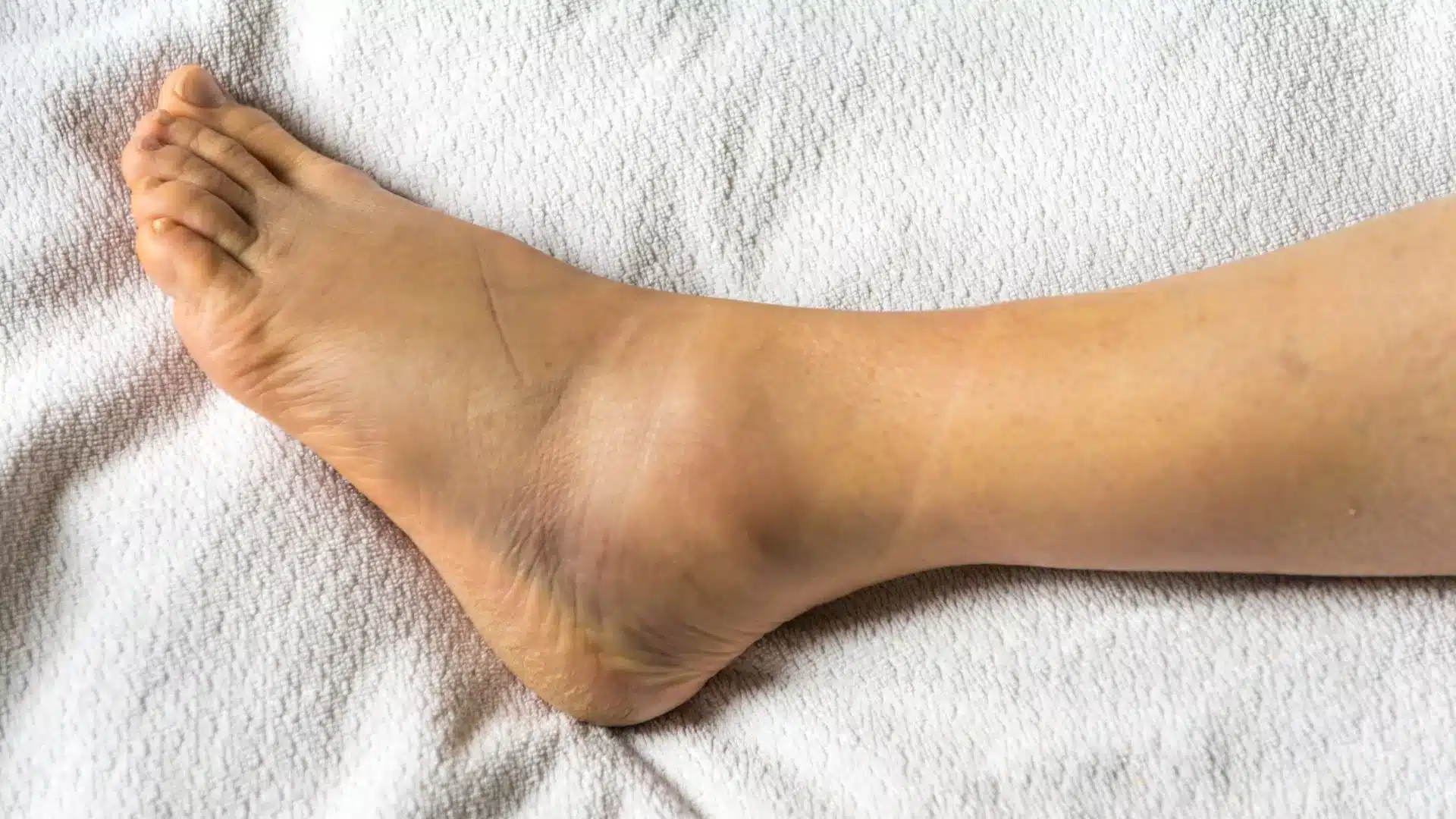
For sprains or strains, remember RICE: Rest, Ice, Compression, and Elevation. Apply a cold pack wrapped in cloth for 15-20 minutes every hour. Wrap the affected area with an elastic bandage for support, but don’t cut off circulation. Keep the injured limb elevated above heart level to reduce swelling.
First Aid Kit Storage Tips
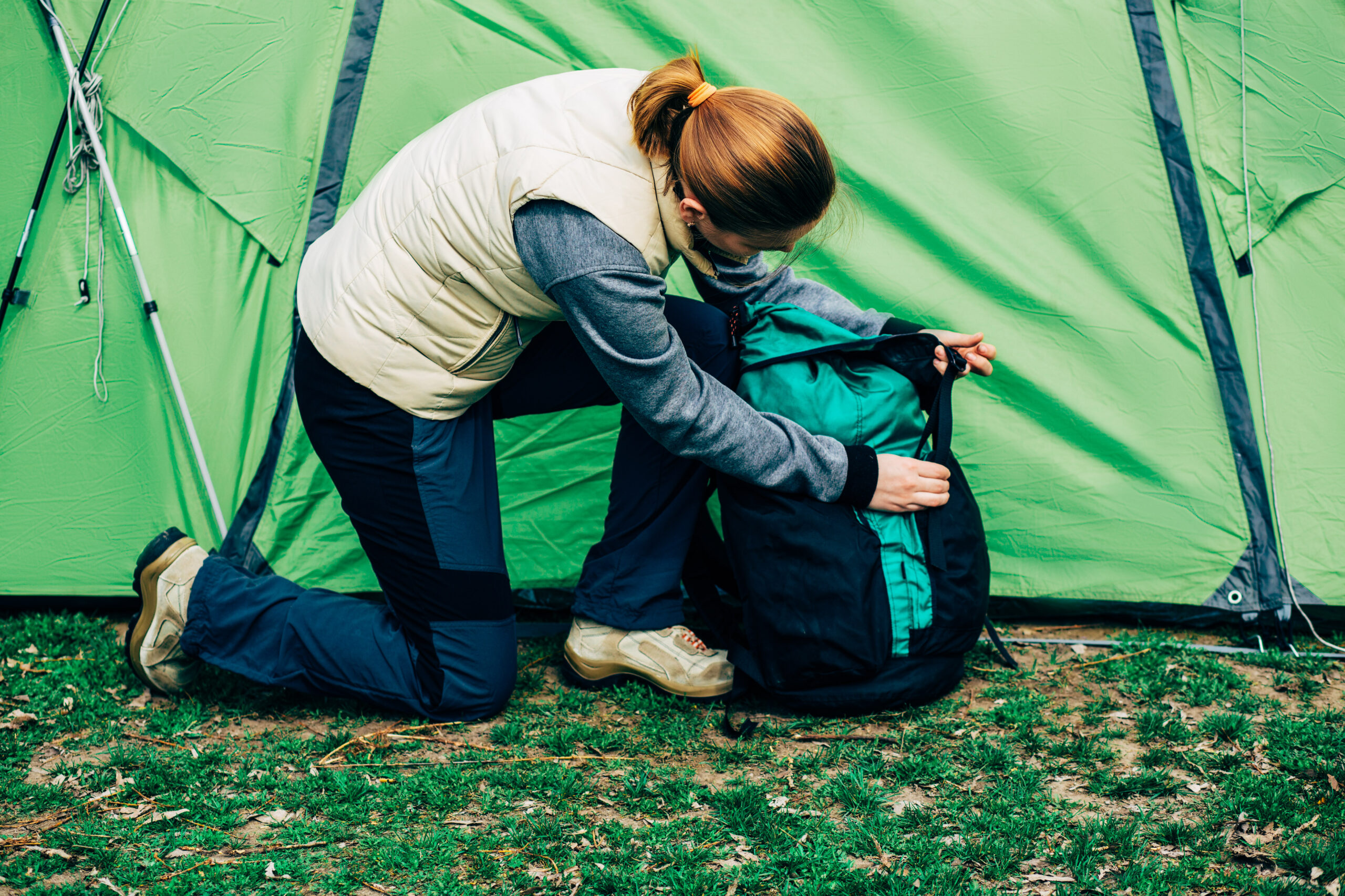
You’ll want to protect your camping first aid kit from the elements by storing it in a waterproof container.
Organised Compartment Strategies
Effective compartment organisation and item categorisation can mean the difference between a swift response and precious time lost fumbling through supplies.
Start by grouping similar items together. Create designated areas for bandages, medications, tools, and emergency equipment. Use clear, resealable bags or small containers within your main kit to keep items separated and easily identifiable. Label each compartment clearly with waterproof markers or tags.
Consider organising your kit based on the following categories:
- Wound care: Adhesive bandages, gauze, antiseptic wipes, and antibiotic ointment
- Medications: Pain relievers, antihistamines, and any personal prescriptions
- Tools: Scissors, tweezers, safety pins, and a small flashlight
- Emergency items: Emergency blanket, whistle, and basic first aid guide
Arrange items with the most frequently used or critical supplies near the top or in easily accessible compartments.
Replenishing Your Kit After Use
After using your camping first aid kit, it’s essential to replenish it promptly.
Inventory and Replace Items
Regular check-ups of your first aid kit are essential to ensure you’re always prepared for emergencies during your camping trips. Effective inventory management guarantees you’re never caught off guard when an accident occurs.
Check expiration dates, packaging integrity, and overall condition of each component.
Create a checklist of your kit’s contents and follow these steps for thorough item sourcing and replacement:
- Identify expired or damaged items that need immediate replacement.
- Note any supplies that are running low and should be restocked.
- Research and source high-quality replacements from reputable suppliers.
- Consider updating your kit with newer, more effective products.
Don’t forget to update your inventory list with any changes or additions you’ve made. Set a reminder to perform this check-up every six months or after each camping trip where you’ve used supplies.
Update Expiration Dates
Begin your kit inspection by thoroughly examining each item for its expiration date. Create an expiration tracking system using a spreadsheet or a dedicated app to keep tabs on when items need replacement.
Pay close attention to medications, as they’re often the first to expire. Check antiseptic solutions, ointments, and any prescription medications you carry. Don’t forget about less obvious items like adhesive bandages, which can lose their stickiness over time. For items without clear expiration dates, mark the date of purchase and replace them annually.
Frequently Asked Questions
Is it better to buy a pre-made camping first aid kit or build my own?
Pre-made kits offer convenience while building your own allows for customization. Consider starting with a quality pre-made kit as your foundation, then modify it based on your specific camping style, destination, and group size.
Can I use regular household items as substitutes for first aid supplies while camping?
Cotton t-shirts, honey, and duct tape can work as emergency substitutes, but shouldn’t replace proper first aid supplies. Always pack essential medical items designed specifically for emergency use, as they’re sterile and more effective than improvised solutions.
What special considerations should I make for camping with children?
Pack children’s medications, smaller bandages, a digital thermometer, and fun-designed bandages to ease minor injuries. Include a health information card with allergies and pediatrician contacts, and don’t forget items for common childhood mishaps.