



Sharon has 21+ years of experience as a qualified Emergency Care Nurse registered with the Australian Health Practitioner Regulation Agency (APHRA) and 12+ years as a First Aid Trainer.
She takes pride in FirstAidPro making first aid training available, comprehensive and affordable to everybody.
You might think that burns are rare occurrences, but they’re more common than you’d expect, which is why workplace first aid for burns is so important. Whether you’re in a kitchen, laboratory, or industrial setting, the risk of burns is always present.
That’s why it’s vital to know the best first aid procedures for burns in the workplace. By understanding these essential steps, you’ll be better prepared to handle an emergency and potentially save a colleague from severe injury or long-term complications.
So, what are these important procedures, and how can you make certain you’re ready to act when every second counts?
Key Takeaways
- Workplace first aid for burns includes assessing burn severity by classifying into first, second, or third-degree burns and estimating affected body surface area.
- Stop the burning process by removing the victim from the heat source and addressing potential chemical exposure.
- Cool the affected area with running cool water for at least 10 minutes, avoiding ice and removing restrictive items.
- Cover the burn properly with clean, sterile, non-adhesive dressing after cooling and cleaning the area.
- Manage pain, prevent infection, treat for shock, and seek professional medical help for severe burns or complications
Stop the Burning
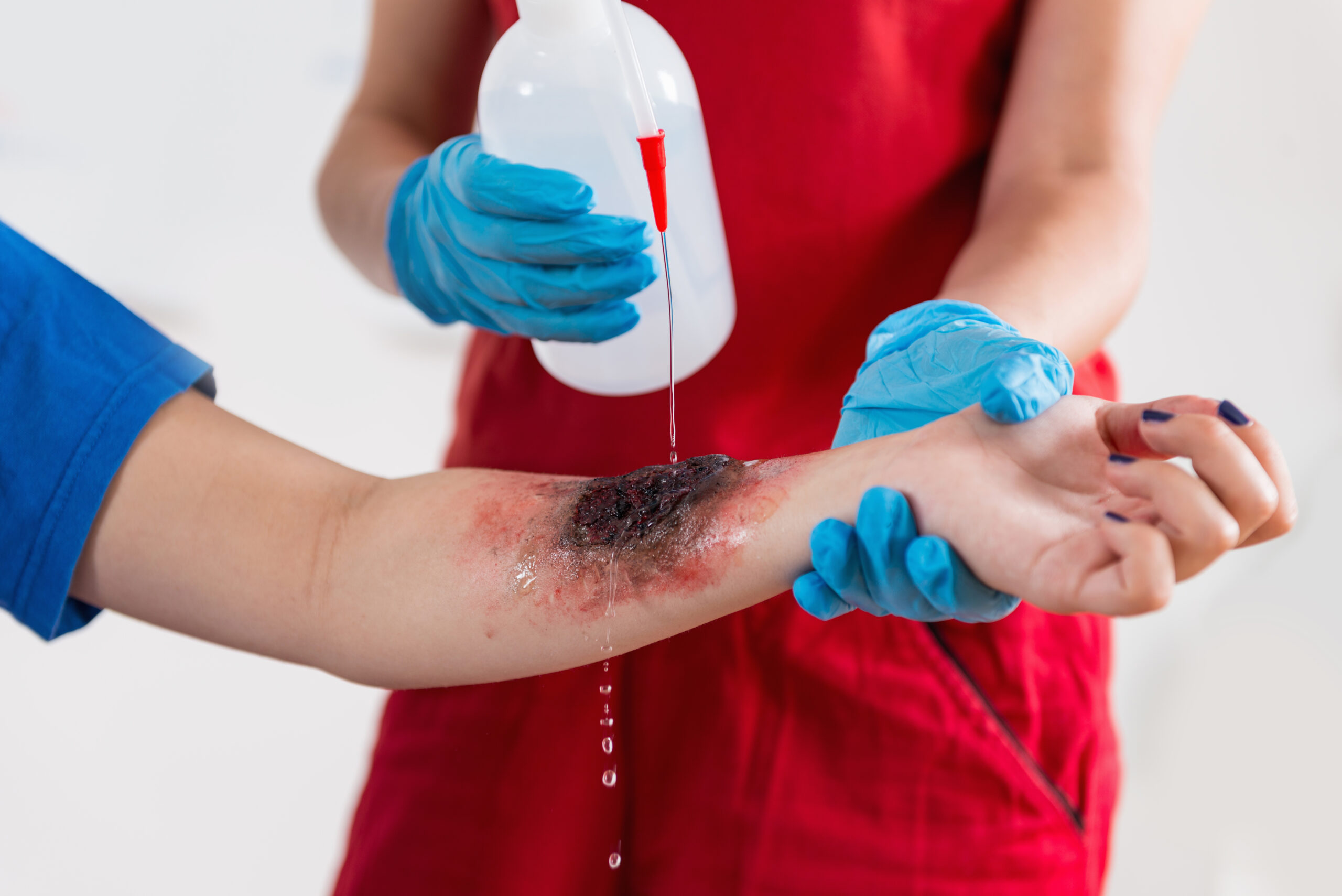
Workplace first aid for burns begins with immediately removing the affected individual from the heat source or burning agent to prevent further tissue damage and stop the progression of the burn.
Swiftly assess the situation to identify the heat source, whether it’s an open flame, hot surface, chemical spill, or electrical current. Ascertain your own safety first before approaching the victim.
If the person’s clothing is on fire, instruct them to ‘stop, drop, and roll’ to extinguish the flames. For chemical burns, quickly remove any contaminated clothing while protecting yourself from exposure. In cases of electrical burns, disconnect the power source before touching the victim to avoid electrocution.
Once you’ve removed the person from immediate danger, implement burn prevention strategies to safeguard others in the vicinity. This may involve shutting down equipment, cordoning off the area, or addressing the root cause of the incident.
Assess the Burn Severity
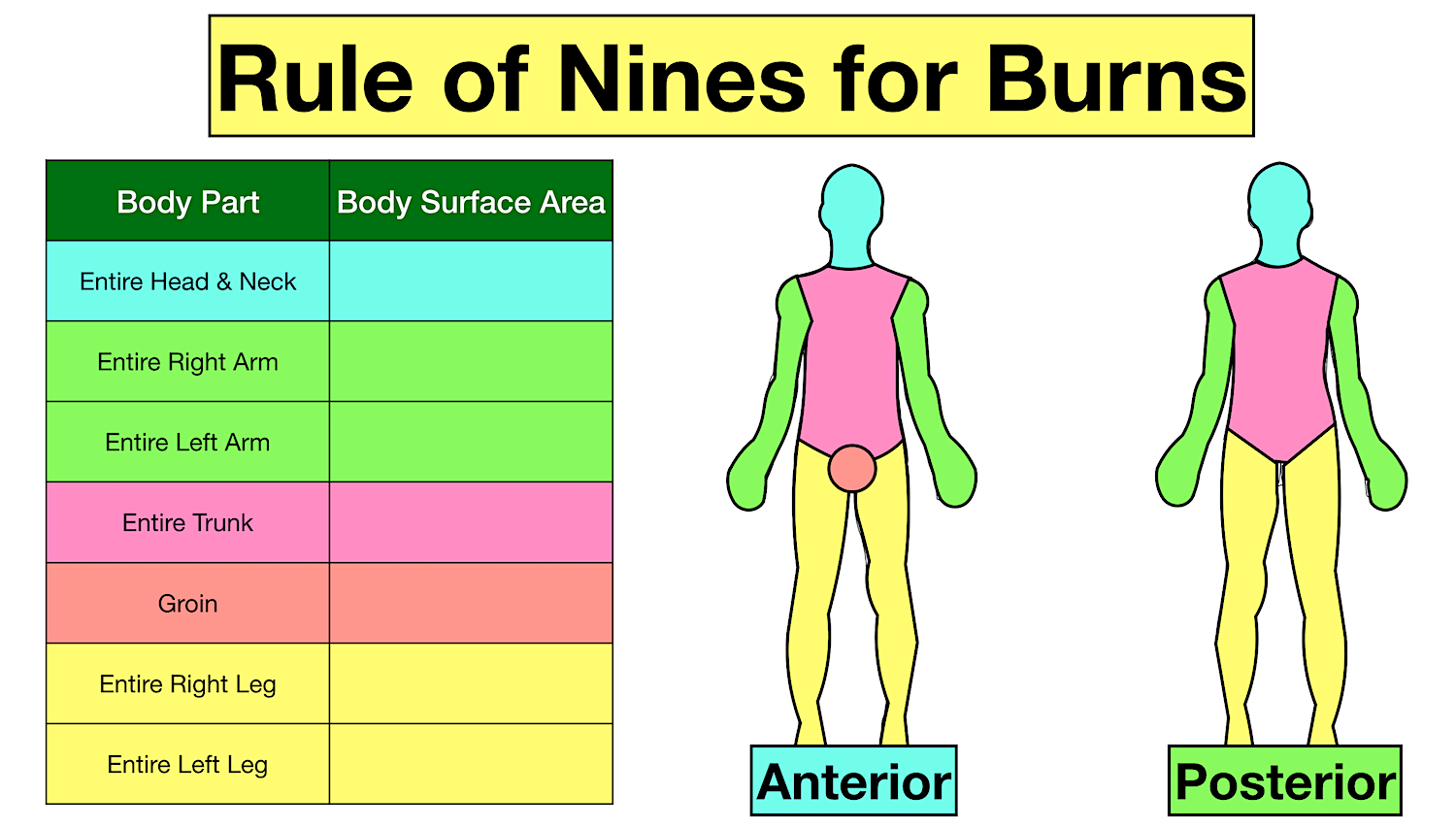
Effective workplace first aid for burns requires three essential steps to assess burn severity: determine the degree of the burn, estimate the percentage of body surface area affected, and identify the burn’s location.
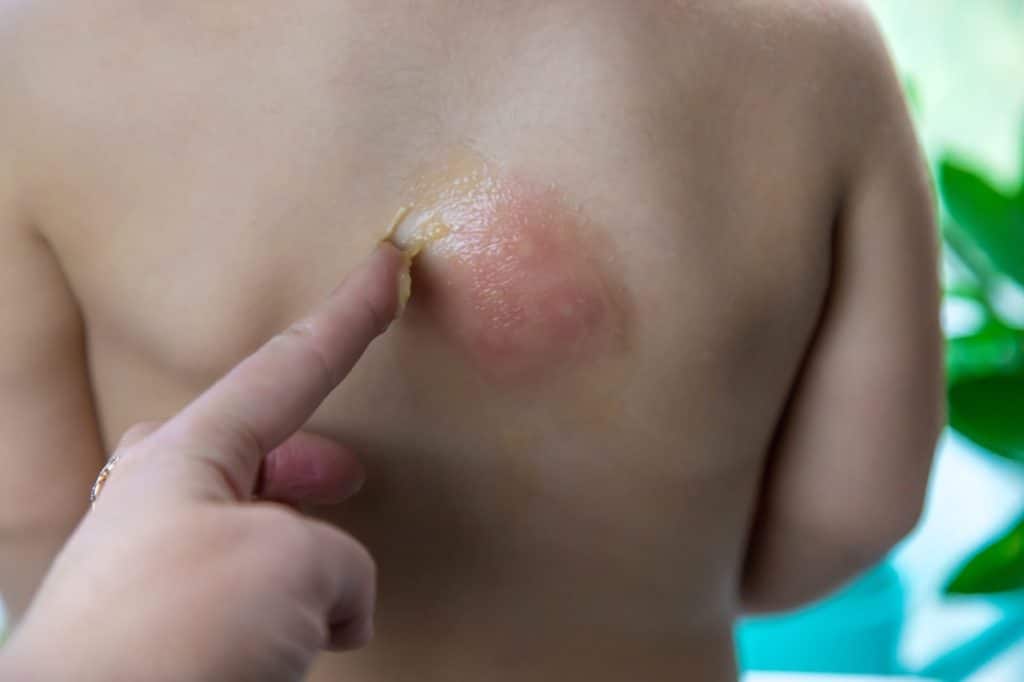
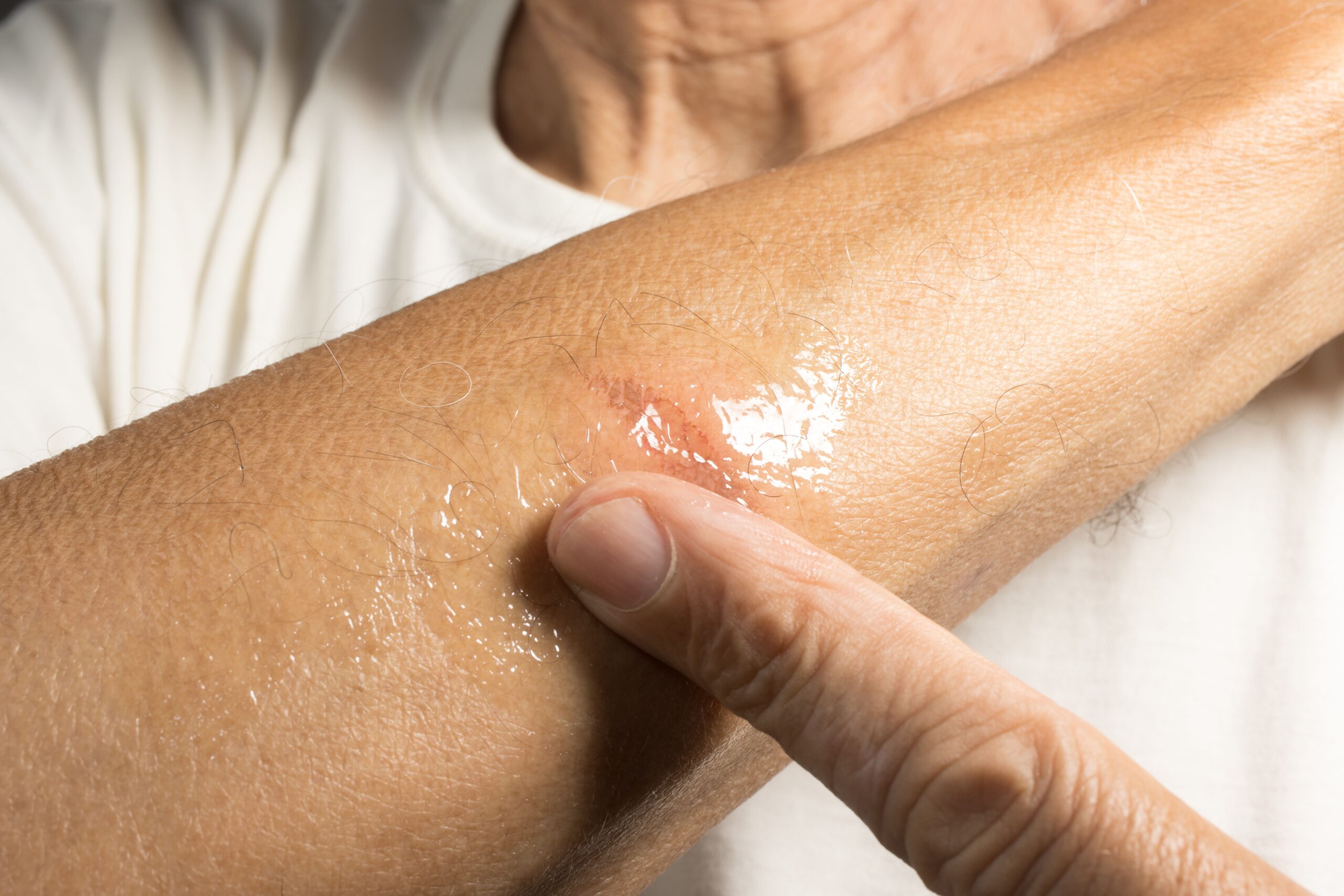
Begin with burn classification, categorising the injury as first, second, or third-degree. First-degree burns affect only the outer layer of skin, causing redness and pain. Second-degree burns penetrate deeper, resulting in blisters and more intense pain. Third-degree burns destroy all skin layers and may appear charred or white.
Next, estimate the percentage of body surface area affected using the ‘Rule of Nines.’ This method divides the body into sections, each representing 9% (or multiples of 9%) of total surface area.
Cool the Burn Area
Workplace first aid for burns must include immersing the burned area in cool, running water for at least 20 minutes to minimise tissue damage and reduce pain. This cold water immersion technique is a critical first step in burn treatment and emergency response.
Verify the water temperature is between 15°C and 20°C for maximum effectiveness. If running water isn’t available, use a clean container filled with cool water and regularly replace it to maintain the temperature.
Remove Restrictive Items
A critical step in workplace first aid for burns involves carefully removing any jewellery, watches, or tight clothing from the affected area and surrounding skin to prevent further injury as swelling occurs. As part of your workplace training, you’ve learned that burns can cause rapid swelling, which may lead to circulation problems if restrictive items aren’t removed promptly.
Act quickly but gently to avoid causing additional pain or damage to the burned area. When removing items, use sterile scissors from your first aid supplies if clothing is stuck to the burn. Don’t attempt to pull it off, as this could worsen the injury.
For rings or other tight jewellery, it’s essential to remove them before swelling makes it impossible. If you can’t easily slide them off, don’t force it – seek immediate medical attention.
Cover the Burn Properly
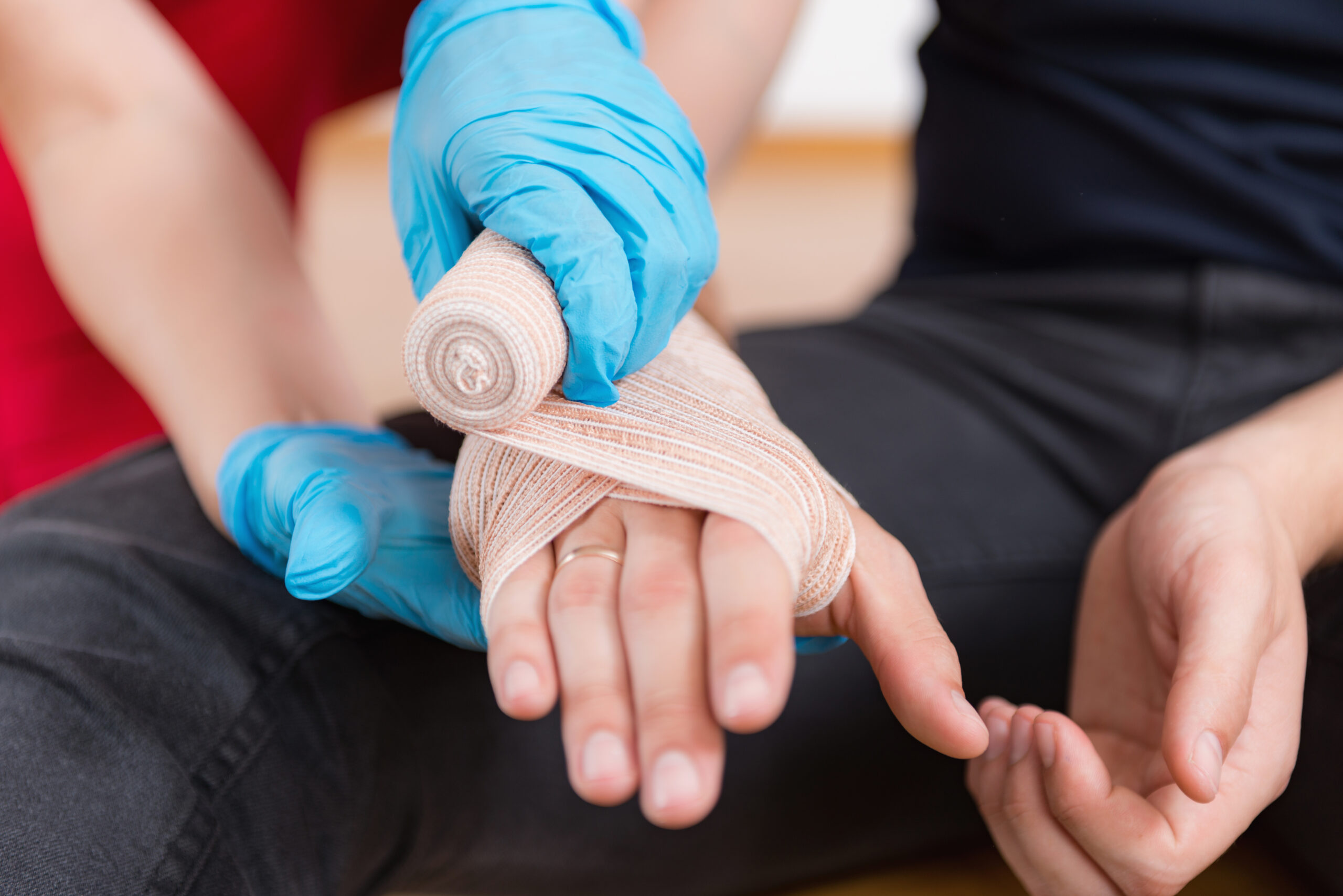
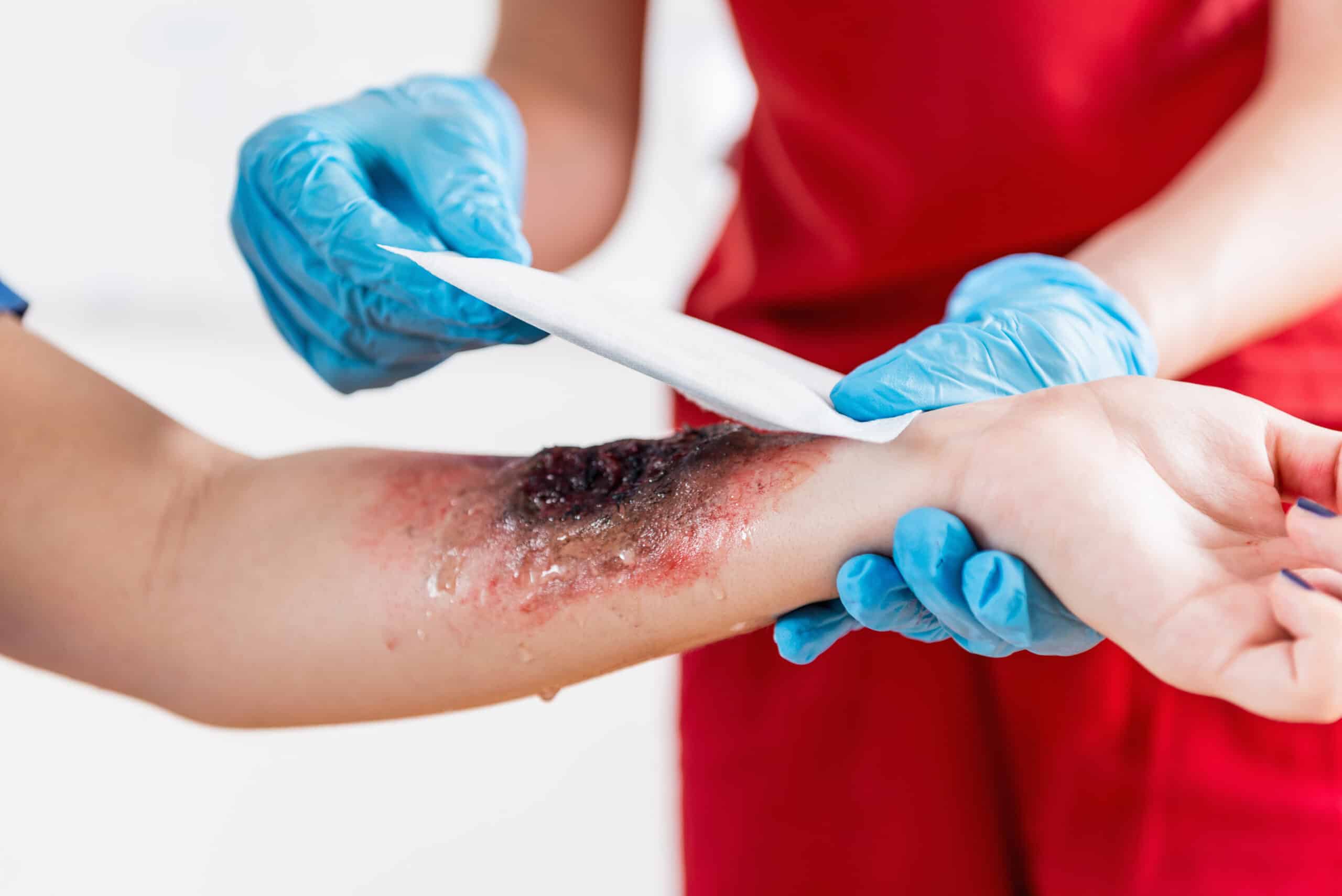
Proper workplace first aid for burns includes covering the burn with a sterile, non-adherent dressing to the burned area, ensuring it’s large enough to extend beyond the injury’s edges. When applying clean dressings to burns, it’s essential to use proper techniques and appropriate materials to prevent further injury and promote healing.
Here’s a step-by-step guide for clean dressing application:
- Wash your hands thoroughly and put on sterile gloves to minimise infection risk.
- Choose a non-adherent dressing material specifically designed for burns, such as paraffin gauze or silicone-based dressings.
- Carefully place the dressing over the burn, starting from one edge and smoothing it gently to avoid air bubbles.
- Secure the dressing with sterile gauze or bandages, ensuring it’s not too tight to allow for potential swelling.
When selecting dressing materials, opt for those that maintain a moist wound environment, protect against contamination, and don’t stick to the burn.
Avoid using cotton wool or adhesive dressings directly on the burn, as they can adhere to the wound and cause pain upon removal.
Manage Pain and Discomfort
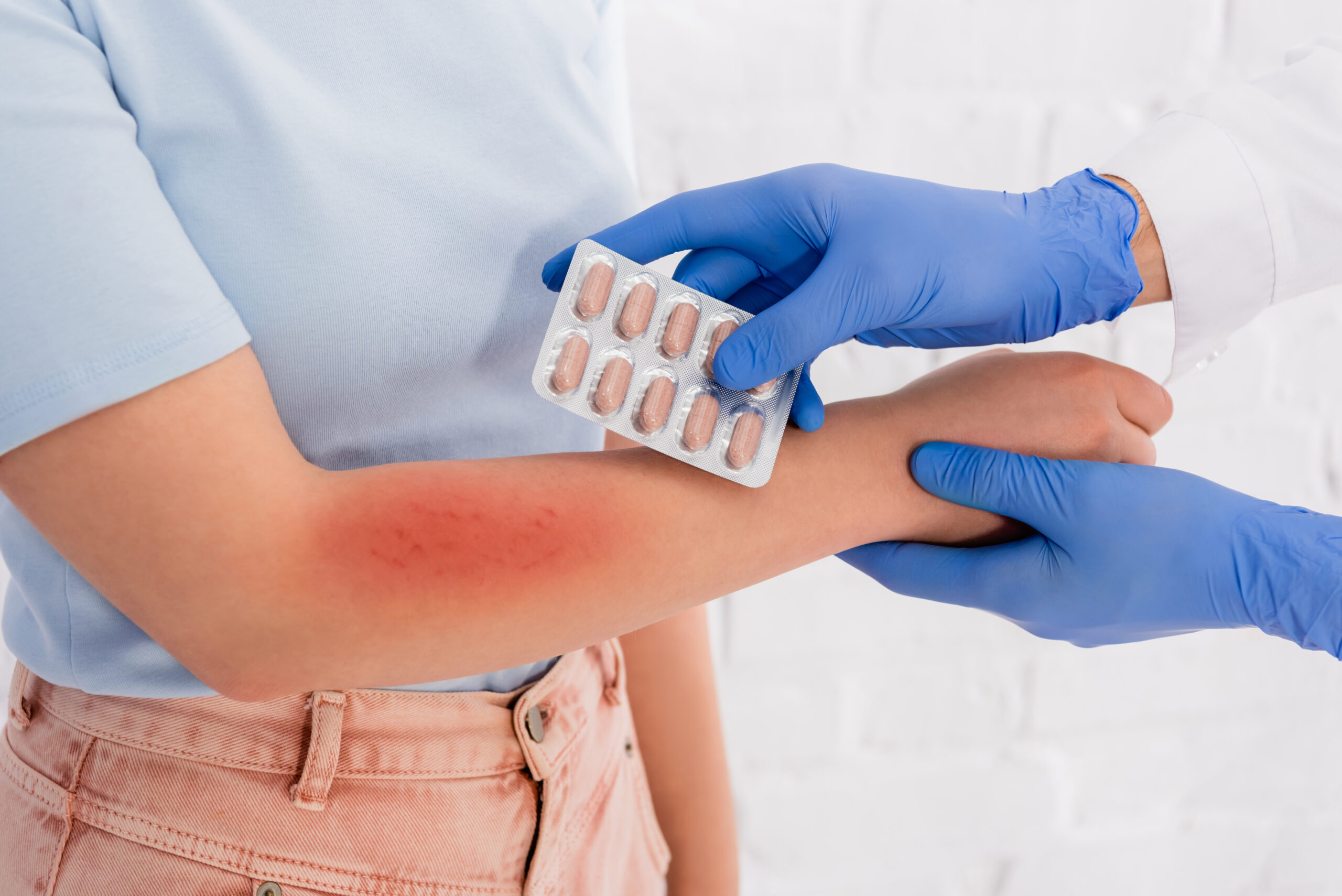
Workplace first aid for burns should implement pain management techniques to alleviate suffering and prevent shock. Offer over-the-counter pain relievers like ibuprofen or paracetamol, following dosage instructions carefully. For more severe burns, consult medical professionals about stronger pain relief options.
Apply a cold compress or ice pack wrapped in a clean cloth to the affected area for short intervals, typically 15-20 minutes at a time. This can help numb the pain and reduce swelling. However, avoid direct ice contact with the burn to prevent further tissue damage.
If available, use burn gels or creams containing lidocaine or aloe vera to soothe the affected area. Apply these products gently, avoiding rubbing or creating friction on the burned skin.
Seek Professional Medical Help
Workplace first aid for burns ultimately requires seeking professional medical assistance, regardless of the burn’s apparent severity. Your workplace’s first aid training should emphasise the importance of contacting emergency services or arranging immediate medical evaluation for burn victims.
Even if the burn seems minor, professional assessment can prevent complications and guarantee proper treatment.
When seeking medical help for a burn injury, follow these steps:
- Contact your designated emergency contacts or call local emergency services immediately.
- Provide clear information about the burn’s cause, size, and location to the medical professionals.
- Follow any instructions given by emergency responders while awaiting their arrival.
- Prepare to hand over care to medical professionals, giving them a concise report of the first aid measures you’ve taken.
Frequently Asked Questions
How Often Should Workplace First Aid for Burns Kits Be Checked and Restocked?
You should check and restock your workplace first aid kits at least monthly. Implement a regular kit maintenance schedule, ensuring frequent inspections. Replace expired items immediately and replenish used supplies promptly to maintain ideal first aid readiness.
What Items Should Be in a Workplace First Aid for Burns Kit?
You should include burn treatment supplies in your workplace first aid kit as per safety guidelines. Stock sterile burn dressings, cooling gel packs, non-adherent gauze, and burn ointment. Always follow proper procedures when treating burns.
Are There Any Alternative Cooling Methods if Running Water Isn't Available?
Apply cooling gels or aloe vera. Use cold, moist compresses or immerse the burn in cool water. Avoid ice, which can cause further tissue damage.