



Sharon has 21+ years of experience as a qualified Emergency Care Nurse registered with the Australian Health Practitioner Regulation Agency (APHRA) and 12+ years as a First Aid Trainer.
She takes pride in FirstAidPro making first aid training available, comprehensive and affordable to everybody.
Did you know that scald burns account for nearly 35% of all burn injuries treated in emergency rooms? These painful accidents can happen in an instant, often catching you off guard in your own home.
Whether it’s a spilled cup of coffee or a splash from boiling water, knowing how to respond quickly and effectively can make all the difference in minimising damage and promoting healing.
From immediate first aid to long-term care strategies, there’s a lot to contemplate when it comes to treating scald burns. As you’ll discover, the right approach can greatly impact your recovery and help prevent potentially serious complications.
Key Takeaways
- Immediately cool the burn with cool running water for 20 minutes to minimise tissue damage and alleviate pain.
- Remove clothing or jewellery near the burn area, but don’t peel off items stuck to the burn.
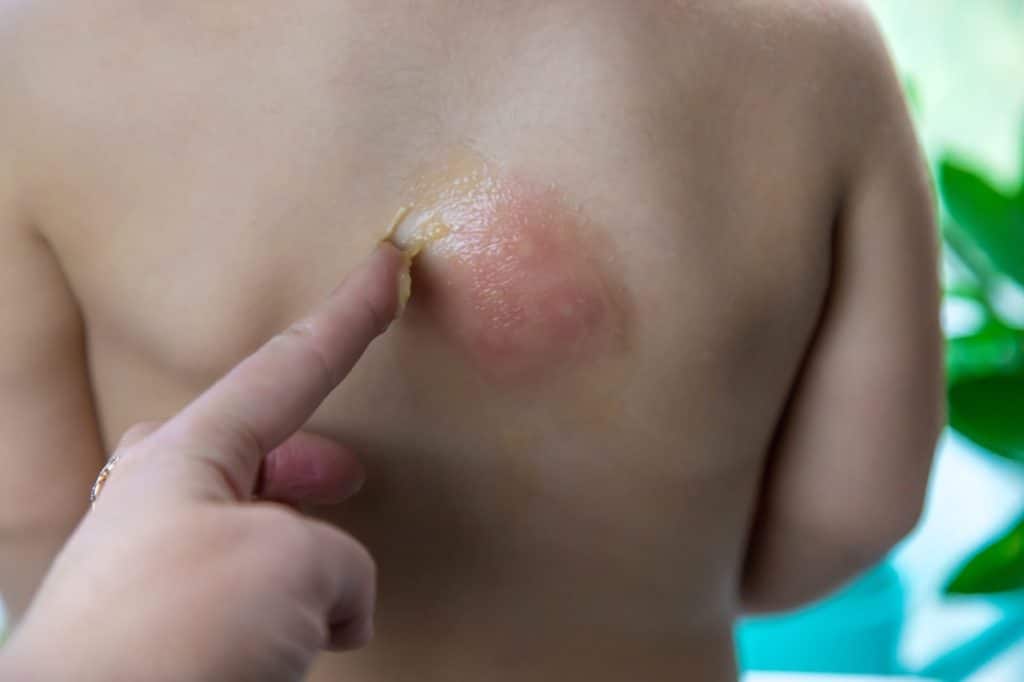
- Apply aloe vera gel or over-the-counter burn cream for minor burns and cover with a sterile bandage.
- Seek immediate medical attention for severe burns, especially those classified as second or third-degree.
- Prevent infection by cleaning the burn area daily, applying antibiotic ointments, and changing dressings regularly using sterile techniques.
Understanding Scald Burns
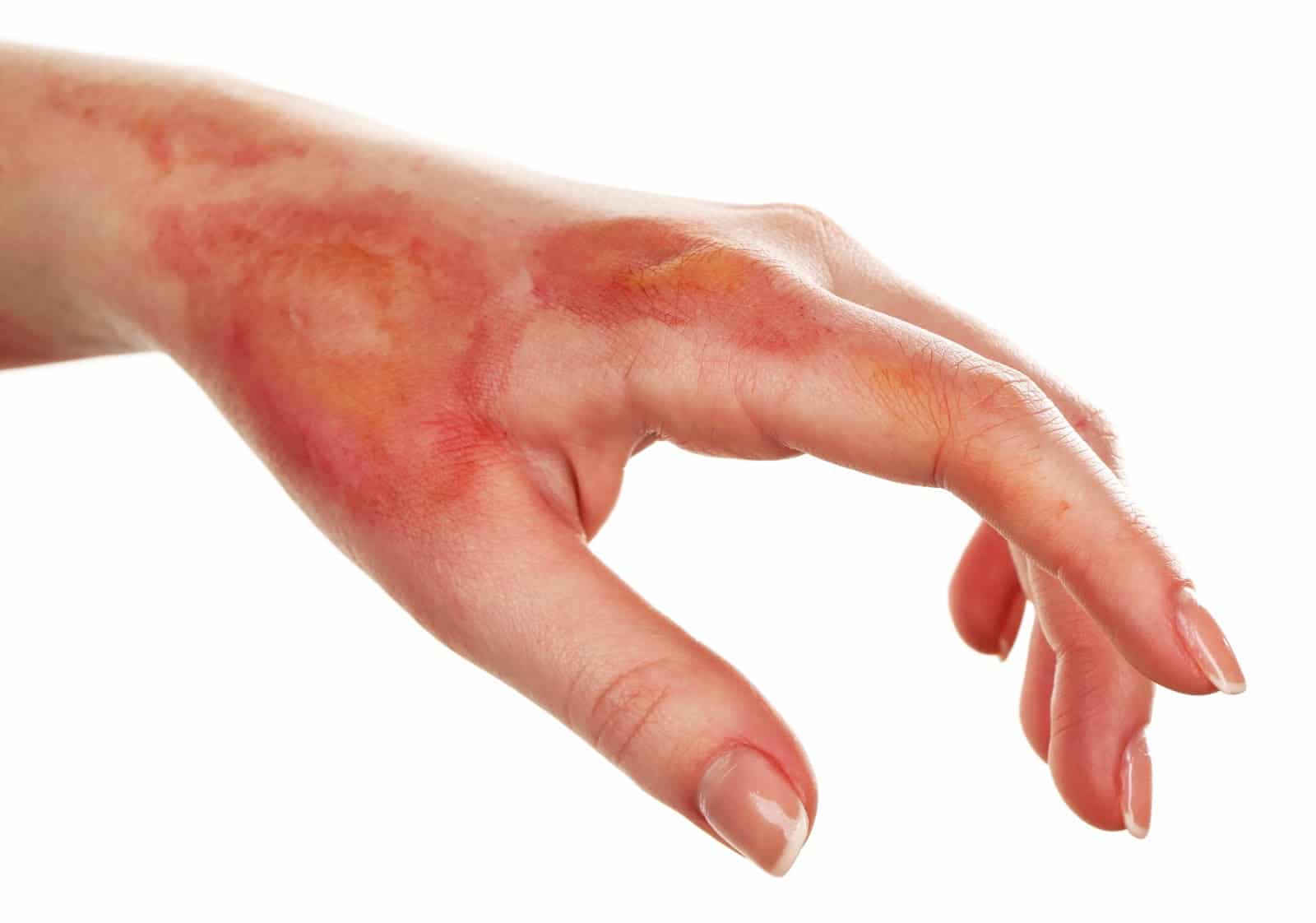
In order to effectively treat scald burns, you’ll need to understand their nature and severity. Scald burns occur when hot liquids or steam come into contact with your skin, causing damage to the tissue. The severity of these burns can vary from minor to severe, influenced by the liquid’s temperature and the length of exposure.
Burn classification is vital in determining the appropriate treatment. First-degree scalds affect only the outer layer of skin, causing redness and pain. Second-degree burns penetrate deeper, forming blisters and causing more intense pain. Third-degree burns are the most severe, damaging all layers of skin and potentially affecting underlying tissues.
Understanding the healing process is essential for proper care. Your body immediately begins to repair the damaged tissue, but the time required depends on the burn’s severity. First-degree burns typically heal within a week, while second-degree burns may take two to three weeks. Third-degree burns often require medical intervention and can take months to heal completely.
Assessing Scald Burn Severity
Before treating a scald burn, you’ll need to accurately assess its severity to determine the appropriate course of action.
Scald burns are categorised into three degrees according to the depth of skin damage.
First-degree burns affect only the outer layer of skin, causing redness, pain, and minor swelling. These generally heal within a week with the absence of scarring.
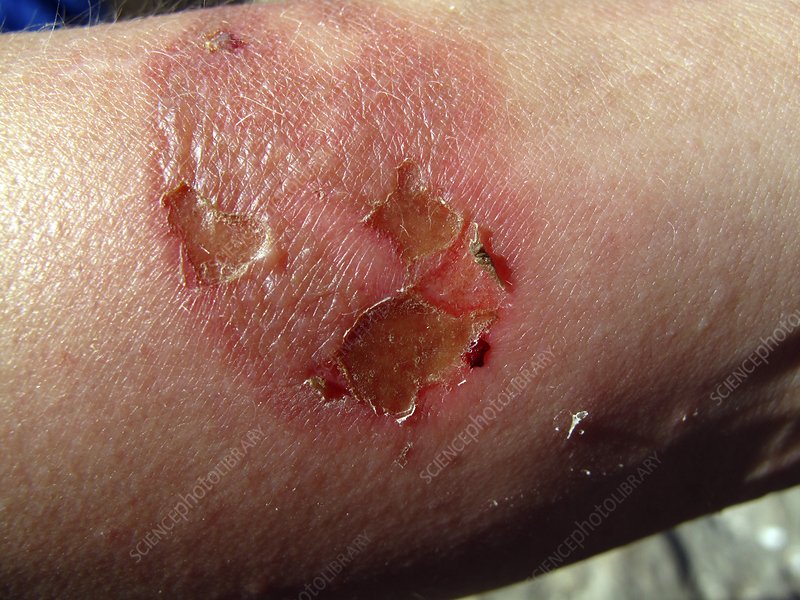
Second-degree burns penetrate deeper, damaging both the epidermis and part of the dermis. They’re characterised by blistering, intense pain, and a moist appearance. The healing process for these burns can take 2-3 weeks and may result in some scarring.
Third-degree burns are the most severe, destroying all layers of skin and potentially affecting underlying tissues. These burns appear dry, leathery, and can be white, brown, or black. They often don’t hurt due to nerve damage. Third-degree burns require immediate medical attention and may need skin grafting.
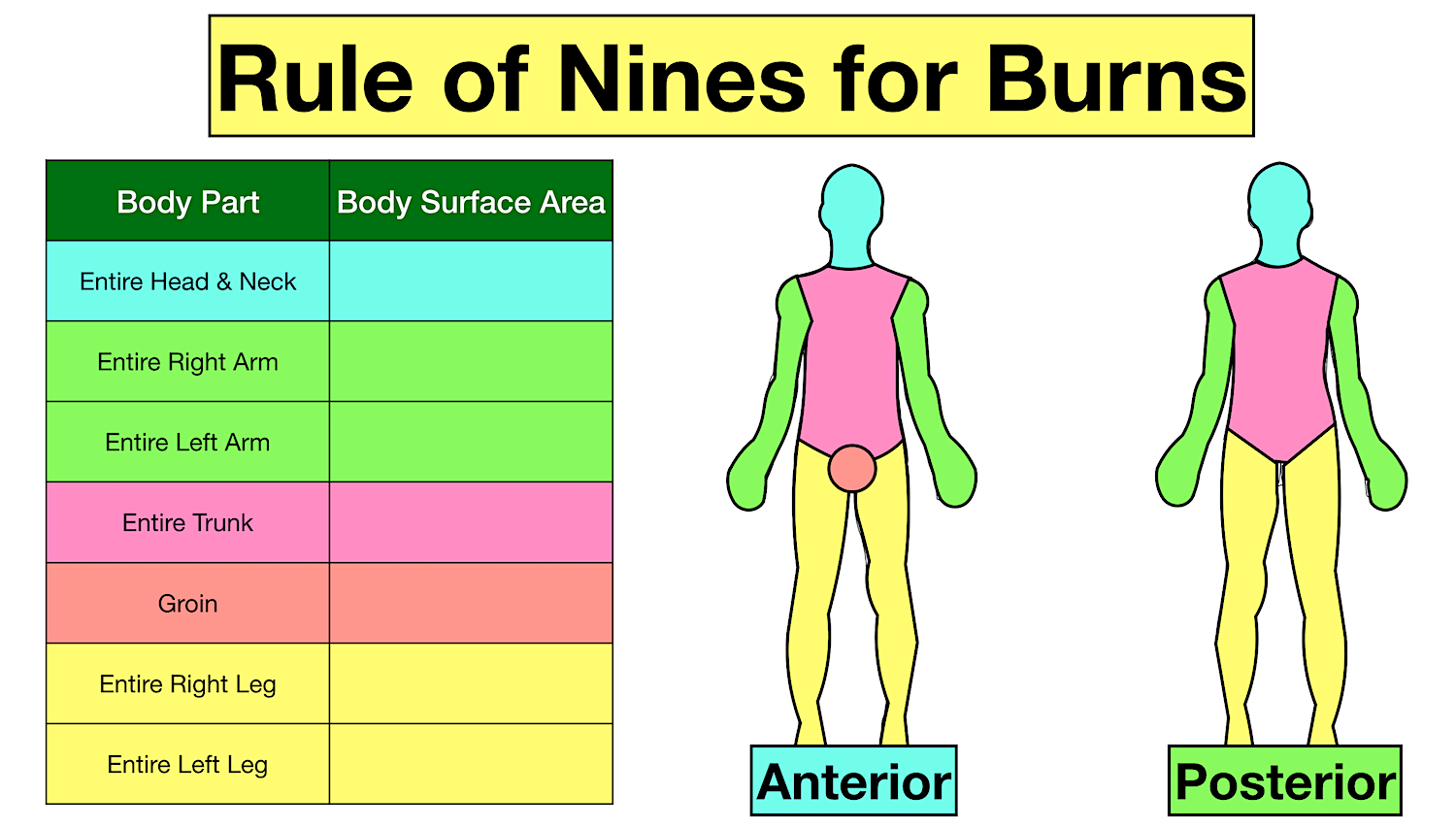
To assess severity, consider the burn’s size, depth, and location. Burns covering large areas, those on sensitive body parts, or burns in young children or elderly individuals should always be evaluated by a medical professional.
Immediate First Aid Steps
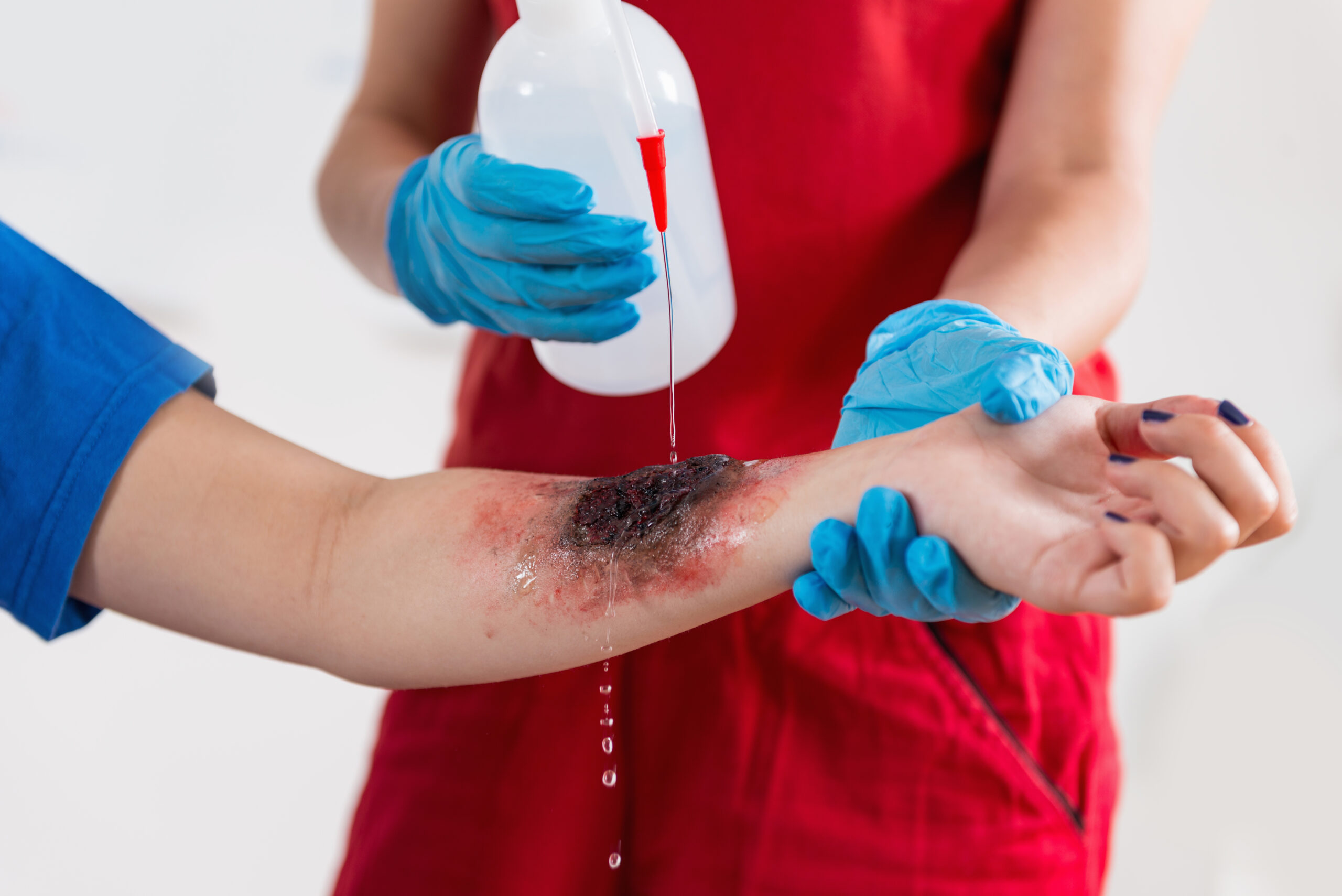
Time is critical when treating scald burns, so you’ll need to act quickly and decisively to minimise damage and promote healing. Your immediate first aid steps should focus on stopping the burning process and preventing further injury.
Remove any clothing or jewellery near the affected area, but don’t attempt to peel off anything that’s stuck to the skin.
Cooling the Affected Area
Once you’ve removed any clothing or jewellery, it’s vital to begin cooling the burn immediately to minimise tissue damage and alleviate pain.
The most effective cooling technique for scald burns is running cool (not cold) water over the affected area for 10 to 20 minutes. If running water isn’t available, you can use a clean, cool, damp cloth as an alternative.
It’s important to avoid using ice or ice-cold water for cooling. While it might seem logical, ice application can cause further damage to the burned tissue and potentially lead to hypothermia, especially if the burn covers a large area. Instead, aim for water that’s around room temperature or slightly cooler.
Pain Management Techniques
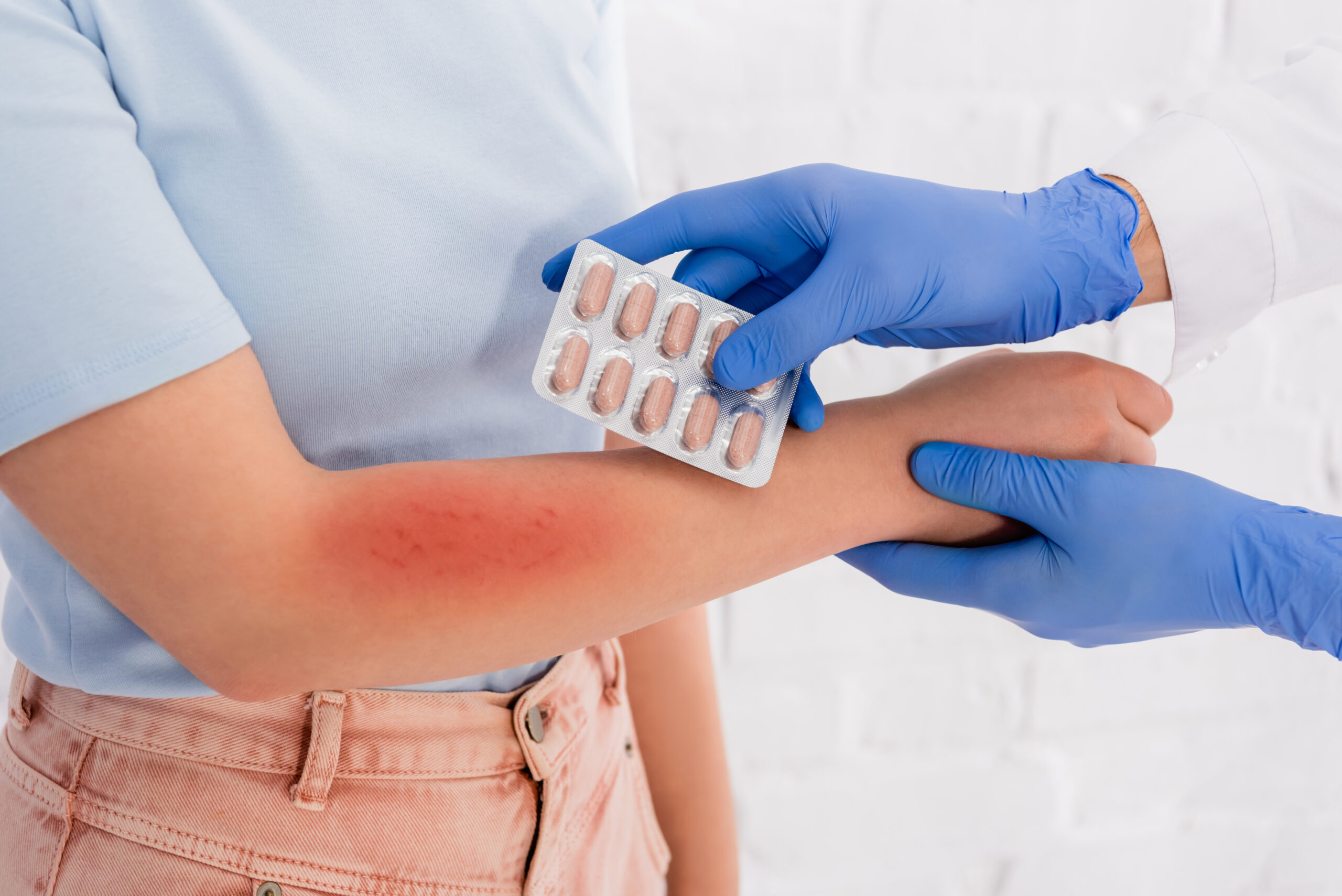
To manage the pain associated with scald burns, you have several effective options at your disposal.
Over-The-Counter Pain Relievers
Managing pain effectively is essential when treating scald burns, and over-the-counter pain relievers can provide significant relief. When considering pain relief options, you’ll find several over-the-counter medications that can help alleviate discomfort associated with scald burns.
Paracetamol (Panadol) is often the first choice for burn pain management. It’s effective in reducing pain and fever without irritating the stomach.
Nonsteroidal anti-inflammatory drugs (NSAIDs) like ibuprofen (Nurofen) or naproxen (Naprosyn) can also be beneficial, as they reduce both pain and inflammation. However, if you have any pre-existing medical conditions or are taking other medications, consult your healthcare provider before using NSAIDs.
For topical relief, you might consider products containing lidocaine or benzocaine. These can provide localized numbing, but use them sparingly and only on intact skin. Always follow the package instructions carefully, and don’t exceed the recommended dosage.
If your pain persists or worsens despite using over-the-counter medications, it’s important to seek medical attention. Remember, while these medications can provide relief, they’re not a substitute for proper burn care and treatment.
Cool Compresses Application
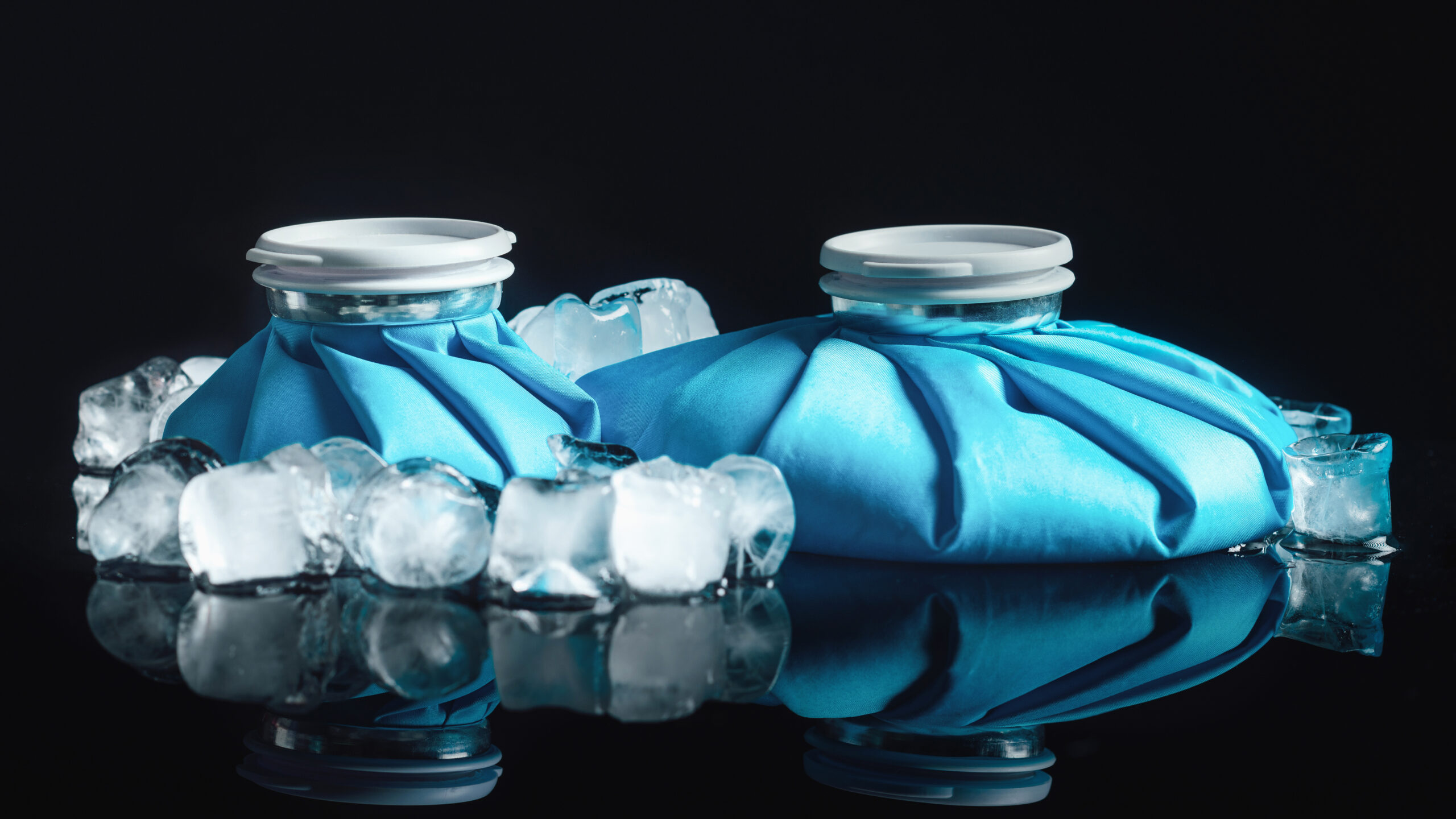
Cool compresses offer immediate relief and play an essential role in managing pain from scald burns. When applying cool compresses, you’ll want to use clean, soft cloths or towels soaked in cool water. Gently place the compress on the affected area, taking care not to apply pressure or rub the burn. This technique helps reduce inflammation and eases discomfort.
For ideal results, follow these cool compress techniques: Change the compress every few minutes to maintain a consistent cool temperature. Don’t use ice or extremely cold water, as this can further damage the skin. Instead, aim for water that’s slightly below room temperature. Duration recommendations suggest applying cool compresses for 10 to 15 minutes at a time, several times a day.
Topical Anesthetic Creams
Topical anesthetic creams frequently provide essential pain relief for individuals suffering from scald burns, offering a targeted approach to managing discomfort and promoting healing. These creams contain active ingredients that temporarily numb the affected area, reducing pain sensations and allowing you to move more comfortably during recovery.
When applying topical anaesthetics, it’s vital to follow your healthcare provider’s instructions carefully. Clean the burn area gently before cream application, and use only the recommended amount. Most topical anaesthetics are applied sparingly, as overuse can lead to side effects or interfere with the healing process.
Dressing and Bandaging
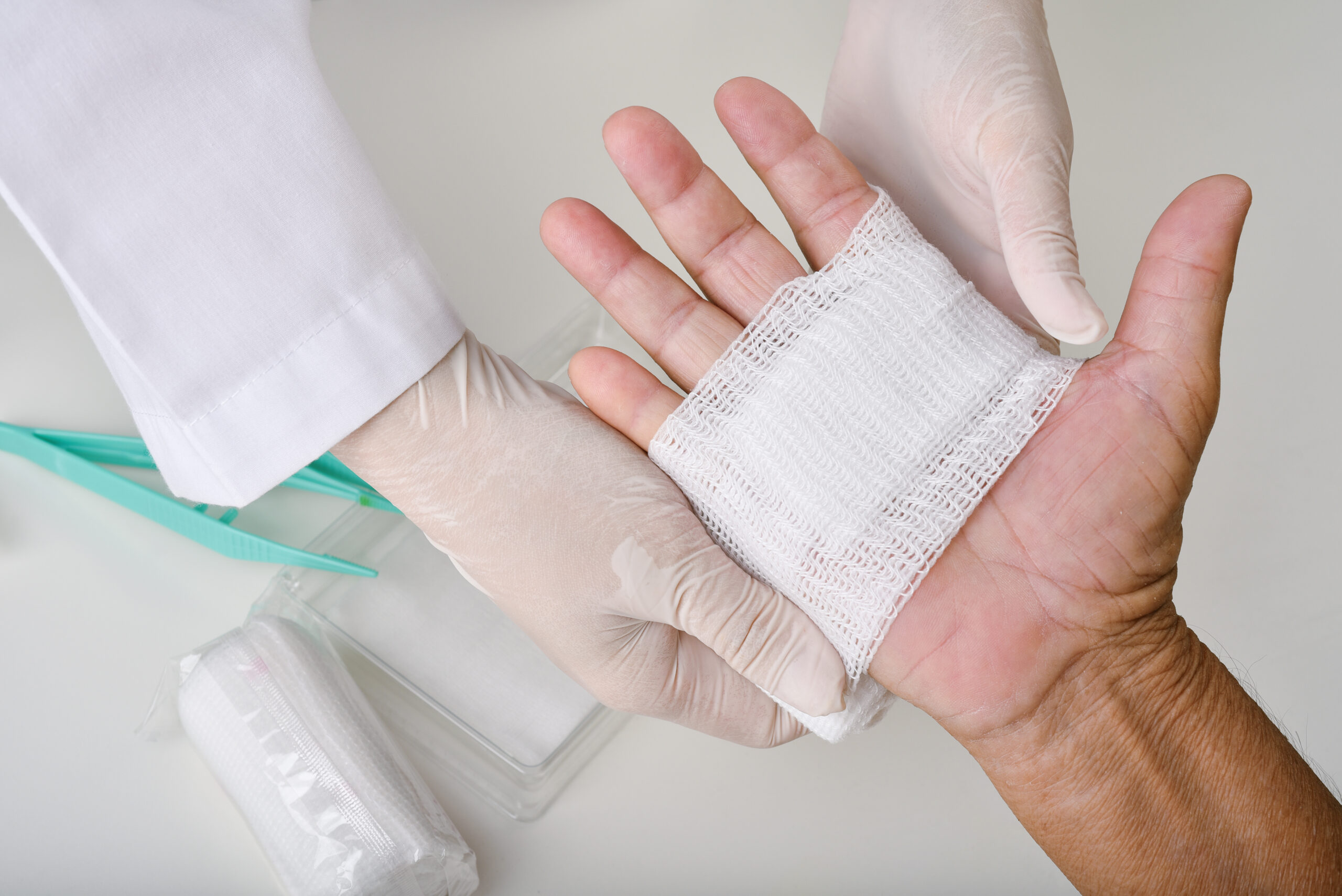
Proper dressing and bandaging are essential steps in the management of your scald burns, providing protection and promoting healing.
You’ll need to choose appropriate dressing materials based on the burn’s severity and location. For minor burns, a non-stick gauze pad or specialised burn dressing can be effective. More severe burns may require advanced dressings like hydrocolloids or silver-impregnated products to manage exudate and prevent infection.
When applying the dressing, make sure your hands are clean and use sterile techniques. Gently place the dressing over the burn, avoiding any pressure that could cause discomfort. Next, secure the dressing using bandaging techniques that maintain coverage without restricting circulation. For limbs, spiral bandaging works well, while figure-eight patterns are suitable for joints.
Change your dressing regularly as advised by your healthcare provider, typically every 24-48 hours or when it becomes soiled or saturated. During dressing changes, carefully inspect the burn for signs of healing or complications. If you notice increased pain, redness, or unusual discharge, consult your doctor immediately.
When You Should Get Medical Help
While many minor scald burns can be treated at home, it’s crucial to recognise when you need to seek professional medical attention for more severe injuries. There are several signs of urgency that indicate you should consult a healthcare provider immediately.
If the burn covers a large area of your body, particularly if it affects joints, hands, feet, face, or genitals, you should seek medical help. Burns that appear deep, with a white or charred appearance, require professional evaluation.
If you experience severe pain that doesn’t subside with over-the-counter pain relievers, it’s time to see a doctor. Watch for signs of infection, such as increased redness, swelling, or pus-like discharge from the burn site. If you develop fever, chills, or other systemic symptoms, seek medical attention promptly.
Frequently Asked Questions
Can I use butter or oil on scald burns?
No, you should never apply butter, oil, or other greasy substances to scald burns. These traditional remedies can trap heat, slow healing, and increase the risk of infection. Instead, cool the burn with running water and use approved treatments like aloe vera gel or over-the-counter burn creams.
Are there any safe home remedies for treating minor scald burns?
After cooling minor scald burns with running water, aloe vera gel can help with its anti-inflammatory properties. Pure honey may also provide natural antibacterial benefits. Only use these remedies on minor, first-degree burns after proper cooling, and never as a substitute for medical treatment. For larger burns or if you’re unsure about severity, always consult a healthcare professional.
Is it safe to pop blisters from scald burns?
No, you should never pop blisters from scald burns. Blisters act as a natural barrier against infection. Breaking them increases the risk of contamination and can delay healing. If a blister breaks accidentally, clean the area gently with mild soap and water, apply an antibiotic ointment, and cover with a sterile bandage. Large or painful blisters should be evaluated by a healthcare provider.