




Sharon has 21+ years of experience as a qualified Emergency Care Nurse registered with the Australian Health Practitioner Regulation Agency (APHRA) and 12+ years as a First Aid Trainer.
She takes pride in FirstAidPro making first aid training available, comprehensive and affordable to everybody.
When faced with allergic reactions and anaphylaxis, your quick action can be the difference between life and death.
When faced with allergic reactions and anaphylaxis, your quick action can be the difference between life and death.
You’ll need to recognise the signs, assess the severity, and respond appropriately. From mild hives to life-threatening anaphylaxis, knowing the proper steps to take is vital.
But what if you’re unsure about administering an epinephrine auto-injector? Or how do you determine if antihistamines are enough?
Understanding the nuances of first aid for allergic reactions isn’t just helpful—it’s essential.
As we explore these important steps, you’ll discover how to confidently handle these potentially dangerous situations and potentially save a life.
Key Takeaways
- Recognise symptoms: Look for skin reactions, breathing difficulties, and cardiovascular issues like dizziness or weak pulse when dealing with allergic reactions and anaphylaxis.
- Assess severity: Differentiate between mild reactions and severe anaphylaxis, which may require immediate medical attention.
- Administer epinephrine: If available, use an auto-injector in the outer thigh for severe reactions or anaphylaxis.
- Position the patient: Place unconscious patients in recovery position; help conscious patients sit upright if breathing is difficult.
- Call emergency services: Provide clear information about the patient’s condition, location, and any treatments administered.
Recognising Allergic Reaction Symptoms
Allergic reactions and anaphylaxis manifest through various symptoms that you should quickly identify for prompt intervention. Common allergens like pollen, food, insect stings, or medications can trigger these reactions. Be vigilant for signs affecting the skin, respiratory system, and cardiovascular system.
On the skin, look for hives, itching, or swelling, particularly on the face, lips, and tongue.
Respiratory symptoms include wheezing, shortness of breath, or a persistent cough. You might also notice nasal congestion or a runny nose. In severe cases, the throat may swell, making it difficult to breathe or swallow.
Cardiovascular symptoms can include dizziness, weakness, or fainting. Some people experience nausea, vomiting, or abdominal pain. In extreme cases, a rapid or weak pulse may occur, indicating a potentially life-threatening situation.
Assessing Severity of Reaction

Evaluating the severity of allergic reactions and anaphylaxis is essential for determining appropriate treatment.
Mild Vs. Severe Symptoms
To effectively respond to an allergic reaction, you’ll need to quickly determine whether the symptoms are mild or severe.
Mild reactions typically involve localised symptoms that, while uncomfortable, don’t pose an immediate threat to life. These may include itching, hives, mild swelling, or a runny nose. You’ll usually observe these symptoms confined to a specific area of the body.
Severe reactions, on the other hand, can be life-threatening and require immediate medical attention. Watch for signs of anaphylaxis, such as difficulty breathing, wheezing, swelling of the throat or tongue, dizziness, or a rapid pulse. These symptoms often affect multiple body systems and can progress rapidly. If you notice any of these severe symptoms, don’t hesitate to call emergency services immediately.
Calling Emergency Services

When dealing with severe allergic reactions and anaphylaxis, don’t hesitate to call emergency services if the reaction appears severe or life-threatening. Time is critical in managing anaphylaxis, and professional medical help is essential for proper treatment.
When calling emergency services, follow these communication protocols:
- Stay calm and speak clearly.
- Provide your exact location, including address and any specific directions.
- Describe the patient’s condition, mentioning it’s an allergic reaction or suspected anaphylaxis.
- State the patient’s age, gender, and any known allergies or medical conditions.
- Report any visible symptoms, such as difficulty breathing, swelling, or hives.
- Inform them if an epinephrine auto-injector has been used.
- Follow the dispatcher’s instructions carefully.
- Don’t hang up until told to do so.
While waiting for the emergency response team:
- Keep the patient calm and lying down with legs elevated.
- Monitor their breathing and pulse.
- Be prepared to perform CPR if necessary.
- If available, administer a second dose of epinephrine after 5-15 minutes if symptoms persist.
- Gather any relevant medical information or medications to show the paramedics.
Administering Epinephrine Auto-Injector
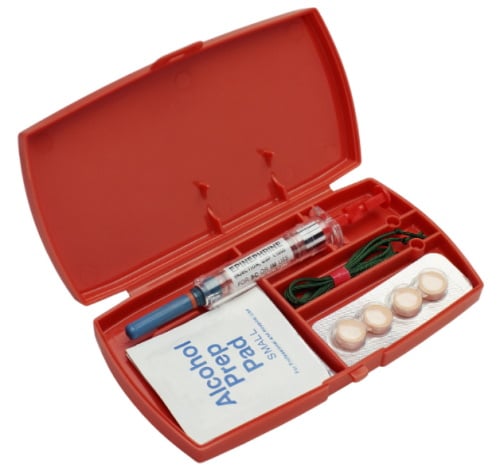
Properly administering an epinephrine auto-injector is essential for effectively treating severe allergic reactions or anaphylaxis.
First, verify you’ve received proper auto-injector training and are familiar with your specific device. Remove the auto-injector from its case and grasp it firmly in your dominant hand. Identify the correct injection site, typically the outer thigh. Remove any clothing covering the area if possible, but don’t delay if it’s difficult.
Pull off the safety cap and hold the device at a 90-degree angle to the thigh. Firmly push the tip against the outer thigh until you hear a click, then hold for 3 seconds. This allows the medication to be fully injected.
Remove the auto-injector and massage the injection site for 10 seconds. Dispose of the used device safely and note the time of administration.
Positioning the Patient
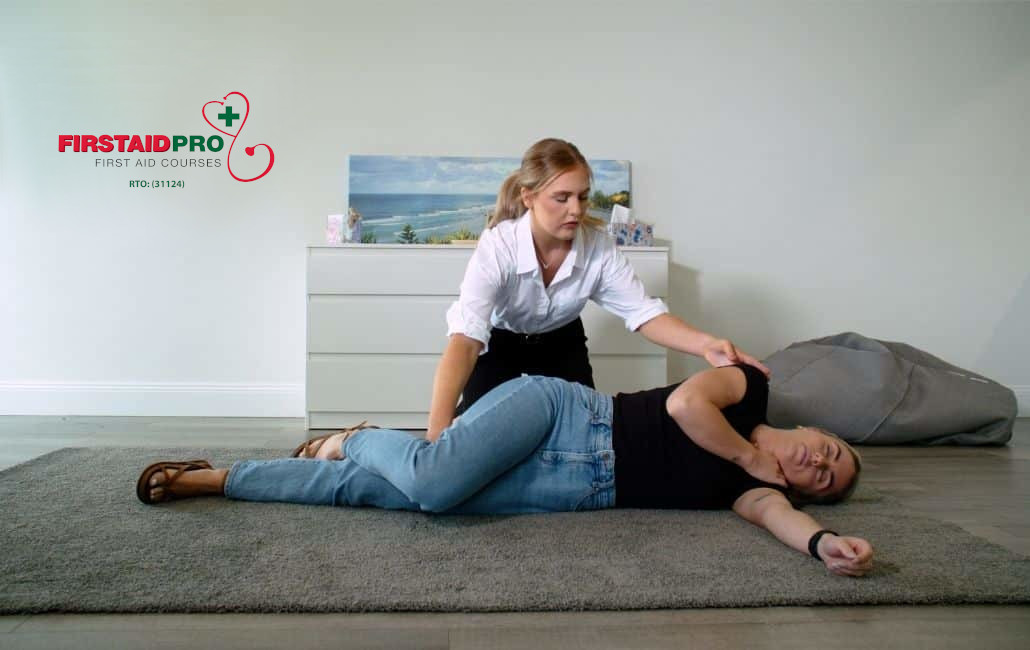
Managing allergic reactions and anaphylaxis requires proper patient positioning to ensure safety and comfort. For unconscious patients, the recovery position is crucial.
First, kneel beside the patient and remove any bulky objects from their pockets. Straighten their legs and place the arm nearest to you at a right angle to their body, elbow bent with the palm facing up.
Next, bring their far arm across their chest, holding the back of their hand against the cheek closest to you. With your other hand, grasp the far leg just above the knee and pull it up, keeping the foot on the ground.
Carefully roll the patient towards you onto their side. Adjust their upper leg so both the hip and knee are bent at right angles. Tilt their head back slightly to keep the airway open. Confirm their cheek rests on their hand to help maintain the head tilt.
For patients experiencing mild to moderate allergic reactions who remain conscious, positioning them in an upright posture can greatly improve their breathing and comfort.
Assist the individual to sit up straight, ideally with their back supported against a wall or chair. This position helps open the airways and reduces the effort required to breathe.
Removing Allergen Trigger
When addressing allergic reactions and anaphylaxis, quickly identify and remove the allergen source to prevent further exposure and reduce reaction severity.
Scan the immediate environment for potential triggers such as foods, medications, insect stings, or environmental substances. If the allergen is on the skin, rinse the affected area thoroughly with cool water. For ingested allergens, don’t induce vomiting unless specifically instructed by a medical professional.
In cases of airborne allergens, move the person to fresh air immediately. Remove any contaminated clothing and wash the skin with soap and water. If contact lenses are worn, remove them carefully to prevent trapping allergens against the eye. For insect stings, scrape out the stinger sideways using a straight-edged object like a credit card, avoiding tweezers which may squeeze the venom sac.
Providing Comfort and Reassurance
During allergic reactions and anaphylaxis, maintaining a calm demeanour is essential when assisting someone experiencing an allergic reaction. Your composure can greatly impact the affected person’s stress levels and overall wellbeing. Speak in a clear, reassuring tone and provide emotional support throughout the ordeal. Explain each step you’re taking to help them, which can reduce anxiety and promote cooperation.
Employ calming techniques to help the person relax. Encourage slow, deep breaths by demonstrating the technique yourself. This can help prevent hyperventilation and reduce panic. If possible, create a quiet environment by moving away from crowds or noisy areas. Minimise distractions and focus on the individual’s needs.
Offer physical comfort if appropriate, such as holding their hand or placing a reassuring hand on their shoulder. However, always ask for permission first, as some people may prefer not to be touched during a stressful situation.
Keep the person informed about the arrival of medical help or the effectiveness of administered medication. Your steady presence and supportive actions can make a great difference in managing the allergic reaction and preventing it from escalating due to stress or fear.
Frequently Asked Questions
How long should I wait after using an epinephrine auto-injector before seeking medical attention?
You should call emergency services (triple zero – 000) immediately after administering an epinephrine auto-injector, even if symptoms appear to improve. The effects of epinephrine are temporary, typically lasting 10-20 minutes, and a second reaction (biphasic anaphylaxis) may occur.
Can I give antihistamines instead of epinephrine for a severe allergic reaction?
No. While antihistamines may help with mild allergic symptoms like hives or itching, they are not a substitute for epinephrine in cases of severe allergic reactions or anaphylaxis. Epinephrine is the only effective first-line treatment for anaphylaxis. Antihistamines can take 30-60 minutes to work and do not treat the life-threatening symptoms of anaphylaxis.
What should I do if someone has an allergic reaction but doesn't have their prescribed epinephrine auto-injector?
If someone is experiencing a severe allergic reaction without access to their prescribed epinephrine, call emergency services (triple zero – 000) immediately. While waiting for paramedics, help them into a comfortable position (sitting upright if breathing is difficult), remove the allergen if possible, and provide reassurance. Never borrow someone else’s prescribed epinephrine device unless directed by emergency medical personnel.