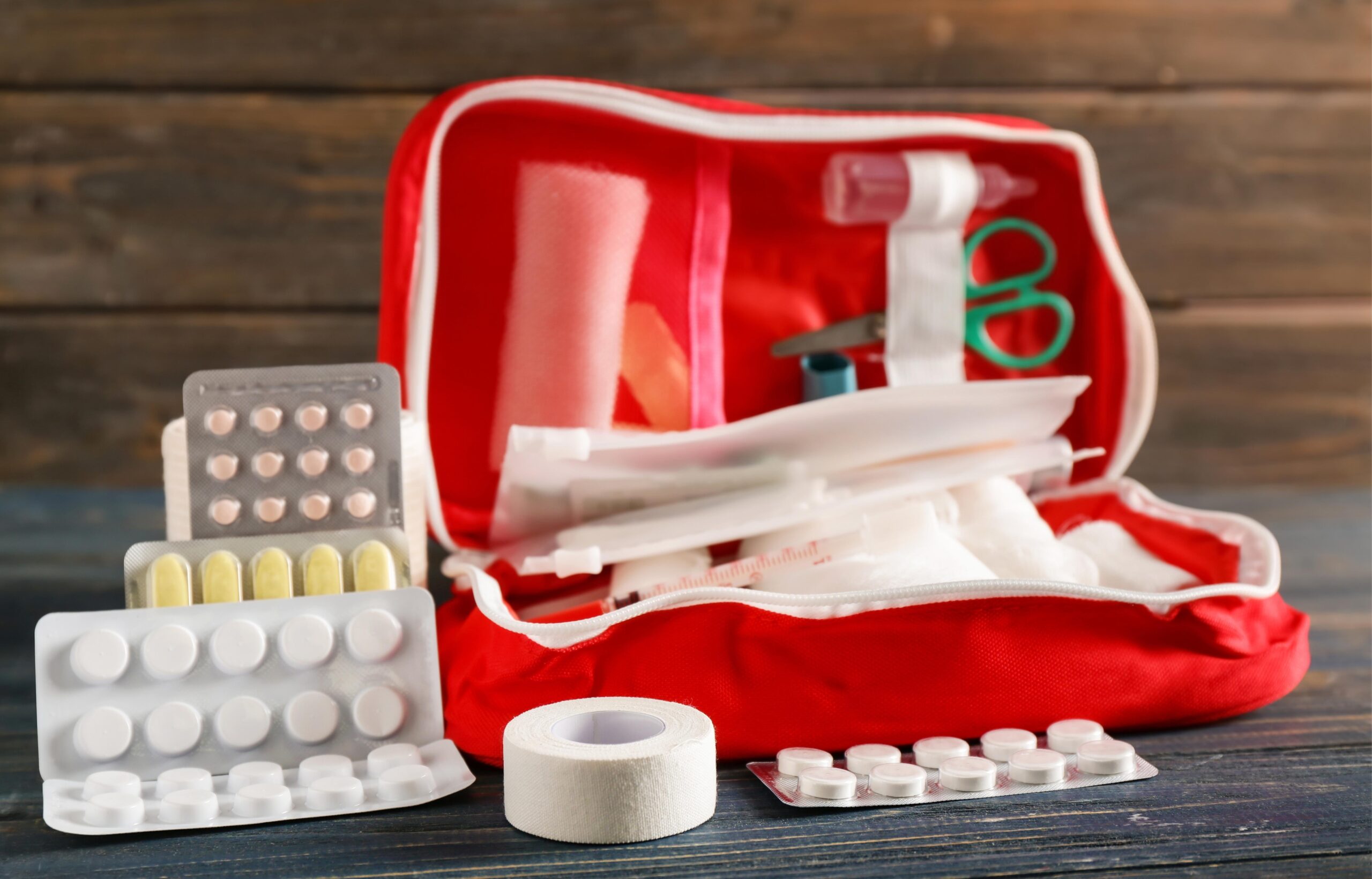



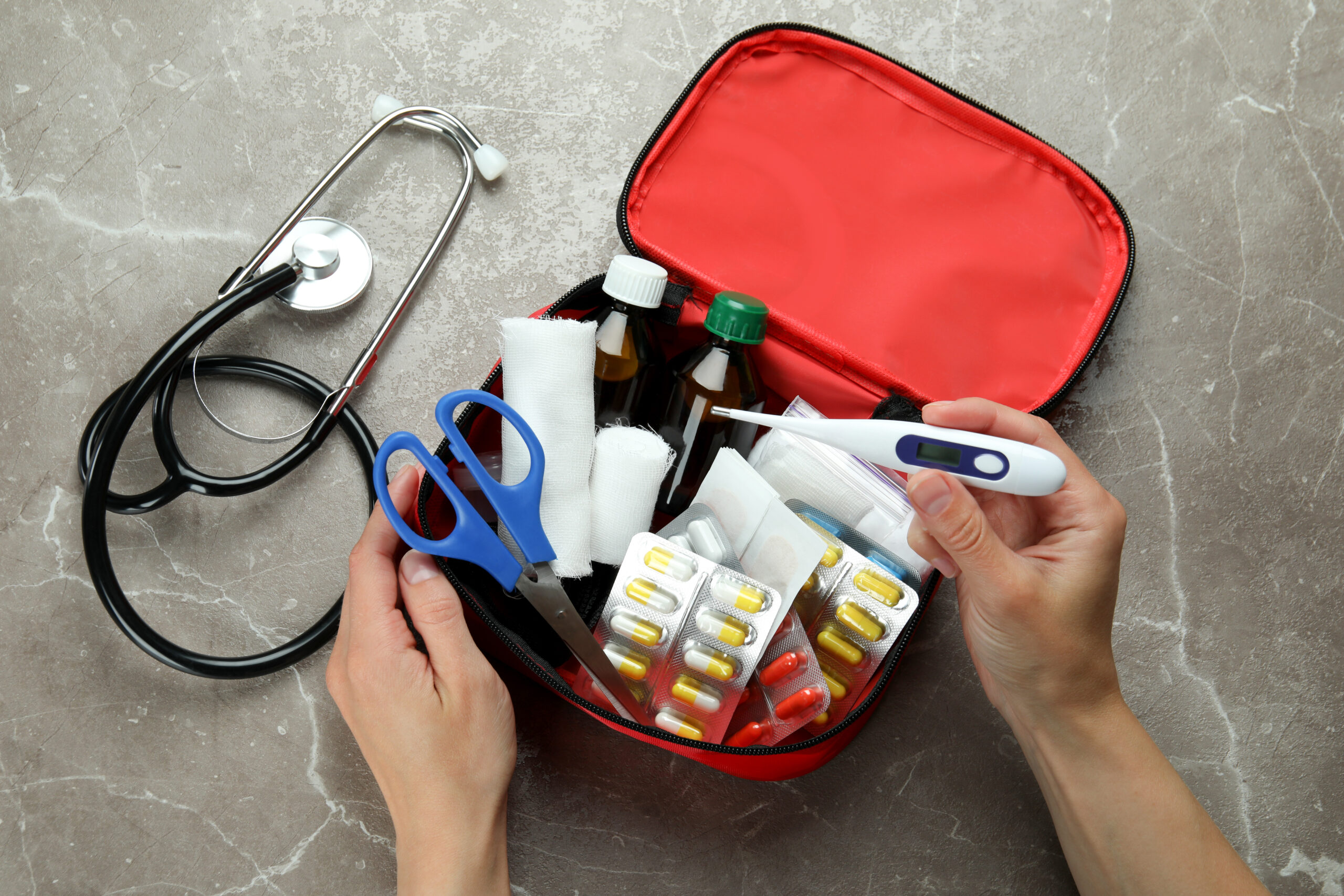

You’ll want to be prepared with the right supplies for minor injuries. Having a well-stocked first aid kit can make all the difference in providing immediate care and preventing complications.
While there are numerous items you could include, focusing on the top five essential supplies will guarantee you’re ready to handle most common minor injuries effectively. These key items not only address immediate concerns but also promote faster healing and reduce the risk of infection.
So, what are these vital supplies that should be in every home, office, and travel kit? Let’s explore the must-haves for treating minor injuries.
Key Takeaways
- Adhesive bandages in various sizes for covering small cuts, scrapes, and blisters.
- Gauze pads for larger wounds, providing absorption and protection against contamination.
- Antiseptic wipes or solutions to clean wounds and kill bacteria on the skin’s surface.
- Scissors and tweezers for cutting bandages and removing splinters or debris from wounds.
- Pain relief medications like paracetamol or ibuprofen to manage discomfort associated with minor injuries.
Adhesive Bandages and Gauze Pads
When stocking your first aid kit, adhesive bandages and gauze pads are essential supplies for minor injuries for covering and protecting wounds. These versatile supplies come in various sizes and shapes to accommodate different types of injuries.
Adhesive bandages, commonly known as Band-Aids, are ideal for small cuts, scrapes, and blisters. They’re available in different bandage types, including fabric, plastic, and waterproof options.
For larger wounds, sterile gauze pads are more suitable. They provide a protective barrier and absorb excess fluid from the injury site. You’ll find gauze pads in various sizes, from small 5×5 cm squares to larger 10×10 cm pads. When selecting gauze, opt for non-stick varieties to prevent adhesion to the wound.
Antiseptic Wipes and Solutions
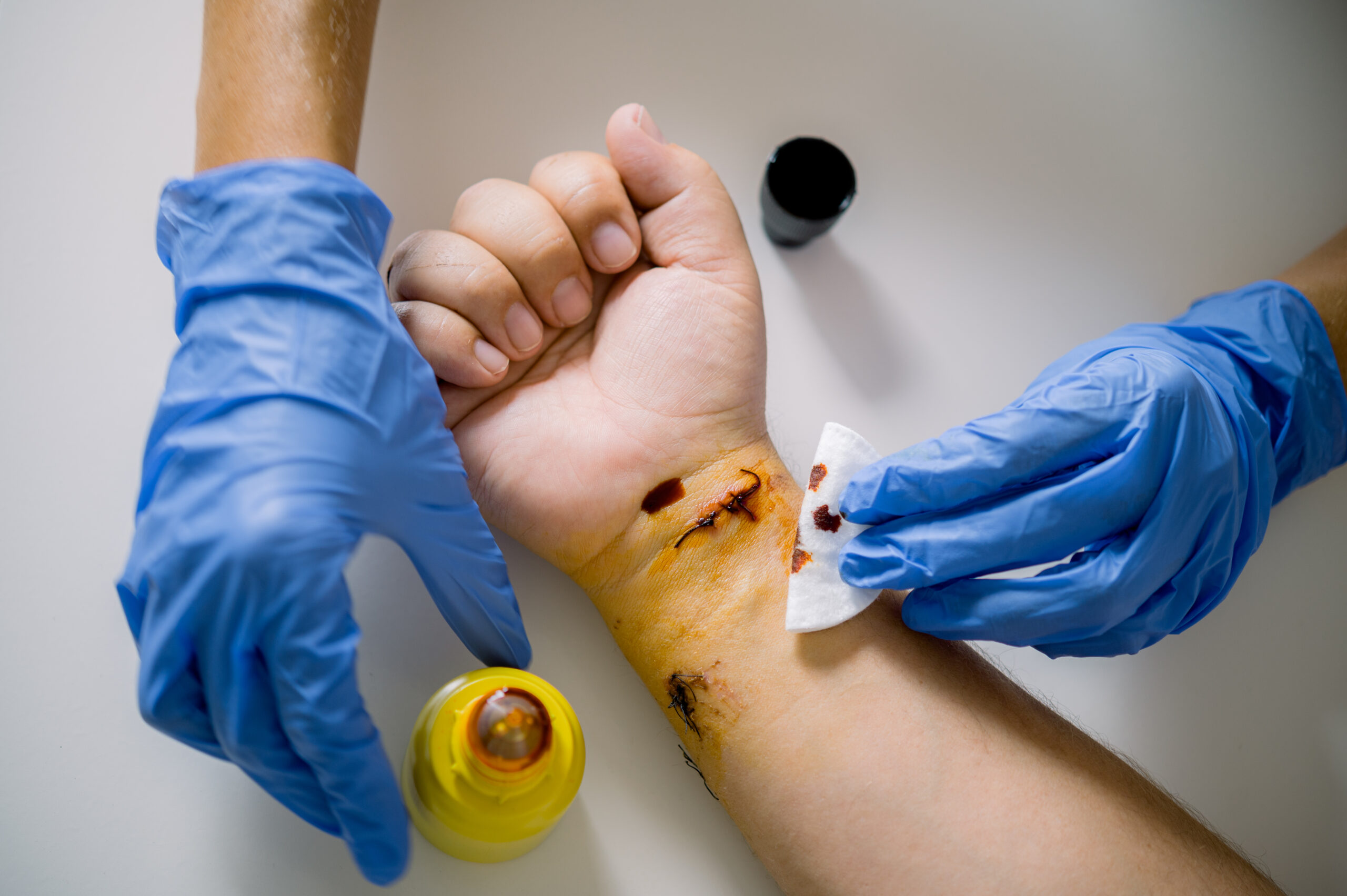
Antiseptic wipes and solutions are crucial supplies for minor injuries as they help prevent infection by cleaning wounds and killing bacteria on the skin’s surface. These antiseptic products come in various forms to suit different needs and preferences.
Antiseptic wipes offer convenience and portability, making them ideal for on-the-go use. They’re individually packaged, ensuring sterility until needed. Solutions, on the other hand, provide more volume for treating larger wounds or multiple injuries.
When choosing antiseptics, consider their effectiveness against a broad spectrum of pathogens and their shelf life.
Scissors and Tweezers
Quality scissors and tweezers are indispensable supplies for minor injuries, allowing you to cut bandages to size and remove splinters or debris from wounds effectively.
When selecting scissors, prioritise safety and functionality. Opt for medical-grade scissors with blunt tips to prevent accidental punctures. Verify they’re made of stainless steel for durability and easy sterilisation. Look for models with ergonomic handles for comfortable use, especially during extended periods.
Tweezers come in various types, each suited for specific tasks. Splinter tweezers, with their fine, pointed tips, excel at removing small foreign objects from the skin. Flat-tipped tweezers are ideal for grasping larger objects or removing ticks. Consider including both types in your kit for versatility.
Elastic Bandages and Tape
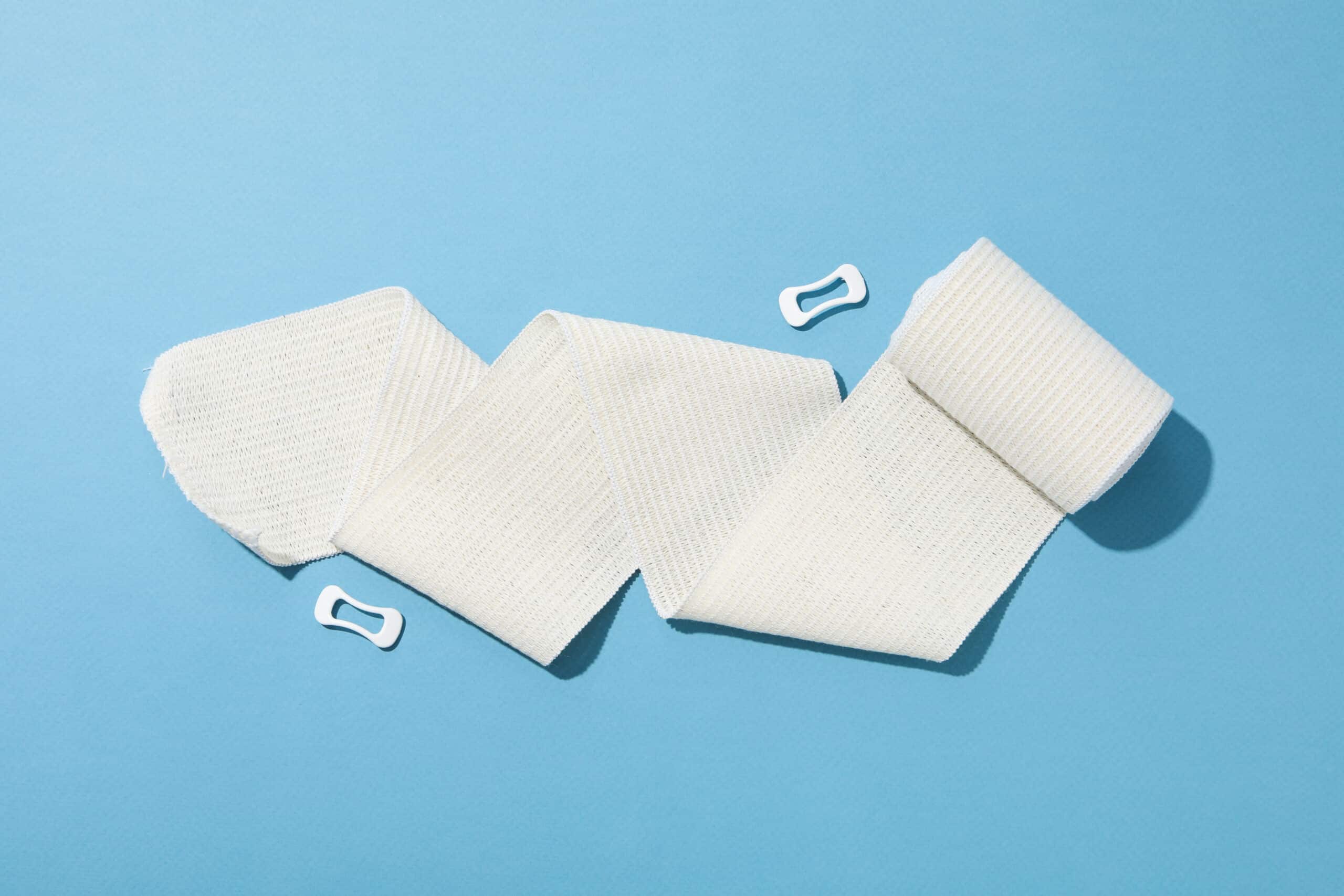
Elastic bandages and tape are versatile supplies for minor injuries that provide compression, support, and help secure dressings in place.
Elastic bandages offer numerous benefits, including compression, stability, and improved circulation to injured areas. They’re particularly useful for sprains, strains, and swelling reduction. When applying an elastic bandage, start below the injury and wrap upward, overlapping each layer by about half its width. Make sure it’s snug but not too tight to avoid restricting blood flow.
Adhesive tape is essential for securing gauze pads, splints, and other dressings. Various tape application techniques exist, depending on the injury and location. For general use, apply tape strips parallel to each other, overlapping slightly. For added security, use an ‘X’ pattern. When taping joints, create a figure-eight pattern for flexibility and support. Always clean and dry the skin before applying tape to guarantee proper adhesion.
Pain Relief Medications For Your First Aid Kit
When selecting pain relief medications as supplies for minor injuries, consider including both paracetamol and nonsteroidal anti-inflammatory drugs (NSAIDs) like ibuprofen or naproxen.
To guarantee safe and effective use of over-the-counter options, follow these guidelines:
- Read and follow dosage instructions carefully.
- Check for potential drug interactions with other medications.
- Be aware of any personal health conditions that may affect medication use.
Always store medications in their original containers to maintain proper labelling and expiration information.
It’s vital to familiarise yourself with dosage guidelines for each medication, as they can vary based on age, weight, and the specific ailment.
Keep in mind that while these medications can provide temporary relief, they’re not intended for long-term use without medical supervision. If pain persists or worsens, consult a healthcare professional.
Frequently Asked Questions
How often should I check and replace items in my first aid kit?
Inspect your supplies for minor injuries every six months for expired or depleted items. Check adhesive quality on bandages, expiration dates on medications, and replace any used supplies immediately.
What's the best way to store a first aid kit?
Store your first aid supplies for minor injuries in a cool, dry place away from sunlight and extreme temperatures. Keep it accessible to adults but out of children’s reach. Consider multiple kits for home, car, and outdoor activities.
When should I seek professional medical help?
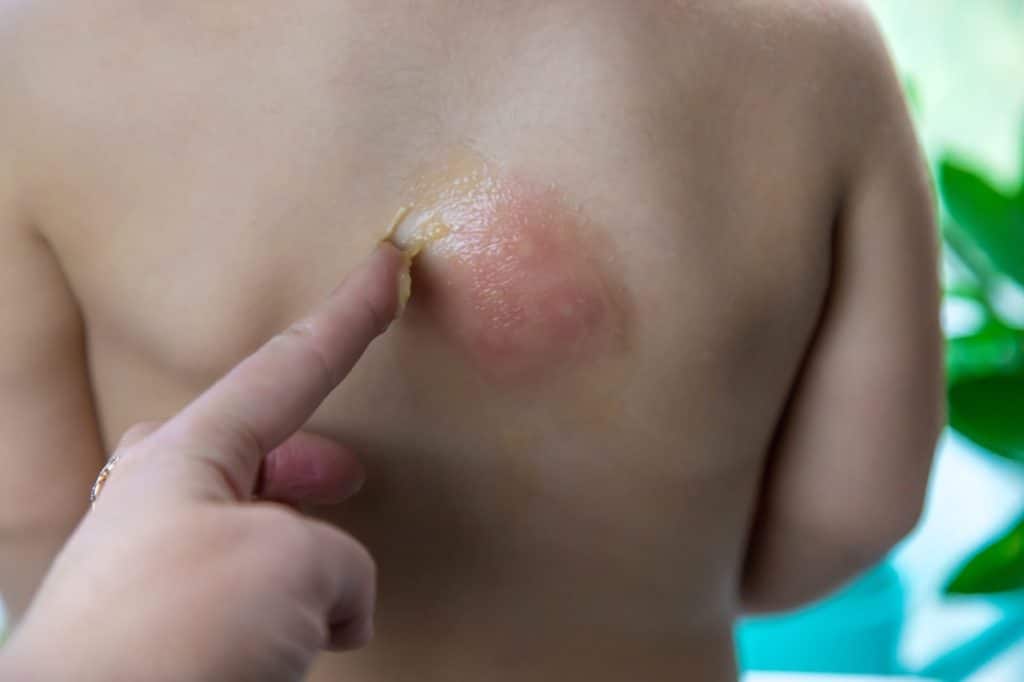
While having proper supplies for minor injuries is essential, seek immediate medical attention for deep wounds, severe bleeding, animal bites, burns larger than a 50p coin, signs of infection, eye injuries, or any wound not improving within 48 hours.