



Sharon has 21+ years of experience as a qualified Emergency Care Nurse registered with the Australian Health Practitioner Regulation Agency (APHRA) and 12+ years as a First Aid Trainer.
She takes pride in FirstAidPro making first aid training available, comprehensive and affordable to everybody.
Treating minor burns is a suprisingly common occurance. Imagine you’re enjoying a relaxing evening at home when you accidentally brush your arm against a hot pan, leaving a painful red mark on your skin. It’s a common scenario, but do you know the best way to handle it?
Minor burns can happen to anyone, anytime, and knowing how to treat them properly can make a significant difference in your comfort and recovery.
From immediate cooling techniques to long-term care strategies, there’s more to managing burns than you might think.
Let’s explore the top ten tips that’ll help you effectively treat minor burns and prevent complications.
Key Takeaways for Treating Minor Burns
- Cool the burn under running water for at least 10 minutes to reduce pain and prevent tissue damage.
- Remove jewellery and tight clothing near the burn area to prevent complications from swelling.
- Cover the burn with a sterile, non-stick gauze bandage to prevent infection and change it daily.
- Use over-the-counter pain relievers like paracetamol or ibuprofen to alleviate burn pain and reduce inflammation.
- Apply a thin layer of pure aloe vera gel to the burn for immediate relief and anti-inflammatory benefits.
Cool the Burn Immediately
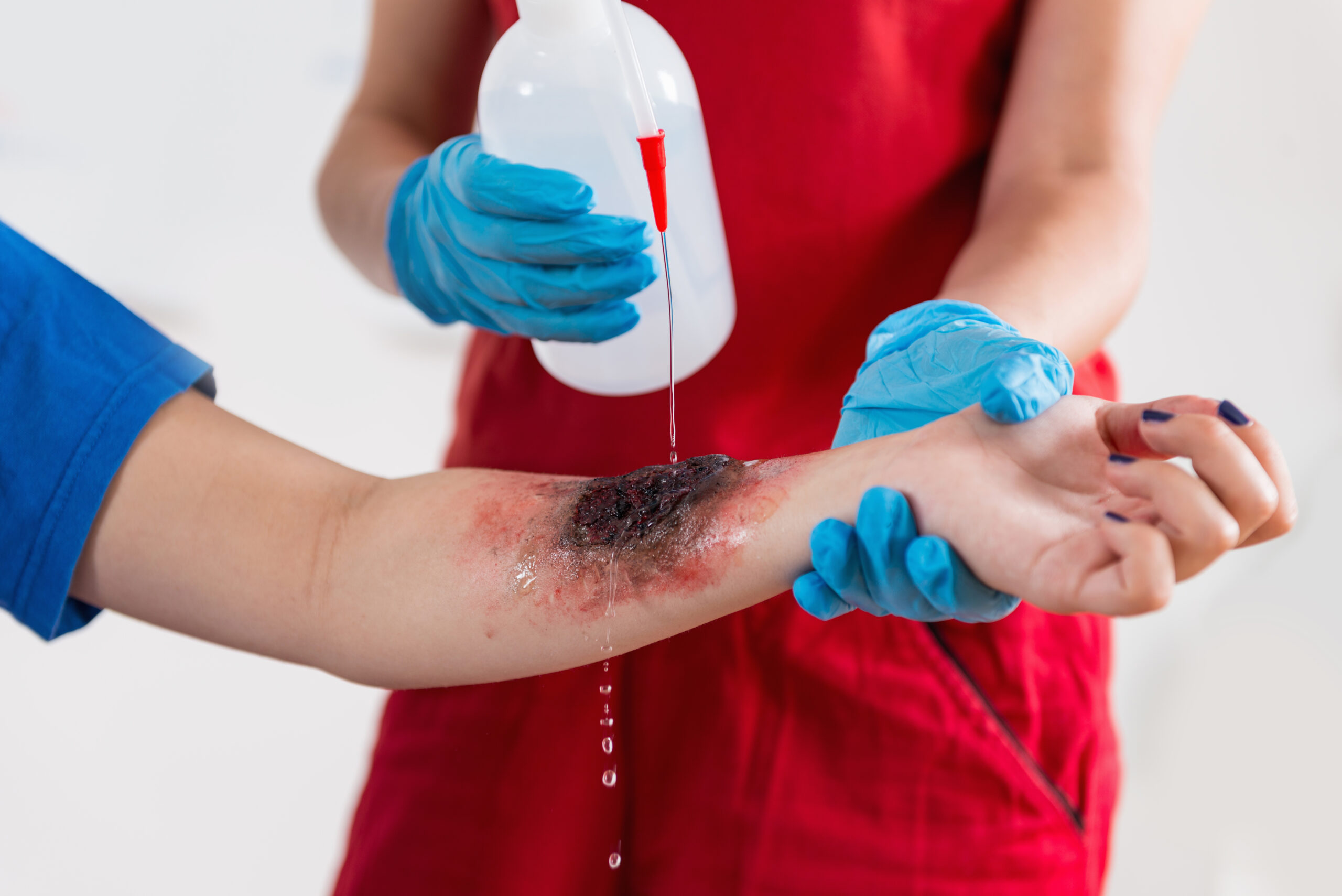
For immediate relief and to minimise damage, place the burned area under cool running water for at least 10 minutes. This simple yet vital step helps reduce pain, prevent further tissue damage, and decrease the risk of scarring. Confirm the water temperature is cool, not cold, as extreme temperatures can exacerbate the injury.
If running water isn’t available, you can use other cooling methods. Immerse the affected area in a basin of cool water or apply a clean, damp cloth soaked in cool water. Change the cloth frequently to maintain its cooling effect. Don’t use ice or ice packs directly on the burn, as this can cause further tissue damage and potentially worsen the injury.
For burns on larger body areas, you may need to take a cool shower or bath. Continue the cooling process for at least 10 minutes, but no longer than 20 minutes to avoid hypothermia.
Assess the Burn Severity
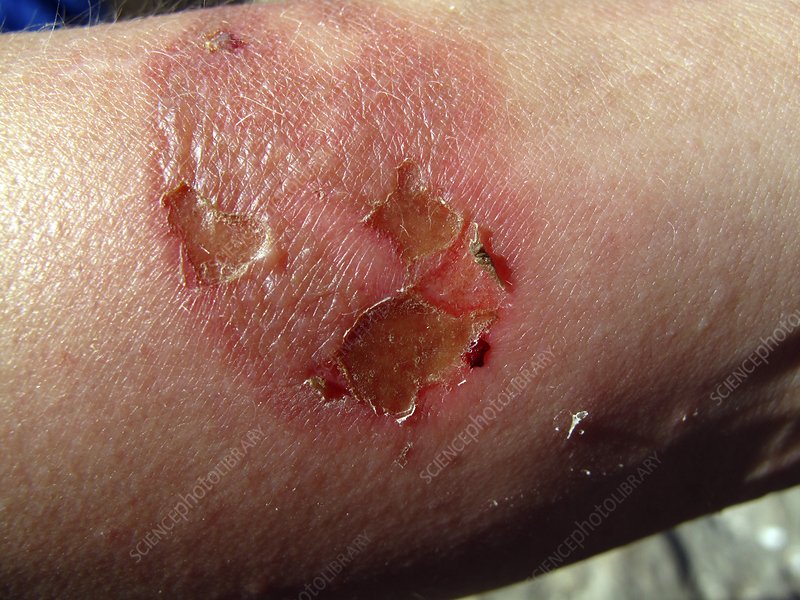
After cooling the burn, it’s important to accurately assess its severity to determine the appropriate course of treatment and whether professional medical care is necessary.
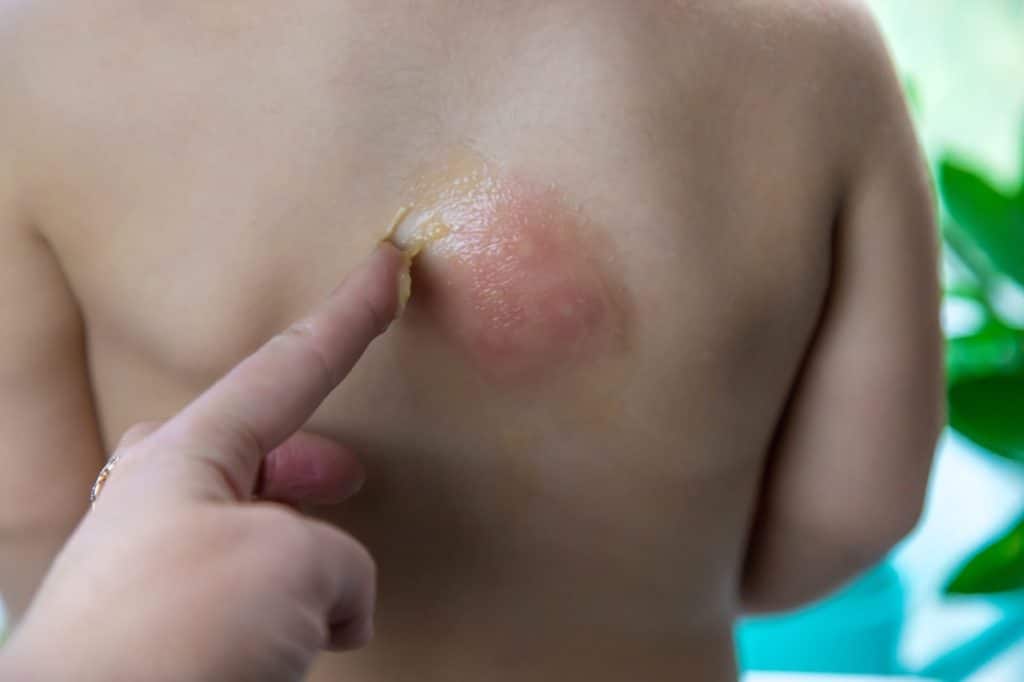
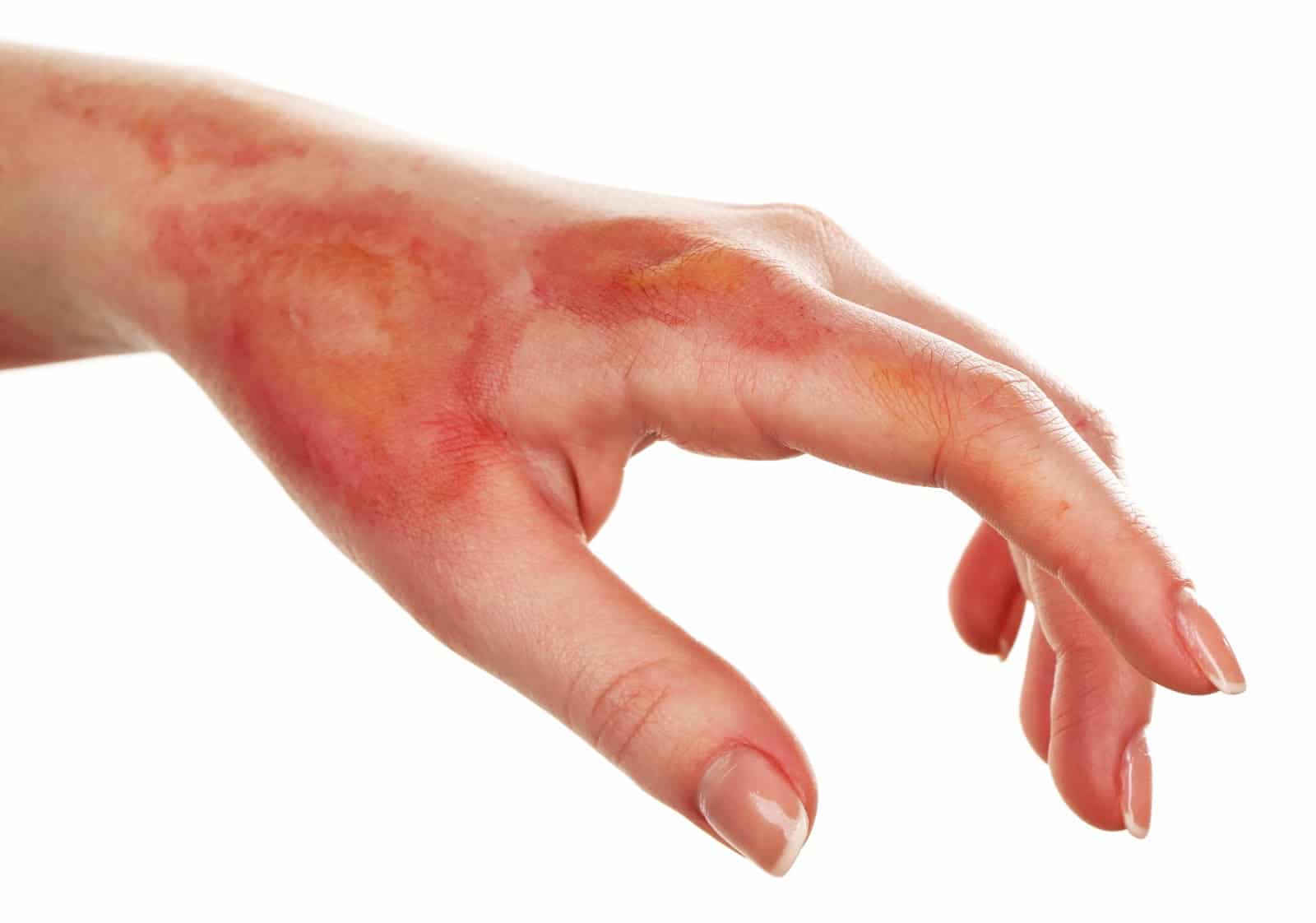
Burn classification methods help categorise the injury based on depth and extent. First-degree burns affect only the outer layer of skin, causing redness and mild pain. Second-degree burns involve the epidermis and part of the dermis, resulting in blisters and more intense pain. Third-degree burns penetrate all skin layers and may appear white or charred.
To assess severity, consider the burn’s size, depth, and location. Burns covering more than 10% of the body surface area, or those on sensitive areas like the face, hands, feet, or genitals, require immediate medical attention.
Remove Jewelry and Tight Clothing
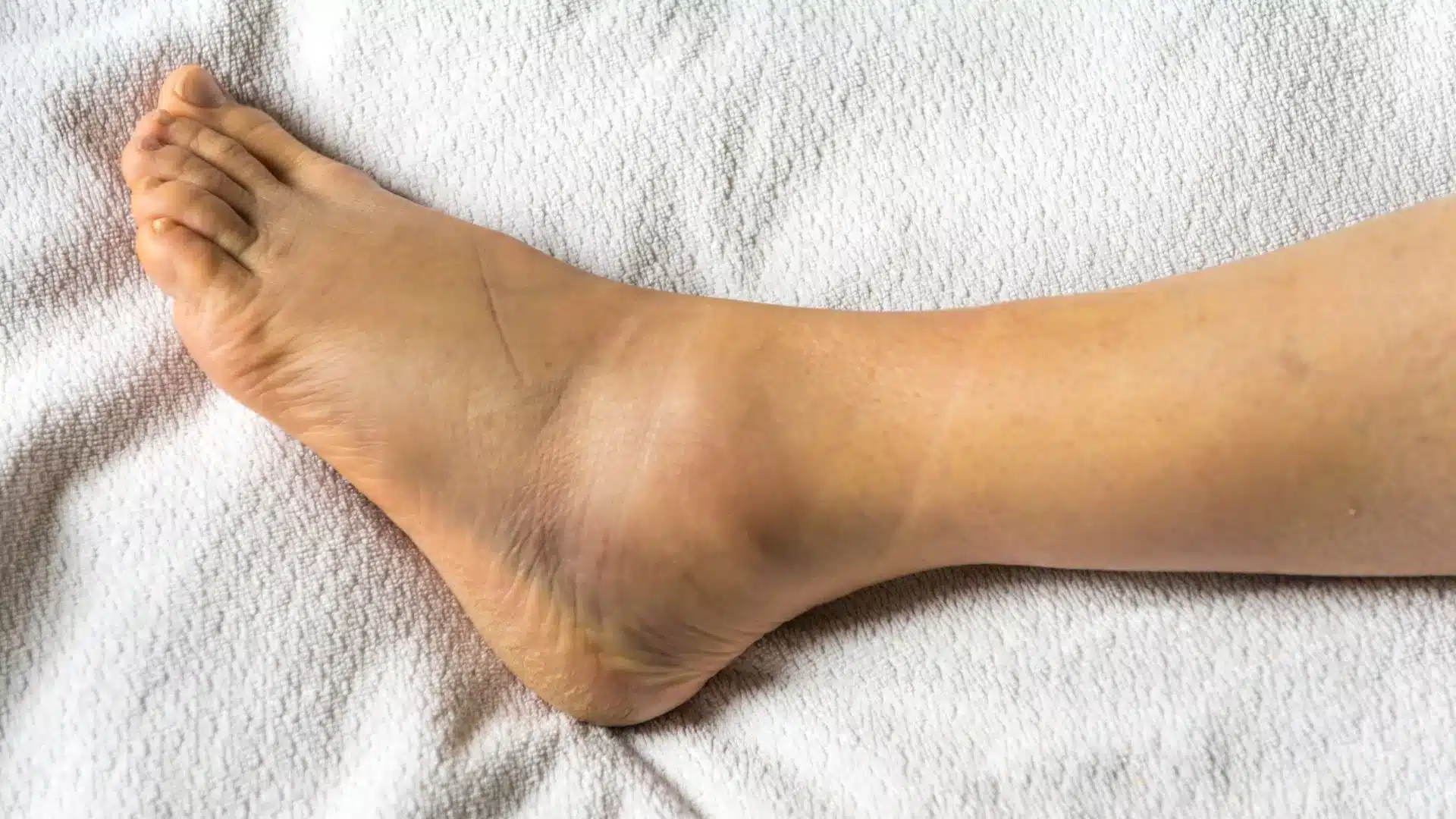
Removing jewellery and tight clothing near the burn site is essential to prevent complications from swelling. As the burned area swells, constricting items can impede circulation and potentially cause further tissue damage. Once you’ve removed these items, focus on minimising swelling to promote faster healing and reduce discomfort.
Apply Aloe Vera Gel
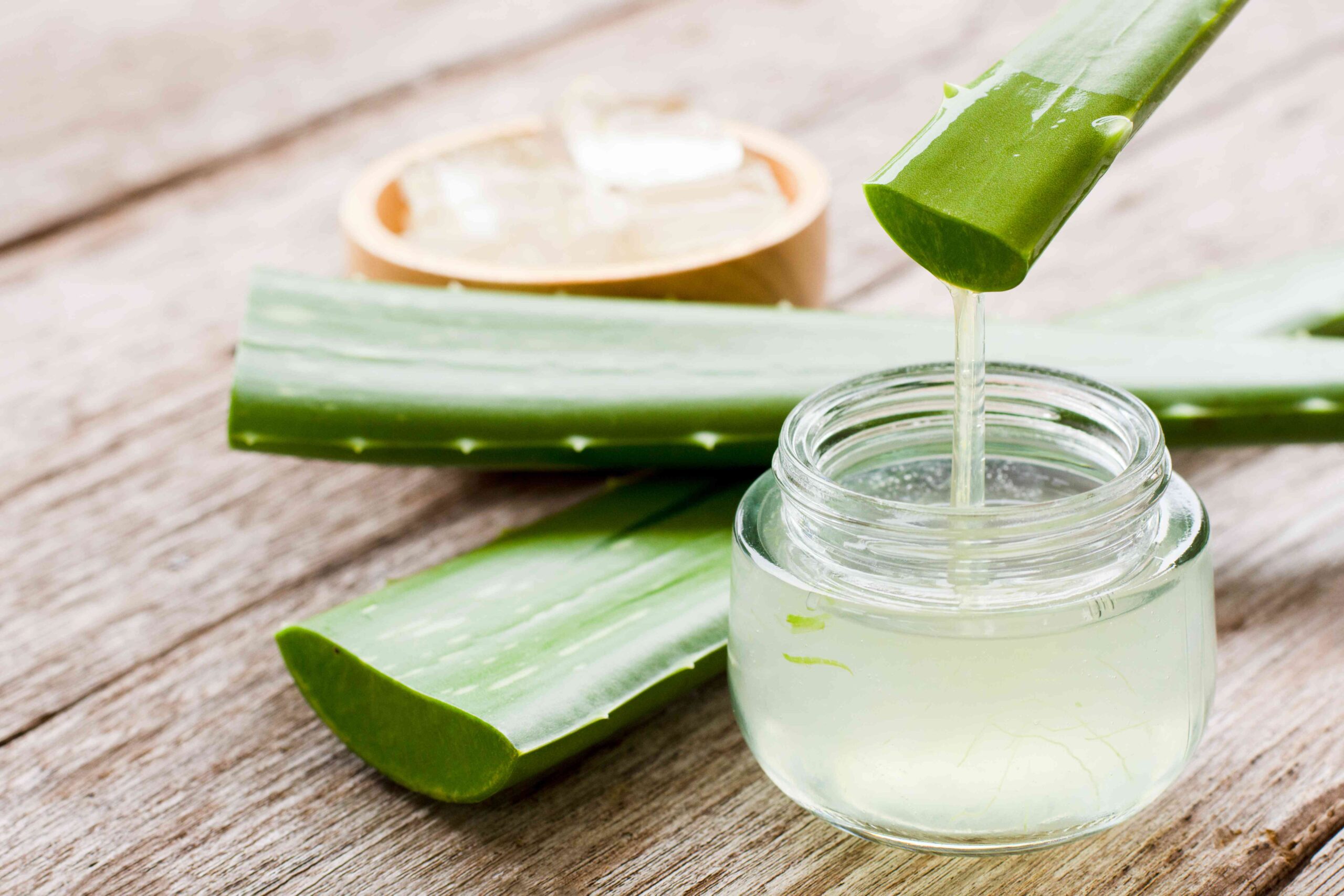
For immediate relief and to promote healing, apply a thin layer of pure aloe vera gel directly to the burned area. Aloe vera’s natural healing properties make it an effective treatment for minor burns. Its anti-inflammatory and analgesic effects can help reduce pain and swelling while promoting skin regeneration.
When applying aloe vera, ensure your hands are clean to prevent infection. Gently spread a thin, even layer over the affected area, being careful not to apply pressure or rub the skin. Allow the gel to air dry before covering the burn with a sterile, non-stick dressing.
For best results, reapply aloe vera gel 2-3 times daily. If you don’t have fresh aloe vera, use a commercial product with a high percentage of pure aloe vera. Avoid products with added fragrances or alcohol, as these may irritate the burn. If symptoms worsen or don’t improve after a few days, consult a healthcare professional.
Use Over-the-Counter Pain Relievers
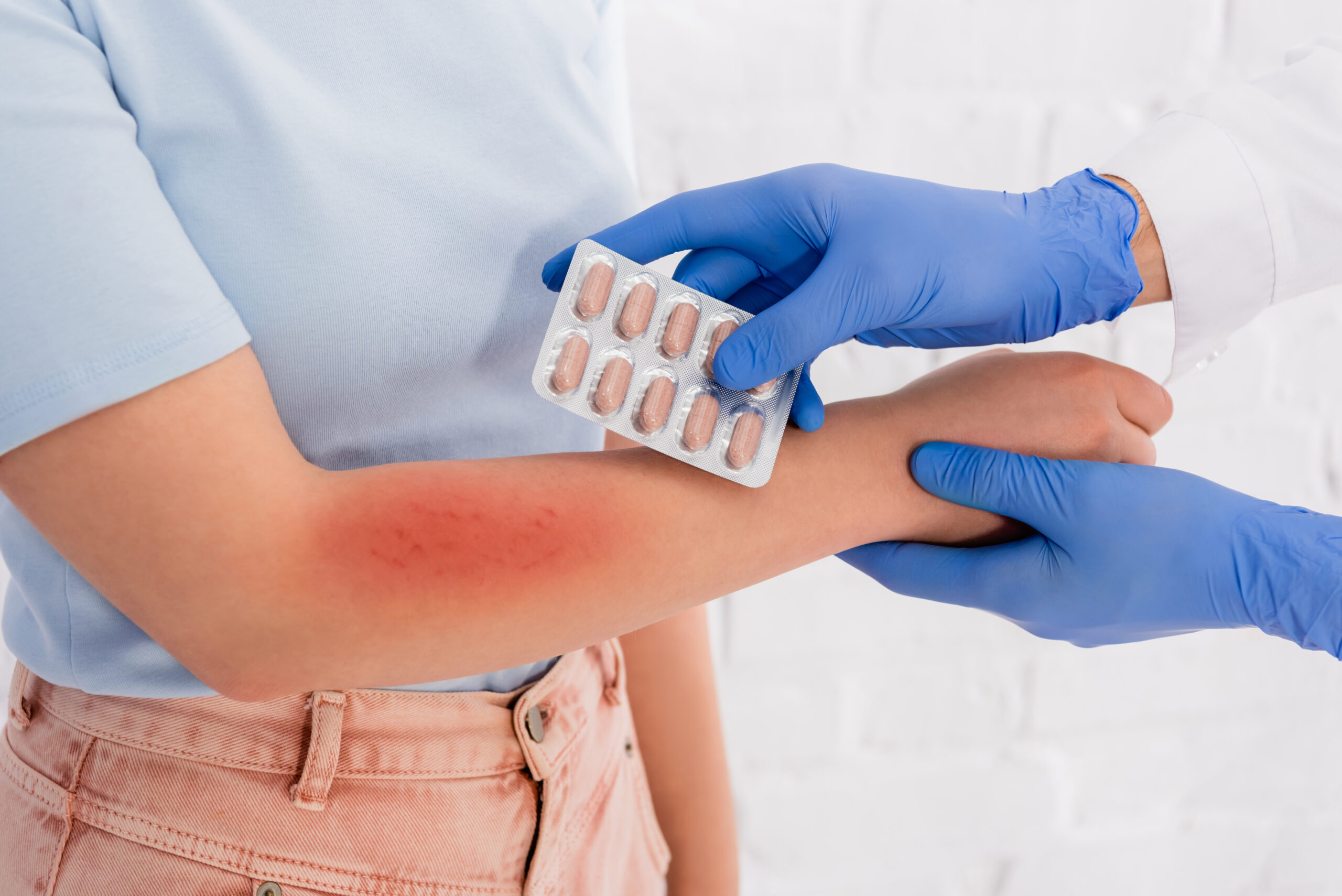
When dealing with the pain associated with minor burns, over-the-counter pain relievers can provide significant relief and help manage discomfort during the healing process. Common pain relief options include paracetamol, ibuprofen, and aspirin. These medications work by reducing inflammation and blocking pain signals to the brain.
Protect the Burned Area
Cover the burn with a sterile, non-stick gauze bandage, ensuring it’s loose enough to avoid pressure on the wound. Change the dressing daily or more frequently if it becomes wet or soiled.
Avoid Breaking Blisters
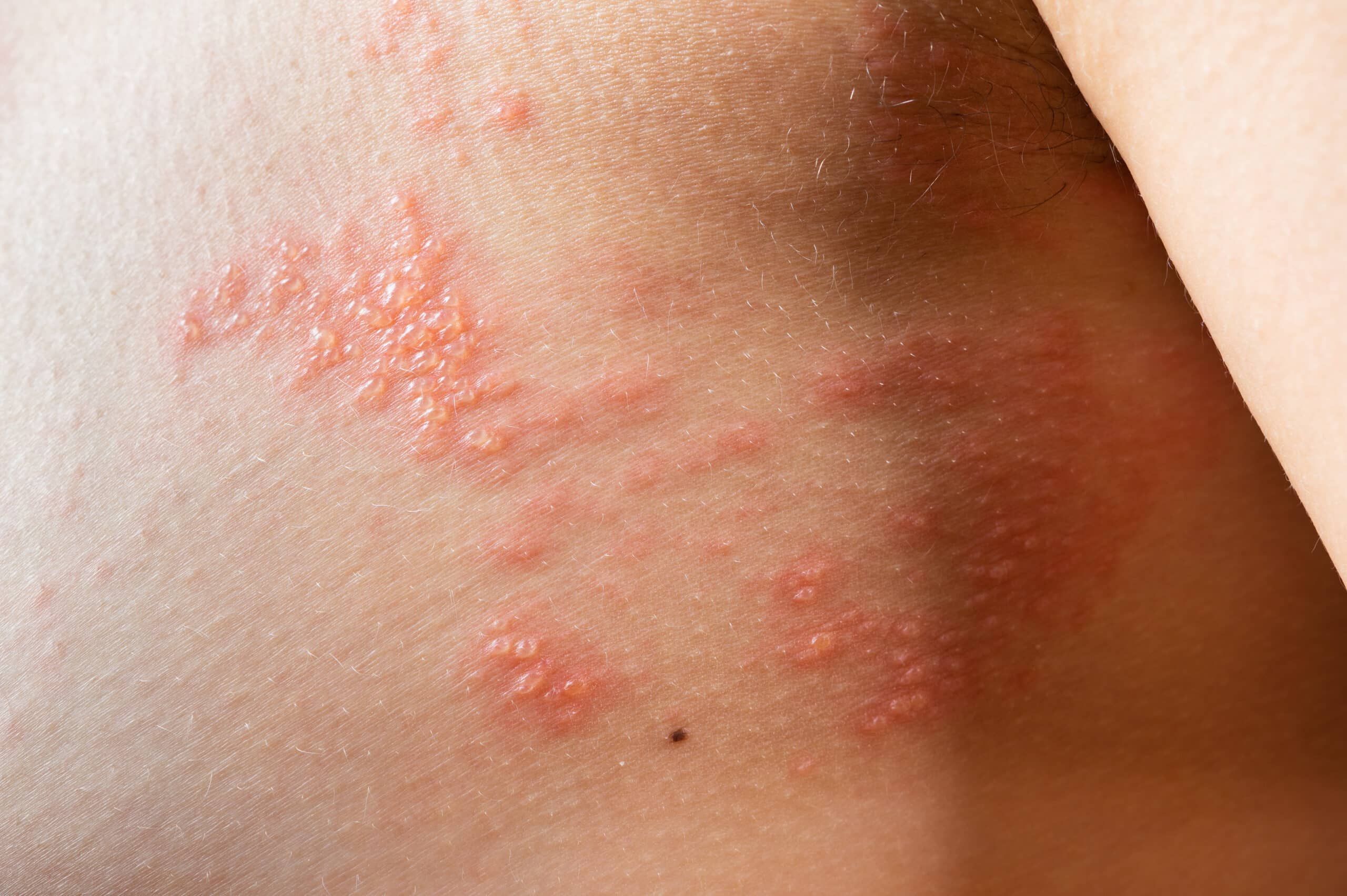
Blisters that form following a minor burn serve as a natural protective barrier and should be left intact whenever possible. These fluid-filled sacs protect the underlying damaged skin and aid in the healing process. When you avoid breaking blisters, you’re reducing the risk of infection and allowing your body’s natural healing mechanisms to work efficiently.
In blister care, resist the urge to pop or drain the blister, even if it’s large or uncomfortable. The fluid inside contains protective antibodies and nutrients that support healing. If a blister breaks on its own, don’t peel off the remaining skin. Instead, gently clean the area with mild soap and water, then apply an antibiotic ointment and a sterile bandage.
Monitor for Signs of Infection
Watch for infection symptoms such as increased redness, swelling, warmth, or tenderness around the burn site. These could indicate that bacteria have entered the wound.
You should also be alert for any unusual discharge, particularly if it’s thick, yellowish, or has an unpleasant odour. Persistent or increasing pain, fever, or chills are additional warning signs that shouldn’t be ignored.
If you notice red streaks extending from the burn, seek medical attention immediately as this could indicate a serious infection spreading through your lymphatic system.
Frequently Asked Questions
Can I Use Ice or Ice Packs to Cool a Burn?
You shouldn’t use ice or ice packs on burns. Instead, use cool running water for 10-20 minutes as your primary cooling method. This is the most effective and safest burn care technique for minor burns.
Are There Any Home Remedies for Burns Besides Aloe Vera?
You’ve got a million options beyond aloe vera! While herbal treatments and essential oils are popular, they’re not clinically proven. Stick to cool water, honey, or over-the-counter burn creams. Always consult a doctor for serious burns.
When Should I Seek Medical Attention for a Burn?
Seek medical attention immediately for third-degree burns or large second-degree burns. You’ll need professional first aid if you experience severe pain, blistering, or charring. Burns affecting joints, face, or genitals also require urgent medical evaluation.