



Sharon has 21+ years of experience as a qualified Emergency Care Nurse registered with the Australian Health Practitioner Regulation Agency (APHRA) and 12+ years as a First Aid Trainer.
She takes pride in FirstAidPro making first aid training available, comprehensive and affordable to everybody.
Yes, it’s true. Australia is home to 170 species of land snakes, with some being among the most venomous snakes found anywhere on the planet. The Eastern Brown Snake, Inland Taipan, and other dangerous snakes in Australia have evolved to become the world’s most venomous snakes. While snakebite deaths in Australia are rare thanks to advanced antivenom treatments and effective first aid techniques, understanding venomous snakes of Australia remains crucial for anyone living near bushland or exploring the vast Australian outdoors.
This comprehensive guide covers Australia’s deadliest snakes, their identification features, where these reptiles can be found, and life-saving first aid for snake bites. Whether you’re a hiker traversing through Western Australia, a farmer in South Australia, or a homeowner wanting to keep snakes away from your property, this knowledge could save lives.
Be prepared for any emergency involving venomous snake species. Enrol in a nationally recognised First Aid course and learn how to respond confidently to snake bites.
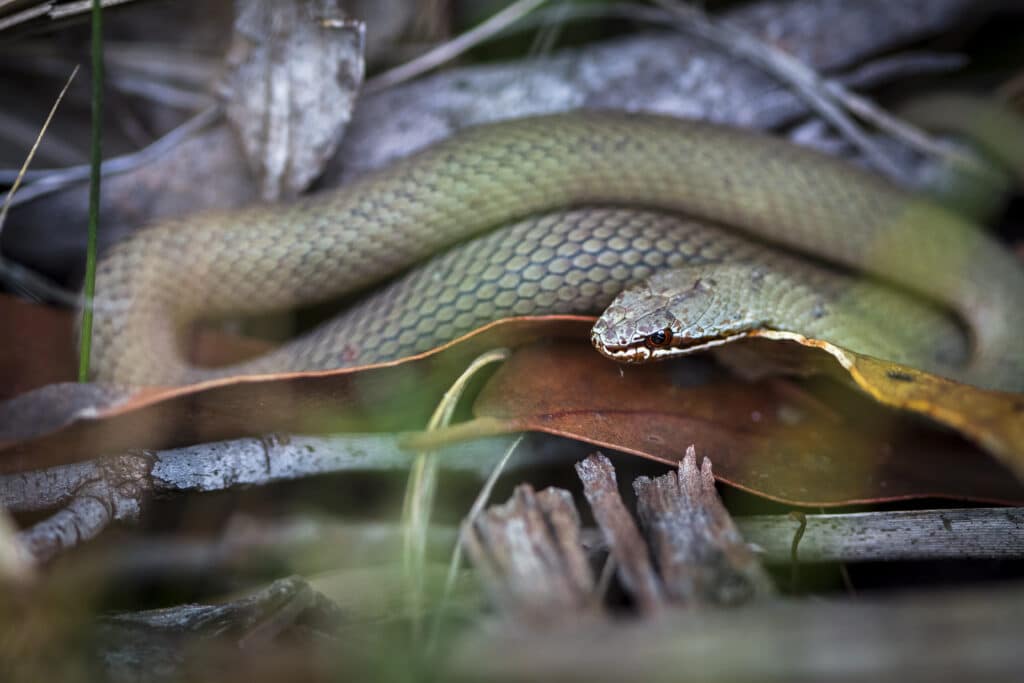
Dangerous Snakes in Australia: The Critical Need for Awareness
Australia records approximately 3,000 snakebite incidents annually, with roughly 300 cases requiring antivenom treatment for bites from venomous snakes in Australia. Snake bites cause 1-2 deaths every year in Australia, making them among the most dangerous native animals. While most bites from venomous snakes occur in rural or regional areas along the eastern coast of Australia, suburban encounters with dangerous snake species are becoming increasingly common due to urban expansion into snake habitats.
Understanding venomous snake identification and proper first aid techniques are essential to reducing snakebite deaths in Australia.
Key Venomous Snake Statistics in Australia
| Statistic | Details |
|---|---|
| Annual snakebite incidents | Approx. 3,000 |
| Snakebite deaths every year in Australia | 1–2 (on average) |
| Most bites occur | On the limbs, usually hands or feet |
| Peak bite season | Warmer months (spring and summer) |
| !Most dangerous snake species | Eastern brown snake, Western brown snake, and Inland Taipan |
Note: If bitten by a snake, seek immediate medical attention and apply pressure bandaging.
Expert Tip: Hands-on training with professional instructors teaches you exactly how to apply PIT correctly, which can make the difference between life and death when dealing with highly venomous snake species.

Venomous Snake Bite Treatment: Life-Saving First Aid Techniques
The nationally endorsed method for snake bite first aid in Australia is the Pressure Immobilisation Technique (PIT). This approach helps slow the spread of snake venom through the lymphatic system, buying crucial time until medical help arrives.
Essential Steps When Bitten by a Venomous Snake
| Step | Action |
|---|---|
| 1Call Emergency Services | Dial 000 immediately |
| 2Apply Pressure Bandage | Wrap from below the bite up the limb, firmly but not cutting circulation |
| 3Immobilise the Limb | Use a splint or sling to prevent movement |
| 4Keep Patient Still | Limit all movement to prevent venom spread |
| !Avoid These Actions | Never wash the bite, cut the wound, suck venom, or apply a tourniquet |
IMPORTANT: Time is critical with snakebites. Apply first aid immediately while waiting for emergency services.
Species of Venomous Snake in Australia: Top 10 Dangerous Australian Snakes
Let’s examine the most venomous snake species you might encounter across the continent, from the eastern coast of Australia to the far corner of South Australia.
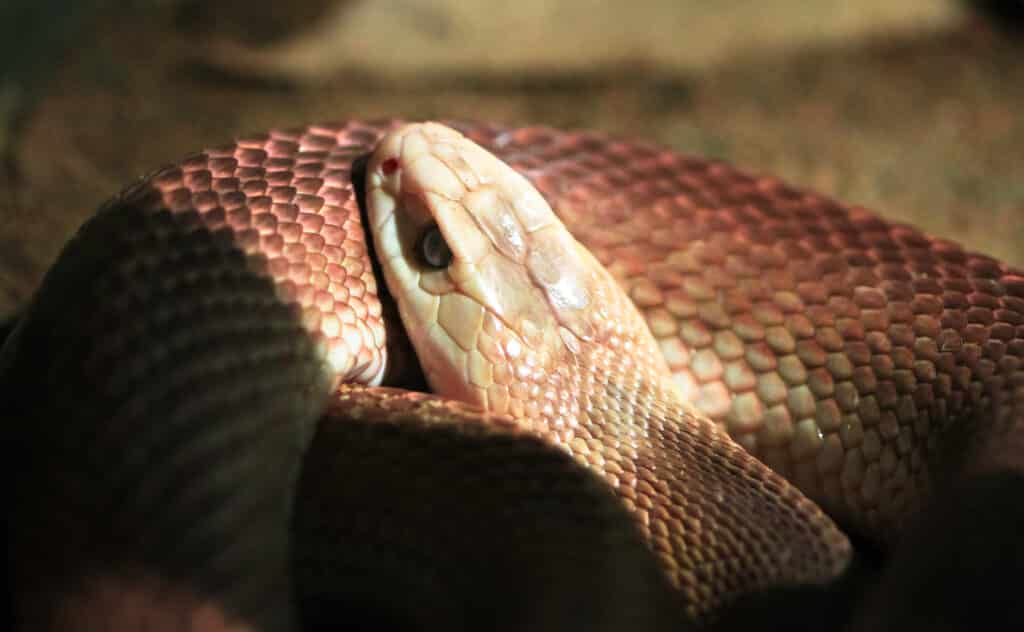
1. Inland Taipan: The World's Most Venomous Snake
Known as the fierce snake, the Inland Taipan is considered the most venomous snake in the world among all venomous snakes. The Taipan has venom which is approximately 50 times more toxic than a cobra’s. This snake can be found in remote parts of western Queensland, the far corner of South Australia and the Northern Territory, though it’s quite rare in Australia to encounter one.
Venom Potency: Can kill a human in under an hour without treatment – the most lethal of any land snake
Habitat: Arid regions of central Australia
Bite Symptoms: Nausea, abdominal pain, progressive paralysis, respiratory failure
Danger Level: Extremely high, though encounters are quite rare in Australia
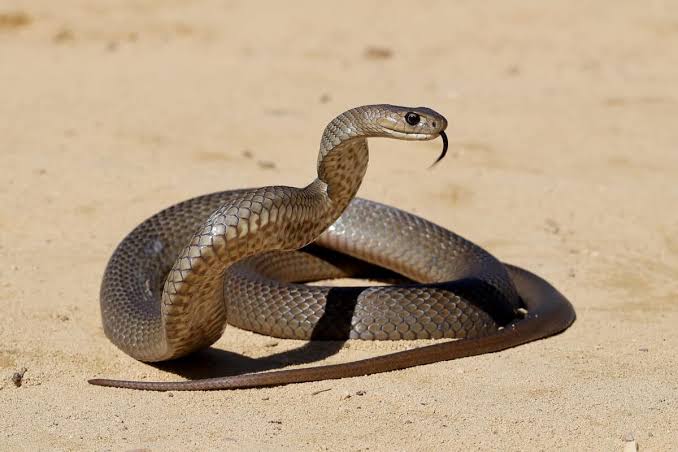
2. Eastern Brown Snake: Australia's Deadliest Snake Species
The Eastern Brown Snake is responsible for more snakebite deaths in Australia than any other species. This highly dangerous snake is one of the most venomous species in the world. The snake is one of Australia’s most aggressive when threatened, and often found near human dwellings along the eastern coast of Australia. Brown snakes have adapted well to agricultural and suburban environments, making them one of the most commonly encountered dangerous snakes in Australia.
Venom Effects: Neurotoxic and coagulant—can cause cardiac arrest within minutes
Habitat: Eastern Australia, including suburban areas
Bite Symptoms: Sudden collapse, bleeding disorders, paralysis, cardiac complications
Danger Level: Extremely high due to its distribution and temperament
.
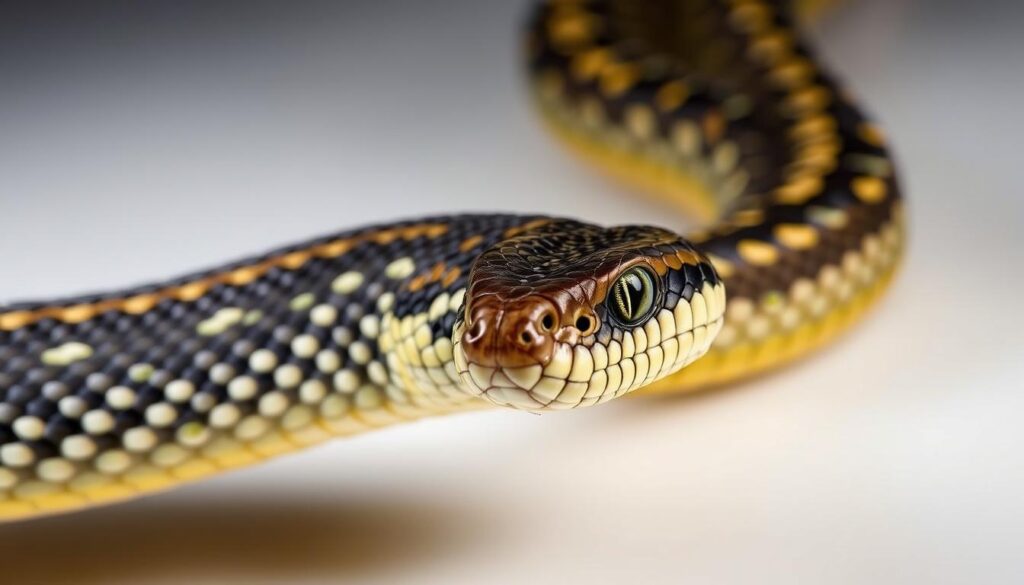
3. Coastal Taipan: Longest Venomous Snake in Australia
The second-longest venomous snake in Australia, the Coastal Taipan can grow up to 3 meters in length. This venomous snake species is capable of multiple rapid strikes and injects a large volume of snake venom with each bite. Found primarily along the northern and eastern Australia coastline, it’s one of the deadliest snakes in the world yet typically avoids human contact.
Venom Composition: Potent neurotoxin and procoagulant effects
Habitat: Northern and eastern Australia, primarily coastal QLD, NT, and northern NSW
Bite Symptoms: Headache, nausea, paralysis, internal bleeding, respiratory failure
Danger Level: One of the most dangerous species of venomous snake
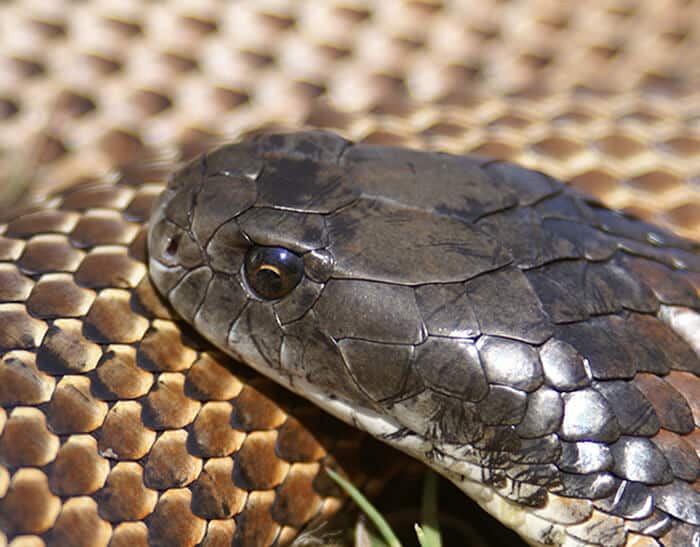
4. Tiger Snake: Mainland Tiger Snake Among Australia's Deadliest
The mainland Tiger Snake is recognisable by its distinctive banded pattern (although this varies). This group of snakes has caused numerous deaths in Australia throughout history. Mainland tiger snakes are responsible for the second-highest number of bites among all venomous snakes in Australia. The Tiger Snake lives in diverse habitats across southern Australia and is considered one of the most dangerous species.
Venom Characteristics: Neurotoxic and myotoxic properties
Habitat: Found in southern Australia, including VIC, SA, TAS, and southern parts of Western Australia
Bite Symptoms: Difficulty breathing, muscle pain, numbness, eventual respiratory failure
Danger Level: Very high; mainland Tiger Snakes are responsible for many severe envenomations.
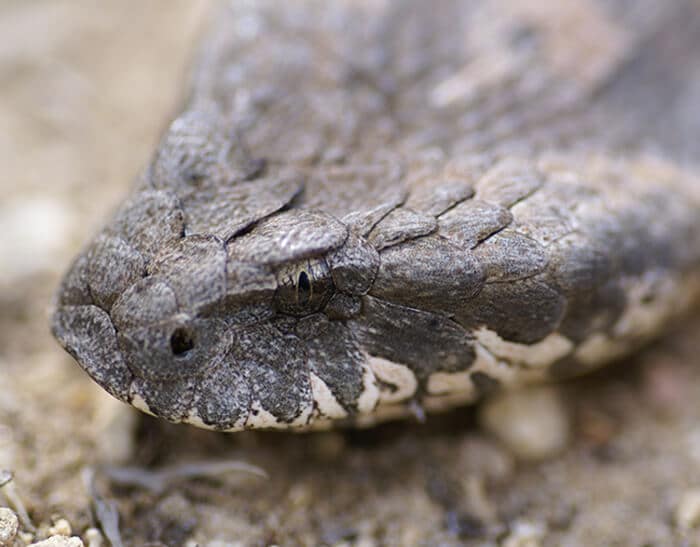
5. Death Adder (Acanthophis spp.)
Unlike other snakes that flee when threatened, the Death Adder lies motionless, striking quickly and delivering a large venom dose when disturbed.
Venom Type: Primarily neurotoxic
Habitat: Throughout mainland Australia in various habitats
Bite Symptoms: Progressive paralysis leading to respiratory failure
Danger Level: High; the ambush hunting strategy makes it particularly dangerous
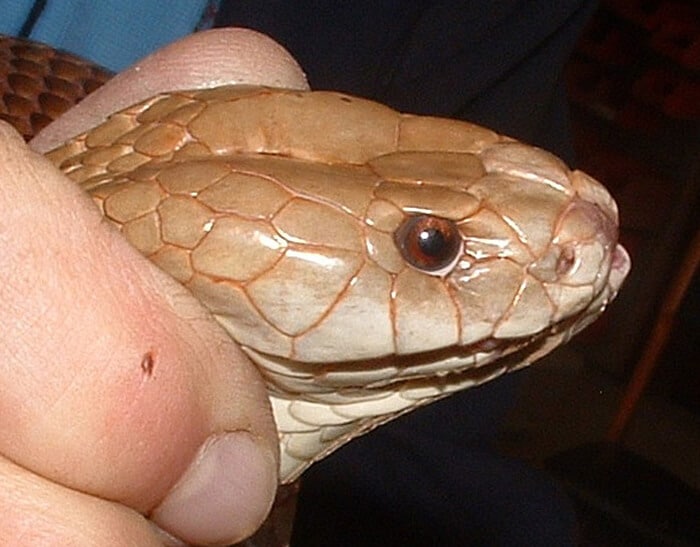
6. Mulga Snake: The King Brown Snake
Also known as the King Brown Snake, this species has the largest fangs of any Australian snake and delivers among the highest venom yield per bite. The Mulga Snake is the heaviest venomous snake in Australia, with robust specimens weighing over 6kg. Despite its common name, the King Brown Snake is actually a member of the black snake genus and not closely related to brown snakes.
Venom Effects: Myotoxic, severely affecting muscles and kidneys
Habitat: Most regions of mainland Australia (excluding southern coastal areas)
Bite Symptoms: Severe pain, swelling, nausea, kidney damage, muscle breakdown
Danger Level: High; the heaviest venomous snake in Australia.
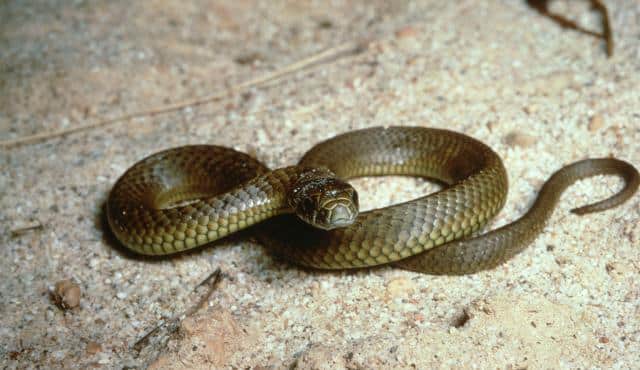
7. Lowlands Copperhead (Austrelaps superbus)
One of the few venomous snake species active in colder climates, it prefers wet, cool environments in southeastern Australia.
Venom Composition: Neurotoxic and haemolytic properties
Habitat: TAS, southern VIC, southeastern SA
Bite Symptoms: Local pain, swelling, potential systemic effects
Danger Level: Moderate to high; somewhat less venomous than others on this list
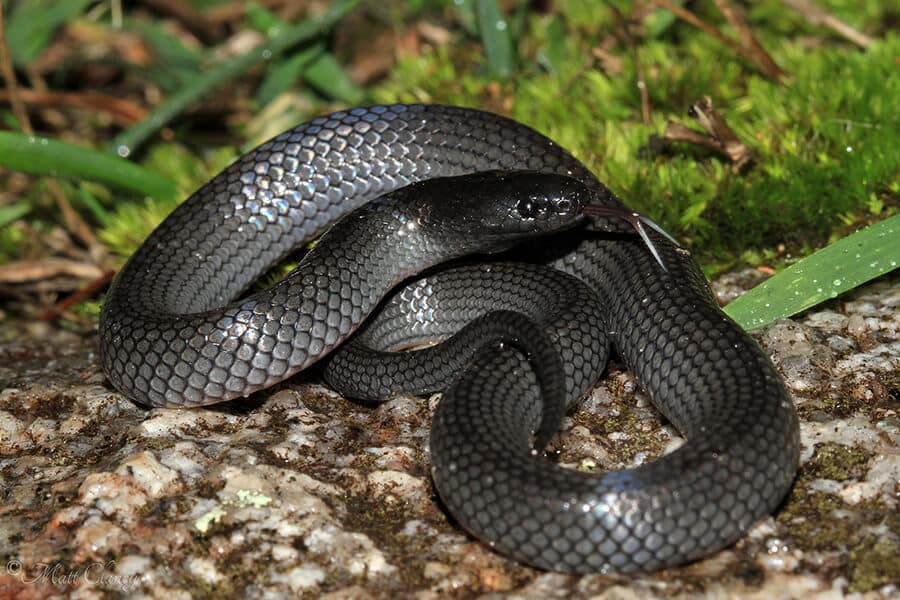
8. Small-eyed Snake: Deceptively Dangerous Venomous Species
This snake species in the world of venomous animals is often mistaken for a juvenile red-bellied black snake. Its delayed venom reaction can be dangerous if the bite goes unnoticed.
Venom Action: Myotoxic, slow-acting but potentially severe
Habitat: Eastern QLD and NSW forests and woodlands
Bite Symptoms: Muscle breakdown, dark urine, nausea, renal failure if untreated
Danger Level: Moderate; dangerous because bites may initially seem minor
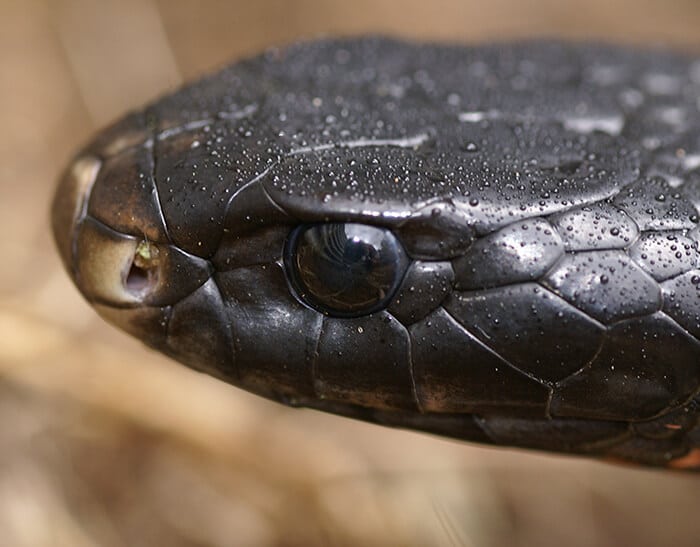
9. Red-bellied Black Snake: Common Venomous Snake Along Eastern Australia
One of Australia’s most recognisable snake species, the Red-bellied Black Snake is relatively shy, but its venom can still cause significant illness.
Venom Properties: Myotoxic and mildly neurotoxic
Habitat: Eastern Australia, particularly around wetlands and bush areas
Bite Symptoms: Local pain, nausea, muscle damage, coagulation abnormalities
Danger Level: Moderate; less venomous than brown snakes but still requires immediate treatment
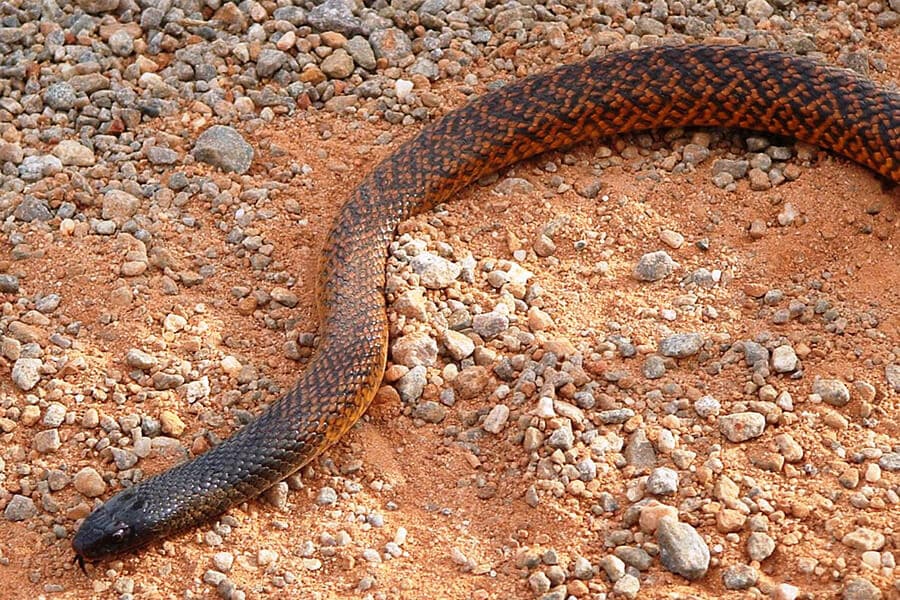
10. Western Brown Snake: Deadly Snake of South and Western Australia
The Western Brown Snake is fast-moving and highly venomous, found across northern western Australia and regions of central east Australia. This snake has the widest distribution of any Australian snake, occurring across South Australia and Western Australia through to the Northern Territory and Queensland.
Venom Effects: Powerful anticoagulant and neurotoxic properties
Habitat: WA, SA, NT, inland QLD regions
Bite Symptoms: Headache, collapse, progressive paralysis, coagulopathy
Danger Level: Very high; one of the deadliest snakes in the world
Staying Safe from Snakes in Australia: Effective Strategies
Whether in your backyard in southeastern Australia or hiking through the bush in northern Western Australia, the best defense against venomous snake bites is awareness and preparation.
Critical Snake Safety Tips:
| Safety Strategy | Implementation Advice |
|---|---|
| Protective Clothing | Always wear boots and long pants in snake-prone areas |
| Careful Exploration | Never put hands in hollow logs or holes without checking first |
| Vigilant Movement | Watch where you step - venomous snakes have evolved excellent camouflage |
| Night Safety | Use a torch after dark, particularly in campsites or outdoor facilities |
| Respect Distance | Most bites occur when people try to catch or kill snakes - give them space |
Expert Advice: Snake handlers recommend learning to identify common dangerous species in your region, keeping your yard clear of debris, and having a snakebite action plan ready.
Learn Life-Saving First Aid for Dangerous Snakes in Australia
Understanding venomous snakes of Australia is important, but knowing how to respond during an emergency involving dangerous snakes in Australia is what truly saves lives. Snake handlers and medical experts agree that proper first aid applied within minutes of a bite from venomous snake species can dramatically improve outcomes. Comprehensive, nationally recognised training equips you with the skills to handle snake bites, allergic reactions, cardiac arrests, and more.
Available Training Options:
- HLTAID009 – Provide Cardiopulmonary Resuscitation (CPR)
- HLTAID010 – Provide Basic Emergency Life Support
- HLTAID011 – Provide First Aid with Snake Bite Management
Courses are available in-person and via online platforms, with flexible options for individuals, schools, and workplaces across Australia.
Don’t wait for an emergency involving one of Australia’s most venomous snakes. Whether you’re concerned about keeping snakes away from your property or responding to a bite, proper knowledge is crucial. Be prepared to save a life by learning proper first aid snake bite management techniques with FirstAidPro today.
Helpful Resources
Here are four helpful resources about venomous snakes in Australia:
- Living with Wildlife – Venomous Australian Snakes by Region
Provides a comprehensive overview of Australia’s venomous snakes, including regional guides, identification tips, and photo galleries of major species 1. - Aussie Animals – Guide to the Most Dangerous Venomous Snakes
Offers detailed profiles of Australia’s most dangerous snakes, their habitats, venom potency, and behaviour, making it useful for both education and safety 8. - NSW Health – Snake and Spider Bites Clinical Management Guidelines
An authoritative clinical guide for the management of snakebites, including first aid, antivenom use, and emergency procedures, based on the latest Australian therapeutic guidelines 6. - Australian Snakebite Project (ASP) – University of Newcastle
A research initiative providing up-to-date information on snakebite epidemiology, treatment, and clinical research in Australia, including studies on antivenom effectiveness and safety 13.
Venomous Snake FAQs
The Inland Taipan is the most venomous snake in the world, but the Eastern Brown Snake causes more snakebite deaths in Australia due to its widespread distribution and aggressive nature when threatened.
Australia due to its widespread distribution and aggressive nature when threatened.
Not reliably. Color and pattern can vary greatly, and many less venomous snakes have evolved to mimic highly venomous species. It’s safest to treat all snakes as potentially dangerous unless you’re a trained expert in snake identification.
Some venom effects appear rapidly (within 15–30 minutes), especially with Eastern Brown Snake or Taipan bites. Apply the Pressure Immobilisation Technique immediately and call 000 – every minute counts.
Lorem ipsum dolor sit amet,
A proper kit should include several broad elastic bandages (10-15cm wide), a splint, and emergency contact information. Many people in regions where venomous snakes are found carry one in their vehicle or backpack.
Yes, Australia has developed effective antivenoms for all dangerous snake species found across the continent. Major hospitals typically stock polyvalent antivenom which can neutralise venom from multiple species of venomous snake.
Australia’s waters contain some of the most venomous animals in the form of sea snakes. Unlike other snakes that live on land, the sea snake has adapted completely to marine life. While sea snake venom is highly toxic – often more potent than many land snake species – sea snake bites to humans are rare as these venomous creatures are typically non-aggressive unless provoked. Australia is home to approximately 30 of the world’s 70 sea snake species, primarily found along the northern coast of Australia.