


Skip to content
Online Courses​
no-Online Courses
Online Courses​
no-Online Courses
no-Online Courses
Online Courses​
Nationally Accredited First Aid Courses
(08) 7120 2570
Firstaidpro Logo
[wp_menu_megatabs id="493"]
Student login
daily deals
No-Online

OR

Online
Applicable to:
Healthcare
Aged Care & NDIS Support
Construction
Warehousing

Effective First Aid for Severe Burns Treatment

severe burns treatment

Table of Contents

  • About
  • Latest Posts
Sharon McCulloch
Sharon McCulloch
CEO, Founder and First Aid Trainer at FirstAidPro
Sharon McCulloch is the CEO and Founder of FirstAidPro, Australia's leading Registered Training Organisation (31124), delivering First Aid Courses nationwide.

Sharon has 21+ years of experience as a qualified Emergency Care Nurse registered with the Australian Health Practitioner Regulation Agency (APHRA) and 12+ years as a First Aid Trainer.

She takes pride in FirstAidPro making first aid training available, comprehensive and affordable to everybody.
Sharon McCulloch
Latest posts by Sharon McCulloch (see all)
  • Australian Spider Bite & Bite First Aid Guide – Identification, Symptoms & Treatment - 14/04/2026
  • Anti-Inflammatory Tablets – Sting & Bite Symptoms, Risks & First Aid - 10/04/2026
  • LVR CPR Training Australia: What Is the UETDRMP018 Course and Who Needs It? - 08/04/2026

When you encounter someone requiring severe burns treatment, knowing how to respond can make all the difference between recovery and lasting damage.

You’ll want to act quickly and decisively, as every second counts in minimising the damage. First, verify you’re not putting yourself in harm’s way before approaching the victim.

Then, you’ll need to assess the burn’s severity and take immediate steps to cool the affected area. But that’s just the beginning of effective first aid for severe burns.

There’s much more to consider, from managing pain to preventing shock, and the actions you take in those vital moments can greatly impact the victim’s recovery.

Key Takeaways

  • Immediately cool the burn with lukewarm running water for at least 20 minutes to reduce pain and damage.
  • Remove clothing and jewellery near the burn unless stuck, and cover with clean, dry dressing to prevent infection.
  • Protect the burn area with specialised burn dressings and avoid breaking blisters to preserve natural barriers.
  • Manage pain with over-the-counter medications, cool compresses, and psychological support to reduce anxiety.
  • Monitor for signs of shock, maintain body temperature, and elevate legs if safe to improve blood flow.
scald burns

Identifying Severe Burns

Recognising the signs of severe burns treatment needs is essential for determining the appropriate course of action and potentially saving lives. To identify severe burns, you’ll need to understand burn classification and burn symptoms. Burns are categorised into three degrees based on their severity.

First-degree burns affect only the outer layer of skin, causing redness, pain, and minor swelling. These are typically manageable at home.

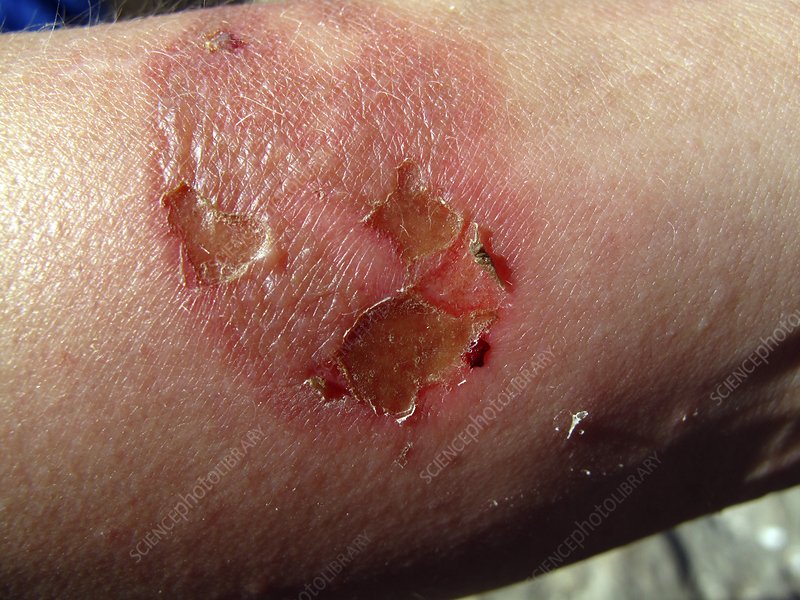
Second-degree burns penetrate deeper, affecting both the epidermis and dermis. They’re characterised by blistering, intense pain, and a moist appearance.

Third-degree burns are the most severe, extending through all layers of skin and potentially damaging underlying tissues. These burns appear dry, leathery, and may be white, brown, or black.

Stopping the Burning Process

Urgency is paramount when implementing severe burns treatment to minimize tissue damage and alleviate the victim’s pain. Your immediate emergency response can greatly impact burn severity and the victim’s recovery.

First, remove the source of heat if it’s safe to do so. If clothing is on fire, instruct the victim to ‘stop, drop, and roll’ or use a fire blanket to smother the flames.

Removing Clothing and Accessories

After cooling the burn, you’ll need to carefully remove clothing and accessories from the affected area to prevent further damage and allow for proper severe burns treatment and assessment.

When employing clothing removal techniques, cut around any fabric that’s stuck to the burn rather than pulling it off. This prevents further injury to the damaged skin. For loose clothing, gently lift it away from the burn site.

Pay close attention to accessory considerations. Remove watches, jewellery, and tight items like belts immediately, as burns can cause rapid swelling. If rings are difficult to remove, try using soap or lubricant. In severe cases, you may need to cut them off to prevent circulation problems.

Cooling the Burn

First Aid Training - Burn injury. First aid course. burn infections

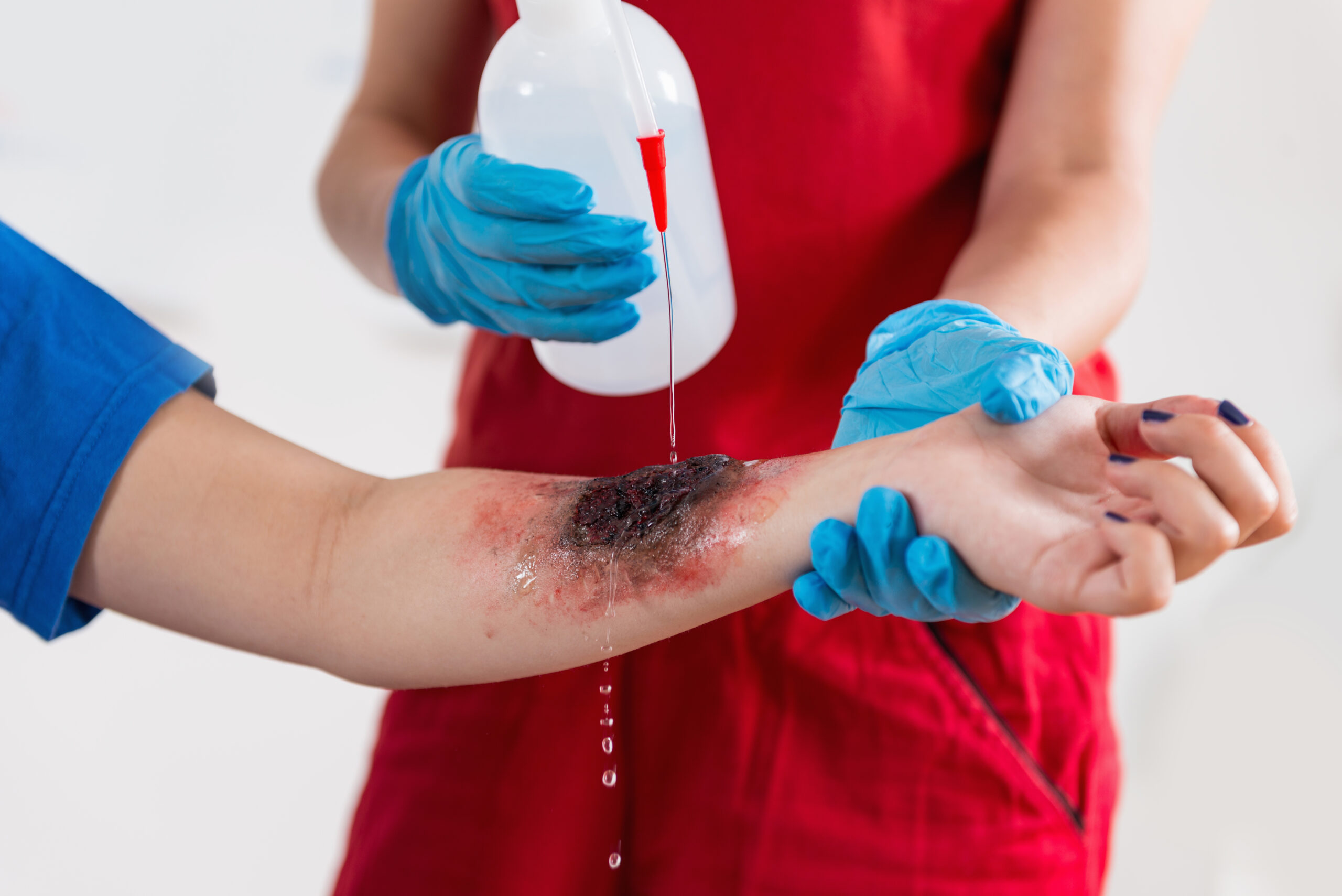
Immediate cooling is the vital first step in severe burns treatment, greatly reducing pain and tissue damage. You should begin cooling the affected area as soon as possible after the burn occurs. The most effective cooling method is to run cool (not cold) water over the burn for at least 20 minutes.

If running water isn’t available, you can use other cooling methods such as immersing the burned area in cool water or applying clean, cool, wet compresses.

Protecting the Burned Area

Home Remedies for Minor Burns

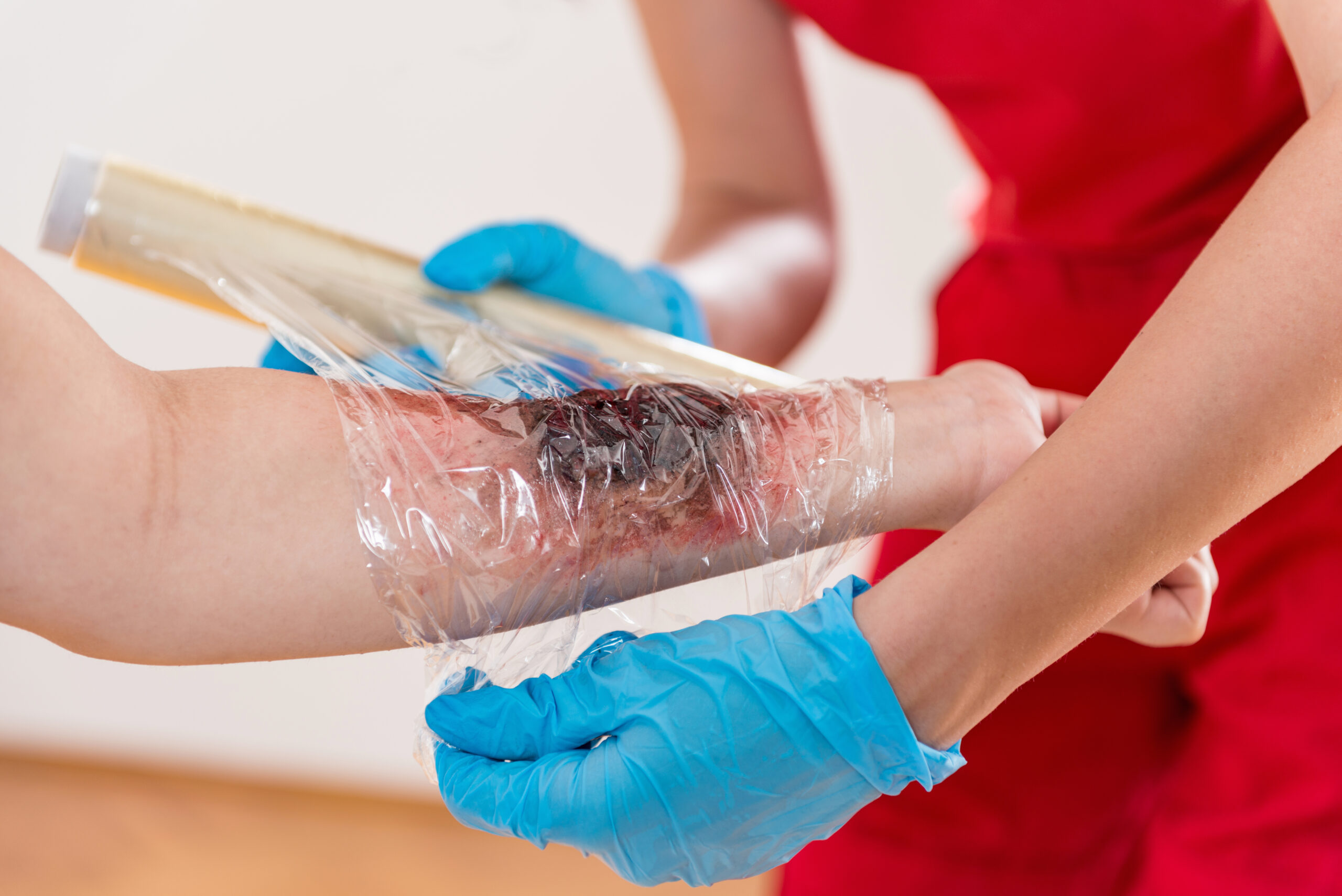
Apply appropriate burn dressings to create a barrier between the wound and the environment as part of ongoing severe burns treatment. These specialised dressings help maintain a moist healing environment while preventing bacterial contamination.

Don’t apply cotton balls, adhesive bandages, or fluffy materials directly to the burn, as these can stick to the wound and cause further damage.

When to Seek Medical Help

While a well-stocked first aid kit is invaluable, it’s critical to recognise when a burn injury requires professional severe burns treatment and medical attention. Understanding burn severity indicators and having proper emergency response education can make a life-saving difference.

You should seek immediate medical help if you observe any of the following:

  • Burns covering a large area of the body
  • Deep burns that appear white, charred, or leathery
  • Burns on the face, hands, feet, genitals, or major joints
  • Chemical or electrical burns
  • Signs of infection, such as increased pain, redness, or fever

Third-degree burns, which affect all layers of skin and underlying tissues, always require urgent medical care.

Frequently Asked Questions

Can I Use Ice or Very Cold Water to Treat Severe Burns?

Ice or very cold water can worsen severe burns treatment outcomes, causing additional tissue damage. Proper burn treatment methods emphasise lukewarm water instead. Cold therapy risks include shock and increased pain. Seek immediate medical attention.

Are There Any Home Remedies Effective for Treating Severe Burns?

Don’t attempt home remedies for severe burns treatment. They require immediate medical attention. While aloe vera and honey application may help minor burns, they’re inadequate for severe cases. You must seek professional treatment to prevent complications and guarantee proper healing.

What Are the Potential Complications of Severe Burns if Left Untreated?

Without proper severe burns treatment, you’re at high risk for infection, which can lead to sepsis. You’ll also experience extensive scarring, potentially causing disfigurement and loss of function in affected areas.

The content on this website offers general insights regarding health conditions and potential treatments. It is not intended as, and should not be construed as, medical advice. If you are facing a medical emergency, dial 000 immediately and follow the guidance provided.

Recent Posts
Common Australian Spiders
Australian Spider Bite & Bite First Aid Guide – Identification, Symptoms & Treatment
14/04/2026

An Australian spider bite is common, but serious injury is rare. This guide explains how to identify several Australian spiders, what a spider bite looks …

infected-insect-bite
Anti-Inflammatory Tablets – Sting & Bite Symptoms, Risks & First Aid
10/04/2026

Key Takeaways Anti-inflammatory tablets reduce pain and swelling from insect bites and stings but cannot treat serious allergic reactions or anaphylaxis.NSAIDs such as ibuprofen are …

LVR CPR Training -UETDRMP018 Perform Rescue From A Live Low Voltage Panel
LVR CPR Training Australia: What Is the UETDRMP018 Course and Who Needs It?
08/04/2026

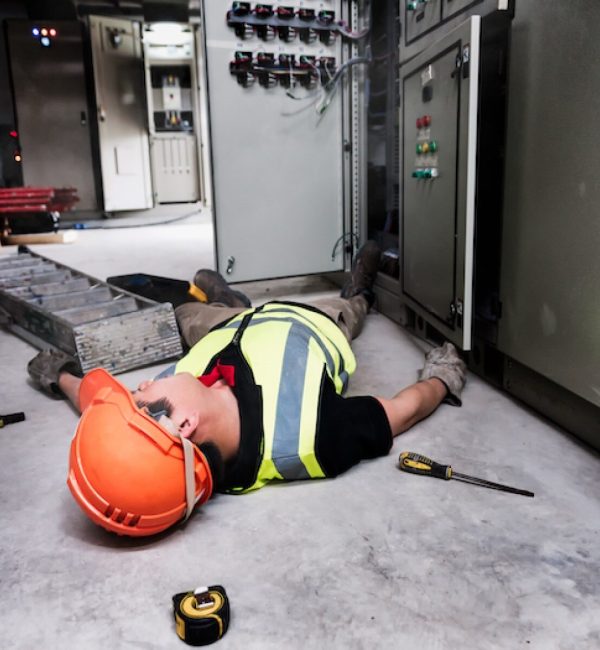
Low voltage rescue (LVR) is the process of safely removing a person from contact with a live low voltage electrical panel and providing emergency care …

CPR and AED
CPR and AED: Why They’re Critical for Saving Lives in Emergencies
01/04/2026

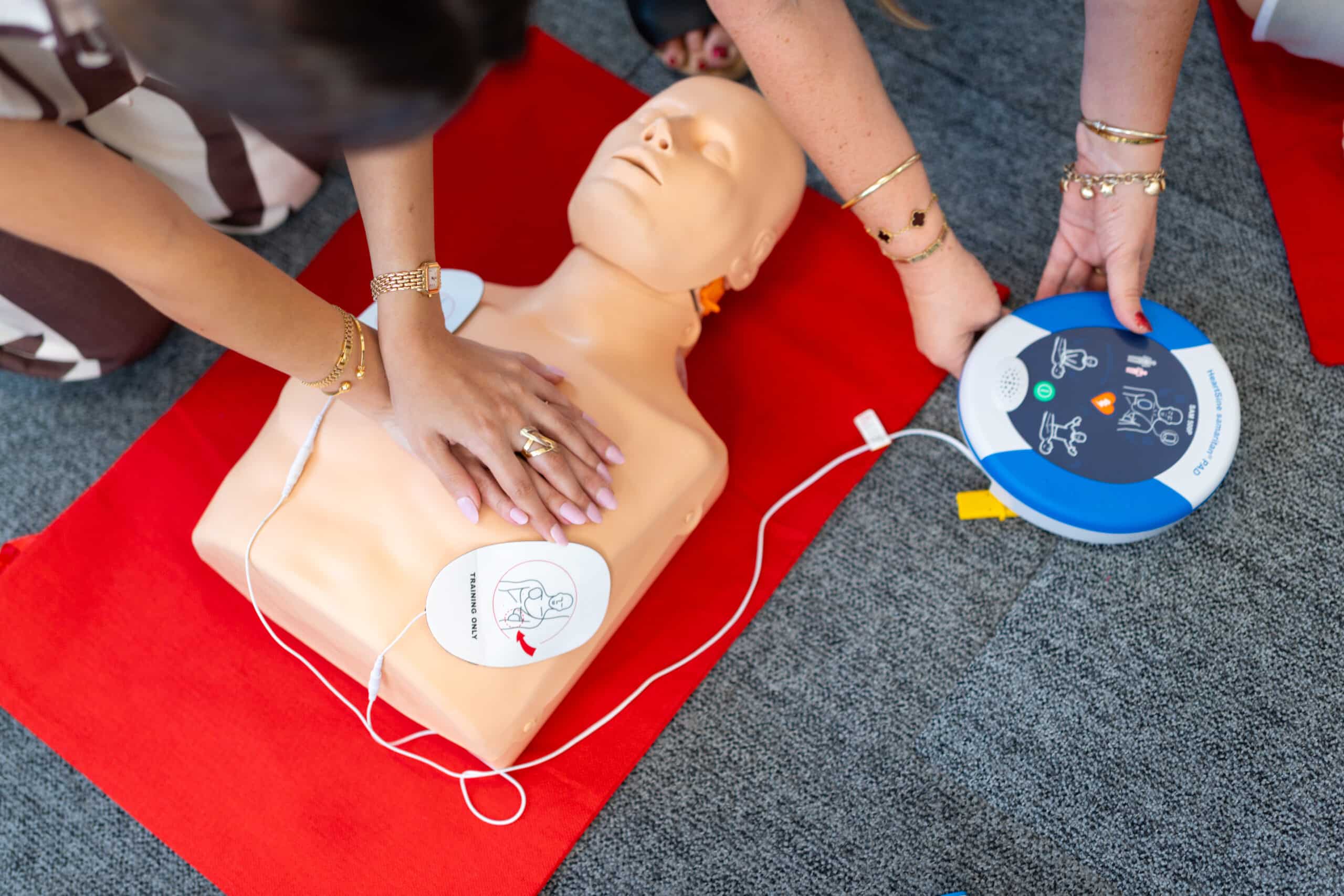
CPR and AED are life-saving first aid techniques used during cardiac arrest to help save lives before an ambulance arrives. When a person’s heart stops …

sprain of the ankle
Sprain vs Strain: Key Differences, Symptoms, and First Aid Treatment
27/03/2026

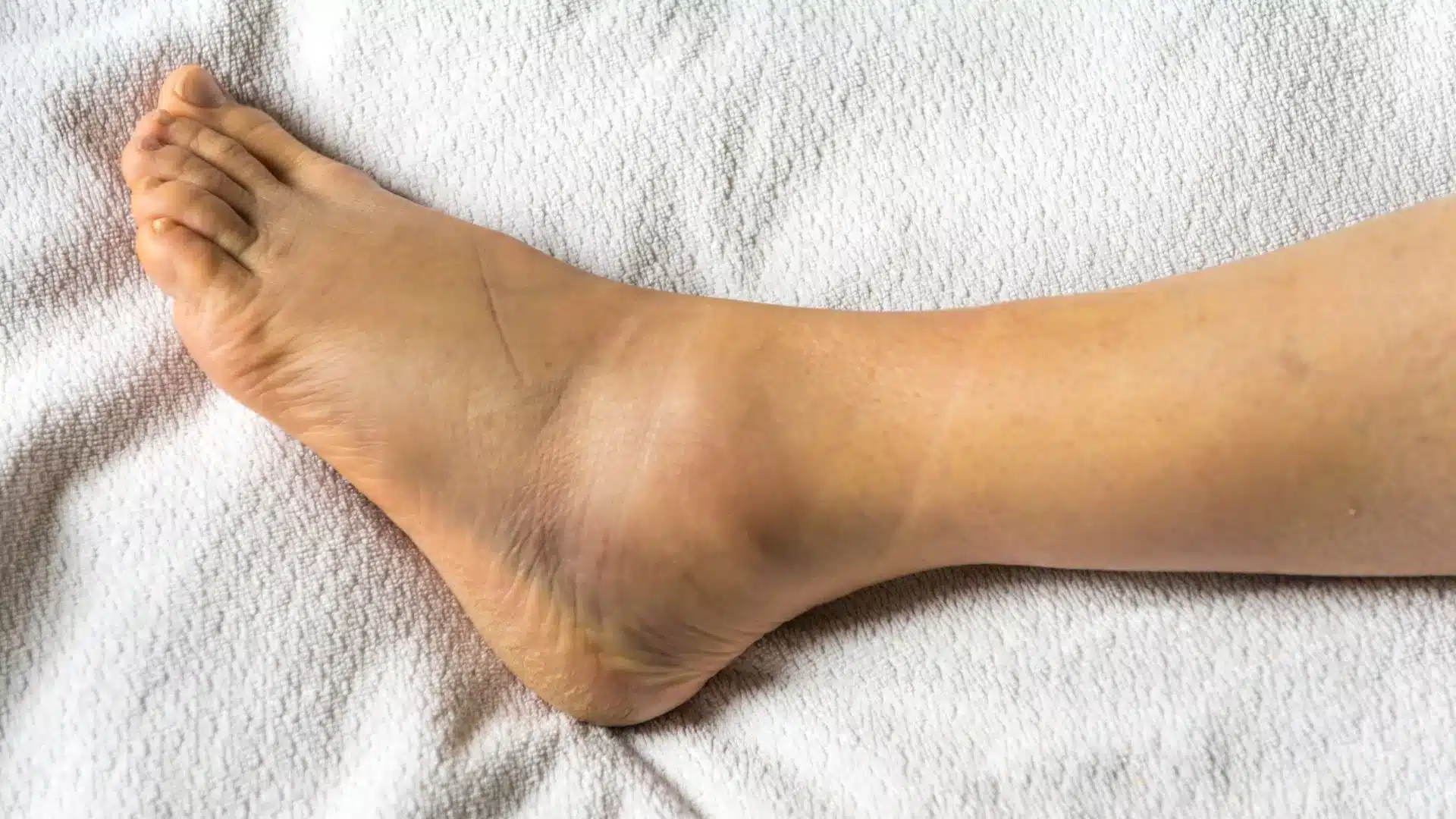
A sprain is a common soft-tissue injury that occurs when a ligament is stretched or torn, usually after a fall, twist, or sudden impact. Sprains …

Information
  • About Us
  • Contact Us
  • Mental Health Pro
  • Onsite Training
  • Careers
  • Collaborations
  • Course Calendar
  • Daily Deals
  • FAQs
  • Explore Our Courses
  • Instant Price Beat
  • Partners
  • Same Day Certificates
Resources
  • Student Login
  • Blog
  • Learn First Aid
  • Create Your USI
  • Find Your USI
  • First Aid Charts
Popular Courses
  • CPR
  • First Aid
  • Childcare First Aid
  • First Aid Mental Health
  • Remote First Aid
  • Advanced First Aid
  • CPR, Asthma & Anaphylaxis
  • Asthma & Anaphylaxis
  • CPR LVR
  • Manual Handling
  • Manual Handling Refresher
  • Medication Administration
  • White Card
Online Courses
  • Zoom Online CPR
  • Zoom Online First Aid
  • Zoom Childcare First Aid
  • Zoom NDIS HISS Courses
Blended Courses
  • Blended CPR
  • Blended First Aid
  • Blended Childcare First Aid
Charity Courses
  • Free CPR
  • Free First Aid
Locations
  • South Australia
  • Queensland
  • New South Wales
  • Victoria
  • ACT
  • Tasmania
  • Northern Territory
  • Western Australia
Policies & Procedures
  • Academic Honesty
  • Complaints & Appeals
  • LLN
  • Refunds & Cancellations
  • RPL & Credit Transfers
  • Training & Assessment
Firstaidpro Logo
Facebook Instagram Youtube tiktok Pinterest Linkedin
  • Level 3, Unit 6/9 Frinton Street, Southport QLD 4215
  • (08) 7120 2570
  • Get In Touch

FirstAidPro is a leading Registered Training Organisation (RTO: 31124) delivering industry-leading standards and the latest training techniques. We provide you with Australia’s most comprehensive, officially recognised first aid qualification!

  • Same-Day Certificates
  • Courses Available 7 days
  • Nationally Accredited Certification
eway-payment.png
© 2026 Firstaidpro Australia Pty Ltd (RTO: 31124) | ABN: 70 106 788 050 | ACN: 106 788 050 | All rights reserved.
  • Privacy Policy
  • Refund Policy
  • Website Disclaimer
North Hobart