



Sharon has 21+ years of experience as a qualified Emergency Care Nurse registered with the Australian Health Practitioner Regulation Agency (APHRA) and 12+ years as a First Aid Trainer.
She takes pride in FirstAidPro making first aid training available, comprehensive and affordable to everybody.
Whether you’re a weekend warrior or a professional athlete, knowing how to respond to common sports injuries can make a significant difference in your recovery time and overall health.
But with so many potential sports injuries and treatment options, it’s essential to understand which approaches work best for different situations.
Let’s explore the essential first aid tips that every sports enthusiast should have in their playbook.
Key Takeaways
- Clean and disinfect cuts and abrasions thoroughly, applying sterile dressings to prevent infection.
- Recognise and respond to concussion symptoms by removing the athlete from play and seeking professional evaluation.
- Manage muscle cramps through immediate stretching, massage, and addressing potential causes like dehydration or electrolyte imbalances.
- Immobilise suspected fractures or dislocations and seek immediate medical attention, providing details about the incident to healthcare professionals.
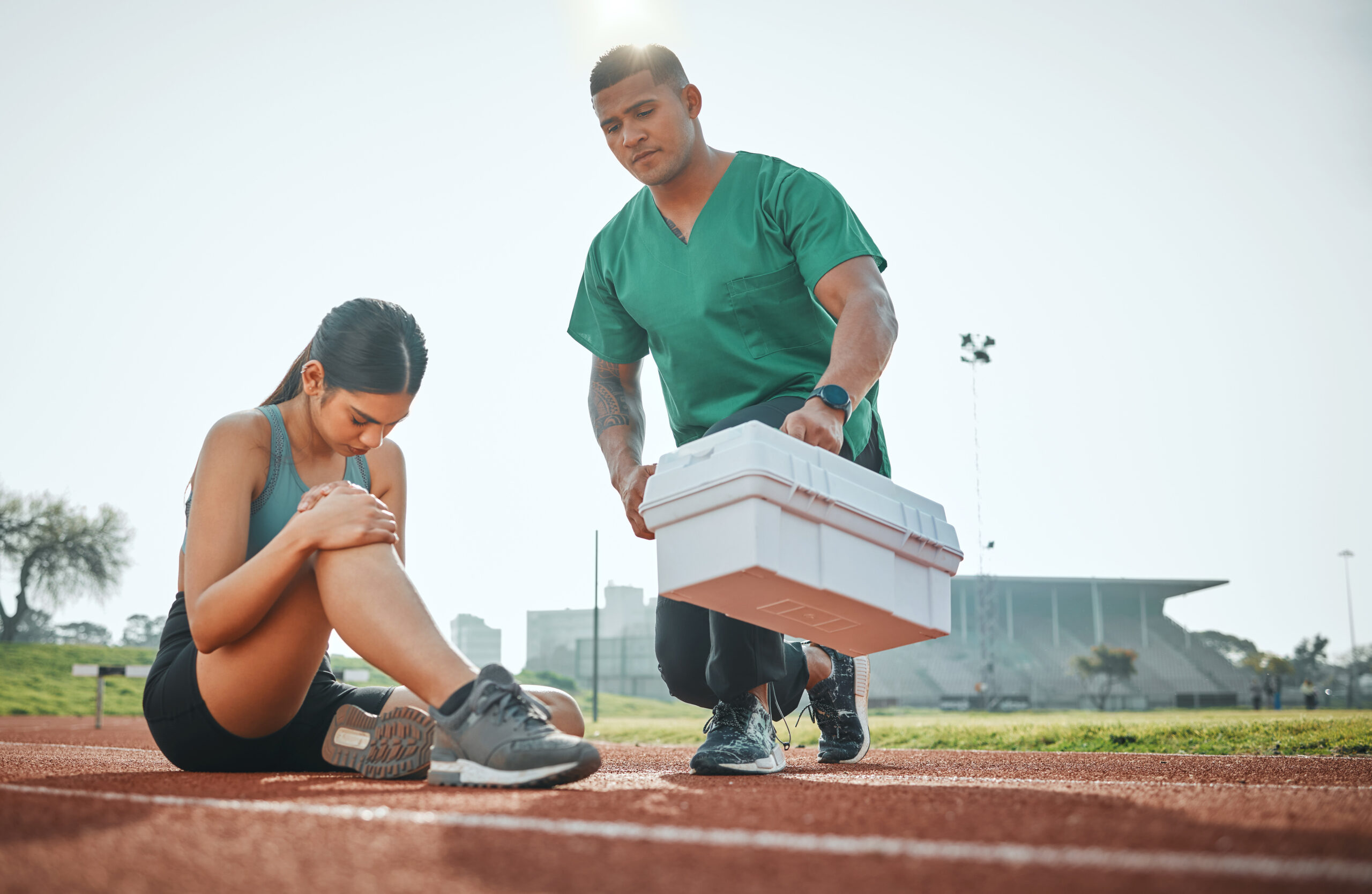
Treating Sprains and Strains
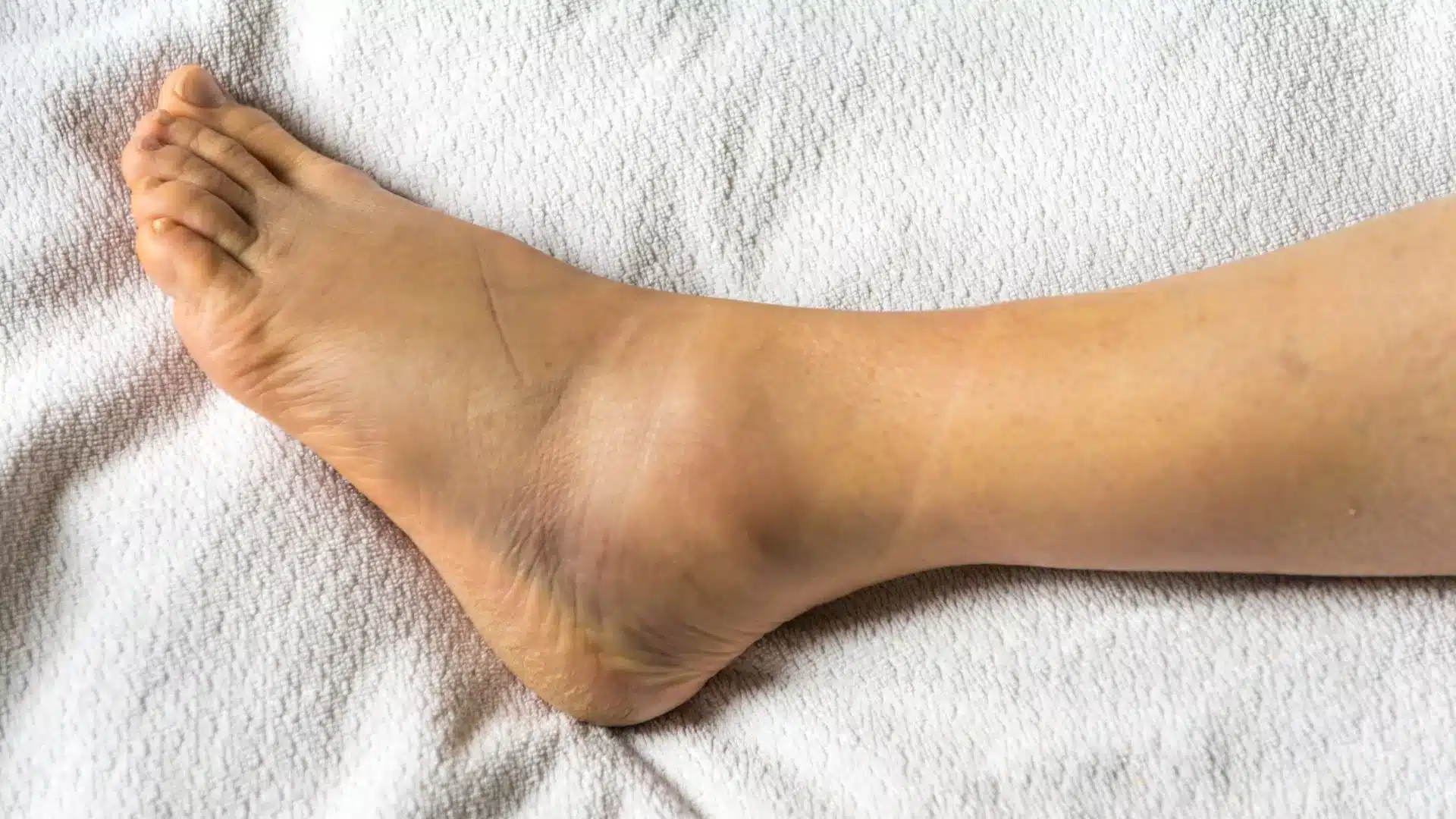
Sprains and strains, two of the most common sports injuries, require prompt and appropriate treatment to ensure proper healing and prevent long-term complications.
For both sprains and strains, you should:
- Gradually increase your range of motion through gentle stretching
- Strengthen the affected area with targeted exercises
- Improve proprioception and balance to prevent future injuries
- Gradually return to your sport-specific activities
As you progress through your recovery, it’s important to listen to your body and not rush the process. Depending on the severity of your injury, you may need to consult a physiotherapist or sports medicine specialist for a tailored rehabilitation programme.
Managing Muscle Cramps
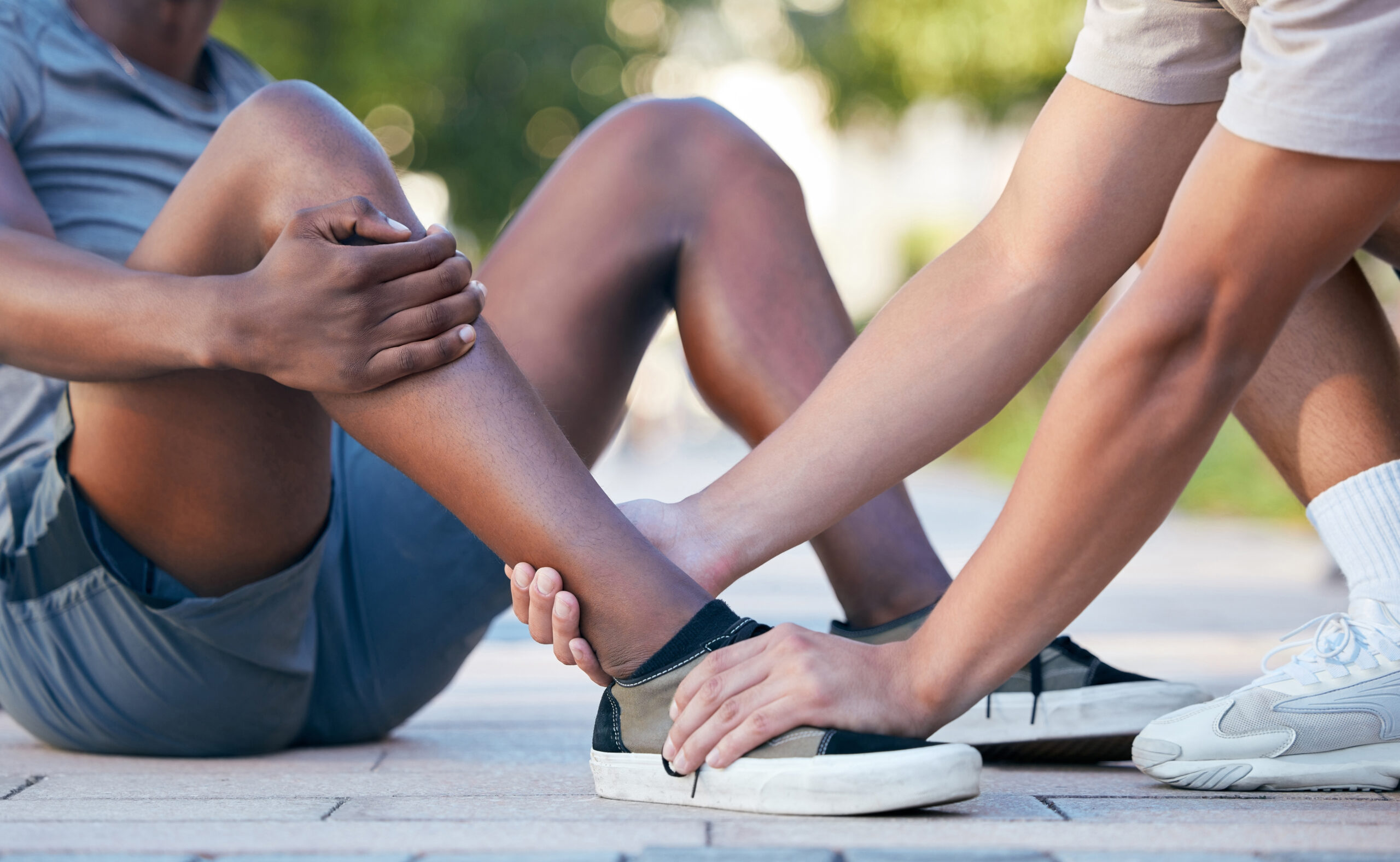
When you’re struck with a muscle cramp during physical activity, immediate action can help alleviate the pain and restore function quickly. These common sports injuries can significantly impact performance if not addressed properly.
First, stop your activity and gently stretch the affected muscle. Hold the stretch for 30 seconds, then release and repeat. Next, try massaging the cramped area with firm pressure to improve blood flow and relax the contraction.
Apply heat to the area using a warm compress for 10-15 minutes. For persistent cramps, ice application can be beneficial – apply an ice pack wrapped in a thin towel for 10-15 minutes. Alternate between heat and ice every 20 minutes if needed.
Use an elastic bandage to apply gentle compression to the affected area, which may help reduce swelling and support the muscle. Remember to stay hydrated by drinking water or electrolyte-rich fluids, as dehydration can exacerbate cramps.
If the cramp persists or recurs frequently, consult a healthcare professional for further evaluation.
Handling Cuts and Abrasions
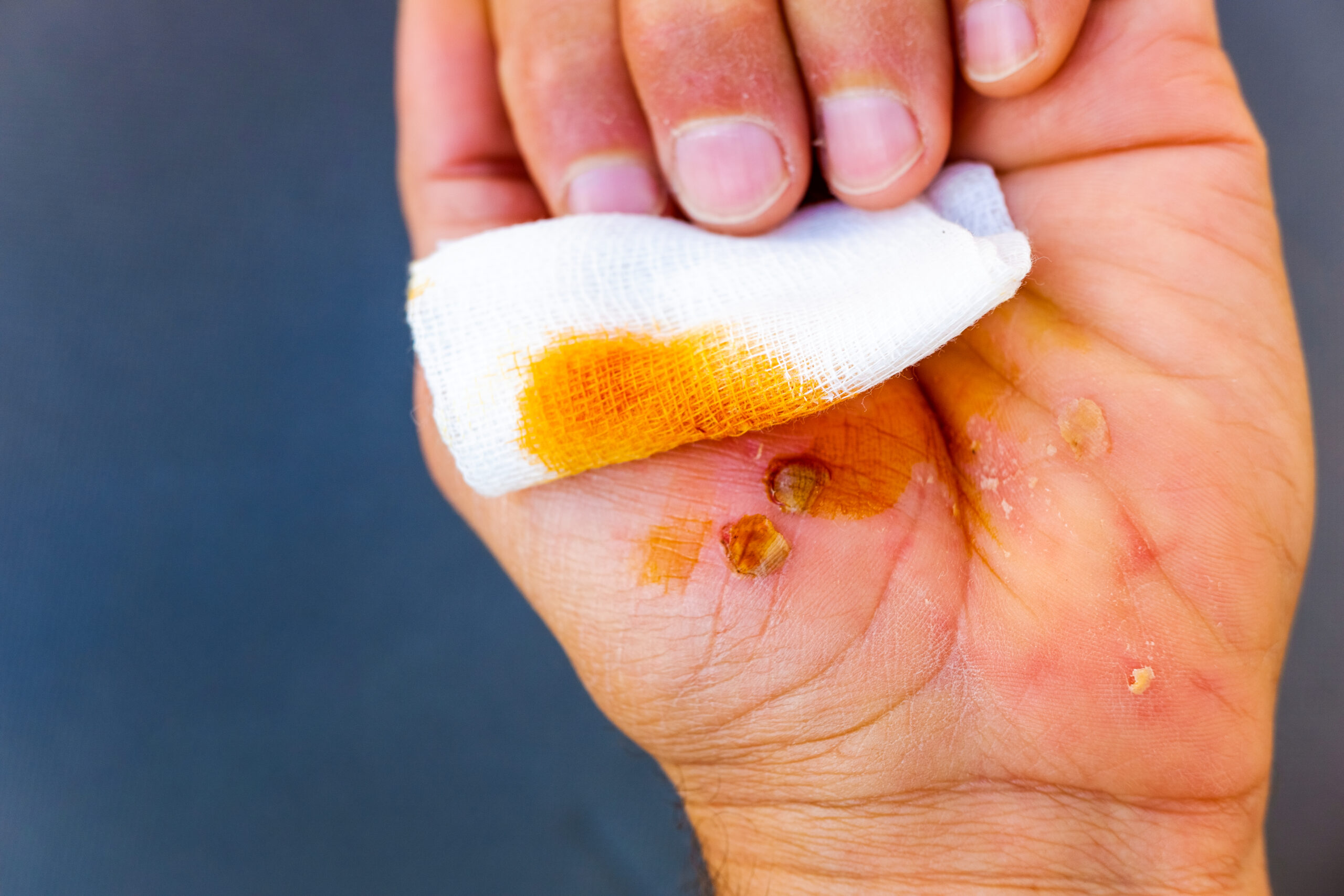
Properly cleaning and disinfecting wounds is essential for preventing infection and promoting ideal healing in sports-related cuts and abrasions. These types of sports injuries are common but require careful attention.
When faced with a wound:
- Wash your hands thoroughly with soap and water
- Clean the affected area with cool or lukewarm water to remove dirt or debris
- Apply an antiseptic solution like hydrogen peroxide or povidone-iodine
- Pat the area dry with clean, sterile gauze or cloth
Selecting the right dressing for a sports-related wound is critical for proper healing:
- Minor cuts and scrapes: adhesive bandages or hydrocolloid dressings
- Larger abrasions: Non-adherent gauze pads covered with a conforming bandage
- Deep cuts that may require stitches: apply a sterile compress and seek medical attention
Change dressings regularly, especially if they become wet or soiled. Monitor the wound for signs of infection, such as increased redness, swelling, or discharge, and consult a healthcare professional if these occur.
Dealing With Blisters
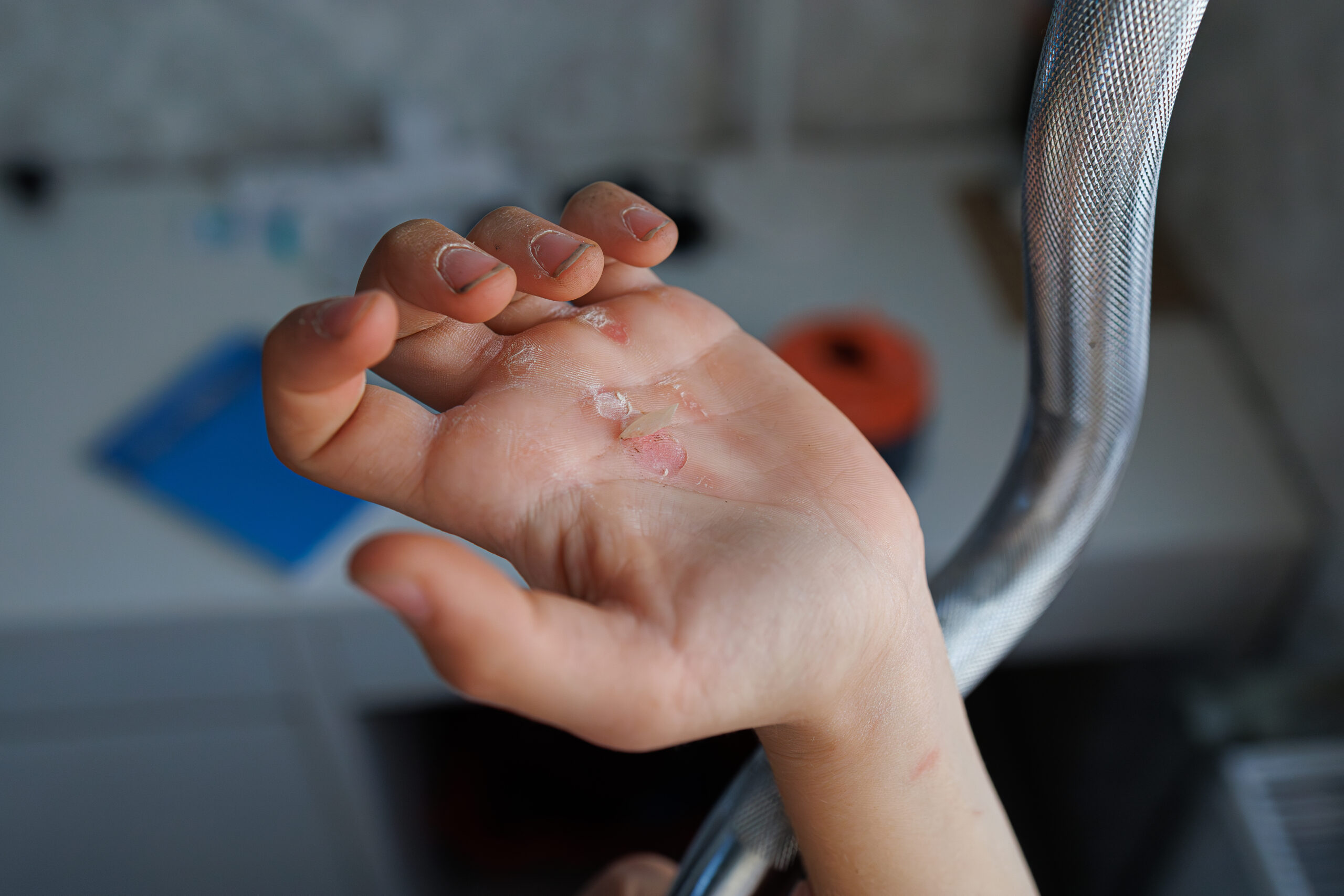
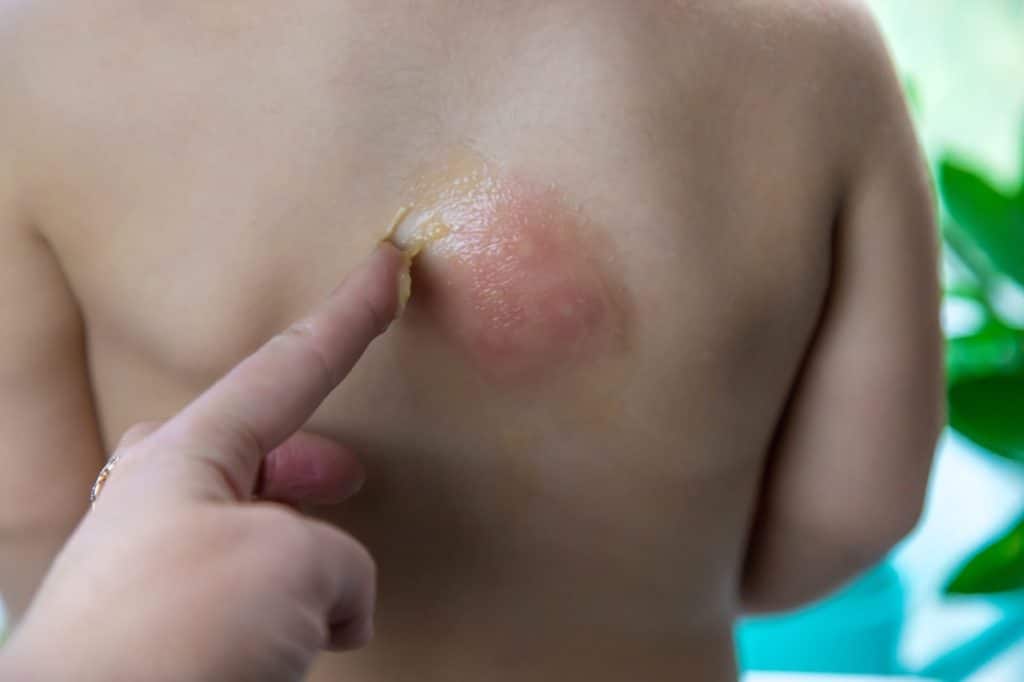
During athletic activities, blisters can quickly develop and hinder performance if not addressed promptly. Though often overlooked as sports injuries, they can significantly impact an athlete’s ability to perform.
Blister prevention is vital through properly fitting shoes, moisture-wicking socks, and applying lubricants to high-friction areas.
For small, unbroken blisters, it’s best to leave them intact and cover with a protective dressing to reduce friction.
If a blister is large or in a weight-bearing area, you may need to drain it carefully. Clean the area with antiseptic, use a sterilised needle to puncture the blister at its edge, gently press out the fluid, apply antibiotic ointment, and cover with a sterile dressing.
Responding to Concussions
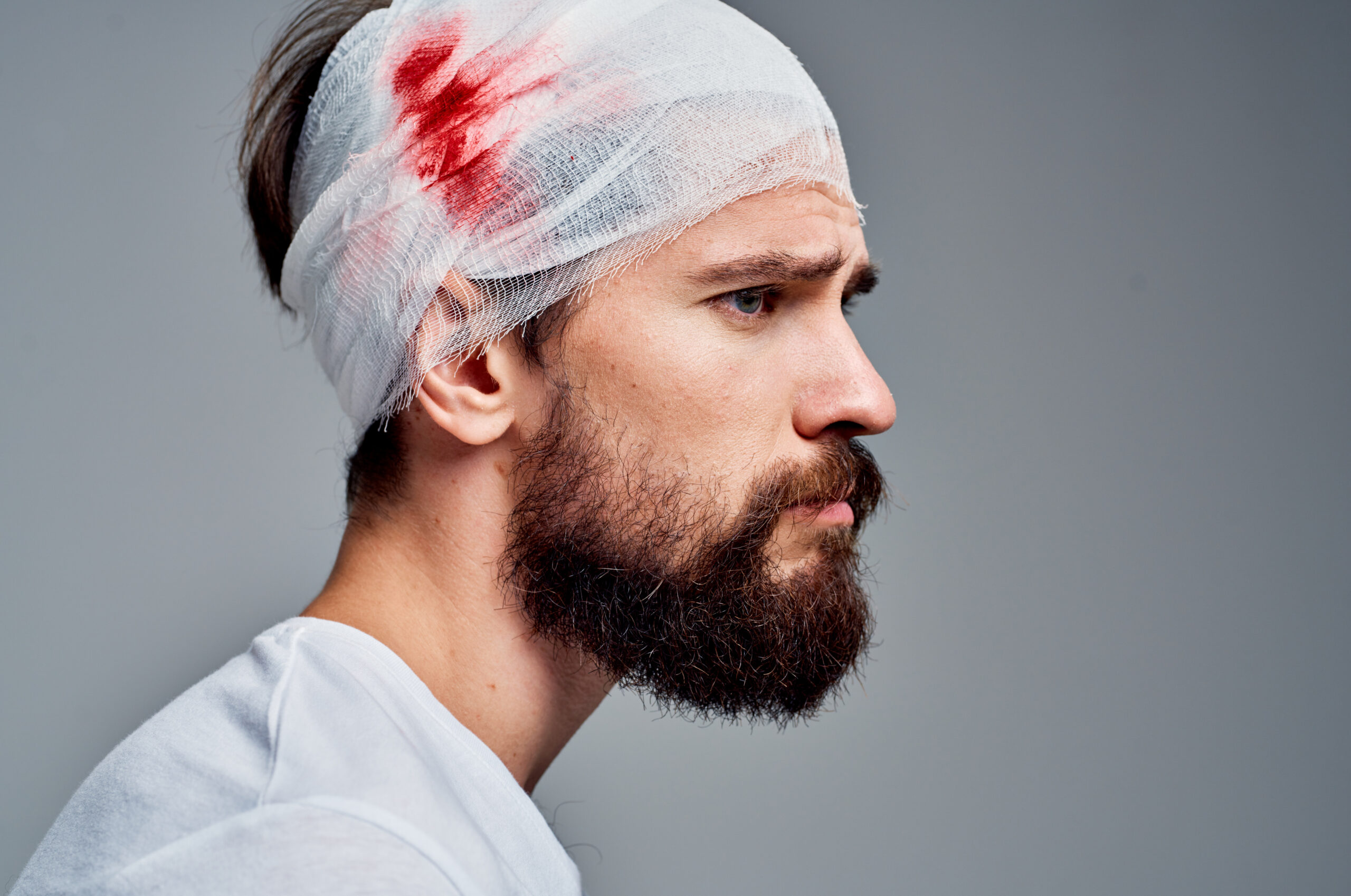
Concussions are serious brain injuries that require immediate recognition and appropriate management to prevent potentially long-lasting complications. Among all sports injuries, concussions demand particular attention due to their impact on brain health.
If you suspect a concussion, remove the athlete from play immediately. Look for common concussion symptoms such as confusion, dizziness, headache, nausea, balance problems, and memory loss.
Don’t allow the athlete to return to play until they’ve been evaluated by a healthcare professional. Rest is essential for recovery, so advise limiting physical and cognitive exertion, including screen time and mentally demanding activities.
Gradually reintroduce activities as symptoms improve, following a healthcare provider’s guidance. Implement recovery strategies such as ensuring adequate sleep, staying hydrated, and eating a balanced diet.
Addressing Fractures and Dislocations
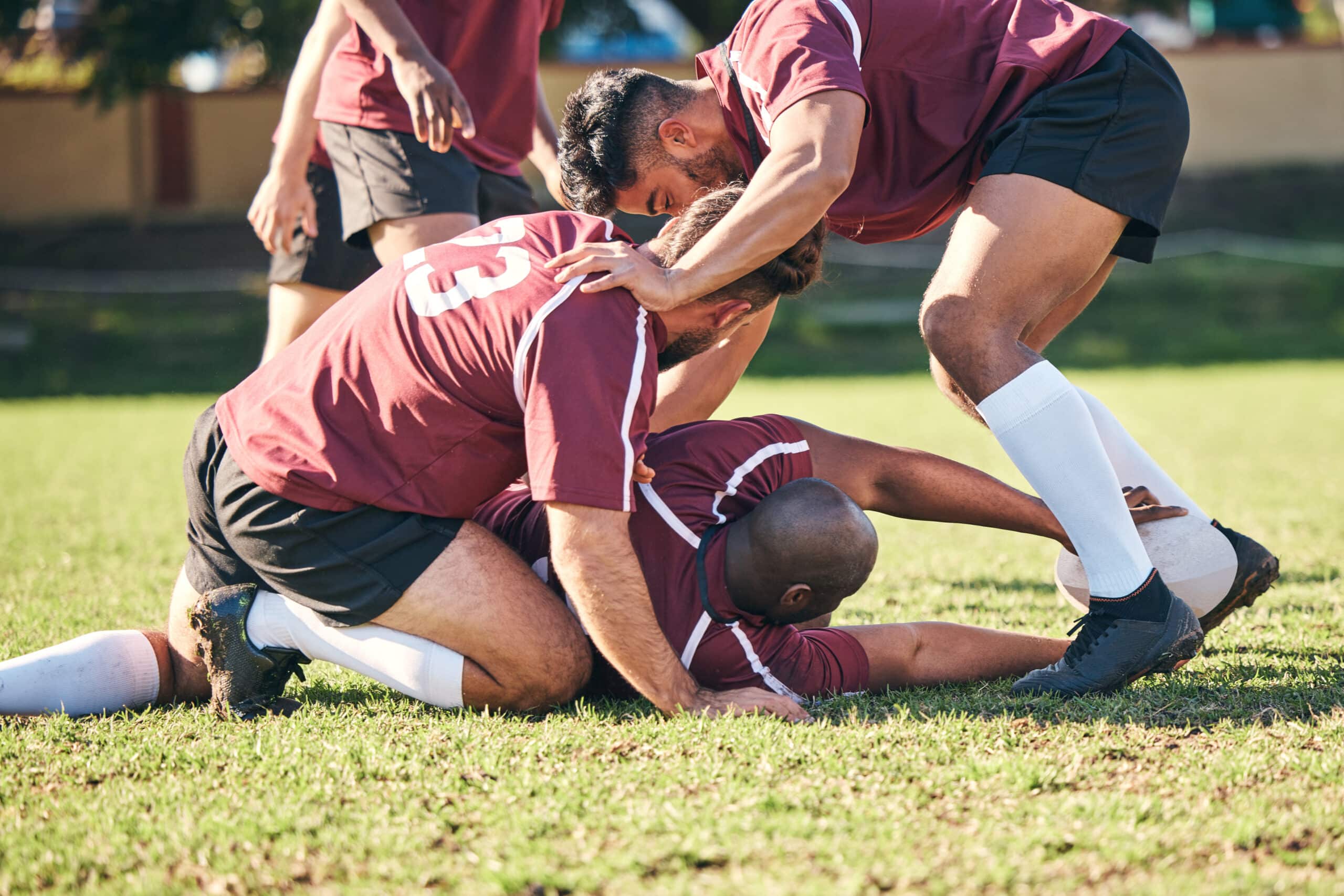
Properly immobilising and protecting a potential fracture or dislocation is essential to prevent further injury while awaiting professional medical care. These severe sports injuries require immediate attention and proper handling.
To effectively immobilise the injury:
- Use padding to cushion bony prominences and fill empty spaces
- Apply a splint that extends beyond the joint above and below the injury site
- Secure the splint with bandages, but avoid wrapping too tightly
- Check for proper circulation, sensation, and movement in the extremity distal to the injury
Heat Exhaustion First Aid
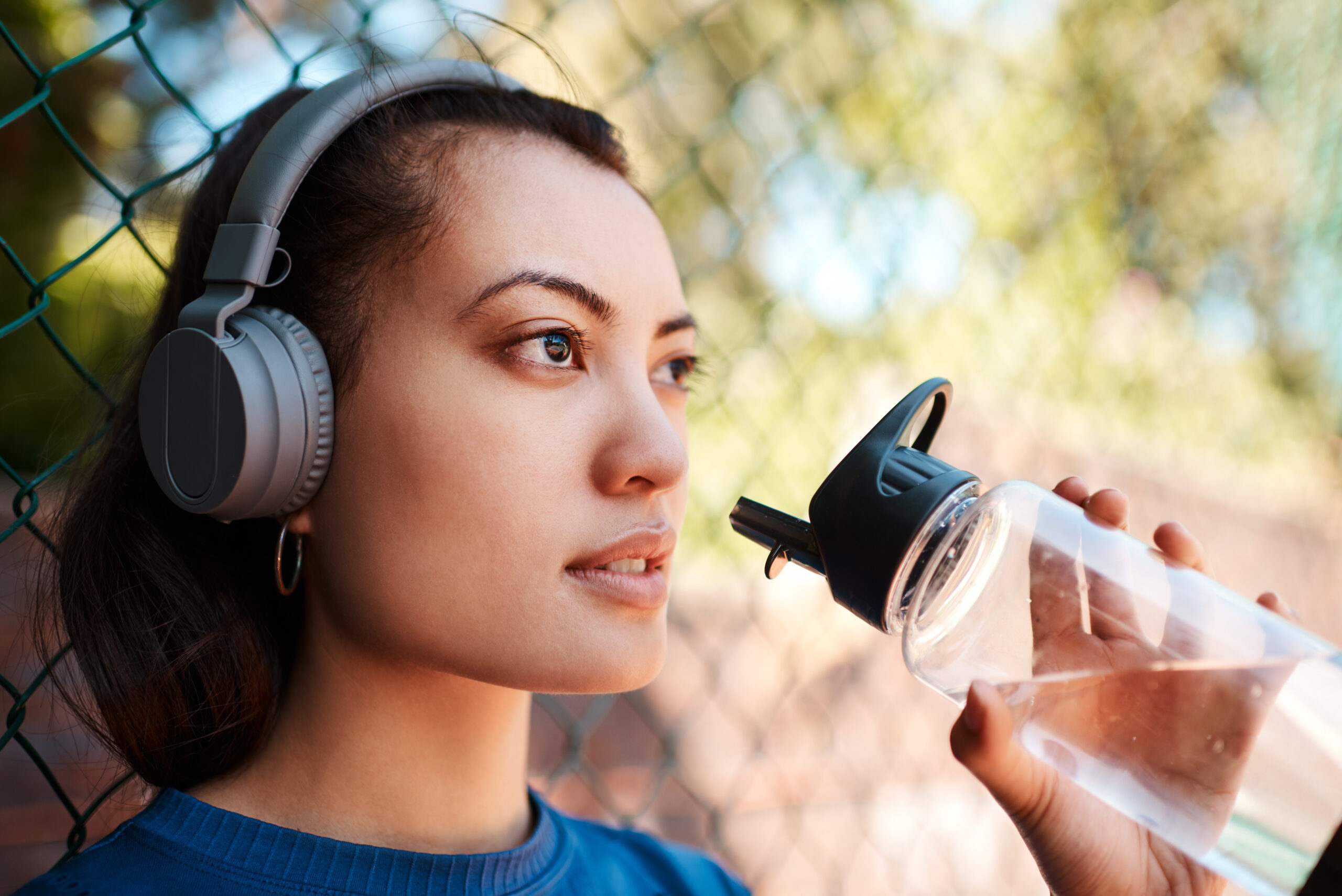
Recognising the signs of heat exhaustion promptly can be essential in preventing more severe heat-related illnesses. Athletes experiencing heat-related sports injuries require quick intervention to prevent progression to heat stroke.
If you suspect heat exhaustion:
- Move the affected person to a cool, shaded area immediately
- Remove excess clothing and apply cool, wet cloths to the skin
- Encourage small sips of water or sports drinks to replenish fluids and electrolytes
To prevent heat exhaustion, implement proper hydration strategies and heat acclimatisation techniques:
- Increase fluid intake
- Wear light, breathable clothing
- Schedule activities during cooler parts of the day
- Take frequent breaks in shaded areas
Monitor for symptoms such as heavy sweating, dizziness, headache, nausea, and muscle cramps. If symptoms persist or worsen, seek medical attention.
Treating Knee Injuries
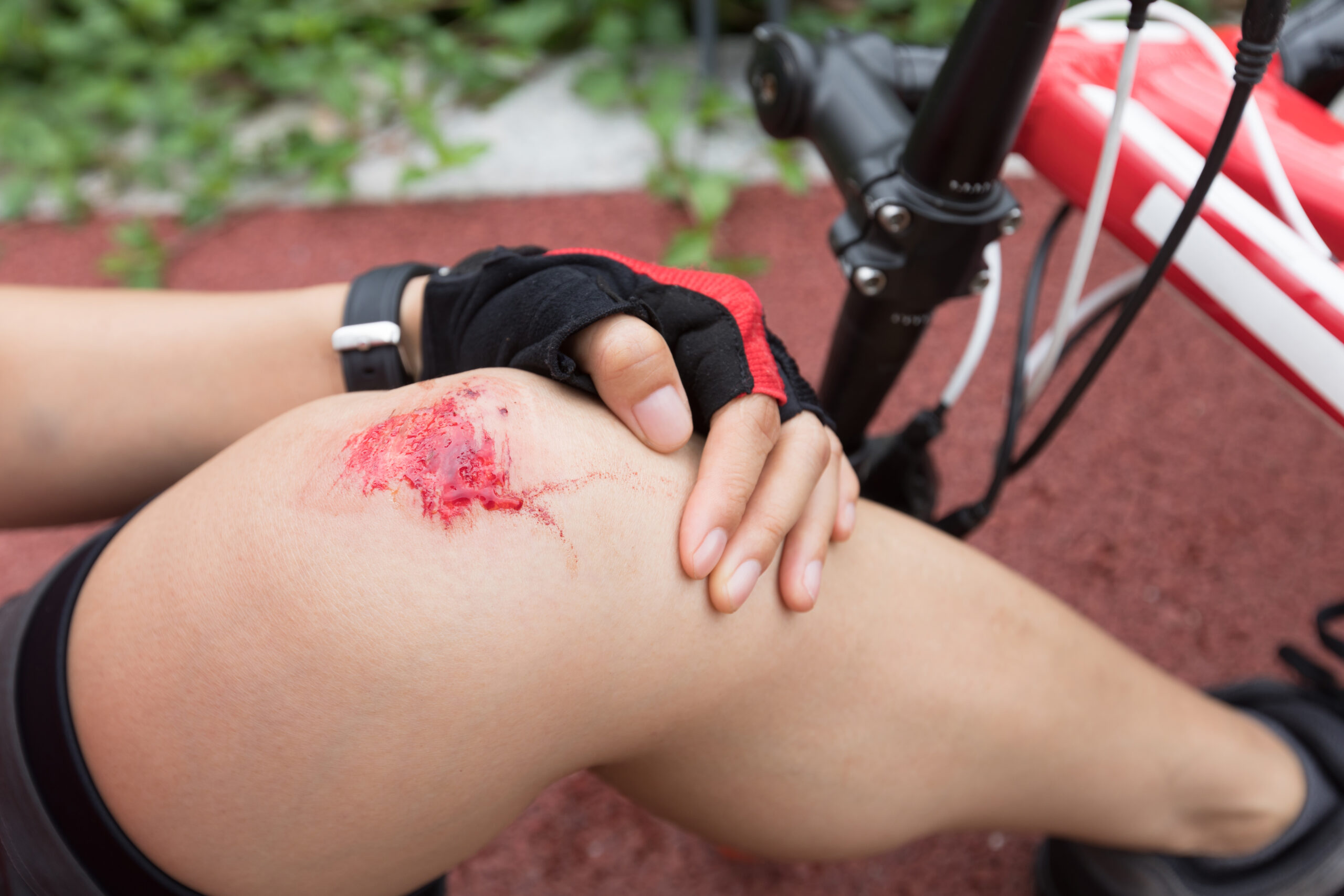
Knee injuries are among the most common and potentially debilitating sports injuries, often requiring immediate attention and proper management.
For minor sprains or strains, use a compression bandage to support the knee. For more severe injuries, such as a suspected ligament tear or fracture:
- Immobilise the joint
- Avoid putting weight on the affected leg
- Use crutches if necessary
- Seek professional medical help immediately
Once the acute phase has passed, rehabilitation exercises play a fundamental role in recovery, including range-of-motion exercises, strengthening for the quadriceps and hamstrings, and balance training.
Always consult a physiotherapist or sports medicine professional for a tailored rehabilitation programme.
Managing Shoulder Injuries
Shoulder injuries in sports can range from minor strains to severe dislocations. These complex sports injuries require careful assessment and often specialised treatment.
When you suspect a shoulder injury:
- Stop the activity immediately
- Check for visible deformities, swelling, or bruising
- Seek medical attention promptly if there’s severe pain or limited movement
To promote shoulder stability, your healthcare provider may recommend specific rehabilitation exercises focusing on strengthening the rotator cuff muscles and improving flexibility.
In cases of suspected dislocation, don’t attempt to relocate the joint yourself. Immobilise the shoulder using a sling or splint and seek immediate medical care.
Frequently Asked Questions
How Can I Prevent Sports Injuries Before They Occur?
You can reduce your risk of sports injuries by implementing effective injury prevention techniques. Incorporate proper warm-up routines, maintain good physical conditioning, use appropriate gear, and follow sport-specific safety guidelines consistently.
What Should Be Included in a Basic Sports First Aid Kit?
To be prepared for sports injuries, you should include various types of bandages (elastic, adhesive, triangular) and ice packs. Also, stock antiseptic wipes, scissors, pain relievers, and compression wraps for proper injury management.
Are There Specific First Aid Techniques for Water Sports Injuries?
When participating in water sports, you’ll need specialised approaches for sports injuries in aquatic environments. Prioritise waterproof dressings for cuts, manage hypothermia risks, and address near-drowning situations. Always have a first aid kit designed for aquatic environments.