



Sharon has 21+ years of experience as a qualified Emergency Care Nurse registered with the Australian Health Practitioner Regulation Agency (APHRA) and 12+ years as a First Aid Trainer.
She takes pride in FirstAidPro making first aid training available, comprehensive and affordable to everybody.
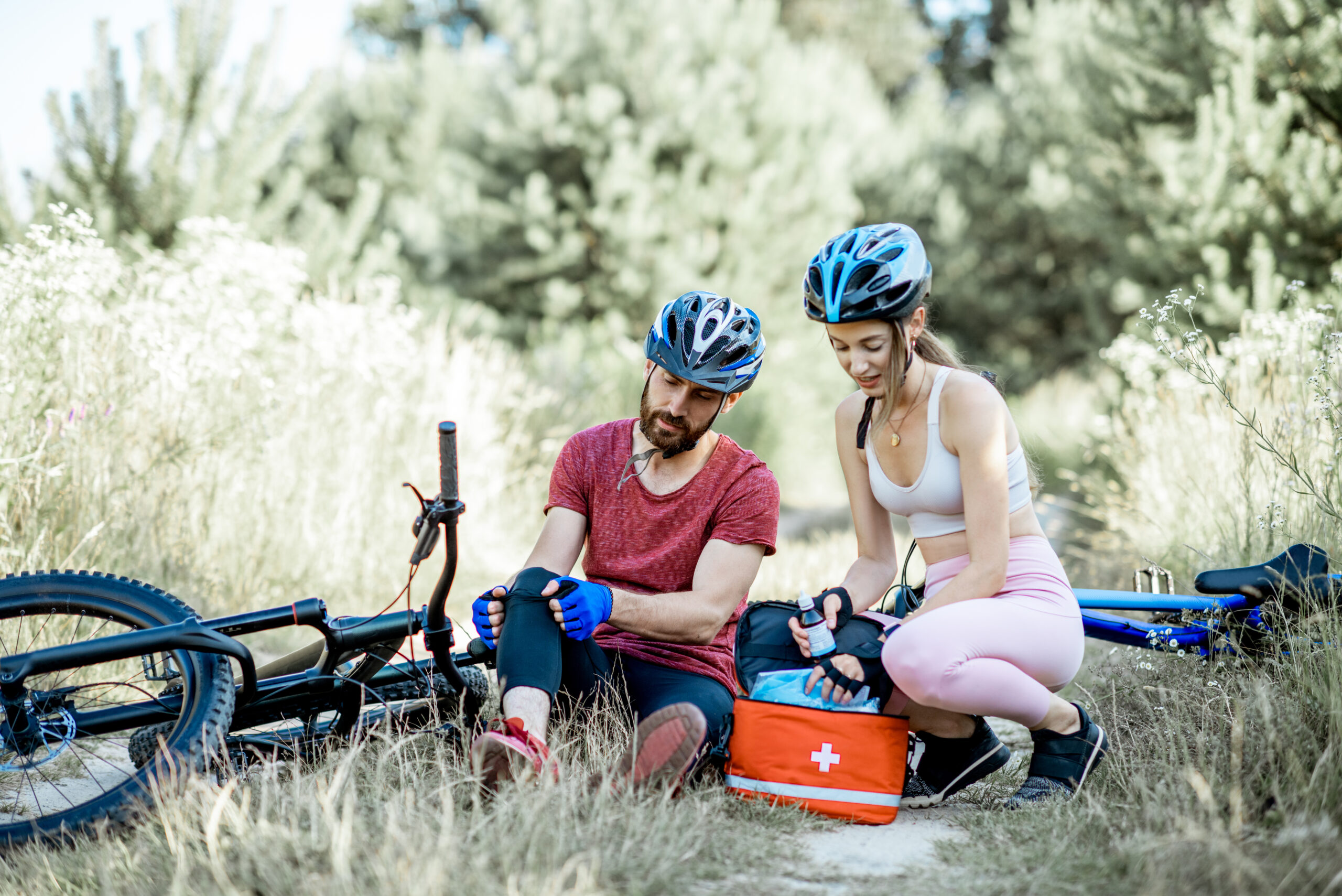
When you’re faced with sports knee injuries, knowing how to respond quickly can make all the difference.
You’ll need to assess the severity, apply first aid techniques, and decide when professional help is necessary. What you do in those vital first moments can greatly impact your recovery time and long-term joint health. Let’s explore the essential steps you should take to protect your knees and keep yourself in the game.
Key Takeaways
- Use ice therapy for 15-20 minutes every 2-3 hours to reduce pain and swelling from sports knee injuries.
- Stabilise the knee with a compression bandage, wrapping from below the knee upwards.
- Avoid putting weight on the injured leg and use crutches or a cane if necessary.
- Seek medical help for severe pain, significant swelling, or inability to bear weight on the leg.
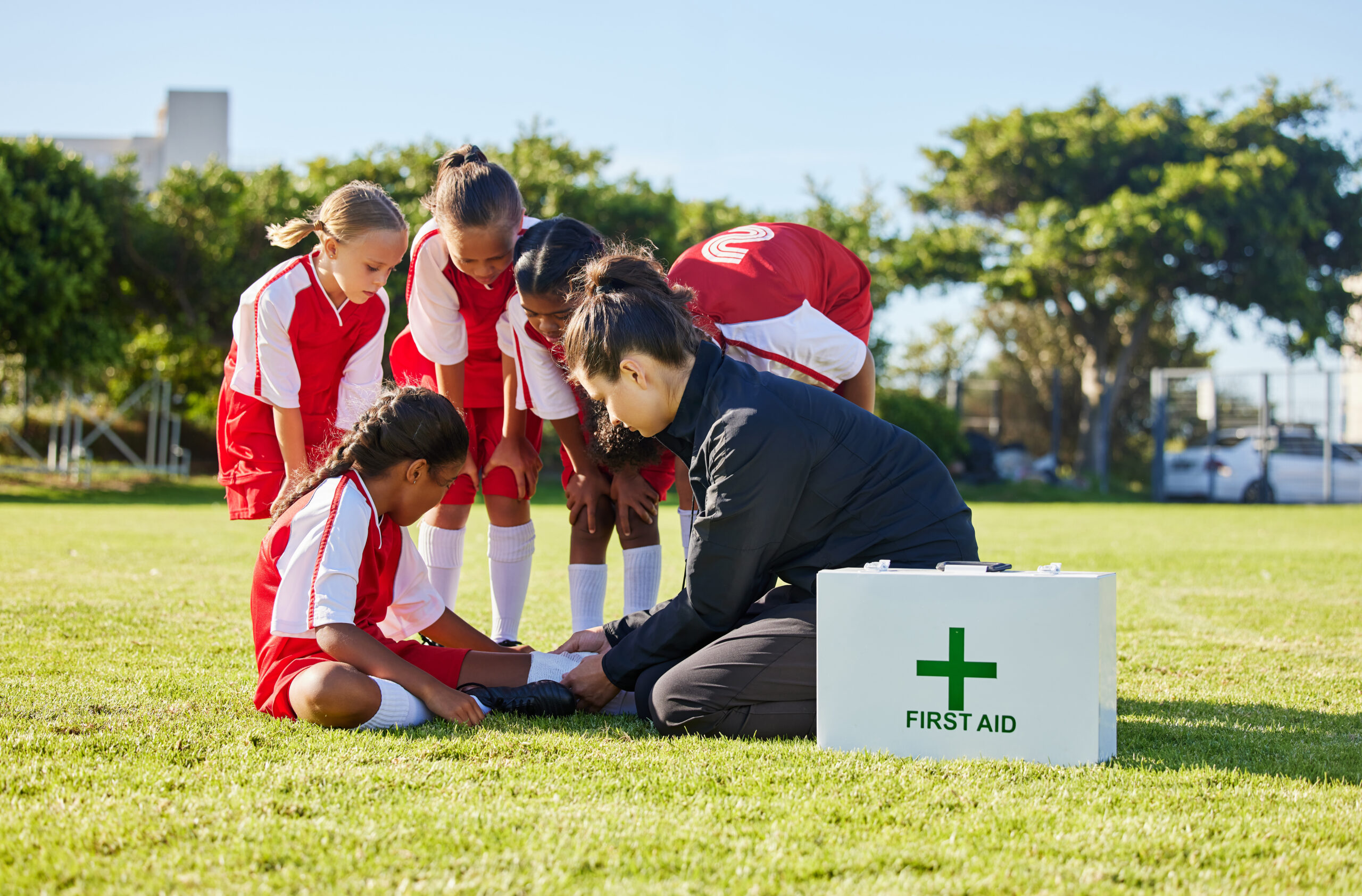
Common Types of Sports Knee Injuries
Understanding the specific type of knee injury you’ve sustained is key to implementing the most effective first aid and treatment plan. Common sports knee injuries include meniscus tears, ligament sprains, and patellar tendinitis.
Meniscus tears occur when the cartilage between your thighbone and shinbone is damaged. You’ll often hear a popping sound and experience pain, swelling, and difficulty moving your knee.
Ligament sprains, particularly to the anterior cruciate ligament (ACL) or medial collateral ligament (MCL), result from sudden twisting motions or direct impacts. These injuries cause immediate pain, swelling, and instability.
Patellar tendinitis, also known as jumper’s knee, develops from repetitive stress on the patellar tendon. You’ll feel pain below your kneecap, especially when jumping or running.
Runner’s knee, or patellofemoral pain syndrome, causes pain around or behind the kneecap, particularly when climbing stairs or sitting for extended periods.
Recognising these injury types helps you respond appropriately. For meniscus tears and ligament sprains, immediately apply the RICE protocol: Rest, Ice, Compression, and Elevation.
For overuse injuries like patellar tendinitis, rest and gradual return to activity are vital. Always consult a medical professional for proper diagnosis and treatment.
Assessing Sports Knee Injury Severity
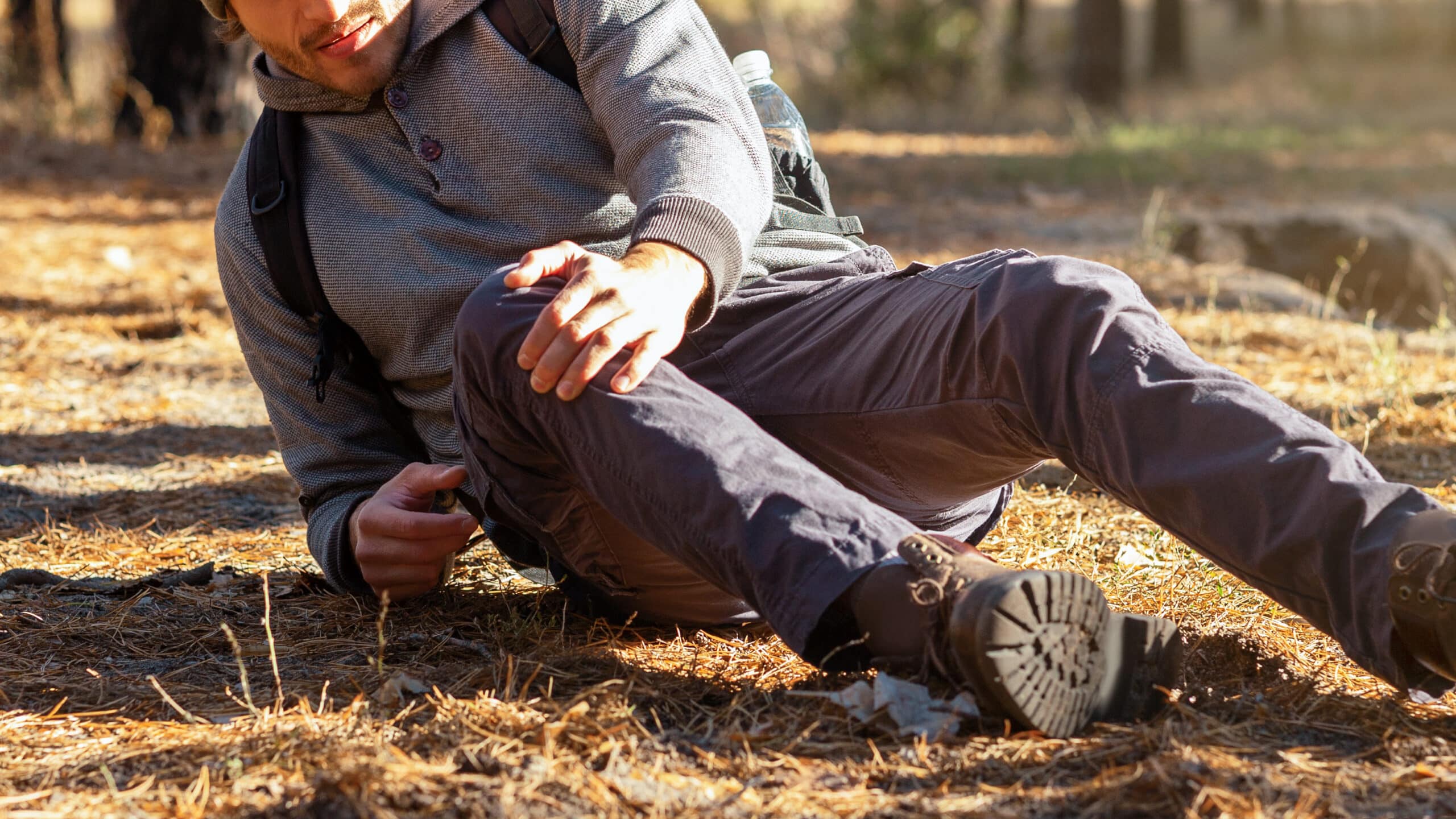
When evaluating pain, you’ll need to gauge its level and location. Sharp, intense pain might indicate a more serious injury, while a dull ache could be less severe. Understanding basic knee anatomy is essential; pain in specific areas can point to particular structures affected.
Next, evaluate joint stability. Ask the injured person to bear weight on the affected leg, if possible. If the knee feels wobbly or gives way, it may signal ligament damage. Perform a gentle hands-on evaluation, comparing the injured knee to the uninjured one for any unusual movement or swelling.
Immediate Pain Management Techniques

To manage immediate knee pain from sports knee injuries, you’ll need to act quickly.
Implement compression techniques simultaneously with ice application. Use an elastic bandage, starting below the knee and wrapping upward. Confirm the bandage is snug but not tight enough to impair circulation. Leave the toes exposed to monitor blood flow. If you experience numbness, tingling, or increased pain, loosen the wrap immediately.
To effectively elevate your injured knee, position it above your heart level. This reduces blood flow to the affected area, minimising swelling and pain. Use pillows or cushions to support your leg and maintain the elevated position comfortably.
Rest doesn’t mean complete immobilisation. Gentle, controlled movements can help maintain flexibility and prevent stiffness. However, consult your healthcare provider before attempting any exercises.
Over-The-Counter Pain Relievers
Several over-the-counter pain relievers can provide immediate relief for sports knee injuries when used correctly. Your primary pain relief options include nonsteroidal anti-inflammatory drugs (NSAIDs) like ibuprofen and naproxen, as well as paracetamol. These medications help reduce pain and inflammation, allowing you to manage discomfort while seeking further medical attention.
When choosing an over-the-counter pain reliever, follow these medication guidelines:
- Read labels carefully and adhere to recommended dosages.
- Consider your medical history and any existing conditions that may contraindicate certain medications.
- Don’t exceed the maximum daily dose, as this can lead to serious side effects.
- For ibuprofen or naproxen, take with food to minimise stomach irritation.
- Paracetamol is gentler on the stomach but can affect the liver if overused.
Stabilising the Injured Knee
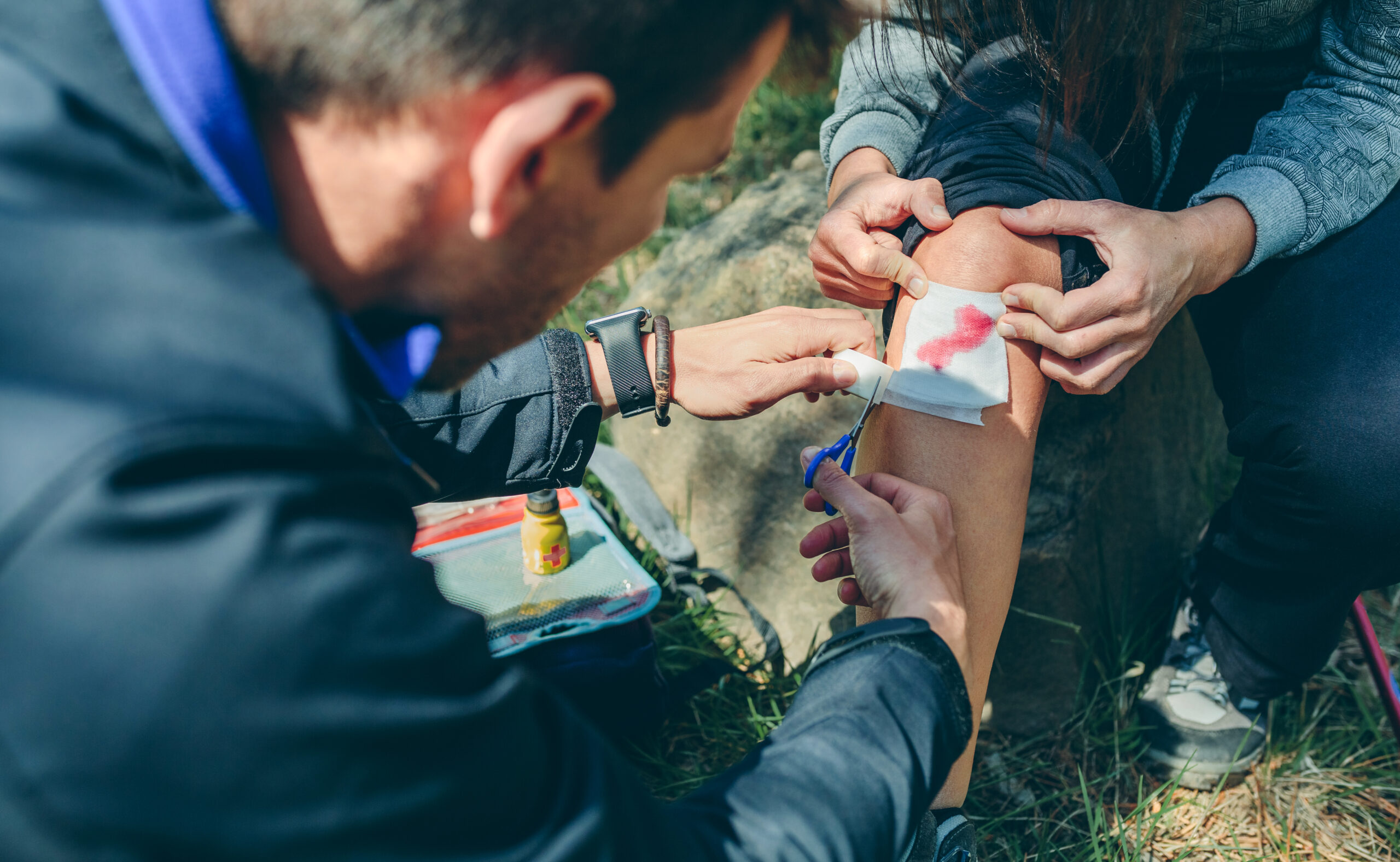
To stabilise an injured knee from sports knee injuries, you’ll need to apply proper compression and support.
When applying the bandage, use proper compression techniques to guarantee effective treatment. Start at the lower part of the leg, about ten centimetres below the knee, and work your way up. Wrap the bandage firmly but not too tight, as excessive pressure can impede circulation.
As you wrap, overlap each layer by about half the bandage’s width. Continue up to about ten centimetres above the knee, covering the entire joint. Secure the end of the bandage with clips or tape.
Use a Knee Brace
After applying compression, you’ll need to stabilise the injured knee with a properly fitted knee brace to provide additional support and prevent further damage from sports knee injuries. Knee brace benefits include reducing pain, limiting unwanted movement, and promoting healing. Select a brace that’s appropriate for your specific injury and activity level.
To use a knee brace effectively, follow these steps:
- Measure your knee circumference for proper sizing.
- Clean and dry the skin before application.
- Position the brace correctly, aligning any hinges with your knee joint.
- Secure the straps firmly but not too tight.
- Test the fit by moving your leg gently.
- Adjust as needed for comfort and support.
When to Seek Medical Help
While many sports knee injuries can be treated at home, certain symptoms warrant immediate medical attention. It’s essential to recognise the red flags that indicate a more serious condition.
Seek professional help if you experience:
- Severe pain that doesn’t improve with rest and ice
- Significant swelling that doesn’t subside within 48 hours
- Inability to bear weight on the affected leg
Don’t ignore these warning signs, as they may indicate a torn ligament, fractured bone, or other severe injury requiring prompt medical intervention. If you hear a popping sound at the time of injury, followed by immediate swelling, it’s likely a sign of an ACL tear, which needs urgent evaluation.
Frequently Asked Questions
Should I apply heat to my knee injury instead of ice for sports knee injuries?
No, heat should be avoided during the first 48-72 hours after injury as it can increase inflammation and swelling. Only use heat therapy during the recovery phase once acute inflammation has subsided, typically after 2-3 days, to improve circulation and flexibility.
Are certain sports more likely to cause knee injuries than others?
Yes, high-impact sports with jumping, pivoting, or sudden direction changes pose greater risks. Basketball, football, soccer, and skiing have higher knee injury rates. Sports requiring repetitive movements like running can cause overuse injuries, while contact sports increase the risk of traumatic injuries.
What's the difference between a knee brace and a knee sleeve, and when should I use each?
Knee braces provide structural support with rigid components and are best for moderate to severe injuries or when stability is needed. Knee sleeves are elastic compression garments that offer mild support and warmth, suitable for minor injuries, arthritis, or injury prevention during activity.