



Sharon has 21+ years of experience as a qualified Emergency Care Nurse registered with the Australian Health Practitioner Regulation Agency (APHRA) and 12+ years as a First Aid Trainer.
She takes pride in FirstAidPro making first aid training available, comprehensive and affordable to everybody.
When you’ve experienced an unfortunate encounter with excessive heat resulting in second-degree burns, knowing how to properly treat these injuries can make all the difference in your recovery.
You’ll find that managing these injuries isn’t as intimidating as it might seem at first glance. By following a step-by-step approach, you can effectively care for your burn and minimise the risk of complications.
Key Takeaways
- Cool the burn with cool water for 10-20 minutes to reduce pain and prevent further damage.
- Gently clean the burn area with mild soap and water, avoiding breaking blisters.
- Apply antibiotic ointment and cover with a sterile, non-stick dressing to prevent infection.
- Change dressings daily or when soiled, inspecting the burn for signs of infection during each change.
- Manage pain with over-the-counter analgesics and seek medical attention if infection is suspected.
Understanding Second-Degree Burns
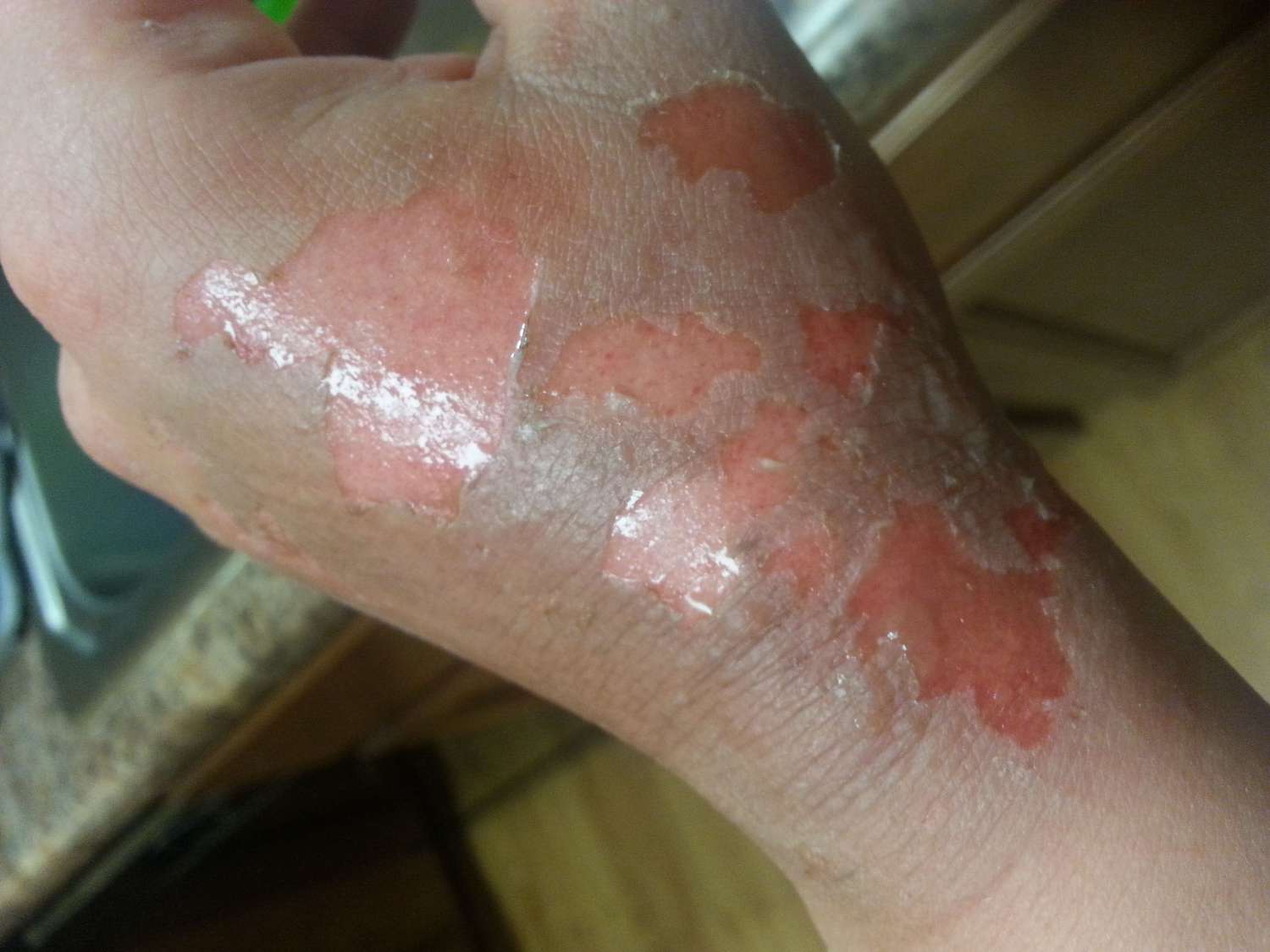
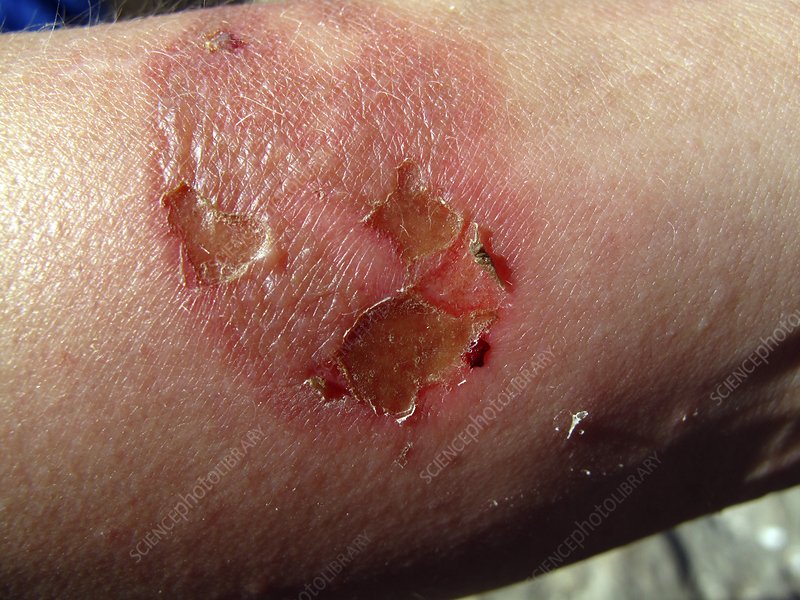
Second-degree burns involve damage to both the epidermis and part of the underlying dermis, resulting in blistering, severe pain, and potential scarring. These burns are more serious than first-degree burns and require immediate attention. In burn classification, second-degree burns are further divided into superficial and deep partial-thickness burns, depending on the extent of dermal damage.
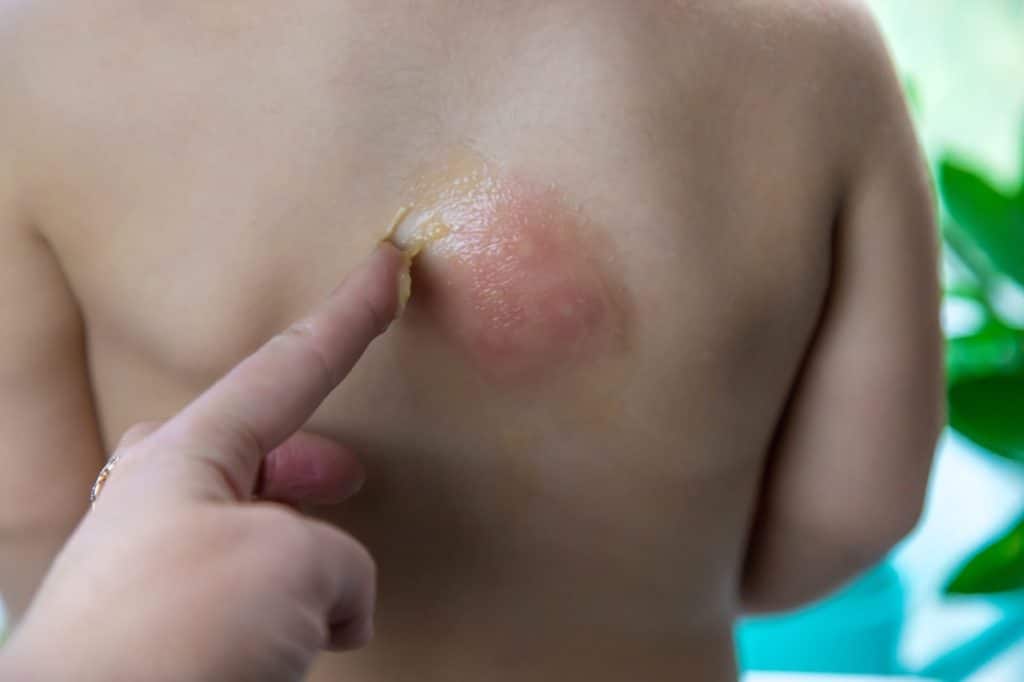
Superficial partial-thickness burns affect the upper layer of the dermis and typically heal within 2-3 weeks. They’re characterised by moist, red, and painful blisters. Deep partial-thickness burns penetrate deeper into the dermis, appear dry and white, and may take 3-8 weeks to heal.
The healing process for second-degree burns involves several stages. Initially, inflammation occurs as your body responds to the injury. Next, new tissue forms, followed by wound contraction and remodelling. During this time, it’s vital to keep the burn clean and protected to prevent infection and promote proper healing.
Assessing Burn Severity
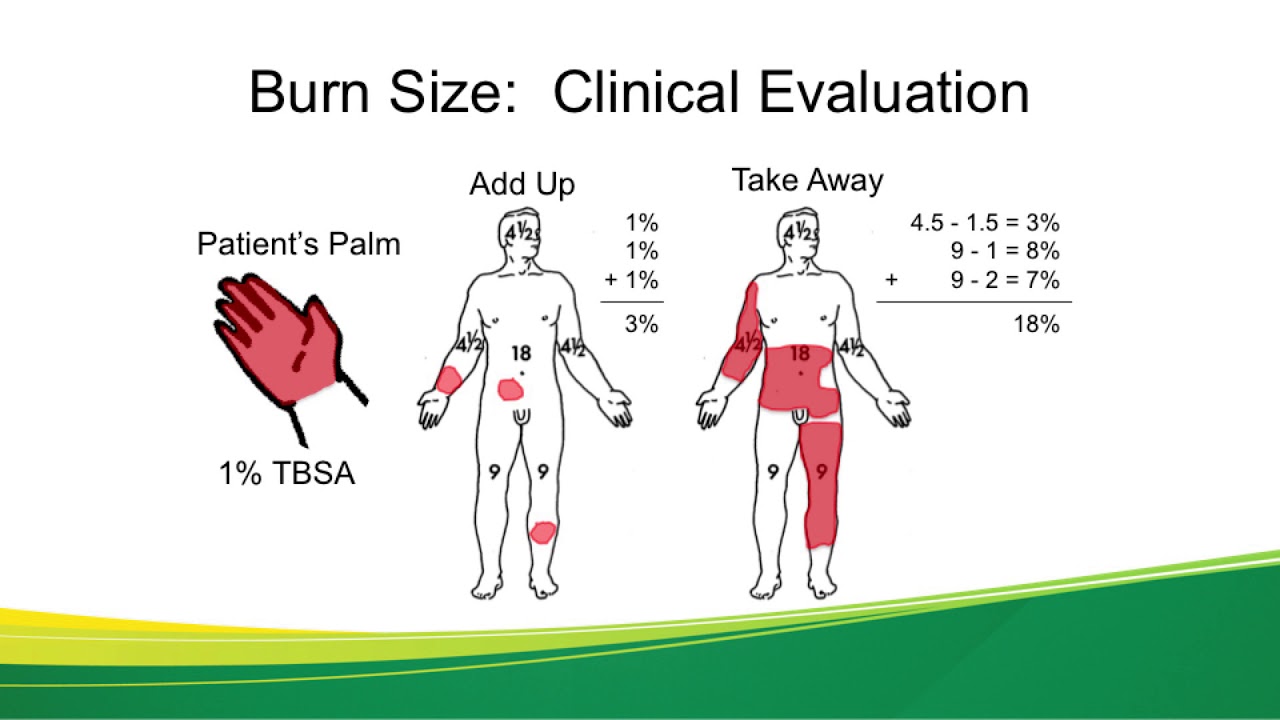
Before initiating treatment for a second-degree burn, you’ll need to accurately assess its severity to determine the appropriate course of action. To properly assess burn severity, employ these assessment techniques:
- Evaluate the burn’s size using the ‘Rule of Nines’ or a Lund-Browder diagram
- Assess the burn’s depth by observing skin appearance and capillary refill
- Check for signs of circumferential burns, which may impair circulation
- Determine if the burn crosses joints or affects functional areas
- Look for signs of inhalation injury or other associated trauma
Pay close attention to the burn’s colour, texture, and moisture level. Partial-thickness burns typically appear red, moist, and blistered, while deeper second-degree burns may look white, dry, or waxy.
Cooling the Burn Area
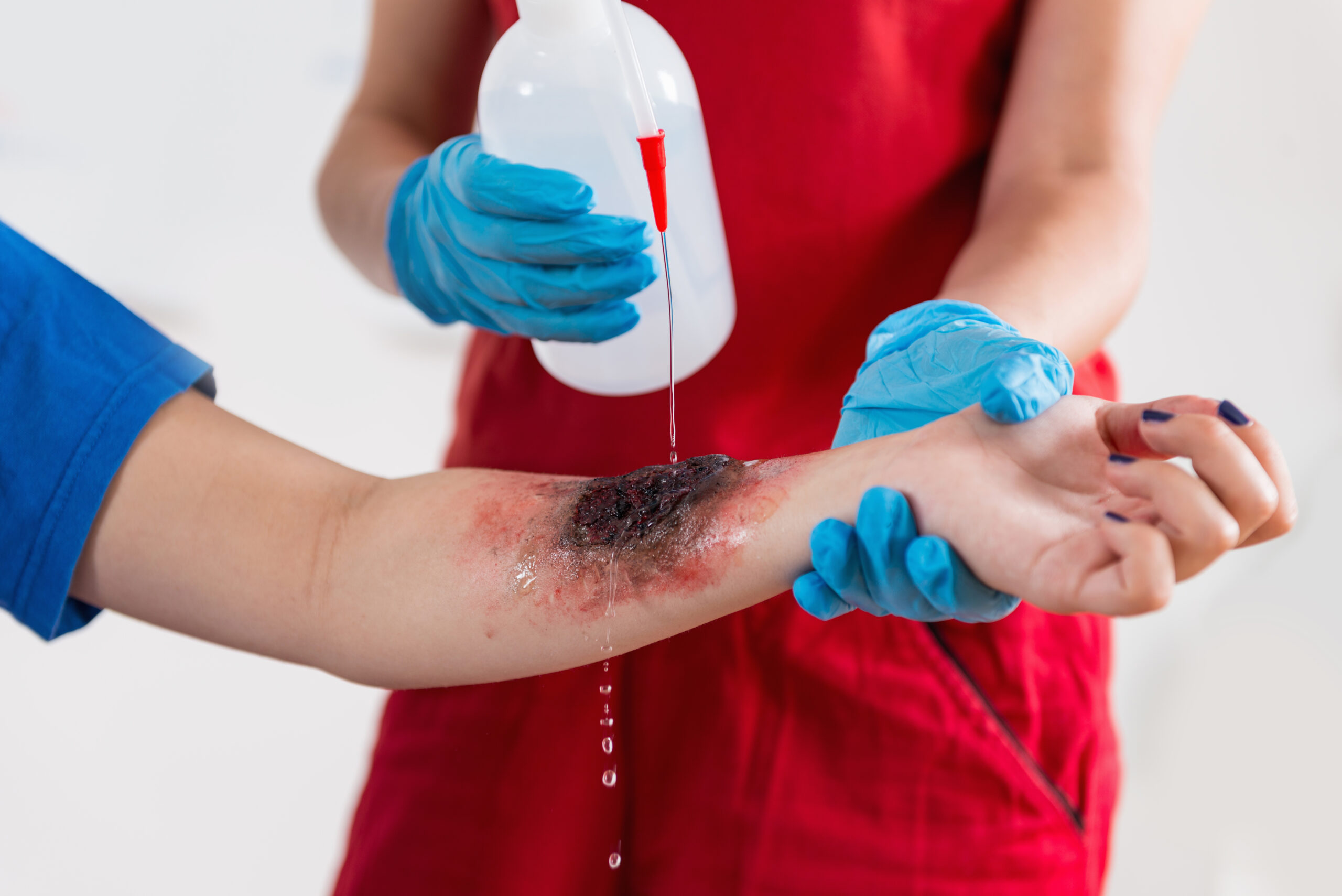
Cooling the burn area is a critical step in managing second-degree burns and preventing further tissue damage. You should act quickly to reduce pain, swelling, and potential scarring.
Begin by running cool (not cold) water over the affected area for 10-20 minutes. If water isn’t available, use cold compresses or a clean, damp cloth.
Here are key points to remember when cooling a second-degree burn:
- Never use ice or ice packs directly on the burn, as this can cause further tissue damage.
- Avoid using very cold water, which can lead to hypothermia.
- Don’t apply butter, oils, or ointments to the burn during the cooling process.
- Remove any clothing or jewellery near the burn area, unless it’s stuck to the skin.
- Continue cooling even if the burn doesn’t hurt, as damage may still be occurring.
Removing Jewellery and Clothing
Removing jewellery and tight clothing near the burn site is essential to prevent further injury and complications when treating second-degree burns. As the burned area swells, jewellery can constrict blood flow and cause additional damage. Start by carefully removing rings, bracelets, watches, and other accessories from the affected limb or body part.
If jewellery is stuck due to swelling, don’t force it off. Instead, seek professional medical help for safe jewellery removal techniques.
When it comes to clothing considerations, remove any garments covering the burn unless they’re stuck to the skin. In such cases, don’t attempt to peel them away as this can cause further harm. Cut around the adherent fabric if possible, leaving it in place until medical professionals can safely remove it.
Cleaning the Wound
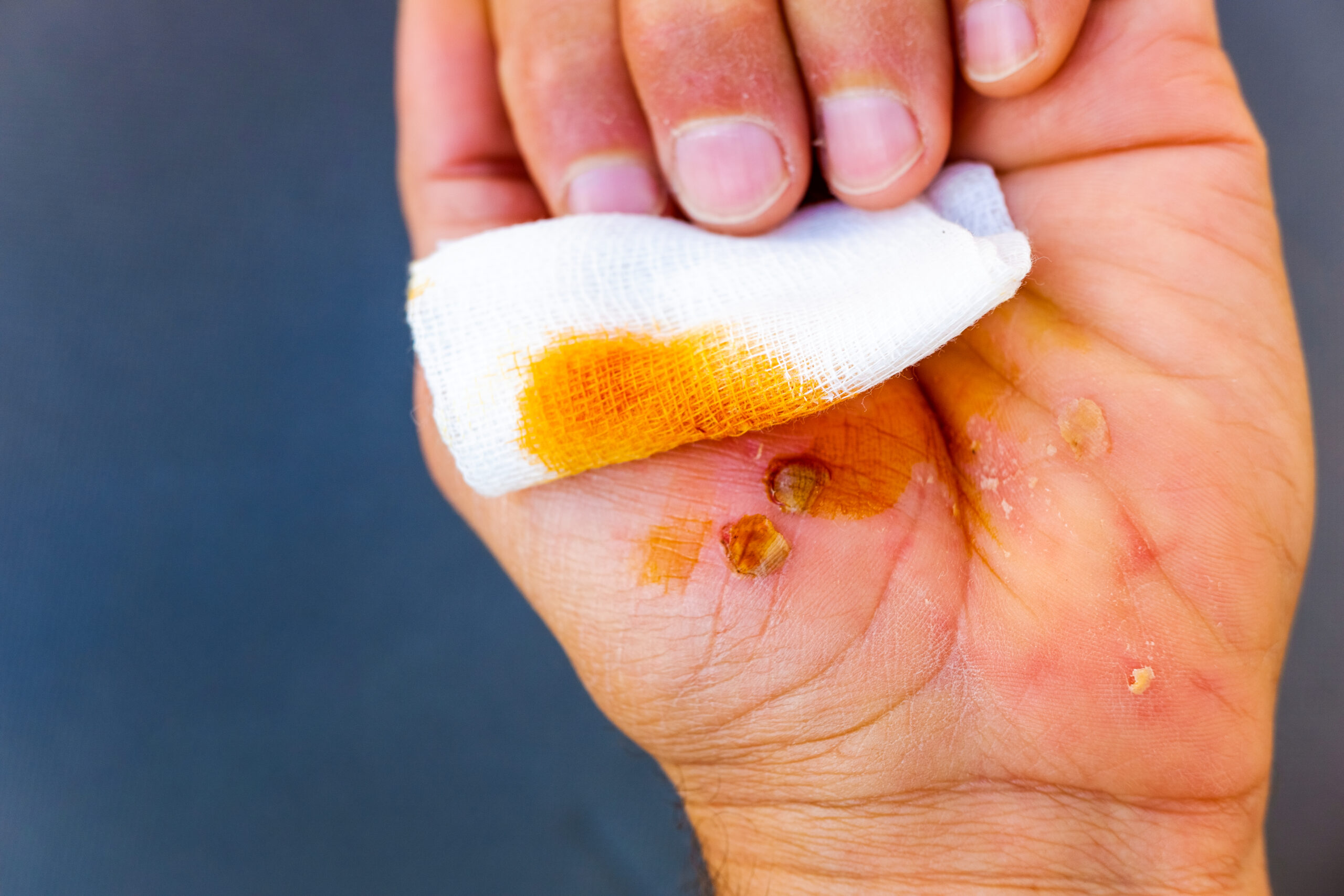
After removing jewellery and clothing, your next step is to clean the second-degree burn wound thoroughly to prevent infection and promote healing. Proper wound hygiene is vital for effective infection control and ideal recovery.
Follow these steps to clean a second-degree burn:
- Gently wash the area with mild soap and water
- Avoid using harsh chemicals or alcohol-based products
- Pat the area dry with a clean, lint-free cloth
- Don’t break any blisters that may have formed
Applying Antibiotic Ointment
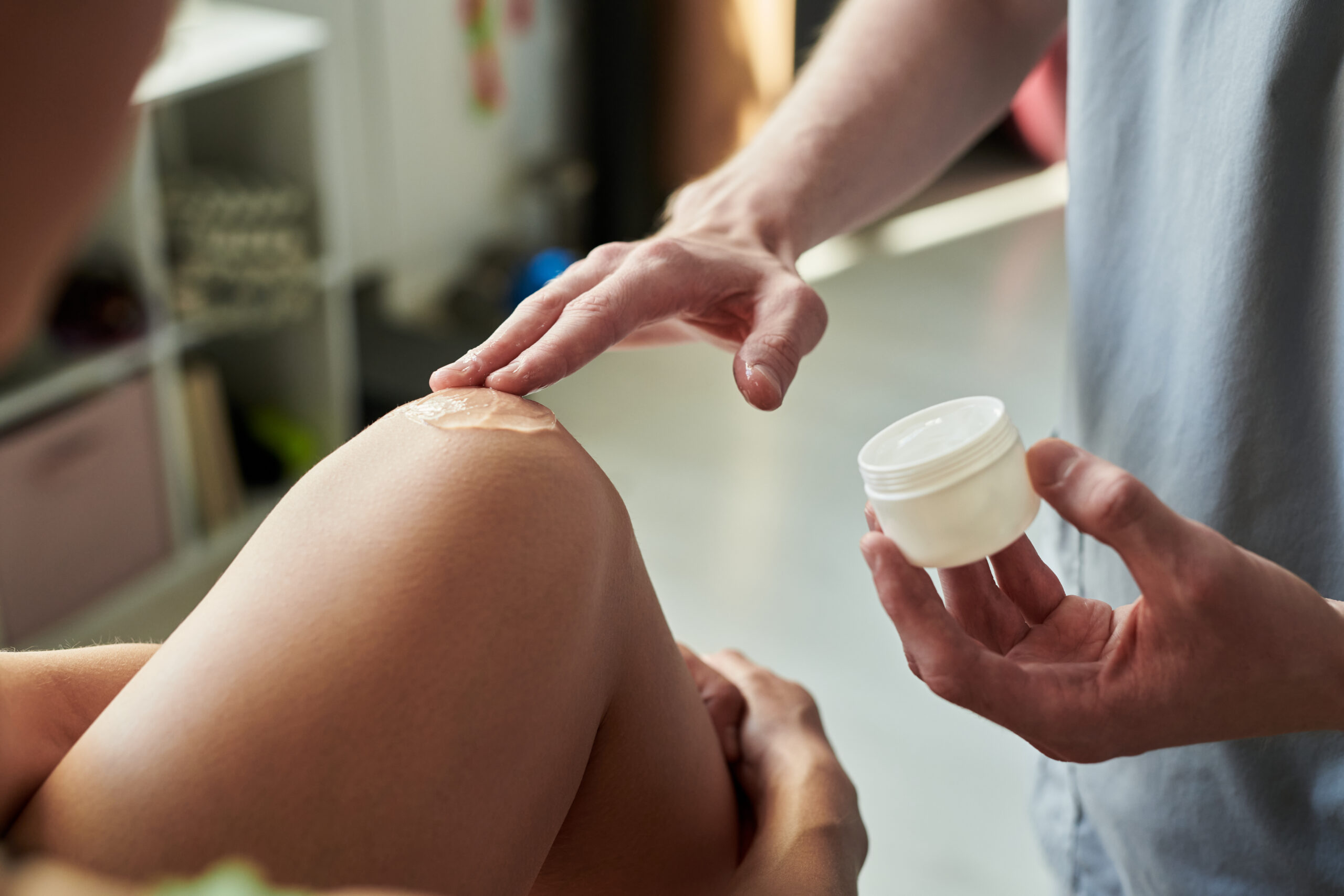
Antibiotic ointment application is an essential step in preventing infection and promoting healing for your second-degree burn. After thoroughly cleaning the wound, you’ll need to select an appropriate antibiotic ointment. Common options include bacitracin, neomycin, or triple antibiotic ointments. However, if you have any known allergies, consult your healthcare provider for a suitable alternative.
When applying the ointment, use proper application techniques to guarantee effective coverage. First, wash your hands thoroughly. Then, using a clean cotton bud or a sterile glove, gently apply a thin layer of the antibiotic ointment over the entire burn area. Be careful not to apply too much, as excessive ointment can interfere with the wound’s ability to breathe and heal. Avoid touching the burn directly with your fingers to prevent introducing bacteria.
Reapply the antibiotic ointment as directed on the product label or as advised by your healthcare provider, typically 1-3 times daily. If you notice any signs of allergic reaction, such as increased redness, swelling, or itching, discontinue use immediately and seek medical attention.
Bandaging the Burn
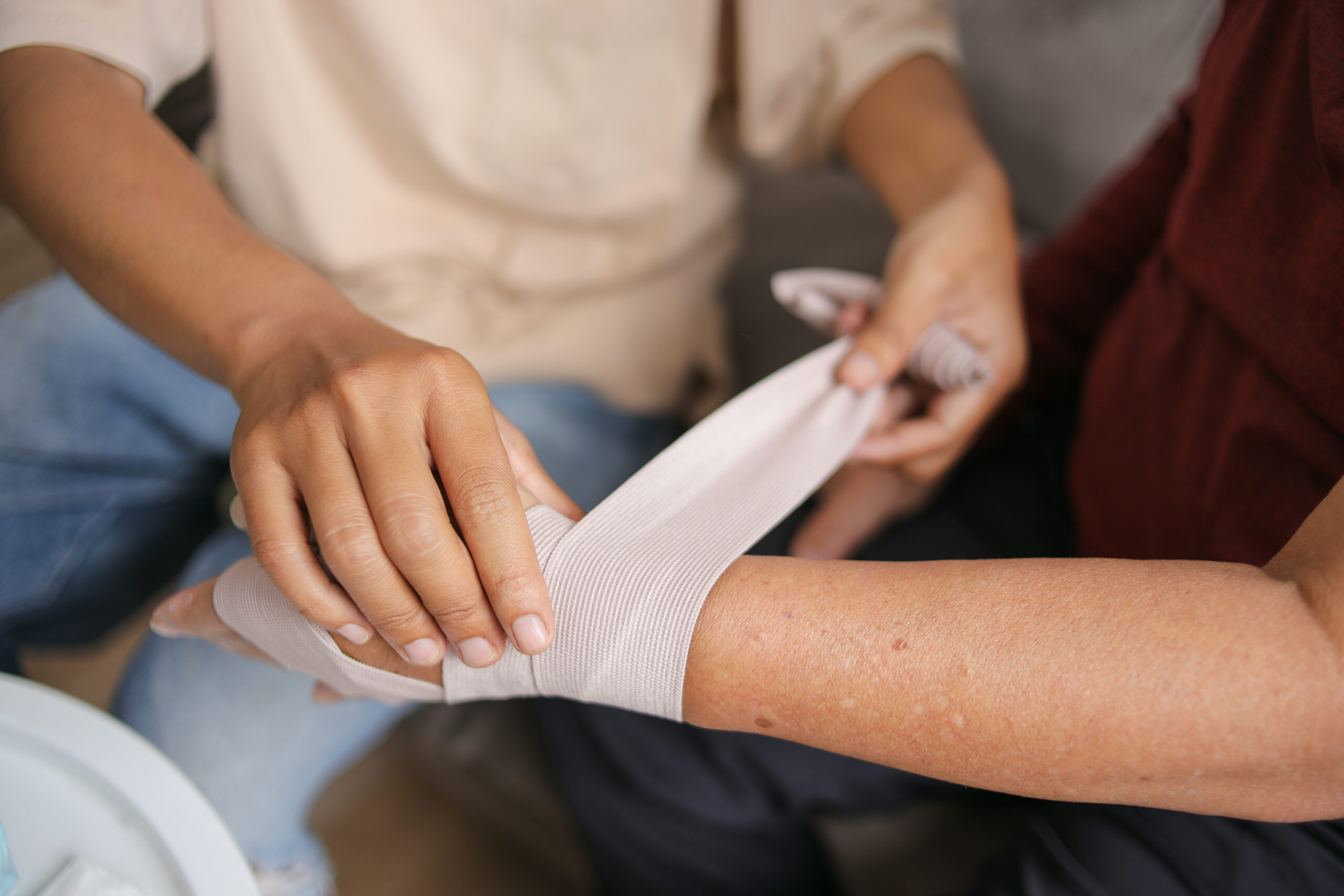
Selecting the right dressing materials for second-degree burns is essential for promoting healing and preventing infection. Different dressing types serve various purposes, and your choice should depend on the burn’s severity, location, and stage of healing.
When choosing appropriate dressing materials, consider the following factors:
- Moisture retention: Moist wound environments promote faster healing
- Breathability: Allows oxygen circulation to the wound
- Non-adherent properties: Prevents sticking to the burn, reducing pain during dressing changes
- Antimicrobial properties: Helps prevent infection
- Absorbency: Manages wound exudate effectively
Apply Bandages Correctly
Begin by gently cleansing the burn area with cool water and mild soap. Pat the skin dry carefully, avoiding any rubbing that could cause further damage.
When applying the bandage, use proper dressing techniques to ensure even coverage and prevent restriction of blood flow. Start by placing a non-stick sterile pad directly over the burn, then wrap the bandage around the affected area, overlapping each layer by about half its width.
Secure the bandage in place, but avoid wrapping it too tightly, as this can impede circulation and potentially worsen the injury. Check for proper fit by making sure you can slip one finger comfortably under the bandage.
Remember to change the dressing daily or more frequently if it becomes wet or soiled. Always monitor the burn for signs of infection, such as increased pain, redness, or discharge.
Pain Management Techniques
Managing the pain associated with second-degree burns requires a strategic approach combining medication and non-pharmacological techniques. Medication options include over-the-counter analgesics like paracetamol or ibuprofen for mild to moderate pain. For more severe cases, prescription opioids may be necessary, but use them cautiously due to potential side effects and risk of dependence.
Always follow proper dosing instructions for medications and monitor for any adverse reactions. By combining various pain management techniques, you’ll help guarantee a more comfortable recovery for your patient with second-degree burns.
Monitoring for Infection
As your burn heals, it’s vital to monitor for these five key signs of infection in second-degree burns: increased pain, redness, swelling, warmth, and discharge. These symptoms of infection can indicate a serious complication that requires immediate medical attention. While you’re following proper infection prevention measures, remain vigilant for any changes in your burn’s appearance or sensation.
Pay close attention to the following specific signs: Increased pain or tenderness around the burn site Redness that spreads beyond the initial burn area Swelling or puffiness of the skin surrounding the burn Unusual warmth or heat radiating from the affected area Discharge, especially if it’s yellowish, greenish, or has an odour
When to Seek Medical Help
Immediate medical attention is essential for second-degree burns that exhibit specific characteristics or complications.
Prompt symptom recognition and emergency response can greatly impact the healing process and prevent further damage. You should seek professional medical help if your second-degree burn:
- Covers an area larger than 3 inches in diameter
- Affects sensitive areas such as the face, hands, feet, groin, or major joints
- Appears deep, with a white or charred appearance
- Shows signs of infection, such as increased pain, redness, or pus
- Is accompanied by fever, chills, or other systemic symptoms
If you’re unsure about the severity of your burn, it’s always better to err on the side of caution and consult a healthcare professional.
Frequently Asked Questions
Can I pop blisters on a second-degree burn?
No, you should never intentionally pop or break blisters on a second-degree burn. Blisters act as natural barriers against infection, and breaking them increases your risk of complications. If a blister ruptures accidentally, gently clean the area with mild soap and water, apply antibiotic ointment, and cover with a sterile dressing.
How long will it take for my second-degree burn to heal completely?
Healing time for second-degree burns varies based on their depth and your overall health. Superficial partial-thickness burns typically heal within 2-3 weeks with proper care. Deep partial-thickness burns may take 3-8 weeks or longer to heal completely. During recovery, you might notice new pink skin forming as the burn heals from the edges inward.
Can I use aloe vera gel on my second-degree burn?
While pure aloe vera gel has cooling and soothing properties that can help with minor first-degree burns, it’s best to consult a healthcare provider before applying it to second-degree burns. If your doctor approves, use only pure aloe vera gel (not lotions containing aloe) after the initial cooling phase, and only on burns with intact skin. Never apply aloe to open blisters or wounds, as this could introduce infection and worsen second-degree burns.