



Sharon has 21+ years of experience as a qualified Emergency Care Nurse registered with the Australian Health Practitioner Regulation Agency (APHRA) and 12+ years as a First Aid Trainer.
She takes pride in FirstAidPro making first aid training available, comprehensive and affordable to everybody.
When you’re faced with a potential concussion, knowing the right concussion protocol steps to take can make all the difference. First aid training equips you with vital protocols to handle these situations effectively.
You’ll learn to recognise symptoms, assess the injured person’s condition, and take immediate action to prevent further harm.
But there’s more to concussion management than just the initial response. Understanding the full range of care, from emergency alerts to follow-up instructions, is essential for anyone who might find themselves in this critical role.
So, what exactly does a thorough concussion protocol entail, and how can you be prepared to implement it?
Key Takeaways
- Recognise concussion symptoms including confusion, disorientation, memory loss, headache, dizziness, and behavioural changes.
- Conduct initial assessment and safety checks, including evaluating consciousness and checking ABC (airway, breathing, circulation).
- Monitor vital signs regularly, including respiratory rate, pulse, blood pressure, and pupil reactivity.
- Prevent further injury by immobilising the neck, minimising movement, and using cervical collars if available.

Recognising Concussion Symptoms
In the domain of concussion evaluation, recognising key symptoms is fundamental for accurate diagnosis and timely intervention in any concussion protocol. You’ll need to be vigilant for signs such as confusion, disorientation, and memory loss. Look for physical symptoms like headache, dizziness, nausea, and balance problems. Observe changes in behaviour, including irritability, emotional instability, or drowsiness. Be aware that symptoms may not appear immediately and can develop over hours or days.
It’s essential to understand concussion risk factors, as they can influence symptom presentation. These include age, previous concussions, and certain medical conditions. You should also consider the mechanism of injury, as high-impact sports or accidents increase the likelihood of concussion.
Alerting Emergency Services
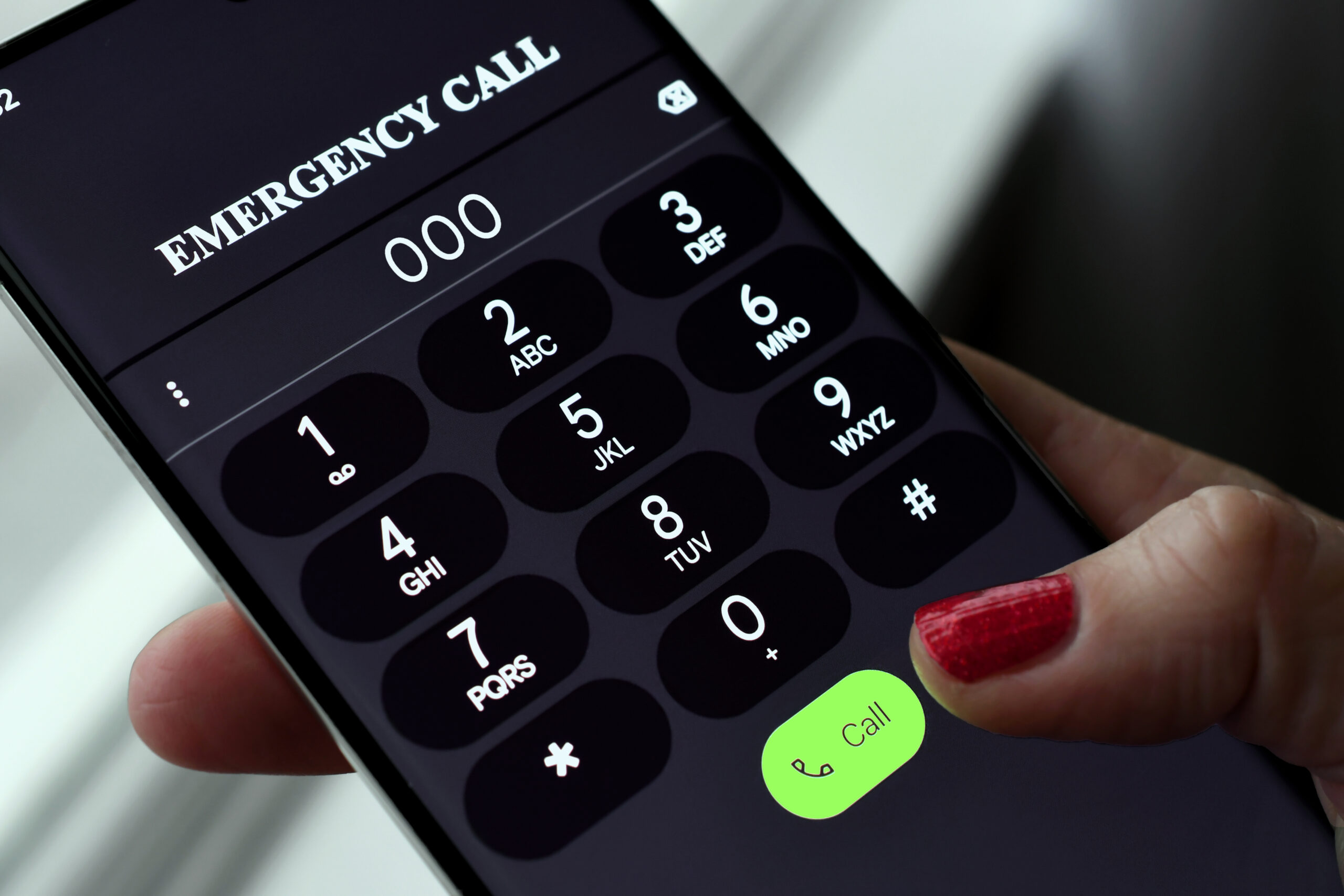
Following concussion protocol guidelines, you should call for professional medical help immediately if the injured person exhibits any of the following symptoms: loss of consciousness, seizures, repeated vomiting, slurred speech, or increasing confusion.
Additionally, if you’re unsure about the severity of the injury or if the person’s condition worsens, it’s always better to err on the side of caution and contact emergency services.
When calling for help, follow established emergency communication protocols. Remain calm and provide clear, concise information to the dispatcher. Be prepared to share the victim’s age, gender, location, and a brief description of the incident and observed symptoms.
Listen carefully to the dispatcher’s instructions and follow them precisely. They may guide you through additional first aid steps while waiting for emergency responders to arrive.
Monitoring Vital Signs
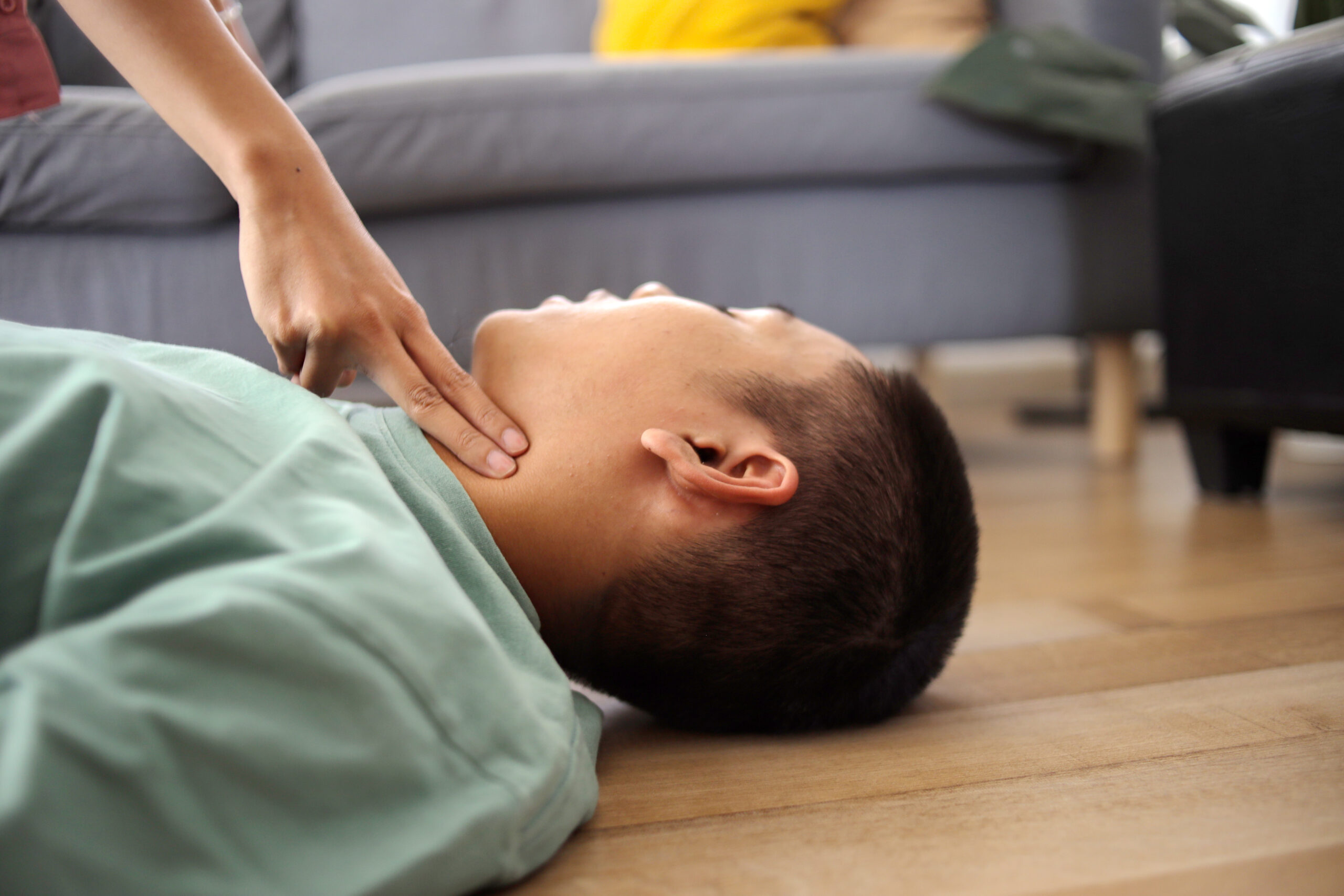
Vigilant monitoring of essential signs forms a key component in evaluating and managing potential concussion cases. When examining a suspected concussion victim as part of your concussion protocol, you’ll need to focus on key crucial signs and employ specific monitoring techniques to gauge the patient’s condition accurately.
Begin by checking the individual’s level of consciousness using the AVPU scale (Alert, Voice, Pain, Unresponsive). Next, evaluate their respiratory rate, ensuring it falls within the normal range of 12-20 breaths per minute for adults. Monitor their pulse, noting both the rate and rhythm. A normal adult pulse ranges from 60-100 beats per minute.
Throughout your examination, pay close attention to any changes in pupil size or reactivity, as these can indicate increased intracranial pressure. Regularly reassess these crucial signs at 5-15 minute intervals, depending on the severity of the injury, to detect any deterioration in the patient’s condition promptly.
Preventing Further Injury
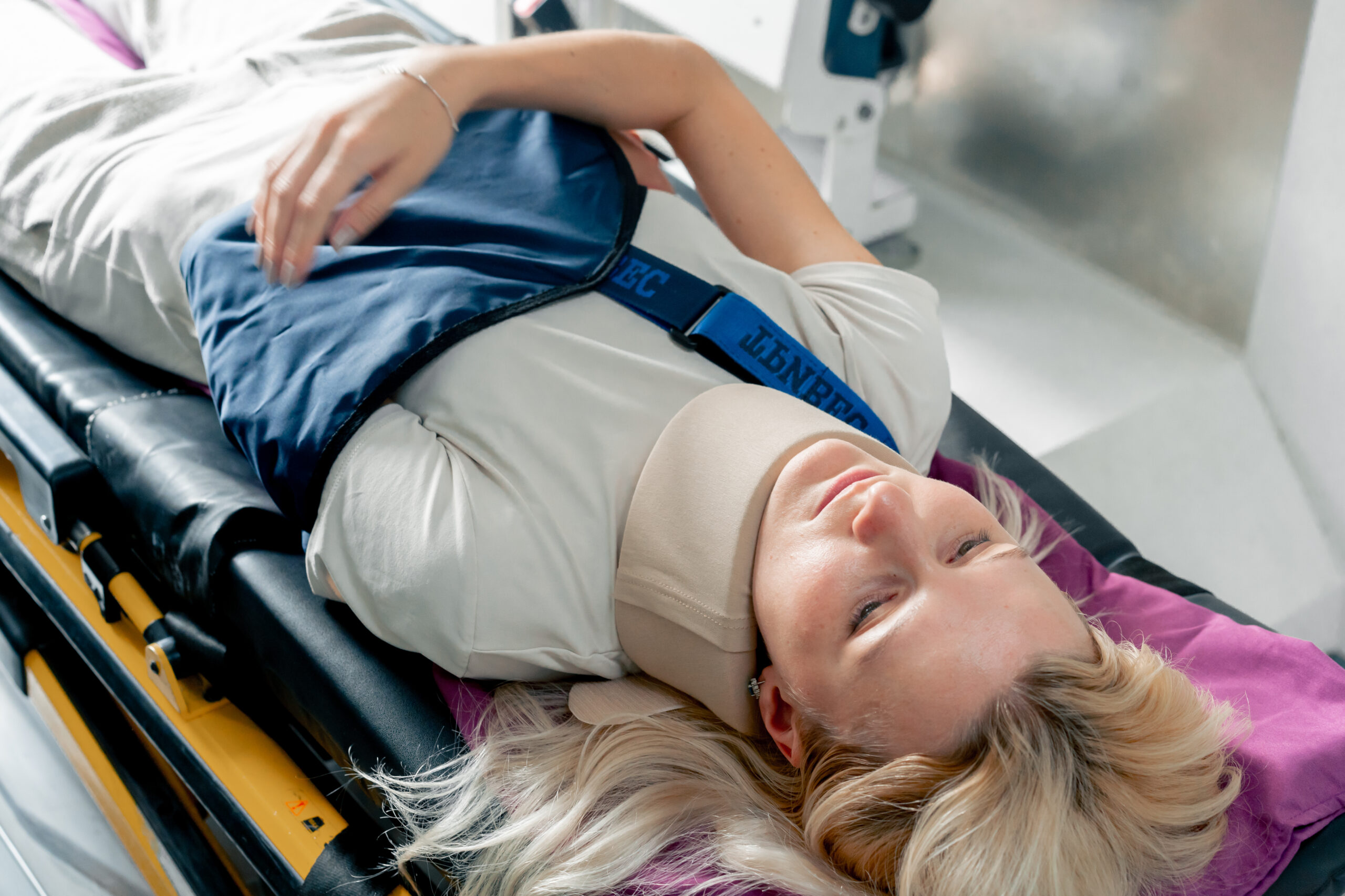
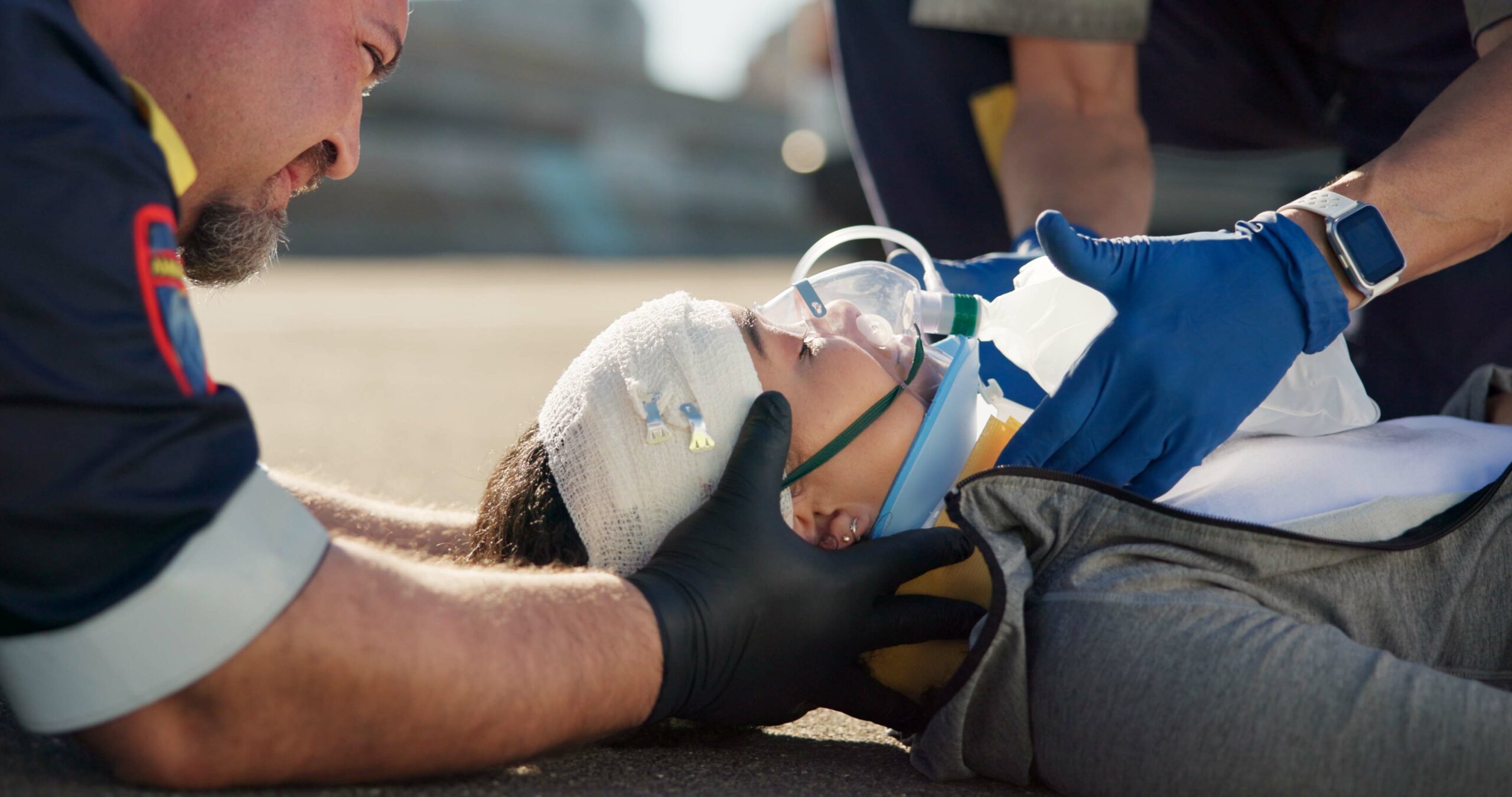
A concussion victim’s neck must be immobilised immediately to prevent potential spinal cord injuries and exacerbation of existing trauma. Proper neck stabilisation techniques are important in this critical phase of first aid.
To immobilise the neck effectively, follow these steps:
- Maintain manual inline stabilisation.
- Apply a cervical collar if available.
- Use head blocks or rolled towels to prevent lateral movement.
It’s essential to keep the patient’s head and neck aligned with their spine throughout the process.
Don’t attempt to move the patient unless absolutely necessary, as this could worsen any existing injuries. If movement is unavoidable, use a log-rolling technique to maintain spinal alignment.
Managing Nausea and Vomiting
Nausea and vomiting are common symptoms following a concussion, requiring prompt management to prevent dehydration and further complications. A comprehensive concussion protocol should address these symptoms effectively. When dealing with these symptoms, you’ll need to focus on nausea relief and vomiting management.
Start by ensuring the patient is in a comfortable position, preferably lying on their side to prevent choking if vomiting occurs.
For nausea relief:
- Offer small sips of clear fluids, such as water or electrolyte solutions.
- Encourage rest in a quiet, dimly lit environment.
- Avoid strong odours or foods that may trigger nausea.
If vomiting persists, monitor the patient closely for signs of dehydration. You should seek immediate medical attention if the patient can’t keep fluids down for more than a few hours or if vomiting is severe and prolonged.
Controlling Bleeding and Swelling
Direct pressure application is a critical first aid technique for managing external bleeding and reducing swelling in concussion cases. When you encounter a patient with a head injury, it’s crucial to apply direct pressure techniques as part of your concussion protocol to control bleeding and minimise further complications.
Use a clean cloth or sterile gauze to cover the wound, and press firmly with your palm. Maintain constant pressure for at least 15 minutes without lifting the dressing to check the wound.
Use Cold Compression
Cold compression serves as an essential technique for controlling bleeding and reducing swelling in concussion patients, complementing the elevation method. This approach combines the benefits of cold therapy with compression techniques to effectively manage post-injury symptoms.
When applying cold compression, you’ll need to use a specially designed ice pack or wrap that provides both cooling and pressure to the affected area.
To maximise the cold therapy benefits and guarantee proper application, follow these steps:
- Wrap the cold compress in a thin towel to prevent direct skin contact.
- Apply the compress to the injured area for 15-20 minutes at a time.
- Repeat the process every 2-3 hours for the first 24-48 hours post-injury.
The cold temperature constricts blood vessels, reducing blood flow to the area and minimising swelling. Simultaneously, the compression component helps to limit fluid build-up in the tissues.
Frequently Asked Questions
How long should someone be monitored after a concussion?
According to standard concussion protocol, monitor for at least 24-48 hours, even if symptoms improve. Some signs may appear or worsen hours after the injury. Children and those with previous concussions require extra vigilance and medical follow-up.
Can someone sleep after a concussion?
Yes, sleep aids recovery. If the person shows severe symptoms (repeated vomiting, significant confusion, unequal pupils), seek medical evaluation first. As part of ongoing concussion protocol, check on them periodically during the first night to ensure they can be roused normally.
When is it safe to return to normal activities after a concussion?
Follow a gradual approach under medical guidance. Rest completely for 24-48 hours, then slowly reintroduce activities as symptoms allow. Return to sports requires a structured concussion protocol with progressive stages, typically taking at least a week. Always get medical clearance before returning to contact sports.