



Sharon has 21+ years of experience as a qualified Emergency Care Nurse registered with the Australian Health Practitioner Regulation Agency (APHRA) and 12+ years as a First Aid Trainer.
She takes pride in FirstAidPro making first aid training available, comprehensive and affordable to everybody.
In the Australian outdoors, snake bite response knowledge can mean the difference between life and death. With venomous species like the brown snake, tiger snake, and taipan among the most dangerous in the world, having a clear understanding of effective first aid techniques is essential for safety. This guide outlines the top critical steps you should take when dealing with a snake bite, empowering you with practical knowledge to manage such emergencies.
Key Takeaways
- A proper snake bite response begins with identifying the snake species if possible, noting physical characteristics and distinctive markings.
- Stay calm, reassure the victim, and encourage controlled breathing techniques.
- Immobilise the affected limb using a splint or sling, keeping it at or below heart level.
- Clean the wound with antiseptic solution and apply a pressure bandage to minimise venom spread.
- Seek immediate medical attention while monitoring vital signs and documenting bite characteristics.
Identify the Snake
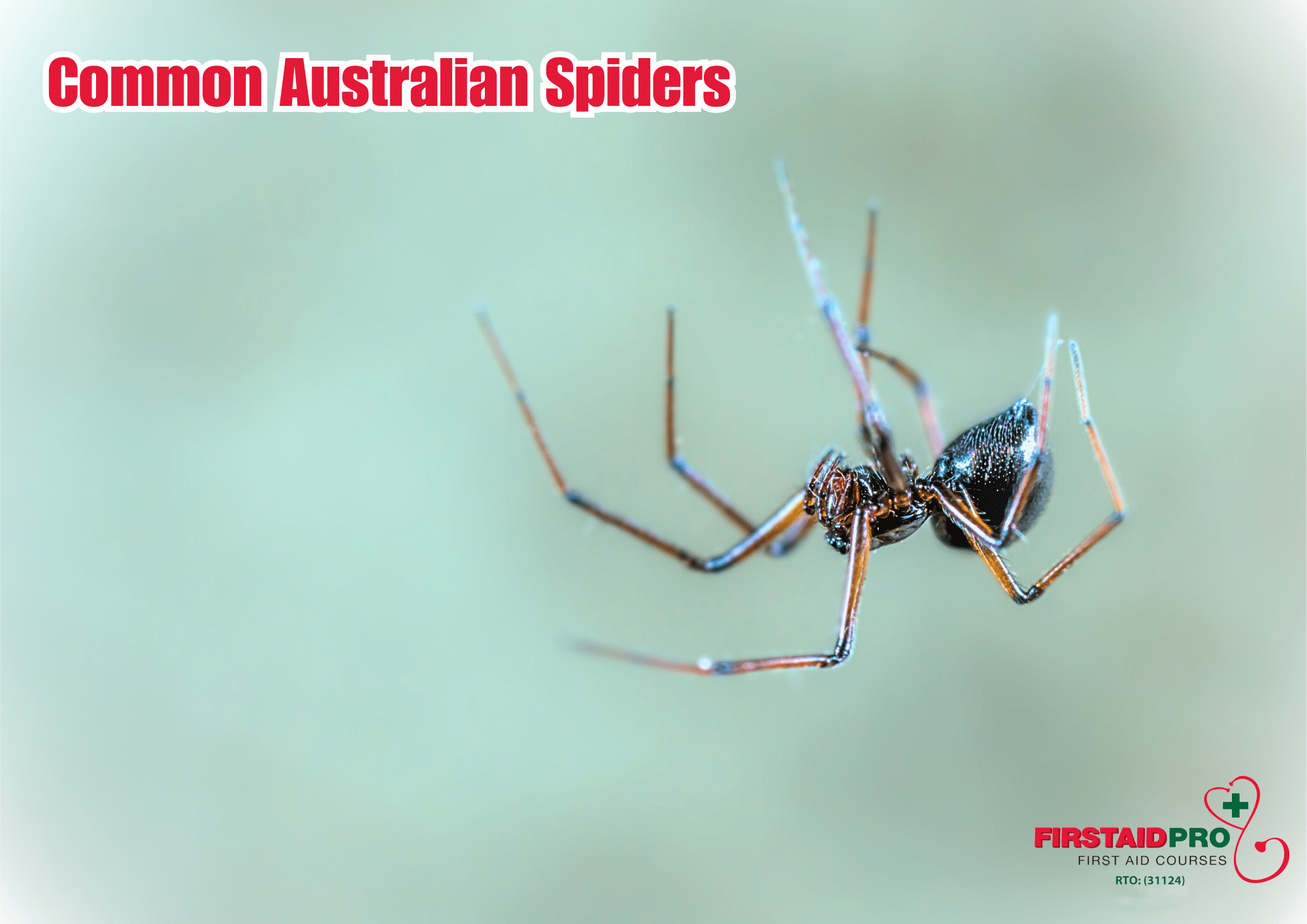
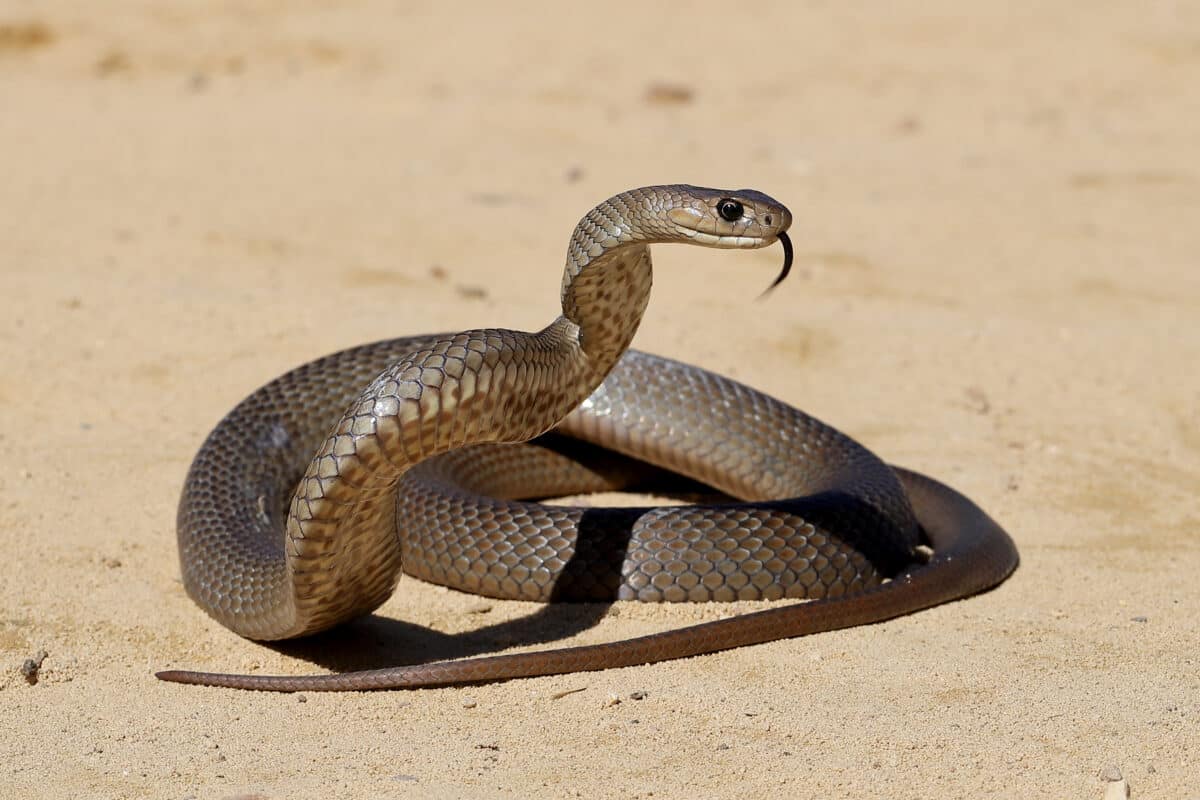
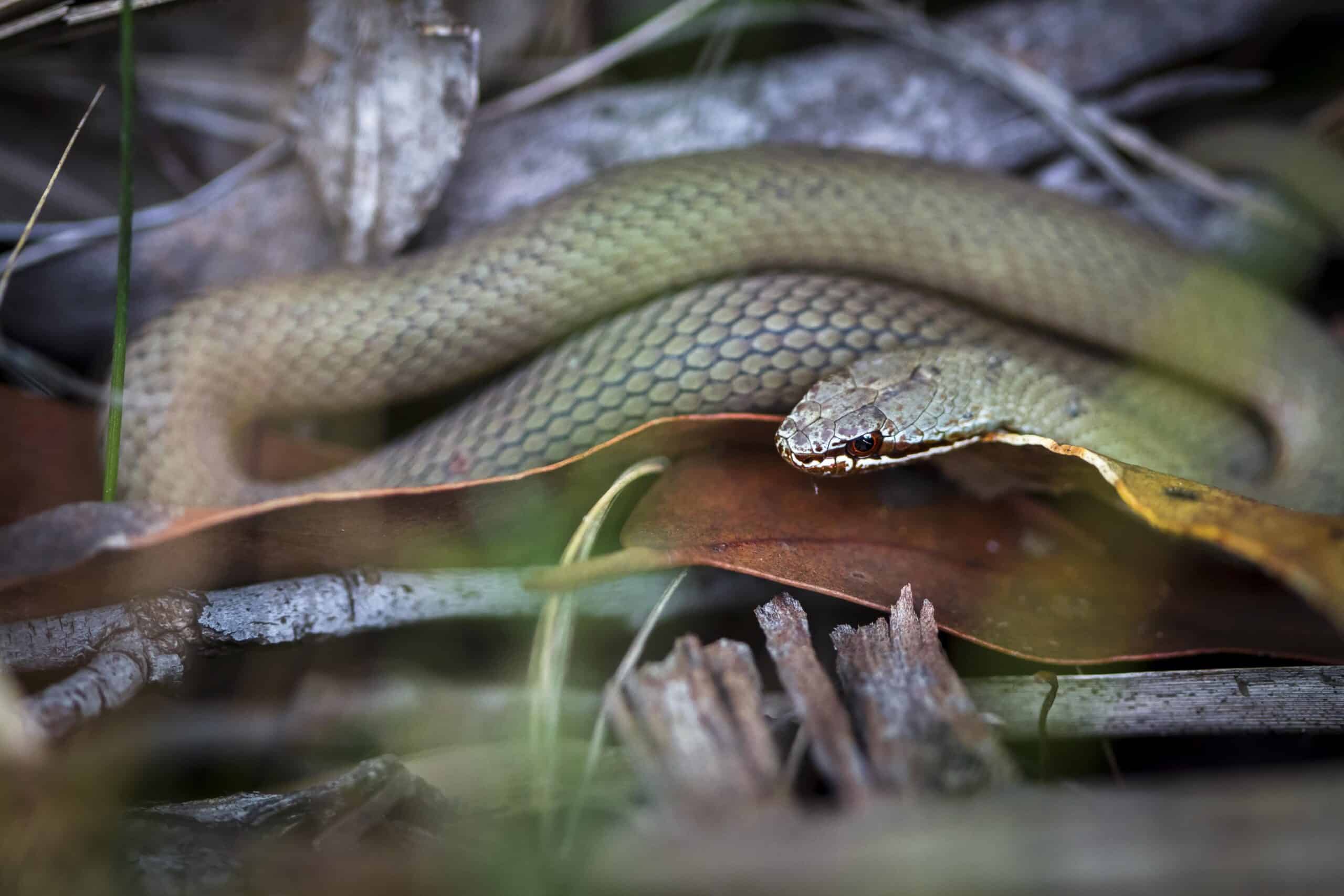
An effective snake bite response requires established snake identification techniques to gather essential information for medical professionals. Focus on the snake’s head shape, colour patterns, and scale arrangement. Note any distinctive markings, such as bands, diamonds, or blotches. If possible, safely photograph the snake from a distance for later reference.
Familiarise yourself with common snake species in your region to expedite identification. In Australia, venomous snakes typically include tiger snakes, brown snakes, and taipans.
Stay Calm and Reassure
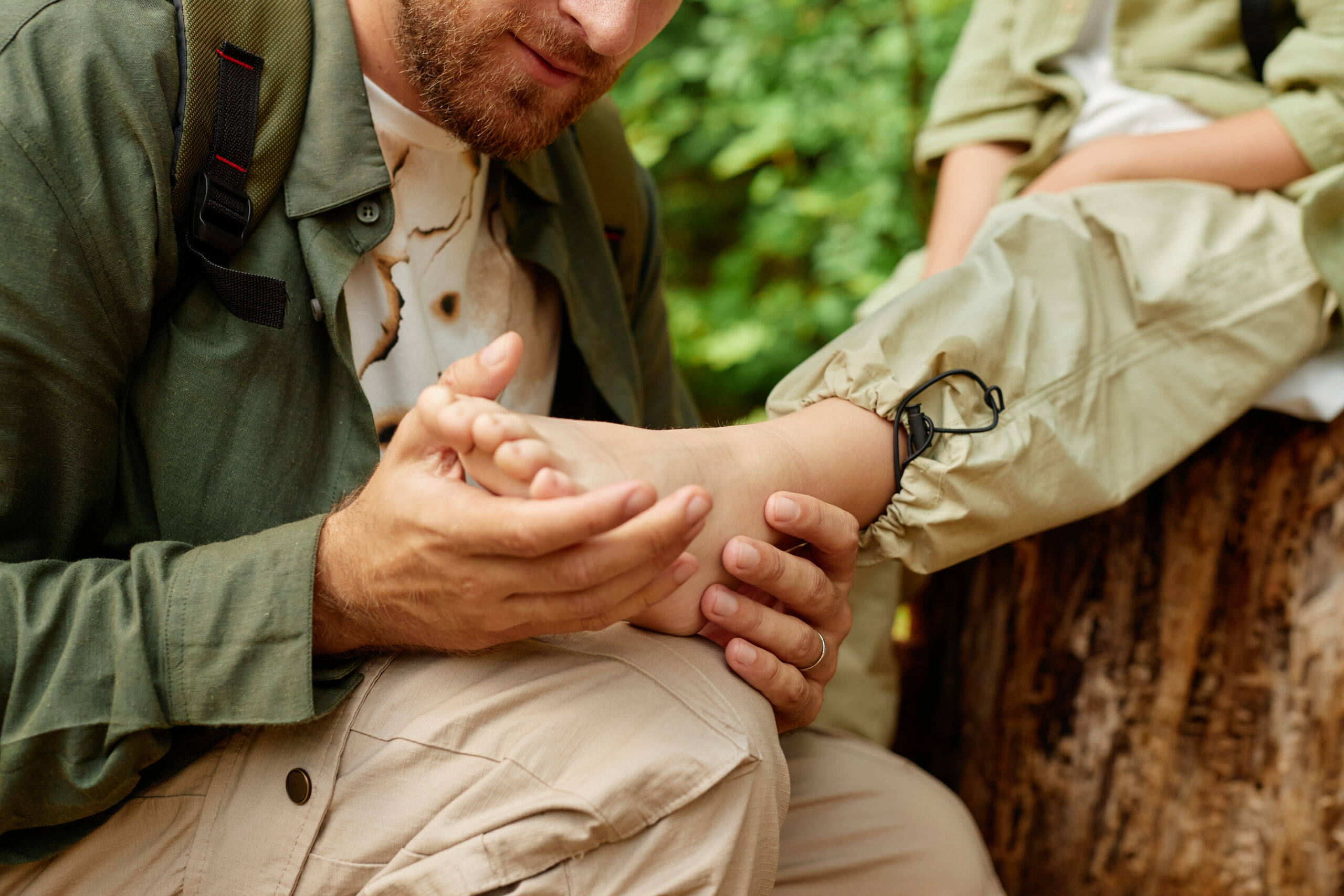
After identifying the snake, a measured snake bite response involves maintaining composure and providing reassurance to the victim. Your calm demeanour will help mitigate the psychological stress associated with the incident. Stress can accelerate heart rate and blood flow, potentially increasing venom spread. As a result, emotional support is significant in managing the victim’s physiological response.
Encourage the victim to practise controlled breathing techniques. Instruct them to inhale deeply through their nose for four seconds, hold for four seconds, and exhale slowly through their mouth for six seconds. This technique, known as box breathing, can help reduce anxiety and stabilise essential signs. Monitor the victim’s respiration rate, aiming for 12-20 breaths per minute.
Immobilise the Affected Limb
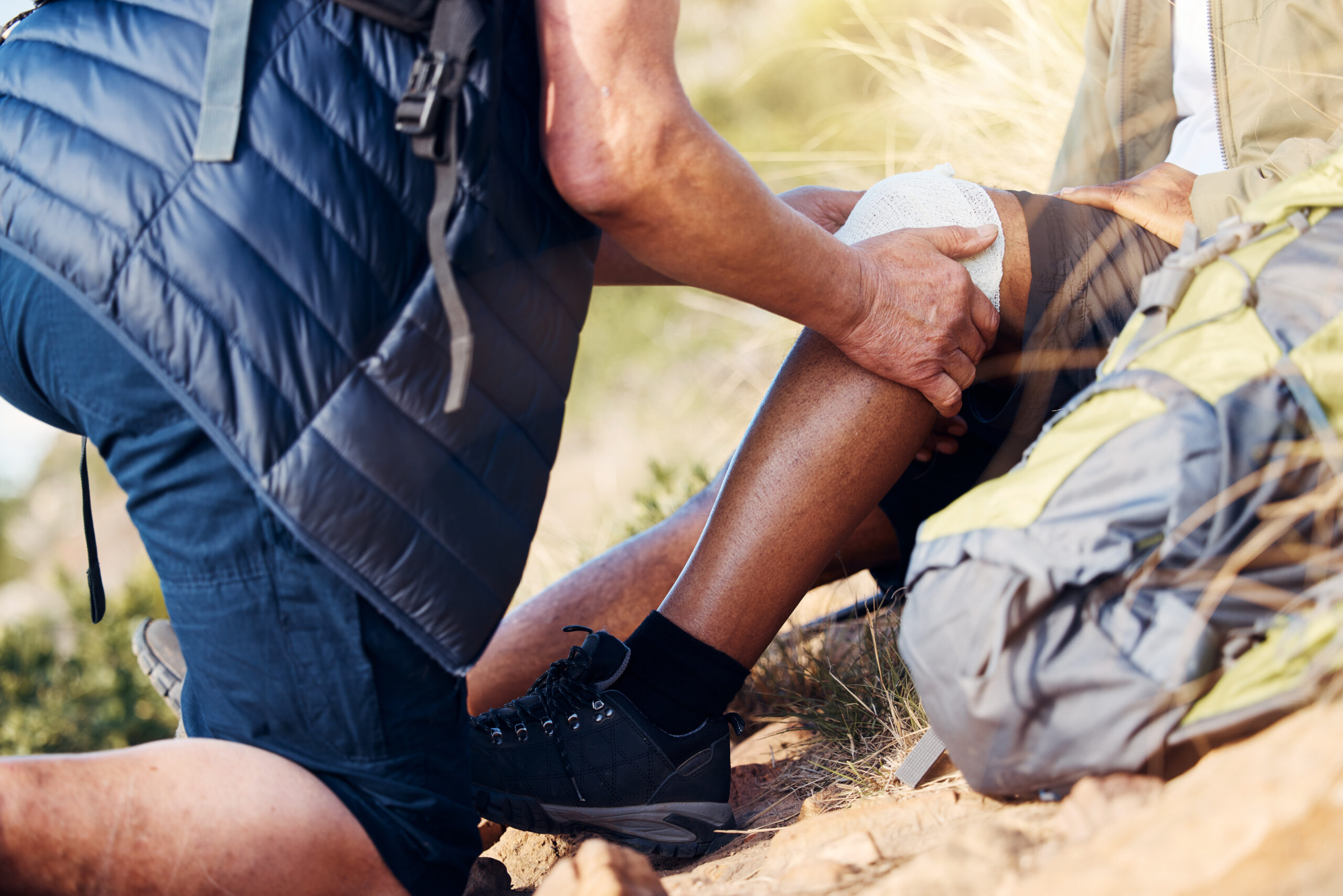
Immobilisation of the affected limb is essential for minimising venom spread following a snake bite. This vital snake bite response measure aims to slow the circulation of venom throughout the body, potentially reducing its systemic effects.
To achieve effective immobilisation, apply a splint or bandage to the bitten limb, keeping it in a neutral position. Make certain the splint extends beyond the joint above and below the bite site to restrict movement.
It’s important to avoid applying tourniquets or constricting bands, as these can concentrate venom in the affected area and potentially lead to tissue damage. Instead, use a pressure immobilisation technique for elapid snake bites, wrapping an elastic bandage tightly around the entire limb. This method maintains a pressure of 55-70 mmHg on the upper limbs and 65-70 mmHg on the lower limbs, effectively impeding lymphatic flow without compromising arterial or venous circulation.
Keep the affected limb lower than the heart to further slow venom spread. Instruct the victim to remain as still as possible, avoiding unnecessary movement that could accelerate venom circulation.
Remove Constricting Items
A thorough snake bite response includes promptly removing any constricting items from the affected limb, as swelling from the snake bite can rapidly compromise blood flow and tissue oxygenation. This step is essential in preventing further complications and ensuring proper circulation to the affected area.
Begin with clothing removal, carefully cutting away any tight-fitting garments that may impede swelling. Pay particular attention to snug cuffs, socks, or elastic bands.
Next, focus on jewellery removal, including rings, bracelets, and watches, as these can quickly become constrictive as oedema progresses.
Clean the Wound
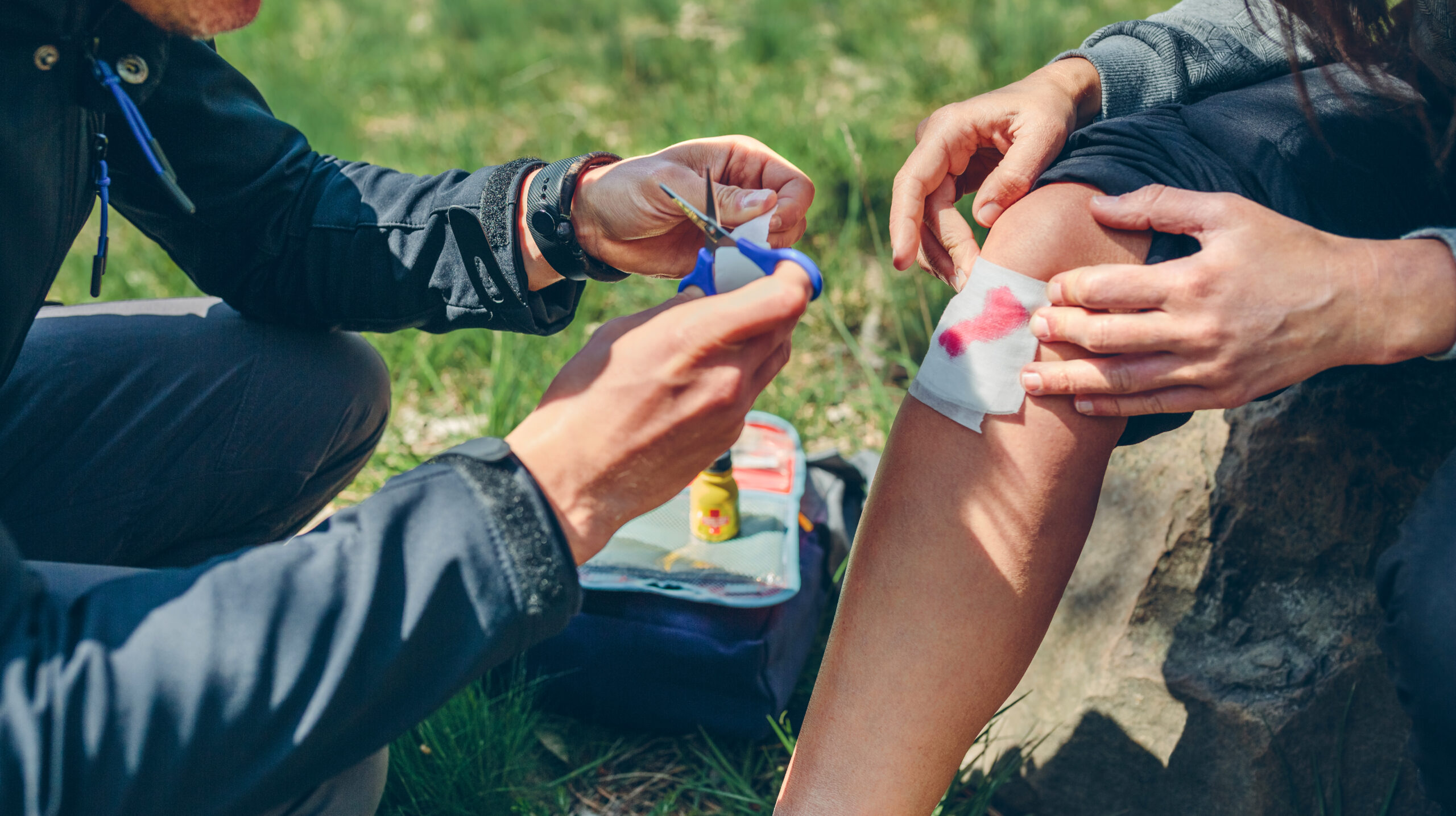
Your next essential snake bite response step is to meticulously remove any visible debris from the wound site, taking care not to disturb the affected area unnecessarily. Proper debris removal is vital for effective wound assessment and preventing secondary infections.
Use sterile tweezers or forceps to gently extract foreign particles, such as dirt, grass, or small stones. Avoid applying pressure or probing the wound, as this may exacerbate venom spread or cause further tissue damage.
Apply Pressure Bandage
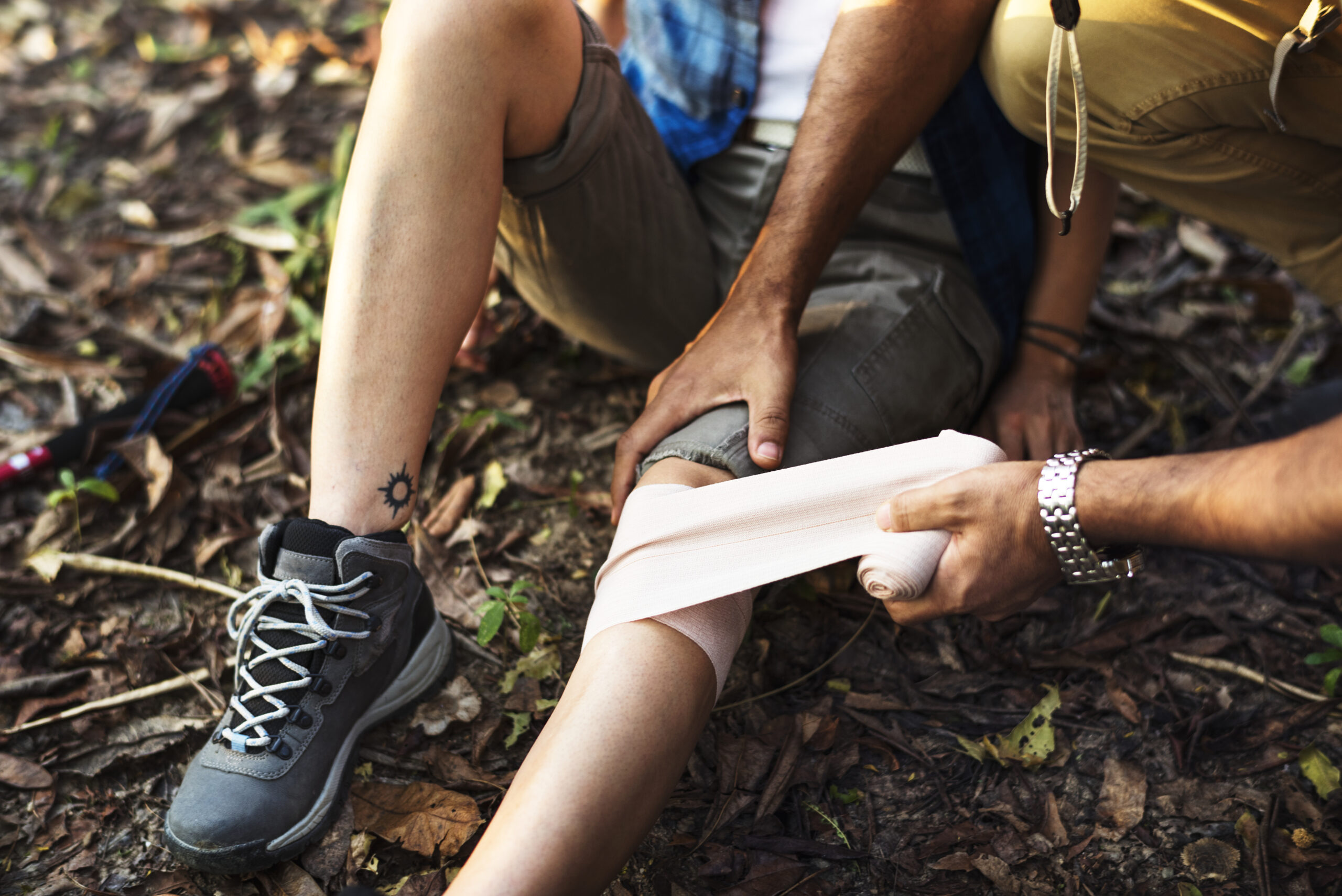
In the critical snake bite response sequence, immediate application of a pressure immobilisation bandage is vital for slowing the spread of venom through the lymphatic system. This technique, when correctly applied, can greatly delay the absorption of venom, buying essential time for medical intervention. You’ll need to use appropriate bandage materials, such as elastic roller bandages or crepe bandages, which are specifically designed for this purpose.
To apply the pressure bandage effectively:
- Start at the bite site and wrap the bandage upwards, covering the entire limb.
- Maintain consistent pressure, aiming for the same tension you’d use for a sprained ankle.
- Make sure the bandage is firm but not tight enough to impair circulation.
Seek Immediate Medical Attention
A complete snake bite response culminates in obtaining professional medical care, as it’s the only way to guarantee proper treatment and antivenom administration. After applying first aid measures, you must prioritise seeking immediate medical attention. Contact emergency services or have someone transport you to the nearest healthcare facility without delay.
Time is significant in snake bite cases, as venom can rapidly spread through your system, causing severe complications. When contacting emergency services, provide precise information about your location, the snake species if known, and the time of the bite. This data helps medical professionals prepare appropriate treatment protocols.
Frequently Asked Questions
Should I try to catch or kill the snake for identification as part of my snake bite response?
No, attempting to catch or kill the snake puts you at risk of additional bites. Instead, try to remember its appearance from a safe distance or take a photo if possible without approaching. Modern hospital laboratories can identify venom type through blood tests, making physical snake identification unnecessary for treatment.
How can I tell if a snake bite is venomous or non-venomous when planning my snake bite response?
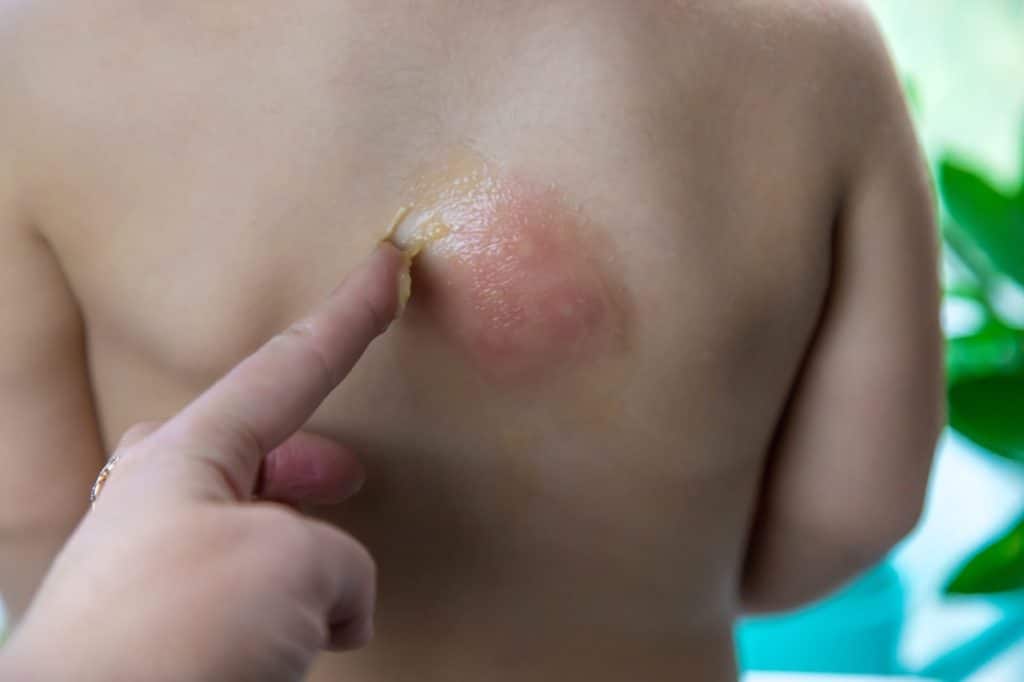
Always treat all snake bites as potentially venomous. Venomous bites may show puncture marks, progressive swelling, pain, and symptoms like nausea, vomiting, or difficulty breathing. However, some venomous bites initially present with minimal symptoms. Non-venomous bites typically have teeth marks rather than fang punctures, but this distinction isn’t reliable enough for first aid decisions.
What should I include in a snake bite response first aid kit for Australian conditions?
An Australian snake bite first aid kit should contain several broad elastic bandages (10-15cm wide), a splint or materials to create one, antiseptic wipes, non-adhesive wound dressings, trauma shears for cutting clothing, a permanent marker to note bite time and location, and a pressure bandage application guide. Include an emergency contact list and the Poisons Information Centre number (13 11 26).