



Sharon has 21+ years of experience as a qualified Emergency Care Nurse registered with the Australian Health Practitioner Regulation Agency (APHRA) and 12+ years as a First Aid Trainer.
She takes pride in FirstAidPro making first aid training available, comprehensive and affordable to everybody.
While shark attacks are rare, knowing how to respond to a shark bite can make all the difference in a life-or-death situation. Understanding the top five steps for shark bite safety isn’t just about knowledge—it’s about equipping yourself with the skills to potentially save a life, including your own.
As you explore these essential steps, you’ll discover that quick thinking and proper action can turn the tide in even the most harrowing circumstances.
Key Takeaways
- Quickly assess the situation, including injury severity and distance to safety.
- Control bleeding by applying direct pressure and elevating the affected area.
- Prevent shock by keeping the victim calm, warm, and monitoring vital signs.
- Seek immediate medical attention, contacting emergency services for rapid transportation.
- Continuously monitor vital signs and document changes while awaiting professional medical care.
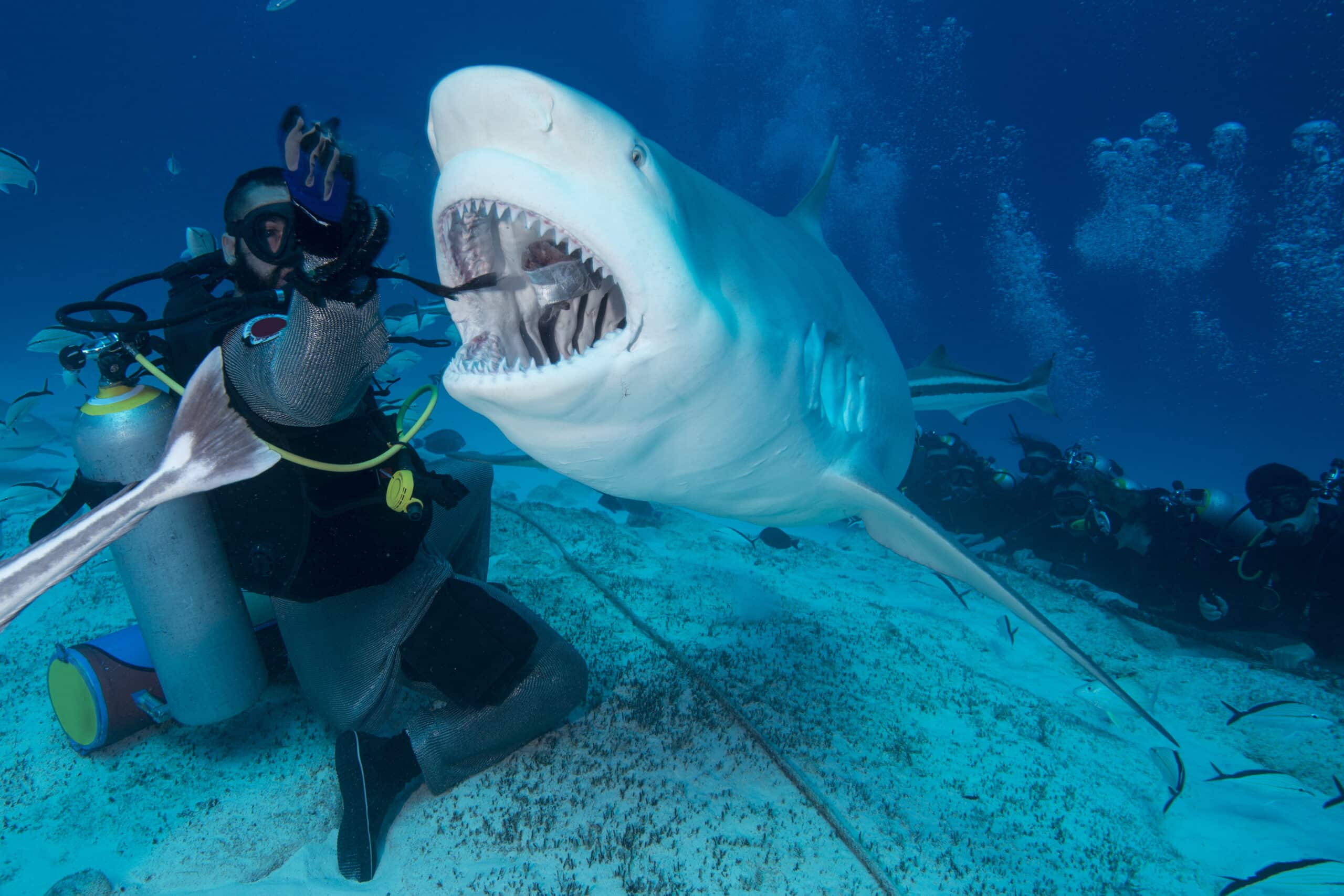
Assess the Situation
In the critical moments following a shark bite, a rapid and thorough assessment of the situation is paramount for ensuring survival and minimizing further risk. You’ll need to quickly evaluate several key factors to determine your next course of action.
First, assess the severity of the injury. Is there considerable blood loss? Are essential organs compromised? Understanding the extent of the wound will guide your immediate first aid efforts.
Next, scan your surroundings. Is the shark still in the vicinity? Are there other potential threats? Identifying ongoing risk factors is essential for your safety and that of potential rescuers.
Consider your location relative to shore or a boat. The distance to safety will impact your evacuation strategy.
Evaluate your resources. Do you have access to first aid supplies or communication devices? Your level of emergency preparedness can greatly influence your survival chances.
Lastly, consider environmental factors like water temperature and currents. These elements can affect your ability to reach safety and increase the risk of hypothermia or exhaustion.
Control Bleeding
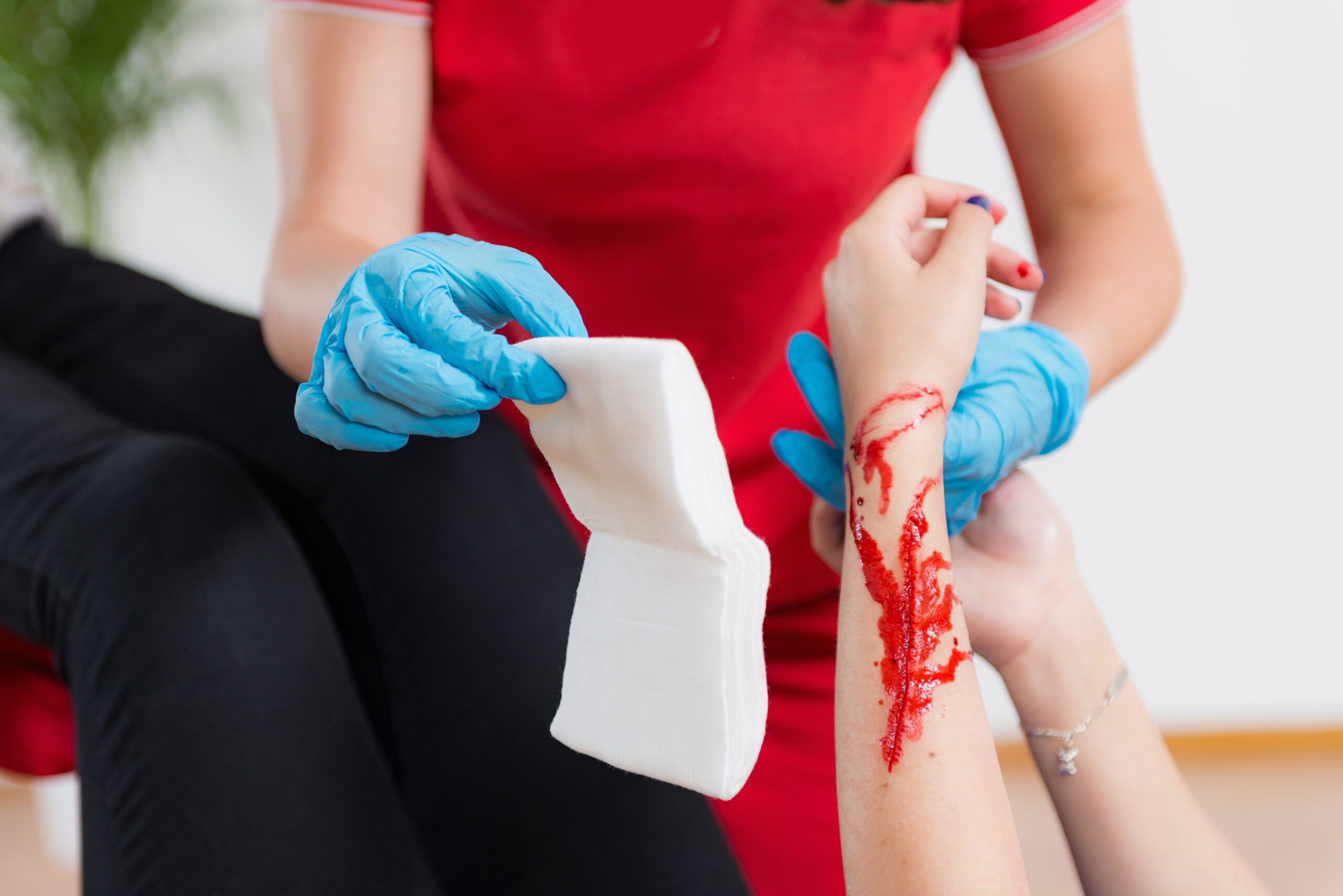
Rapid control of haemorrhage is the most essential immediate action following a shark bite, as excessive blood loss can lead to hypovolaemic shock and death within minutes.
To effectively control bleeding, you’ll need to apply direct pressure to the wound using clean cloth, clothing, or sterile dressings if available. Press firmly and continuously on the injury site, elevating the affected limb above heart level if possible to reduce blood flow.
For severe bleeding that doesn’t respond to direct pressure, you may need to apply a tourniquet. Place it 2-3 inches above the wound, between the injury and the heart. Tighten it until the bleeding stops, noting the time of application. Remember, tourniquets are a last resort and should only be used for life-threatening limb haemorrhages.
In cases of deep puncture wounds or when bleeding is difficult to access, consider packing the wound with gauze or clean cloth. This technique, known as wound packing, helps create pressure within the injury cavity.
Prevent Shock

While controlling bleeding is paramount, you’ll also need to address the risk of shock, a life-threatening condition that can occur due to considerable blood loss or trauma from a shark bite.
Shock symptoms include pale, cool, clammy skin, rapid breathing, weakness, and altered mental state. To prevent shock, prioritise keeping the victim calm and warm. Lay them flat on their back with legs elevated about 30 centimetres, unless this position causes pain or further injury.
Shock prevention techniques include:
- Continuously reassure the victim to reduce anxiety
- Loosen tight clothing to improve circulation
- Shield them from extreme temperatures
- Keep them still to minimise energy expenditure
If shock symptoms persist or worsen, seek immediate professional medical assistance. Time is critical in shock management, and early intervention greatly improves outcomes.
Seek Immediate Medical Attention

A shark bite can cause severe damage beyond visible wounds, making professional medical assessment essential. Even small bites can introduce harmful bacteria, potentially leading to life-threatening infections if left untreated.
After administering first aid, you must prioritise getting the victim to a hospital immediately. Contact emergency services or the coastguard for rapid transportation. During transit, continue monitoring critical signs and maintaining pressure on wounds.
Shark bites often result in considerable tissue damage, vascular injuries, and potential bone fractures that require specialised care.
Medical professionals will assess the full extent of injuries, administer antibiotics to prevent infection, and may perform necessary surgical procedures. They’ll also evaluate the need for tetanus shots or other preventive measures. In some cases, reconstructive surgery might be required.
The emergency response team will have access to advanced medical equipment and expertise to handle complications such as hypovolemic shock or compartment syndrome.
Monitor Vital Signs
Throughout the process of seeking medical attention, it’s imperative to continuously monitor the shark bite victim‘s essential signs, as these indicators can provide important information about their physiological state and potential complications.
Your vigilance could mean the difference between life and death. Each essential sign tells a key part of the victim’s story. Rapid changes may indicate a need for immediate intervention. Your careful monitoring supports the medical team’s efforts.
Communicate any notable changes or concerning trends to medical personnel immediately. Remember, early detection of complications through diligent monitoring can greatly improve the victim’s chances of survival and recovery.
Frequently Asked Questions
What Time of Day Are Shark Attacks Most Likely to Occur?
Shark attacks primarily occur in the early morning and late afternoon. These times coincide with increased shark feeding activity and reduced visibility, amplifying the likelihood of human-shark encounters and potential shark bite incidents in coastal waters.
How Effective Are Shark Repellent Devices in Preventing Attacks?
You’ll find shark repellent effectiveness varies in preventing a shark bite. Electronic deterrent technology shows promise, with some devices reducing shark encounters by up to 60%. However, results aren’t guaranteed, and more research is needed to fully validate their efficacy across species.
What Species of Sharks Are Most Commonly Involved in Human Attacks?
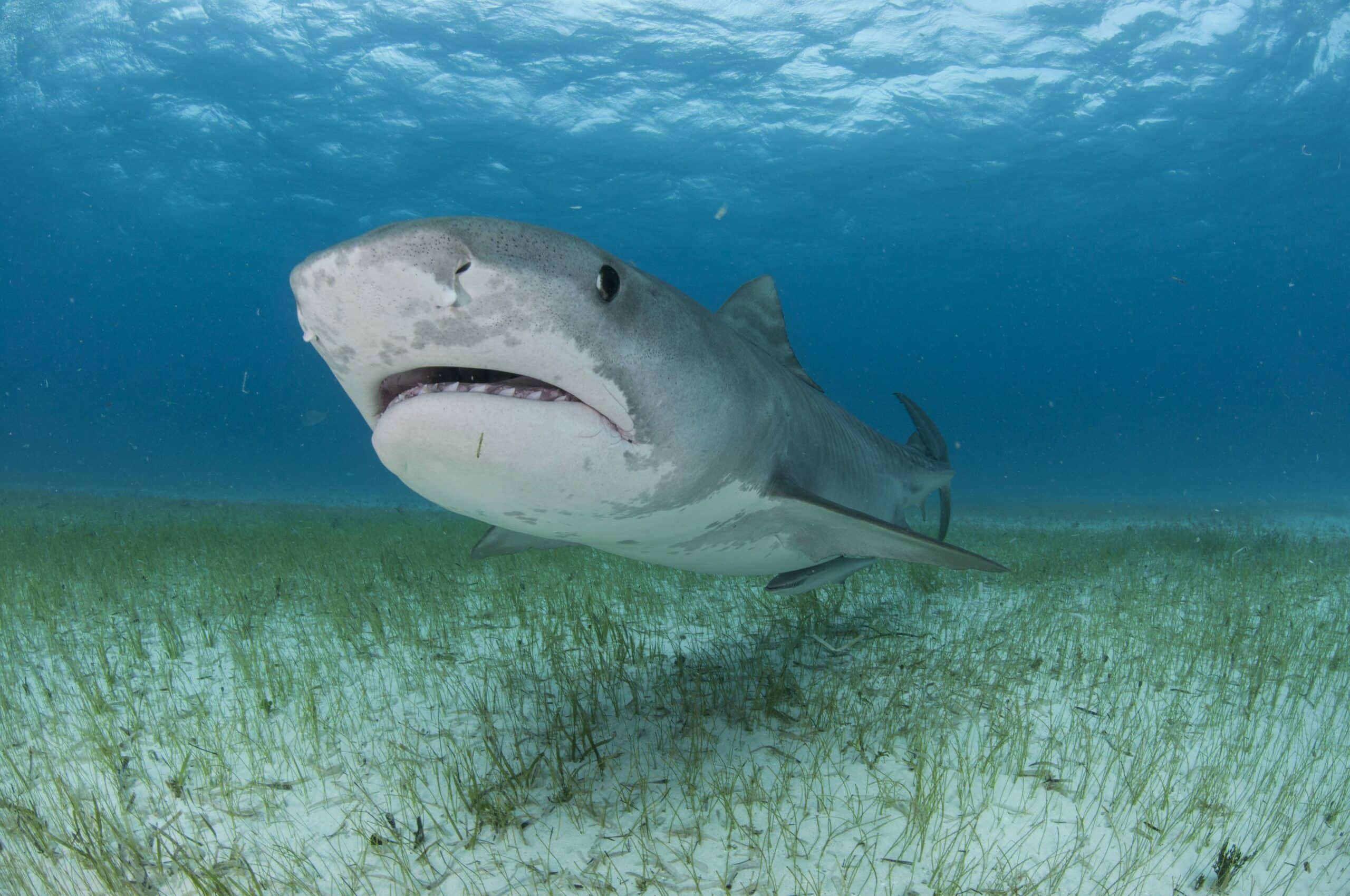
Three species—great white, bull, and tiger sharks—are responsible for most unprovoked attacks and shark bite incidents on humans worldwide. Bull sharks pose unique risks due to their ability to enter freshwater environments and preference for shallow coastal waters. Together, these species account for approximately 75% of all documented shark attacks, with regional variations influencing encounter likelihood.