



Sharon has 21+ years of experience as a qualified Emergency Care Nurse registered with the Australian Health Practitioner Regulation Agency (APHRA) and 12+ years as a First Aid Trainer.
She takes pride in FirstAidPro making first aid training available, comprehensive and affordable to everybody.
A kids’ eye injury can be frightening, and while children’s eyes sparkle with curiosity, they’re also vulnerable to injury. You’ve probably seen your kids roughhouse or play with potentially dangerous objects, but you might not be prepared for an eye emergency.
Knowing how to respond quickly and effectively can make all the difference in preventing long-term damage. From evaluating the injury to handling chemical exposures, there are essential steps you should take when faced with a child’s eye injury.
Let’s explore the top first aid tips that could save your child’s vision and give you peace of mind during those heart-stopping moments.
Key Takeaways
- Assess the kids’ eye injury immediately, looking for visible damage, redness, swelling, and changes in pupil size or vision.
- For chemical splashes, flush the eye with clean water for at least 15 minutes, ensuring water flows from the inner corner outward.
- Apply a cold compress gently for swelling or bruising, using a clean cloth to wrap ice or frozen vegetables.
- Cover the injured eye with a sterile eye patch or soft gauze pad, avoiding direct pressure on the eyeball.
- Seek immediate medical attention, especially for severe pain, vision changes, or inability to open the eye.
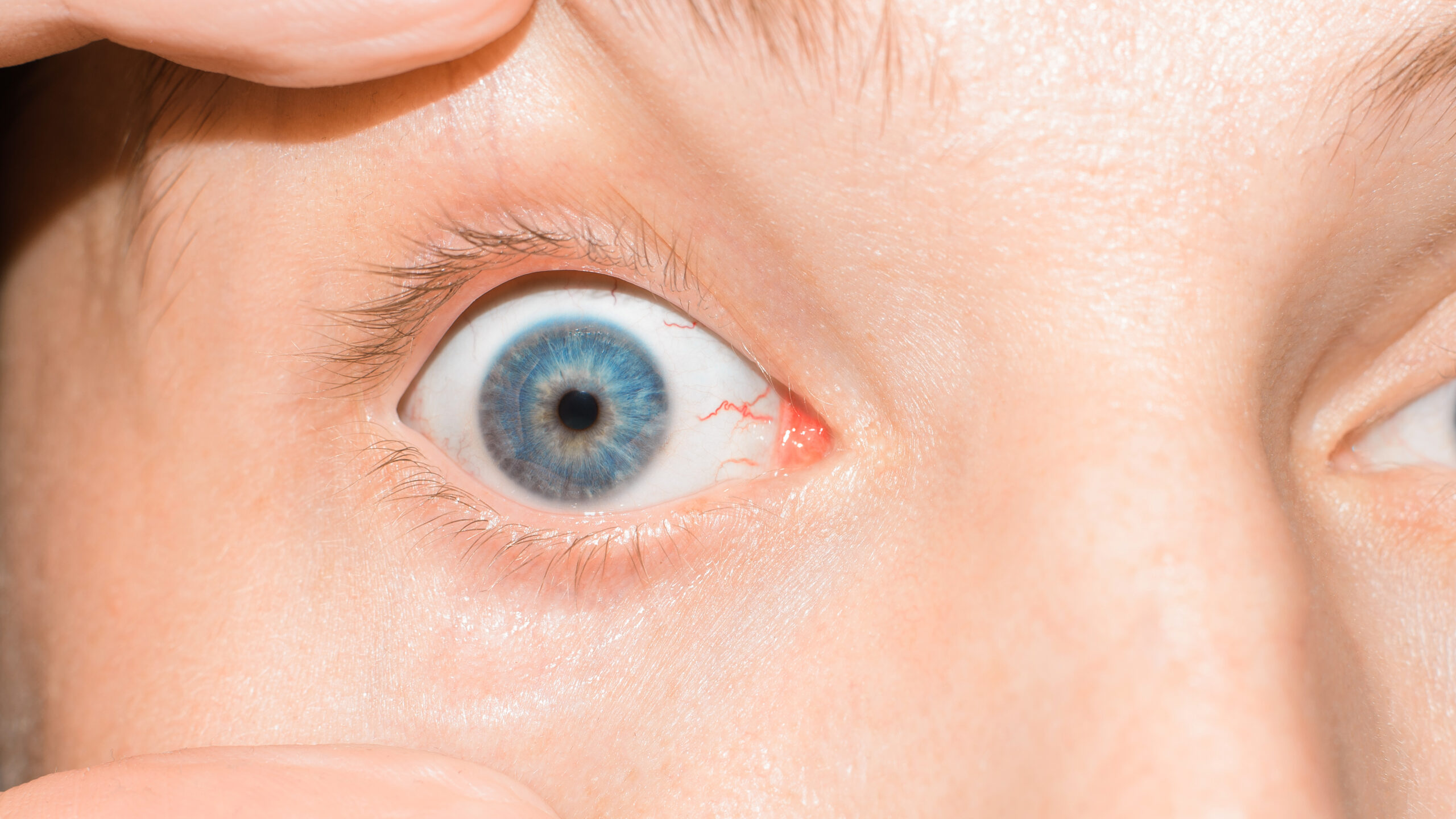
Assess the Eye Injury
When your child experiences a kids’ eye injury, quickly evaluate the type and severity of the problem to determine the appropriate course of action.
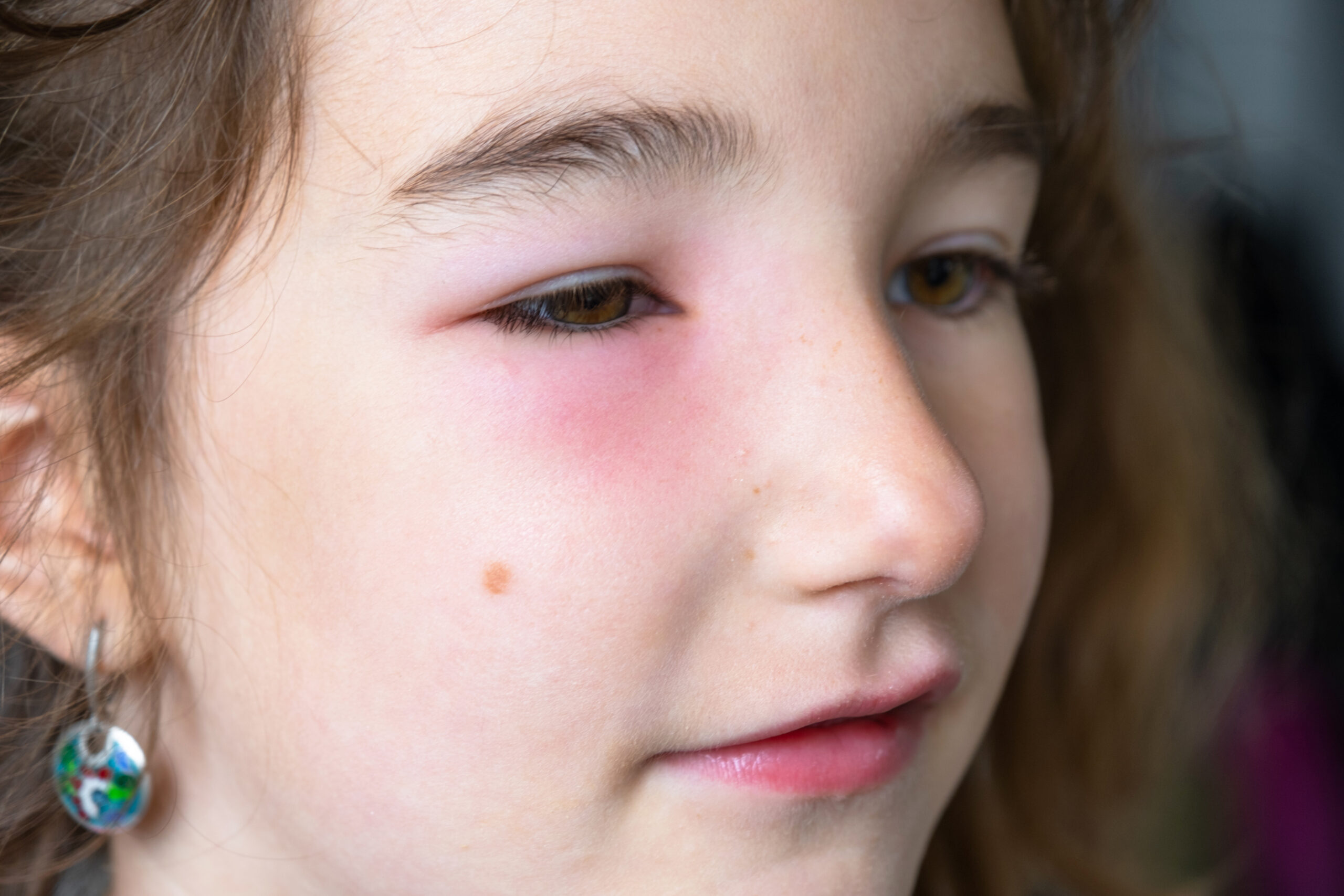
Start by examining the affected eye for visible signs of damage or foreign objects. Look for symptoms such as redness, swelling, tears, or changes in pupil size. Ask your child to describe any pain, vision changes, or sensations they’re experiencing.
Assess the injury severity by considering the cause and extent of the damage. Minor irritations from dust or small debris may require simple flushing, while more serious injuries like cuts or chemical exposure need immediate medical attention. If there’s bleeding, apply gentle pressure with a clean cloth. Don’t attempt to remove embedded objects.
Recognising symptoms is vital in determining the next steps. Watch for signs of concussion if the injury resulted from a blow to the head. Check for double vision, light sensitivity, or difficulty moving the eye.
If your child can’t open their eye, experiences severe pain, or shows signs of vision loss, seek emergency care immediately. Remember, proper assessment is key to ensuring appropriate treatment and preventing further complications in your child’s delicate eye area.
Rinse With Clean Water
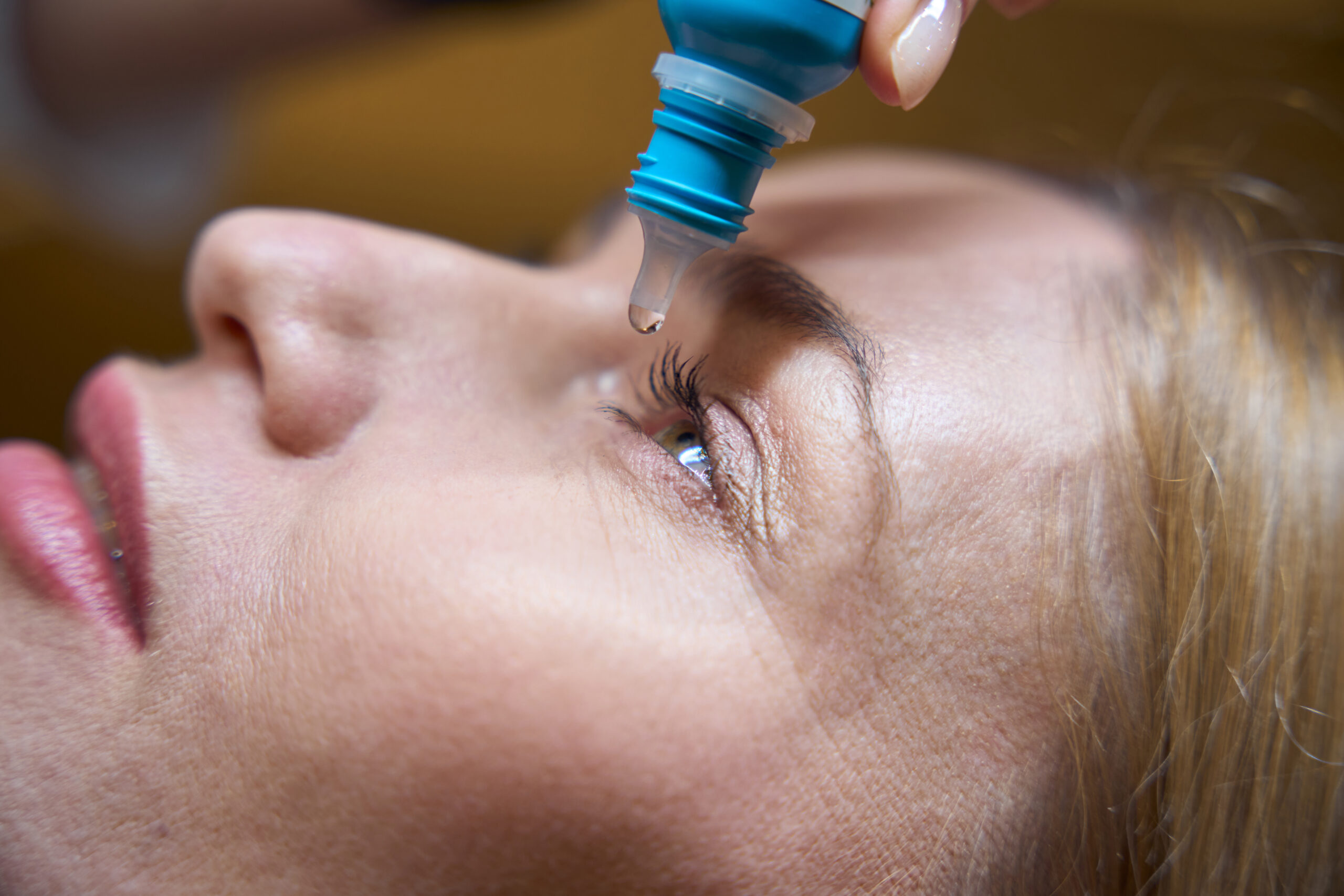
In cases of kids’ eye injury involving minor eye irritations or chemical splashes, rinsing your child’s eye with clean water is often the first essential step in first aid treatment. This simple yet important action can help remove foreign particles or dilute harmful substances, potentially preventing further damage.
To rinse effectively, gently hold your child’s eye open and pour lukewarm water over it for at least 15 minutes. If you’re outdoors, use a water bottle or find a drinking fountain.
After rinsing, pat the area dry with a clean, soft towel. If the irritation persists or you notice any changes in vision, consult a healthcare professional promptly. Always keep a first aid kit with sterile eye wash solution on hand for such emergencies.
Apply Cold Compress

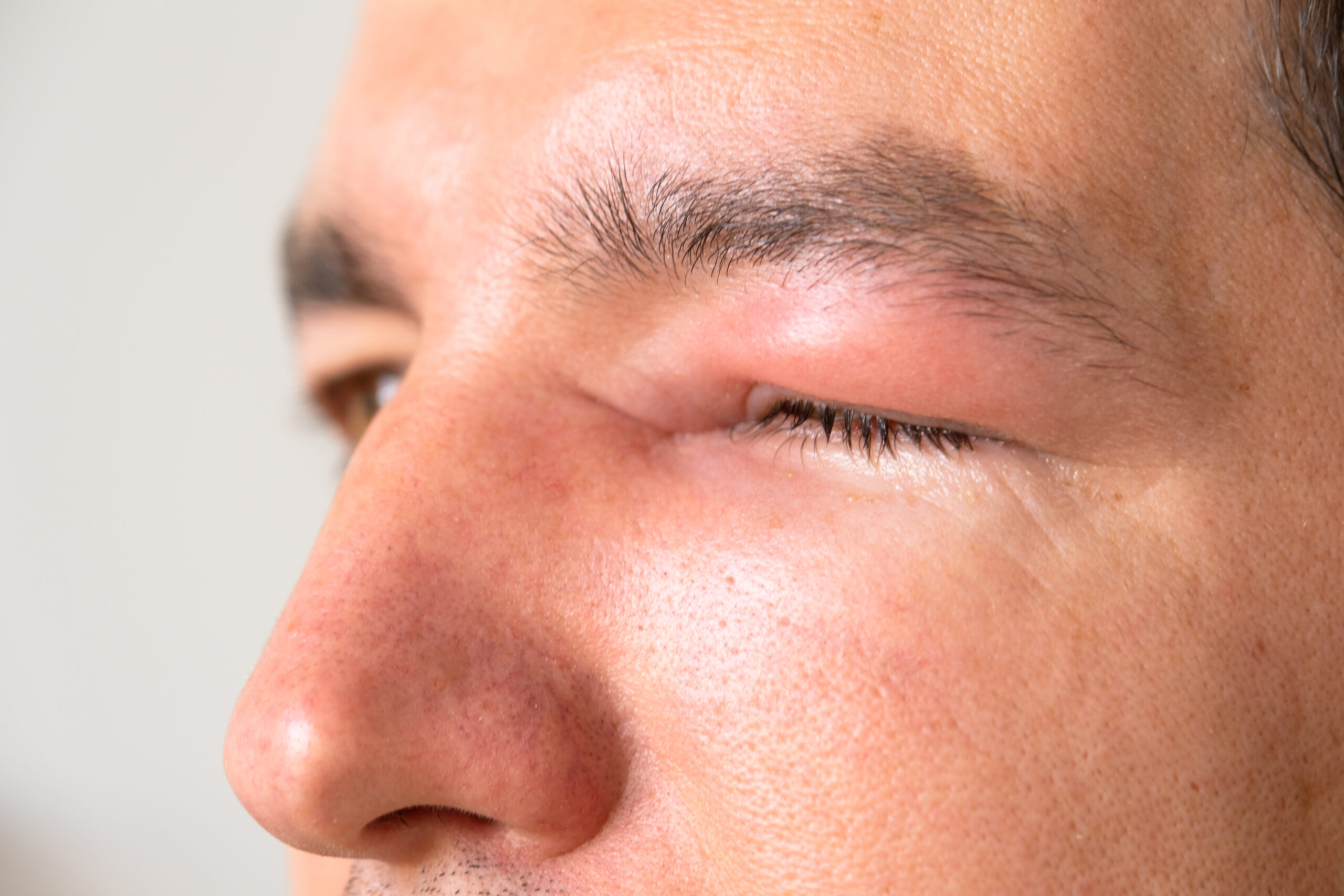
For a kids’ eye injury causing swelling or bruising around your child’s eye, you’ll need to apply a cold compress as soon as possible after the injury occurs. This helps reduce inflammation and alleviates pain. Wrap ice or a bag of frozen vegetables in a clean cloth to prevent direct contact with the skin. Apply the compress gently for 15-20 minutes at a time, with breaks in between.
When applying a cold compress, follow these guidelines:
- Never press directly on the eyeball
- Encourage your child to keep their eye closed during application
- Monitor the area for signs of frostbite or excessive cold
While a cold compress can provide relief, it isn’t a substitute for professional medical care in severe cases. Always assess the situation carefully and err on the side of caution. If you’re unsure about the severity of the injury, consult a healthcare provider promptly. Proper first aid and timely intervention can greatly impact your child’s eye health and recovery.
Prevent Eye Rubbing
Three crucial steps can help prevent your child from exacerbating a kids’ eye injury by rubbing their injured eye, which is essential for avoiding further damage and promoting healing.
First, gently explain to your child why they shouldn’t touch their eye. Use simple language to help them understand that rubbing can worsen the injury and delay recovery. This conversation promotes eye safety awareness and healthy habits.
Second, keep your child’s hands occupied. Provide a favourite toy, book, or handheld game to distract them from the urge to touch their eye. If necessary, consider using soft, child-friendly eye patches or protective glasses to create a physical barrier.
Lastly, monitor your child closely, especially during the first few hours after the injury. Be prepared to intervene if you notice them reaching for their eye. For younger children, you may need to hold their hands gently or use mittens as a temporary measure.
Cover the Injured Eye
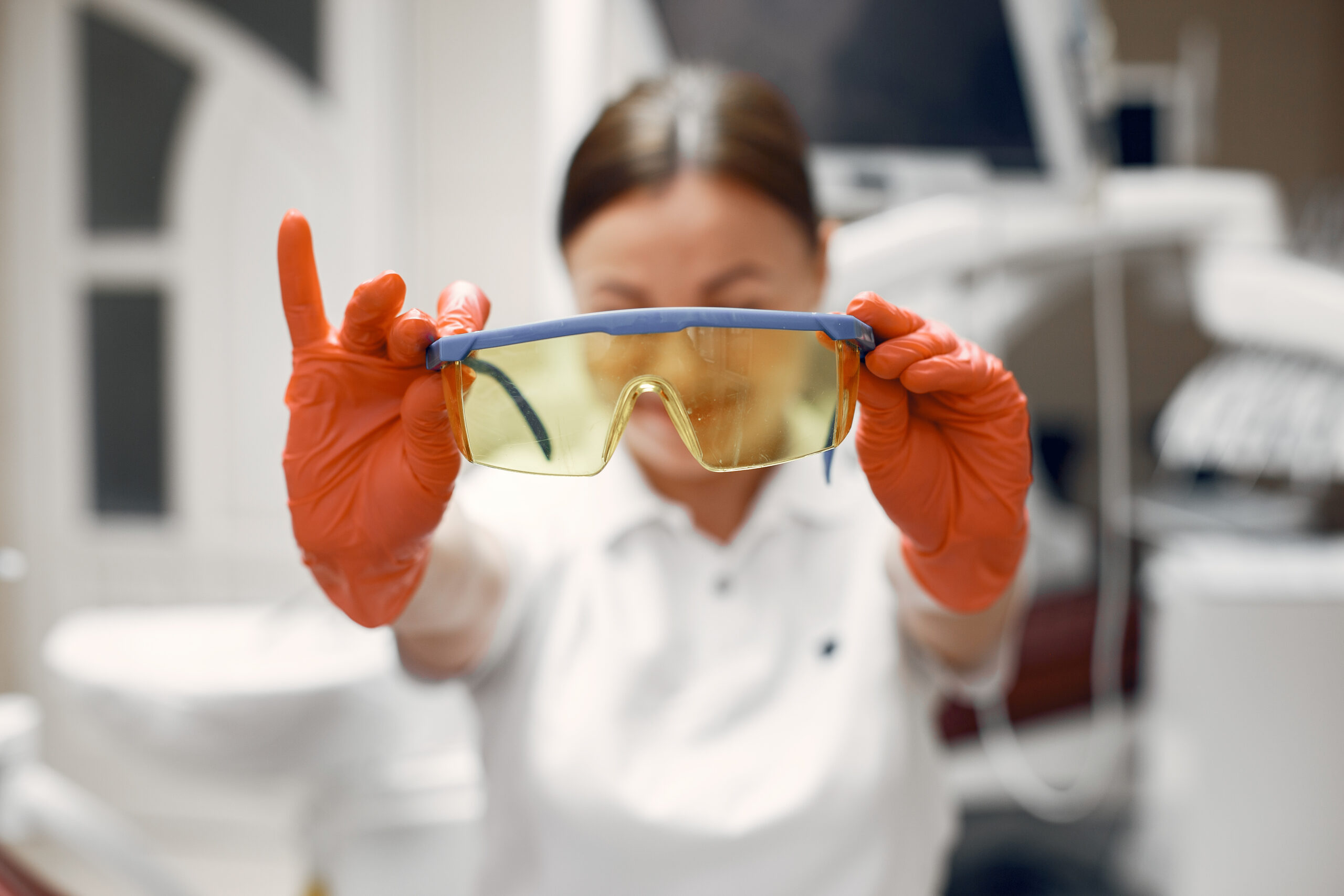
After taking steps to prevent eye rubbing, a kids’ eye injury requires you to properly cover the injured eye to protect it from further harm and promote healing. Covering the eye serves as a vital step in injury prevention and eye protection.
Use a clean, sterile eye patch or a soft gauze pad to gently cover the affected eye. If these aren’t available, a small paper cup or the bottom of a foam cup can work as a temporary shield.
Maintain the eye covering until professional medical help is available. Don’t attempt to remove any objects stuck in the eye, as this could cause further damage. Instead, seek immediate medical attention while keeping the eye protected.
Handle Chemical Eye Injuries
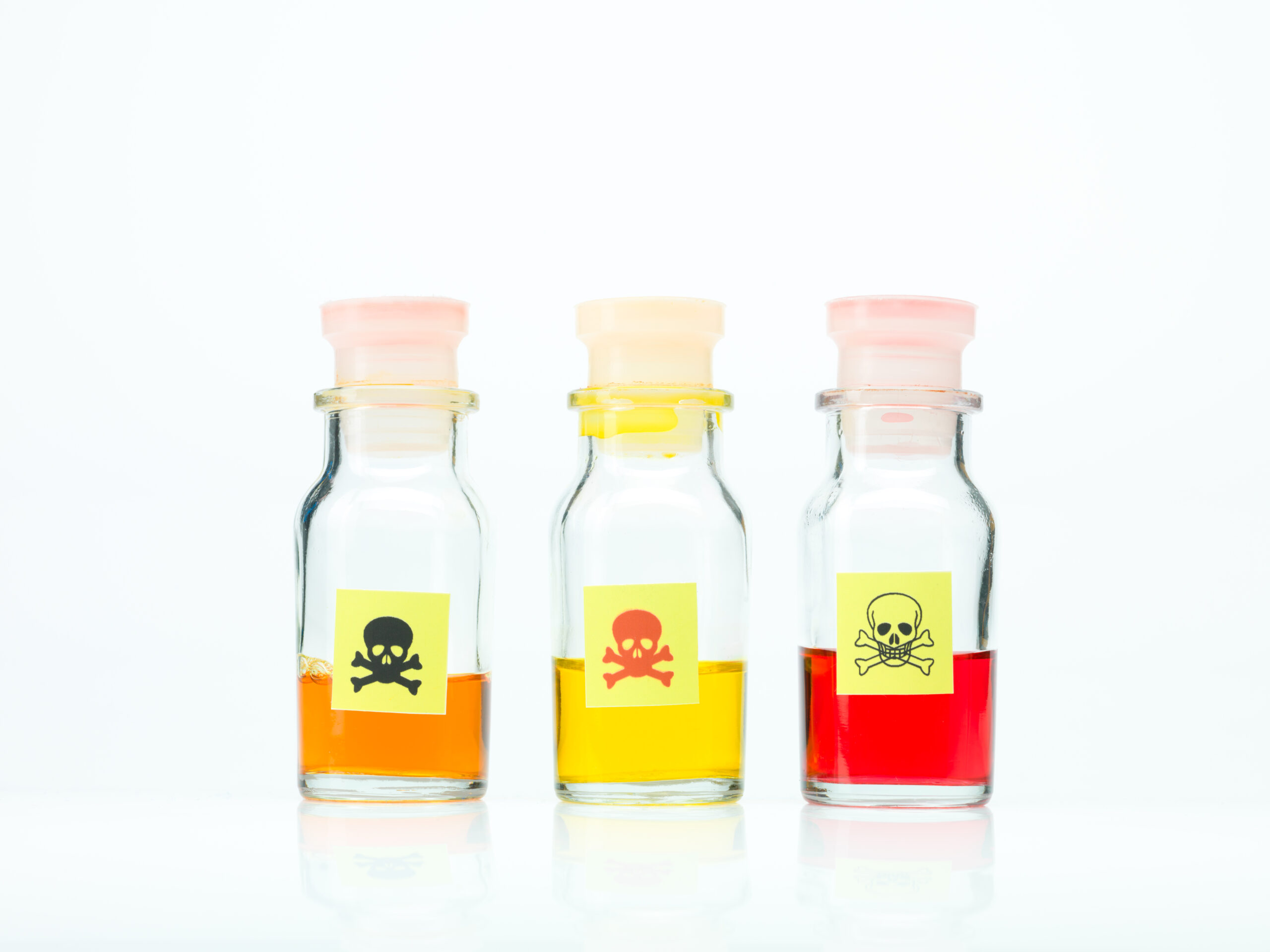
For kids’ eye injury cases involving chemicals, you’ll need to immediately flush the affected eye with copious amounts of clean, lukewarm water for at least 15 minutes. This vital step helps dilute and remove the harmful substance, potentially preventing severe damage. Confirm the child’s head is tilted so the affected eye is lower, allowing the contaminated water to flow away from the face.
While flushing, it’s important to:
- Keep the eyelid open to guarantee thorough rinsing
- Encourage the child to move their eye in all directions
- Continue flushing even if the child reports relief
In cases where tap water isn’t available, use bottled water or any safe, drinkable liquid. Avoid using chemical neutralisers or other substances, as these may cause further harm. Always keep a first aid kit with an eyewash station nearby, especially in areas where chemicals are present.
Educate children about potential eye hazards and the importance of protective eyewear in high-risk situations.
Seek Immediate Medical Attention
After flushing a kids’ eye injury caused by chemicals, you must seek immediate medical attention for your child, regardless of how minor it may seem. Chemical burns can cause severe damage to the eye’s delicate tissues, and prompt professional evaluation is vital for preventing long-term complications.
When heading to the emergency department or an eye specialist, continue rinsing your child’s eye if possible. If you have the container of the chemical involved, bring it with you to help doctors identify the substance and provide appropriate treatment.
During the medical examination, the doctor will assess the extent of the injury and may use special dyes to detect any damage to the cornea. Treatment for chemical eye injuries can range from prescription eye drops to more intensive interventions, depending on the severity.
Follow the doctor’s instructions carefully to ensure proper healing and minimise the risk of vision loss. After treatment, prioritise eye safety and injury prevention at home by storing hazardous chemicals out of children’s reach and teaching them about potential dangers.
Frequently Asked Questions
How can I tell if a kids' eye injury requires emergency care?
Seek emergency medical attention if your child experiences severe eye pain, sudden vision changes, difficulty moving the eye, or if there’s blood visible in the eye. Additionally, any kids’ eye injury involving chemicals, sharp objects, or embedded foreign bodies warrants immediate professional care. When in doubt, it’s always better to err on the side of caution with eye injuries, as prompt treatment can prevent permanent damage.
Is it safe to use over-the-counter eye drops for a kids' eye injury?
Avoid using over-the-counter eye drops for eye injuries unless specifically directed by a healthcare professional. These products may contain medications or preservatives that could worsen certain kids’ eye injury conditions. Stick to rinsing with clean water for foreign particles or irritation, and always consult a doctor before applying any medication to an injured eye. For chemical exposures, water rinsing is always the first step, not medicated drops.
What preventative measures can I take to reduce the risk of kids' eye injury?
Prevent eye injuries by ensuring children wear appropriate protective eyewear during sports and activities with flying objects or projectiles. Keep household chemicals, tools, and sharp objects stored safely out of children’s reach. Teach proper handling of potentially dangerous items like scissors and pencils, emphasising never to run with such objects. Establish clear rules about throwing objects and roughhousing, especially in areas with hard surfaces or corners. Regular eye check-ups can also help identify and address vision issues that might increase injury risk.