



Sharon has 21+ years of experience as a qualified Emergency Care Nurse registered with the Australian Health Practitioner Regulation Agency (APHRA) and 12+ years as a First Aid Trainer.
She takes pride in FirstAidPro making first aid training available, comprehensive and affordable to everybody.
When preparing first aid kit essentials, you’re ensuring you’re protected and empowered against emergencies.
A well-stocked first aid kit is your first line of defence against unexpected injuries and emergencies.
You’ll find that the essentials go beyond just bandages and antiseptic wipes.
From burn gel to emergency blankets, each item serves an essential purpose in addressing various medical scenarios.
Key Takeaways
- Adhesive bandages in various sizes for covering and protecting minor wounds and cuts.
- Sterile gauze pads for treating larger wounds, absorbing blood, and applying pressure to stop bleeding.
- Antiseptic wipes to clean wounds and reduce the risk of infection.
- Pain relief medication like paracetamol or ibuprofen to manage discomfort from injuries.
- Scissors and tweezers for cutting bandages and removing splinters or foreign objects.
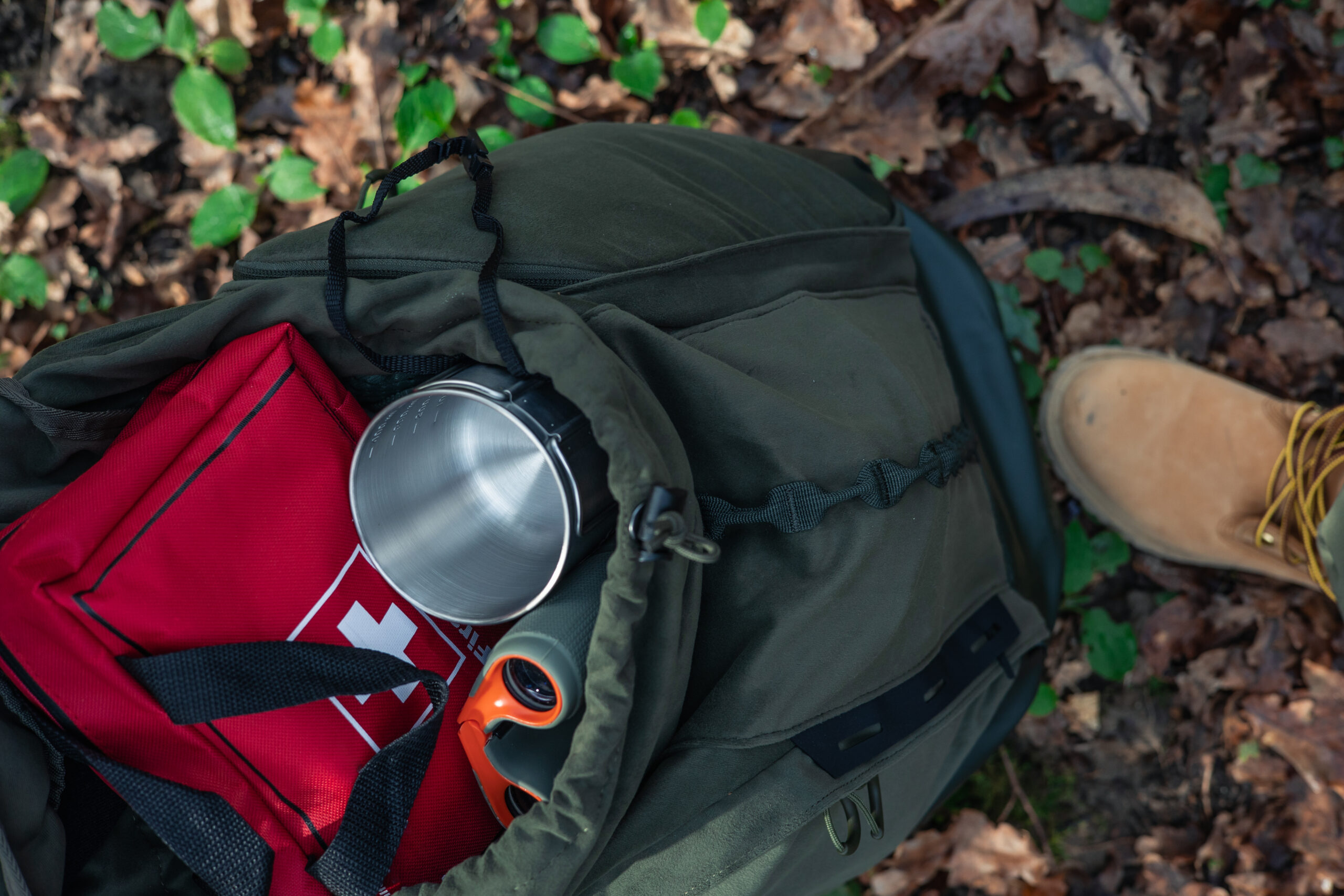
Adhesive Bandages
When assembling your first aid kit essentials, you’ll want to start with a variety of adhesive bandages to cover minor cuts and scrapes effectively.
Include different sizes and shapes to accommodate various wound types. Stock up on standard rectangular bandages for general use, as well as specialised options like butterfly closures for deeper cuts and knuckle bandages for joints.
Don’t forget waterproof bandages for areas exposed to moisture. These are essential for wound care in wet environments or when bathing.
Sterile Gauze Pads
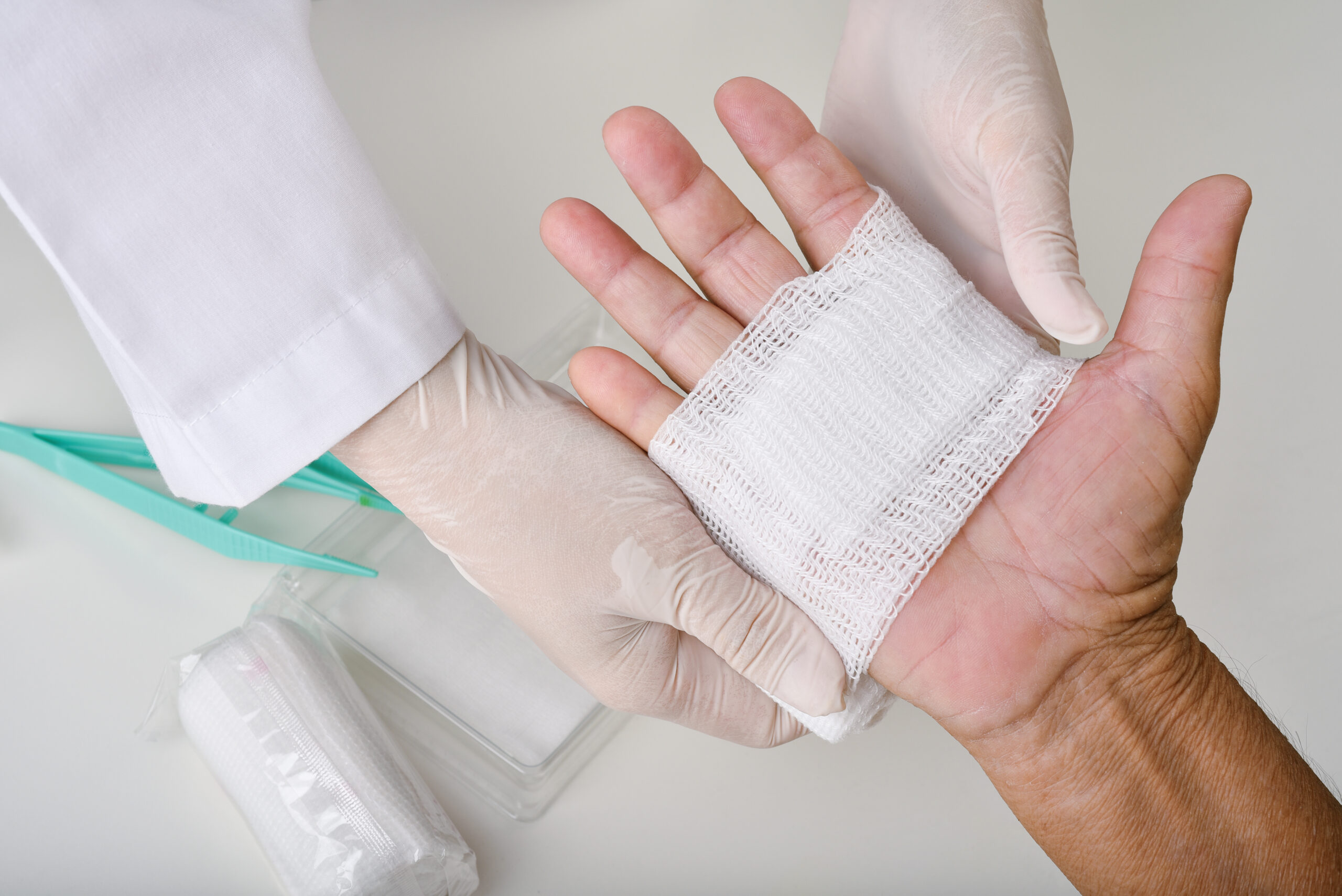
Versatile and essential, sterile gauze pads serve multiple critical functions in first aid and wound care. As one of the first aid essentials, they’re indispensable for emergency preparedness. You’ll find these pads invaluable for absorbing blood and other fluids from wounds, applying pressure to stop bleeding, and creating a protective barrier against infection.
When treating cuts, scrapes, or burns, you can use sterile gauze pads to clean the affected area gently. They’re excellent for applying antiseptics or topical medications without contaminating the wound. In more severe injuries, you can use multiple pads to create a thick, absorbent dressing.
You’ll also find gauze pads useful for securing other first aid items in place, such as splints or cold packs. In a pinch, you can even use them as a makeshift eye patch or to create a sling for an injured arm. Their sterility makes them safe for use on open wounds, reducing the risk of introducing harmful bacteria.
Remember to change the gauze regularly to maintain cleanliness and promote proper healing. Always keep a variety of sizes in your kit to handle different wound types and sizes effectively.
Antiseptic Wipes
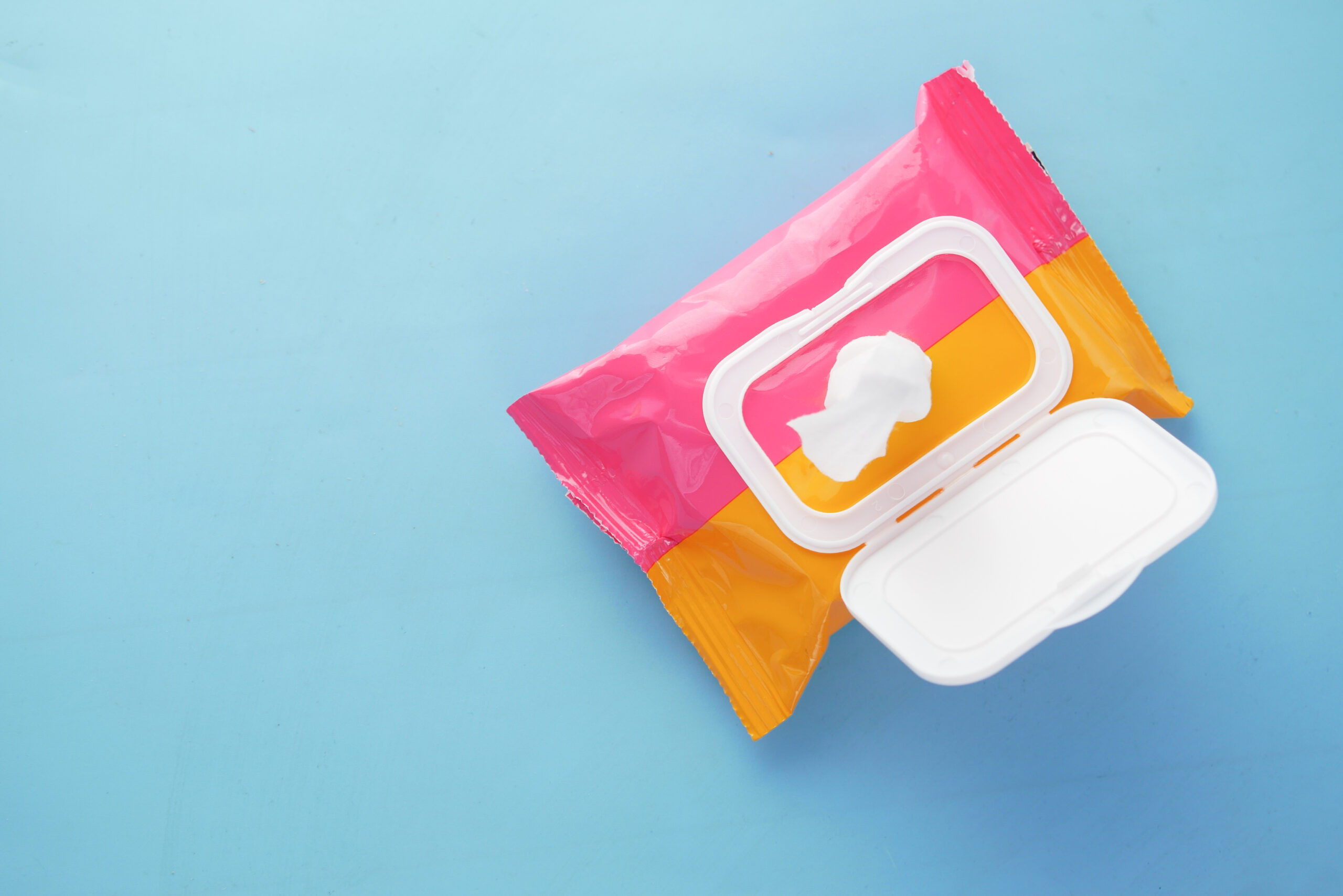
Antiseptic wipes, a crucial first aid kit essential, pack a powerful punch against germs, making them an indispensable component of any well-stocked kit. These disinfectant-soaked cloths effectively eliminate a wide range of bacteria, viruses, and fungi on both surfaces and skin. When you’re in a situation where proper handwashing isn’t possible, antiseptic wipes become your first line of defence against germ transmission.
The active ingredients in these wipes, such as alcohol, chlorhexidine, or benzalkonium chloride, work quickly to destroy harmful microorganisms. They’re particularly effective on non-porous surfaces, making them ideal for cleaning frequently touched objects like doorknobs, phones, or medical equipment. When choosing antiseptic wipes, consider the concentration of active ingredients and their specific germ-killing properties.
Among disinfectant options, antiseptic wipes stand out for their convenience and portability. They’re pre-moistened, ready to use, and individually packaged, ensuring they remain sterile until needed. You can easily tuck a few into your pocket or bag for on-the-go sanitisation.
Medical Tape
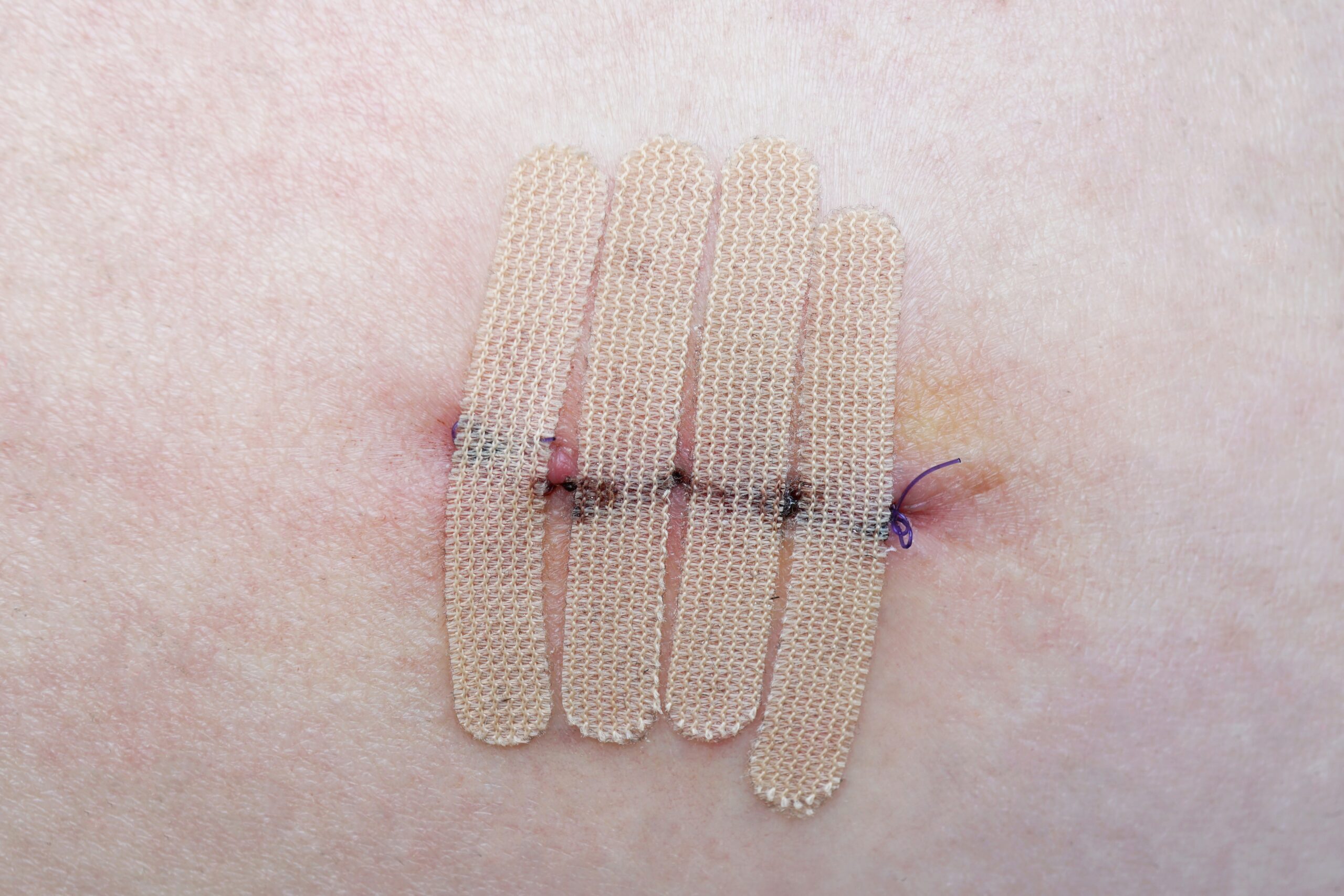
You’ll find medical tape to be an indispensable first aid kit essential in your kit, serving multiple purposes beyond simple wound dressing. There are several medical tape types to choose from, each with unique properties.
Adhesive cloth tape offers durability and strong adhesion, making it ideal for securing large bandages or splints. Paper tape is gentler on sensitive skin and allows for better breathability. Waterproof tape protects wounds from moisture during bathing or swimming.
Medical tape uses extend far beyond wound care. You can use it to secure IV lines, catheters, or other medical devices. It’s also handy for creating makeshift bandages, repairing torn clothing, or even patching small holes in tents or tarps. In emergency situations, you might use it to label equipment or mark trails.
When selecting medical tape for your kit, consider including a variety of types to address different needs. Opt for hypoallergenic options to minimise skin irritation. Store the tape in a cool, dry place to maintain its adhesive properties.
Scissors and Tweezers

Several first aid kit essentials should include both scissors and tweezers, each serving distinct yet important purposes in emergency situations. When organising your first aid essentials, consider including different types of scissors and tweezers to address various needs.
For scissors, opt for a pair of sturdy medical shears capable of cutting through clothing or bandages. These should have blunt tips to avoid accidental injuries. Additionally, include small, fine-tipped scissors for precise cutting tasks.
As for tweezers, pack both pointed-tip and flat-tip varieties. Pointed tweezers are ideal for removing splinters or ticks, while flat-tip tweezers work well for gripping larger objects or managing bandages.
Disposable Gloves
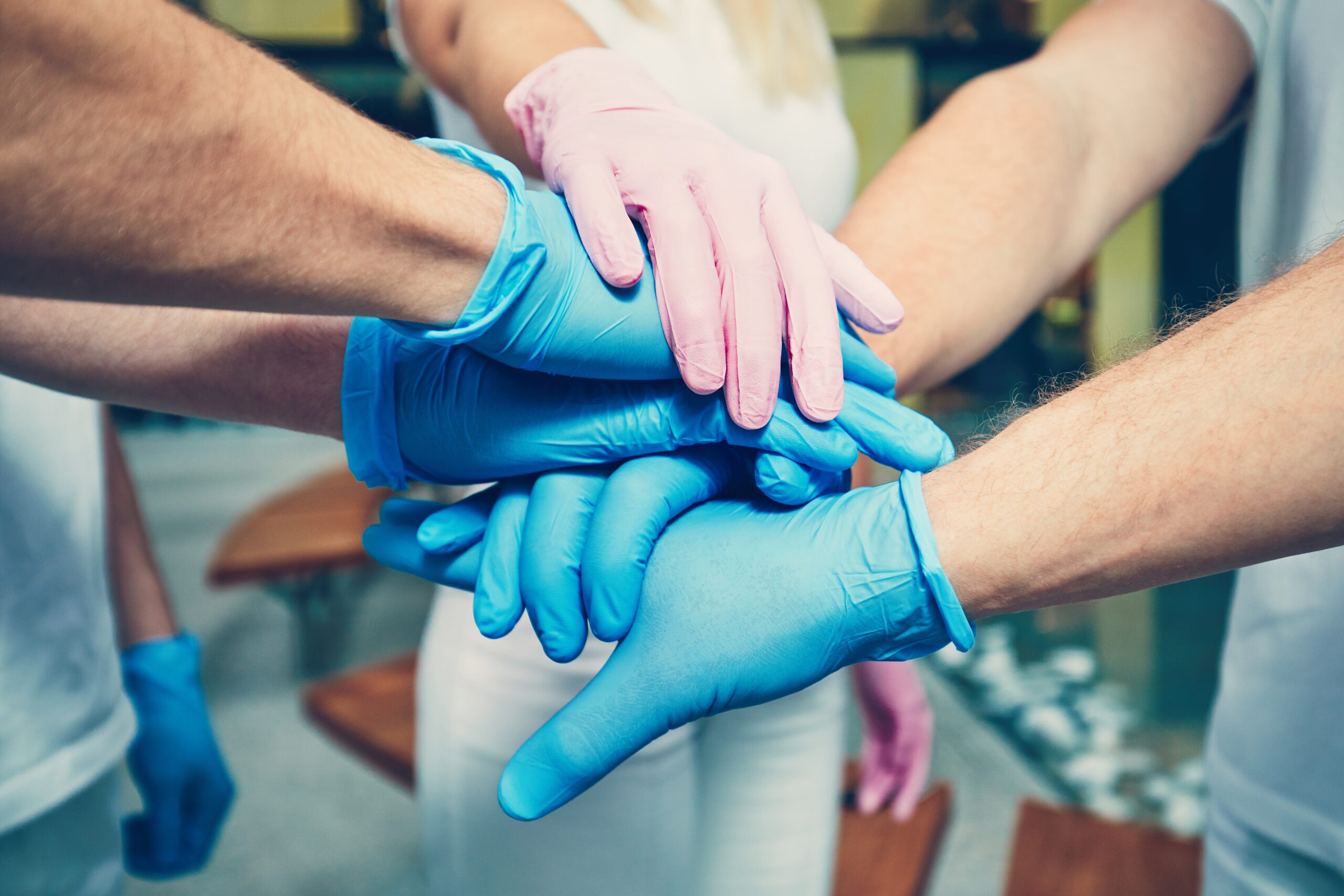
A pair of disposable gloves is an essential first aid kit essential for any well-prepared kit, offering protection against contaminants and reducing the risk of cross-contamination during emergencies or first aid situations.
When selecting gloves for your kit, consider the various glove materials available, such as latex, nitrile, or vinyl. Each material has its strengths and weaknesses, so choose based on your specific needs and potential allergies.
Proper glove sizing is vital for maximum protection and dexterity. You’ll want gloves that fit snugly without being too tight or loose. To guarantee you’re prepared for various situations, include multiple pairs of gloves in your kit.
Key considerations for disposable gloves in your kit:
- Durability: Choose gloves that can withstand punctures and tears.
- Comfort: Opt for gloves that allow for extended wear without causing discomfort.
- Grip: Select gloves with textured fingertips for improved handling of objects.
- Powder-free: Prefer powder-free gloves to avoid potential allergic reactions.
Remember to check your gloves periodically for expiration dates and replace them as needed.
Pain Relief Medication
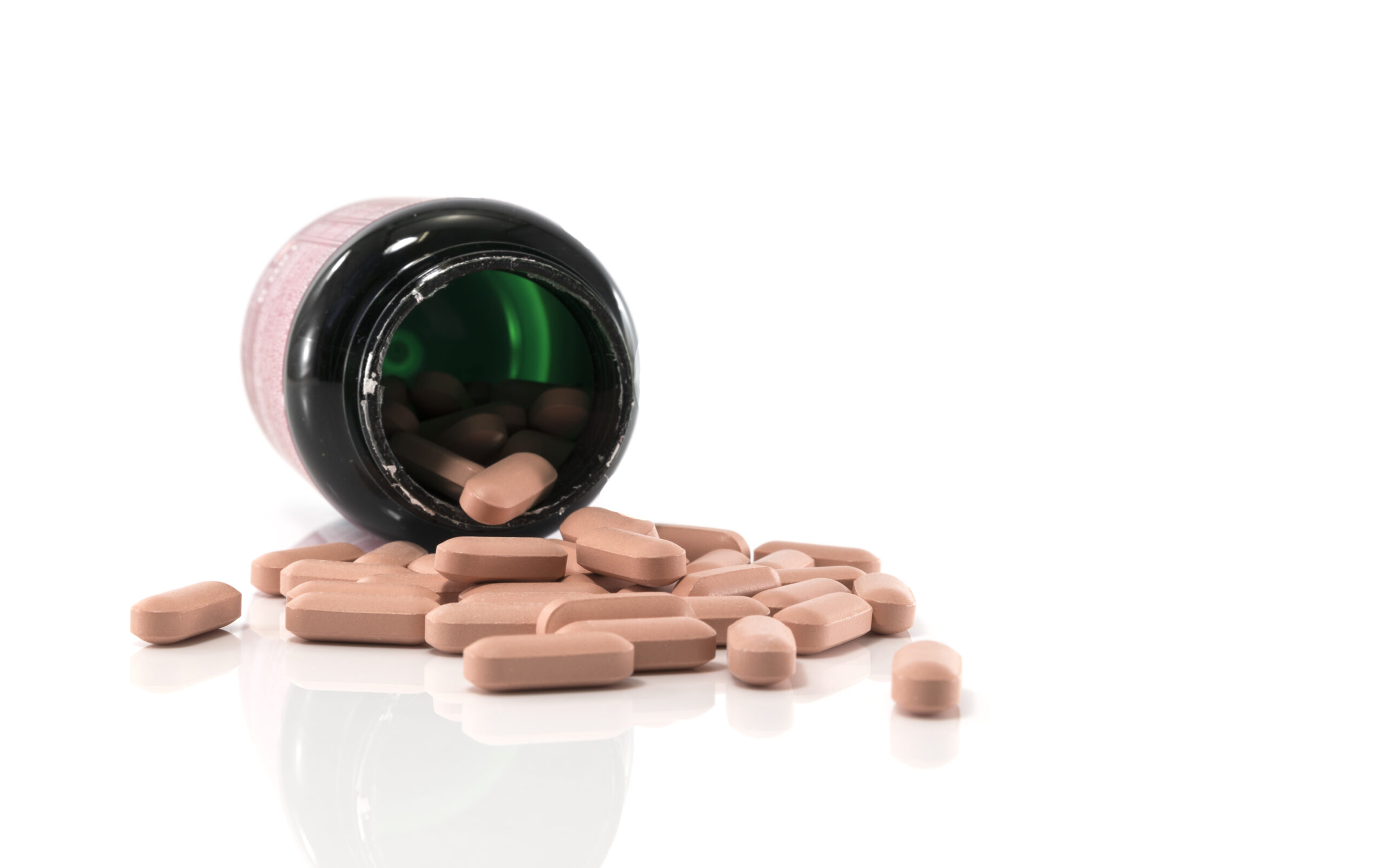
Your kit’s pain relief medication, a critical first aid kit essential, serves as an essential first line of defence against discomfort and can help manage a variety of minor injuries or ailments during emergencies.
When selecting pain relief options, focus on versatile over-the-counter medications that address multiple symptoms. Include paracetamol for fever reduction and general pain relief, as well as ibuprofen or naproxen for their anti-inflammatory properties.
Consider adding aspirin, which can be significant in suspected heart attack situations. However, be aware of its blood-thinning effects and potential interactions with other medications.
Antihistamines
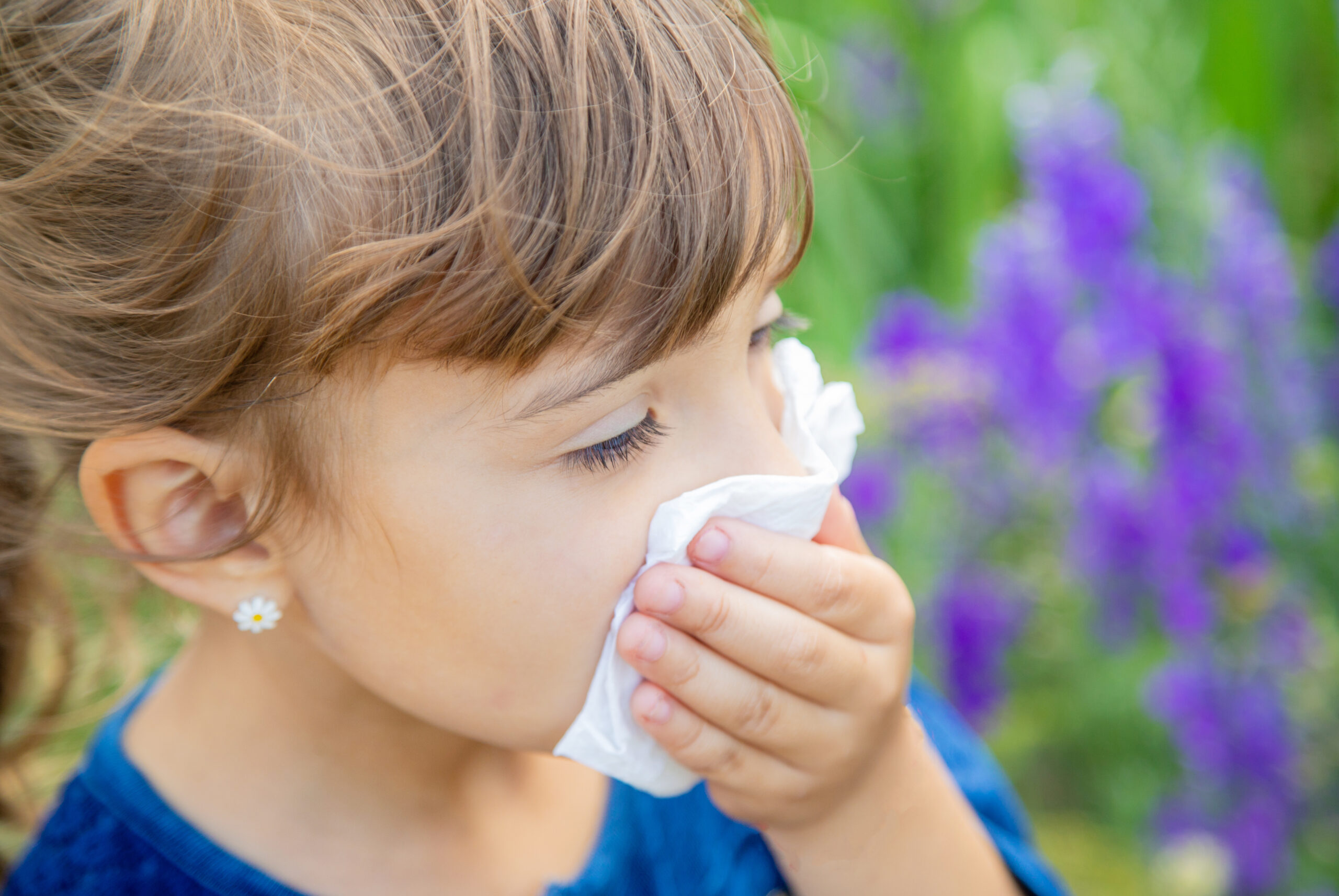
Three essential antihistamines should be included among your first aid kit essentials to combat allergic reactions and provide relief from common allergy symptoms. These medications are vital for managing unexpected allergic responses and can be lifesaving in severe cases.
Include diphenhydramine (Benadryl), loratadine (Claritin), and cetirizine (Zyrtec) in your kit to cover a range of allergy relief needs.
When selecting and using antihistamines, consider the following:
- Diphenhydramine works quickly but may cause drowsiness
- Loratadine and cetirizine are non-drowsy options for daily use
- Liquid formulations are easier to swallow and faster-acting
- Chewable tablets are ideal for those who’ve difficulty swallowing pills
Always follow dosage guidelines provided on the packaging or by your healthcare provider. For adults, typical doses range from 25-50mg for diphenhydramine, 10mg for loratadine, and 5-10mg for cetirizine.
Burn Gel
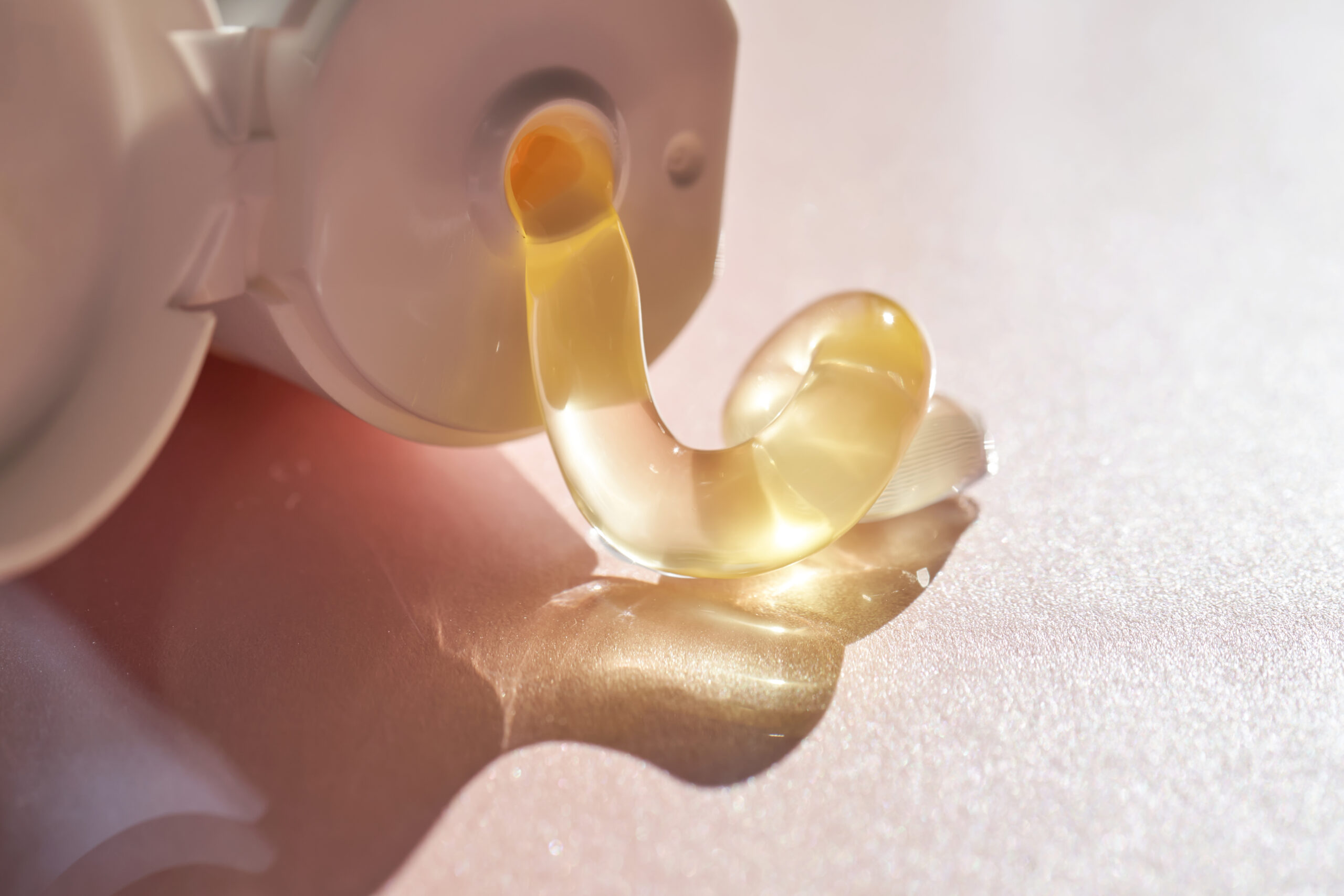
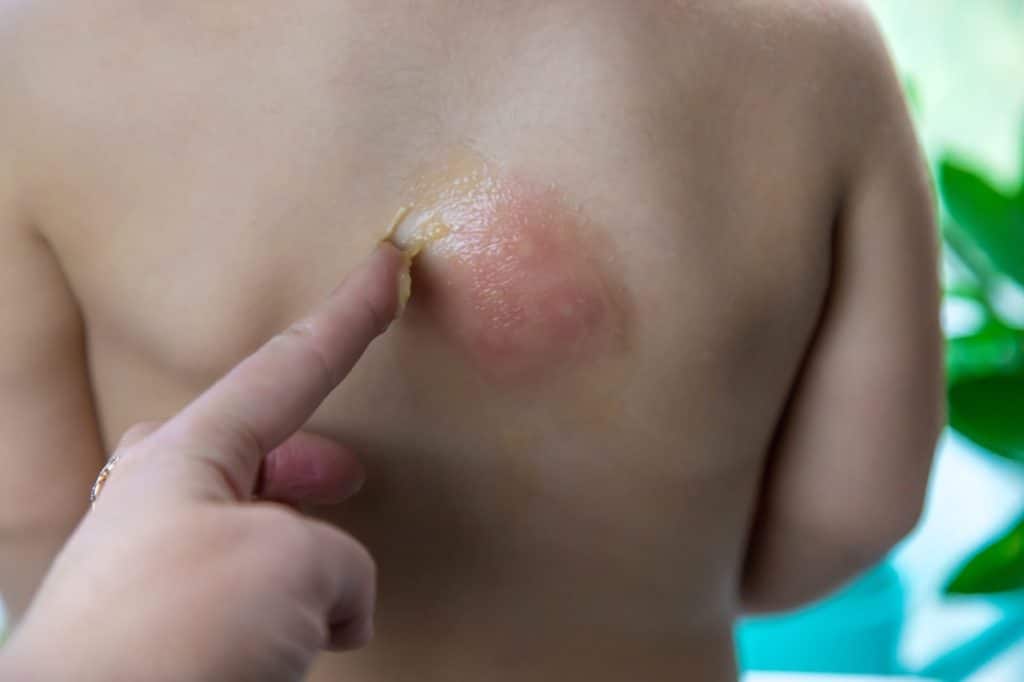
Moving from allergy relief to injury treatment, burn gel stands out as a key first aid kit essential in any extensive emergency kit. This versatile product offers immediate relief and protection for various types of burns, from minor kitchen accidents to more serious incidents. When selecting a burn gel, look for one containing lidocaine for pain relief and aloe vera for its soothing properties.
Among burn treatment options, gel is often preferred due to its cooling effect and ease of application. It creates a protective barrier over the affected area, reducing the risk of infection and promoting faster healing. To use burn gel effectively, first cool the burn under running water, then gently apply a thin layer of gel to the area.
Emergency Blanket

An emergency blanket, also known as a space blanket or Mylar blanket, is an essential first aid kit essential that can provide life-saving warmth and protection in various emergency situations. These lightweight, compact sheets are made from heat-reflective material and should be a staple in your survival gear. They’re designed to retain up to 90% of your body heat, making them vital for preventing hypothermia in cold environments.
You’ll find emergency blankets particularly useful during outdoor activities, natural disasters, or vehicle breakdowns. They’re incredibly durable, waterproof, and can be reused multiple times.
When packing your emergency kit, don’t overlook this versatile tool. It’s small enough to fit in your pocket but can make a significant difference in critical situations.
Instant Cold Pack
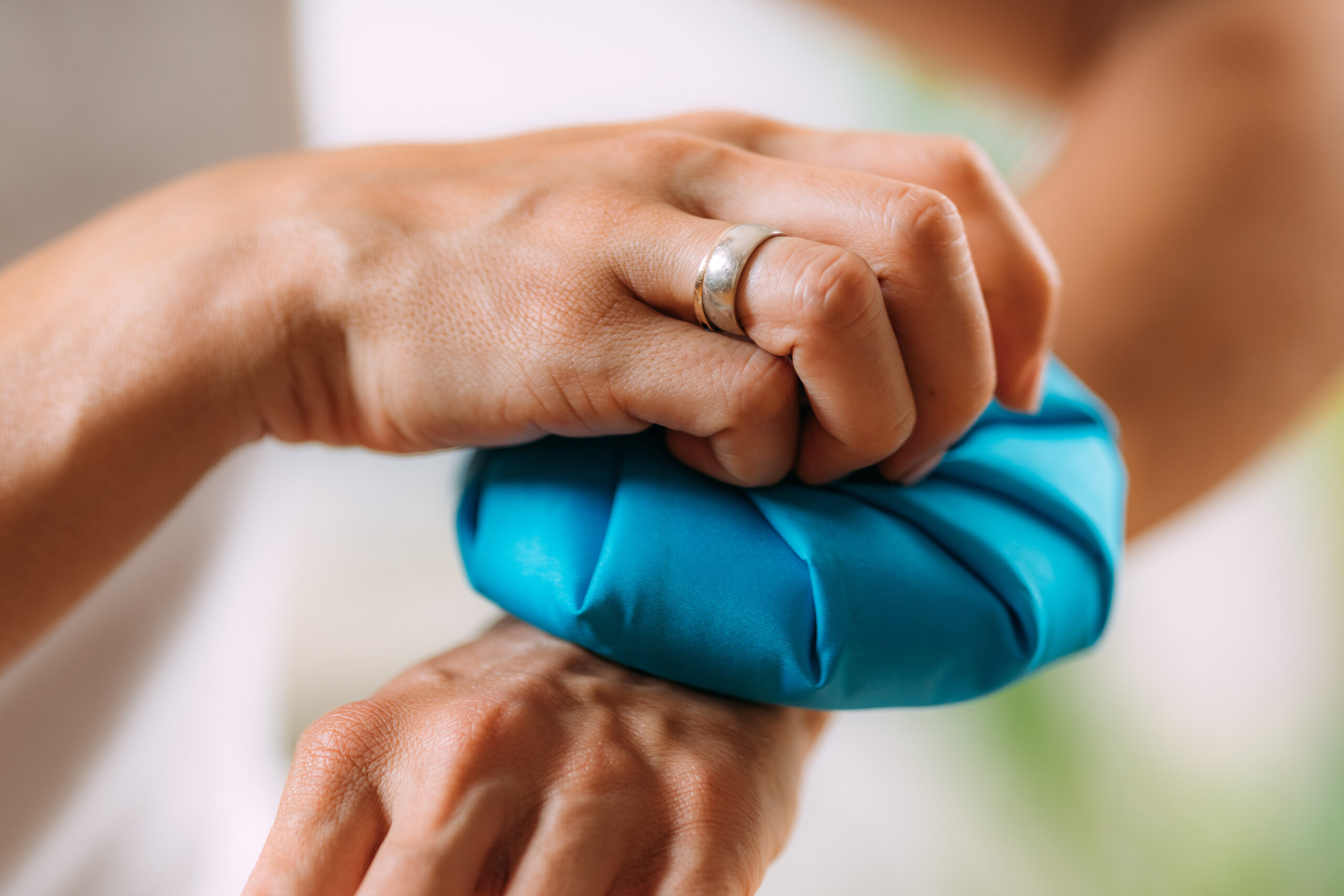
Instant cold packs are indispensable first aid kit essentials that you’ll want to include in your emergency kit for quick and effective treatment of injuries, swelling, and pain relief. These portable, single-use devices provide immediate cold therapy benefits without the need for refrigeration or ice.
To use an instant cold pack, simply activate it by squeezing or bending the pack to break the inner barrier. This action mixes the chemicals inside, triggering an endothermic reaction that rapidly cools the pack. Apply the activated pack to the affected area for 15-20 minutes at a time, with a thin cloth barrier between the pack and your skin to prevent frostbite.
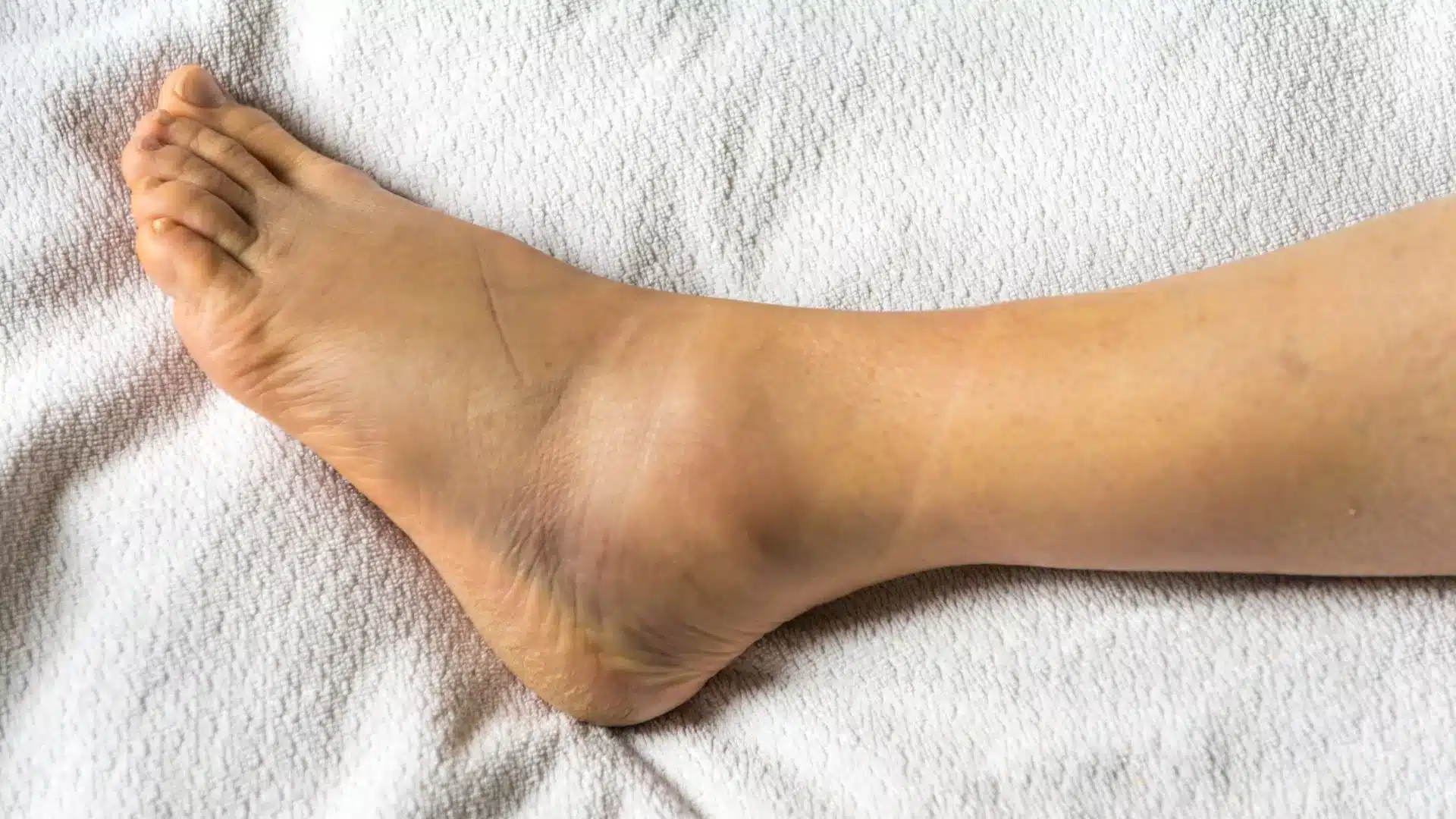
Instant pack usage is ideal for treating sprains, strains, bruises, and minor burns. The cold therapy helps reduce inflammation, numb pain, and minimise tissue damage. It’s particularly useful in situations where traditional ice packs aren’t available or practical, such as during outdoor activities or in remote locations.
When selecting instant cold packs for your kit, choose ones with a long shelf life and sturdy packaging to prevent accidental activation. Always check the expiration date and replace as needed to guarantee effectiveness when you need it most.
Frequently Asked Questions
How Often Should I Replace Items in My First Aid Kit?
You should routinely check your first aid kit essentials for expiry dates. Replace expired items immediately. Conduct thorough kit maintenance every 6-12 months, ensuring all supplies are current and in good condition. Regularly restock used items to maintain readiness.
What's the Best Way to Store a First Aid Kit?
Store your first aid kit essentials in a cool, dry place using clear, stackable containers for kit organisation. Label everything clearly and use vacuum-sealed bags for moisture-sensitive items. You’ll thank yourself later.
How Can I Make My First Aid Kit Child-Proof?
To child-proof your first aid kit essentials, use a lockable container and store it out of reach. Ensure kit accessibility for adults while maintaining child safety. Label items clearly and organise them for quick use during emergencies.