




Sharon has 21+ years of experience as a qualified Emergency Care Nurse registered with the Australian Health Practitioner Regulation Agency (APHRA) and 12+ years as a First Aid Trainer.
She takes pride in FirstAidPro making first aid training available, comprehensive and affordable to everybody.
Recognising heart attack symptoms quickly is crucial, as heart attacks, or myocardial infarctions, are one of the leading causes of death in Australia. With over 50,000 Australians experiencing a heart attack each year, recognising the symptoms and acting swiftly is critical. Immediate action can make the difference between life and death, with the first hour after symptom onset—often referred to as the “Golden Hour”—being vital for survival.
Understanding Heart Attacks
A heart attack occurs when blood flow to the heart muscle is blocked, often due to a build-up of fatty deposits (plaque) in the coronary arteries. Without adequate blood flow, the heart muscle begins to die, leading to severe complications or death if not treated promptly. Being able to identify heart attack symptoms early is essential, as unlike cardiac arrest, where the heart stops beating entirely, a heart attack refers to damage caused by restricted blood flow.
Common Causes of Heart Attacks
Heart attacks are often the result of long-term health conditions and lifestyle factors, including:
- Atherosclerosis: Narrowing of the arteries due to plaque build-up.
- High Blood Pressure: Increased pressure damages blood vessel walls, making blockages more likely.
- High Cholesterol: Excess cholesterol can lead to fatty deposits in arteries.
- Smoking: Damages blood vessels and increases clotting risk.
- Diabetes: Raises the likelihood of developing heart disease.
- Obesity and Physical Inactivity: Both contribute to overall cardiovascular risk and can make heart attack symptoms more severe when they occur.
Recognising Heart Attack Symptoms
The symptoms of a heart attack can vary but often include:
- Chest Pain: Tightness, pressure, or discomfort in the centre or left side of the chest.
- Radiating Pain: Discomfort spreading to the arms, neck, jaw, back, or stomach.
- Shortness of Breath: Difficulty breathing even when at rest.
- Nausea and Dizziness: Feeling lightheaded or experiencing cold sweats.
It’s important to note that women may experience less typical symptoms, such as fatigue, indigestion-like discomfort, or back pain.
Why Immediate Action Matters
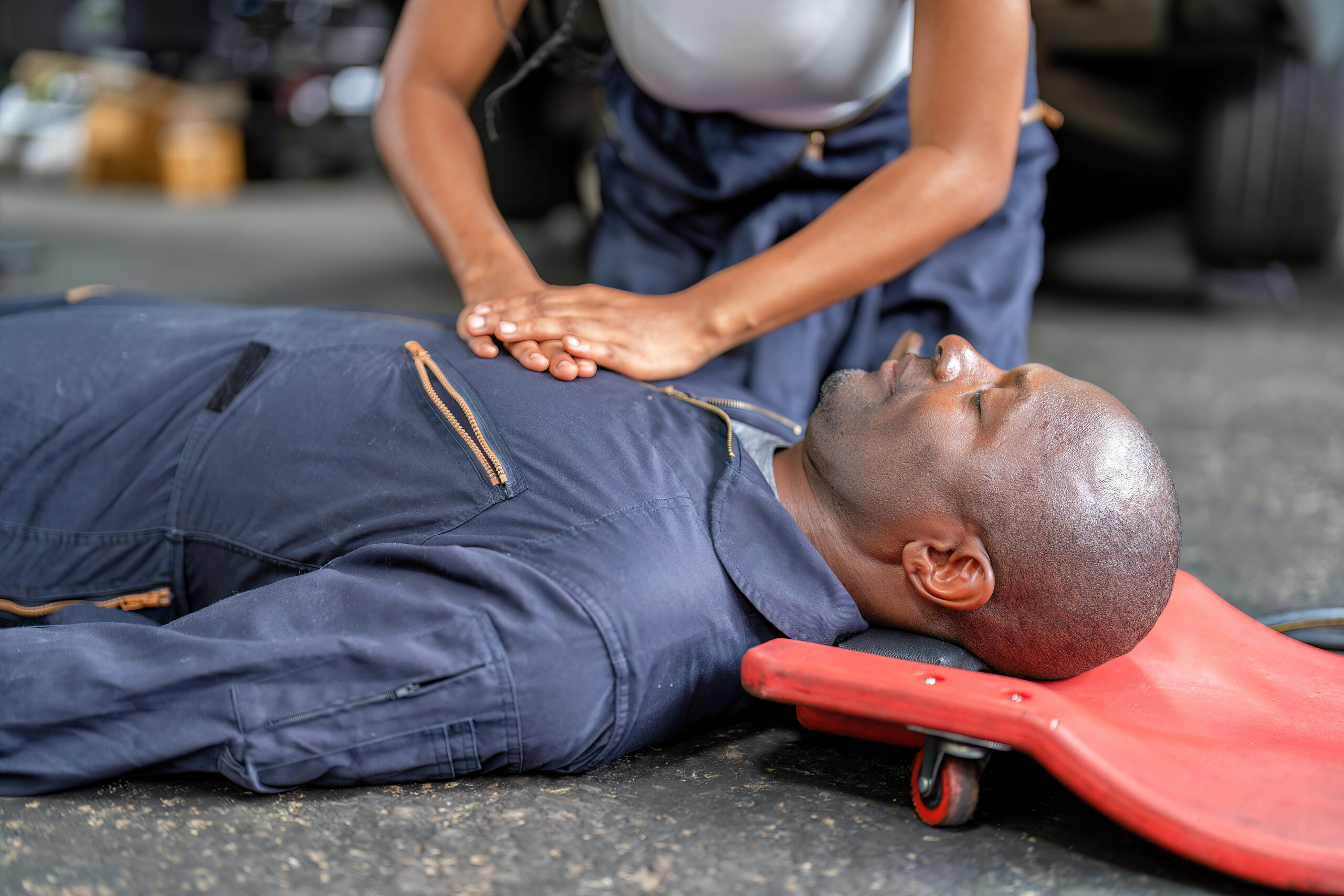
The “Golden Hour” refers to the critical first 60 minutes after the onset of heart attack symptoms. During this time, timely medical intervention can:
- Restore blood flow and oxygen to the heart muscle.
- Minimise permanent heart damage.
- Significantly improve survival rates.
Studies show that survival rates decrease sharply with every minute of delay. Acting within the Golden Hour maximises the effectiveness of treatments like clot-dissolving medications and stenting procedures.
Delays in Treatment: The Cost of Waiting
Delays in seeking treatment for heart attack symptoms are common and often fatal. Some reasons for hesitation include:
- Misinterpreting symptoms as less serious conditions, such as indigestion.
- Fear of overreacting or bothering emergency services.
- Lack of awareness about heart attack warning signs.
Every minute counts—if in doubt, it’s better to act. The American Heart Association advises that prompt, effective bystander CPR can double or even triple the chances of survival in cases of sudden cardiac arrest.
First Aid and CPR for Heart Attack Symptoms
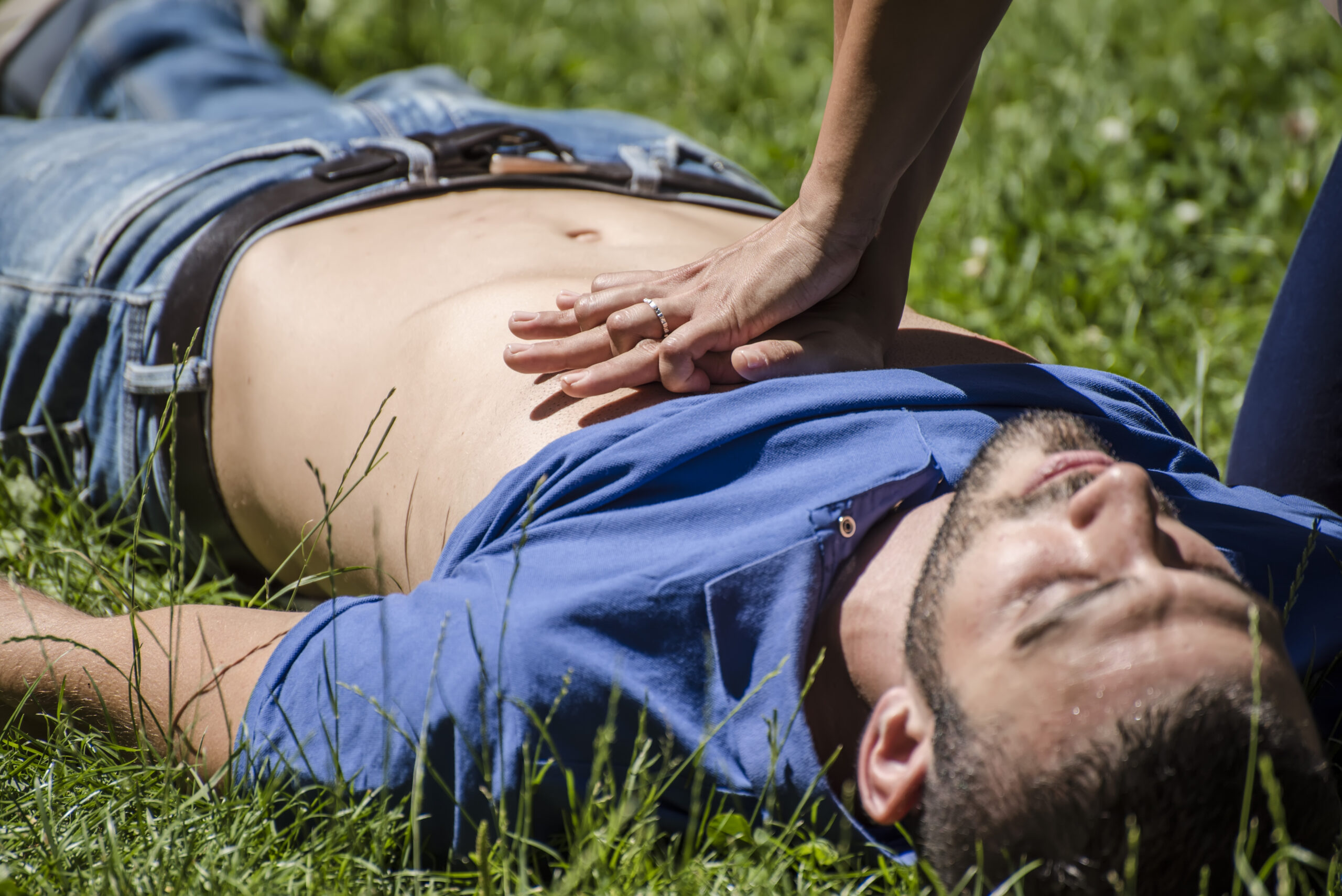
If someone shows signs of a heart attack, follow these steps immediately:
- Call Your Local emergency number (000): Inform emergency services and provide details of the symptoms and location.
- Help the Person Sit or Lie Down: Position them comfortably to reduce strain on the heart.
- Loosen Tight Clothing: This helps improve breathing and reduces discomfort.
- Administer Aspirin: If the person is not allergic, give them a standard dose of aspirin (300mg) to chew and swallow. Aspirin helps thin the blood and reduce clot formation.
How to Perform CPR During a Heart Attack Emergency
Cardiopulmonary resuscitation (CPR) is a critical life-saving technique used during cardiac emergencies. When heart attack symptoms progress to cardiac arrest, knowing how to perform CPR is essential:
- Check for responsiveness and breathing. If the person is unresponsive and not breathing or only gasping, call emergency services (000) immediately.
- Position the person on their back on a firm, flat surface.
- Begin chest compressions:
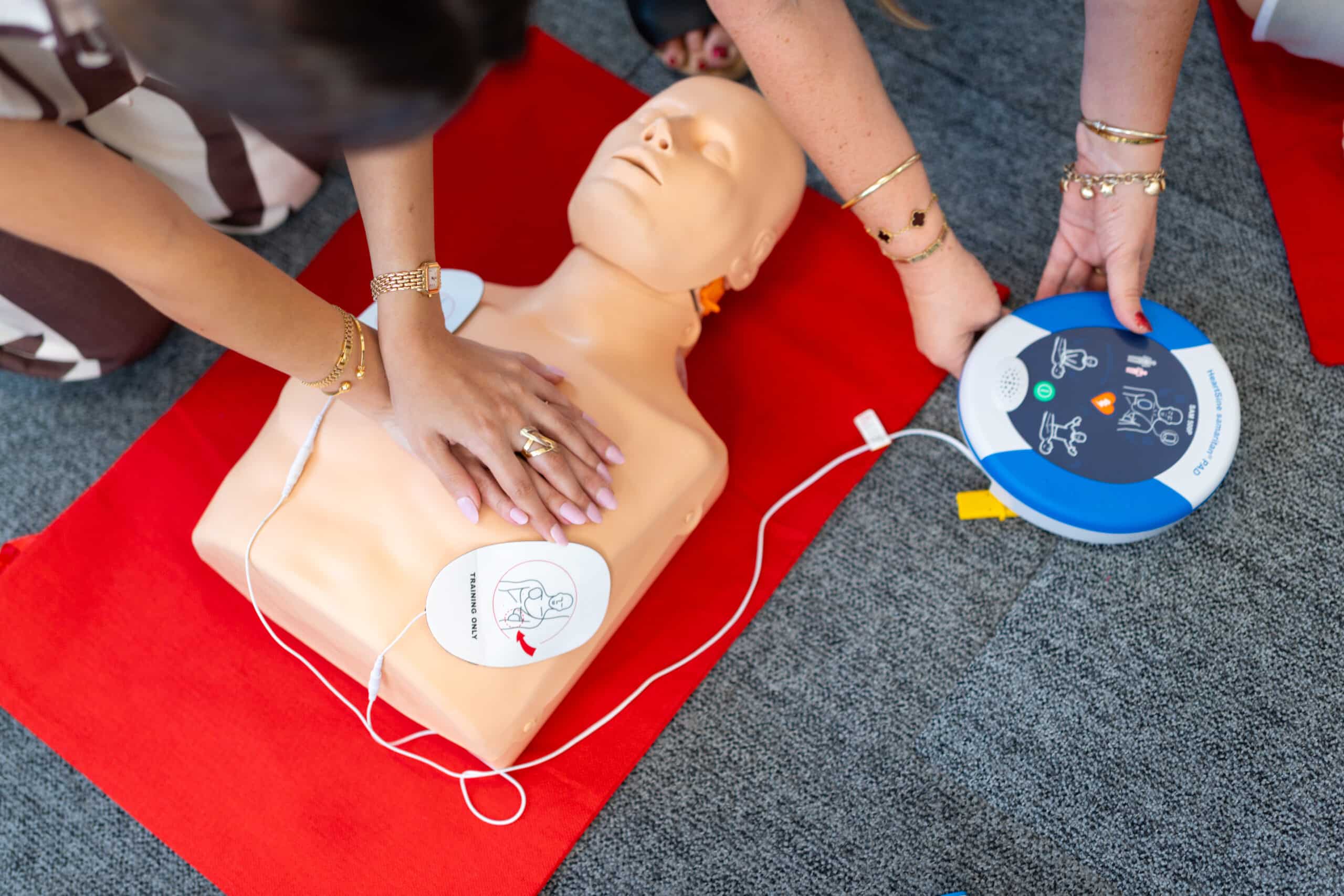
- Place the heel of one hand on the centre of the person’s chest, with your other hand on top
- Keep your arms straight and position your shoulders directly above your hands.
- Push hard and fast, compressing the chest at least 2 inches (5 centimetres) deep.
- Maintain a rate of 100 to 120 compressions per minute.
- After 30 compressions, give 2 rescue breaths:
- Tilt the person’s head back slightly and lift the chin.
- Give two 1-second breaths, watching for chest rise.
- Continue alternating between 30 chest compressions and 2 rescue breaths until emergency help arrives or an automated external defibrillator (AED) becomes available
- Use an AED (Automated External Defibrillator): If available, follow the device’s voice instructions to deliver a shock and restart the heart.
- Continue CPR until professional help arrives or the person regains consciousness.
Why Quick Action Saves Lives
Prompt CPR and AED use can double or triple survival rates in cardiac emergencies. Recognising heart attack symptoms and responding quickly is the first step in this chain of survival. In Australia, early intervention has saved countless lives, but widespread first aid knowledge is still essential to improve outcomes.
Long-Term Benefits of Timely Intervention
The speed at which treatment is administered after heart attack symptoms appear directly impacts long-term recovery and quality of life. Timely intervention has been shown to significantly reduce mortality rates and improve overall outcomes.
Preventing Complications
Acting quickly during a heart attack reduces the risk of severe complications, including:
- Arrhythmias: Irregular heartbeats that can be life-threatening.
- Heart Failure: A weakened heart muscle that struggles to pump blood efficiently.
- Cardiogenic Shock: A rare but severe condition where the heart suddenly cannot pump enough blood to meet the body’s needs.
Improving Recovery Outcomes
Patients who receive timely treatment for heart attack symptoms are more likely to experience:
- Shorter hospital stays.
- Faster recovery times.
- Improved long-term heart function and quality of life.
FAQs
Are heart attack symptoms different in women compared to men?
Yes, women often experience heart attack symptoms differently than men. While chest pain remains common, women are more likely to have subtler signs such as fatigue, shortness of breath, nausea, vomiting, and pain in the back, neck, or jaw. These less obvious symptoms can lead to delays in seeking treatment, making awareness particularly important for women.
What should I do if I'm alone and experiencing heart attack symptoms?
If you’re alone and experiencing heart attack symptoms, call emergency services (000) immediately—don’t drive yourself to the hospital. Take an aspirin if not allergic, unlock your door so emergency services can enter, and sit or lie in a comfortable position near the entrance. Try to stay calm and wait for help to arrive.
Can lifestyle changes help prevent heart attack symptoms from occurring?
Yes, healthy lifestyle modifications can significantly reduce your risk of experiencing heart attack symptoms. Regular physical activity, maintaining a heart-healthy diet, quitting smoking, limiting alcohol, managing stress, and controlling conditions like high blood pressure, diabetes, and high cholesterol can all help prevent heart attacks. Regular check-ups with your doctor are also essential for early risk detection.