



Sharon has 21+ years of experience as a qualified Emergency Care Nurse registered with the Australian Health Practitioner Regulation Agency (APHRA) and 12+ years as a First Aid Trainer.
She takes pride in FirstAidPro making first aid training available, comprehensive and affordable to everybody.
Summer brings sunshine, surf, and an uninvited guest to many Australian beaches: the blue bottle Man O’ War, (siphonophores). Known for its painful stings, this marine creature thrives along the east coast, drifting with winds and currents. Though often mistaken for a single animal, it’s actually a colony of specialised polyps working together. Each member has a role, from feeding to defence.
Australia's 'Wind Sailor' Marine Stinger
The bluebottle’s pear-shaped float—sometimes tinted green or pink—acts like a sail, earning it the nickname “wind sailor”. When washed ashore, its long tentacles pose risks to swimmers. Understanding how to treat stings is crucial. Contrary to myths, hot water (not ice) provides the best relief.
This article explores the bluebottle’s biology, movement patterns, and first aid steps. We’ll break down why its tentacles deliver such a potent sting and how seasonal winds push colonies toward coast Australia. Whether you’re a beachgoer or marine enthusiast, knowing these facts helps you stay safe and informed.
Key Takeaways
- The bluebottle or Indo-Pacific Man o’ War, is a colonial organism, not a single animal and is a relative of the Portuguese Man O’ War.
- Its sail-like float allows movement via wind, often washing it onto east coast beaches.
- Stings require immediate treatment with hot water to neutralise toxins.
- Avoiding contact with stranded tentacles reduces sting risks.
- Understanding bluebottle behaviour helps predict their presence near shorelines.
Understanding the Blue Bottle Colony
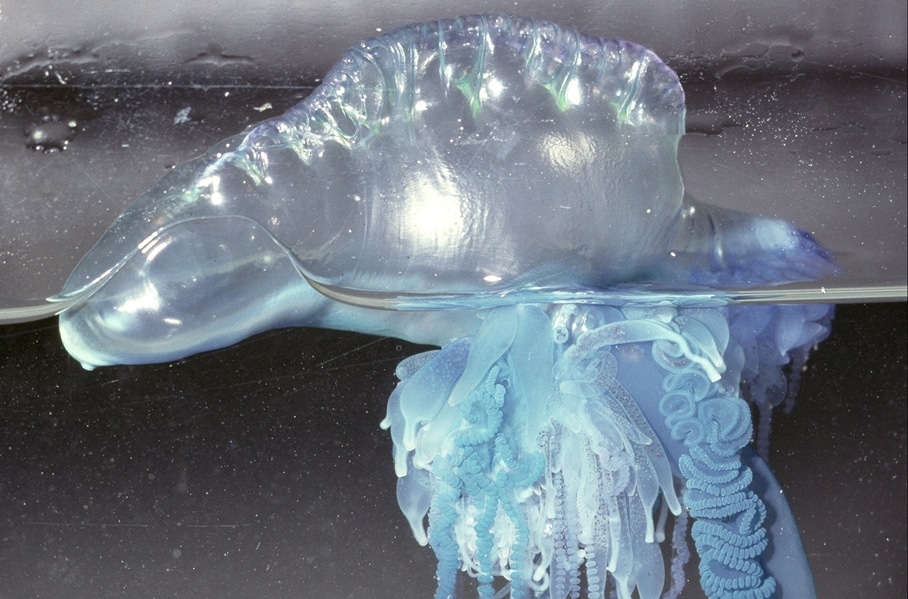
Marine biologists often marvel at this organism’s intricate design. Unlike solitary jellyfish, it operates as a colony of interdependent zooids. Each polyp specialises in tasks vital for survival, creating a seamless biological partnership.
Anatomy and Zooid Functions
Four distinct zooid types form the colony. Dactylozooids handle defence and prey capture with venomous tentacles. Gastrozooids digest food, while gonozooids manage reproduction. The pneumatophore—a gas-filled float—anchors the structure and controls buoyancy.
This ensures efficiency. For example, if one zooid group fails, others compensate. Such adaptability explains their prevalence in southern western Australian waters, where conditions shift rapidly.
Floating Mechanism and Sailing Dynamics
The float isn’t just a buoy. Its diagonal sail shape catches wind, propelling the colony across oceans. Muscles adjust the sail angle up to 45 degrees, steering away from threats or toward food sources.
This mechanism prevents mass beach strandings. Half the population sails left, the other right. When wind patterns change, some groups escape shallow coast areas. Similar species like the blue button lack this versatility, relying on rigid oval disc shapes instead.
By combining precise anatomy with wind-responsive navigation, these colonies thrive in dynamic marine environments. Their design offers lessons in resilience—a harmony of form and function.
| Polyp Type | Function | Description |
|---|---|---|
| Pneumatophore | Flotation | Blue gas-filled sac that acts as a sail |
| Gonozooids | Reproduction | Produce eggs and sperm |
| Dactylozooids | Defence/Feeding | Tentacles with stinging cells (nematocysts) |
| Gastrozooids | Digestion | Process captured prey |
Habitat, Distribution and Seasonal Patterns
Coastal currents and seasonal winds shape the movement of Australia’s most notorious marine drifters. These colonies thrive in open marine waters, riding surface currents from tropical zones to temperate coastlines.
Ranges Along the Australian Coast
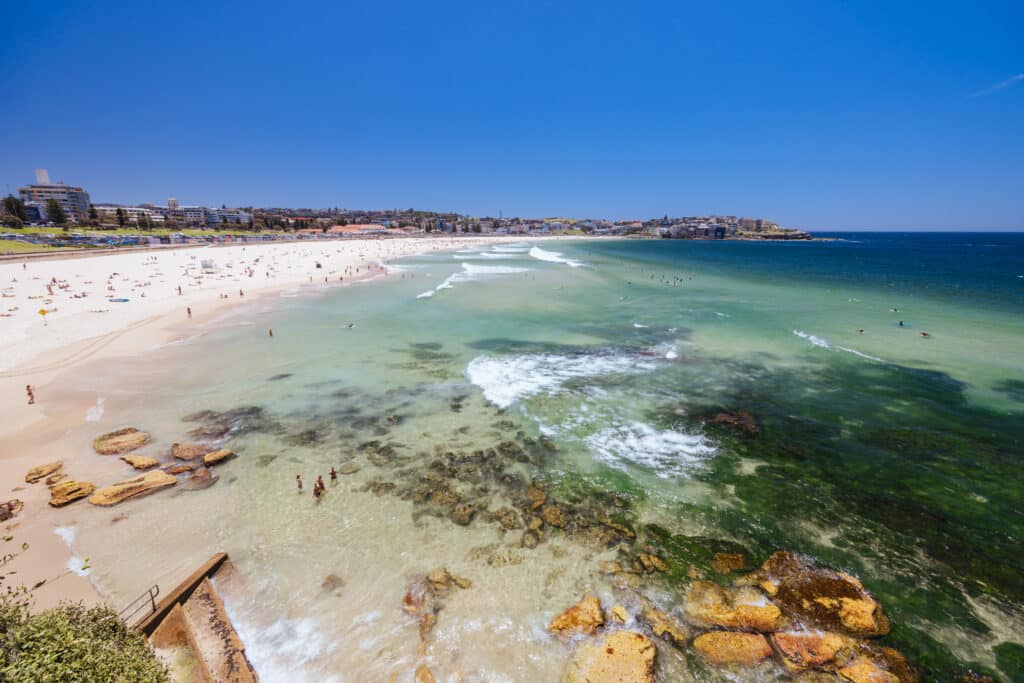
From Queensland’s warm currents to Western Australia’s cooler swells, the species patrols vast stretches of coastline. The disc-shaped float’s angle against the wind determines their path, often pushing them toward popular beaches. Eastern shores face higher summer numbers as northeasterly winds drive colonies shoreward.
Summer and Winter Occurrences
Warmer months bring swarms (colloquially known as an “armada”) to Sydney and Gold Coast beaches, where prey like plankton and larval fish abound. In contrast, southern western populations surge during seasonal wind shifts, targeting crustaceans in cooler waters. Specialised polyps work collectively to immobilise and digest these animals, ensuring efficient energy distribution across the colony.
Population booms correlate with food availability and water temperatures above 20°C. When prey dwindles or winds shift, colonies retreat to deeper waters. This adaptability allows them to dominate diverse marine environments while maintaining their ecological range.
| Beach Location | Bluebottle Prevalence | Peak Season |
|---|---|---|
| Sydney's eastern beaches | Very high | Summer (during NE winds) |
| Gold Coast, Queensland | High | Summer to early autumn |
| Sunshine Coast, Queensland | High | Summer to early autumn |
| Central Coast, NSW | Moderate to high | Summer |
| Newcastle beaches | Moderate | Summer |
| Far North Queensland | Lower | Winter (May-August) |
Managing Stings and First Aid for Bluebottle Encounters
Coastal visitors often face unexpected hazards when these marine animals drift ashore. Understanding proper response protocols reduces risks and promotes faster recovery.
| Myth | Fact | Why It's Harmful |
|---|---|---|
| Urinating on the sting | No scientific evidence supports this | May cause more stinging cells to discharge |
| Rubbing with sand | Increases pressure on nematocysts | Causes more venom release |
| Applying vinegar | Effective for box jellyfish but not bluebottles | May worsen bluebottle stings |
| Applying freshwater | Changes osmotic pressure | Triggers unfired stinging cells |
| Applying methylated spirits | No proven benefit | May cause more stinging cells to fire |
Recognising Symptoms and Immediate Relief Measures
Blue bottle stings trigger distinct reactions. Common signs include:
- Sharp, burning pain at the contact site
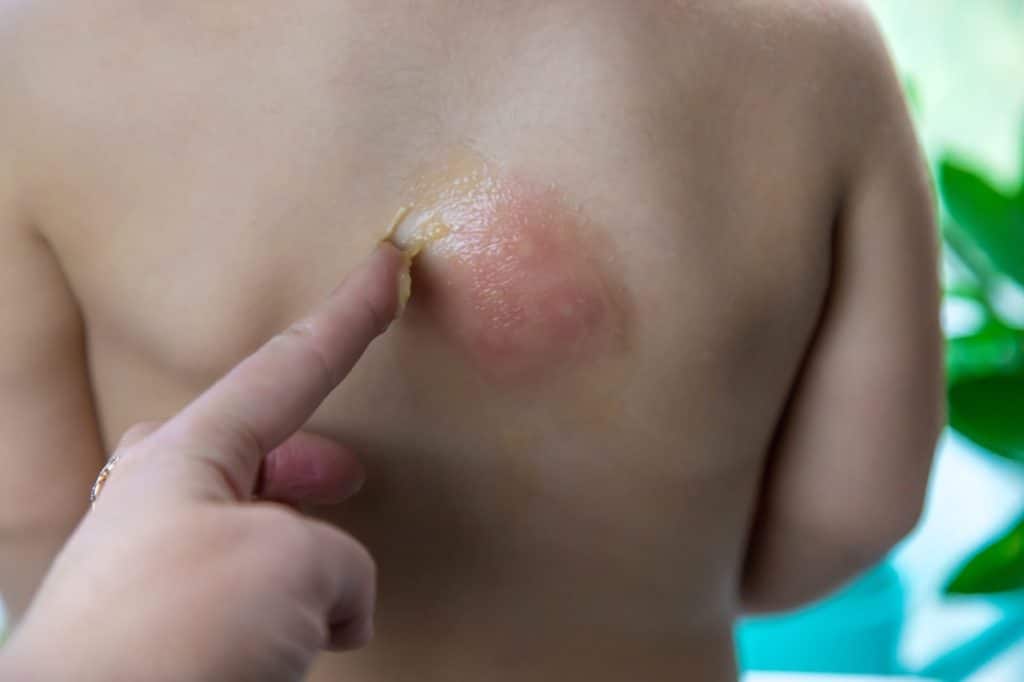
- Red streaks or raised welts matching tentacle patterns
- Swelling lasting several hours
Act quickly using these First Aid steps:
- Rinse the area with saltwater—never fresh water
- Remove visible tentacles with tweezers or a gloved hand
- Immerse in hot water (40-45°C) for 20 minutes to neutralise toxins
Heat breaks down venom proteins, providing effective relief. Avoid ice, vinegar, or scrubbing—these worsen irritation. Vulnerable groups like children or allergy sufferers should monitor for dizziness or breathing difficulties.
“Hot water immersion remains the gold standard for bluebottle sting treatment,” confirms the Medical Journal of Australia.
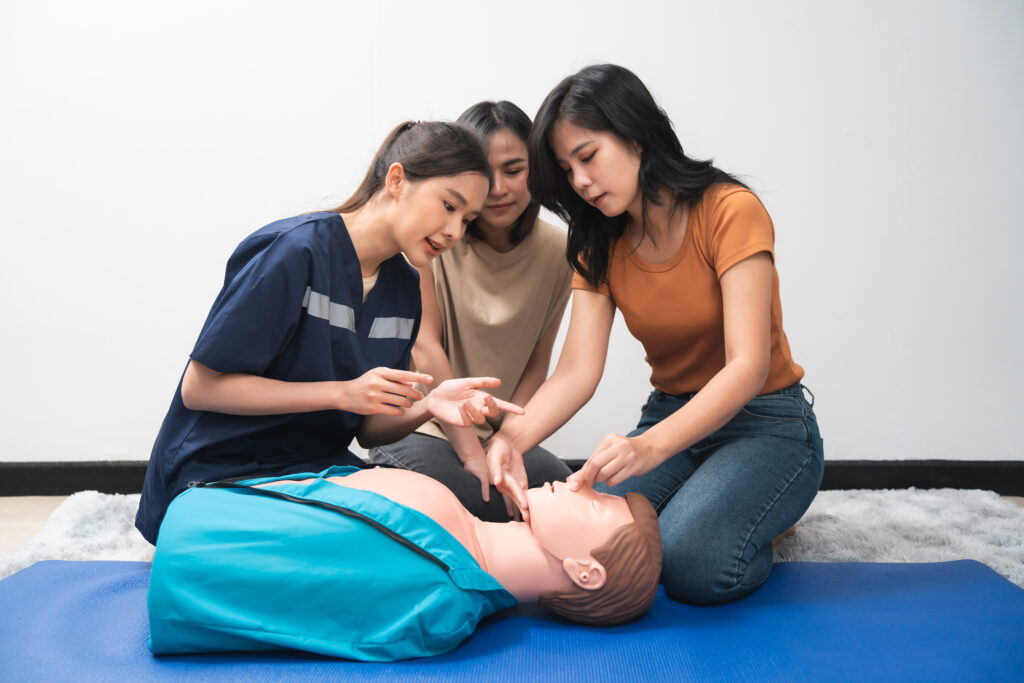
Enrol in an Accredited First Aid Course with First Aid Pro
While most ocean stings resolve with basic care, proper training ensures confidence during emergencies. First Aid Pro’s courses teach:
- Advanced wound management techniques
- Scenario-based response drills
- Certification recognised nationwide
Seasonal winds influence bluebottle distribution, making encounters likely along Australia’s eastern and southern coasts. We recommend annual refreshers to stay prepared. Enrol in nationally recognised first aid training today—your ability to act could save a life
How Can You Prevent Blue bottle Stings at Australian Beaches?
Prevention is always better than treatment when it comes to bluebottle stings. Being aware of environmental conditions and taking appropriate precautions can significantly reduce your risk.
Best Methods to Spot Bluebottles Before Swimming at the Beach
- Check for beach warning flags and signs
- Look for bluebottles washed up on the shore—if they’re on the beach, they’re likely in the water too
- Observe the direction of the wind—onshore winds (blowing toward the beach) increase bluebottle risks
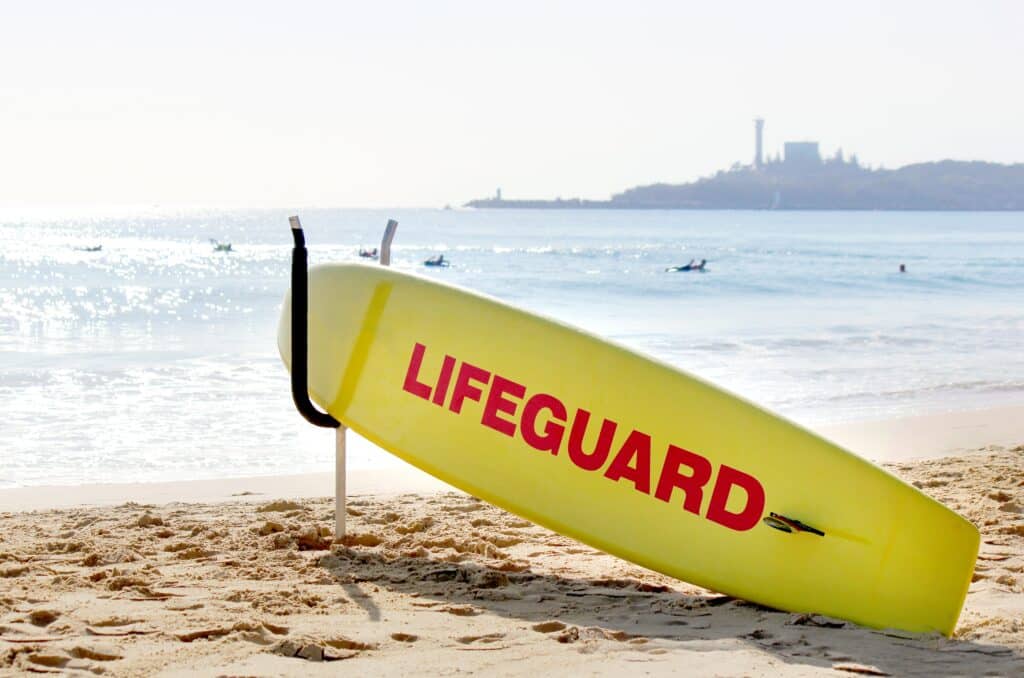
- Ask lifeguards about recent sightings
- Check local beach reports or apps that provide marine stinger updates
- Be especially vigilant after storms or during strong winds
Protective Swimwear That Reduces Your Risk of Bluebottle Stings
Protective clothing provides a physical barrier against bluebottle tentacles:
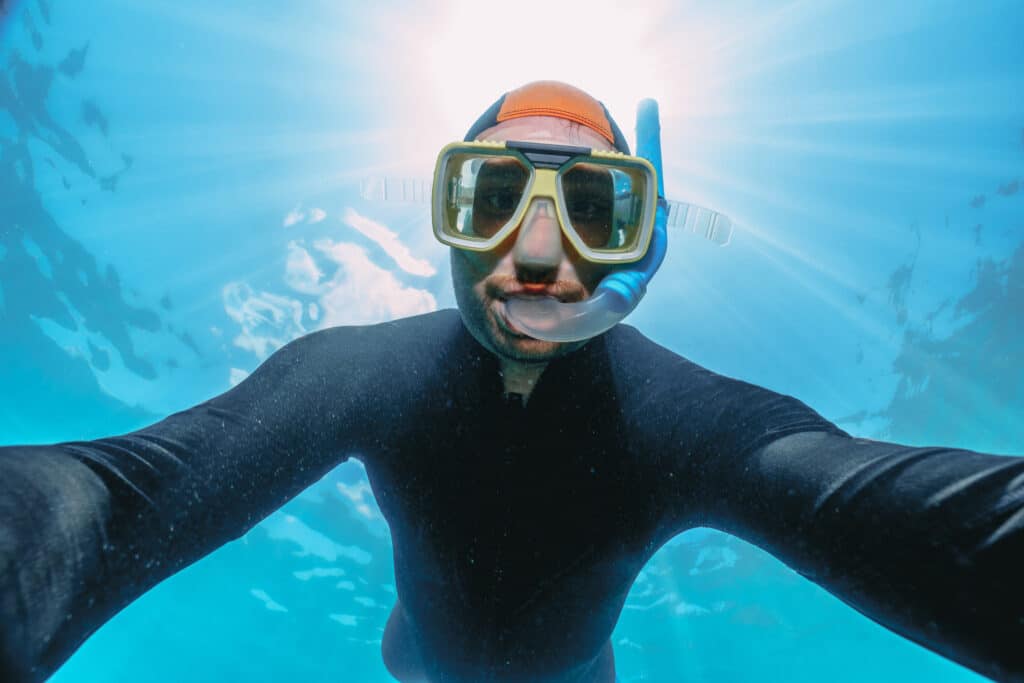
- Lycra stinger suits cover the body, arms, and legs
- Rash vests with long sleeves protect the upper body
- Wetsuits provide excellent protection
- Wearing leggings or other leg coverings reduces exposure
- Swimming booties protect feet when walking in shallow water
Understanding Beach Warning Flags and Signs for Marine Stingers
Australian beaches use a standardised flag system to communicate hazards to beachgoers:
- Red and yellow flags: Swim between these flags in the patrolled area
- Red flag: Dangerous conditions, do not enter the water
- Purple flag: Dangerous marine creatures present (including bluebottles)
- Information boards: Often display current warnings about marine stingers
Don’t let fear of marine stingers keep you from enjoying Australia’s beautiful beaches. Build your confidence by learning proper response techniques in a nationally recognised first aid course. First Aid offers flexible training options suited to individuals, families, and groups.
Safely Managing Bluebottle Encounters
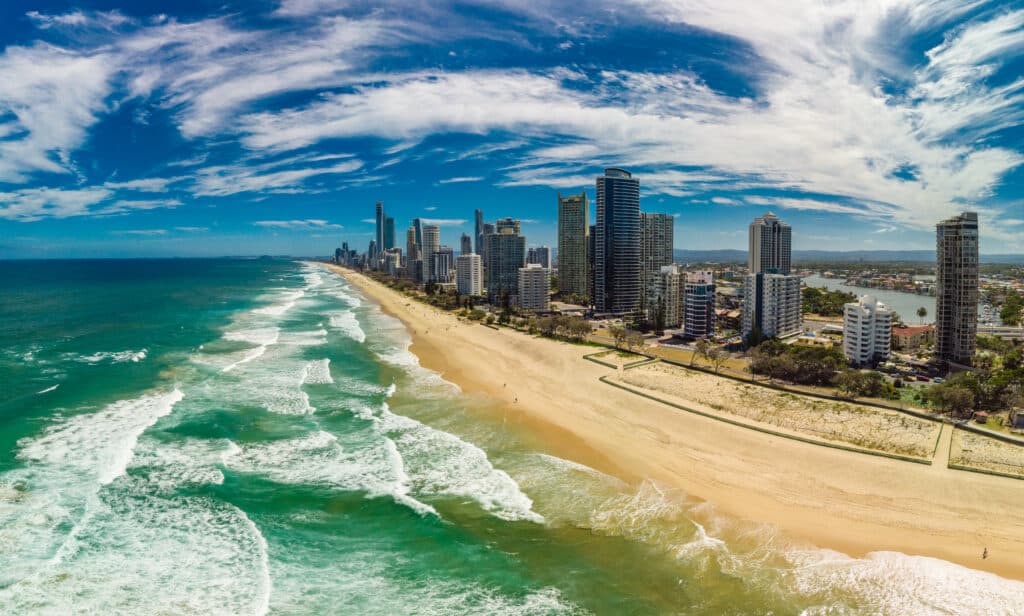
Australian beachgoers face seasonal risks from drifting marine colonies equipped with venomous tentacles. These organisms thrive as cooperative units, using their gas-filled sac and specialised polyps to hunt crustaceans and navigate coastal currents. Summer months see peak activity along eastern shorelines, where warm waters and onshore winds drive colonies toward popular swimming areas.
Recognising sting symptoms—sharp pain, red welts, and swelling—enables swift action. Immediate treatment with hot water immersion remains critical for neutralising toxins and protecting skin. Avoid myths like vinegar applications, which worsen irritation.
Understanding reproduction cycles and colony behaviour helps individuals predict encounters. Beach safety improves when combining this knowledge with accredited first aid training. Courses from providers like First Aid Pro teach evidence-based responses, empowering communities to manage emergencies confidently.
We recommend keeping a sting relief guide in beach bags during high-risk months. Pair this with regular first aid training refreshers to maintain readiness. Informed individuals reduce long-term health impacts while supporting safer coastal experiences for all.
References
- Australian Museum. (2023). Bluebottle: Physalia utriculus. https://australian.museum/learn/animals/jellyfish/bluebottle/
- Australian Geographic. (2022). The science of bluebottle jellyfish. https://www.australiangeographic.com.au/topics/science-environment/
- Cegolon, L., Heymann, W. C., Lange, J. H., & Mastrangelo, G. (2023). Jellyfish stings and their management: A review. Marine Drugs, 11(2), 523-550.
- Queensland Health. (2024). Marine stings. https://www.health.qld.gov.au/
- Surf Life Saving Australia. (2024). Marine stingers. https://sls.com.au/
- Tibballs, J. (2022). Australian venomous jellyfish, envenomation syndromes, toxins and therapy. Toxicon, 48(7), 830-859.
- Williamson, J. A., Fenner, P. J., Burnett, J. W., & Rifkin, J. F. (Eds.). (2021). Venomous and poisonous marine animals: A medical and biological handbook. University of New South Wales Press.
Frequently Asked Questions
The bluebottle, also known as the blue bottle, is a marine siphonophores—colonial organisms composed of specialised polyps (zooids) that function together as a single entity. It is commonly found in the marine waters of the Indian and Pacific Oceans, particularly along the eastern coast of Australia and Western Australia.
The bluebottle has stinging cells called nematocysts that can inject venom into its prey or potential threats. This sting is known for being particularly painful and is often reported by those who accidentally come into contact with it while swimming.
If you are stung by a blue bottle jellyfish, rinse the affected area with seawater to remove tentacles, and avoid using fresh water as it can aggravate the sting. Immersion in hot water as soon as possible is considered the first aid ‘gold standard’. Seek medical attention if severe symptoms occur.
Bluebottle jellyfish often wash up onto beaches along the eastern coast of Australia, especially during warmer months when onshore winds push them towards the shore.
Bluebottle jellyfish primarily feed on small crustaceans and other marine organisms, including larval fish. Their diet mainly consists of organisms that make up the range of the digestive polyps.
Bluebottles can grow up to 15 cm in length, with their long, trailing tentacles extending much further. These tentacles are responsible for their notorious sting.
While the sting of a bluebottle can be painful and cause discomfort, it is rarely life-threatening. However, allergic reactions or severe stings can lead to serious health issues, so caution is advised when swimming in areas where they are found.
Blue bottles are easily identifiable by their distinctive blue color and their gas-filled float, which resembles a bottle. They have long tentacles that trail beneath them, which can vary in length.
Blue bottles and the Portuguese man o’ war are not only part of the same group—they are considered the same species or, at most, regional variants of the species Physalia physalis (family Physaliidae). The bluebottle found in the Indo-Pacific is sometimes called the Indo-Pacific man o’ war and is now generally regarded as a regional form of the Portuguese man o’ war, not a separate species.
Blue bottles are primarily found in the Indian and Pacific Oceans, they can occasionally be spotted in other regions, especially during unusual weather patterns or ocean currents that carry them beyond their typical range.