



Sharon has 21+ years of experience as a qualified Emergency Care Nurse registered with the Australian Health Practitioner Regulation Agency (APHRA) and 12+ years as a First Aid Trainer.
She takes pride in FirstAidPro making first aid training available, comprehensive and affordable to everybody.
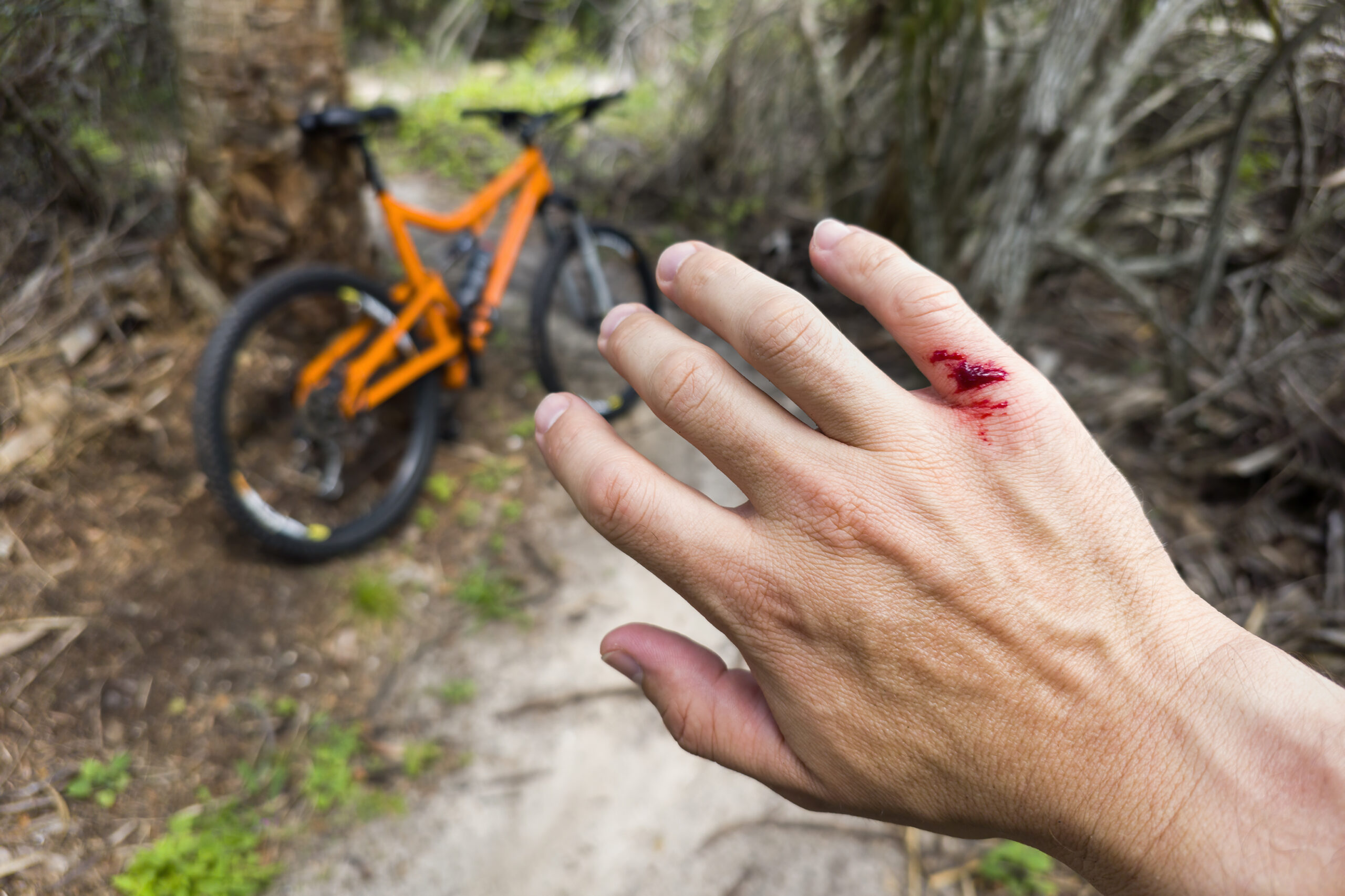
When you’re dealing with a minor cut, knowing how to prevent infection in cuts is crucial, as it’s easy to brush it off as no big deal. But even the smallest wound can become a gateway for harmful bacteria if not properly cared for.
By following a few simple steps, you can greatly reduce the risk of infection and promote faster healing. From cleaning techniques to dressing choices, there’s more to wound care than you might think.
Curious about how to keep those pesky germs at bay and guarantee your cuts heal without complications? Let’s explore some top tips that’ll have you handling minor injuries like a pro.
Key Takeaways
- Clean the wound immediately with cool or lukewarm water to remove dirt and debris.
- Apply an appropriate antiseptic solution after cleaning to reduce the risk of infection.
- Cover the wound with a sterile dressing and change bandages regularly to maintain hygiene.
- Keep the wound area dry and avoid touching it with bare hands to prevent infection in cuts.
- Monitor for signs of infection such as redness, swelling, or pus, and seek medical attention if symptoms worsen
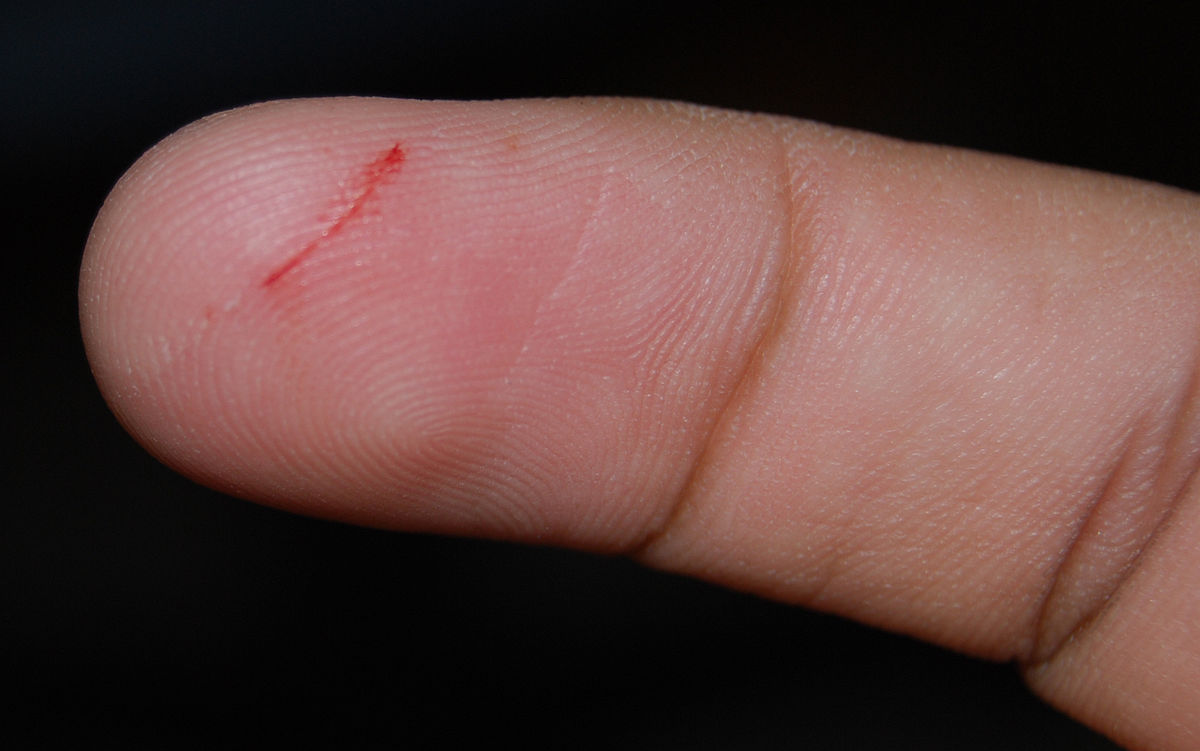
Clean the Wound Immediately
Rinse the cut thoroughly with clean water to remove dirt and debris. This initial step in first aid is essential for preventing infection. If you’re outdoors or don’t have access to clean running water, use bottled water or any sterile solution you have on hand. Avoid using harsh chemicals like hydrogen peroxide or alcohol, as they can damage healthy tissue and slow healing.
After rinsing, gently clean around the wound with mild soap. Be careful not to get soap directly in the cut. If there’s visible debris that wasn’t removed by rinsing, use clean tweezers sterilised with alcohol to carefully remove it. Don’t scrub the wound, as this can cause further damage.
Apply Antiseptic Solution
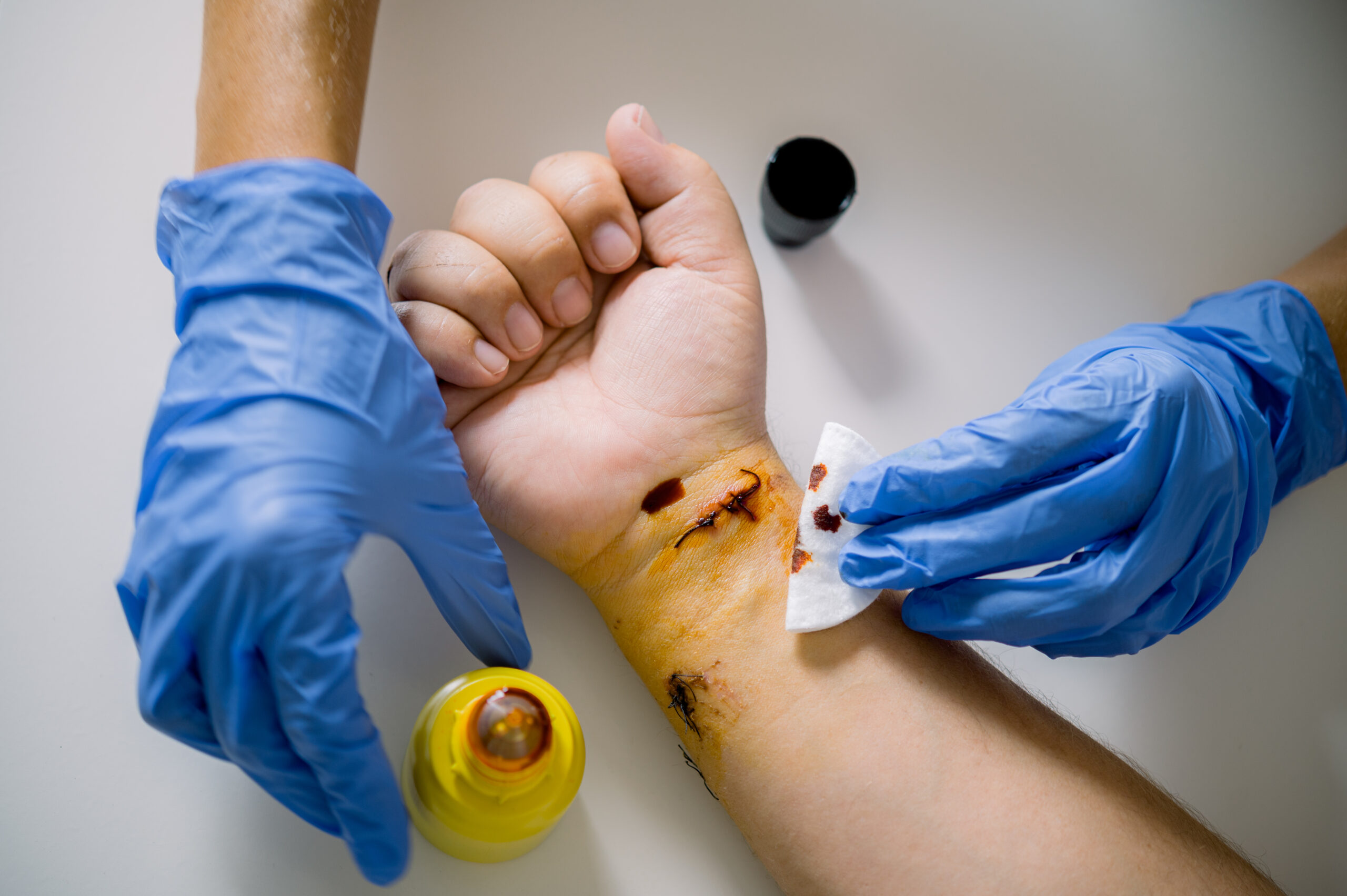
After cleaning the wound, you should apply an appropriate antiseptic solution to prevent infection in cuts and further reduce the risk of harmful bacteria. There are several types of antiseptics available for minor cuts, including hydrogen peroxide, povidone-iodine, and chlorhexidine. Each has its own advantages, but all work to kill harmful bacteria that could lead to infection.
When applying an antiseptic, use a clean cotton swab or sterile gauze pad. Gently dab the solution onto the wound, covering the entire affected area. Avoid rubbing, as this can irritate the skin and potentially introduce more bacteria. Allow the antiseptic to air dry; don’t wipe it off. For hydrogen peroxide, you’ll notice bubbling – this is normal and indicates it’s working to clean the wound.
Be aware that some antiseptics may sting upon application. If you experience severe discomfort or an allergic reaction, discontinue use and consult a healthcare professional.
It’s also important to note that while antiseptics are effective for initial treatment, prolonged use can delay healing. Apply the solution only during the first few days after the injury, then switch to keeping the wound clean and dry.
Cover With Sterile Dressing
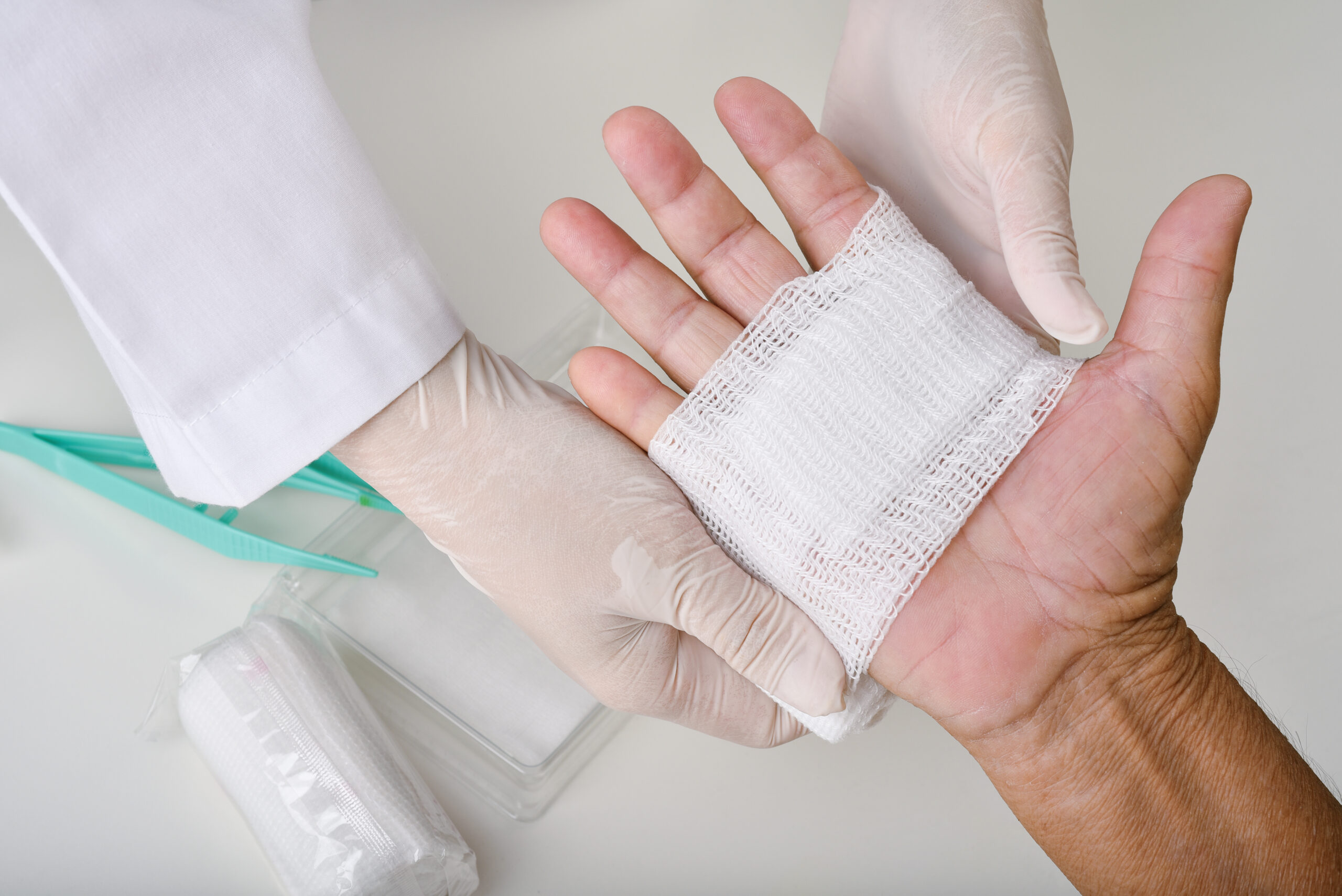
Properly covering your wound with sterile dressing is essential to prevent infection in cuts and promote healing. When choosing a bandage, consider both the size of the cut and its location on your body. You’ll find various bandage materials and styles available, each designed for specific purposes and body areas.
For small cuts on fingers or toes, use narrow adhesive strips or fingertip bandages. These conform well to the curved surfaces of digits.
For larger cuts on flat areas like the forearm or shin, opt for square or rectangular adhesive pads. These provide ample coverage and stay in place during movement.
If you’re dealing with a wound on a joint or flexible area, choose an elastic fabric bandage. These stretchy materials allow for better mobility while maintaining protection.
For awkward locations like knuckles or knees, look for specially shaped bandages designed for these areas.
Replace When Wet/Dirty
Regular bandage changes are vital to prevent infection in cuts, as moisture from sweat, water, or other sources can compromise the integrity of bandage materials and create an environment conducive to bacterial growth. Similarly, dirt or debris that accumulates on the bandage can transfer to the wound, increasing the risk of infection. To maintain optimal conditions for healing, change your bandage at least once daily, or more frequently if needed.
When replacing the bandage, carefully remove the old one and inspect the wound. If you notice any signs of infection, such as increased redness, swelling, or unusual discharge, consult a healthcare professional. Clean the wound gently with mild soap and water or an antiseptic solution before applying a new sterile dressing.
Ensure your hands are clean when handling bandage materials to prevent introducing additional bacteria. By regularly replacing wet or dirty bandages, you’ll create a more favourable environment for wound healing and reduce the risk of complications.
Watch for Signs of Infection
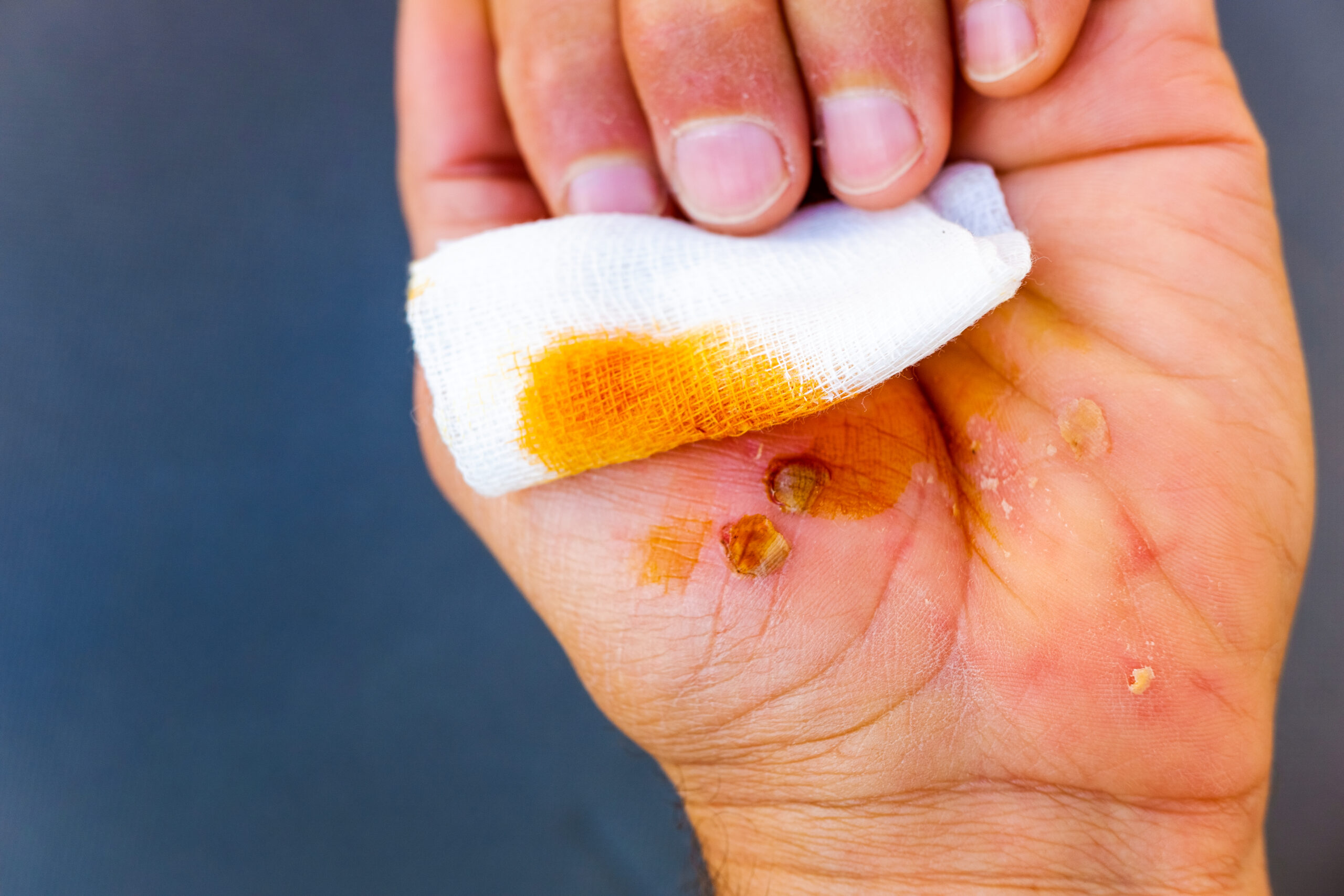
Even with proper care, it’s crucial to monitor your wound for potential signs of infection. Infection prevention doesn’t end with initial treatment; vigilance is key.
Watch for redness that spreads beyond the wound’s edge, increasing pain or tenderness, warmth around the cut, swelling, or pus drainage. These are common signs of infection that shouldn’t be ignored.
You might also experience systemic symptoms like fever, chills, or fatigue if an infection is developing. If you notice any of these signs, don’t hesitate to seek medical attention. Early intervention can prevent minor infections from becoming serious.
Boost Your Immune System

Your immune system plays an essential role in preventing infections, including those that can occur in minor cuts. To boost your immune system and enhance your body’s natural defence mechanisms, focus on adopting healthy lifestyle habits. A well-functioning immune system can help ward off potential pathogens and promote faster healing of minor wounds.
To strengthen your immunity, consider these key strategies:
- Maintain a healthy diet rich in fruits, vegetables, and whole grains
- Engage in regular exercise for at least 150 minutes per week
- Get adequate sleep, aiming for 7-9 hours nightly
- Manage stress through relaxation techniques or meditation
- Stay hydrated by drinking plenty of water throughout the day
A balanced, nutrient-dense diet provides essential vitamins and minerals that support immune function.
Regular exercise improves circulation, reduces inflammation, and enhances overall health.
Adequate sleep allows your body to repair and regenerate, while stress management helps maintain hormonal balance.
Proper hydration promotes ideal cellular function and helps flush out toxins.
Seek Medical Attention When Necessary
Recognising when a minor cut requires professional medical attention is essential to prevent infection in cuts and avoid complications that could lead to serious health issues. While most small cuts can be treated at home, certain signs indicate you should seek medical help.
Know when to seek medical attention for your cut. If it’s deep, gaping, or longer than half an inch, you may need stitches. Cuts that won’t stop bleeding after 10-15 minutes of direct pressure also require professional care. If you notice signs of infection such as increased pain, redness, swelling, or discharge, it’s time to consult a healthcare provider.
Be aware of signs needing immediate medical attention. These include cuts from rusty objects, animal bites, or contaminated materials, which may lead to tetanus or other infections. If you can’t clean the wound thoroughly or remove all debris, seek help. Cuts on sensitive areas like your face, hands, or genitals may need specialised care.
If you have underlying health conditions like diabetes or a weakened immune system, even minor cuts can pose significant risks. In these cases, it’s best to err on the side of caution and consult a medical professional for proper treatment and monitoring.
Frequently Asked Questions
How Long Does It Typically Take for a Minor Cut to Heal Completely?
You’ll typically see a minor cut heal completely in 3-7 days when you properly prevent infection in cuts through good wound care. However, healing factors like your age and health can affect this timeline. Watch for signs of infection, such as redness or swelling, which may delay healing.
Can I Go Swimming With a Minor Cut?
You shouldn’t swim with a minor cut until it’s fully healed, as water exposure can make it difficult to prevent infection in cuts. If you must, take swimming precautions: cover the cut with a waterproof bandage, limit time in water, and clean the wound thoroughly afterwards. Prioritise proper cut care.
Are There Any Natural Remedies for Treating Minor Cuts and Preventing Infection?
You can use herbal antiseptics like tea tree oil or lavender essential oil to prevent infection in cuts naturally. They’re nature’s antibiotics, helping prevent infection whilst promoting healing. Always clean the wound first.