




Sharon has 21+ years of experience as a qualified Emergency Care Nurse registered with the Australian Health Practitioner Regulation Agency (APHRA) and 12+ years as a First Aid Trainer.
She takes pride in FirstAidPro making first aid training available, comprehensive and affordable to everybody.
Treating fractures effectively can happen anywhere, anytime, and knowing how to handle them can make all the difference. But there’s more to effective first aid than meets the eye. What significant elements might you be overlooking in your emergency preparedness? The answer could be the key to ensuring your safety and that of your loved ones.
In this helpful guide, you’ll discover essential steps to assess and immobilise injuries, along with common pitfalls to avoid.
Key Takeaways
- Immobilise the affected area using splints or improvised materials to prevent further damage and stabilise the injury.
- Elevate the injured limb above heart level to minimise swelling and promote blood flow back to the body.
- Use over-the-counter pain medications like ibuprofen or paracetamol to manage pain and discomfort associated with the fracture.
- Seek professional medical attention for proper diagnosis, treatment, and to rule out severe complications or underlying injuries when treating fractures.
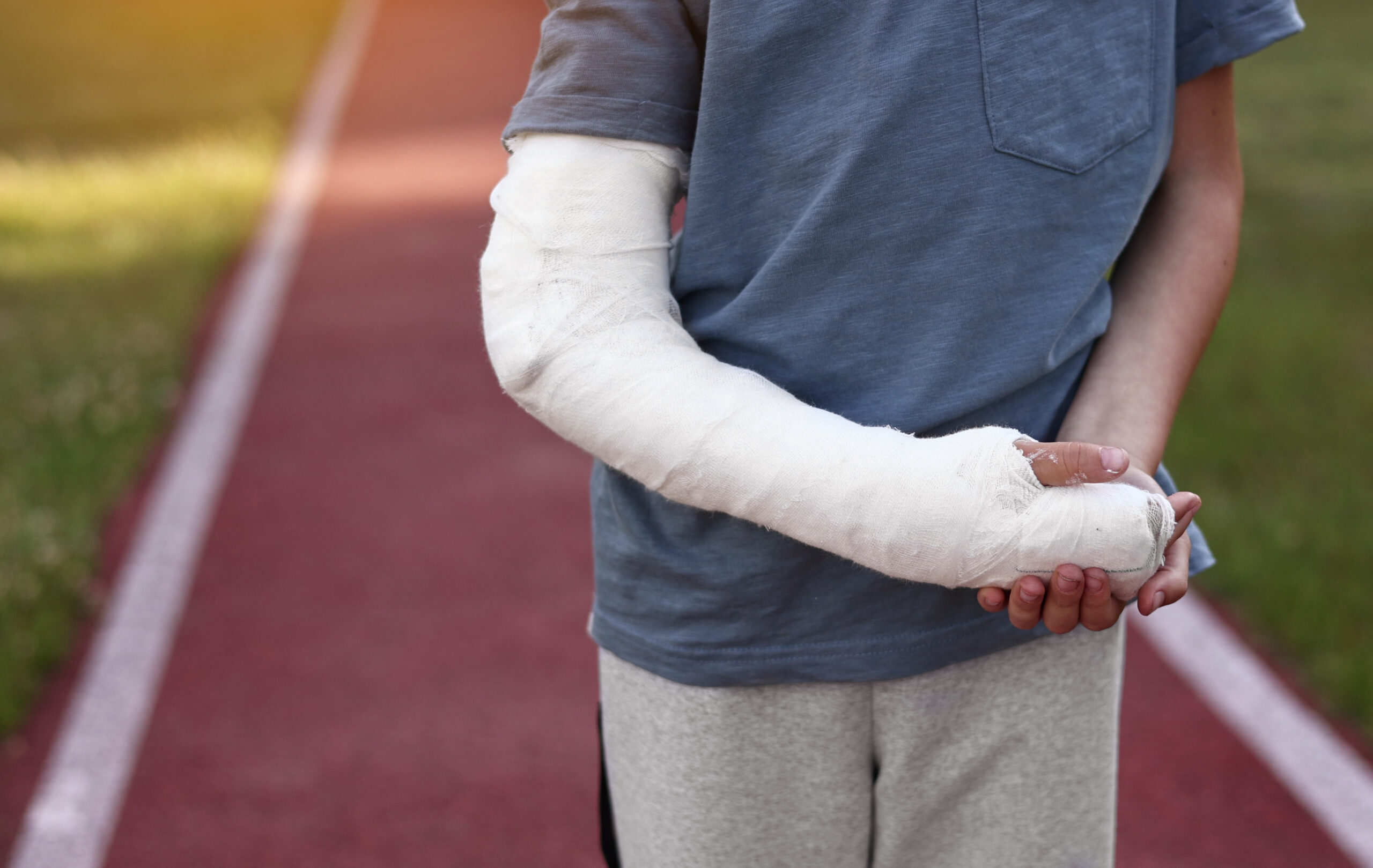
What Is a Fracture?
A fracture is a less severe break in a bone that typically does not require extensive treatment or surgery. Understanding these different types is essential when treating fractures. Some examples of fractures include:
- Hairline (stress) fracture: A small crack in a bone or severe bruise within the bone, often caused by repetitive stress or force.
- Greenstick fracture: Common in children, where the bone bends and cracks on one side but doesn’t break completely through
- Buckle fracture: Results from compression when two bones are driven into each other, typically occurring in children.
- Simple (closed) fracture: The bone breaks but does not pierce the skin. Symptoms can range from a strained muscle sensation to visible deformity and pain.
- Partial fracture: The break doesn’t go all the way through the bone
Recognising Fractures
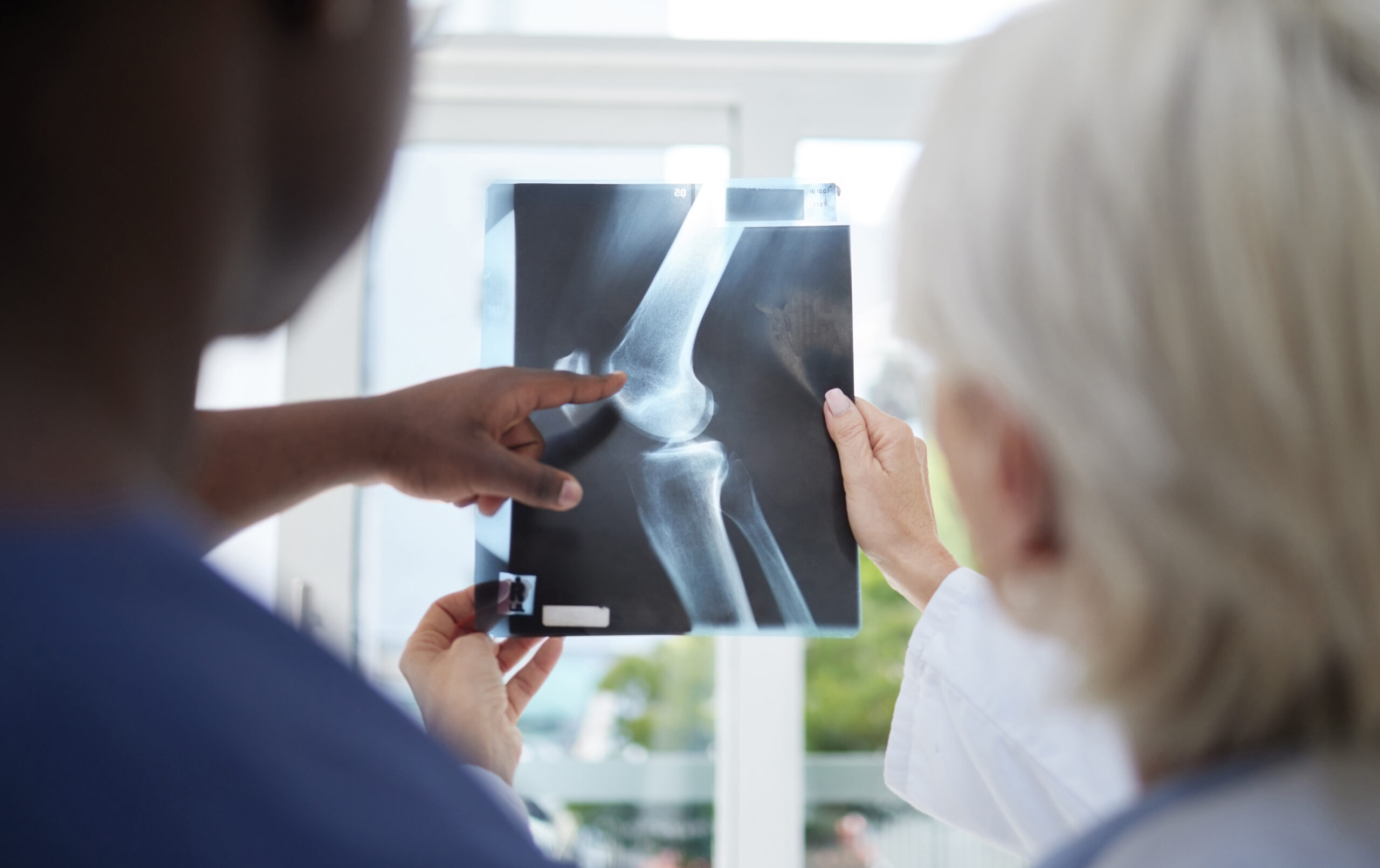
You’ll want to watch for difficulty moving the injured area, as well as numbness or tingling sensations. Accurate recognition is the first crucial step in treating fractures effectively. In some cases, you might hear a snap or grinding noise at the time of injury. If you suspect a fracture, compare the injured limb to the uninjured one for any differences in appearance or function.
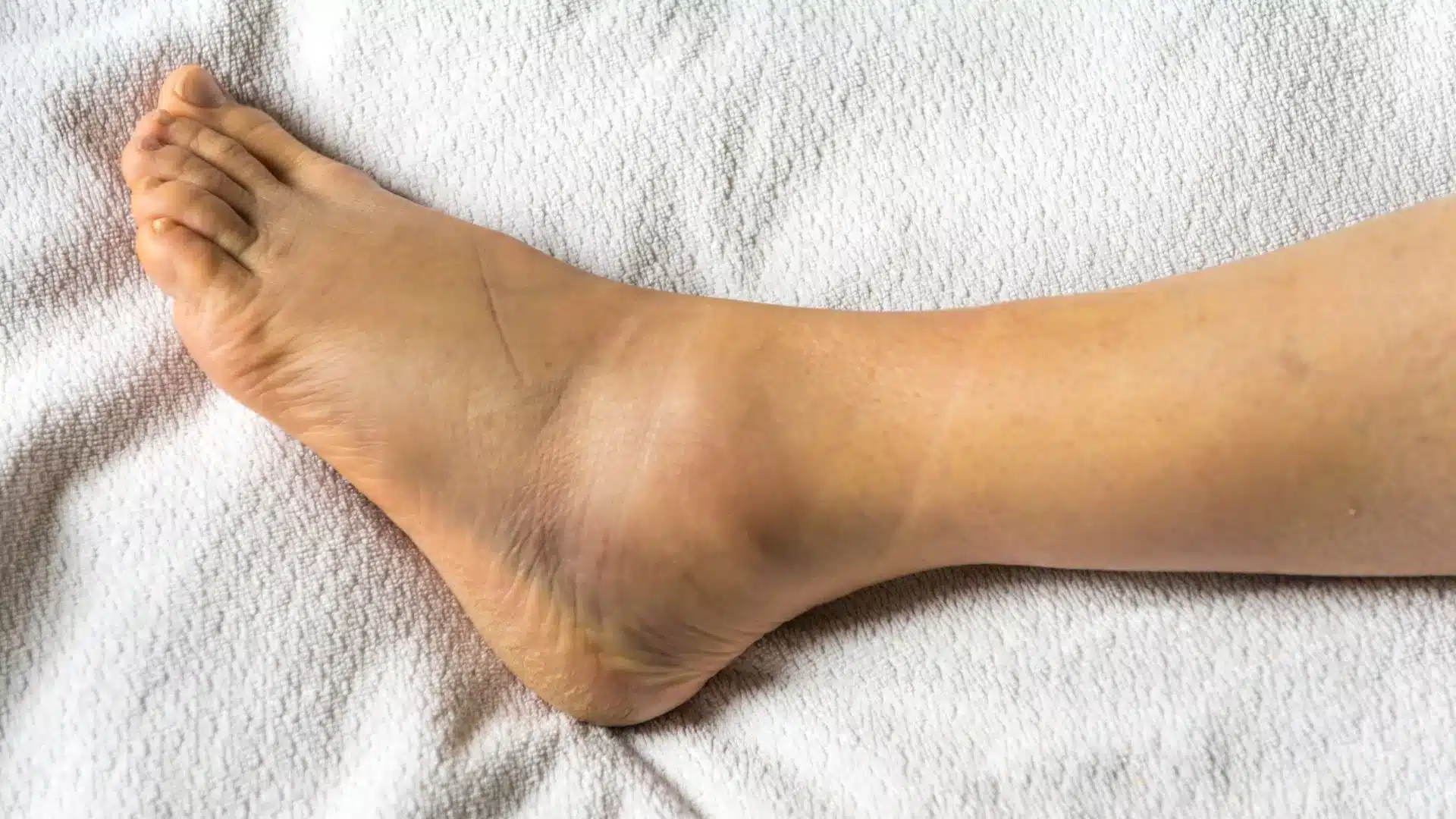
Look for visible deformities or abnormal angles in the affected limb or joint. Swelling and bruising often accompany fractures, though they may not appear immediately.
Pay attention to the person’s pain level and location. Fractures typically cause intense, localised pain that worsens with movement or pressure. You might notice the injured person’s reluctance to move or bear weight on the affected area.
In some cases, you’ll hear a grinding or grating sound (crepitus) when the fractured bone ends rub together.
Compare the injured area to the unaffected side for any differences in appearance or function. Look for any open wounds near the suspected fracture site, as these could indicate a compound fracture.
Be aware that some fractures, especially in children, may not show obvious signs. If you’re unsure, it’s always best to treat the injury as a potential fracture and seek medical attention.
Check for Complications
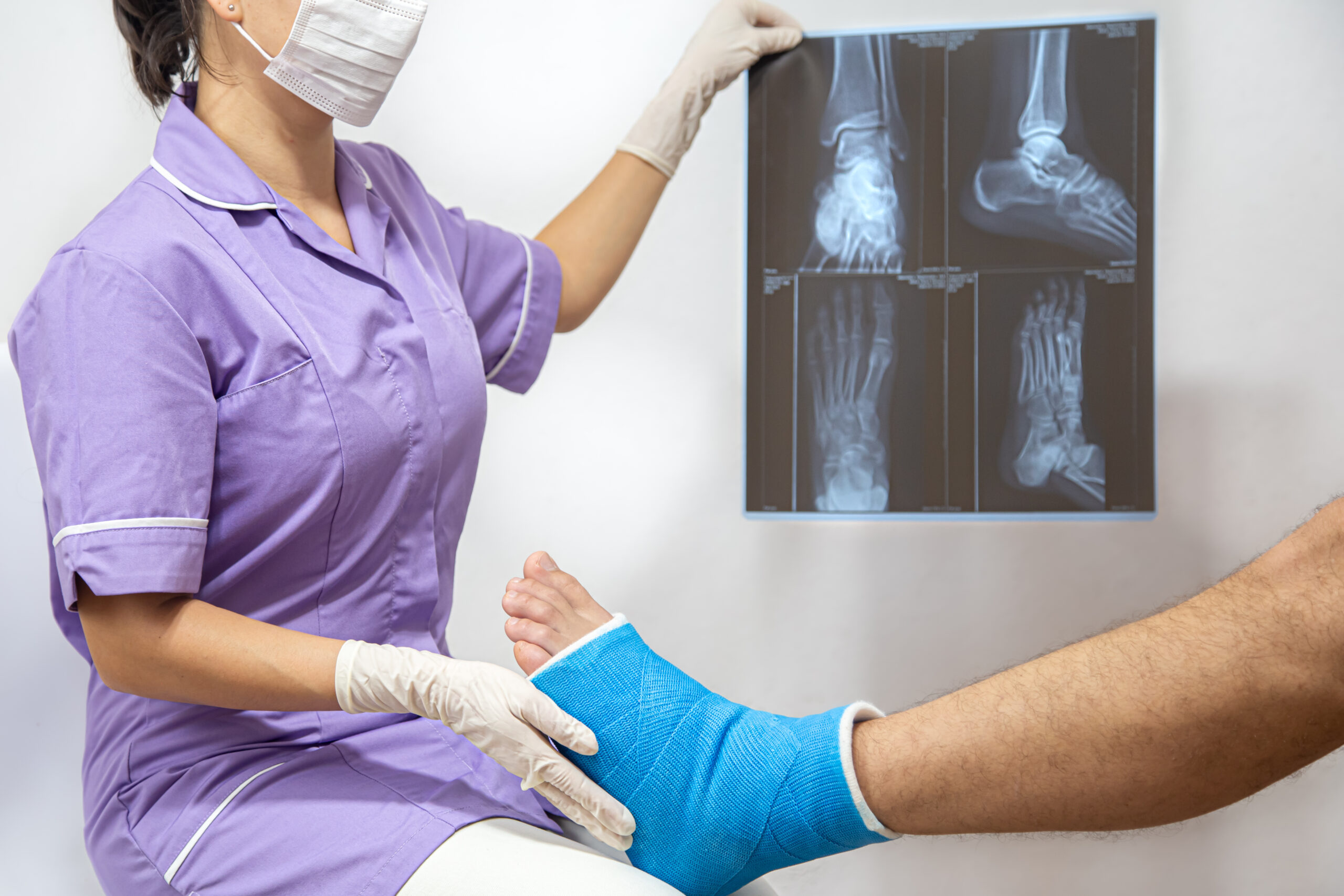
First, check for any signs of bleeding. Identifying complications early is a critical component of treating fractures safely. Look for visible cuts, bruising, or swelling that seems disproportionate to the injury.
Next, assess the person’s circulation by checking their pulse below the injury site. If you can’t detect a pulse, it may indicate compromised blood flow.
Examine the skin around the injury. If it’s pale, blue, or cold to the touch, it could signal poor circulation. Watch for any numbness or tingling in the affected limb, which might indicate nerve damage.
Also, be alert for signs of shock, such as rapid breathing, confusion, or clammy skin.
Immobilising the Affected Area
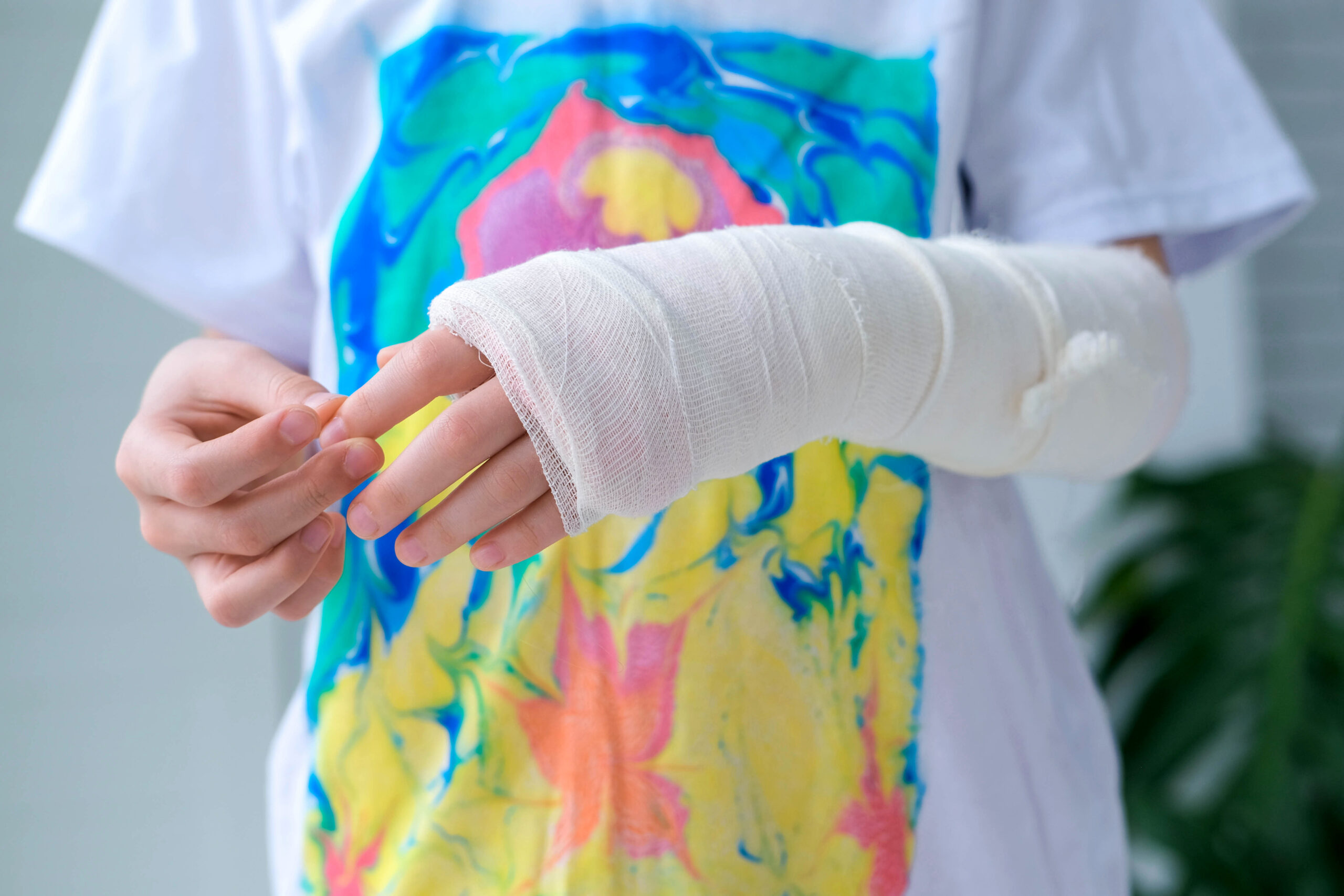
Splints and support devices play an essential role in stabilising fractures and preventing further injury. Proper immobilisation is fundamental when treating fractures of any severity. When applying a splint, you’ll need to immobilise the joints above and below the fracture site. There are various splint types available, including rigid splints, air splints, and malleable splints.
Rigid splints, made of materials like wood or plastic, provide firm support for straight bones. Air splints, inflatable devices that wrap around the injured area, are useful for temporary immobilisation. Malleable splints, such as SAM splints, can be shaped to fit the contours of the injured limb.
In emergencies, you can create improvised splints using everyday items. Rolled-up newspapers, magazines, or even sturdy branches can serve as makeshift rigid splints. Soft materials like pillows or folded blankets can provide cushioning and support.
When applying a splint, verify it’s not too tight to avoid restricting blood flow. Pad bony prominences to prevent pressure points. Regularly check for signs of circulation problems, such as numbness, tingling, or discolouration.
Elevating the Injured Limb
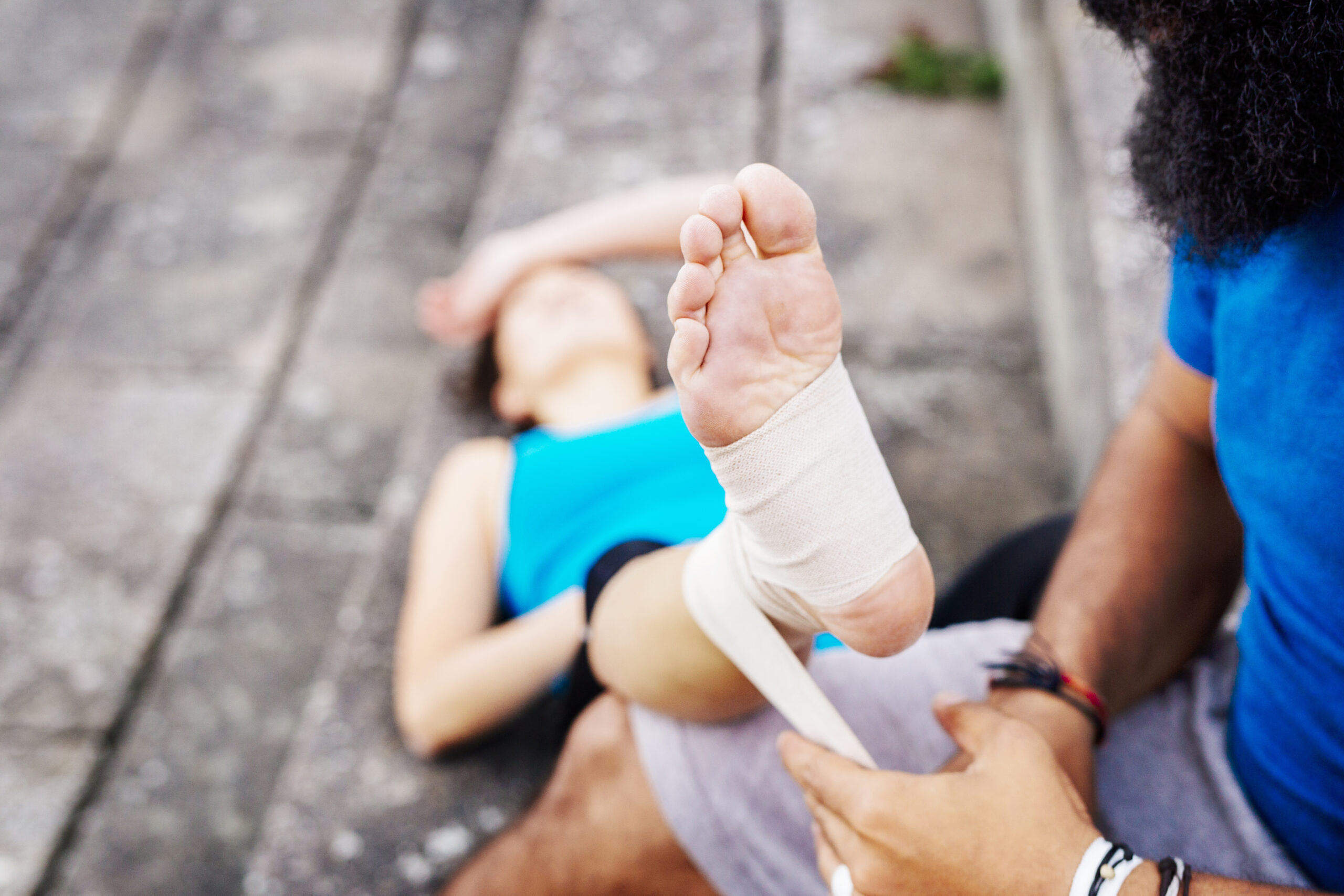
You’ll need to elevate the injured limb to further reduce swelling and promote healing. Elevation is a simple yet effective technique when treating fractures that can significantly aid recovery. Proper elevation techniques are vital for effective treatment. Raise the affected limb above the level of your heart, using pillows or cushions for support. This position helps minimise blood flow to the injured area, reducing inflammation and pain.
For leg injuries, lie flat on your back and prop your leg up on several pillows. If it’s an arm injury, sit upright and rest your arm on a stack of pillows beside you. Maintain this elevated position for 15-20 minutes at a time, several times a day. When sleeping, continue to keep the limb elevated if possible.
Pain Management
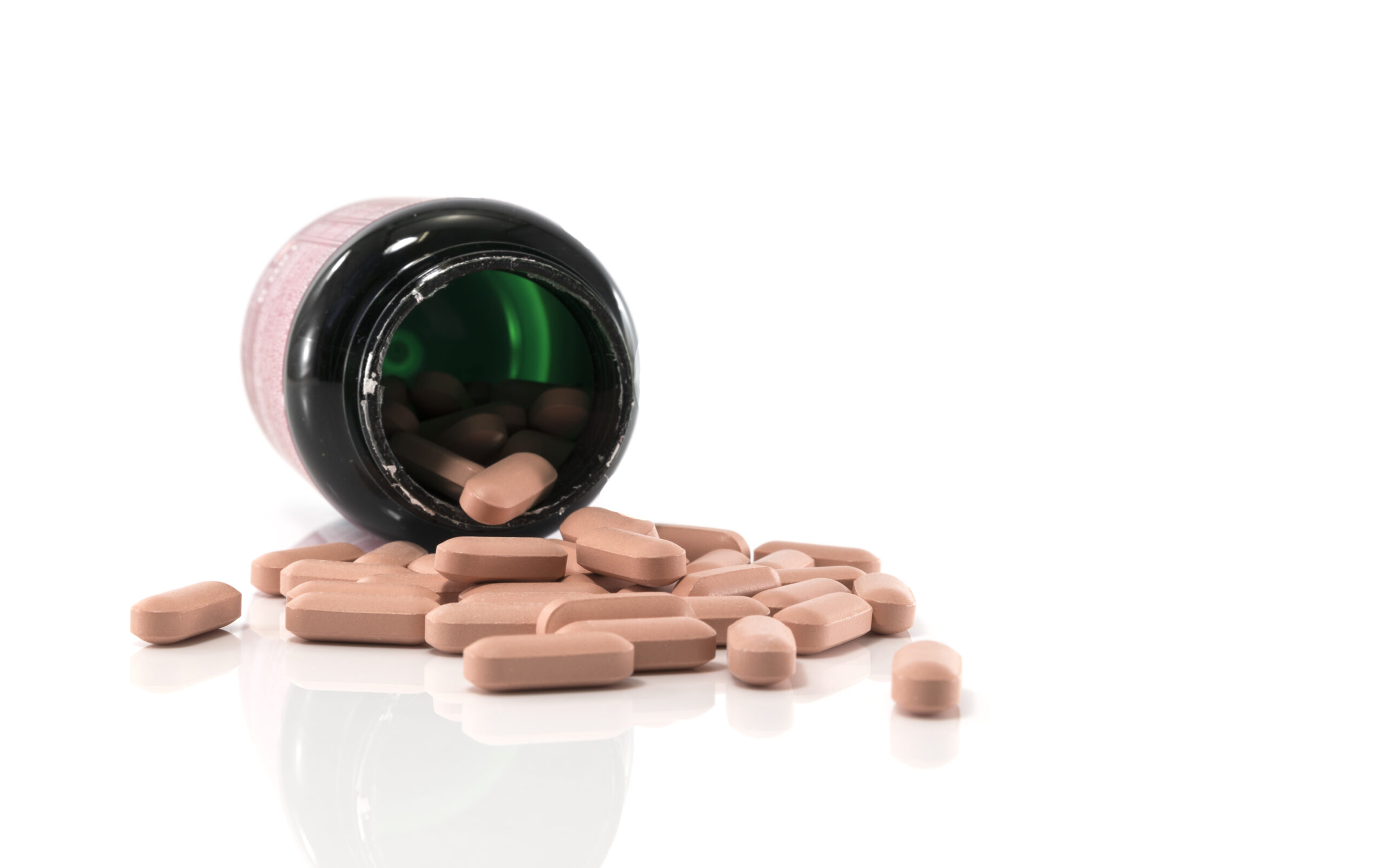
Over-the-counter medications like ibuprofen or paracetamol can help reduce pain and inflammation. Managing discomfort effectively is an important aspect of treating fractures that shouldn’t be overlooked. Always follow the recommended dosage on the package or consult a healthcare professional before taking any medication.
In addition to medication, you can use non-pharmaceutical methods to manage pain:
- Relaxation techniques: Practice deep breathing exercises or guided imagery to help reduce tension and anxiety associated with pain.
- Distraction: Engage in activities that take your mind off the discomfort, such as listening to music or talking with friends.
- Gentle movement: If approved by a medical professional, perform light, controlled movements to prevent stiffness and promote circulation.
Proper Bandaging Methods
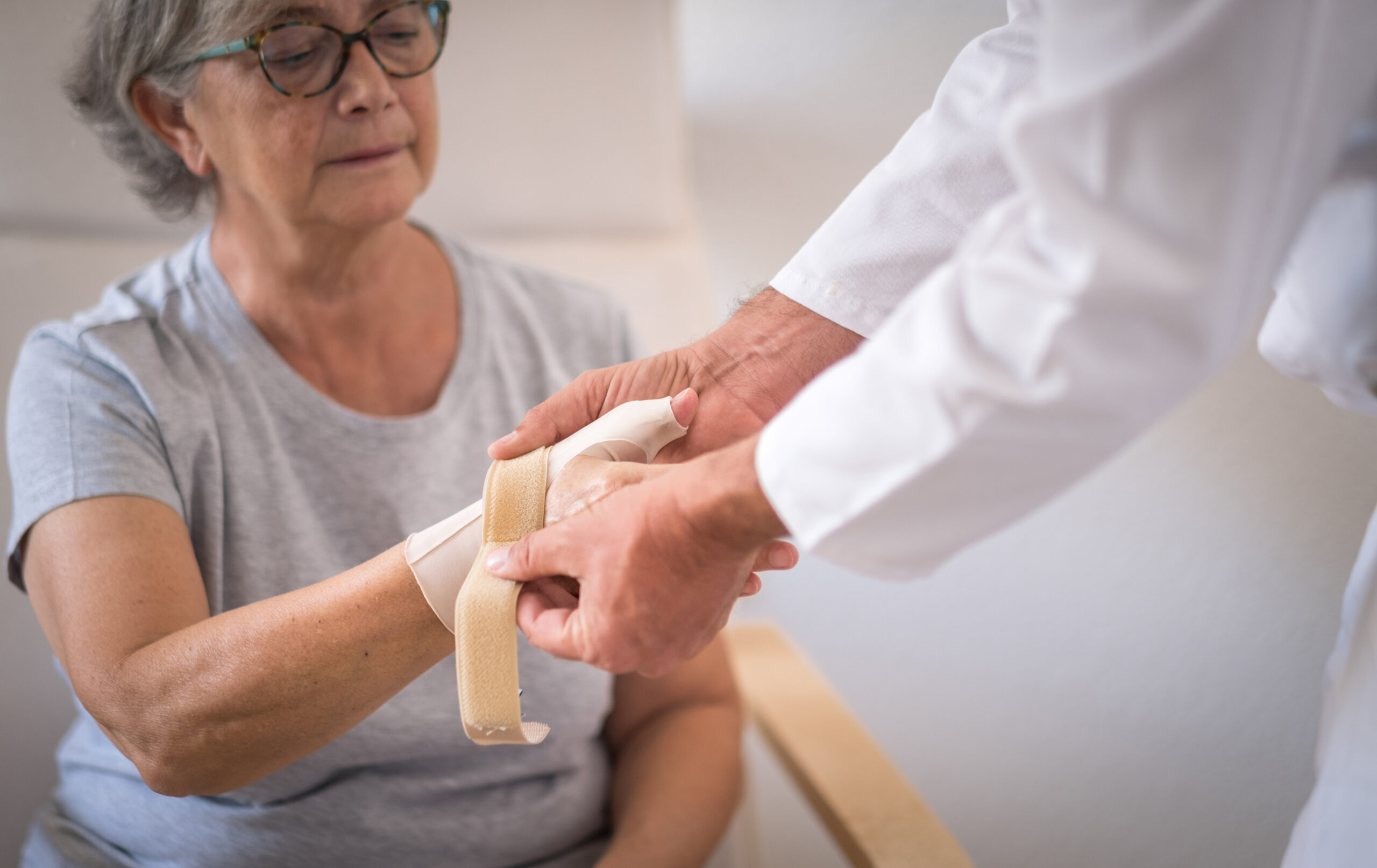
When applying a compression bandage, you’ll need to use the right materials and techniques to guarantee effective support without compromising circulation. Correct bandaging technique is essential when treating fractures to provide proper support and stability.
Start by selecting an appropriate elastic bandage, typically 5-7.5 cm wide for limbs. Begin wrapping at the farthest point from the heart, moving upward. Apply even pressure throughout, overlapping each layer by about half its width.
Here’s a step-by-step guide to compression bandage techniques:
- Anchor the bandage: Start with a circular wrap around the limb to secure the bandage.
- Figure-eight method: For joints, use a figure-eight pattern to provide extra support and allow for movement.
- Spiral technique: For straight sections of limbs, use a spiral wrap, maintaining consistent tension.
- Secure the end: Use medical tape or bandage clips to fasten the end of the bandage securely.
When to Seek Medical Help
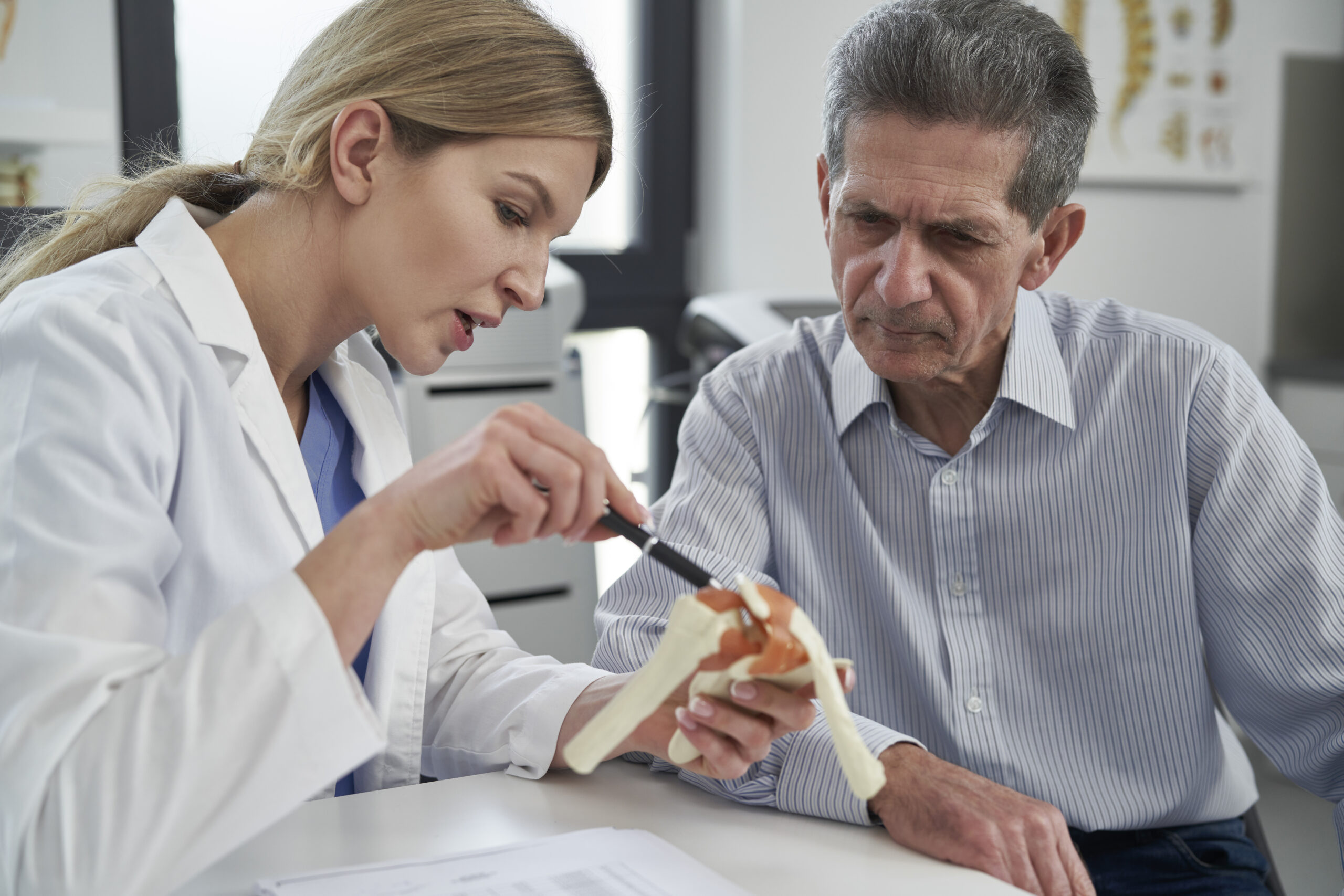
Most fractures require professional medical attention, even if they seem manageable at home. Knowing when to escalate care is crucial when treating fractures, as some situations require immediate intervention. While you’ve applied first aid, it’s vital to recognise when medical evaluation is necessary.
You should seek immediate medical help if you observe any of the following fracture symptoms:
- Severe pain that doesn’t subside or worsens over time
- Visible deformity or misalignment of the affected area
- Numbness, tingling, or loss of sensation below the injury site
- Difficulty moving the injured body part or nearby joints
Don’t hesitate to call emergency services if you’re unsure about the severity of the fracture. It’s better to err on the side of caution when it comes to bone injuries. Remember, proper medical evaluation can prevent complications and guarantee proper healing.
Additionally, if you have pre-existing medical conditions or are taking medications that affect bone density, consult your doctor promptly. They’ll assess the fracture and determine the most appropriate treatment plan, which may include X-rays, casting, or even surgery in some cases.
Preventing Fractures
While you focus on recovering from your current injury, it’s important to contemplate strategies for preventing future fractures. Prevention is always preferable to treating fractures after they occur. Maintaining good bone health and practising exercise safety are key factors in reducing your risk of future injuries.
To strengthen your bones and improve overall bone health, consider these steps:
- Increase your calcium and vitamin D intake through diet or supplements.
- Engage in weight-bearing exercises, such as walking or jogging, to stimulate bone growth.
- Quit smoking and limit alcohol consumption, as these habits can weaken bones.
- Get regular bone density scans, especially if you’re over 50 or have risk factors for osteoporosis.
When it comes to exercise safety, always warm up properly before physical activity and use appropriate protective gear for your chosen sport.
Be mindful of your surroundings and avoid potential hazards that could lead to falls or collisions.
If you have specific medical conditions or take medications that affect bone density, consult your doctor about additional preventive measures.
Frequently Asked Questions
Why shouldn't I apply ice to a suspected fracture?
While ice may seem like a natural pain relief choice, applying it directly to a fracture can reduce blood flow to the area, potentially slowing healing and masking important symptoms that medical professionals need to assess.
Should I remove watches, rings, and jewellery near a fracture?
Yes, remove any jewellery, watches, or restrictive clothing from the injured area immediately if you can do so without causing additional pain or movement. Swelling often occurs rapidly after a fracture, and items that fit normally can quickly become tourniquets that cut off circulation. If removal would require significant movement of the fracture, leave items in place and alert medical professionals immediately.
How long do fractures typically take to heal?
Healing time varies depending on the type and location of the fracture, your age, and overall health. Simple fractures may heal in 6-8 weeks, while more complex breaks can take several months. Children’s bones typically heal faster than adults’. Always follow your doctor’s guidance for recovery timelines and activity restrictions.