



Sharon has 21+ years of experience as a qualified Emergency Care Nurse registered with the Australian Health Practitioner Regulation Agency (APHRA) and 12+ years as a First Aid Trainer.
She takes pride in FirstAidPro making first aid training available, comprehensive and affordable to everybody.
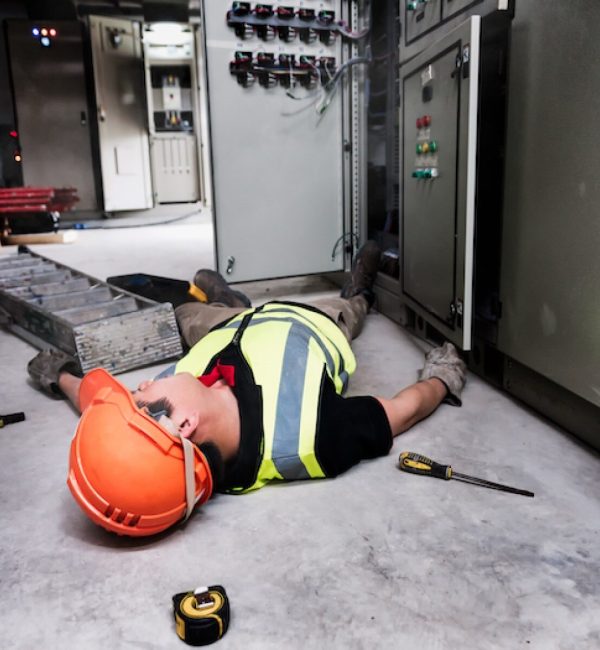
Imagine you’re grabbing coffee in the break room when a colleague suddenly collapses beside you—would you know what workplace first aid steps to take? Workplace emergencies happen without warning, and your response in those critical first minutes can save a life.
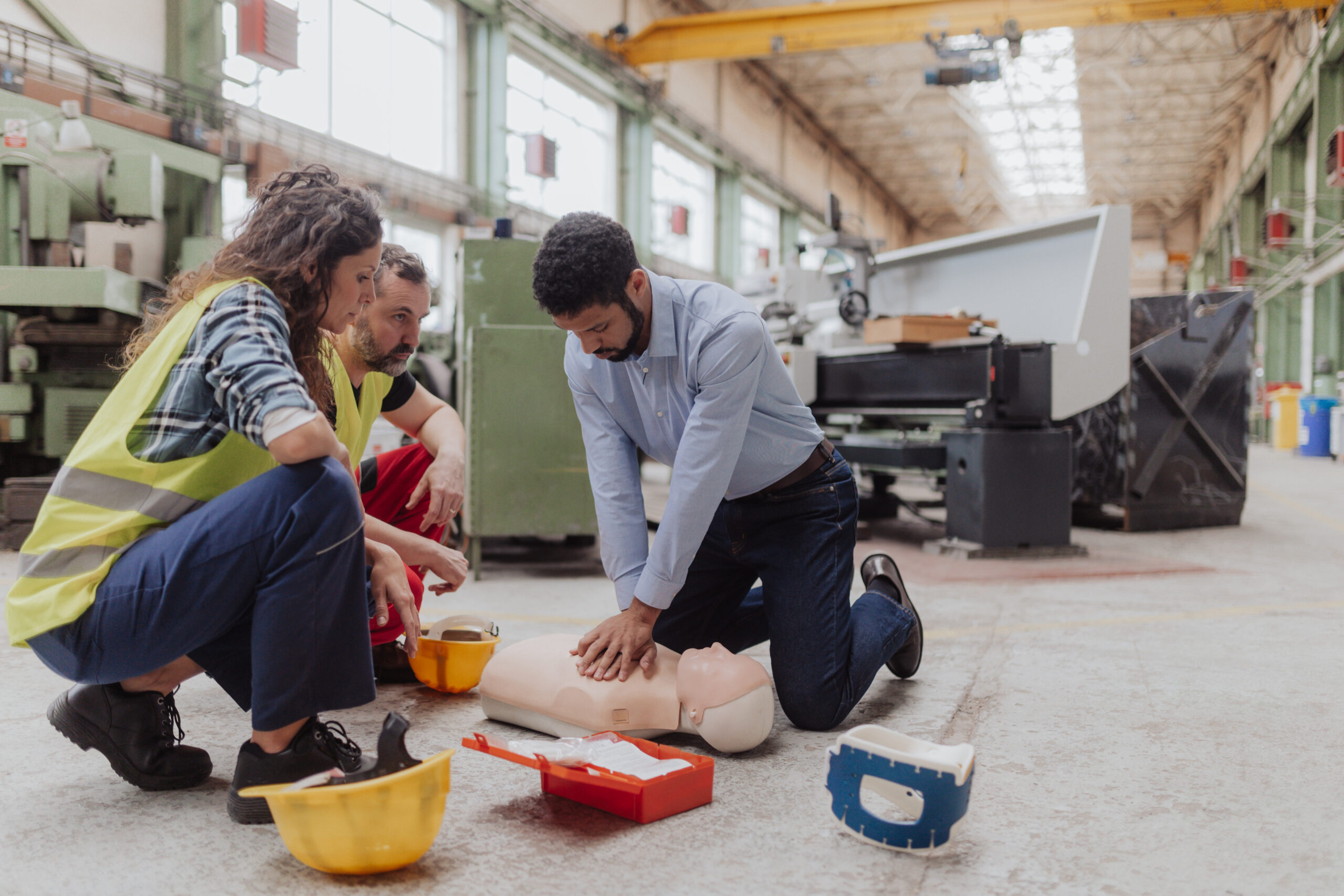
These 10 essential workplace first aid tips will prepare you to act confidently when emergencies strike. While they’re no substitute for proper first aid training, mastering these basics means you’ll be ready to help until paramedics arrive.
Know Your First Aid Kit Location and Contents
Before an emergency hits, locate every first aid kit in your workplace. Check that they’re easily accessible and not blocked by furniture or equipment. Familiarise yourself with what’s inside: bandages, antiseptic wipes, scissors, disposable gloves, and emergency contact numbers.
Make it a habit to check your nearest kit monthly. Ensure items aren’t expired and supplies haven’t been depleted from previous incidents. A well-stocked workplace first aid kit is useless if you can’t find it or it’s missing crucial items when someone needs help.

Call Emergency Services First
When facing a serious injury or medical emergency, call 000 immediately—don’t wait to see if the person improves. It’s better to cancel paramedics than wish you’d called sooner. Provide the operator with your exact location, describe what happened, and follow their instructions.
Stay on the line until they tell you to hang up. The operator can guide you through workplace first aid steps while help is on the way. Remember, even seemingly minor incidents like bad cuts or suspected fractures often need professional medical attention.
Check for Responsiveness Before Acting

Before touching an injured person, check if they’re conscious. Tap their shoulders firmly and shout “Are you okay?” Look for any response—movement, eye opening, or verbal reply. Also check if they’re breathing normally by watching their chest rise and fall.
If there’s no response and no normal breathing, begin CPR immediately. If they’re unconscious but breathing, place them in the recovery position. This basic workplace first aid assessment should never be skipped—always check responsiveness first.
Apply Direct Pressure to Stop Bleeding
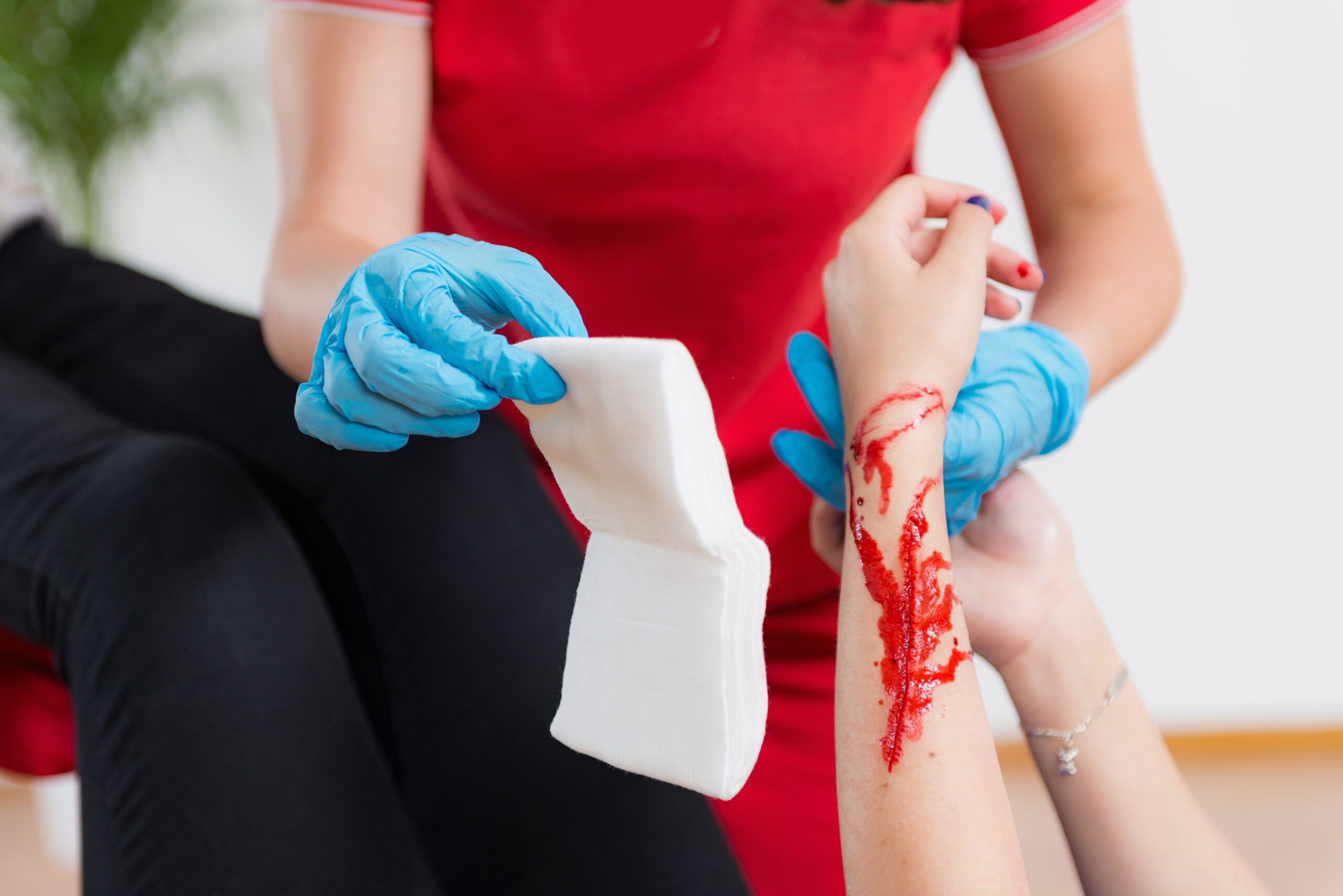
For any significant bleeding, grab a clean cloth or bandage and press firmly directly onto the wound. Don’t peek under the cloth to check if bleeding has stopped—maintain steady pressure for at least 10 minutes. If blood soaks through, add more layers on top without removing the original.
Elevate the bleeding area above the person’s heart if possible, but only if you don’t suspect a fracture. This workplace first aid technique is one of the most important skills you can learn. For severe bleeding that won’t stop with direct pressure, you may need to apply a tourniquet, but this requires proper training to do safely.
Cool Burns with Running Water

The moment someone gets burned, get them away from the heat source and immediately run cool (not ice-cold) water over the affected area. Continue for at least 20 minutes—this stops the burning process and reduces pain and swelling.
Remove any jewellery or tight clothing near the burn before swelling begins, but don’t peel off anything stuck to the skin. Cover small burns with a clean, non-stick bandage. This basic workplace first aid response can significantly reduce burn severity. For burns larger than a 20-cent coin, or any burns on the face, hands, or genitals, seek medical attention immediately.
Use Back Blows for Choking

If someone is choking and can’t cough, speak, or breathe, act quickly. Bend them well forward and give up to 5 sharp blows between their shoulder blades with the heel of your hand. Check after each blow to see if the object has dislodged.
If back blows don’t work, try chest thrusts: place the heel of your hand on the lower half of their breastbone and give 5 sharp upward thrusts. Keep alternating between back blows and chest thrusts until the object comes out or emergency services arrive. This workplace first aid method is the recommended Australian approach for choking emergencies.
Position Unconscious Breathing People in Recovery Position
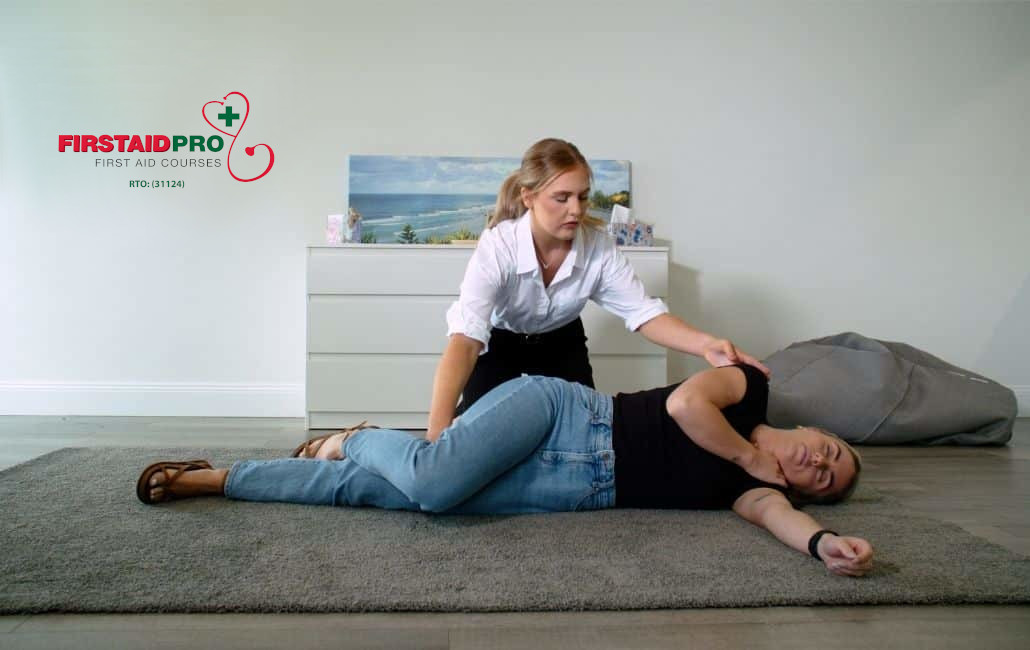
If someone is unconscious but breathing normally, place them in the recovery position to keep their airway clear. Roll them onto their side, tilt their head back slightly, and bend their top leg to stabilise their position.
This prevents their tongue from blocking their airway and allows any vomit or fluids to drain from their mouth. Stay with them and monitor their breathing continuously—if it stops or becomes irregular, be prepared to start CPR. This essential workplace first aid positioning can prevent serious complications.
Don't Move Someone with Suspected Spinal Injury

If someone has fallen from height, been in a vehicle accident, or injured their head or neck, don’t move them unless they’re in immediate danger. Keep their head and neck as still as possible and tell them not to move.
Support their head with your hands if necessary, but avoid any twisting or bending of their spine. Even if they’re conscious and saying they feel fine, spinal injuries aren’t always immediately obvious. This critical workplace first aid principle could prevent permanent paralysis—let paramedics handle any movement with proper equipment.
Flush Chemical Exposures Immediately

If chemicals splash on skin or in eyes, immediately flush the affected area with clean water for at least 15 minutes. Remove contaminated clothing carefully—cut it off if necessary to avoid pulling chemicals over the skin.
For eye exposures, hold the eyelid open and flush from the inner corner outward. Don’t try to neutralise the chemical with other substances—just use water. This immediate workplace first aid response can prevent serious chemical burns. If available, check the safety data sheet for specific first aid instructions, but don’t delay rinsing to look for it.
Stay Calm and Reassure the Injured Person
Your calm demeanour helps keep the injured person calm too. Speak in a steady, reassuring voice and explain what you’re doing: “I’m going to put pressure on this cut to stop the bleeding” or “The ambulance is on its way.”
Keep talking to conscious victims to help them stay alert and feel less anxious. If they’re worried about work or personal matters, reassure them that those things can wait—right now, their health is the only priority. This often-overlooked workplace first aid skill can be just as important as any physical treatment.
Frequently Asked Questions
What basic first aid supplies should every workplace have readily available?
At minimum: sterile bandages, adhesive tape, disposable gloves, antiseptic wipes, scissors, and emergency contact numbers. Keep supplies in clearly marked, accessible locations. Many workplaces also benefit from having an automated external defibrillator (AED) and eyewash stations for comprehensive workplace first aid coverage, depending on the work environment.
How do I know if an injury is serious enough to call an ambulance?
When in doubt, call. Situations that always need 000 include: unconsciousness, difficulty breathing, severe bleeding, suspected spinal injuries, chest pain, severe burns, and choking that can’t be cleared. It’s better to have paramedics assess and decide to leave than wish you’d called sooner—effective workplace first aid starts with getting professional help quickly.
What's the most important first aid skill for office workers to learn?
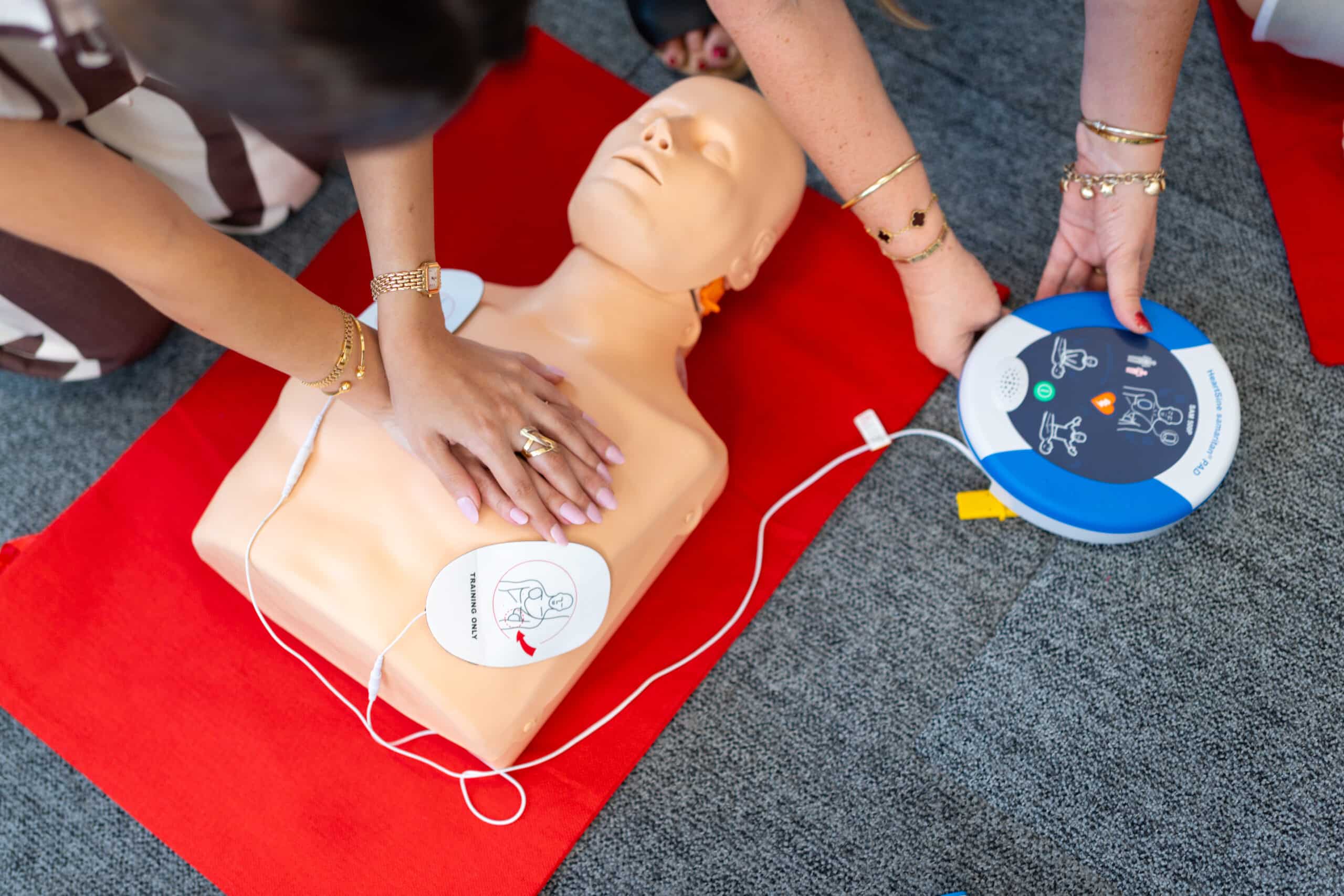
CPR and using an automated external defibrillator (AED). Heart attacks and cardiac arrests can happen to anyone, anywhere. While cuts and burns are more common, cardiac emergencies are where immediate workplace first aid action truly saves lives—and these skills require proper training to perform safely.