



Sharon has 21+ years of experience as a qualified Emergency Care Nurse registered with the Australian Health Practitioner Regulation Agency (APHRA) and 12+ years as a First Aid Trainer.
She takes pride in FirstAidPro making first aid training available, comprehensive and affordable to everybody.
When burn infections take hold, what starts as a treatable injury can rapidly spiral into a life-threatening emergency. Studies show that infection is responsible for up to 50% of deaths in burn patients, often occurring weeks after the initial injury when families think the worst is behind them.
The numbers are sobering: patients who develop burn wound infections face mortality rates that can be three to five times higher than those who don’t. They endure longer hospital stays, more painful procedures, and often permanent disabilities that could have been avoided with proper infection prevention.
Burns Create the Perfect Storm for Infection
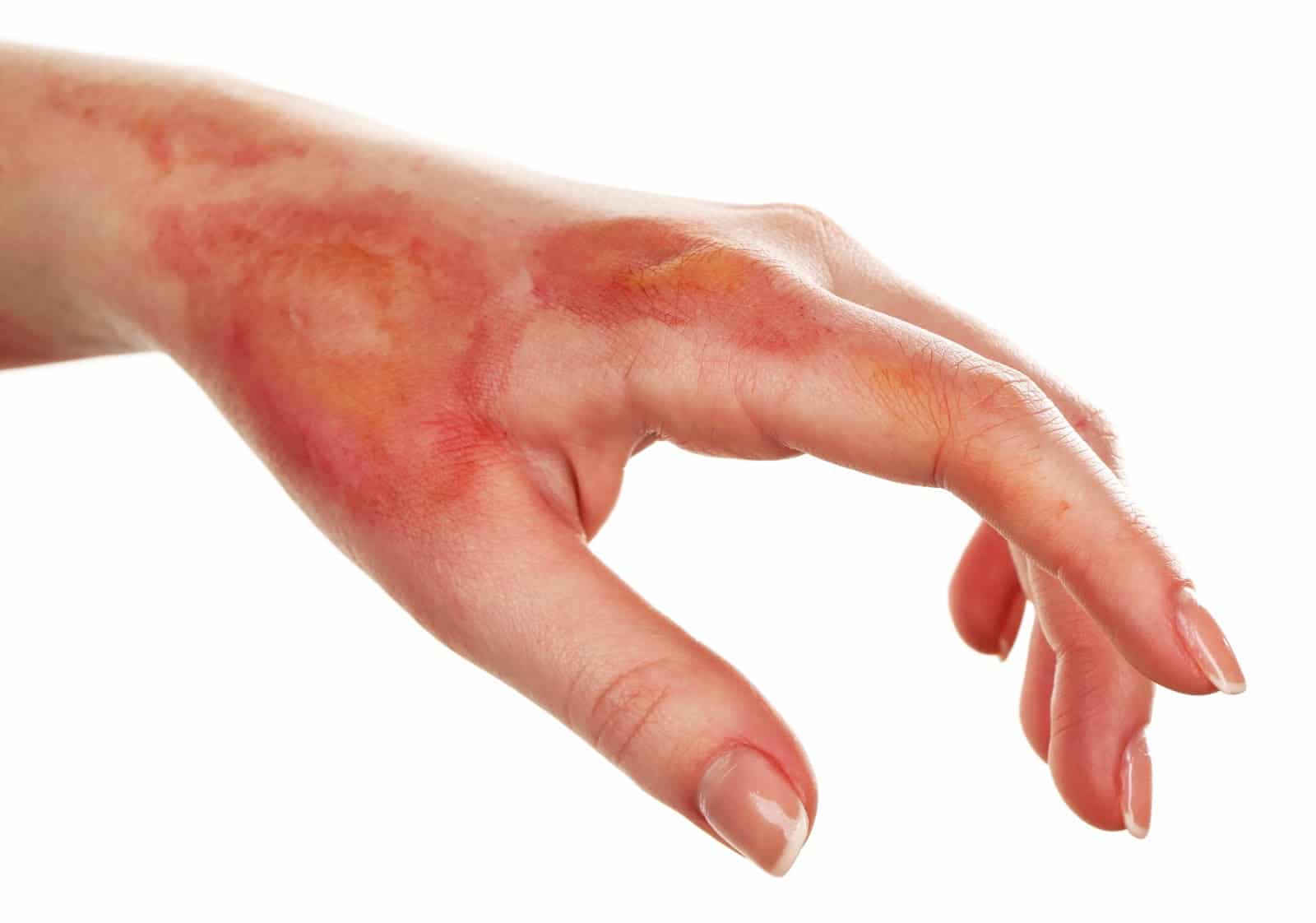
To understand why infection prevention is so critical, you need to grasp what happens to your body when you’re burned. A burn wound is essentially nature’s perfect breeding ground for dangerous bacteria.
First, your skin—your body’s primary fortress against infection—is literally destroyed. Think of it like having the walls of your house blown away during a storm. Every barrier that normally keeps harmful microorganisms out is gone, leaving you completely exposed.
But it gets worse. The damaged tissue creates an environment that bacteria absolutely love: it’s warm, moist, and packed with nutrients from damaged cells. It’s like setting up an all-you-can-eat buffet for the very organisms trying to harm you.
Meanwhile, your immune system—the very thing you need most right now—is severely compromised. Burns don’t just damage your skin; they suppress your body’s ability to fight infection exactly when you’re most vulnerable. Your white blood cells can’t function properly, your natural antimicrobial defences are disrupted, and your body’s alarm systems are malfunctioning.
It’s the perfect storm: maximum vulnerability meeting maximum threat. This is precisely why burn infections develop so readily and why they’re so dangerous once they take hold.
The Three Critical Reasons Prevention is Non-Negotiable
Reason 1: Infection Can Kill You
Let’s be blunt: burn infections kill people. When bacteria overwhelm a burn wound, they don’t stay put—they invade your bloodstream and trigger sepsis, a condition where your body’s response to infection damages your own organs.
Sepsis can develop rapidly, sometimes within hours. One day you’re recovering well, the next you’re fighting for your life as your blood pressure plummets, your organs begin to fail, and your body goes into shock. Even with intensive medical care, sepsis kills thousands of Australians every year.
For burn patients, the risk is magnified. Your compromised immune system means you can’t mount an effective defence, and the large surface area of damaged tissue provides multiple entry points for bacteria. What might be a manageable infection in a healthy person can become lethal in someone with severe burns.
Reason 2: Infection Devastates Healing
Even when infection doesn’t kill, it can turn a recoverable burn into a devastating injury. Burn infections don’t just live in your wound—they actively destroy healthy tissue, literally eating away at your body’s attempts to heal.
This creates a vicious cycle: infection damages more tissue, which creates more damaged tissue for bacteria to colonise, which leads to more infection. What might have healed as a partial-thickness burn requiring skin grafts can become a full-thickness burn requiring multiple surgeries and resulting in severe scarring.
Infection can also spread to surrounding healthy tissue, expanding the area of damage far beyond the original burn. Patients who develop infections often require additional surgeries, more aggressive treatments, and face permanent disfigurement that could have been prevented.
The psychological impact is equally devastating. Prolonged healing means extended pain, more time away from family and work, and often permanent changes to appearance and function that affect quality of life forever.
Reason 3: The Economic and Personal Cost
Beyond suffering, the cost of burn infections is staggering. Infected burn wounds can extend hospital stays from weeks to months, with some patients requiring dozens of additional procedures.
Each day in a burn unit costs thousands of dollars. Multiple surgeries, prolonged antibiotic therapy, and intensive care can push treatment costs into the hundreds of thousands. For families, this often means financial ruin on top of emotional devastation.
The personal cost extends far beyond money. Extended hospitalisation means missing critical life events, losing employment, and placing enormous stress on families. Children miss school, spouses exhaust leave entitlements, and the entire family structure can collapse under the strain.
Many patients with severe infections never fully return to their previous level of function, requiring ongoing care and support that impacts them and their families for life.
The Bottom Line
Preventing burn infections isn’t just good medical practice—it’s the thin line between recovery and catastrophe. While burns themselves are often survivable with modern medical care, infection can transform a treatable injury into a death sentence.
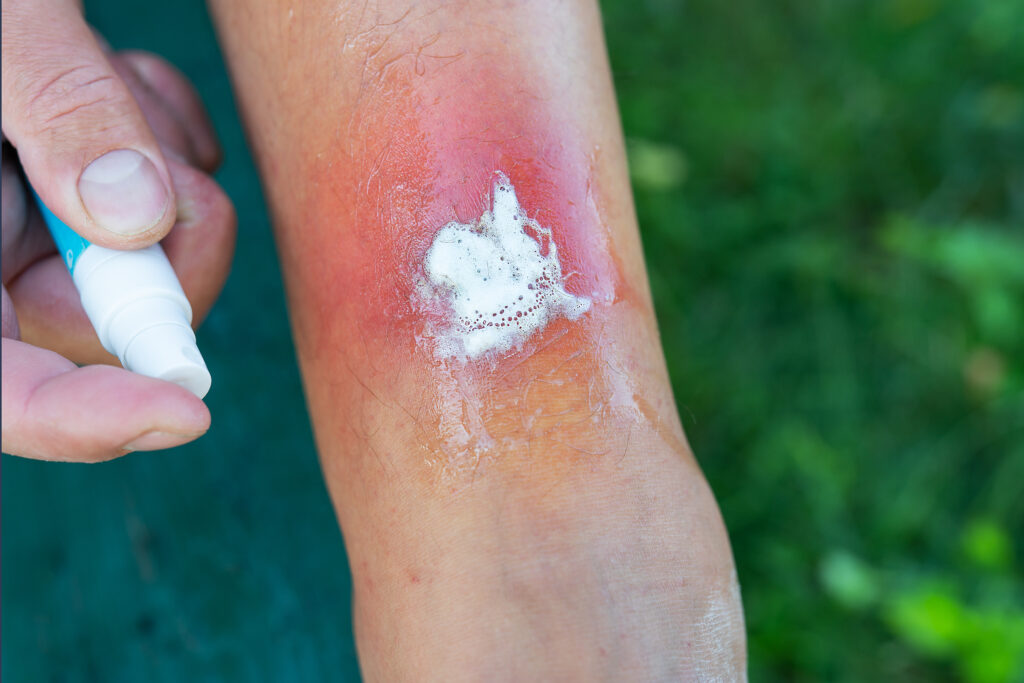
The good news? Many of these devastating outcomes are preventable. Proper wound care, sterile techniques, appropriate antibiotics, and vigilant monitoring can dramatically reduce infection risk. Simple measures like proper hand hygiene, timely dressing changes, and following medical instructions exactly can have a life-saving impact.
For burn patients and their families, understanding why infection prevention is crucial isn’t just academic knowledge—it’s survival information. Every precaution taken, every protocol followed, and every sign of infection caught early could be the difference between going home healthy and never going home at all.
The stakes couldn’t be higher, but with proper prevention, the odds favour recovery. That’s why infection prevention isn’t just important for burn wounds—it’s absolutely critical.
Frequently Asked Questions
How quickly can a burn wound infection become life-threatening?
Burn infections can progress to sepsis within 24-48 hours, sometimes even faster. This is why daily monitoring and immediate medical attention for any signs of infection are crucial. What seems like minor wound changes in the morning can become a medical emergency by evening.
What are the warning signs that my burn wound might be infected?
Watch for increased pain, spreading redness around the wound, foul-smelling discharge, fever, or green/yellow pus. If the wound feels hotter than surrounding skin or you notice red streaking extending from the burn, seek immediate medical attention. These are classic signs of burn infections developing, so trust your instincts—if something feels wrong, don’t wait.
Can all burn wound infections be prevented?
While not every infection can be prevented, the vast majority of burn infections can be avoided through proper wound care, maintaining sterile conditions during dressing changes, and following medical instructions exactly. Even when infections do occur, early detection and treatment can prevent them from becoming life-threatening.