



Applicable to:
Construction
Warehousing

What to Do for Eye Injury First Aid?

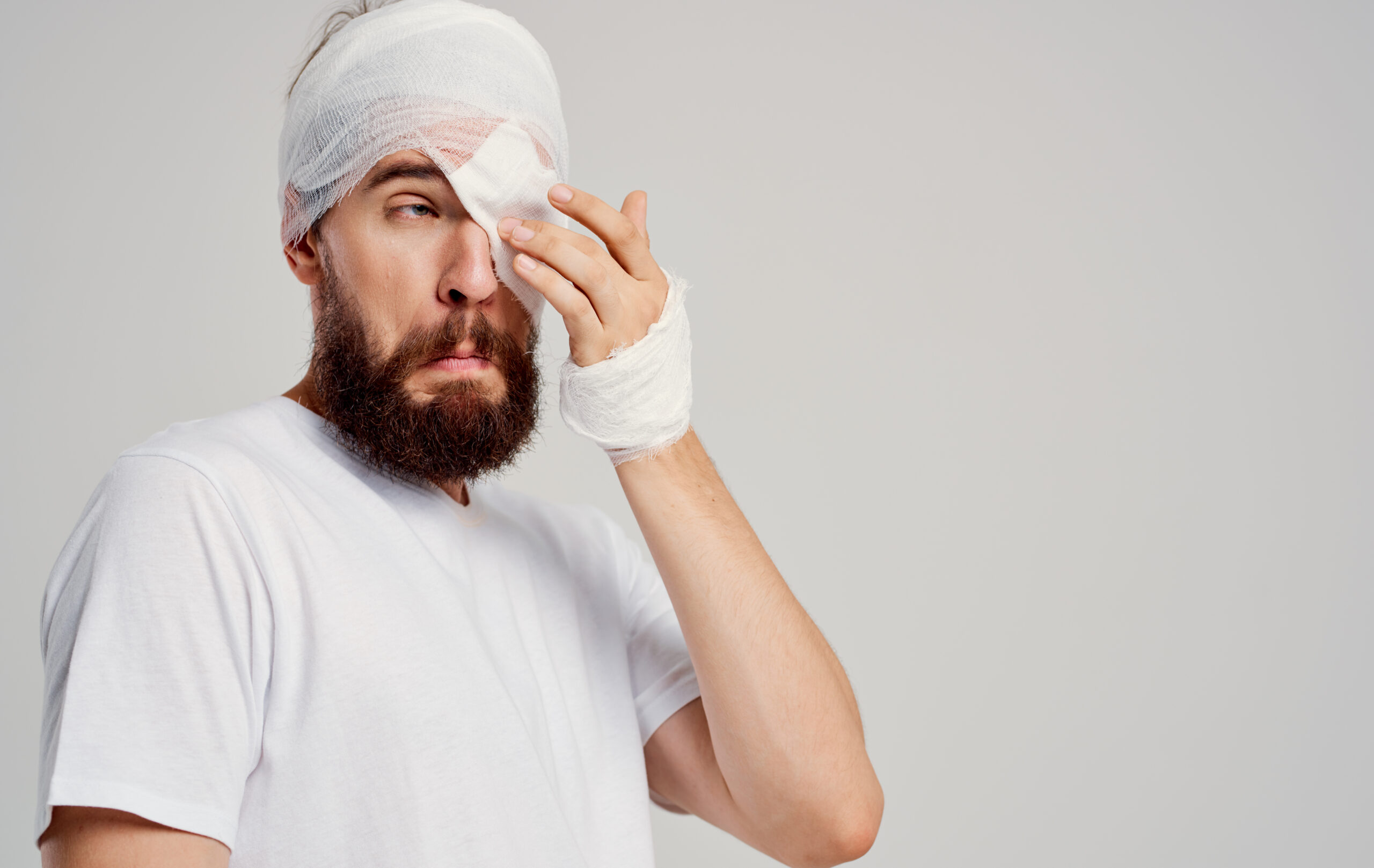
eye injury first aid bandages

Table of Contents

Eye injuries can happen in a split second—whether you’re working in the garden, playing sport, or dealing with household accidents—but knowing proper eye injury first aid can protect your vision and prevent further damage. Remember, when in doubt, seek medical attention straight away.

EMERGENCY: Call 000 Immediately If...

  • Something is stuck in the eye or has punctured it
  • Chemicals have splashed in the eye (especially cleaning products or garden chemicals)
  • You’ve been hit hard in the eye and your vision has changed
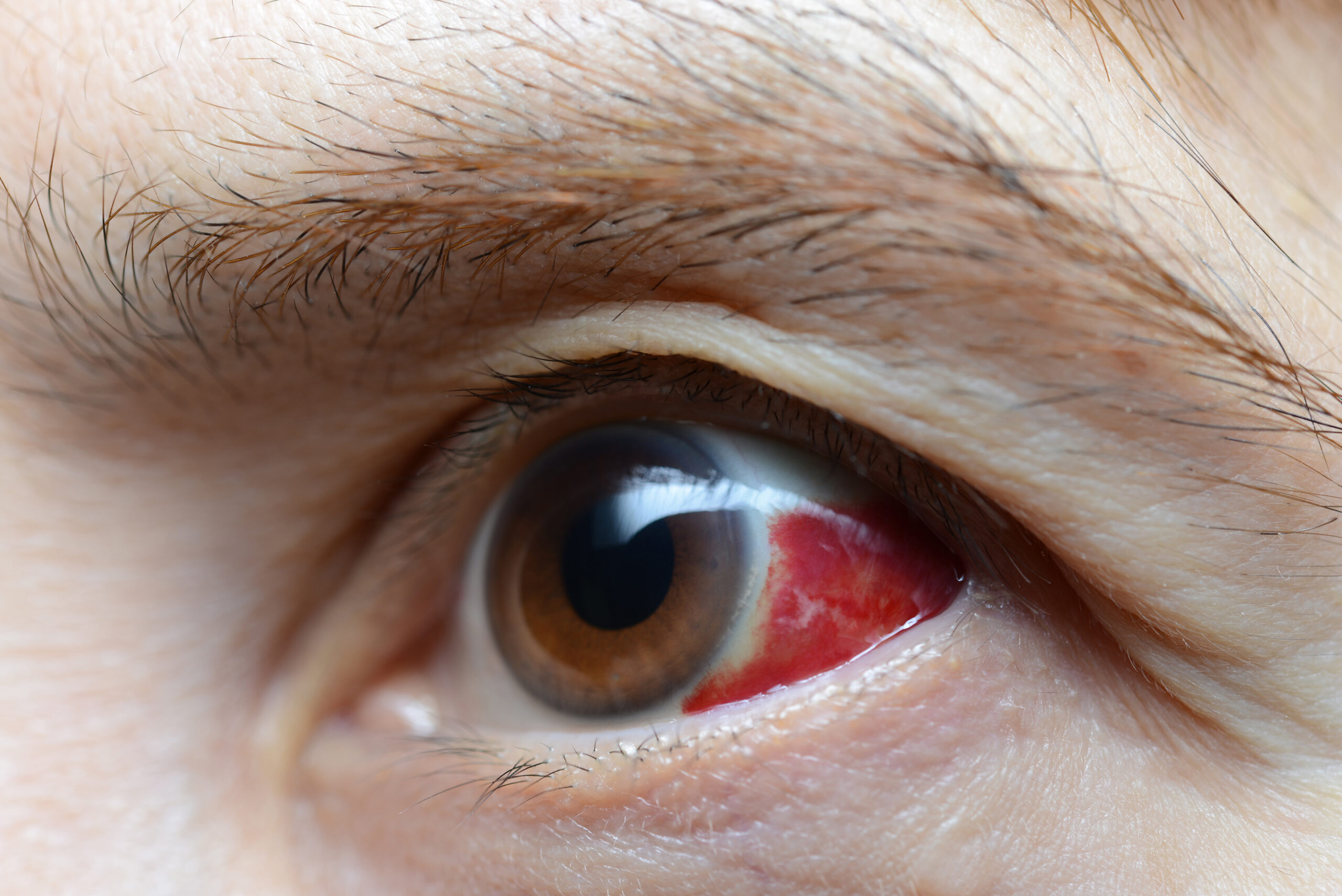
  • Blood is filling the white part of your eye
  • The eye is bulging or looks distorted
  • You can’t open your eye due to severe pain

Don’t wait—these situations need urgent medical care at your local emergency department, not basic eye injury first aid.

Woman with burst blood vessel in eye, closeup

The Golden Rule

NEVER rub the injured eye. NEVER try to remove anything that’s stuck in the eye.

These actions can push objects deeper or cause more damage to the delicate tissues. This is the most important rule of eye injury first aid—keep your hands away and resist the urge to touch.

Quick First Aid by Injury Type

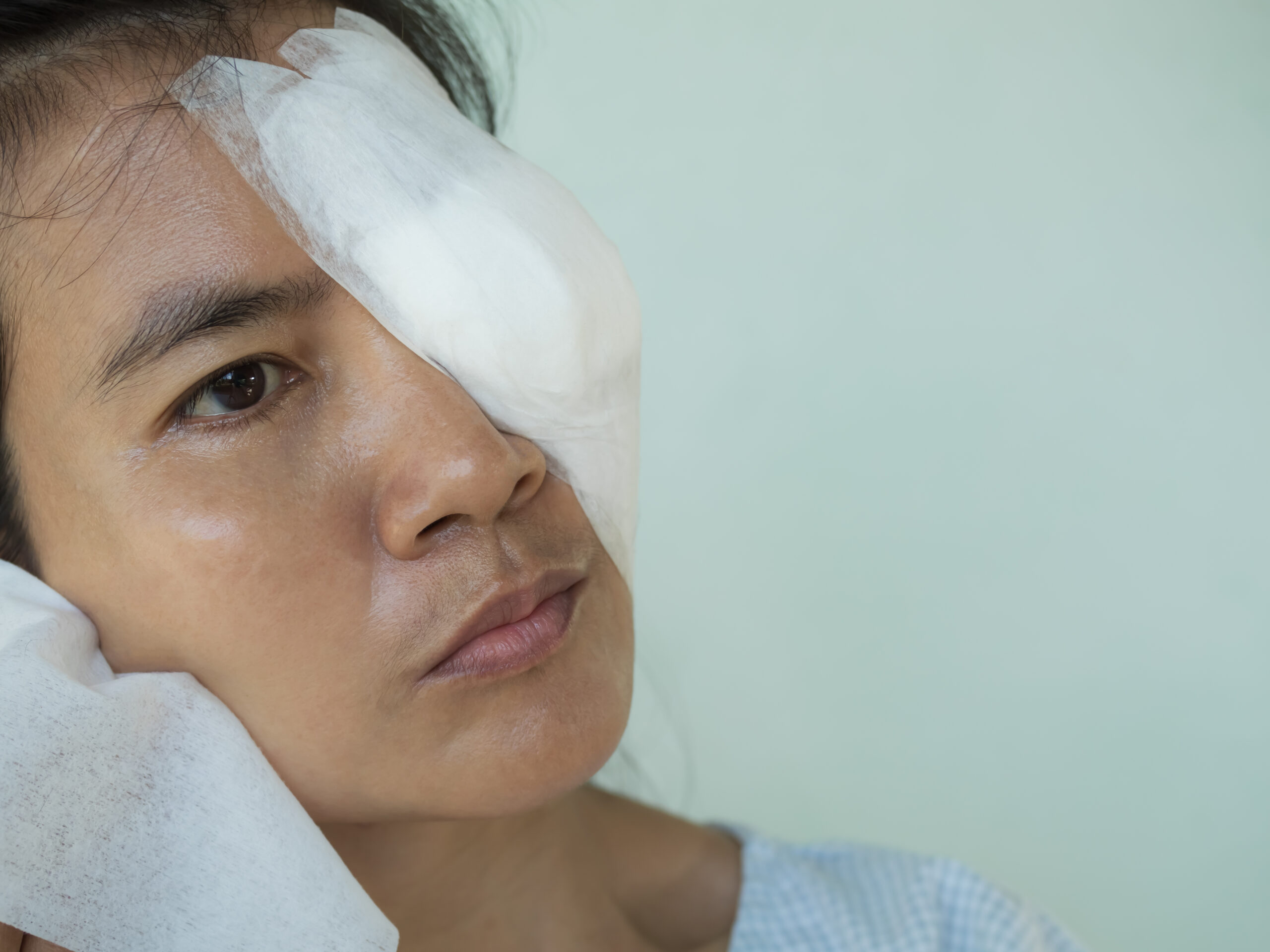
Pterygium Surgery Eye Medical Health, Medicine Care Patient After Pterygium Excision of Doctor Oculist Hospital, Woman use Wet Wipes Clean Face,Old Human Problem Vision Disease Lens Iris from Wind.

These eye injury first aid steps are for immediate care before getting professional help:

Chemical Splash

  1. Flush immediately with clean running water or saline solution for at least 15 minutes
  2. Hold the eyelid open while flushing to ensure the chemical is completely washed out
  3. Remove contact lenses if they come out easily—don’t force them
  4. Head to your GP or emergency department for assessment
  5. Bring the chemical container with you if possible

Foreign Object (dust, eyelash)

  1. Blink rapidly several times to encourage natural tears
  2. Pull the upper eyelid down over the lower lid gently
  3. If you can see the object on the white part of the eye only, you may try to remove it with a clean, damp cotton bud
  4. Never touch anything on the coloured part of the eye—see a doctor instead
  5. If the object won’t come out easily, cover the eye and get medical help

Blunt Trauma (black eye, sports injury)

  1. Apply a cold compress wrapped in a clean cloth—never put ice directly on the skin
  2. Hold it against the area around the eye for 10-15 minutes at a time
  3. Don’t press directly on the eyeball itself
  4. Take simple pain relief like paracetamol if needed
  5. See a doctor if your vision changes, you see double, or the pain is severe

Small Cut on Eyelid

  1. Apply gentle pressure with a clean cloth to stop any bleeding
  2. Don’t touch the eye itself—only the surrounding skin
  3. Cover with a clean, dry dressing
  4. All eyelid cuts should be checked by a doctor to ensure proper healing

What NOT to Do

Handle Eye Injuries

Avoiding these common mistakes is just as important as proper eye injury first aid:

  • Don’t rub or press on the injured eye
  • Don’t try to remove anything that’s stuck or embedded
  • Don’t use cotton wool directly on the eye—fibres can stick
  • Don’t put any ointments or drops in the eye unless told to by a doctor

Don’t drive yourself to get help if your vision is affected

When to See a Doctor

Happy diverse female doctor talking with senior female patient in wheelchair in hospital corridor. Medicine, healthcare and medical services, unaltered.

Even with proper eye injury first aid, professional medical assessment is needed if you experience:

  • Any change in vision (blurry, double, or loss of sight)
  • Severe pain that doesn’t improve
  • Something embedded in the eye
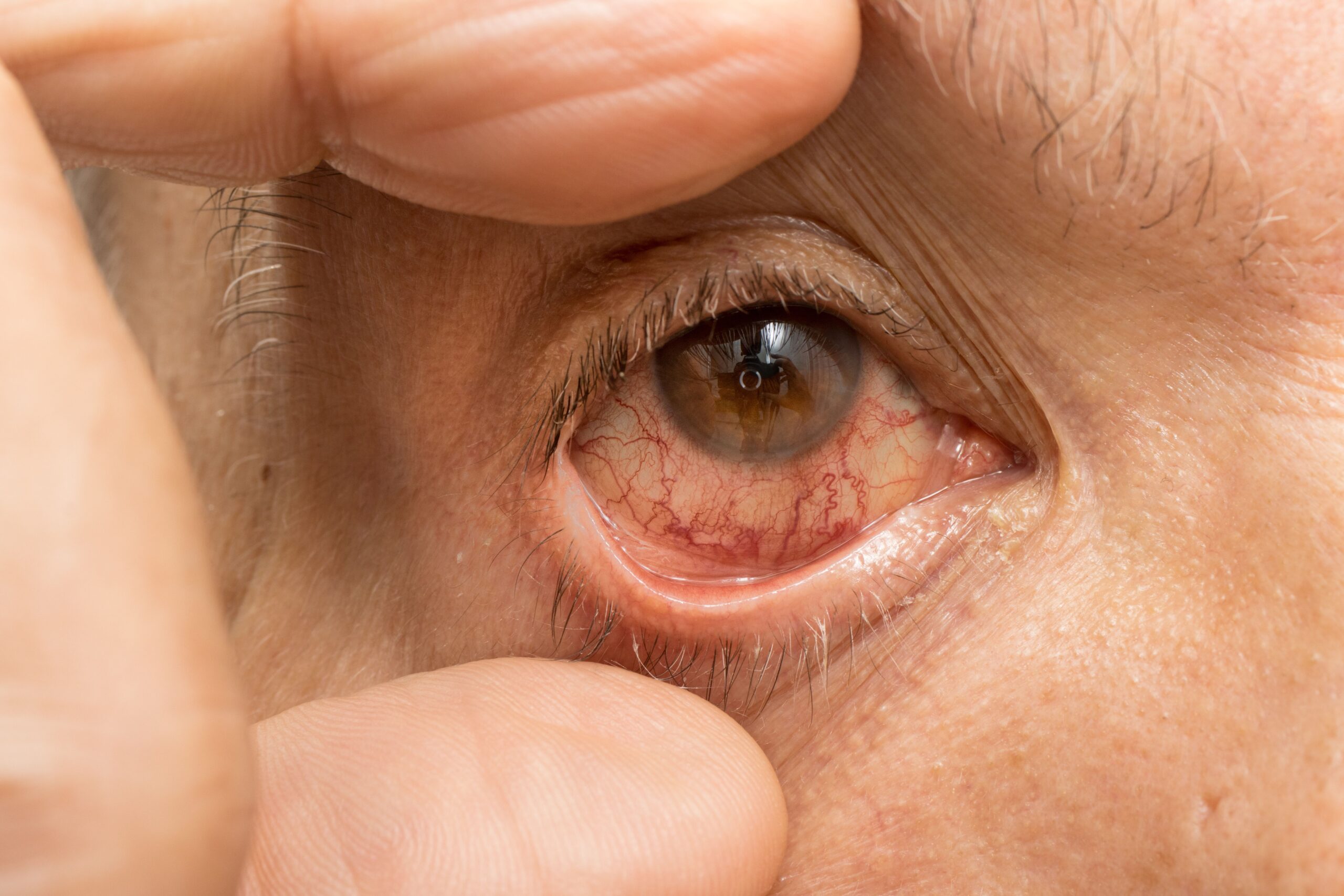
  • Persistent redness, discharge, or light sensitivity after 24 hours
  • Any cut to the eyelid, no matter how small
  • Ongoing feeling that something is in your eye when nothing is visible

Trust your instincts—if you’re worried about an eye injury, it’s always better to have it checked.

Keep Handy

Having these items easily accessible can make eye injury first aid more effective:

  • Clean water or sterile saline solution for flushing
  • Clean cloths or gauze for covering injuries
  • Cold pack or bag of frozen peas wrapped in a towel
  • Emergency contact numbers including your local hospital
  • First aid manual with eye injury guidance

Remember, your eyesight is precious and irreplaceable. When it comes to eye injuries, quick action and proper first aid can make all the difference in protecting your vision for life.

Frequently Asked Questions

What should I do about my contact lenses if I get an eye injury?

If your contact lenses come out easily, remove them gently. However, don’t force them out or spend time trying to remove them if they’re stuck—getting first aid treatment is more important. Never put contact lenses back in an injured eye, even if it feels better.

Stick to proper eye injury first aid with clean water, saline solution, and cold compresses only. Tea bags, milk, honey, and other home remedies can introduce bacteria and may worsen the injury. Save the natural treatments for after you’ve seen a healthcare professional.

Children often can’t describe their symptoms clearly, so watch for excessive crying, keeping the eye tightly shut, pawing at the eye, or any visible changes to the eye’s appearance. When in doubt with children’s eye injuries, it’s always best to seek medical advice promptly.

The content on this website offers general insights regarding health conditions and potential treatments. It is not intended as, and should not be construed as, medical advice. If you are facing a medical emergency, dial 000 immediately and follow the guidance provided.

Recent Posts
North Hobart