



Sharon has 21+ years of experience as a qualified Emergency Care Nurse registered with the Australian Health Practitioner Regulation Agency (APHRA) and 12+ years as a First Aid Trainer.
She takes pride in FirstAidPro making first aid training available, comprehensive and affordable to everybody.
In emergency situations, knowing basic first aid skills can make the difference between life and death, as critical outcomes often depend on the actions taken in the first few minutes. Whether it’s a workplace accident, a family member choking at dinner, or a stranger collapsing in public, having essential first aid knowledge can transform you from a helpless bystander into a potential lifesaver.
In this comprehensive guide, we’ll explore the critical first aid skills and techniques that have proven most effective in real-world emergencies, providing you with practical knowledge you can apply immediately when faced with a medical crisis.
Key Takeaways
- Assess emergency situations safely and check for responsiveness, airway, breathing, and circulation using proper assessment skills.
- Perform CPR with proper chest compressions and rescue breaths at the correct rate and depth.
- Recognise and respond to medical emergencies like heart attacks, allergic reactions, seizures, and heat-related illnesses.
- Manage injuries by controlling bleeding, cleaning wounds, and properly immobilising fractures.
- Handle choking incidents by encouraging coughing or performing the Heimlich manoeuvre when necessary.
DRSABCD: Assessing Emergency First Aid Situations
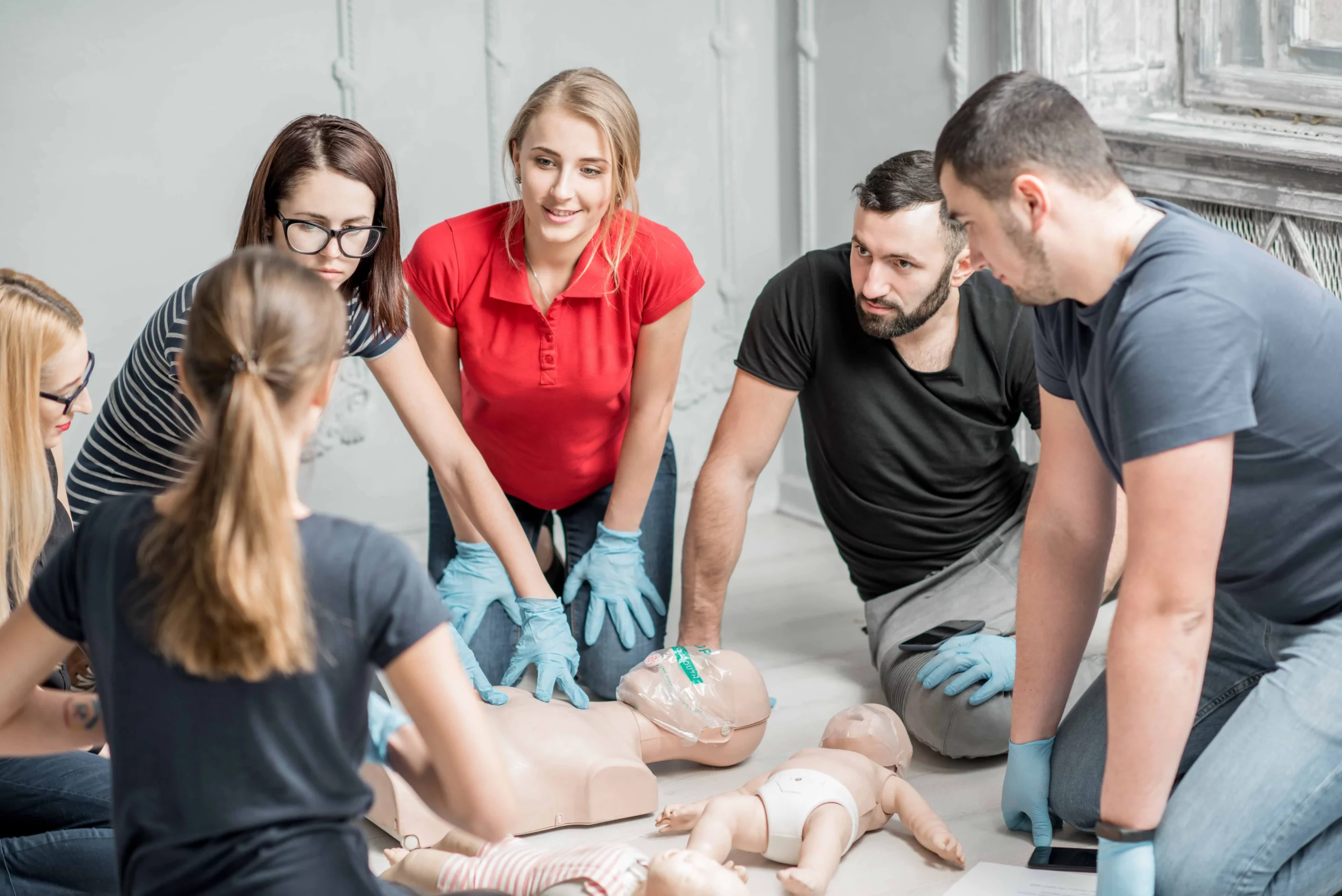
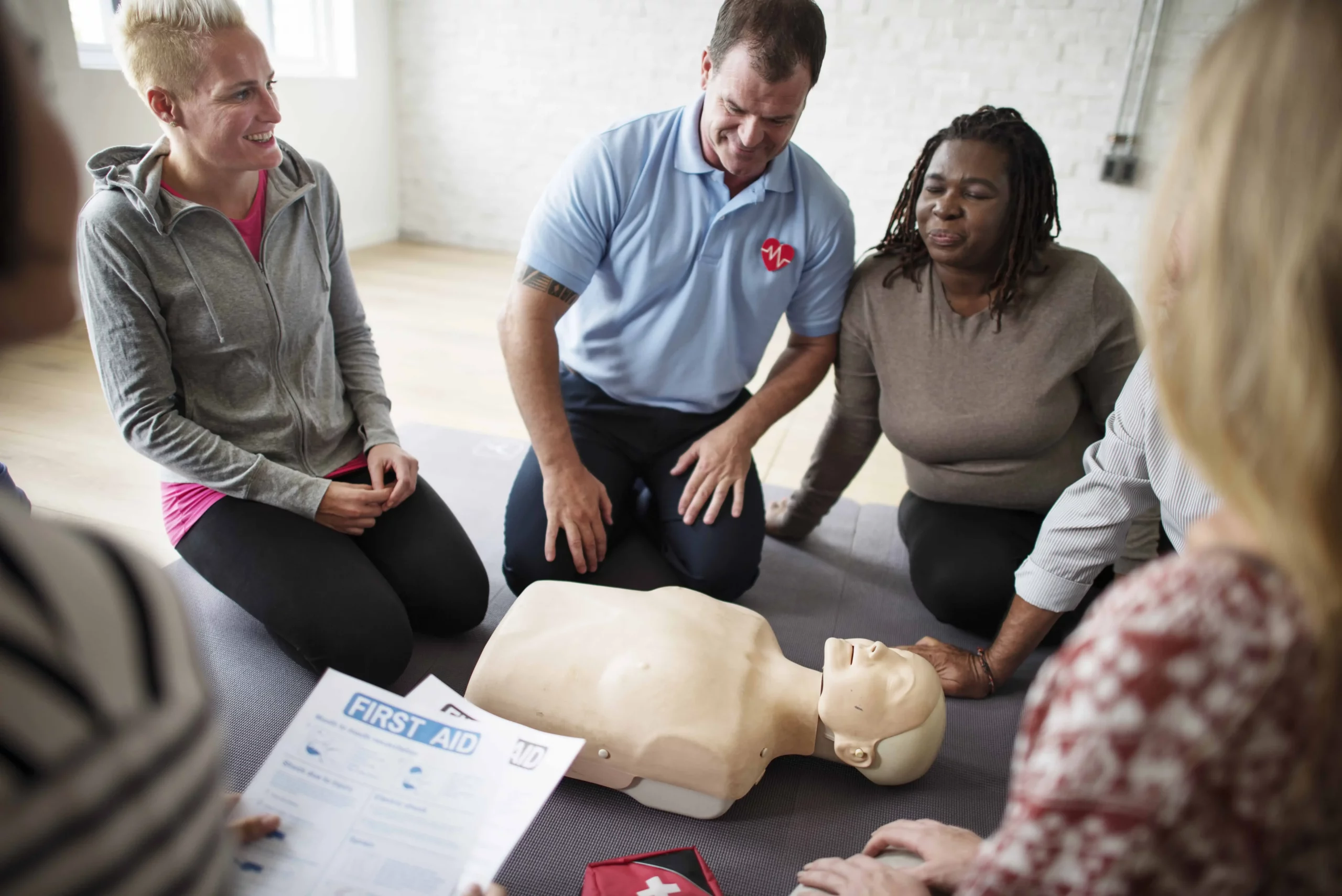
The DRSABCD action plan stands for: Danger, Response, Send for help, Airways, Breathing, CPR and Defibrillation. Mastering these assessment first aid skills forms the foundation of effective emergency response.
Begin by ensuring your own safety first, as you can’t help others if you become a victim yourself.
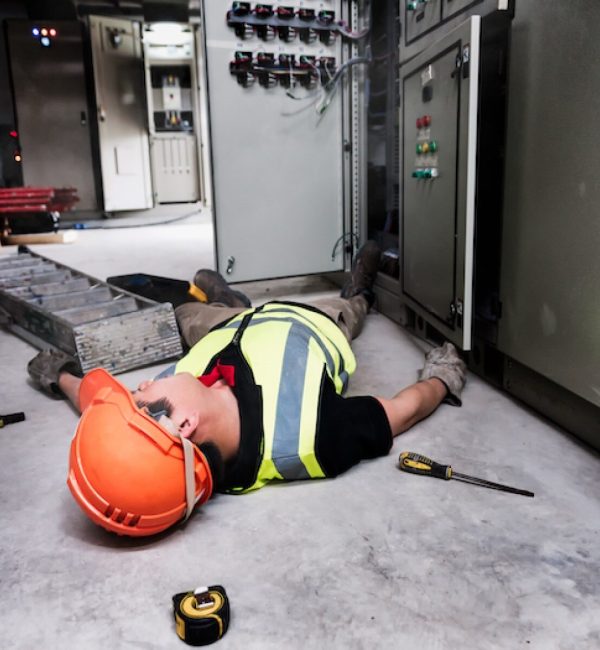
Next, check for responsiveness in the injured person(s) by gently tapping their shoulder and asking if they’re okay. If they’re unresponsive, immediately call for help or designate someone to contact emergency services. This step is significant for effective emergency communication and ensuring professional help arrives promptly.
Assess the person’s airway, breathing, and circulation (ABC). Clear any visible obstructions from the airway, check for breathing by watching for chest movement, and feel for a pulse. If necessary, begin CPR or rescue breaths. Look for severe bleeding and take steps to control it.
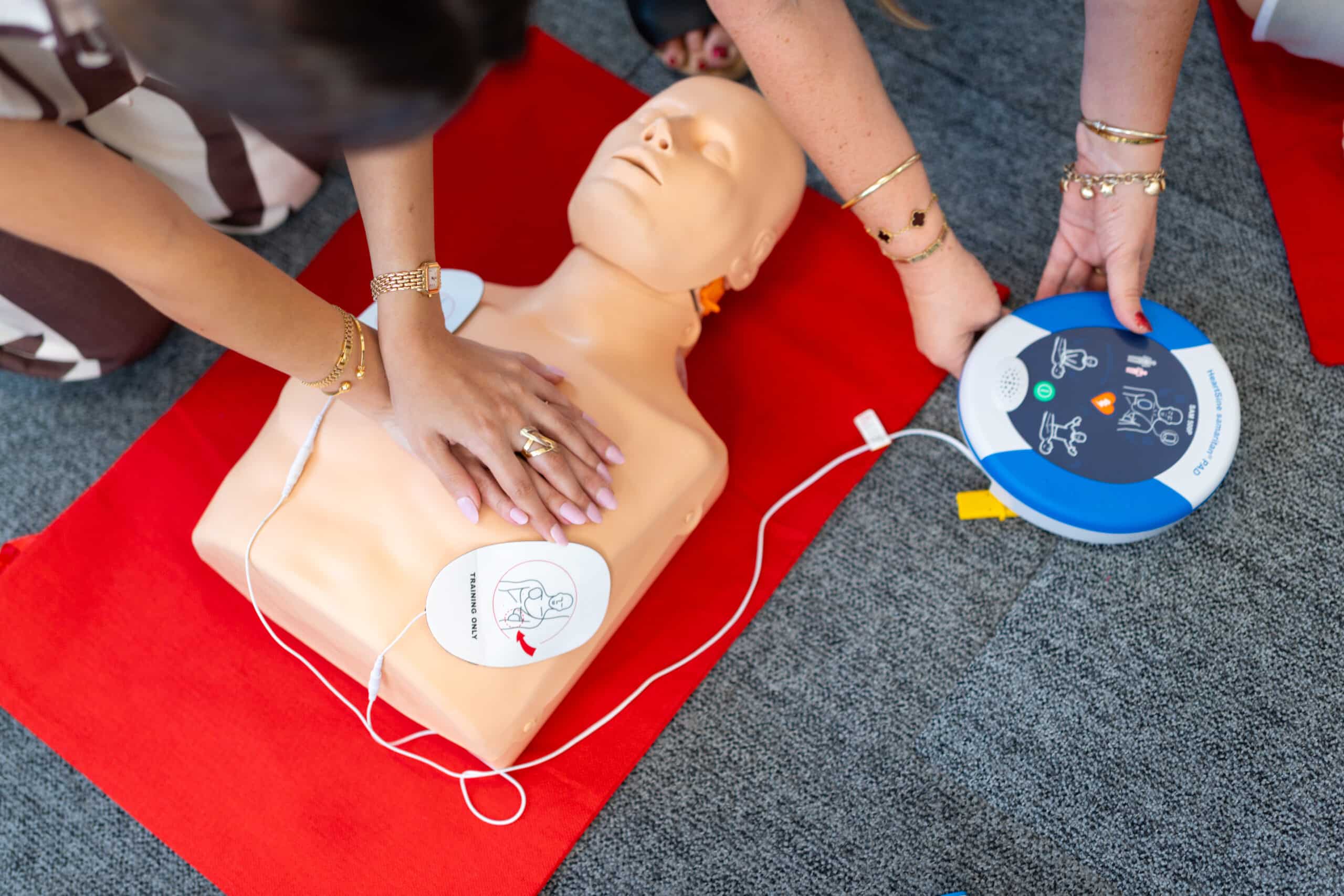
When someone experiences cardiac arrest, an AED can dramatically improve their chances of survival. The device will guide you through placing the electrode pads on the person’s bare chest—one on the upper right side below the collarbone, and one on the lower left side below the armpit. Ensure no one is touching the person when the AED analyses their heart rhythm, and if a shock is advised, make sure everyone stands clear before pressing the shock button.
CPR Techniques
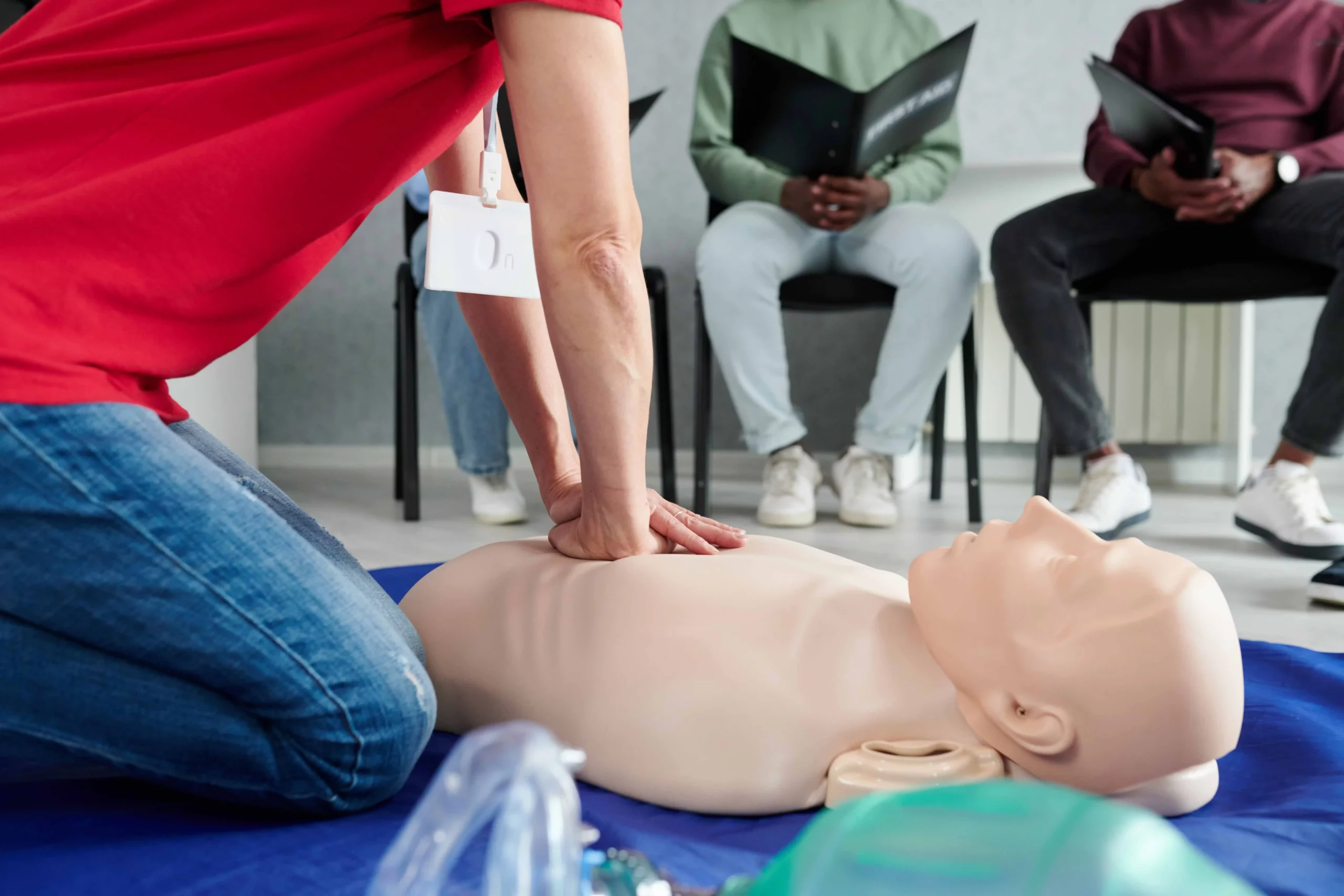
Start by positioning the person on their back on a firm, flat surface. Effective CPR first aid skills require proper hand placement and technique. Kneel beside their chest and place the heel of one hand on the centre of their breastbone, with your other hand on top.
Begin chest compressions by pushing hard and fast, allowing the chest to fully recoil between compressions. Aim for a rate of 100-120 compressions per minute, pressing to a depth of at least 5 centimetres.
After 30 compressions, tilt the person’s head back and lift their chin to open the airway.
Perform two rescue breaths by pinching their nose shut, covering their mouth with yours, and blowing steadily for about one second. Watch for their chest to rise with each breath. If it doesn’t, reposition their head and try again. Resume chest compressions immediately after the rescue breaths.
Continue this cycle of 30 compressions followed by two rescue breaths until emergency services arrive or the person shows signs of life.
Treating Cuts and Wounds
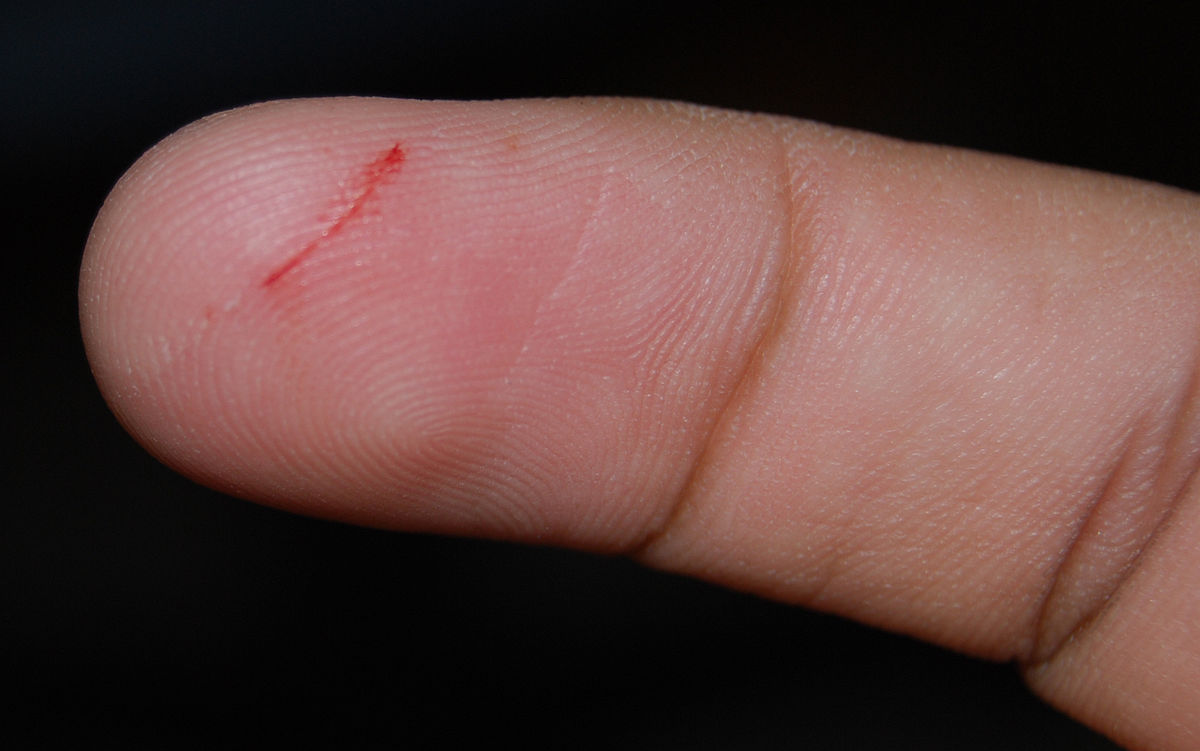
To prevent infection, it’s crucial to clean and disinfect the wound area thoroughly using an antiseptic solution or clean water. Proper wound care first aid skills are essential for preventing complications.
Begin by gathering necessary cleaning supplies, such as sterile gauze, antiseptic wipes, and clean gloves. Employ proper disinfecting techniques to minimise the risk of complications.
Follow these steps to effectively clean and disinfect the wound area:
- Wash your hands thoroughly with soap and water
- Put on clean, disposable gloves
- Rinse the wound with clean, lukewarm water to remove debris
- Clean around the wound with mild soap and water
- Apply an antiseptic solution like hydrogen peroxide or iodine
Gently pat the area dry with a clean, sterile gauze or cloth. Avoid using cotton balls or tissues, as they may leave fibres in the wound.
For deeper cuts or puncture wounds, seek medical attention, as they may require professional cleaning and treatment.
First Aid For Managing Choking Incidents

During a choking incident, quick recognition and proper action are essential for saving a life. Developing reliable choking first aid response skills can help you act confidently in these critical moments. Identifying signs of choking, such as inability to speak, coughing, or gasping for air, is vital. If the person can cough forcefully, encourage them to continue as this may dislodge the obstruction.
For severe choking in adults and children over one year in Australia, follow these first aid steps:
- Call triple zero (000) for an ambulance immediately
- Encourage the person to cough to try to remove the object
- If coughing is ineffective, bend the person forward and give up to 5 sharp back blows between the shoulder blades with the heel of your hand
- Check if the blockage has been cleared after each blow
- If the blockage persists, give up to 5 chest thrusts:
- Place one hand in the middle of the person’s back for support
- Place the heel of your other hand on the lower half of their breastbone
- Give a sharp, upward thrust
- Check if the blockage has been cleared after each thrust
- If the obstruction remains, continue alternating 5 back blows with 5 chest thrusts until medical help arrives or the object is dislodged
- If the person becomes unconscious, start CPR immediately
For infants under one year, support the baby face down on your forearm, with their head lower than their body. Deliver five back blows between the shoulder blades, followed by five chest thrusts if needed. Alternate between these techniques until the object is dislodged or help arrives.
Handling Burns
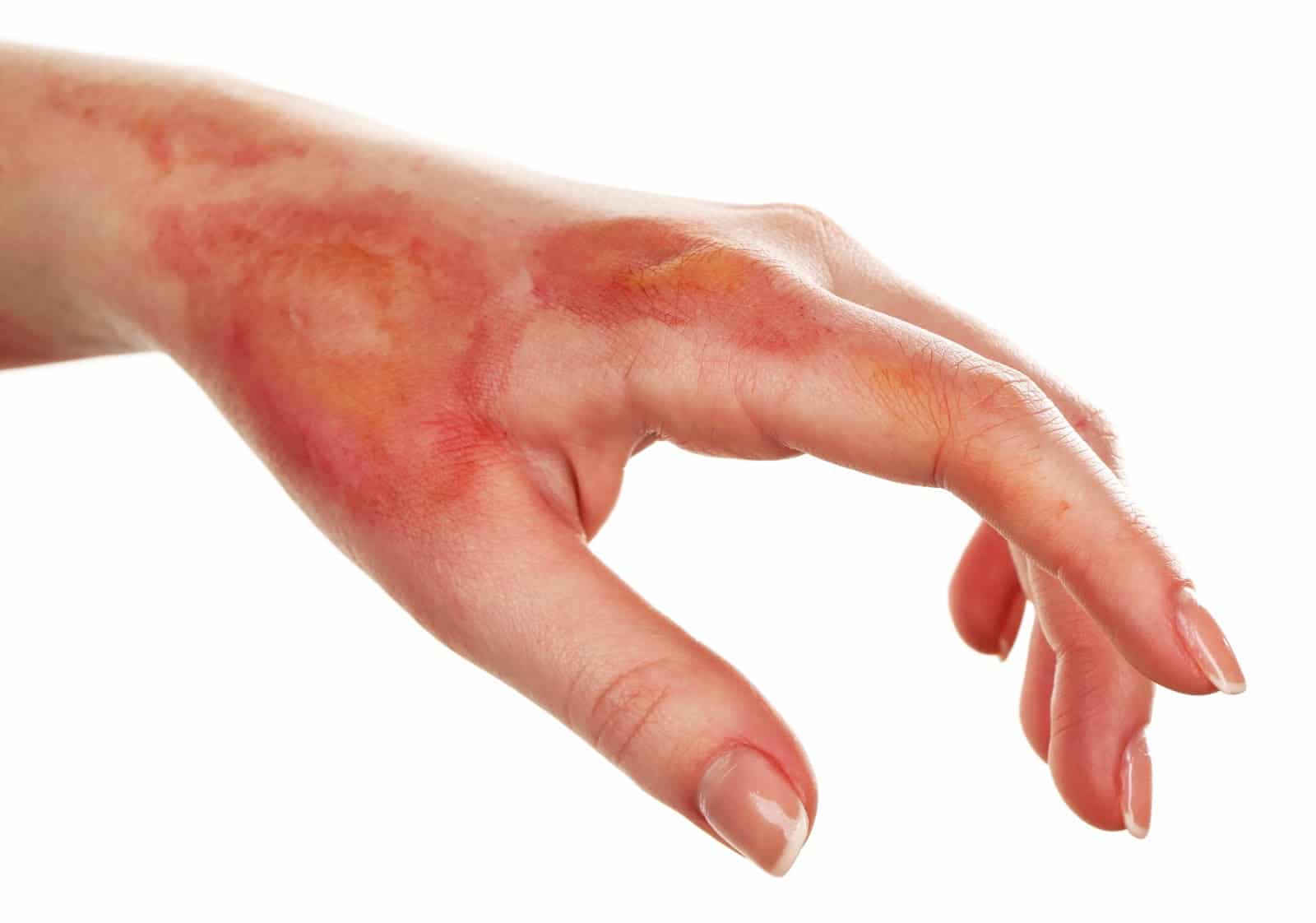
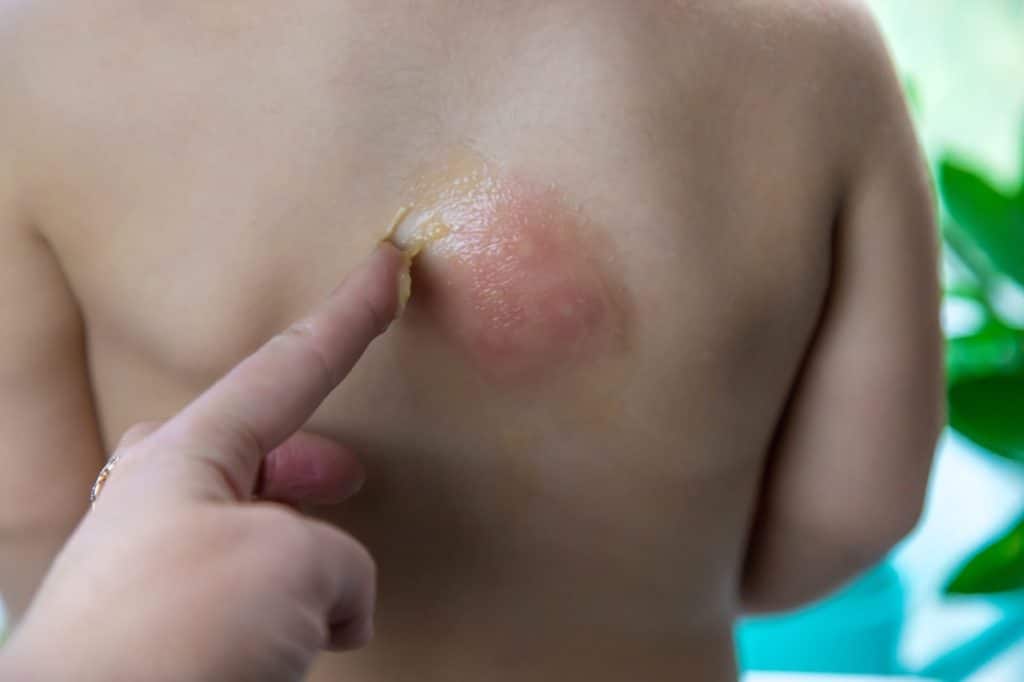
Before treating a burn, it’s vital to quickly assess its severity to determine the appropriate course of action. Burn assessment skills are important for proper first aid treatment. You should evaluate the burn based on its depth, size, and location.
First-degree burns affect only the outer layer of skin, while second-degree burns damage deeper layers, and third-degree burns destroy all layers of skin and underlying tissues.
To assess burn severity, consider the following factors:
- Extent of the burn (percentage of body surface area affected)
- Depth of the burn (first, second, or third-degree)
- Location of the burn (face, hands, feet, or genitals are more serious)
- Age of the victim (children and the elderly are at higher risk)
- Presence of other injuries or medical conditions
For minor burns, you can typically treat them at home using basic first aid supplies. However, severe burns require immediate medical attention.
Cool and Clean Wound
After evaluating the burn’s severity, your immediate priority is to cool and clean the affected area to minimise damage and prevent infection.
Begin by running cool (not cold) water over the burn for at least 10 minutes. This helps reduce pain and limits further tissue damage. If water isn’t available, use a clean, cool, damp cloth as an alternative.
Remove any clothing or jewellery near the burn, unless it’s stuck to the skin. Don’t attempt to peel off anything adhered to the wound, as this can cause additional harm. Gently clean the area with mild soap and water, taking care not to break any blisters that may have formed.
Choose dressing types based on the burn’s severity and location. For minor burns, use non-adherent gauze or specialised burn dressings. For more serious burns, consult a healthcare professional.
Addressing Allergic Reactions

Allergic reactions also pose serious risks and require immediate attention. Recognising and addressing allergic reactions, especially anaphylaxis, is an essential first aid skill. Anaphylaxis is a severe, potentially life-threatening allergic response that can occur within minutes of exposure to an allergen.
To effectively address allergic reactions, you should:
- Identify common symptoms such as hives, swelling, difficulty breathing, and dizziness
- Remove the person from the allergen source if possible
- Call emergency services immediately if anaphylaxis is suspected
- Assist in administering epinephrine if the person has an auto-injector
- Monitor the person’s critical signs and be prepared to perform CPR if necessary
Epinephrine administration is the primary treatment for anaphylaxis. If available, help the person use their auto-injector, typically in the outer thigh. Always follow the instructions provided with the device.
Dealing With Fractures
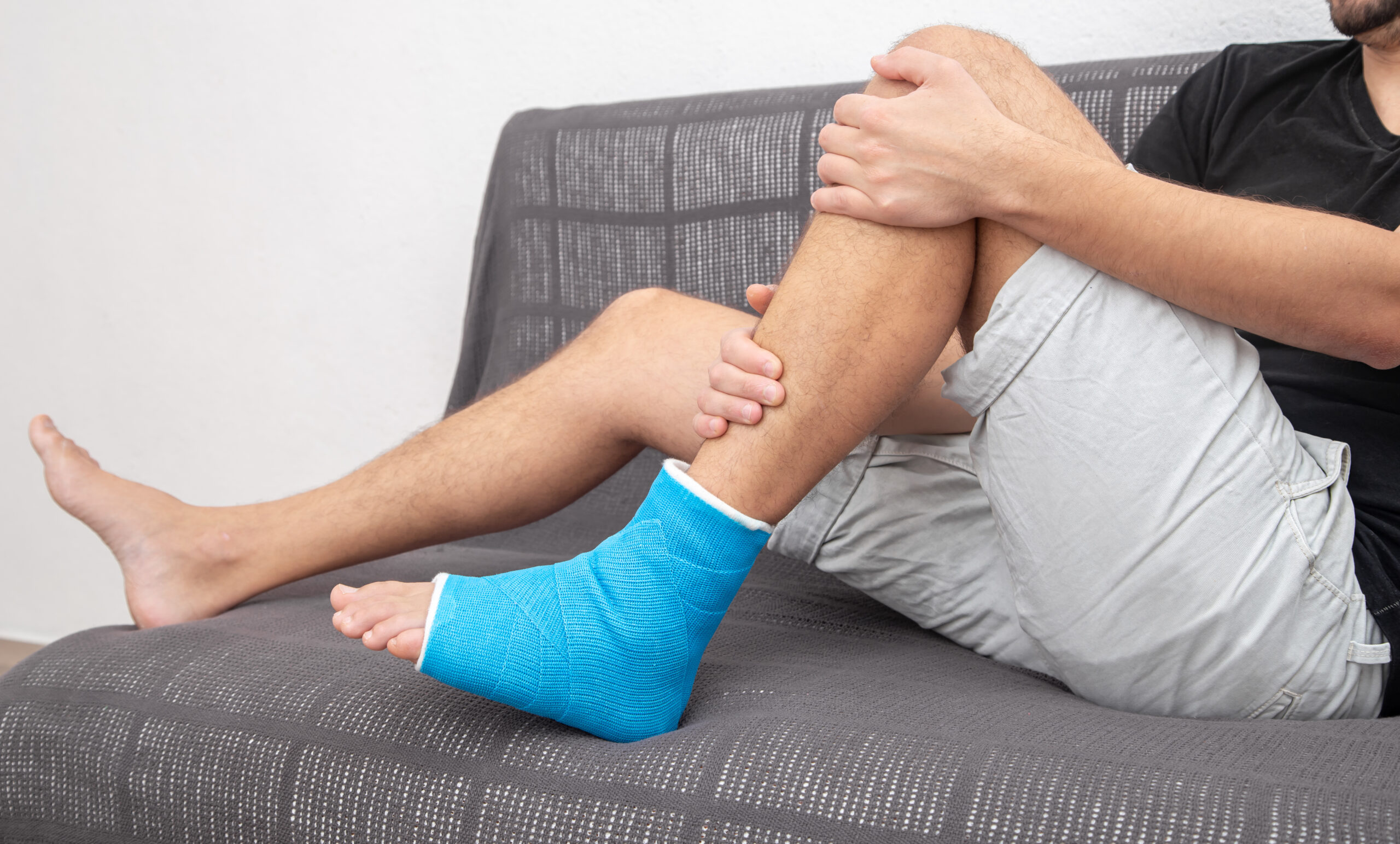
Proper immobilisation of fractures is vital for preventing further injury and reducing pain during first aid situations. When dealing with a suspected fracture, your primary goal is to stabilise the affected area using appropriate immobilisation techniques.
Splint application is an important skill in this process, as it helps restrict movement and protect the injured limb or joint.
Various immobilisation devices are available, including rigid splints, elastic bandages, and improvised materials. Choose the most suitable option based on the location and severity of the fracture.
Responding to Seizures

During a seizure, your immediate actions can significantly impact the safety and well-being of the affected person. Recognising seizure triggers and providing appropriate care are essential first aid skills. When someone experiences a seizure, your primary goal is to prevent injury and guarantee their safety.
Follow these key steps when responding to a seizure:
- Clear the area of hazardous objects
- Cushion the person’s head
- Loosen tight clothing around the neck
- Time the seizure’s duration
- Don’t restrain the person or put anything in their mouth
After the seizure ends, the person may enter a postictal state, characterised by confusion and drowsiness. During postictal care, gently turn the person onto their side to prevent choking and maintain an open airway. Stay with them until they’re fully alert and oriented.
If the seizure lasts longer than five minutes, occurs in water, or if the person has difficulty breathing, call emergency services immediately. It’s also essential to seek medical attention if it’s the person’s first seizure or if they’re pregnant, injured, or diabetic.
Treating Heat Exhaustion

Swift action is essential when you encounter someone suffering from heat exhaustion. Developing heat emergency response skills helps ensure prompt and effective intervention. Recognising heat exhaustion symptoms is fundamental for prompt intervention. Look for signs such as excessive sweating, pale and clammy skin, rapid heartbeat, dizziness, headache, nausea, and muscle cramps.
If you suspect heat exhaustion, immediately move the person to a cooler environment, preferably air-conditioned.
Begin recovery strategies by removing excess clothing and cooling the body. Apply cold, wet cloths to the skin or have the person take a cool bath. Encourage them to drink water or sports drinks containing electrolytes, but avoid caffeine and alcohol. Fan the person to promote evaporation and cooling. If symptoms persist or worsen after 15 minutes, seek emergency medical attention.
Preventing Shock
Shock can set in quickly after an injury or trauma, so you’ll need to act fast to prevent its potentially life-threatening effects. Shock prevention skills can make a critical difference in emergency outcomes. Recognising shock symptoms early is essential for effective shock management. Look for signs such as pale, cool, and clammy skin, rapid breathing, weakness, confusion, and a weak, rapid pulse.
To prevent shock, first guarantee the person’s safety by removing them from any immediate danger. Have them lie down flat on their back and elevate their legs about 30 centimetres, unless this causes pain or further injury. Keep the person warm by covering them with a blanket or coat.
Don’t give them anything to eat or drink, as this could lead to choking or vomiting. Loosen any tight clothing around the neck, chest, and waist to aid breathing. If the person is unconscious but breathing, place them in the recovery position.
Frequently Asked Questions
Can I be sued for providing first aid in Australia?
Australia has Good Samaritan laws that protect people who provide reasonable assistance in emergency situations. As long as you act in good faith, within your level of training, and don’t act recklessly, you’re legally protected when helping someone in genuine need.
How often should I update my first aid kit?
Check your first aid kit every six months to replace expired medications and supplies. Items like adhesive bandages, antiseptic wipes, and pain relievers have expiry dates. Also replace any items that have been used and ensure your kit remains well-stocked and organised.
Are there different first aid techniques for children and infants?
Yes, children and infants require modified techniques due to their smaller size and different physiology. For example, CPR chest compressions are shallower for children and performed with fingertips for infants. Consider taking a paediatric first aid course if you work with or care for children regularly.