



Sharon has 21+ years of experience as a qualified Emergency Care Nurse registered with the Australian Health Practitioner Regulation Agency (APHRA) and 12+ years as a First Aid Trainer.
She takes pride in FirstAidPro making first aid training available, comprehensive and affordable to everybody.
A diabetes emergency can strike without warning, turning an ordinary day into a life-threatening situation within minutes. Whether you’re caring for a loved one with diabetes, working in a healthcare setting, or simply want to be prepared as a responsible community member, understanding how to respond to these critical moments could mean the difference between life and death.
This comprehensive guide will equip you with the essential skills and knowledge needed to recognise, assess, and respond to diabetic emergencies confidently. From identifying the warning signs to administering appropriate treatments, you’ll learn step-by-step procedures that could save a life when every second counts.
Key Takeaways
- Recognise symptoms of hypoglycaemia or hyperglycaemia and test blood sugar levels immediately.
- Administer fast-acting glucose for low blood sugar or insulin for high blood sugar as appropriate.
- Call emergency services if the patient is unconscious, unresponsive, or symptoms are severe.
- Monitor vital signs and keep the patient in a safe position, preferably the recovery position if unconscious.
- Ensure proper hydration and continue monitoring blood glucose levels until medical help arrives.
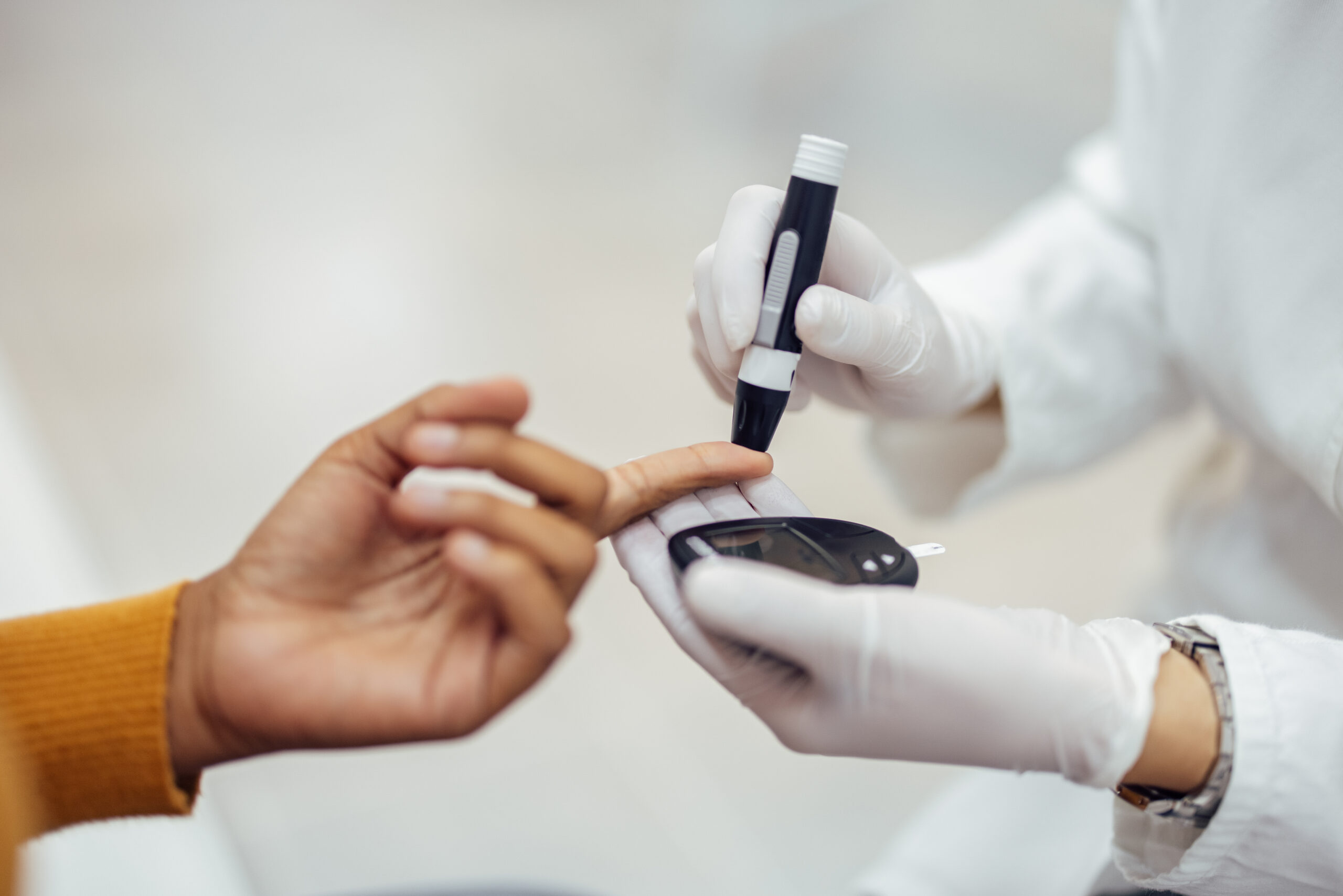
Recognising Diabetes Emergency Signs
To effectively manage diabetic emergencies, you must first be able to identify the key signs and symptoms that indicate a potentially life-threatening situation. Recognising diabetic symptoms and emergency triggers is vital for prompt intervention.
Two primary conditions you should be aware of are hypoglycaemia (low blood sugar) and hyperglycaemia (high blood sugar).
For hypoglycaemia, watch for sudden onset of shakiness, sweating, confusion, and irritability. You may also observe pallor, rapid heartbeat, and in severe cases, loss of consciousness. These symptoms typically develop quickly and require immediate action.
Hyperglycaemia, on the other hand, often develops more gradually. You’ll notice increased thirst, frequent urination, and fatigue. As the condition worsens, you may experience blurred vision, fruity-smelling breath, and abdominal pain. In extreme cases, it can lead to diabetic ketoacidosis, characterised by nausea, vomiting, and shortness of breath.
Blood Sugar Level Assessment
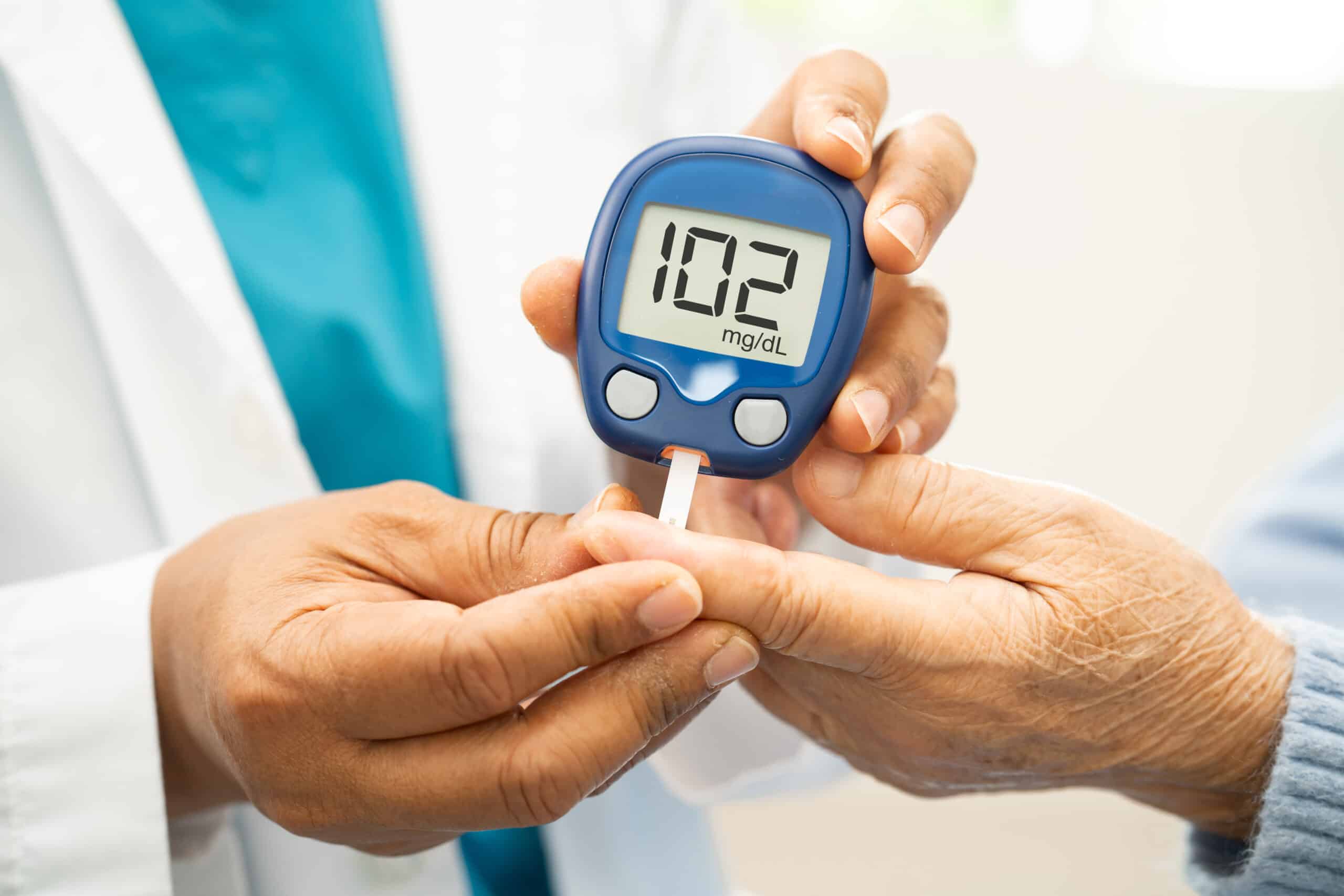
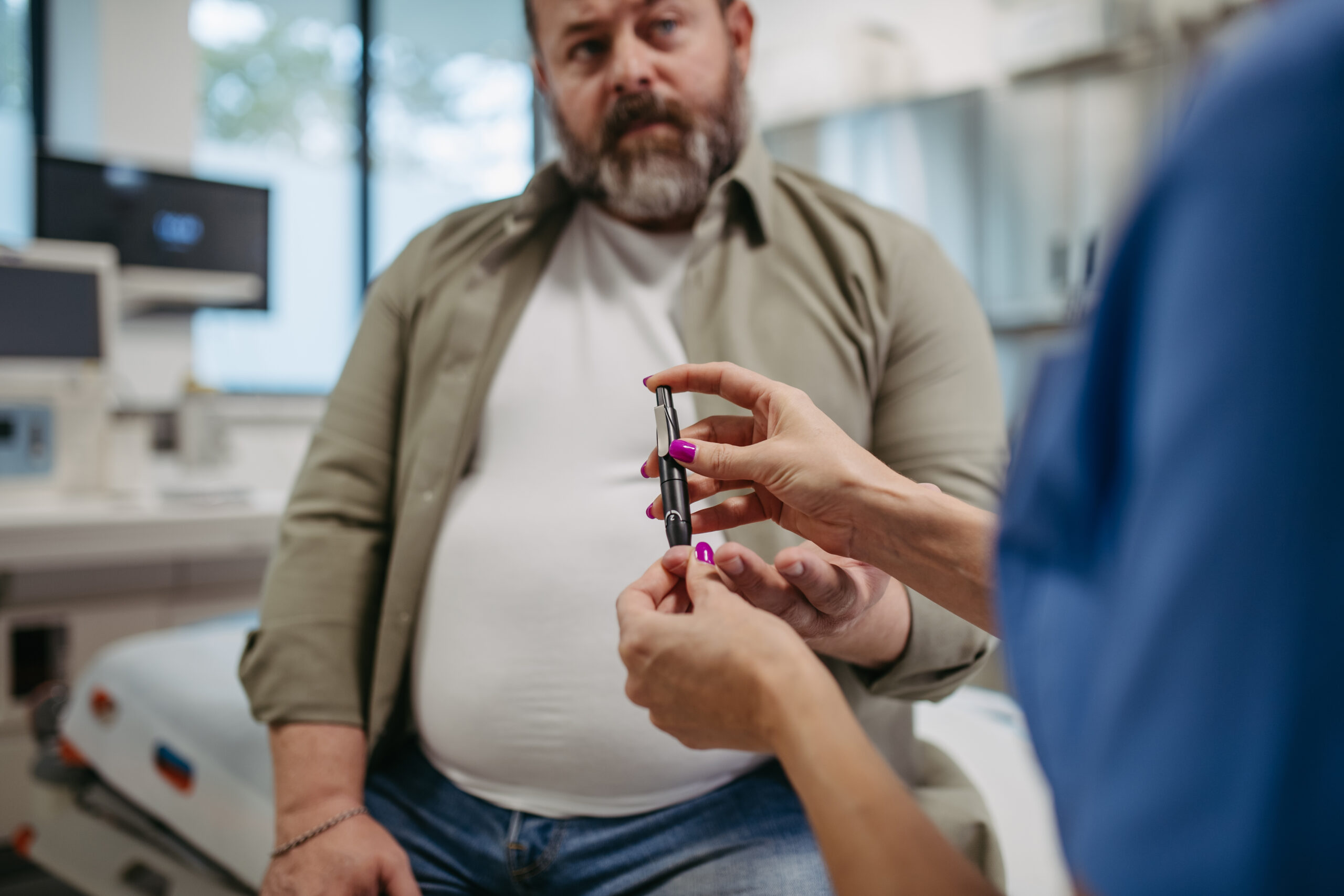
During a diabetes emergency, rapidly evaluating blood sugar levels is vital for determining the appropriate course of action. To assess blood sugar accurately, you’ll need to perform glucose testing using a reliable blood glucose meter.
Insert a test strip into the meter and prepare the lancing device with a fresh lancet. Prick the side of your fingertip and gently squeeze to produce a small drop of blood. Apply the blood to the test strip and wait for the meter to display the result.
Normal blood sugar ranges vary, but generally, levels below 70 mg/dL indicate hypoglycaemia, while levels above 180 mg/dL suggest hyperglycaemia. If you’re unable to perform a blood sugar test, look for physical symptoms to guide your assessment.
Administering Fast-Acting Glucose
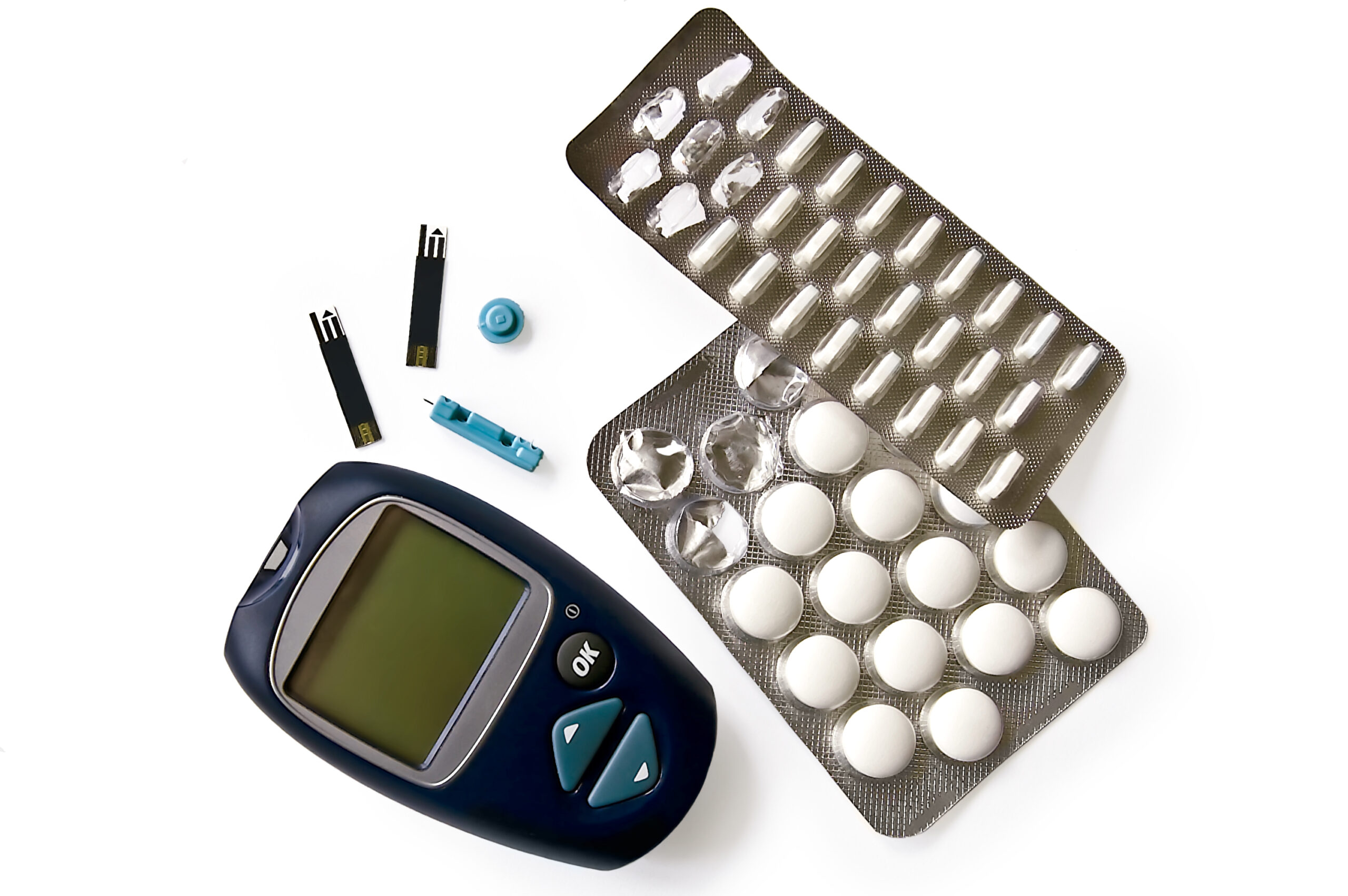
When blood glucose levels fall dangerously low during a diabetes emergency, you’ll need to administer fast-acting glucose immediately to prevent severe complications. Recognising the symptoms of hypoglycaemia is vital for timely intervention. Symptom awareness is key, as early detection can prevent the progression to a more severe state.
Fast-acting glucose sources are vital tools for rapidly increasing blood sugar levels during hypoglycaemic episodes. When you’re experiencing low blood sugar, it’s important to act quickly and consume easily digestible carbohydrates.
Glucose tablets are a popular and convenient option, designed specifically for this purpose. They’re portable, have a long shelf life, and provide a precise dose of glucose. You’ll typically need to consume 3-4 tablets to raise your blood sugar by about 50 mg/dL.
If glucose tablets aren’t available, fruit juice is an effective alternative. Orange, apple, or grape juice can work well, with 120-180 mL usually sufficient to address mild hypoglycaemia.
Other quick-acting glucose sources include regular (non-diet) soda, honey, or hard candies. It’s important to recognise that while these options can rapidly increase blood sugar, they may not provide as precise a dose as glucose tablets.
Glucagon Injection Procedure
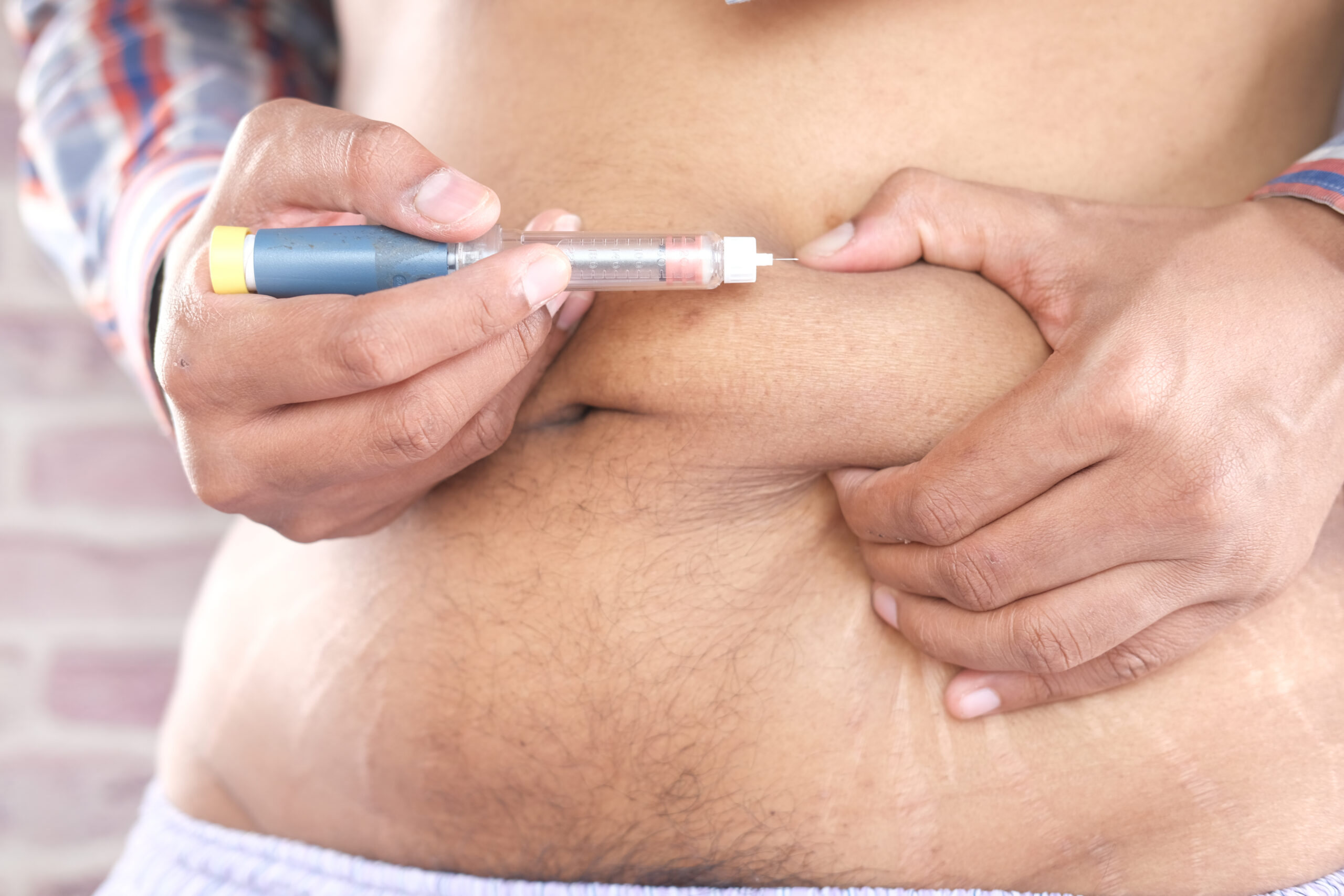
In a severe diabetes emergency where the patient cannot swallow safely, you’ll need to reconstitute the powdered glucagon with its accompanying diluent before administering the injection.
Begin by checking the glucagon storage conditions; verify it hasn’t expired and has been kept at room temperature. The glucagon dosage typically comes in a kit containing a vial of powder and a prefilled syringe of sterile water.
To prepare the injection:
- Remove the flip-top seal from the vial containing the glucagon powder.
- Take the needle cover off the syringe filled with diluent.
- Insert the needle into the rubber stopper of the glucagon vial and inject all the liquid.
Without removing the syringe, gently swirl the vial until the glucagon is completely dissolved and the solution is clear. Don’t shake vigorously.
Administering Glucagon Correctly
Once you’ve prepared the glucagon solution, it’s time to administer the injection correctly to guarantee its effectiveness in treating severe hypoglycaemia.
Choose an injection site on the upper arm, thigh, or buttocks, and clean the area with an alcohol wipe. Hold the syringe at a 90-degree angle to the skin and quickly insert the needle. Push the plunger to inject the entire contents of the syringe. After injection, remove the needle and apply pressure to the site with a cotton ball.
Calling Emergency Medical Services
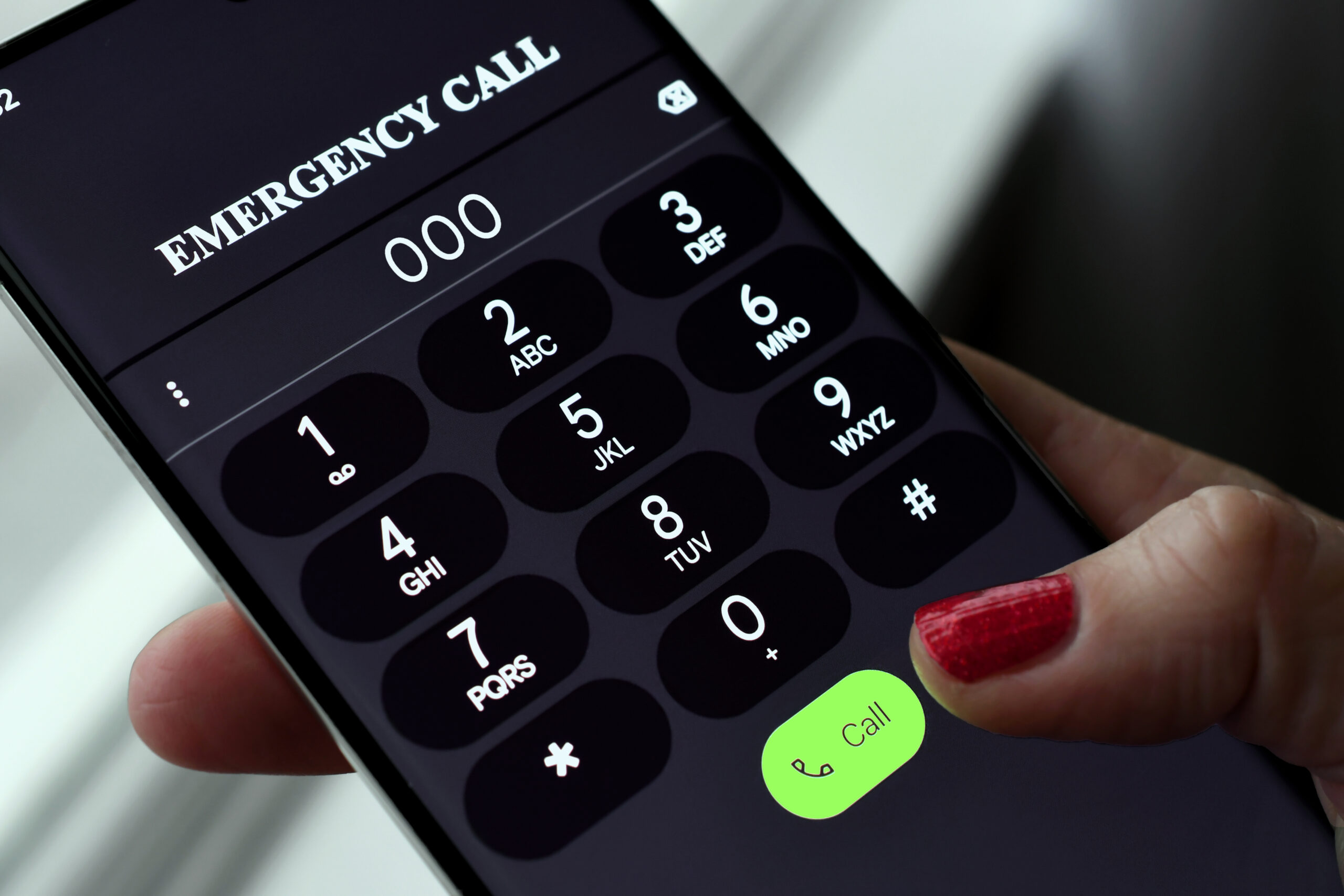
When faced with a diabetes emergency, you should immediately call for emergency medical services to guarantee prompt and professional intervention. Adhering to emergency protocols is essential, as every second counts in these situations. Maintain communication clarity when speaking with the dispatcher, providing concise and accurate information about the patient’s condition, symptoms, and any actions you’ve taken.
Your role as a first responder is important in ensuring the patient receives appropriate care. Be prepared to provide the emergency medical team with fundamental information, such as the patient’s medical history, current medications, and recent blood glucose readings if available.
If you’ve administered glucagon or any other emergency treatments, inform the paramedics immediately upon their arrival. Your quick action and clear communication can greatly impact the outcome of the diabetes emergency and potentially save a life.
Monitoring Vital Signs
During a diabetes emergency, you’ll need to closely monitor the patient’s essential signs to evaluate their overall condition and detect any changes that may require immediate intervention. Focus on four key significant signs: blood pressure, pulse rate, respiratory rate, and body temperature. Use appropriate monitoring techniques to accurately measure these indicators.
For blood pressure, employ a manual or digital sphygmomanometer, ensuring proper cuff size and placement.
Check the pulse rate by palpating the radial or carotid artery for 60 seconds, noting any irregularities.
Observe the patient’s chest movements to count respiratory rate over a full minute.
Use a thermometer to measure body temperature, preferably with an oral or tympanic device for quick results.
Positioning the Patient Safely
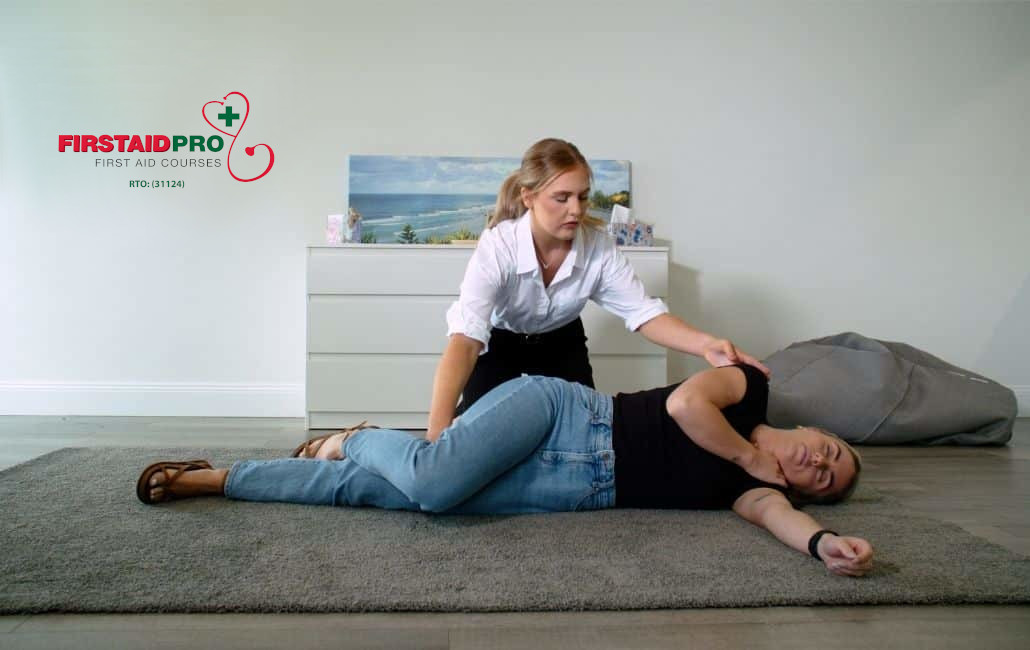
Proper patient positioning during a diabetes emergency is crucial for maintaining airway safety and preventing complications. If the patient is conscious, help them sit upright or recline at a 45-degree angle to facilitate breathing and reduce the risk of aspiration. For unconscious patients, place them in the recovery position on their side.
Consider patient comfort while positioning, as it can affect their overall condition. Ensure that:
- The patient’s head is slightly elevated to prevent aspiration
- Their arms and legs are supported to minimise strain
- Any tight clothing is loosened to improve circulation
Hydration During A Diabetes Emergency
When you’re experiencing a diabetes emergency, prioritise fluid intake to counteract the dehydrating effects of hyperglycaemia or hypoglycaemia.
Consider the following hydration strategies:
- Consume water or sugar-free, caffeine-free beverages
- Sip small amounts frequently rather than large volumes at once
- Use oral rehydration solutions to replenish electrolytes
If you’re dealing with hyperglycaemia, increased fluid intake can help flush excess glucose from your system. However, if you’re experiencing hypoglycaemia, opt for beverages containing glucose to raise your blood sugar levels.
In both cases, avoid alcohol and caffeinated drinks, as they can exacerbate dehydration and interfere with glucose regulation.
Frequently Asked Questions
Can I give glucose to someone if I'm not sure whether their blood sugar is high or low?
When facing a diabetes emergency where you cannot test blood glucose, assume hypoglycaemia and give glucose if the person is conscious. Untreated severe low blood sugar can cause permanent brain damage within minutes, whilst giving glucose to someone with high blood sugar won’t cause immediate life-threatening harm. Always call emergency services regardless.
What's the difference between Type 1 and Type 2 diabetes?
Type 1 is an autoimmune condition where the body destroys insulin-producing cells, typically developing in childhood and requiring lifelong insulin injections. Type 2 develops when the body becomes resistant to insulin, usually appearing later in life and often managed with diet, exercise, and medications, though many eventually need insulin too.
What should I do if someone is vomiting during a diabetes emergency?
Never give oral glucose or food to someone who is vomiting due to choking risk. Position them on their side, call emergency services immediately, and use glucagon injection if available and you’re trained. Vomiting during diabetic emergencies often indicates severe illness requiring hospital treatment.