



Sharon has 21+ years of experience as a qualified Emergency Care Nurse registered with the Australian Health Practitioner Regulation Agency (APHRA) and 12+ years as a First Aid Trainer.
She takes pride in FirstAidPro making first aid training available, comprehensive and affordable to everybody.
Minor wounds, including every type of abrasion wound, are among the most common injuries experienced and treated at home, in the workplace, and during outdoor activities. While they might not seem serious, treating them properly is essential to prevent infection and promote quick healing. In Australia, where activities like gardening, barbecuing, and outdoor sports are popular, minor cuts, scrapes and grazes can happen frequently.
Minor cuts, scrapes, and grazes are superficial injuries that break the skin’s surface but typically do not extend deeply into tissues or muscles. These injuries can include:
- Cuts (Lacerations): Sharp-edged injuries caused by objects like knives, glass, or sharp tools.
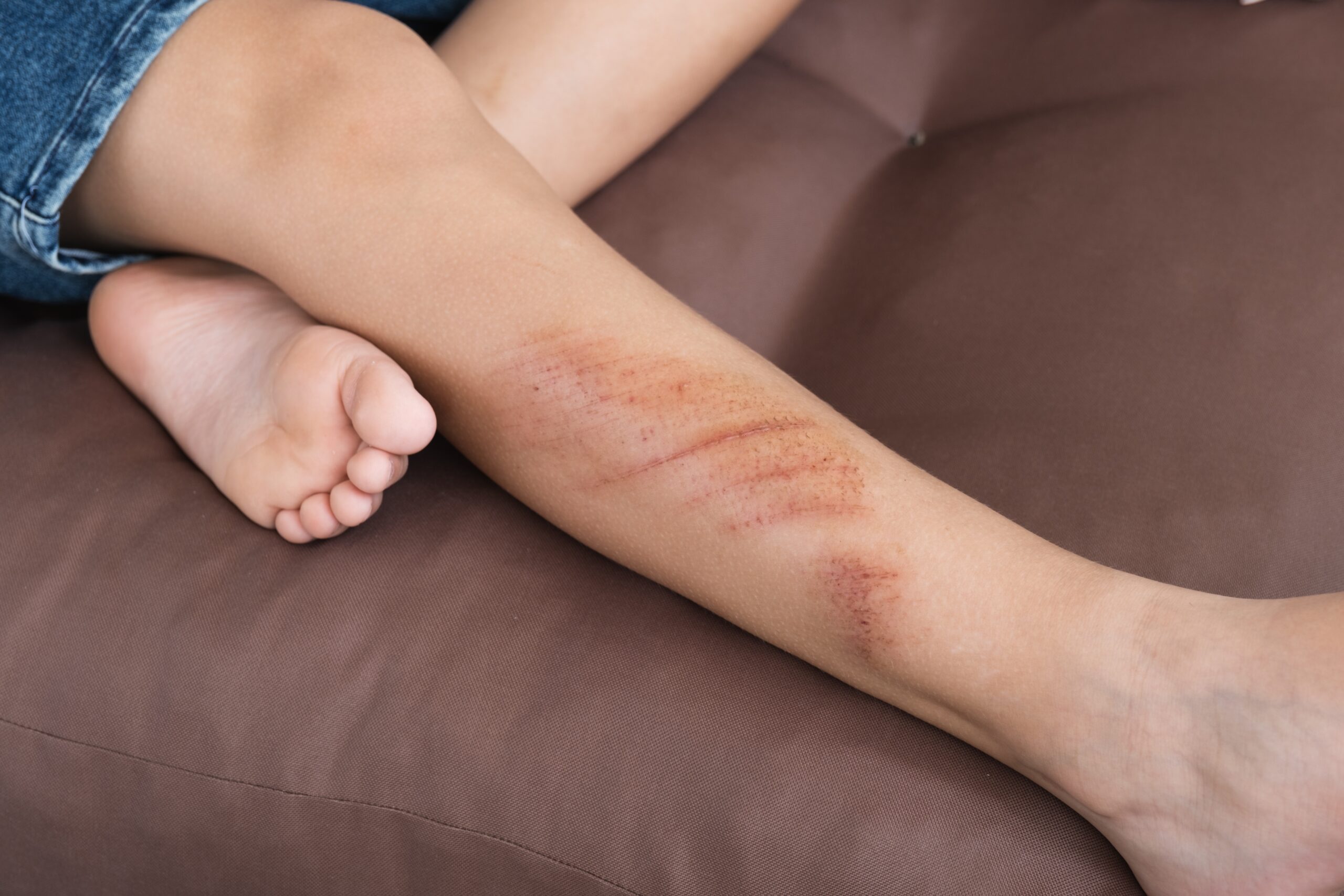
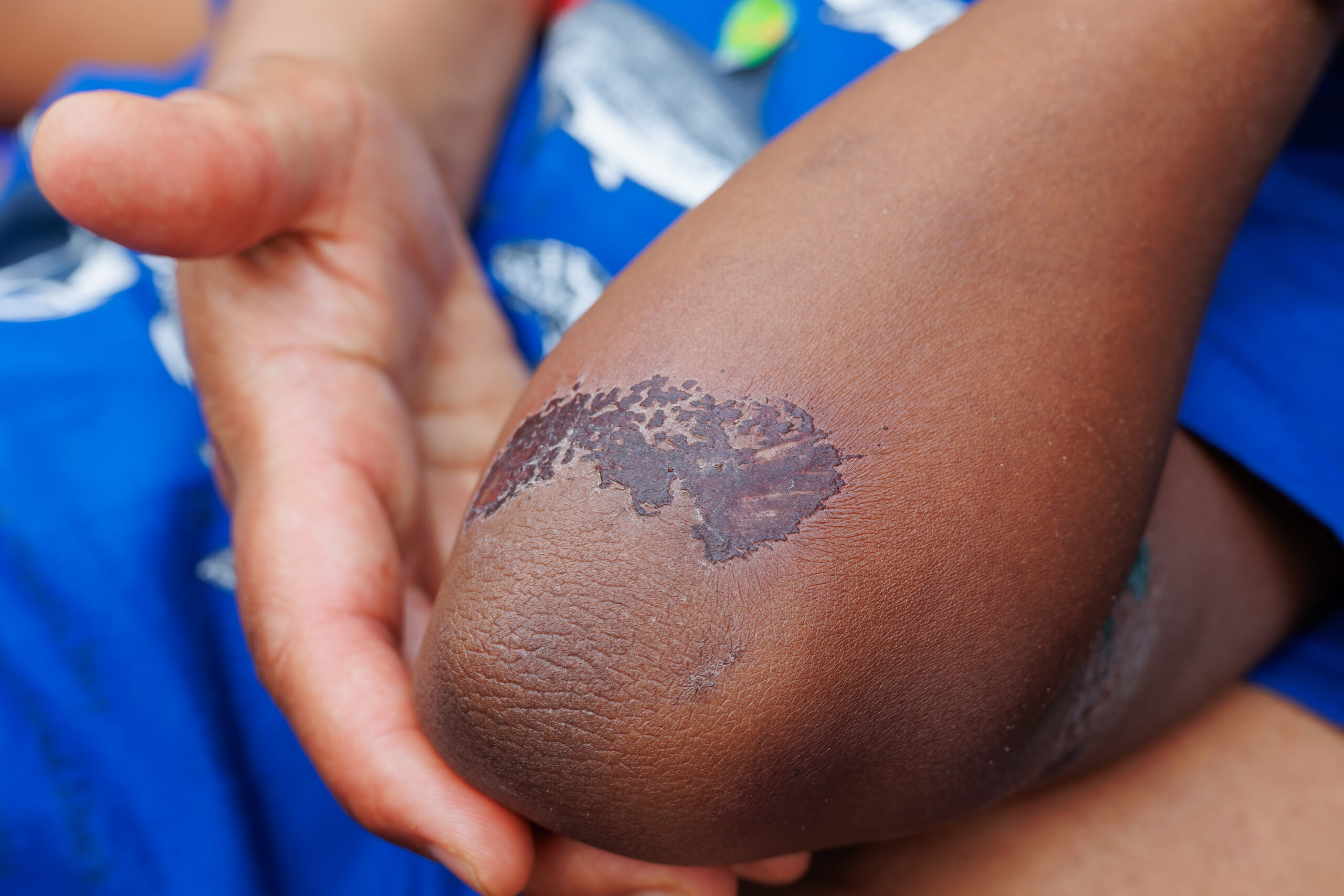
- Scrapes (Abrasions): Friction-related injuries that rub off the top layers of skin, often caused by falls or sliding on rough surfaces.
- Grazes: Minor skin damage that affects a broader area, typically caused by contact with abrasive surfaces.
While these injuries are generally not severe, they require proper cleaning and care to prevent complications like infections or delayed healing. Whether dealing with a simple cut or a more extensive abrasion wound, left untreated, even minor injuries can lead to redness, swelling, or more serious issues such as cellulitis.
Common Causes of Minor Cuts, Scrapes, and Grazes
In Australia, these types of injuries are common due to a range of daily activities and environments:
- Kitchen Accidents: The kitchen is a hotspot for cuts and scrapes. Knife slips while chopping vegetables, broken glass from dropped items, or grazes from sharp-edged utensils can easily occur during meal preparation.
- Outdoor Activities: Whether gardening, hiking, or enjoying Australia’s outdoor lifestyle, minor injuries can result from handling gardening tools, contact with thorns or sharp plants, or accidental bumps against outdoor furniture and equipment.
- Sports and Recreation: Playing sports or engaging in physical activities can lead to grazes and scrapes from falls on hard surfaces like tennis courts, footpaths, or sports fields.
- Workplace Mishaps: In office or industrial settings, minor injuries like paper cuts, scrapes from rough materials, or small tool-related injuries are common. Ensuring proper equipment handling and workspace organisation can reduce these risks.
- Childhood Adventures: Children playing on playgrounds, climbing trees, or riding bikes are often prone to minor grazes and scrapes due to their energetic activities and explorations.
By understanding these common causes and environments, you can take preventive measures to minimise the risk of minor cuts, scrapes, and grazes in your daily life, reducing the likelihood of developing an abrasion wound that requires treatment.
Why Proper Care for Minor Cuts, Grazes and Wounds Is Essential
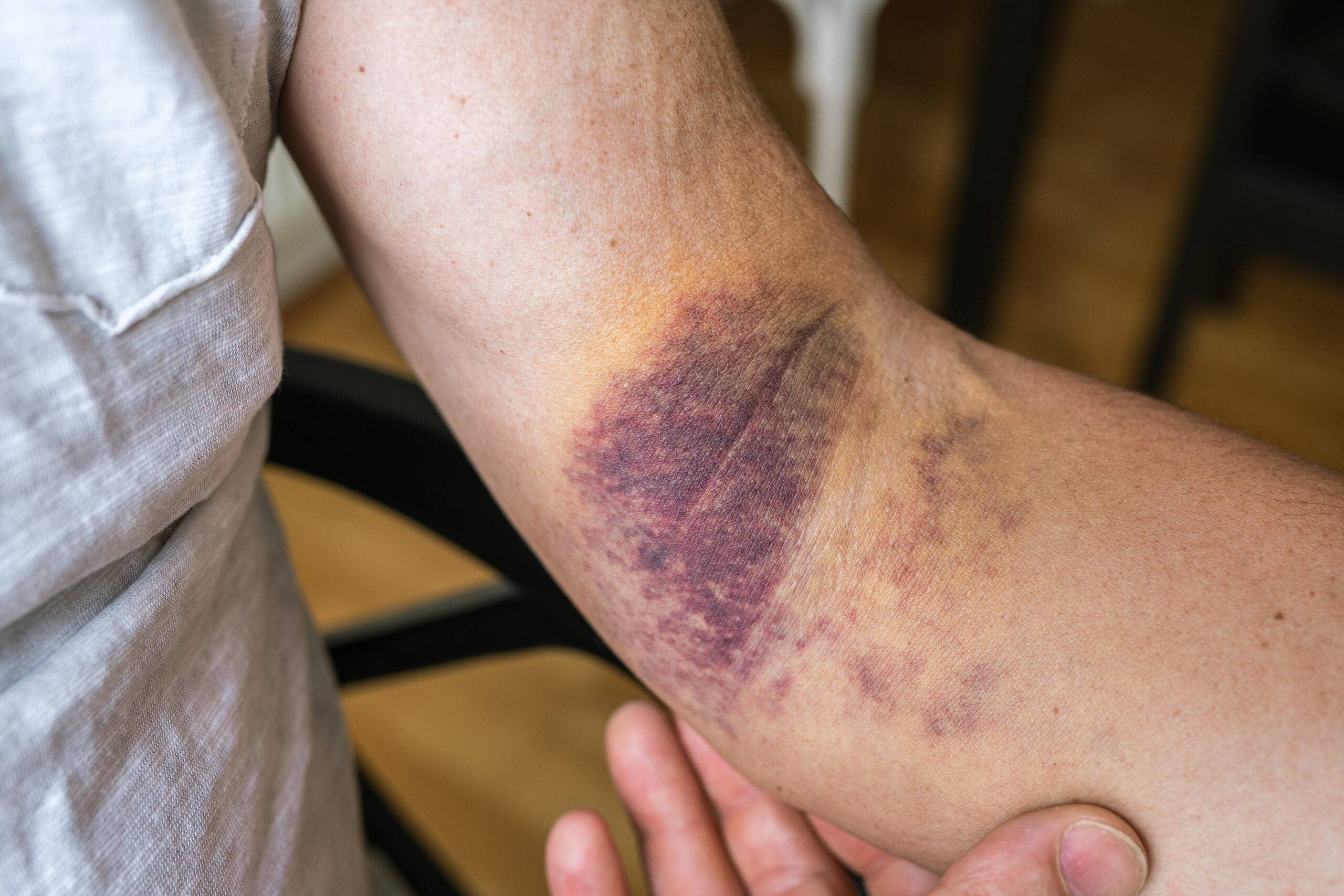
Treating minor cuts promptly reduces the risk of:
- Infection: Bacteria such as Staphylococcus aureus can enter the wound and cause cellulitis or abscesses.
- Delayed Healing: Neglecting proper care can slow down the natural healing process, particularly with an abrasion wound that covers a larger surface area.
Scarring: Incorrect treatment can lead to unnecessary scarring.
The Best Ways to Treat Cuts, Grazes and Wounds
Step 1: Wash Your Hands
Before attending to a wound, ensure your hands are clean. Washing your hands with soap and water or using an alcohol-based hand sanitiser reduces the chance of introducing bacteria into the cut.
Step 2: Stop the Bleeding
- Use clean gauze or a cloth to apply gentle pressure to the wound. Most minor cuts will stop bleeding within a few minutes.
- Elevate the injured area above the heart to reduce blood flow and facilitate clotting.
- If bleeding persists beyond 10 minutes despite pressure, seek medical attention.
Step 3: Clean the Wound
- Rinse the cut under cool running water to remove dirt and debris. For an abrasion wound with embedded particles, gentle irrigation may be needed. Avoid using hot water as it may irritate the wound.
- Use mild soap if necessary, but avoid strong antiseptics like hydrogen peroxide, which can damage surrounding healthy tissue.
Step 4: Apply an Antiseptic
- Use Australian-approved antiseptics like Betadine, Savlon, or Chlorhexidine to disinfect the area.
- Apply a thin layer of antiseptic cream or solution to the cut to reduce the risk of bacterial growth.
Step 5: Cover the Wound
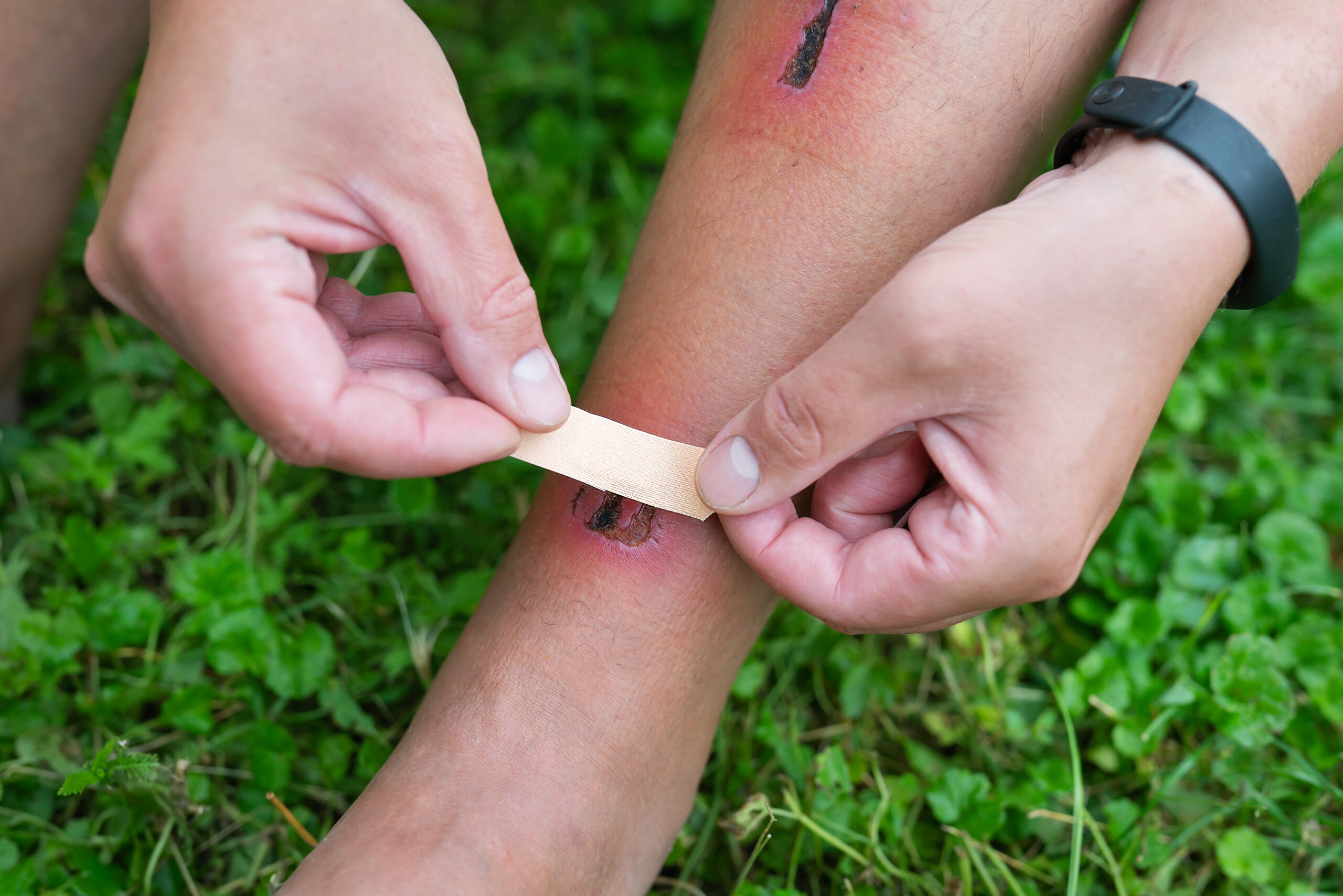
- Choose an appropriate dressing or plaster based on the size and location of the cut. Waterproof bandages are ideal for areas exposed to moisture.
- Replace the dressing daily or whenever it becomes wet or dirty.
Step 6: Monitor for Signs of Infection
Watch for redness, swelling, warmth, pus, or increased pain around the wound. If any of these signs appear, seek medical attention promptly, as they may indicate an infection.
Step 7: Promote Healing
- Ensure a balanced diet rich in vitamins A, C, and E, as well as protein, to support skin repair.
- Avoid picking at scabs, as this can reopen the wound and increase the risk of scarring.
Preventing Minor Cuts
Safety Tips for the Kitchen
- Always use sharp knives—dull blades require more force and are more likely to slip.
- Use cutting boards with non-slip bases to keep them stable.
- Store knives and other sharp tools securely, away from children.
Outdoor Safety Practices
- Wear gloves when gardening to protect against thorns and sharp tools.
- Inspect outdoor furniture and equipment regularly for sharp edges or damage.
- Keep play areas free of debris like broken glass or sharp rocks that could cause an abrasion wound.
Workplace Precautions
- Use ergonomic tools designed to reduce strain and improve safety.
- Ensure first aid kits are readily accessible and stocked with essentials like antiseptics, gauze, and bandages.
- Adhere to workplace safety guidelines to minimise risks.
FAQs
How long does it typically take for a minor cut or scrape to heal?
Most minor cuts and scrapes heal within 3-7 days with proper care. An abrasion wound may take slightly longer due to the larger surface area affected. Deeper cuts may take 1-2 weeks. Factors like age, overall health, and wound location can affect healing time.
Should I keep my wound covered or let it air dry?
Keep minor wounds covered with a clean bandage, especially during the first few days. This maintains moisture, prevents infection, and promotes faster healing. You can remove the bandage once a protective scab has formed.
When should I see a doctor for a minor wound?
Seek medical attention if the wound is deeper than 6mm, won’t stop bleeding after 10 minutes of pressure, shows signs of infection (redness, swelling, pus, increased pain), or if you haven’t had a tetanus shot in the last 10 years.