


Sharon has 21+ years of experience as a qualified Emergency Care Nurse registered with the Australian Health Practitioner Regulation Agency (APHRA) and 12+ years as a First Aid Trainer.
She takes pride in FirstAidPro making first aid training available, comprehensive and affordable to everybody.
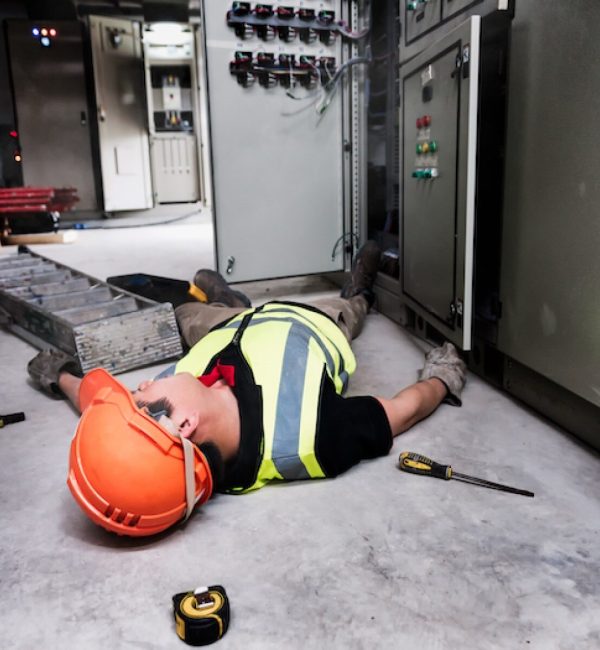
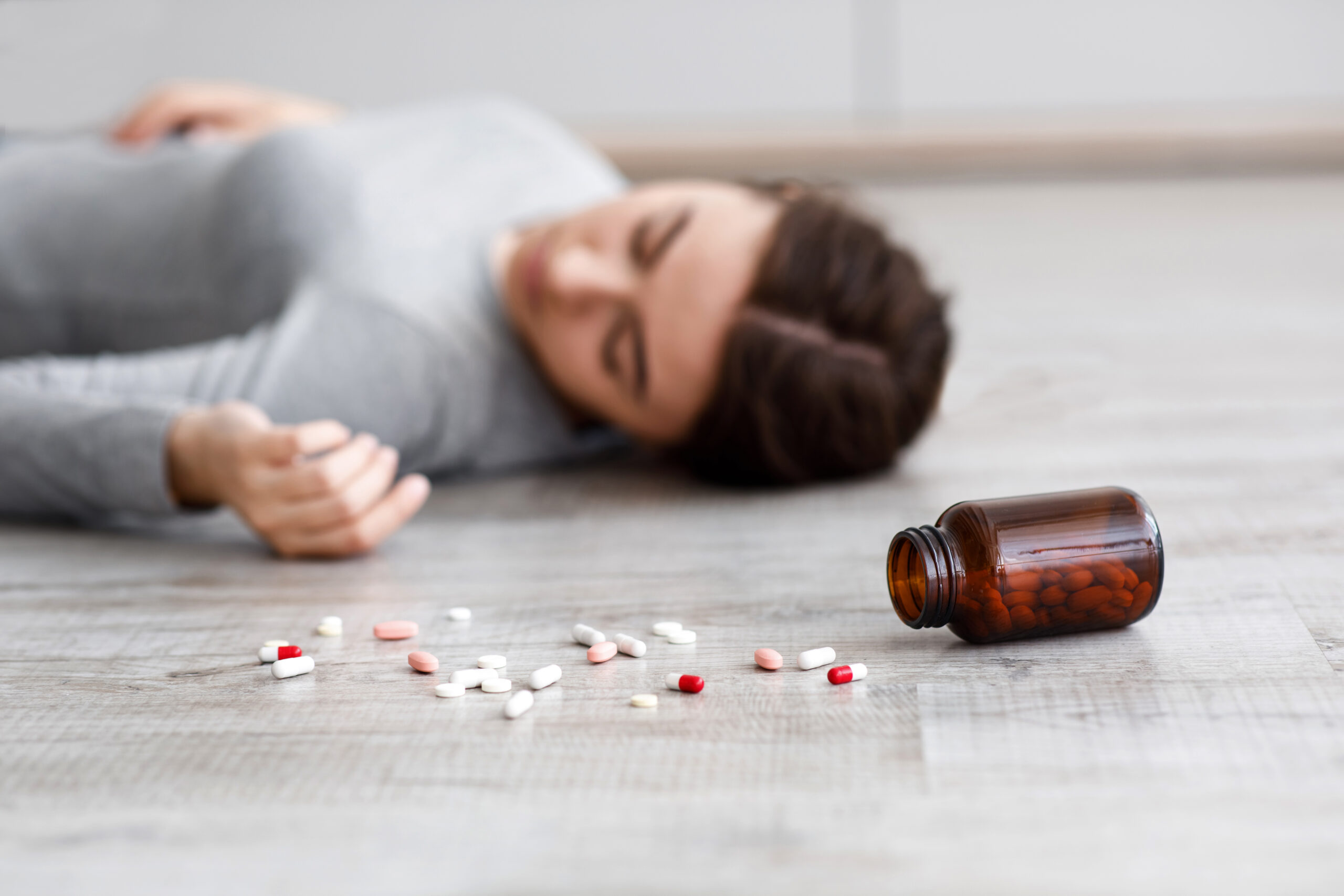
Imagine walking into a room and finding a friend slumped on the floor, their breathing shallow and irregular—these could be critical drug overdose symptoms that require immediate action. Your heart races as you realise this could be a drug overdose. Overdose can occur at unexpected times and recognising the signs can mean the difference between life and death. Whether it’s pinpoint pupils, blue lips, or extreme agitation, each drug leaves its telltale marks.
But identifying symptoms is just the beginning. What you do next could save a life. Are you prepared to take action when every second counts?
Let’s explore the critical steps you need to know to handle this potentially fatal situation.
Key Takeaways
- Recognising drug overdose symptoms early includes shallow breathing, pinpoint pupils, bluish lips, seizures, and confusion or agitation.
- Opioid overdose symptoms include slow breathing, pinpoint pupils, pale skin, and extreme drowsiness or loss of consciousness.
- Stimulant overdose indicators include agitation, rapid breathing, chest pain, seizures, and dilated pupils with excessive sweating.
- Initial response includes calling emergency services, monitoring vital signs, and preparing for CPR if necessary.
- Administer naloxone for opioid overdoses, perform rescue breathing if needed, and place the person in recovery position.
Drug Overdose Symptoms
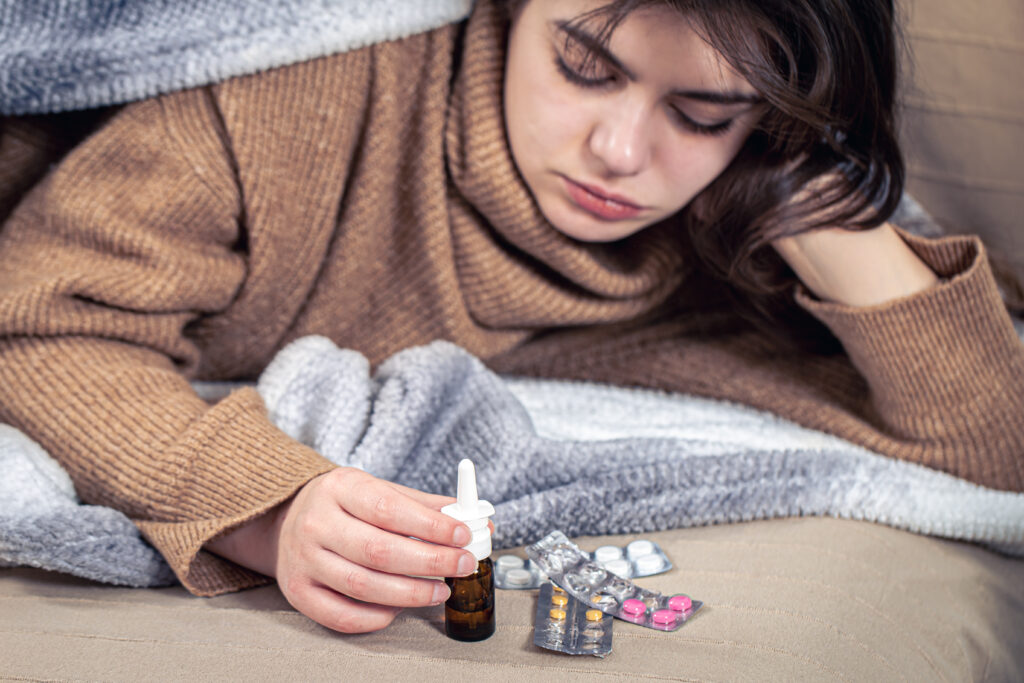
A person’s physical appearance can reveal telltale signs of a drug overdose. You’ll notice their skin turning pale, clammy, or taking on a bluish tint, particularly in the lips and fingertips. This discoloration, known as cyanosis, indicates a lack of oxygen in the blood. The individual’s body may appear limp, and they might be unresponsive to stimuli.
One of the most recognisable symptoms is pinpoint pupils, which remain constricted even in dim light. You’ll observe slow, shallow, or irregular breathing, sometimes accompanied by choking or gurgling sounds. In severe cases, breathing may stop entirely. The person’s pulse will be weak and slow, potentially leading to cardiac arrest if left untreated.
Behavioural Changes
While physical signs are often the most visible indicators, behavioural changes can also signal drug overdose symptoms and an impending emergency. As the drug affects the central nervous system, you may notice alterations in a person’s demeanour and actions. These behavioural triggers can manifest suddenly or gradually, depending on the individual and the substance consumed.
Be alert for the following behavioural changes:
- Extreme mood swings, ranging from euphoria to agitation
- Confusion or disorientation, including difficulty concentrating
- Slurred speech or incoherent communication
- Unusual drowsiness or sudden loss of consciousness
You might observe the person becoming increasingly detached from their surroundings or exhibiting uncharacteristic behaviour. They may struggle to maintain coherent conversations or respond appropriately to questions. In some cases, individuals may display paradoxical reactions, such as sudden bursts of energy followed by extreme lethargy.
Initial Response to Suspected Overdose
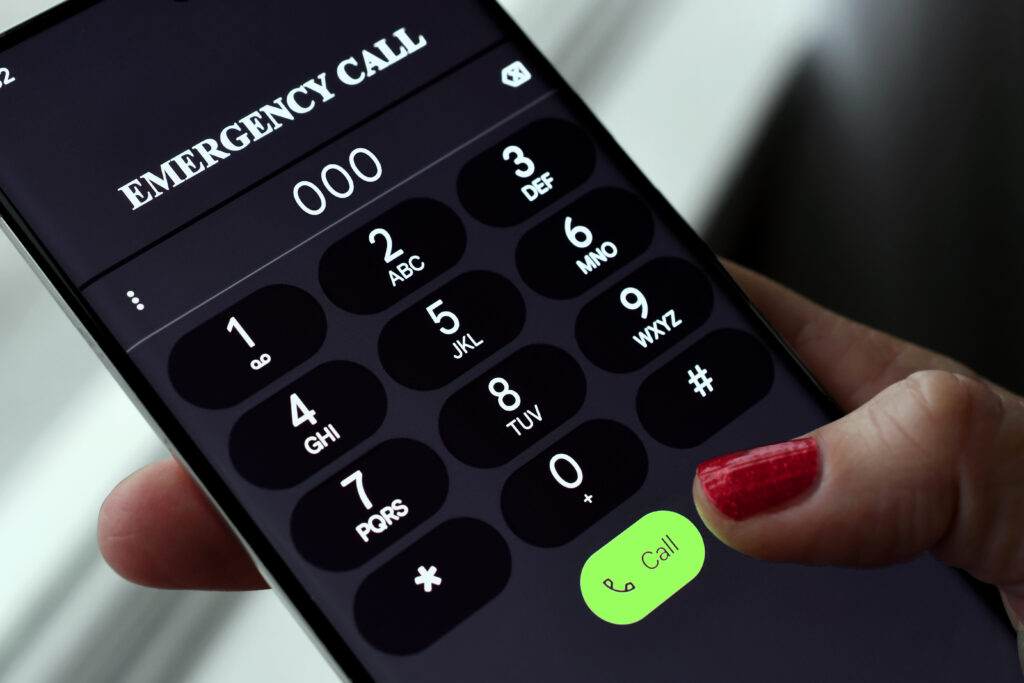
When you suspect drug overdose symptoms, immediately assess the person’s responsiveness and call 000 for emergency medical assistance. Don’t let overdose myths prevent you from seeking help; it’s essential to act swiftly.
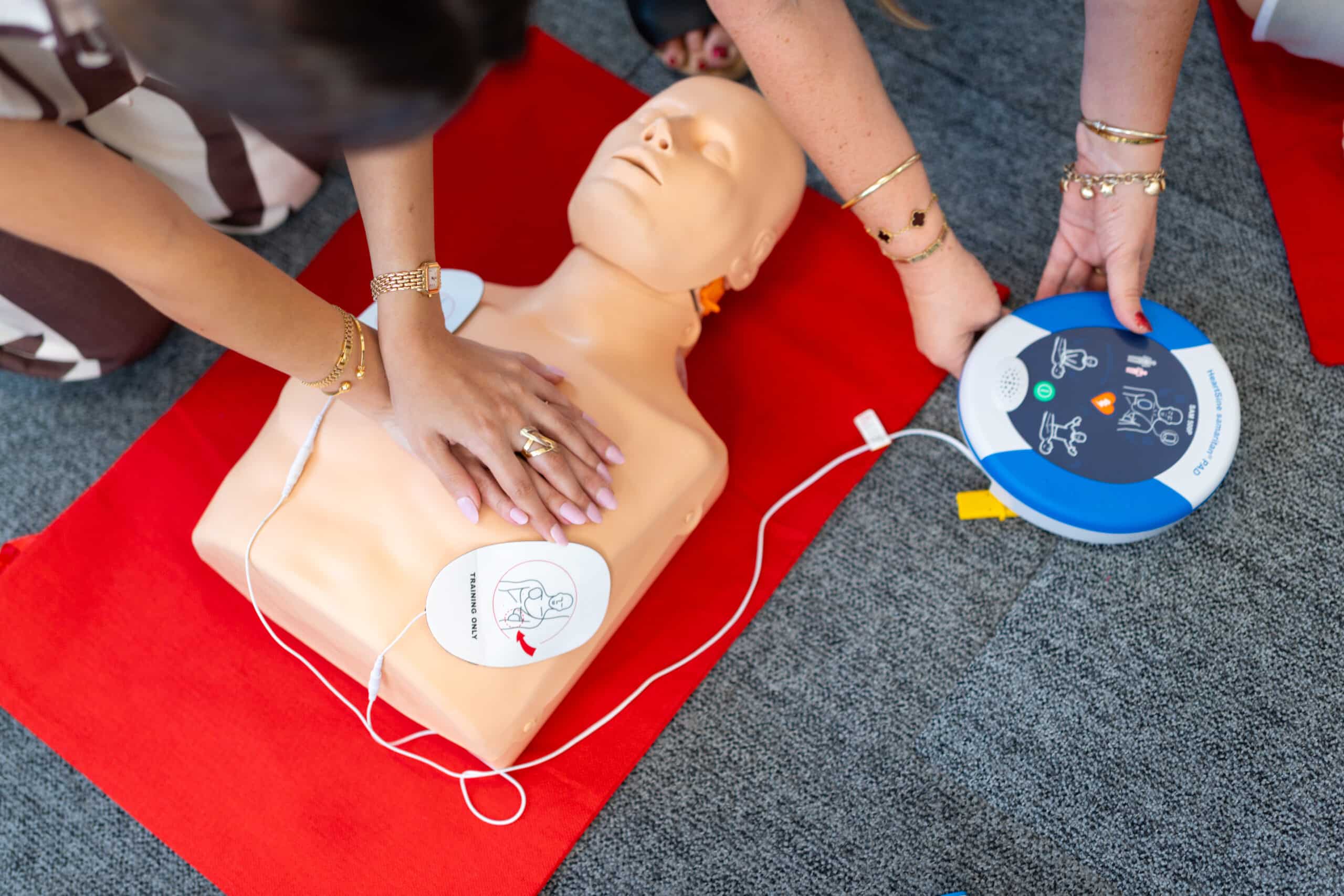
While waiting for paramedics, check the person’s breathing and pulse. If they’re unresponsive, begin CPR. Gather information about the substances involved and any relevant medical history to relay to emergency responders.
Remember these key actions:
- Check for responsiveness by shouting and gently shaking the person
- Look for signs of breathing and check pulse
- Place the person in the recovery position if they’re breathing but unconscious
- Administer naloxone if available and you suspect opioid overdose
Stay with the person until help arrives. If possible, send someone to guide paramedics to your location.
Be prepared to provide details about the situation, including any substances or paraphernalia found. Familiarise yourself with community resources for overdose prevention and response. Many areas offer free naloxone training and distribution programs.
Perform Rescue Breathing
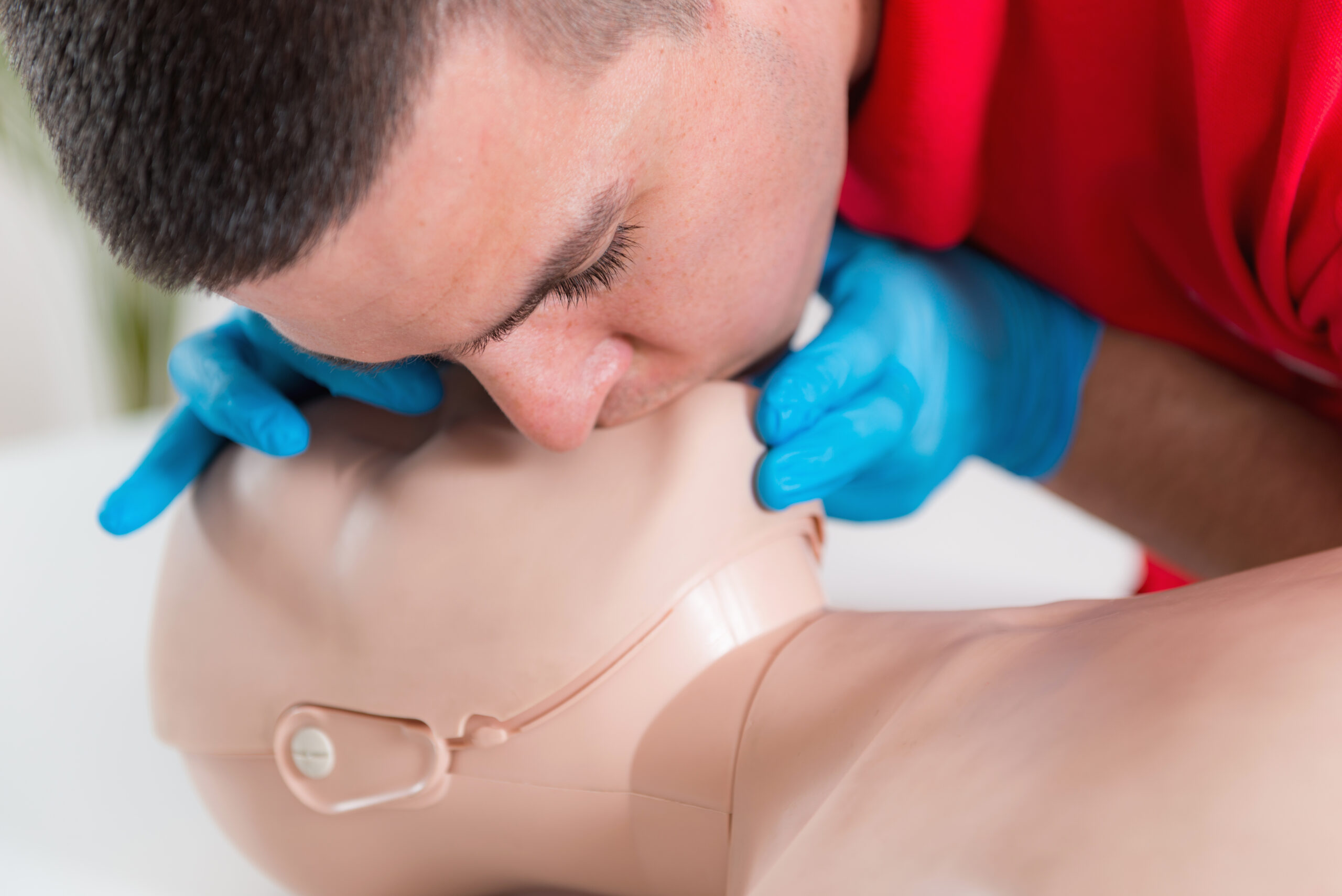
In cases where drug overdose symptoms include severely impaired breathing, performing rescue breathing can be a critical life-saving measure while awaiting emergency medical assistance. This rescue technique is essential when the person isn’t breathing or is breathing irregularly.
To begin, verify the person is lying on their back on a flat surface. Tilt their head back slightly and lift their chin to open the airway.
Check for breathing by looking for chest movement, listening for breath sounds, and feeling for air from their nose or mouth. If there’s no breathing, pinch their nose closed and cover their mouth with yours, creating a seal. Give two slow breaths, watching for the chest to rise. If it doesn’t rise, reposition the head and try again.
Continue with rescue breathing, giving one breath every five seconds. Between breaths, check for signs of breathing or movement. If the person starts breathing on their own, place them in the recovery position.
Recovery Position for Unconscious Victims
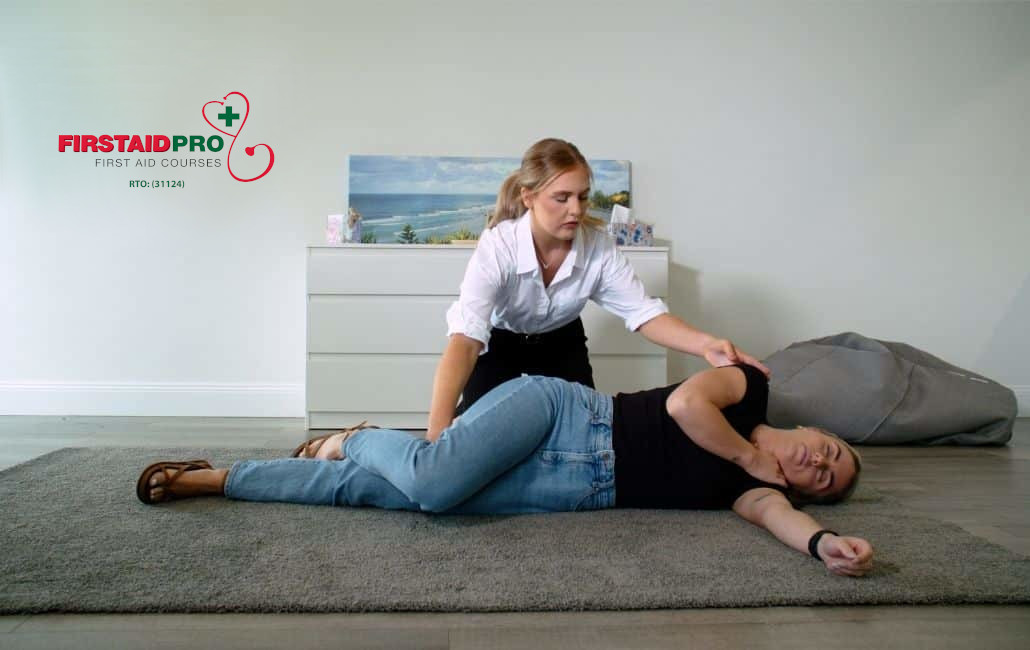
After confirming the victim is breathing, placing them in the recovery position can prevent choking and maintain an open airway when dealing with drug overdose symptoms. This unconscious positioning technique is essential for effective airway management in drug overdose cases.
To execute the recovery position, follow these steps:
First, kneel beside the victim and remove any bulky objects from their pockets. Straighten their legs and place the arm nearest to you at a right angle to their body, elbow bent with the palm facing up.
Next, bring their other arm across their chest, holding the back of their hand against the cheek closest to you. With your free hand, bend the far knee up at a right angle.
Carefully roll the person onto their side by pulling on the bent knee. Adjust the upper leg so both the hip and knee are bent at right angles. Tilt the head back slightly to keep the airway open.
Confirm the hand under the cheek is positioned to keep the head elevated. Monitor their breathing continuously and be prepared to roll them onto their back to perform CPR if necessary.
Administering Naloxone for Opioids
Naloxone administration can be a life-saving intervention when drug overdose symptoms indicate opioid involvement while waiting for emergency medical services to arrive. If you suspect an opioid overdose, it’s essential to act quickly. Naloxone, also known as Narcan, is an opioid antagonist that can rapidly reverse the effects of opioids.
To administer naloxone, you’ll need to follow these steps:
Check for responsiveness and call 000. Identify the naloxone formulation available (nasal spray or injectable). For nasal spray, tilt the person’s head back and spray into one nostril. For injectable naloxone, inject into the outer thigh muscle. Administer rescue breaths if the person isn’t breathing. If there’s no response after 2-3 minutes, give a second dose.
Frequently Asked Questions
How long does naloxone remain effective, and can the person overdose again?
Naloxone typically lasts 30-90 minutes, which is often shorter than many opioids remain in the system. This means the person can slip back into overdose and drug overdose symptoms can return once naloxone wears off. Always call emergency services even if naloxone appears successful, and monitor the person closely until medical help arrives.
Can I get in trouble legally for calling emergency services during a drug overdose?
Most Australian states and territories have Good Samaritan laws that provide legal protection when you call for emergency medical assistance during an overdose. These laws generally protect both the caller and the overdose victim from minor drug possession charges, encouraging people to seek help without fear of prosecution.
What should I do if the person becomes aggressive or confused after regaining consciousness?
It’s common for people to become disoriented, agitated, or even aggressive after an overdose, especially when naloxone is administered. Stay calm, give them space, explain what happened briefly, and don’t take their reaction personally. Keep yourself safe while ensuring they don’t leave before emergency services arrive, as they may still be at risk of re-overdosing.