



Sharon has 21+ years of experience as a qualified Emergency Care Nurse registered with the Australian Health Practitioner Regulation Agency (APHRA) and 12+ years as a First Aid Trainer.
She takes pride in FirstAidPro making first aid training available, comprehensive and affordable to everybody.
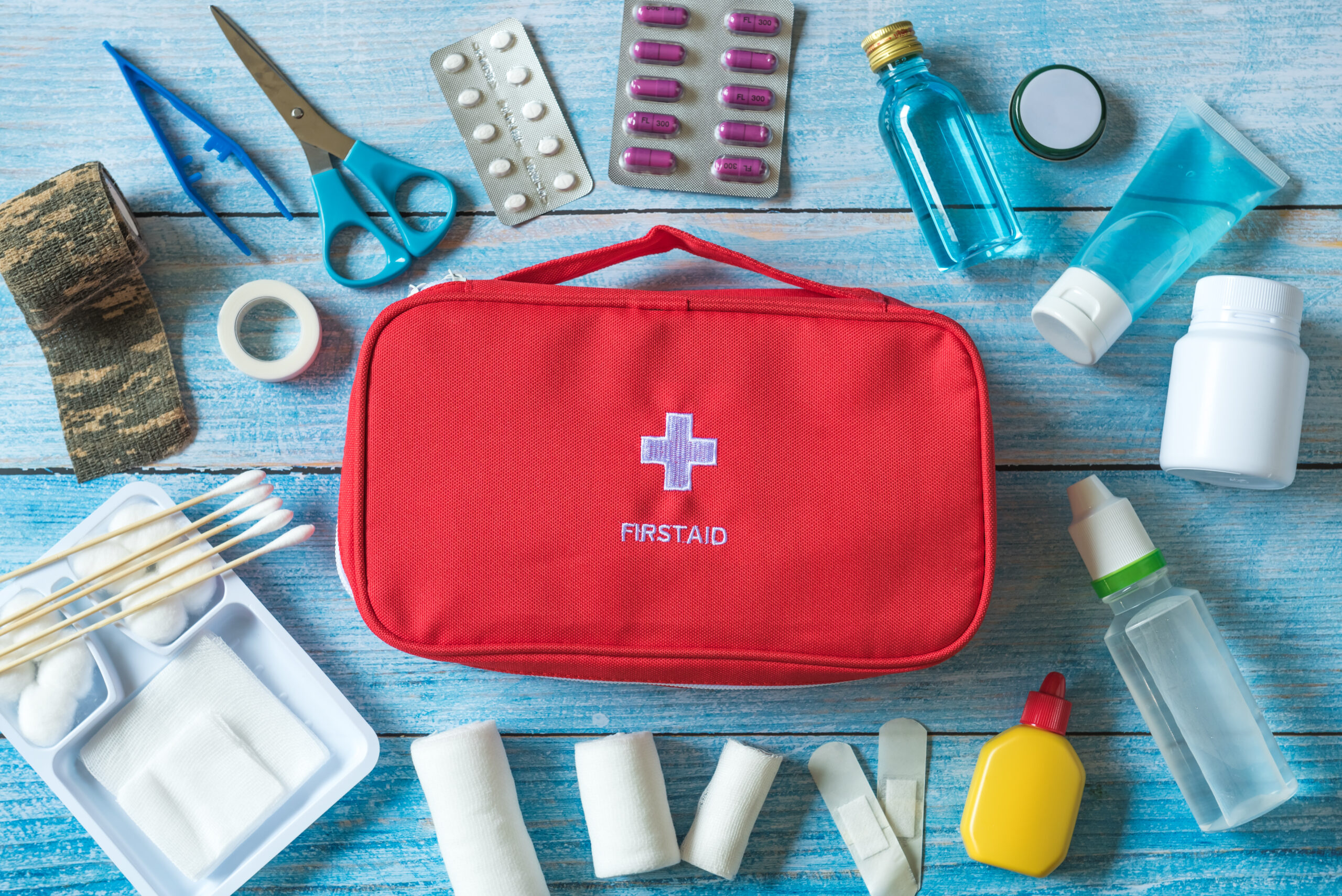
When you’re faced with dressing a wound, having the right supplies for wound care on hand can make all the difference.
You’ll need a variety of items to guarantee proper care and promote healing. From sterile gauze pads to antiseptic solutions, each component plays a vital role in the wound care process.
But it’s not just about having these supplies; it’s about knowing how to use them effectively.
Key Takeaways
- Essential supplies for wound care like antiseptic and saline solutions are crucial for preventing infection and maintaining a moist healing environment.
- Sterile gauze pads and non-stick dressings provide protective barriers against contaminants and promote optimal healing.
- Adhesive tape and elastic bandages are essential for securing dressings and providing compression when needed.
- Specialised tools such as scissors, tweezers, and cotton swabs are necessary for proper wound care and dressing application.
- Protective gear, including disposable gloves, is vital to maintain hygiene and prevent cross-contamination during wound dressing.
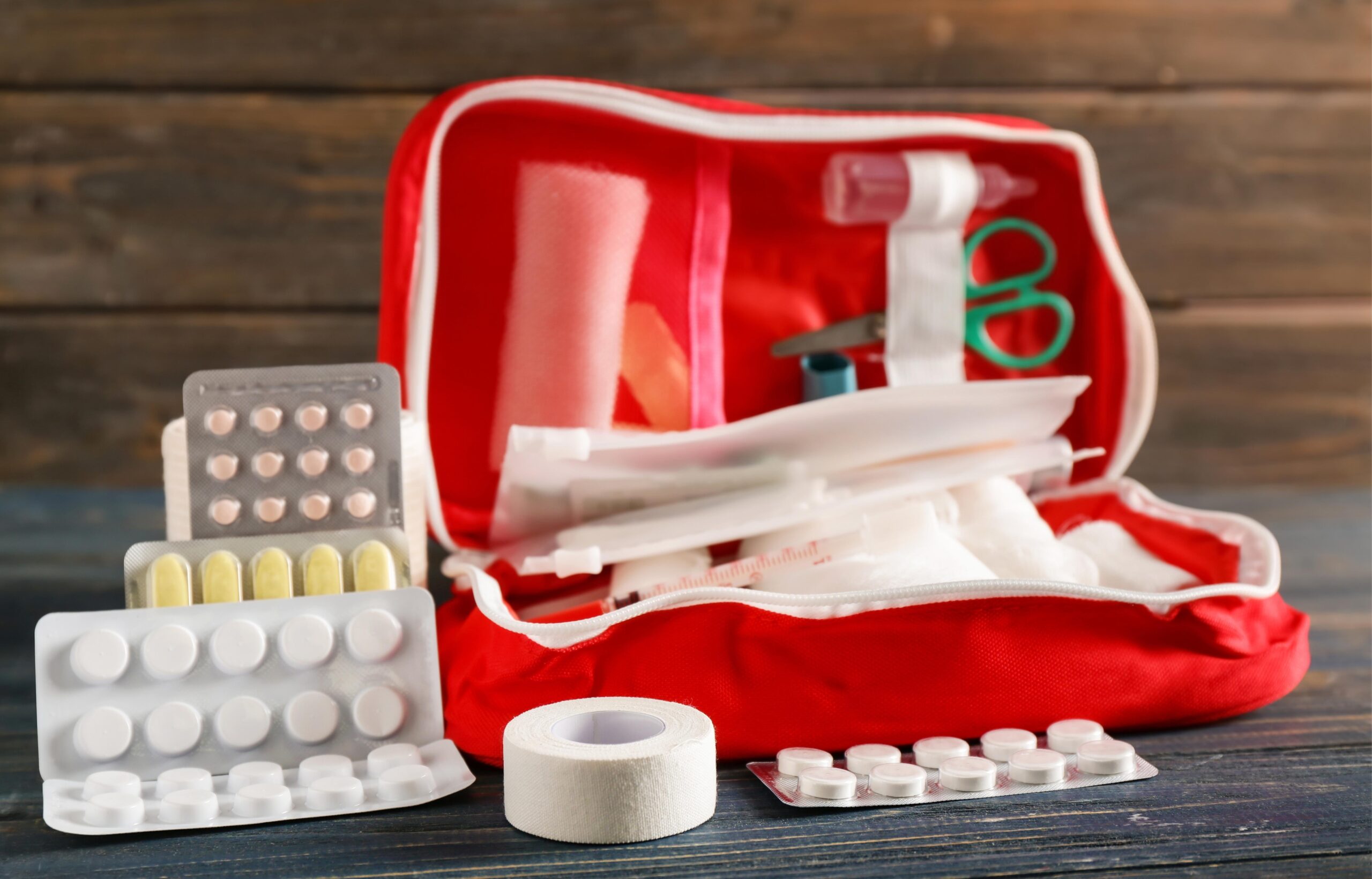
Sterile Gauze Pads
These versatile, absorbent materials are fundamental supplies for wound care, providing a clean, protective barrier between the wound and external contaminants, promoting ideal healing conditions. You’ll find various gauze pad types available, including woven and non-woven options, each suited for specific wound care needs.
When applying gauze pads, it’s important to use proper wound dressing techniques to ensure optimal healing. First, clean the wound thoroughly with an antiseptic solution. Then, select an appropriately sized gauze pad, making sure it extends beyond the wound edges. Apply the pad gently, avoiding direct contact with the wound bed. For deeper wounds, you may need to use multiple layers or specialised gauze pads designed for packing.
It is vital to change gauze dressings regularly, typically daily or when they become soiled or saturated. This practice prevents bacterial growth and maintains a clean healing environment.
Adhesive Tape
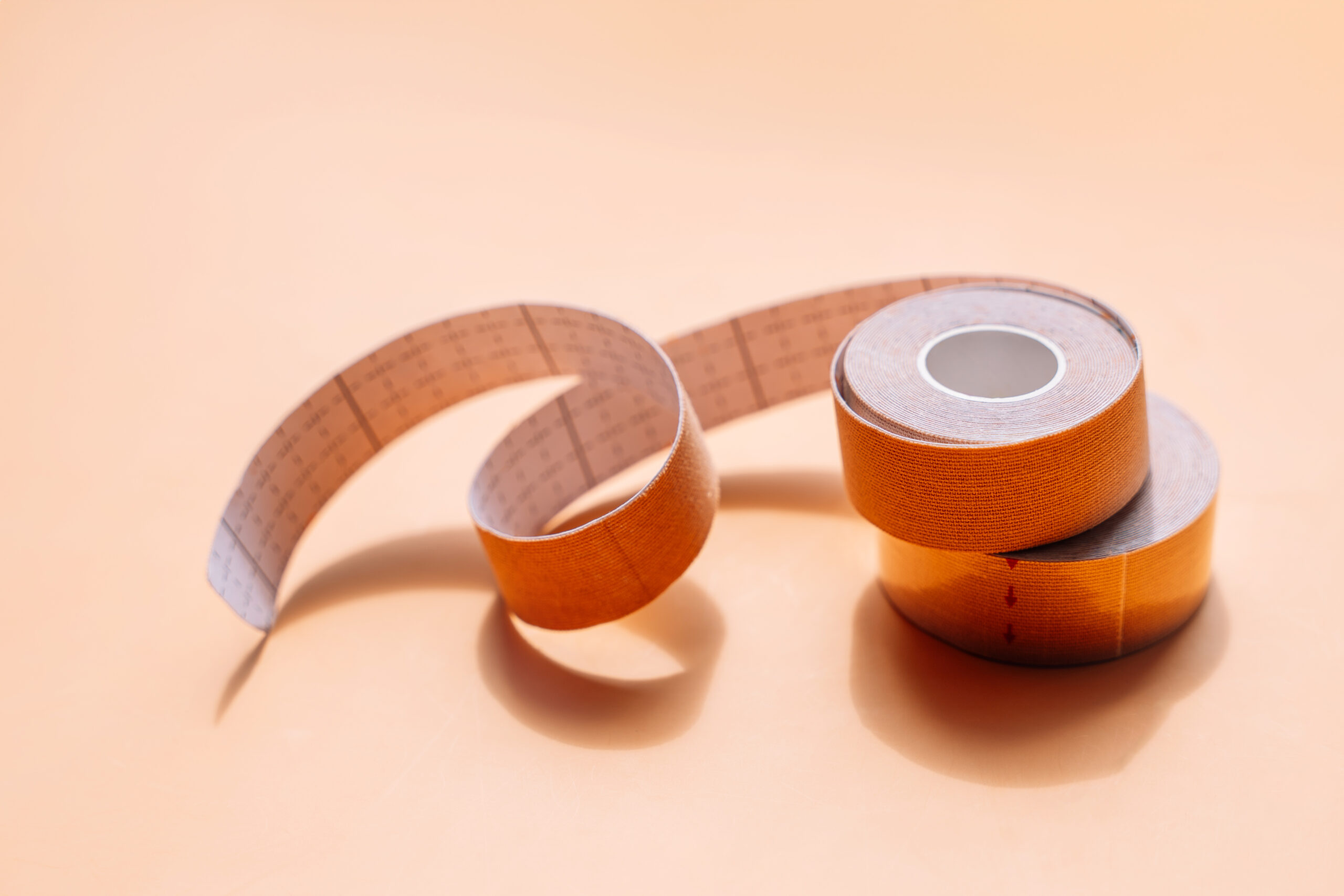
How does adhesive tape complement sterile gauze pads in wound care? This vital component among supplies for wound care secures dressings in place, ensuring continuous coverage and protection of the wound site.
Adhesive tape types vary, each designed for specific adhesive tape applications. You’ll find options like paper tape, cloth tape, and waterproof tape, each with unique properties to suit different wound care needs.
When selecting adhesive tape, consider the following factors:
- Skin sensitivity: Choose hypoallergenic tape for patients with sensitive skin.
- Wound location: Use flexible tape for areas with frequent movement.
- Duration of use: Opt for stronger adhesives for long-term dressings.
- Environmental factors: Select waterproof tape for wounds exposed to moisture.
Proper application of adhesive tape is essential for effective wound care. You should apply it with gentle pressure, ensuring it adheres well without causing skin irritation.
Scissors
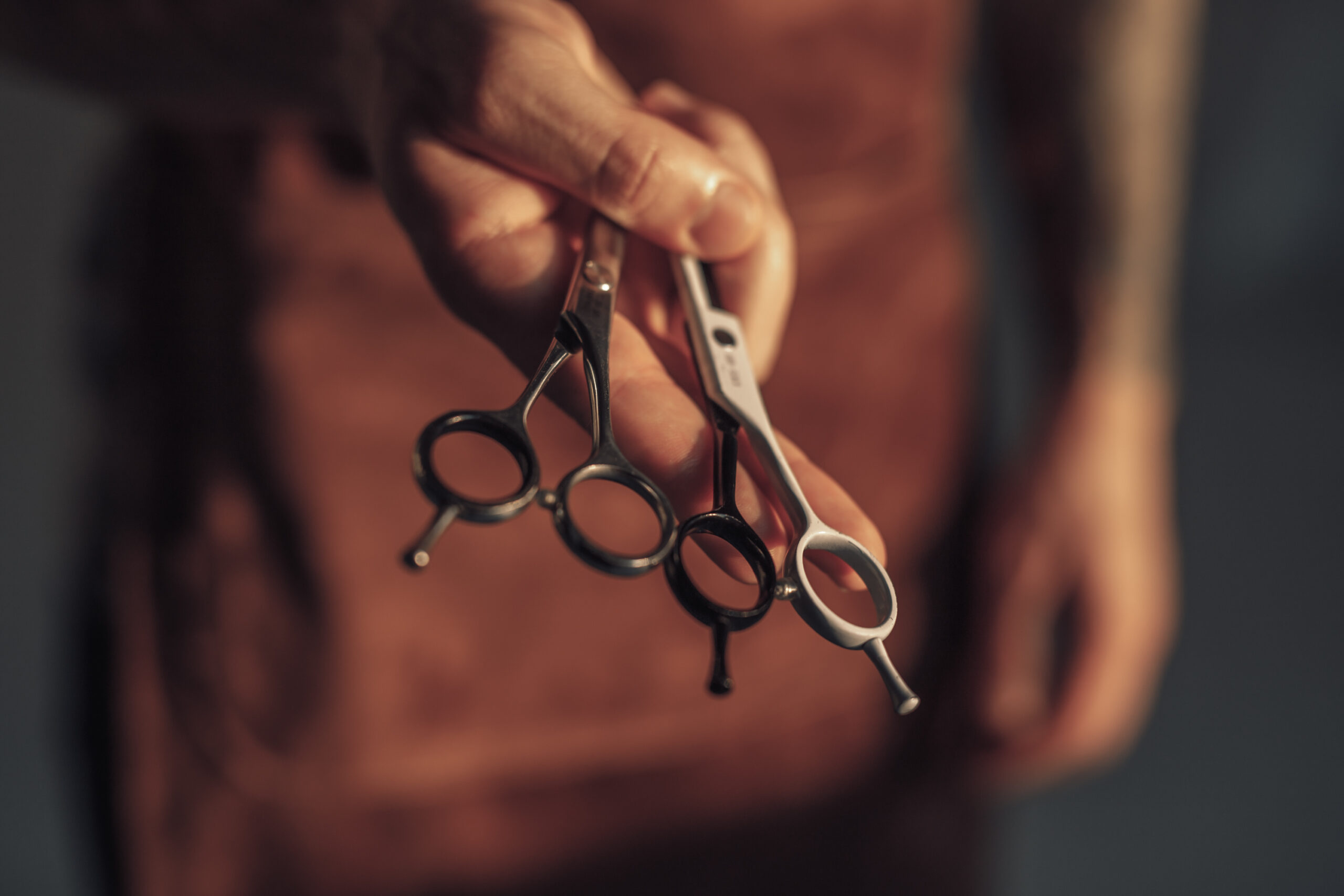
Medical scissors come in various types, each designed for specific wound care tasks and dressing applications. When selecting scissors as part of your supplies for wound care kit, it’s important to understand the different options available and their intended uses.
Surgical scissors, with their sharp, pointed tips, are ideal for precise cutting of sutures, delicate tissues, or thin dressings. They’re typically made of high-quality stainless steel to maintain sharpness and resist corrosion.
Bandage scissors, on the other hand, feature a blunt, angled tip designed to slide beneath bandages without catching on the skin or dressing material.
Here are four common types of medical scissors you should consider:
- Straight Mayo scissors: Used for cutting thick materials like gauze or multiple layers of dressing.
- Curved Mayo scissors: Ideal for cutting around curved surfaces or in tight spaces.
- Metzenbaum scissors: Designed for delicate tissue dissection and precise cutting.
- Lister bandage scissors: Feature a wide, flat bottom blade for safely cutting and removing bandages.
Disposable Gloves

Protecting yourself and the patient from potential cross-contamination, disposable gloves are an essential component among supplies for wound care and any wound dressing kit. When selecting gloves, you’ll need to consider both glove types and glove sizes to ensure proper fit and protection.
Common glove types include latex, nitrile, and vinyl, each with their own advantages and potential allergen considerations.
To properly use disposable gloves in wound dressing:
- Wash your hands thoroughly before putting on gloves.
- Inspect gloves for tears or defects before use.
- Change gloves between patients or if they become contaminated.
- Remove gloves carefully to avoid touching the outside surface.
Proper glove size is vital for maintaining dexterity and preventing tears. Too-tight gloves can restrict movement and increase the risk of breakage, while oversized gloves may interfere with precise wound care.
Never reuse disposable gloves, as this can lead to the spread of infections.
Antiseptic Solution
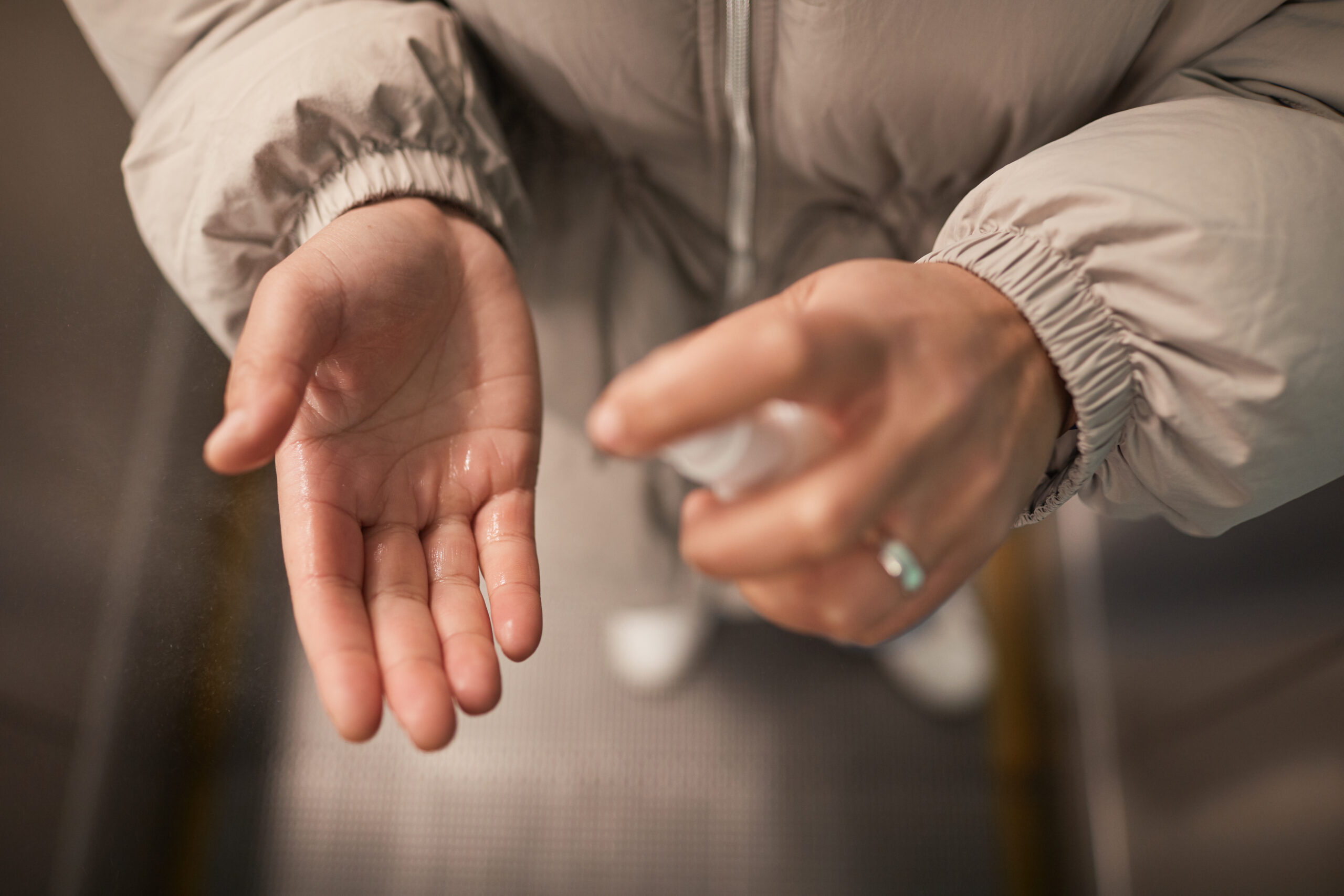
The benefits of antiseptic solutions extend beyond initial wound cleaning, making them indispensable supplies for wound care. They create an inhospitable environment for microorganisms, helping to prevent infection throughout the healing process. When selecting an antiseptic, consider factors such as the wound type, location, and your skin’s sensitivity.
Proper antiseptic application techniques are essential for maximising effectiveness. Begin by cleaning the wound with sterile saline or water to remove debris. Then, apply the antiseptic solution using sterile gauze or cotton swabs, working from the centre of the wound outward. Allow the solution to air dry or gently pat the area with sterile gauze.
Be aware that some antiseptics may cause minor stinging or discolouration. Follow the product’s instructions carefully, and avoid using antiseptics on large areas of skin or for prolonged periods without medical supervision. If you notice any adverse reactions, discontinue use and consult a healthcare professional immediately.
Saline Solution
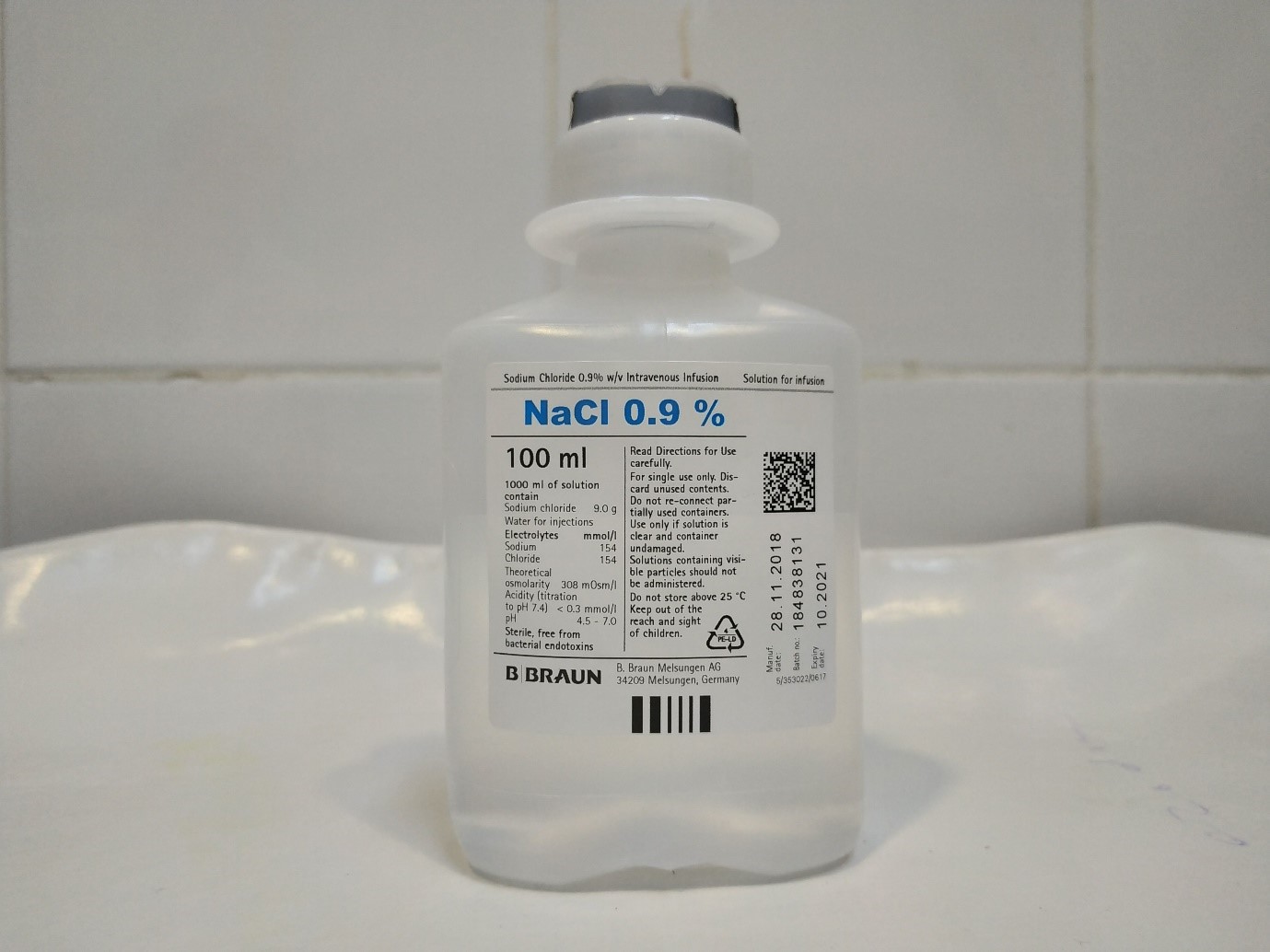
In addition to antiseptics, you’ll need sterile saline solution as a crucial component among your supplies for wound care kit. Saline solution benefits include its ability to clean wounds effectively without causing tissue damage or interfering with the healing process. This isotonic solution closely matches the body’s natural fluids, making it gentle yet effective for various wound care applications.
Saline solution applications in wound care include:
- Cleansing wounds to remove debris and contaminants
- Irrigating deeper wounds to flush out foreign particles
- Moistening dressings to prevent them from sticking to the wound
- Rehydrating dry or crusted wounds to promote healing
When using saline solution for wound care, ensure you’re using a sterile product specifically designed for medical use. Avoid homemade solutions, as they may not be properly sterilised or balanced.
Non-stick Dressings
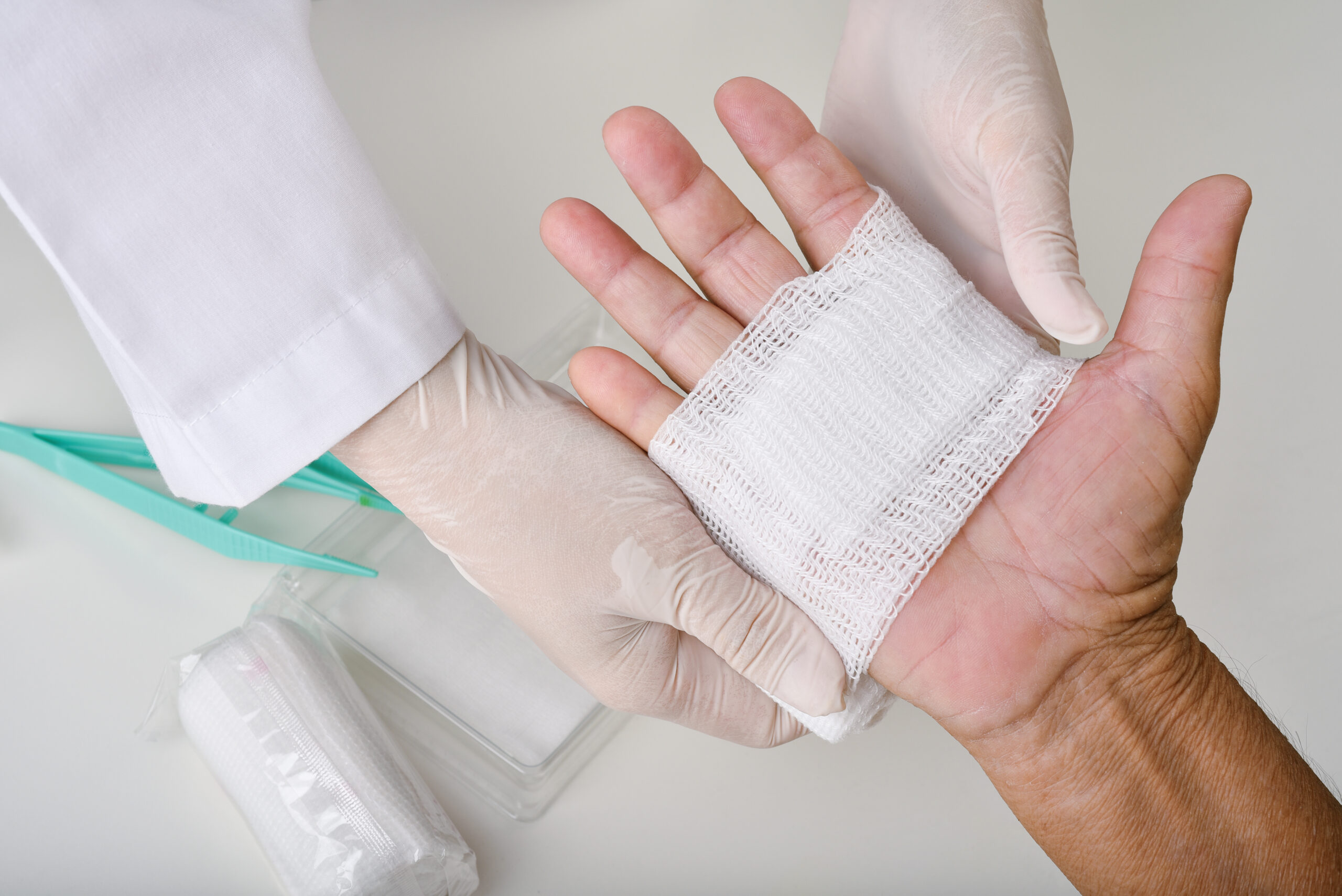
Non-stick dressings play an important role as specialised supplies for wound care in your wound care arsenal, offering a protective barrier that won’t adhere to the wound bed during healing. These specialised dressings are designed to maintain a moist wound environment while allowing easy removal without disrupting newly formed tissue.
One of the primary non-stick advantages is the reduction of pain and trauma during dressing changes. They’re particularly useful for burns, skin grafts, and other sensitive wounds where minimising disturbance is vital. Non-stick dressings come in various forms, including sheets, pads, and gauze, each suited for different wound types and locations.
Non-stick applications extend to both acute and chronic wounds. They’re effective for surgical incisions, abrasions, and ulcers. When selecting a non-stick dressing, consider factors such as wound exudate level, size, and location. Some non-stick dressings are impregnated with antimicrobial agents for added protection against infection.
To use, clean the wound thoroughly, apply the non-stick dressing directly to the wound bed, and secure it with appropriate secondary dressings or tape. Always follow manufacturer instructions and your healthcare provider’s recommendations for the best wound healing outcomes.
Elastic Bandages
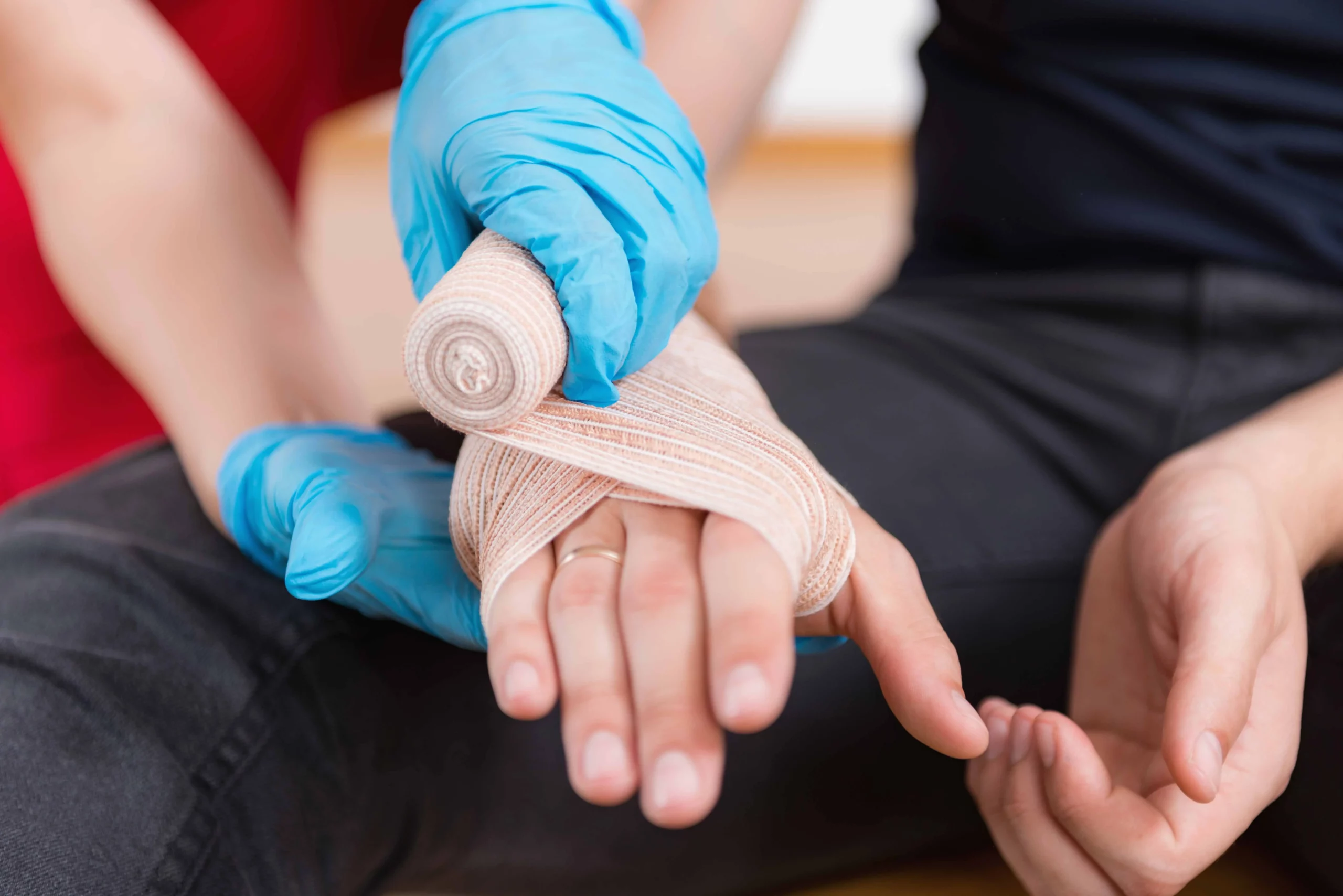
Elastic bandages serve as versatile compression tools and essential supplies for wound care, providing support and promoting circulation to aid the healing process. These stretchable wraps are vital for managing swelling, securing dressings, and stabilising injured areas.
When applying elastic bandages, you’ll need to master various compression techniques to ensure ideal healing and comfort. The elastic properties of these bandages allow for controlled pressure application, which is essential in managing oedema and promoting proper blood flow.
You’ll find them particularly useful for:
- Securing primary dressings in place
- Providing compression for venous ulcers
- Supporting sprains and strains
- Reducing swelling in post-operative sites
To use elastic bandages effectively, you must understand the appropriate tension and wrapping patterns for different body parts. Start by applying the bandage with moderate tension, avoiding excessive tightness that could impair circulation. Overlap each turn by about 50% to ensure even compression and prevent gaps.
Cotton Swabs
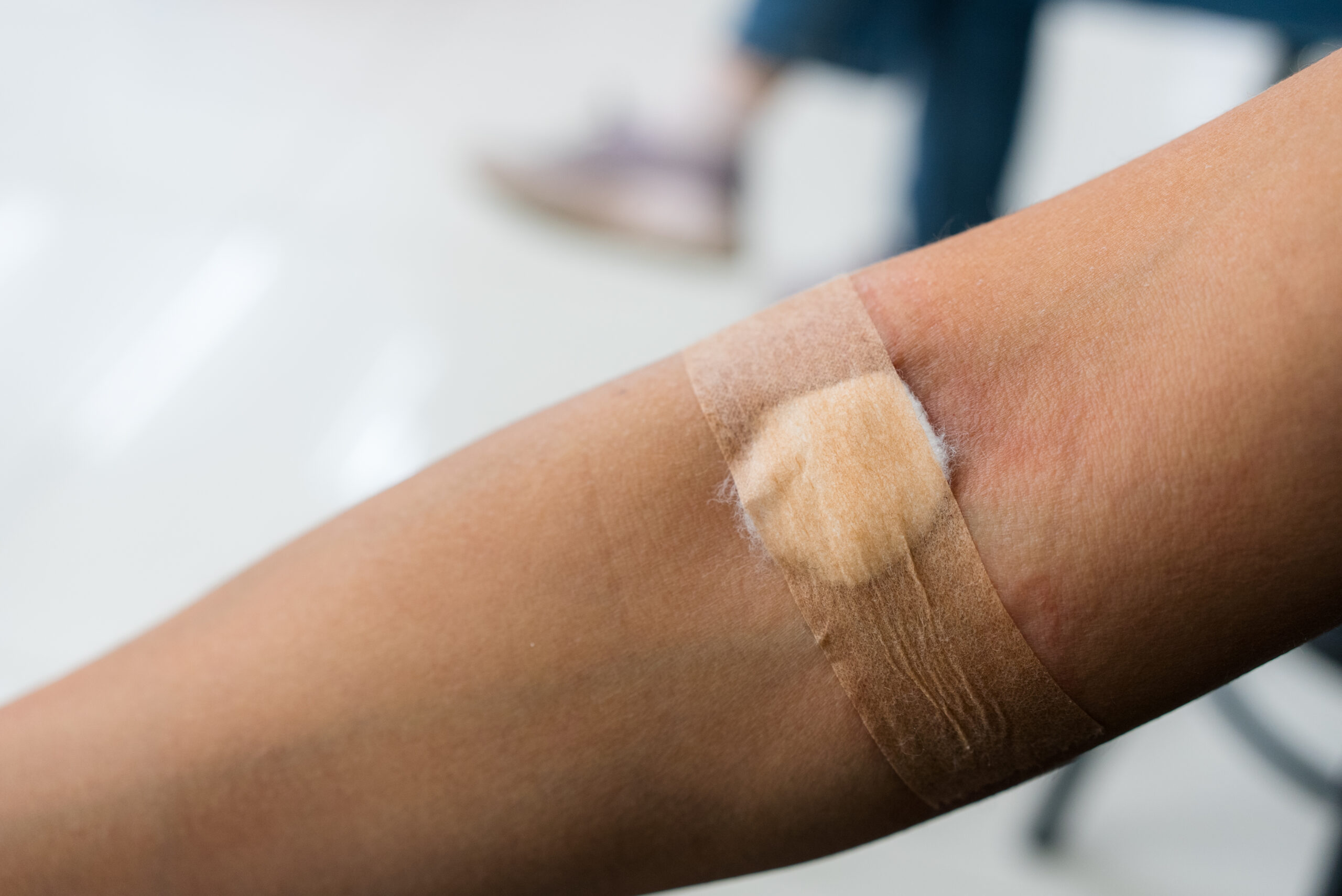
When using cotton swabs as precision supplies for wound care, it’s imperative to maintain proper cotton swab hygiene. Always use sterile, single-use swabs to prevent introducing contaminants to the wound site. You should never reuse a cotton swab or use it on multiple wounds, as this can lead to cross-contamination and potential infections.
For effective wound cleaning, you can slightly moisten the cotton swab with sterile saline solution or an approved antiseptic. This allows for gentle debridement of the wound area without causing additional trauma to the healing tissues.
When applying medications, you’ll find that cotton swabs provide excellent control, allowing you to target specific areas without oversaturating the wound. Remember to dispose of used cotton swabs properly in accordance with medical waste guidelines to maintain a hygienic environment and prevent the spread of pathogens.
Tweezers

Clinical-grade tweezers are typically made of stainless steel, guaranteeing durability and ease of sterilisation among your essential supplies for wound care. You’ll find various tweezers types designed for specific wound care tasks, such as fine-pointed tweezers for precision work or flat-tipped tweezers for broader applications.
When removing debris or foreign objects from a wound, use tweezers with smooth, controlled movements. Always work from the outside of the wound inward to minimise the risk of introducing contaminants.
Hydrogel Dressings
When treating dry wounds, you’ll often need to maintain a moist environment to promote healing and prevent further tissue damage. Hydrogel dressings are an excellent choice among advanced supplies for wound care for hydrating dry wounds, as they provide moisture retention while facilitating wound healing.
These dressings contain a high water content, typically 90% or more, which helps rehydrate dry tissue and create an ideal healing environment.
To effectively use hydrogel dressings for dry wounds, follow these steps:
- Clean the wound thoroughly with saline solution or as directed by a healthcare professional.
- Apply the hydrogel dressing directly to the wound, ensuring full coverage.
- Secure the dressing with appropriate secondary dressings or tape.
- Change the dressing as recommended, usually every 1-3 days, depending on wound condition.
Hydrogel dressings are particularly useful for wounds with minimal exudate, such as partial-thickness burns, pressure ulcers, and radiation burns. They can also help manage pain by providing a cooling effect.
Frequently Asked Questions
How Often Should Wound Dressings Be Changed?
While you might think changing dressings daily is best, it’s not always necessary. Your wound healing process dictates dressing frequency, which also affects how often you’ll need fresh supplies for wound care. Typically, change dressings every 1-7 days, depending on wound type, drainage, and healthcare provider recommendations. Monitor closely for signs of infection.
Are There Alternatives to Traditional Wound Dressing Supplies for Sensitive Skin?
Consider hypoallergenic options like silicone-based dressings or natural remedies such as honey-infused bandages. Consult your healthcare provider to determine the most suitable choice for your specific needs.
How Long Can I Store Unopened Wound Dressing Supplies?
You’ll find that unopened wound dressing supplies typically have a shelf life of 3-5 years. However, this can vary based on the specific product. Always check expiry dates and maintain proper storage conditions to ensure peak efficacy when needed.