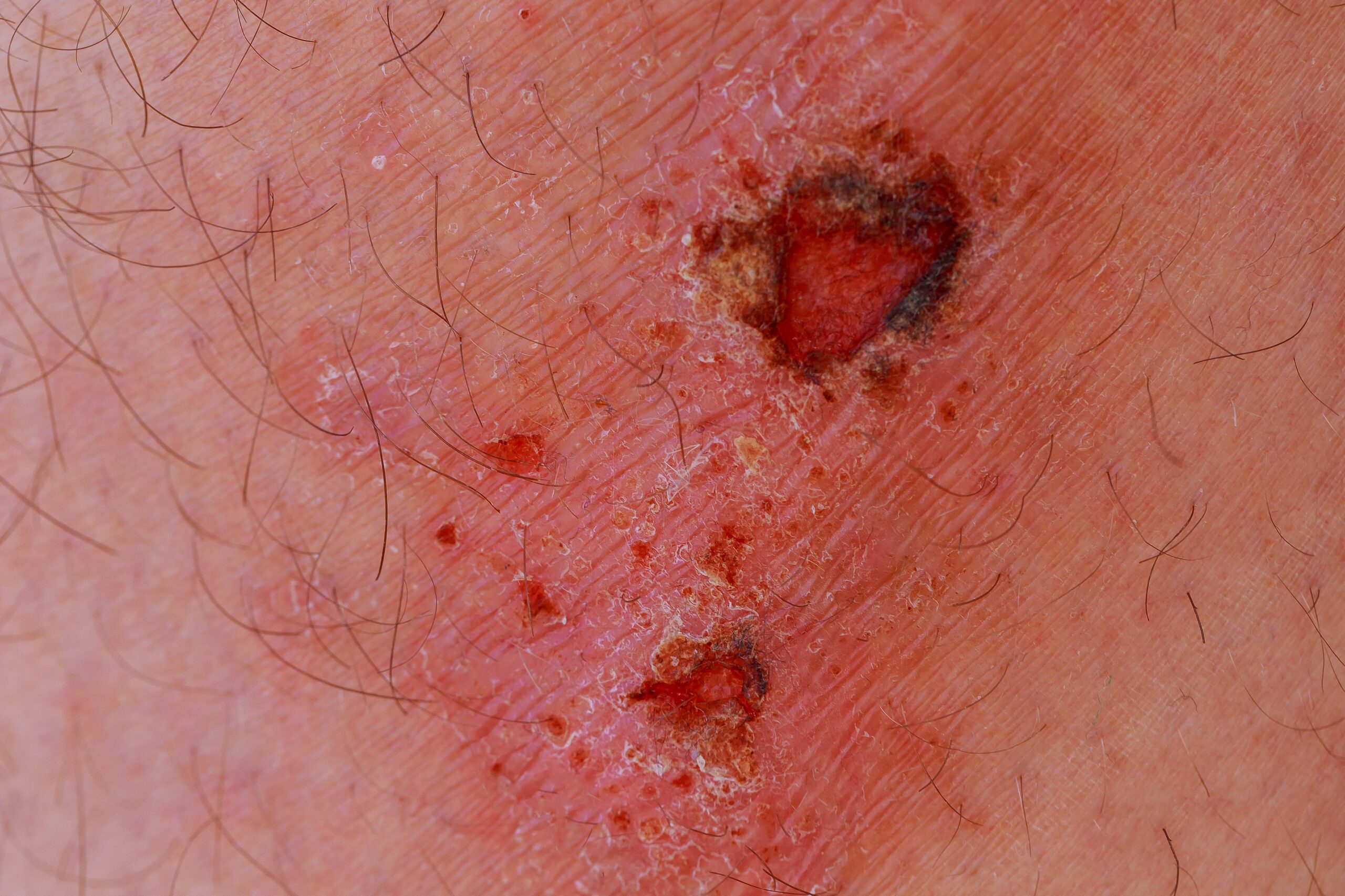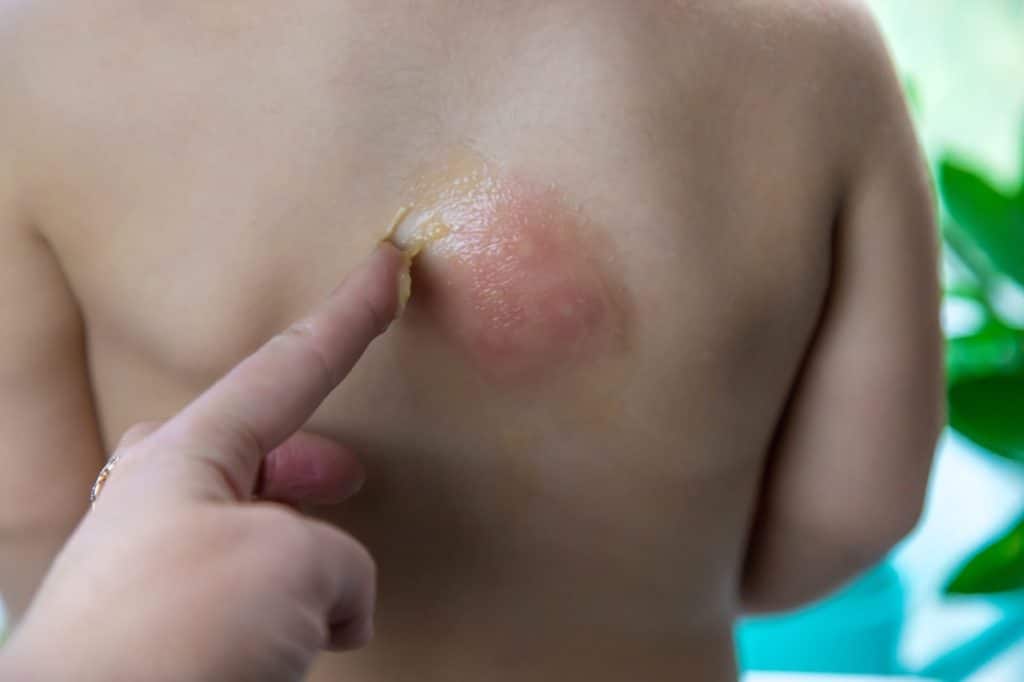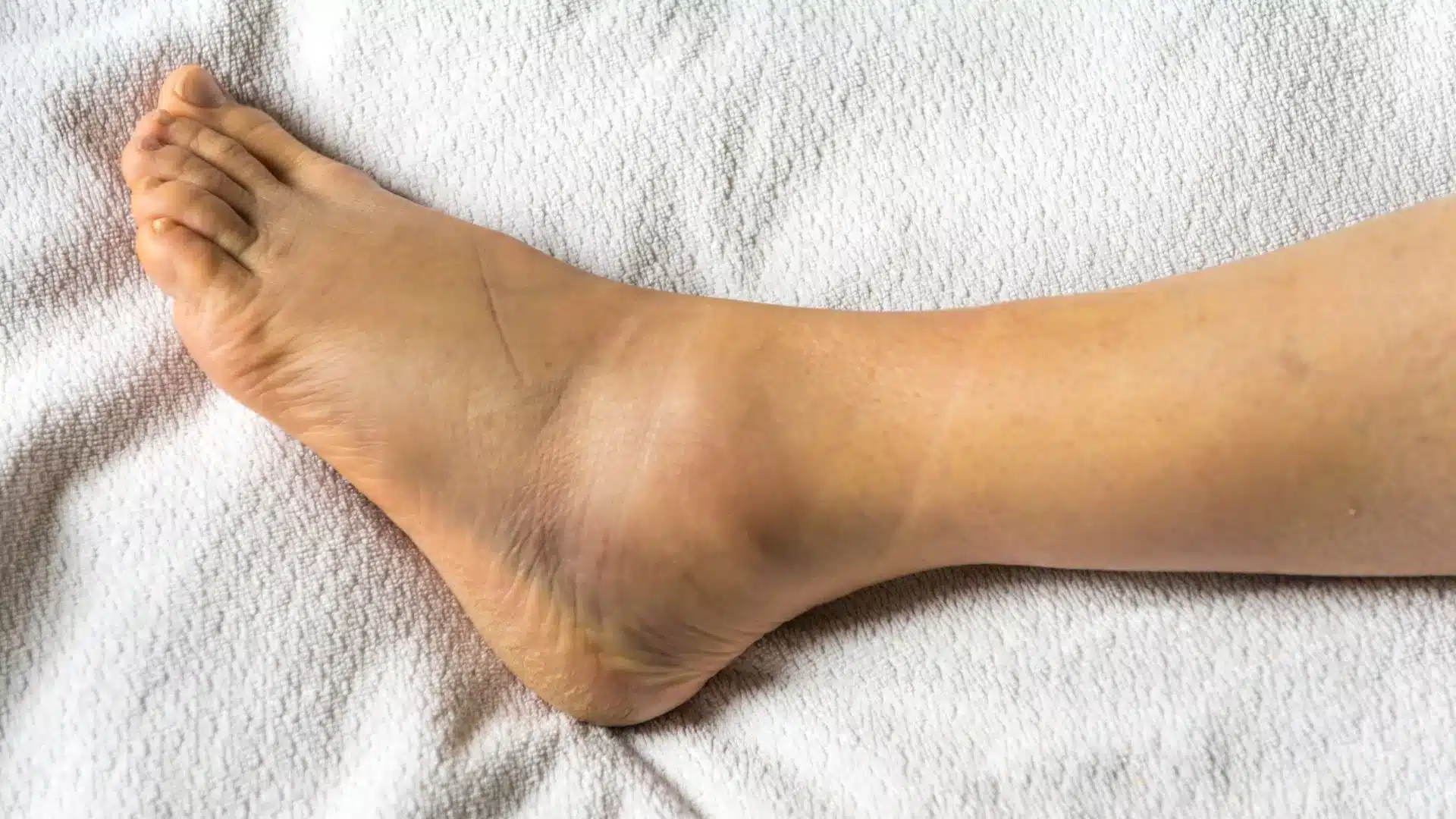



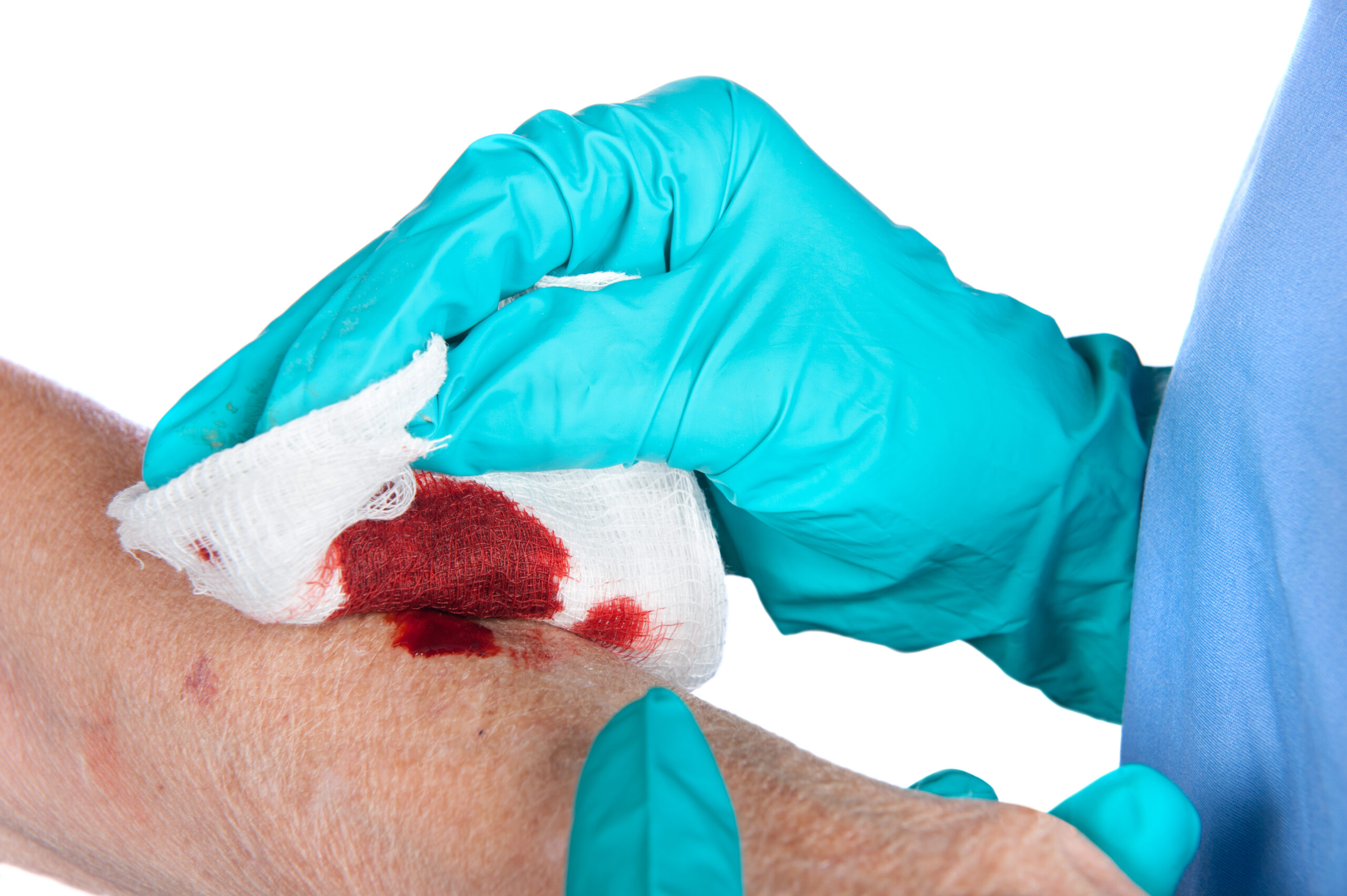

When you need to clean an open wound after a kitchen accident, don’t panic and slap on the first bandage you can find. Properly cleaning that wound now could save you from infection, scarring, and a trip to the emergency department later.
But first, if the wound is deep, gaping, spurting blood, or has something embedded in it, skip this guide and head straight to a doctor or emergency department.
What You'll Need
Before you clean an open wound, gather these supplies:
- Clean water (tap water is fine, or saline solution if you have it)
- Mild soap (any gentle hand or body soap)
- Clean cloth or gauze (paper towels work in a pinch)
- Antiseptic (hydrogen peroxide, iodine, or alcohol – optional)
- Bandages (adhesive bandages for small cuts, gauze and tape for larger wounds)
- Disposable gloves (if available, especially when helping someone else)
Don’t have everything? Work with what you’ve got—the most important thing is clean water and something to cover the wound.
5 Simple Steps to Clean a Wound
Follow these steps to clean an open wound safely and effectively:
1. Stop the Bleeding
Apply firm, direct pressure to the wound using a clean cloth. Don’t peek—keep the pressure steady for 2-3 minutes. Most minor bleeding will stop within this time. If blood soaks through, add more cloth on top rather than removing what’s already there.
2. Wash Your Hands
Scrub your hands thoroughly with soap and warm water for at least 20 seconds. This prevents you from introducing new bacteria into the wound. If you’re helping someone else, put on disposable gloves if you have them.
3. Rinse the Wound
Hold the wound under clean running water or pour water over it from a clean container. The goal is to flush out any dirt, debris, or bacteria. Don’t scrub—let the water do the work. For stubborn dirt, very gently wipe with a clean cloth, always wiping away from the wound, not towards it.
4. Clean Around the Wound
Using mild soap and a clean cloth, gently wash the skin around the wound. Keep the soap out of the wound itself—it can irritate the tissue and slow healing. Work from the wound outward in a circular motion, then rinse with clean water.
5. Pat Dry and Bandage
Gently pat the area dry with a clean cloth or gauze. If you have antiseptic, you can apply a small amount now, but it’s not essential for minor wounds. Cover with an appropriate bandage—adhesive bandages for small cuts, or gauze secured with medical tape for larger wounds.
Warning Signs - See a Doctor If:
Don’t attempt to clean an open wound yourself in these situations—seek medical attention immediately:
- Deep wounds where you can see fat, muscle, or bone
- Gaping wounds where the edges don’t naturally stay together
- Heavy bleeding that doesn’t stop after 10 minutes of direct pressure
- Embedded objects like glass, metal, or splinters (leave them in place and get help)
- Signs of infection developing over the next few days: increasing redness, swelling, warmth, pus, red streaks, or fever
- Dirty wounds from rusty metal, animal bites, or very dirty environments
- Large wounds bigger than 2cm that might need stitches
- Wounds on joints or areas that move a lot
Also see a doctor if you haven’t had a tetanus shot in the last 10 years (or 5 years for dirty wounds).
FAQs
How often should I change a bandage?
Change it daily or whenever it becomes wet, dirty, or loose. For the first 24-48 hours, check it more frequently to ensure it’s staying clean and dry.
Should I use antiseptic like hydrogen peroxide to clean an open wound?
It’s optional for minor wounds. Clean water and soap are usually sufficient. If you do use antiseptic, apply it sparingly—too much can actually slow healing by damaging healthy tissue.
How long should I keep a wound covered?
Keep minor wounds covered for 1-2 days until a scab forms, then you can leave them uncovered if they’re in a clean environment. Larger wounds may need covering for longer—follow your doctor’s advice.