



Applicable to:
Construction
Warehousing

First Aid Kits for Children: What You Need to Know

first aid kits for children

Table of Contents

When your child is scaling playground equipment, kicking goals on the footy field, or exploring nature trails, accidents happen, which is why first aid kits for children are essential. Having the right first aid supplies on hand can turn a potential disaster into a minor inconvenience, keeping both kids and parents calm during those inevitable bumps and scrapes.

Why Kids' Activities Need Specialised First Aid Kits

Children’s bodies are different from adults, and so are their injuries during active play. Kids have thinner skin that tears more easily, smaller body parts that require appropriately sized supplies, and a tendency to panic when hurt—making quick, effective treatment essential.

Standard household first aid kits often fall short when dealing with activity-related injuries, which is why specialised first aid kits for children are necessary. They’re typically designed for general home use, not the specific challenges of active children who might get grass stains in cuts, sand in scrapes, or need immediate cooling for playground burns from hot equipment.

Activity-specific first aid kits are also designed to be portable and durable, withstanding the rough-and-tumble environment where kids play. They’re organised for quick access when you’re dealing with a crying child and potentially other worried kids nearby.

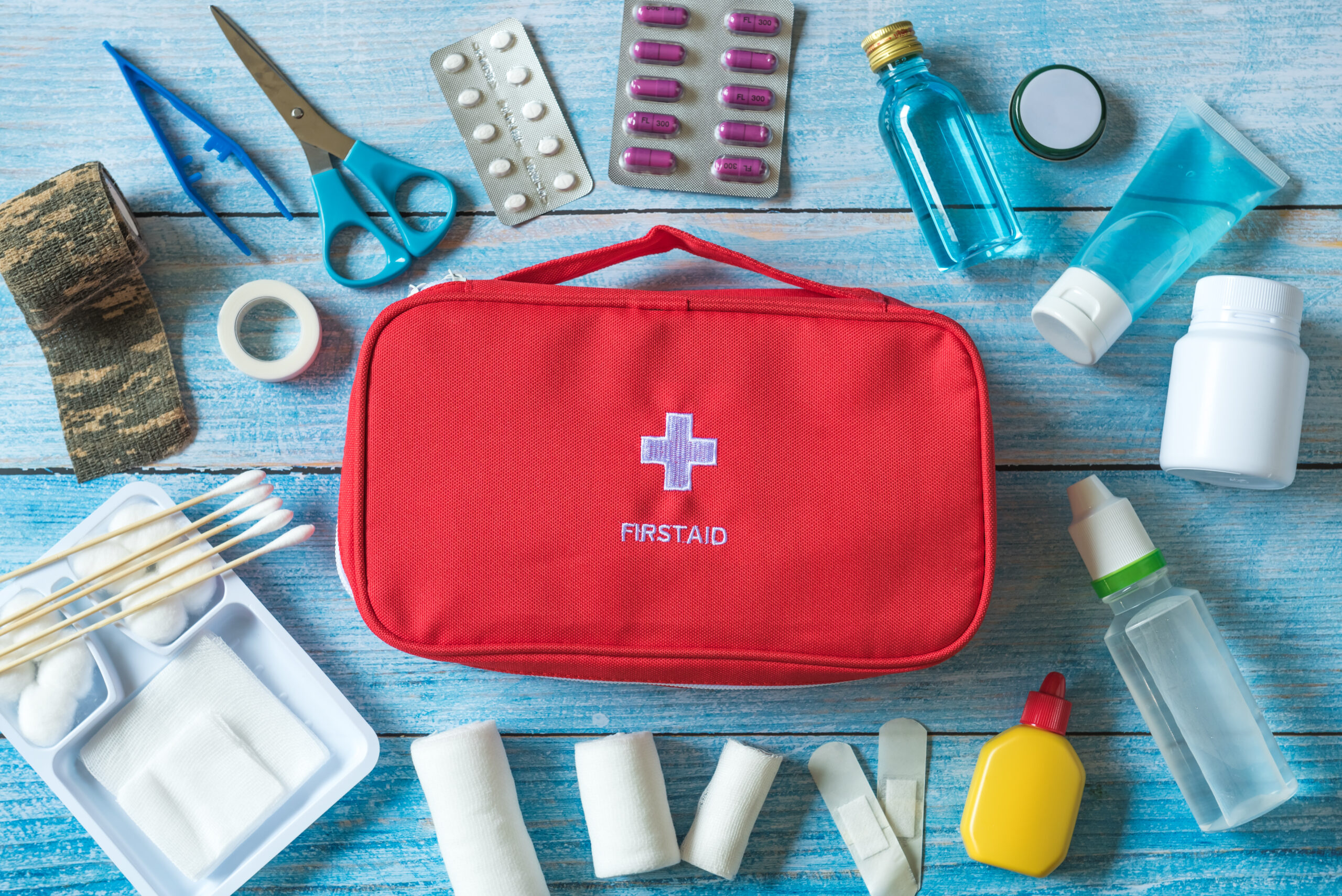
supplies for wound care

Most Common Kids' Activity Injuries & Required Supplies

Understanding what injuries commonly occur during children’s activities helps you prepare the right supplies for first aid kits for children:

Scrapes and cuts from playground equipment, bike accidents, or rough surfaces are the most frequent injuries. You’ll need antiseptic wipes, various sizes of adhesive bandages, and gauze pads. Include child-friendly antiseptic that doesn’t sting, as traditional alcohol-based products can cause additional distress.

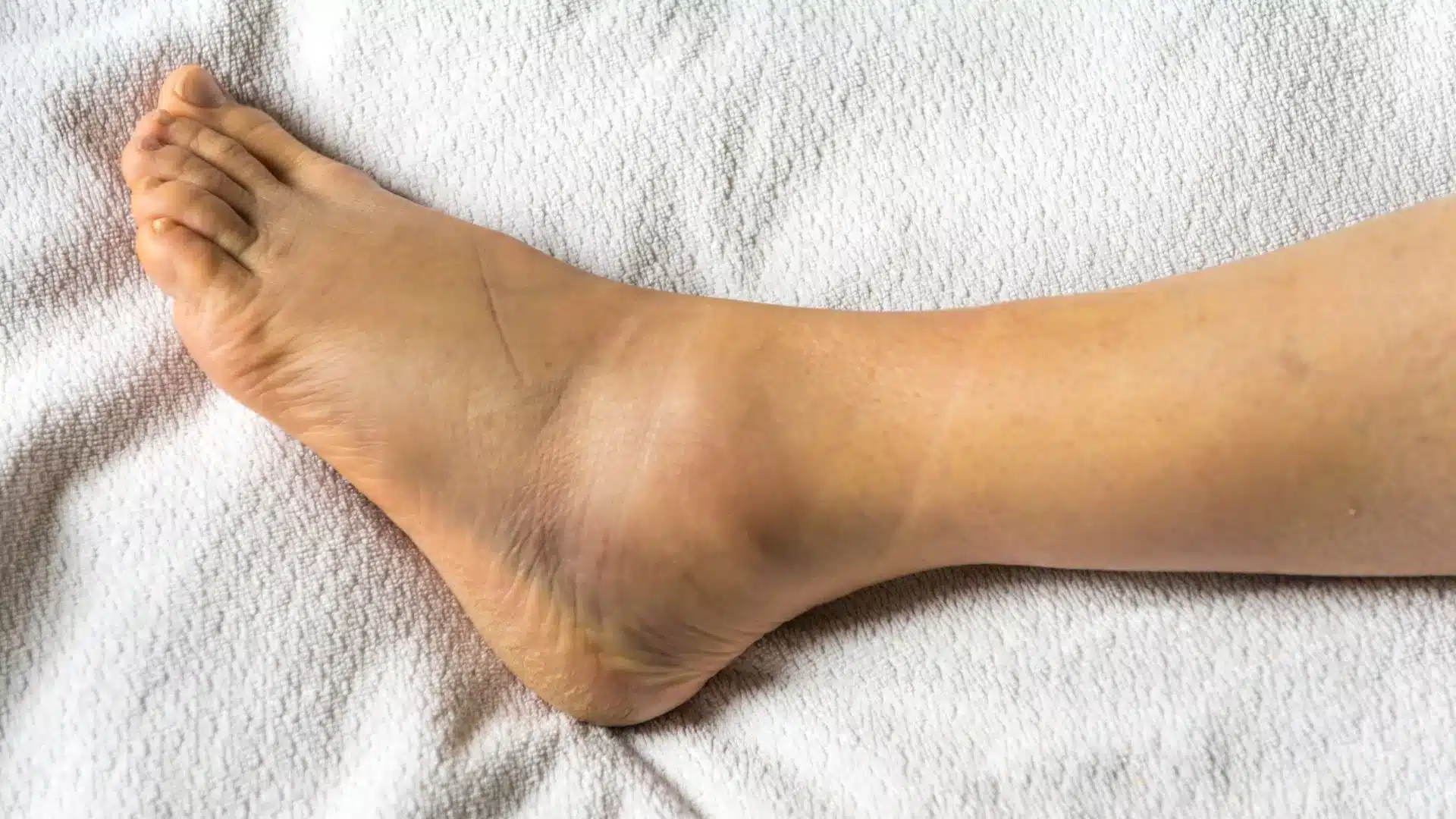
Sprains and bruises from sports or playground tumbles require instant cold packs and elastic bandages for compression. Look for instant cold packs that activate when squeezed—no need for a freezer when you’re at the local park.

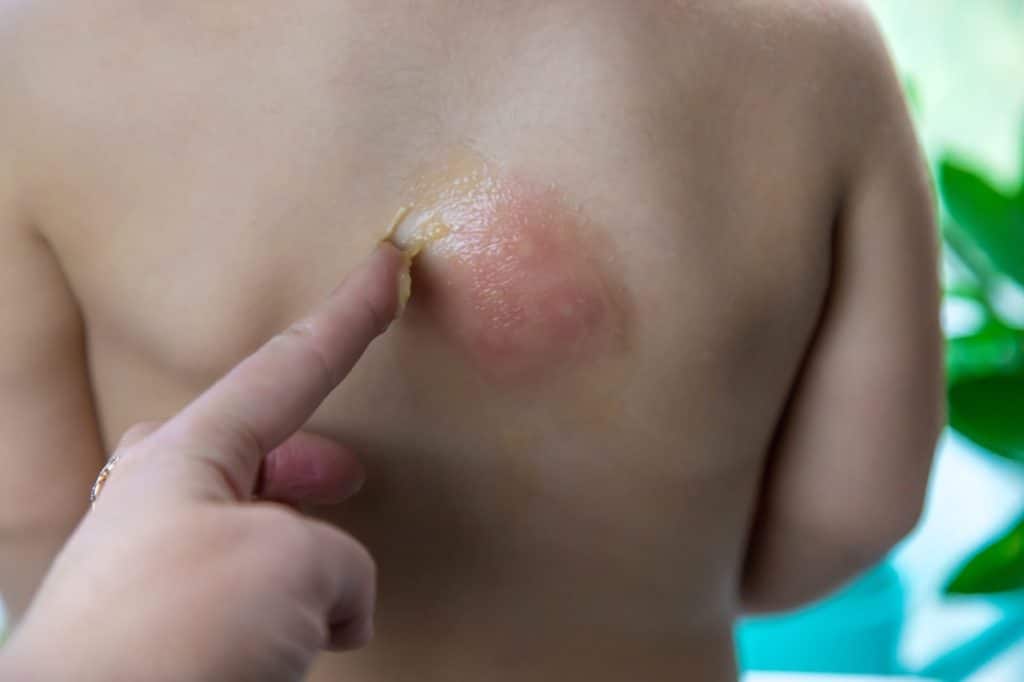
Insect bites and stings are common during outdoor play, especially in Australia’s diverse environment. Pack antihistamine cream, insect bite relief sticks, and oral antihistamines suitable for children. Consider including a basic sting relief device for more serious reactions.

Heat-related issues and dehydration can quickly escalate during active play, particularly in our harsh Australian climate. Include electrolyte sachets or tablets, and know the signs of heat exhaustion in children.

Key Features for Kids' Activity First Aid Kits

When selecting or assembling first aid kits for children’s activities, prioritise these essential features:

Portability and durability are crucial since these kits need to travel to various locations and withstand active environments. Look for hard cases or soft pouches with strong zippers that won’t break when tossed in sports bags or backpacks.

Child-appropriate sizing makes a significant difference in treatment effectiveness. Adult-sized bandages often don’t stay put on small cuts, while oversized gauze pads can overwhelm minor scrapes. Include a range of smaller bandages and appropriately sized supplies.

Quick-access organisation helps when you’re dealing with stressed children and potentially limited time. Clear compartments, colour-coded sections, or numbered supplies can help you find what you need quickly. Consider including a simple instruction card for basic treatment steps.

Weather-resistant packaging protects supplies from Australia’s varied climate conditions. Moisture can ruin adhesive bandages, while extreme heat can affect medications. Look for kits with sealed compartments or individual packaging for critical items.

Frequently Asked Questions

How often should I check first aid kits for children used during activities?

Review your kit every three months, checking expiry dates on medications and replacing any used items. Before major activities like school camps or sports seasons, do a complete inventory to ensure everything is stocked and in good condition.

Yes, age-appropriate children should know where to find the kit and how to get adult help. Teach older children (8+) basic concepts like applying pressure to cuts, but emphasise that they should always get an adult to handle any injury, no matter how minor.

Always seek immediate medical attention for head injuries, suspected broken bones, deep cuts requiring stitches, difficulty breathing, loss of consciousness, or any injury where you’re unsure of the severity. Your first aid kit is for minor injuries—when in doubt, call for professional help.

The content on this website offers general insights regarding health conditions and potential treatments. It is not intended as, and should not be construed as, medical advice. If you are facing a medical emergency, dial 000 immediately and follow the guidance provided.

Recent Posts
North Hobart