




Applicable to:
Construction
Warehousing

First Aid for Heat Stroke and Heat Exhaustion: Recognise, Cool & Call 000

body temperature rises

Table of Contents

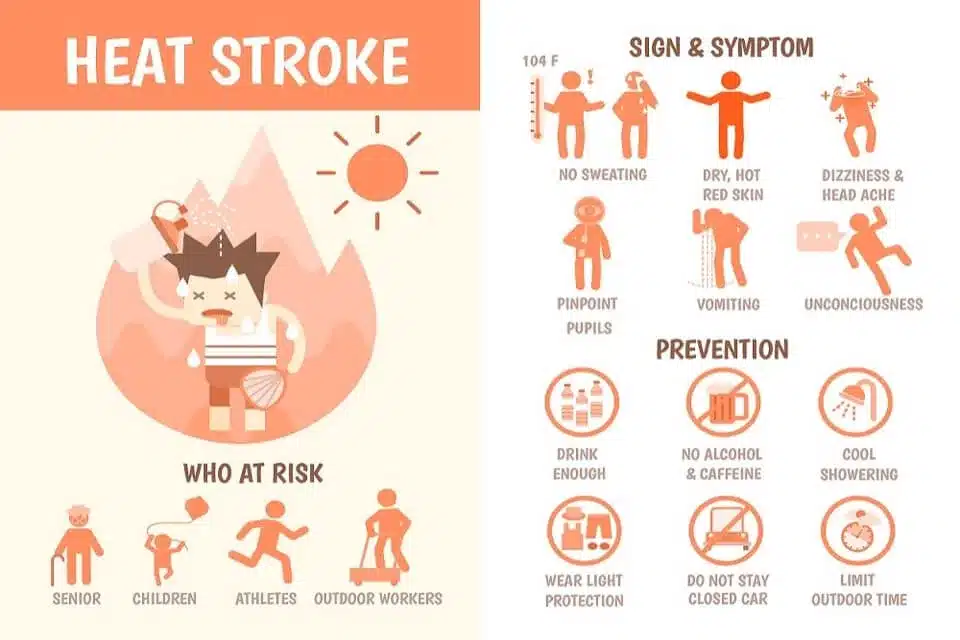
Heat exhaustion occurs when your body overheats due to prolonged exposure to high temperatures, especially when combined with high humidity and strenuous physical activity. : Heat stroke (also called sunstroke) is a severe, life-threatening condition in which the body’s temperature regulation system fails and the core temperature rises above 40°C (104°F). It can occur quickly, often following untreated heat exhaustion or extensive exposure to a hot environment or intense physical exertion.

This article explains how to recognise the signs and symptoms of heat-related illness, how to provide first aid for heat stroke, and when to call an ambulance in Australia.

Be prepared for every emergency – Enrol in a nationally recognised first aid course with First Aid Pro and learn how to treat heatstroke, heat exhaustion, and other heat-induced conditions.

Overweight man suffers heatstroke on beach, shields head with hand. Struggles with heat, wipes sweat, squints under sun, challenges of excess weight, summer vacation discomfort, weather risks

Key Takeaways

  • Heat stroke is a severe, life-threatening condition – act fast. 
  • Recognise symptoms of heat stroke: high body temp, confusion, dry skin, fainting.
  • Always call 000 and begin cooling measures immediately.
  • Know the difference between heat exhaustion and heat stroke.
  • Stay cool, stay hydrated, and get trained – first aid saves lives.

Don’t wait for an emergency – Enrol in a nationally recognised first aid course with First Aid Pro and be prepared to act.

Multiracial woman sitting in the heatstroke wiping herself with a napkin and drinking water

What Is a Heat-Related Illness?

A heat-related illness refers to a spectrum of medical conditions that occur when the body is unable to properly cool itself in hot environments, leading to overheating and potential organ dysfunction. These illnesses range in severity and include dehydration, heat cramps, heat exhaustion, and heat stroke—the latter being a life-threatening emergency.

Heat-related illnesses can present with symptoms such as heavy sweating, weakness, dizziness, headache, nausea, vomiting, rapid pulse, tiredness, irritability, confusion, fainting, and in the most severe cases (heat stroke), high body temperature, confusion, seizures, or unconsciousness. 

If untreated, mild forms like dehydration and heat cramps can progress to more severe conditions such as heat exhaustion and heat stroke.

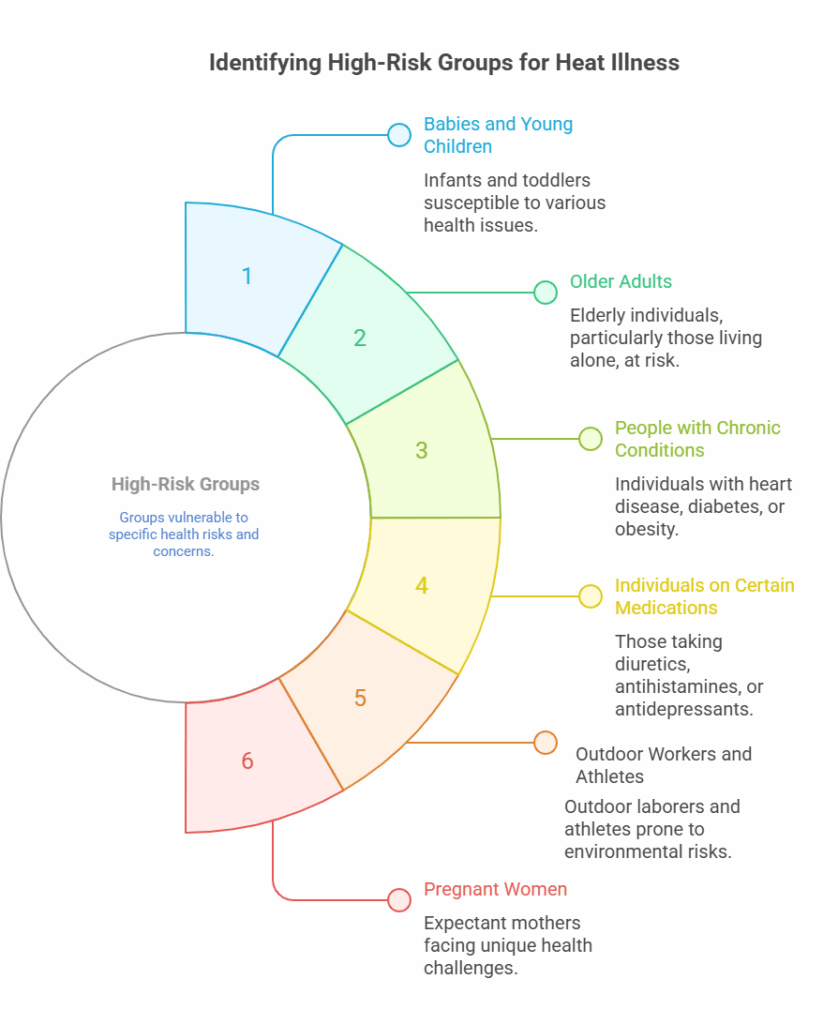
Heat-induced illness is caused by exposure to high temperatures, especially when combined with high humidity and physical exertion, which disrupts the body’s ability to regulate its internal temperature. Everyone is at risk, but infants, the elderly, and people with chronic health conditions are particularly vulnerable.

Summary of Heat-related illnesses:

Condition

Description

Heat rash

Skin irritation from excessive sweating

Heat cramps

Muscle spasms due to loss of salt through sweat

Heat exhaustion

Severe fluid loss leading to fatigue, weakness, and dizziness

Heat stroke

A life-threatening rise in core body temperature, requiring emergency medical aid

Australia regularly experiences extreme heat, and according to the National Museum Australia, heat kills more Australians than any other natural hazard, especially among babies and young children, the elderly, and people with existing medical conditions.

Signs and Symptoms of Heat Stroke

Heat stroke often develops quickly, but symptoms may follow signs of heat exhaustion. Prompt recognition is critical.

Symptoms of Heat Stroke 

  • Very high body temperature (core temperature of 40°C or higher)

  • Altered mental state or behaviour: confusion, agitation, delirium, irritability, slurred speech, seizures, or unconsciousness

  • Changes in sweating: skin may be hot and dry (especially in classic heat stroke), but may still be sweaty in cases related to intense physical exertion

  • Flushed, red skin

  • Nausea and vomiting

  • Rapid, shallow breathing

  • Racing heart rate (tachycardia)

  • Throbbing headache

  • Muscle twitching or seizures

  • Loss of consciousness

Heat stroke is a medical emergency—if you suspect someone has heat stroke, call emergency services and begin cooling them while waiting for professional help.

When to Call an Ambulance

If someone shows symptoms of heat stroke, treat it as a medical emergency and call Triple Zero (000) immediately. Delay in treatment can lead to organ damage, permanent disability, or death.

Heat Exhaustion and Heat Stroke – What’s the Difference?

Heat exhaustion and heat stroke are both heat-related illnesses but differ significantly in severity. Heat exhaustion is less dangerous and results from the body losing too much water and salt through heavy sweating, with symptoms like weakness, dizziness, headache, nausea, and cool, clammy skin; it can usually be treated with rest, hydration, and cooling down. 

Heat stroke, on the other hand, is a life-threatening emergency where the body’s temperature regulation fails, causing a very high body temperature (above 40°C), confusion or unconsciousness, hot and dry (or sometimes sweaty) skin, and sometimes seizures—immediate emergency medical attention is required to prevent permanent damage or death.

Heat Stroke vs Heat Exhaustion Infographic
Heat Stroke vs Heat Exhaustion: Know the Difference
Heat Exhaustion
MODERATE SEVERITY
Symptoms
  • Heavy sweating or no sweating
  • Muscle cramps
  • Weakness or fatigue
  • Dizziness
  • Nausea or vomiting
  • Headache
  • Cool, moist skin
  • Fast, weak pulse
Treatment
  • Move to cool, shaded area
  • Remove excess clothing
  • Apply cool water to skin
  • Give cool fluids to drink
  • Rest and monitor closely
  • Seek medical attention if severe
Heat Stroke
LIFE THREATENING
MEDICAL EMERGENCY - CALL 000 IMMEDIATELY
Symptoms
  • High body temperature (40°C+)
  • Hot, dry skin or profuse sweating
  • Altered mental state
  • Confusion or delirium
  • Loss of consciousness
  • Rapid, strong pulse
  • Severe headache
  • Seizures possible
Immediate Treatment
  • Call 000 immediately
  • Cool rapidly - ice packs to neck, armpits, groin
  • Remove clothing
  • Fan while applying water
  • Monitor breathing and pulse
  • Do NOT give fluids if unconscious

Emergency Action Steps

1
Call 000 for heat stroke or severe heat exhaustion
2
Move person to cool, shaded area immediately
3
Remove excess clothing and cool the body
4
Monitor consciousness and breathing closely
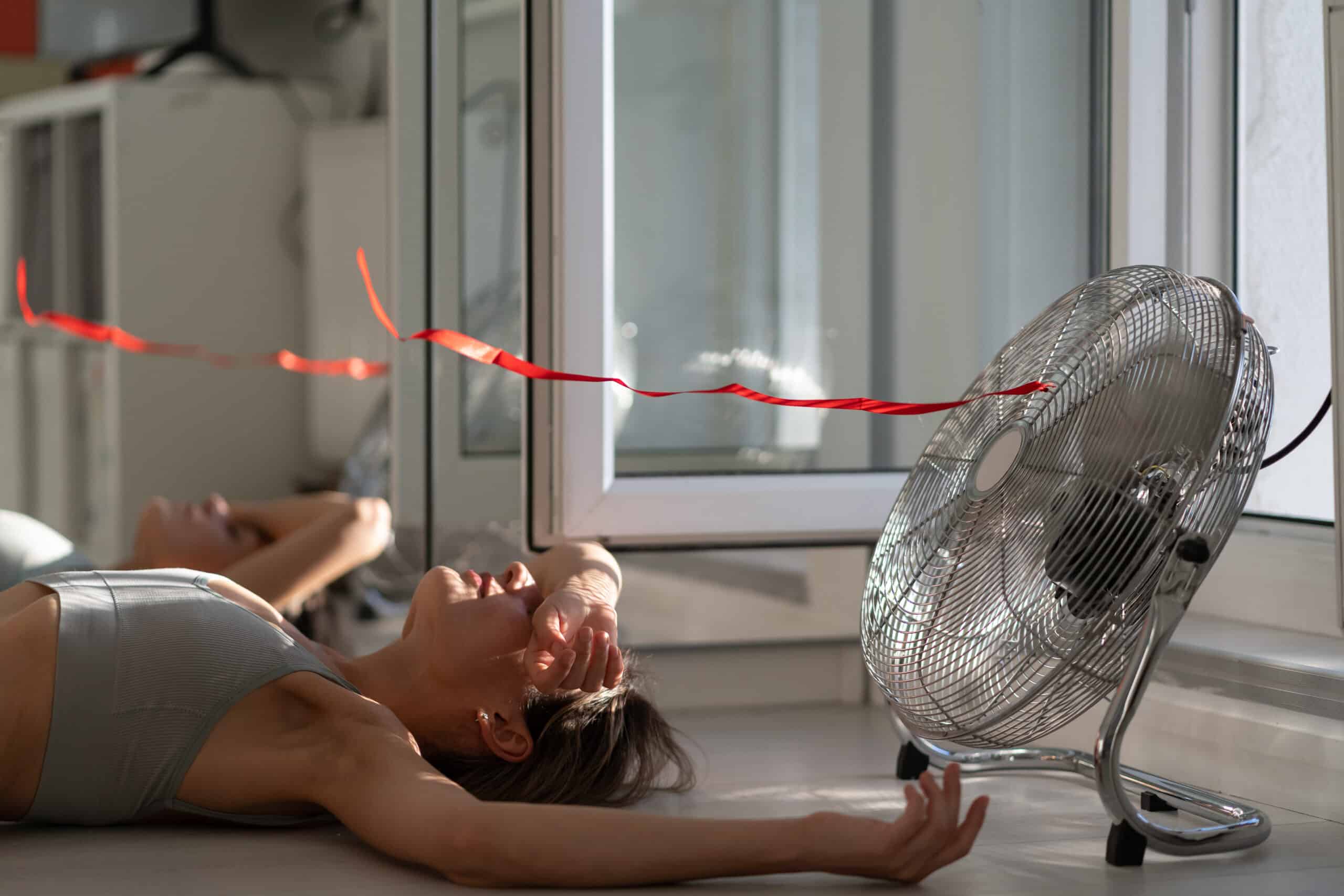

First Aid for Heat-Induced Conditions

heat stroke first aid
Heat Stroke First Aid

Step-by-Step First Aid for Heat Stroke

First aid must be rapid and systematic - this is a life-threatening emergency

MEDICAL EMERGENCY: Heat stroke can lead to permanent injury or death if not treated quickly
1
Call Emergency Services
Immediately call 000 (Australia), 911 (US), or your local emergency number if you suspect heat stroke.
This is critical - heat stroke can lead to permanent injury or death if not treated quickly
2
Move the Person to a Cooler Area
  • Move the person out of the sun and into a shaded area
  • Ideally move to an air-conditioned area
  • If inside, ensure good airflow
3
Lay the Person Down
  • Lay the person flat
  • If possible, raise their legs slightly
  • This helps maintain blood flow to vital organs
4
Remove Excess Clothing
  • Remove as much clothing as possible to help the body cool
  • Loosen any tight items
5
Cool the Person Rapidly
Use the most effective cooling method available:
Cooling Methods (choose most effective available):
1. Immerse the person in a cold bath or cool shower if feasible
2. Apply cool, wet towels, sheets, or clothing to the skin and fan the person
3. Spray or sponge the person with cool water; use a fan to promote evaporation
4. Place ice packs or cold packs on the neck, armpits, and groin
5. If in a remote area, improvise with available cold water or ice
If the person starts shivering, stop cooling briefly then resume once shivering stops
Target: Below 39°C (102°F)
6
Give Fluids if the Person Is Fully Conscious
  • If the person is awake and able to swallow safely, offer cool, non-alcoholic, non-caffeinated drinks
  • Water or sports drinks with electrolytes are best
Do NOT force fluids if the person is confused, unconscious, or unable to swallow
7
Monitor Vital Signs
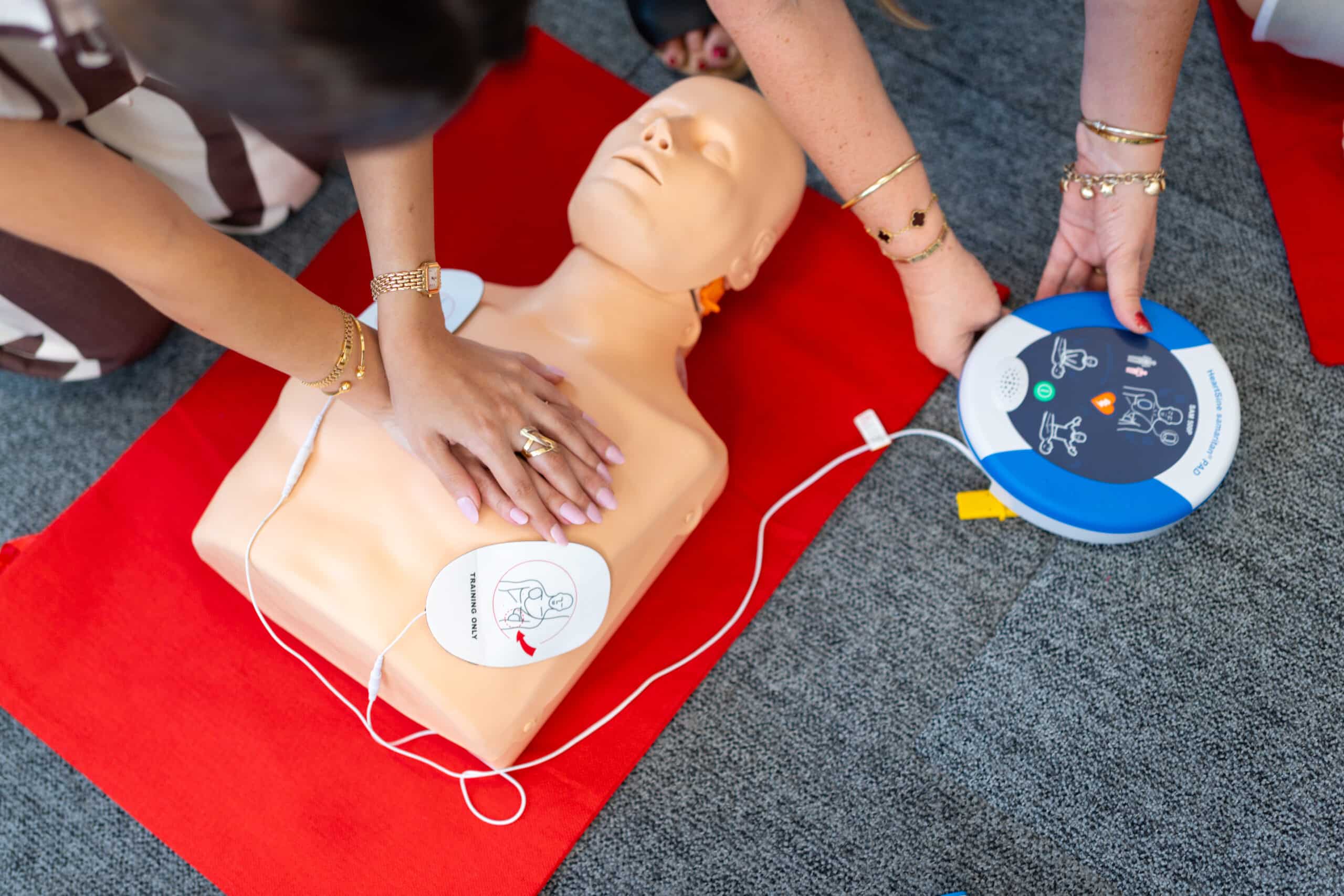
  • Continuously monitor breathing and responsiveness using the DRSABCD protocol
  • Be ready to start CPR if the person becomes unconscious and is not breathing normally
8
Stay with the Person until Help Arrives
  • Observe for worsening symptoms or any deterioration
  • Continue cooling efforts until emergency responders take over
  • Update ambulance dispatcher if condition changes
Important Reminders
Do NOT give aspirin, ibuprofen, or paracetamol - these can be harmful in heat stroke
Cooling must be vigorous and started as soon as possible - ideally aiming to reduce core temperature to below 39°C (102°F) as quickly as possible
If the person's level of consciousness drops or they have a seizure - update the ambulance dispatcher and follow their instructions
Heat stroke is a medical emergency - Your quick and decisive action can be lifesaving
Heat Exhaustion First Aid

First Aid for Heat Exhaustion

Urgent but less intensive than heat stroke - cool and rehydrate before symptoms progress

URGENT ACTION REQUIRED: Heat exhaustion can escalate to life-threatening heat stroke
1
Move to a Cool Place
Get the person out of the heat and into a cool, shaded, or air-conditioned environment as quickly as possible.
2
Help the Person Rest
  • Encourage them to sit or lie down
  • Ideally with legs slightly raised to help circulation
3
Remove Excess Clothing
  • Loosen or remove tight or heavy clothing
  • Allow the body to cool naturally
4
Cool the Person Down
Cooling Methods:
Apply cool, damp cloths or sponges to the skin and fan the person
If possible, have them take a cool shower or bath
Immerse hands and feet in cold water
Apply ice packs or cold packs to the neck, armpits, and groin if available
5
Rehydrate
Rehydration Guidelines:
DO GIVE: Small, frequent sips of cool water or sports drinks containing electrolytes (if person is fully conscious and able to swallow)
DO NOT GIVE: Drinks with caffeine or alcohol
Do not force fluids if the person is drowsy, disoriented, or unable to swallow - this risks choking
6
Monitor and Seek Medical Advice
  • Stay with the person and observe for improvement
  • Monitor breathing, consciousness, and temperature
Monitor for 10-30 minutes
Seek medical help immediately if the person: vomits, cannot keep fluids down, becomes confused, deteriorates, or shows no improvement after 10-30 minutes
Important Notes
Heat exhaustion can escalate to heat stroke, a life-threatening emergency - so act promptly and monitor closely
Do not force fluids if the person is drowsy, disoriented, or unable to swallow - this risks choking
If there's any uncertainty or the person does not quickly improve - call your local emergency number for urgent assistance
When in doubt, seek immediate medical attention - Heat exhaustion can progress to heat stroke

Related Conditions and Symptoms to Watch For

Heat affects everyone differently. Here are other heat-induced conditions to be aware of:

Condition

Signs

Heat rash

Red, itchy skin – often in folds of the skin like armpits or groin

Heat cramps

Painful muscle spasms during or after exercise

Dehydration

Thirst, dry mouth, reduced urine output, fatigue

Heat fatigue

Feeling tired and unwell after prolonged sun exposure

These symptoms may worsen existing medical conditions or trigger sudden events like a heart attack or stroke.

High-Risk Groups for Heat Stroke in Australia

Some groups are more likely to suffer from heat exhaustion or heat stroke:

High risk groups for heat illness
Keeping cool in heat

Prevention Tips – Managing Heat Risk in Australia

Australians must be vigilant during hot days, especially in areas where temperatures reach 40°C or more.

Tips to Prevent Heat-Related Illness:

  • Drink plenty of water, even if not thirsty


  • Wear loose, light-coloured clothing


  • Avoid physical activity during the hottest parts of the day (11am–3pm)


  • Stay in air-conditioned spaces when possible


  • Never leave children or pets in parked cars


  • Check in on vulnerable people during heatwaves


Stay prepared – Enrol in a nationally recognised first aid course with First Aid Pro and learn how to manage medical emergencies caused by extreme heat.

Heat Smart Quiz

Knowledge Test Quiz: Are You Heat Smart?

Test your understanding of heat-related illness and first aid

Question 1:
What is the critical body temperature that defines heatstroke?
Question 2:
What's the most important first step in treating heatstroke?
Question 3:
Which group is NOT at high risk for heatstroke?
Question 4:
What is a key difference between heat exhaustion and heatstroke?
Question 5:
Which of these helps cool a person with heatstroke?

References

Safe Work Australia: Working in Heat 

Queensland Health: Health experts the hot tip for sun safety advice 

International Paramedic College: First Aid for Heatstroke 

Australian Resuscitation Council: Guideline 9.3.4 – Heat Induced Illness (Hyperthermia) 

Healthdirect: Heatstroke

Frequently Asked Questions

The content on this website offers general insights regarding health conditions and potential treatments. It is not intended as, and should not be construed as, medical advice. If you are facing a medical emergency, dial 000 immediately and follow the guidance provided.

Recent Posts
North Hobart