



Sharon has 21+ years of experience as a qualified Emergency Care Nurse registered with the Australian Health Practitioner Regulation Agency (APHRA) and 12+ years as a First Aid Trainer.
She takes pride in FirstAidPro making first aid training available, comprehensive and affordable to everybody.
Muscle cramps are sudden, involuntary muscle contractions that cause pain and discomfort, often in the legs, calves or feet. This guide will explain what causes cramps, how to stop them fast, and provide suitable first aid techniques for any context. Whether it happens during sport, sleep, or while sitting, knowing how to treat a muscle cramp quickly can bring immediate relief and help prevent recurrence.
Learn practical first aid techniques by enrolling in a nationally recognised first aid course with First Aid Pro today.

Key Takeaways
- Cramps are sudden, involuntary muscle contractions, often in the legs.
- Hydration, stretching, and electrolyte balance help relieve and prevent cramps.
- First aid techniques include massage, gentle stretching, and fluid intake.
- Medical advice may be needed for frequent or unexplained cramps.
- Prevention includes a balanced diet, regular exercise, and warm weather awareness.
Be confident in health emergencies by enrolling in a nationally recognised first aid course with First Aid Pro today. .
What Are Muscle Cramps?
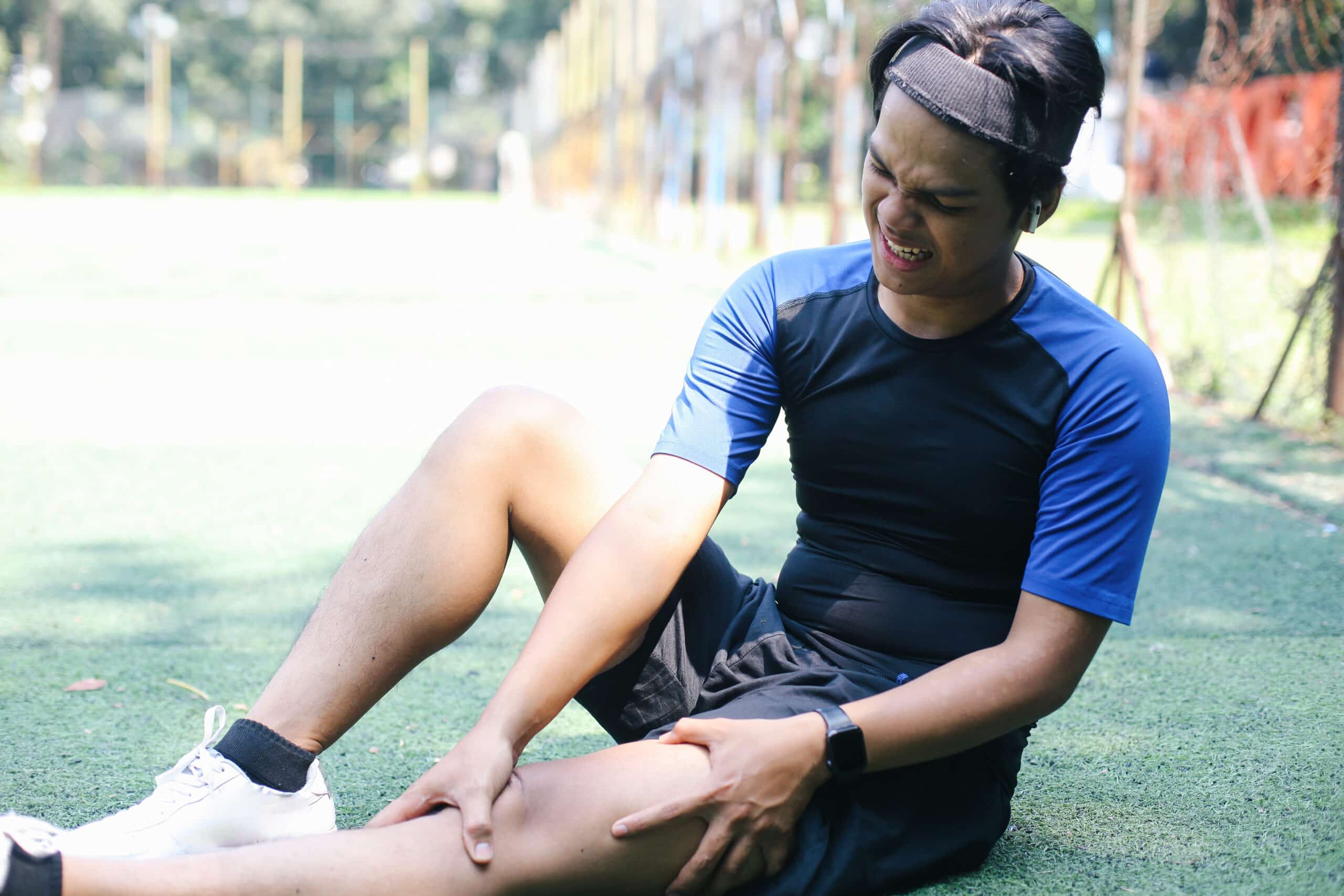
A muscle cramp is a sudden, involuntary, and often painful contraction or tightening of a muscle or group of muscles that does not relax immediately.
Muscle cramps commonly affect the calf, foot, or thigh but can occur in any skeletal muscle in the body—a phenomenon often remembered as a “charley horse”. The episode usually lasts from a few seconds to several minutes and can leave the muscle tender or sore for hours after. Cramps can happen during physical activity, rest, or even at night (nocturnal leg cramps).
Key characteristics:
- Sudden onset
- Intense pain
- Involuntary muscle contraction
- Most commonly affects legs and feet, but can affect any voluntary muscle.
Muscle cramps are typically harmless, though they can sometimes signal underlying medical issues—especially when frequent, severe, or accompanied by other symptoms like swelling or weakness. Causes include muscle fatigue, dehydration, electrolyte imbalances, prolonged sitting or standing, underlying medical conditions (e.g., diabetes, thyroid disorders), pregnancy, aging, certain medications, and physical inactivity.
Most cramps resolve on their own or with simple remedies such as stretching, massage, hydration, or heat/cold application. Persistent or recurrent cramps should be evaluated by a healthcare professional to rule out any serious conditions.
Common Types of Muscle Cramp
Type of Cramp | Common Location | Typical Cause |
Nocturnal leg cramp | Calf, foot, thigh | Night-time muscle fatigue or inactivity |
Exercise-associated | Calf, hamstring | Dehydration, electrolyte imbalance |
Heat cramps | Larger muscles | Hot weather, loss of salt and water |
Idiopathic cramps | Varies | Unknown causes |
Symptoms and Causes of Muscle Cramps
Symptoms of Muscle Cramps
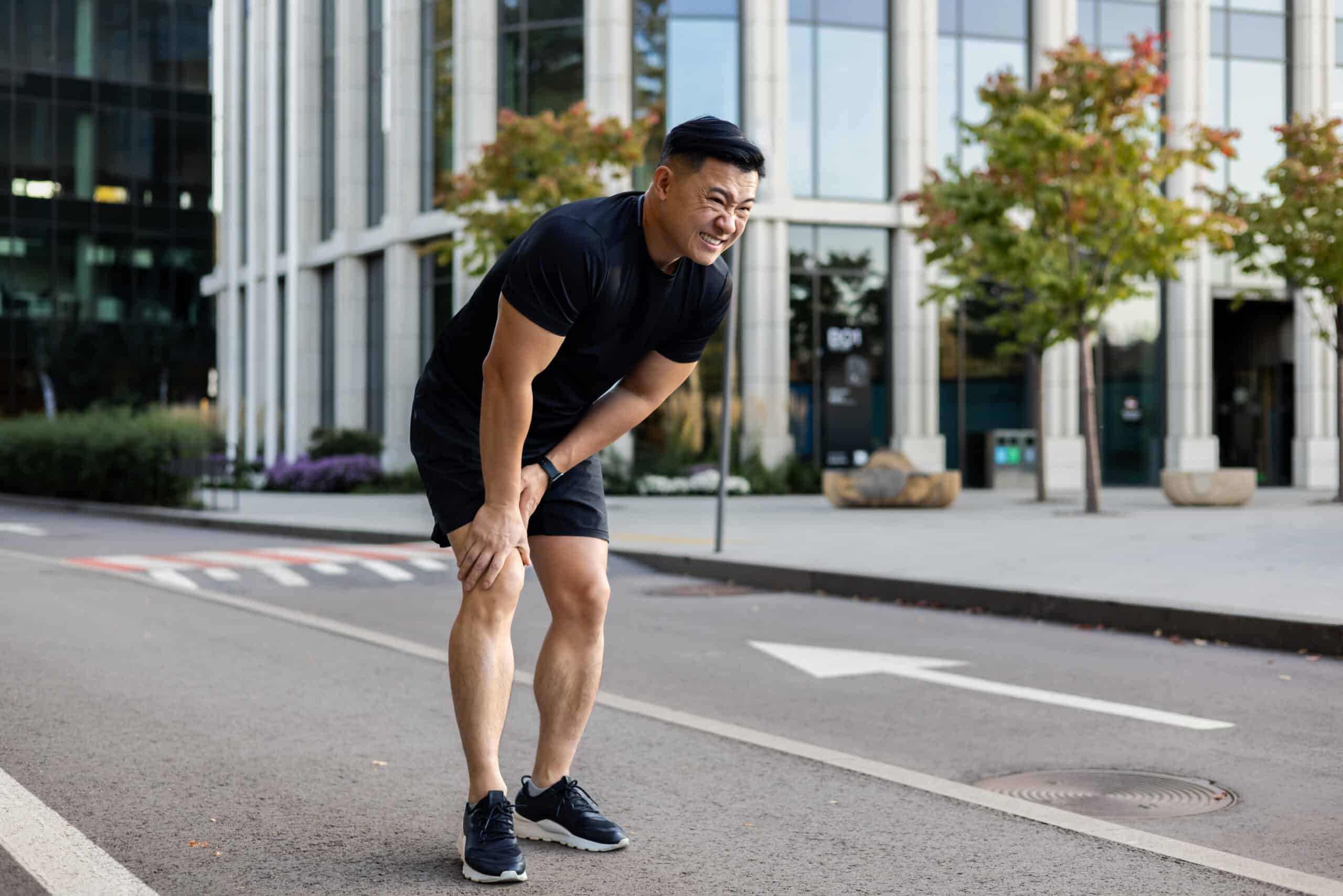
- Sudden, intense pain: Most muscle cramps cause a sharp and severe pain in the affected muscle, typically described as a spasm or contraction that is hard to control.
- Visible or palpable hardening: The muscle might look visibly knotted or twitch under the skin. It often feels hard or tense to the touch during a cramp.
- Involuntary muscle tightening: The cramp is uncontrollable and may restrict movement temporarily.
- Duration: Cramps usually last for a few seconds to up to 15 minutes. Afterward, the muscle may be sore or tender for a few hours to a day.
- Muscle twitching or spasms: Some experience repeated, small contractions or twitching before or after the main cramp.
- Location: Most common in the calves, feet, thighs, or hands, but can occur in any skeletal muscle.
- Lingering discomfort: The area may be sore or tender after the cramp resolves.
When to Seek Medical Help
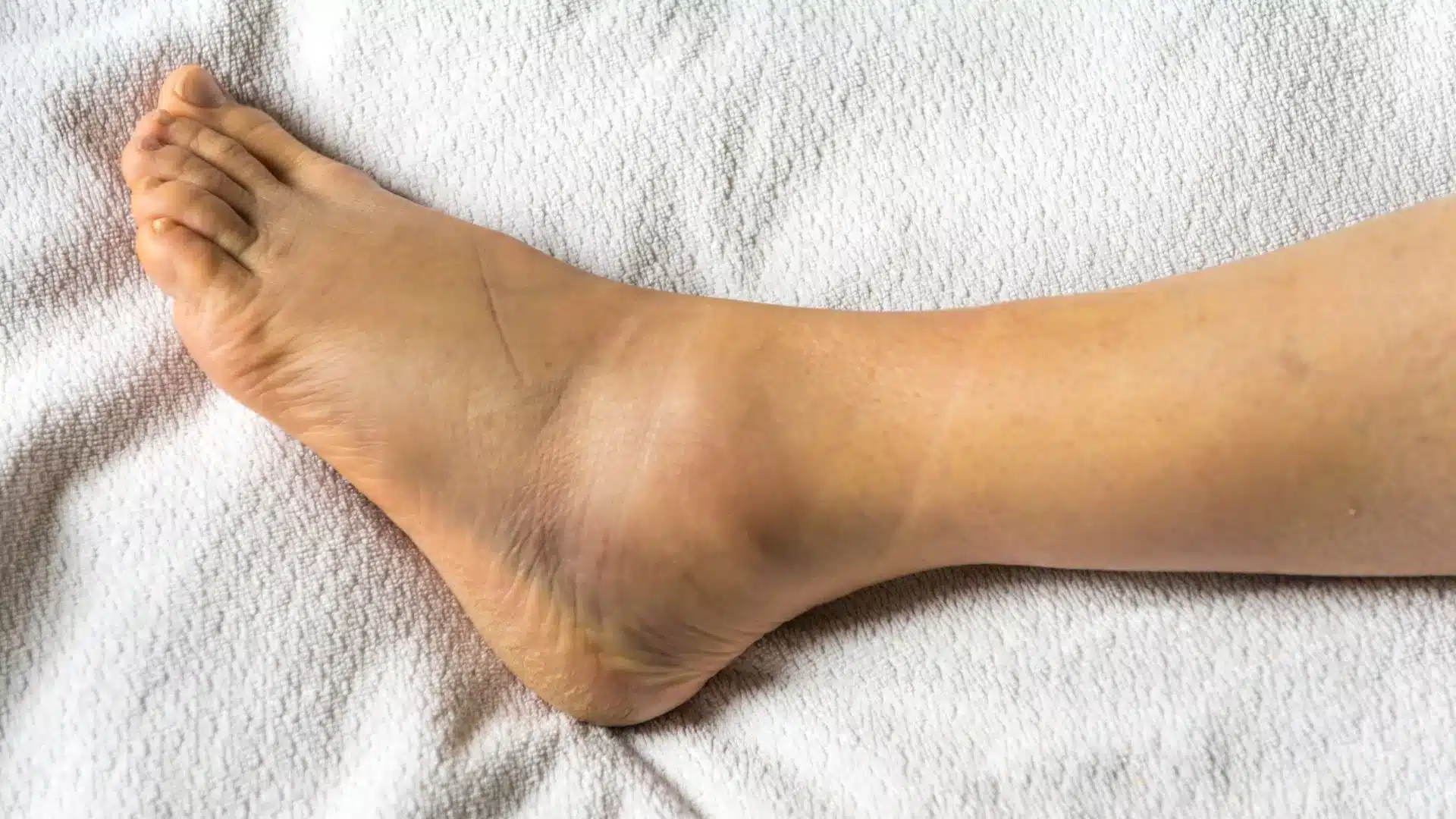
If you experience cramps that cause severe discomfort, recur frequently, are associated with swelling or redness, last a long time, or are accompanied by muscle weakness, it would be advisable to consult your GP.
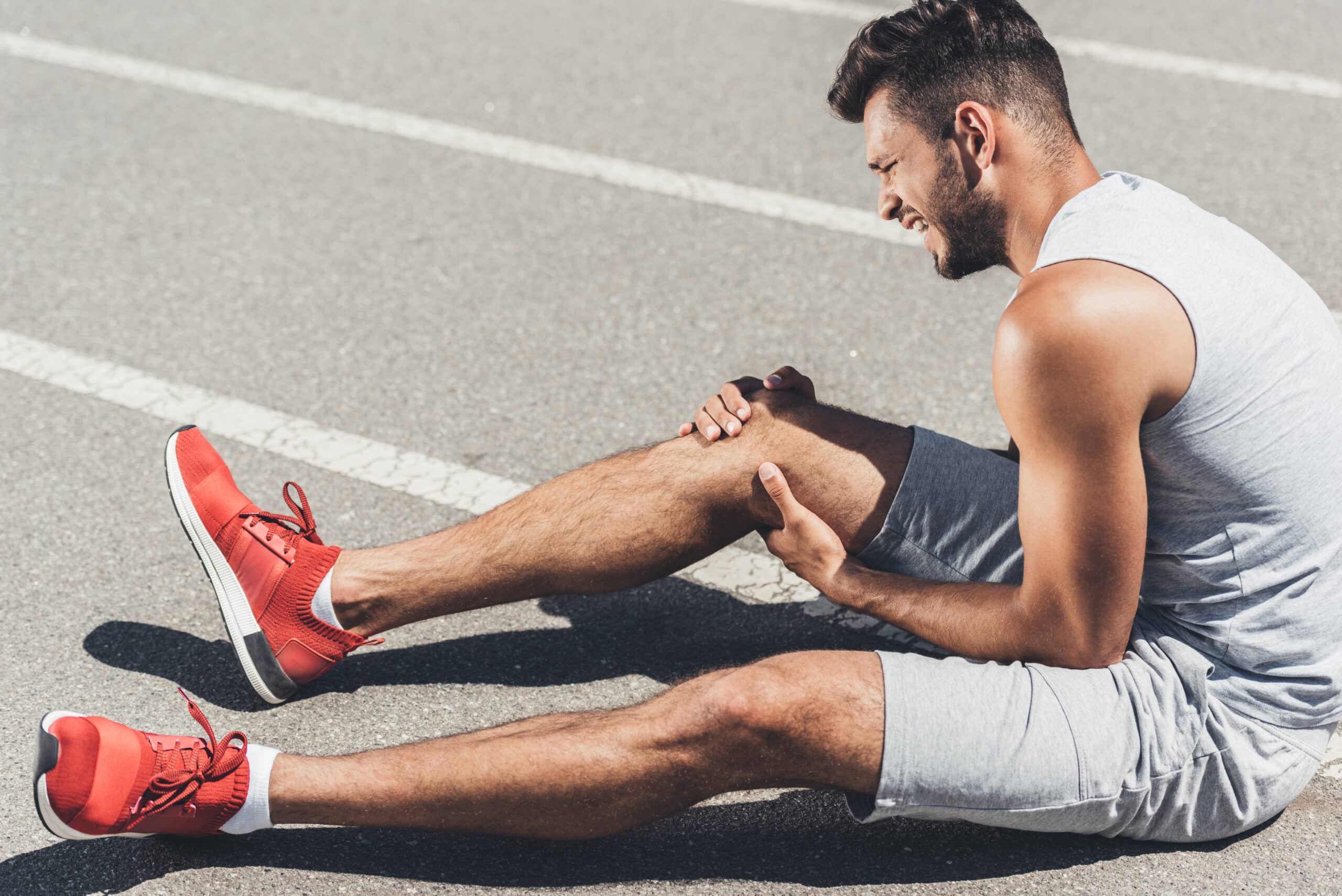
Causes of Muscle Cramps
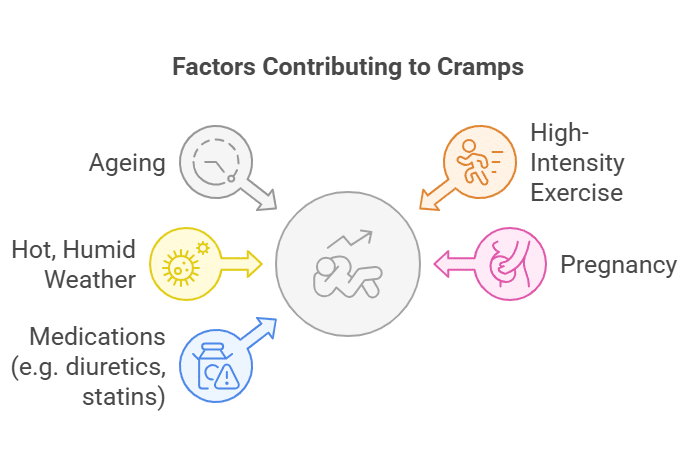
Muscle cramps have a variety of causes, often overlapping:
- Muscle fatigue and overuse: Exercising intensely or working muscles for prolonged periods, especially if unaccustomed or not properly warmed up.
- Dehydration: Excessive loss of fluids through sweat or illness can upset electrolyte balance, increasing the risk of cramping—common in athletes and during hot weather.
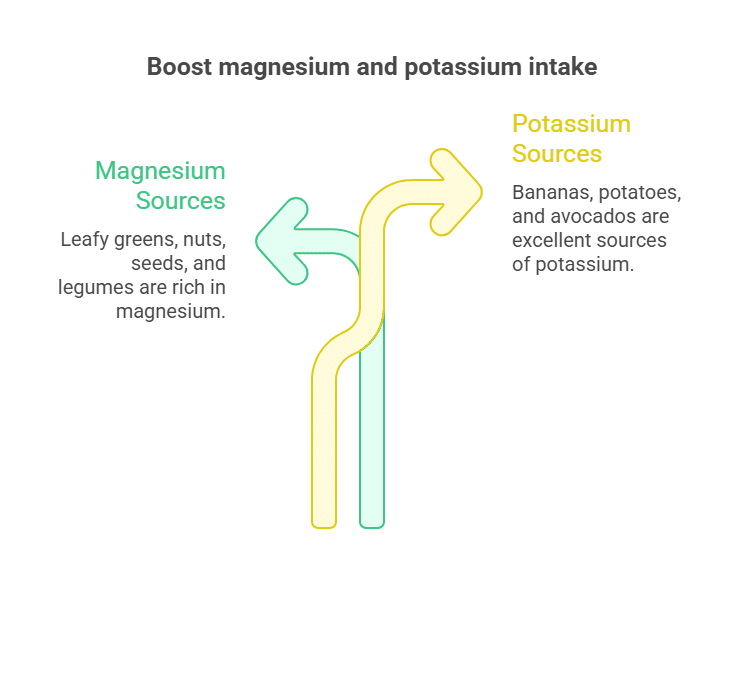
- Electrolyte imbalances: Low levels of potassium, calcium, magnesium, or sodium disrupt muscle contraction and relaxation, leading to cramps. This can be due to poor diet, certain medications (like diuretics), vomiting, diarrhea, or heavy sweating.
- Inadequate blood supply: Conditions like atherosclerosis (narrowed arteries) reduce oxygen supply to muscles, which may trigger cramps during activity.
- Nerve compression: Pressure on nerves in the spine, as in sciatica or spinal stenosis, can cause referred cramps, especially in the legs.
- Physical inactivity or prolonged posture: Sitting, standing, or holding a position too long without movement can cause muscles to cramp.
- Age: Older adults are more susceptible as muscle mass decreases and muscles tire more easily.
- Pregnancy: Women, particularly in the later stages of pregnancy, often experience cramps due to changes in blood flow and mineral levels.
- Medical conditions: Diabetes, thyroid issues, kidney disease, liver disease, or nerve disorders raise the risk.
- Medications: Diuretics, statins (cholesterol drugs), and some asthma and blood pressure medications can deplete minerals or otherwise trigger cramps.
- Alcohol overuse or certain metabolic issues.
- Unknown causes: Sometimes, no clear trigger is identified (idiopathic cramps remain common).
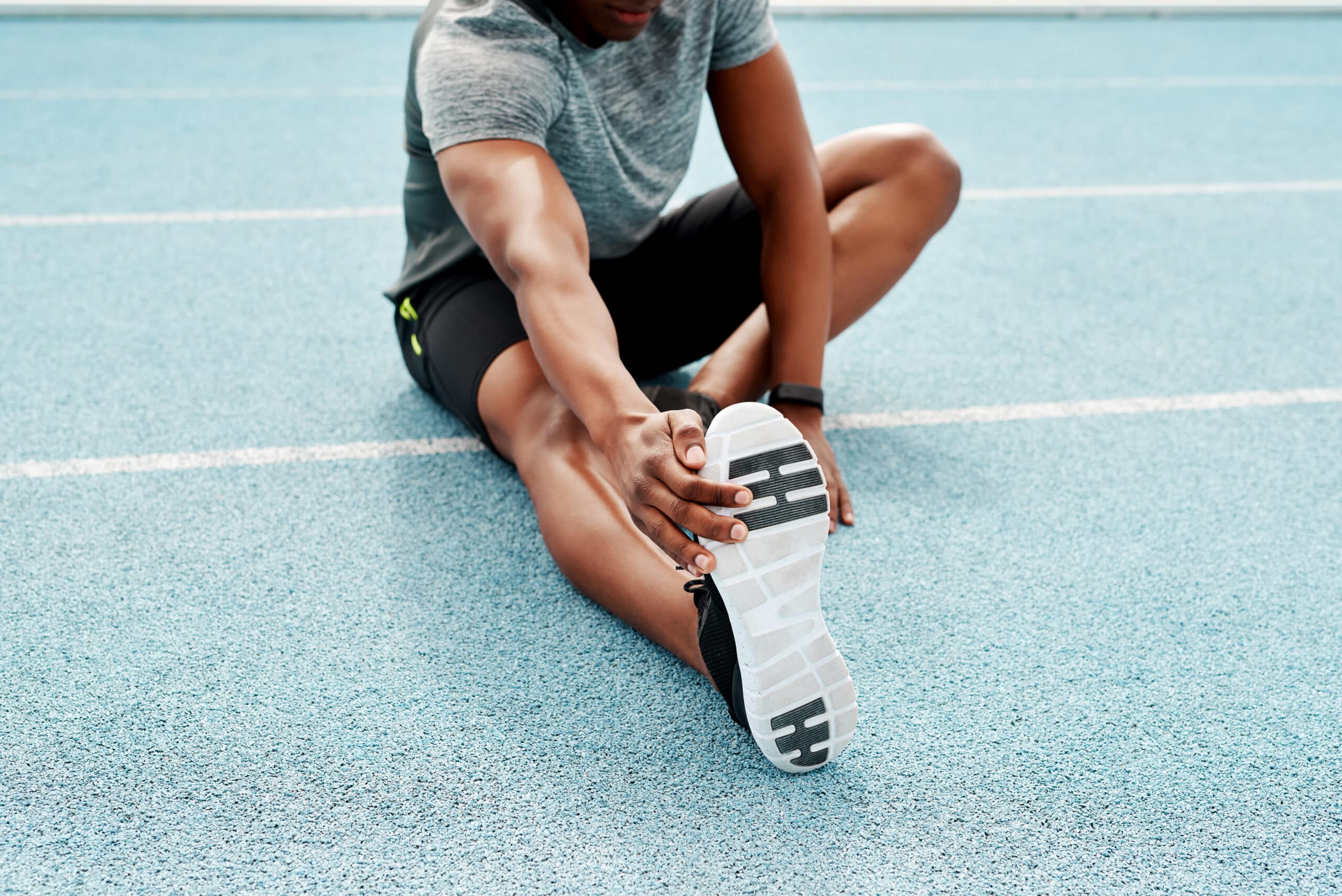
How to Stop Muscle Cramps: First Aid and Stretching
| Step | Action |
|---|---|
| Stop activity | Cease any movement that triggered the cramp and stay calm. |
| Gently stretch the muscle |
Slowly and gently stretch the cramped muscle to its natural length.
|
| Massage | Gently rub or knead the cramped muscle while stretching it to help it relax. |
| Apply heat or cold |
|
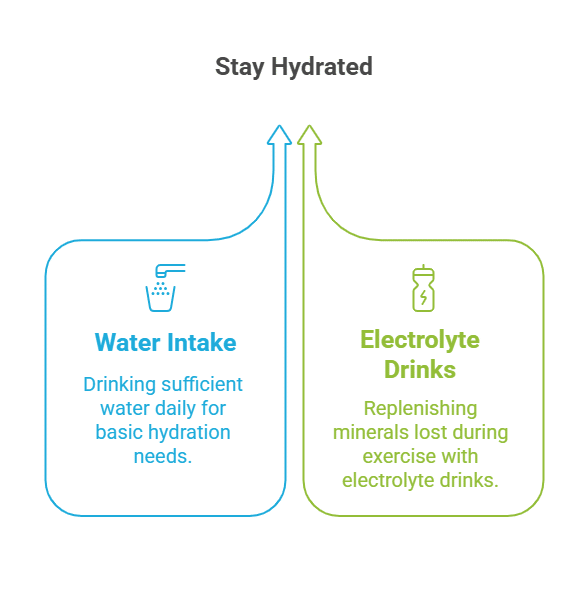
| Hydrate | Drink water or an electrolyte-containing beverage, especially if dehydration or sweating contributed to the cramp. |
| Elevate if possible | If the cramp is in the leg or foot, elevate the limb to improve blood flow and relieve discomfort. |
Other supportive measures:
Over-the-counter pain relievers like ibuprofen or acetaminophen may be used if there is persistent pain after the cramp.
- Avoid strenuous activity until the muscle fully recovers.
- Seek medical attention if cramps are severe, recurrent, last longer than several minutes, are associated with muscle weakness, swelling, or redness, or if you have any underlying medical conditions that could complicate recovery.
Key Points to Remember:
- Immediate gentle stretching and massage are the most effective initial interventions.
- Heat is beneficial during and immediately after a cramp; cold is better for lingering pain.
- Always address underlying triggers such as dehydration, electrolyte imbalance, or medication side effects if cramps are frequent.
Following these steps provides fast, effective relief for most muscle cramping and helps prevent further episodes.
Stretches to Relieve Muscle Cramps
Muscle Affected | Stretch to Try |
Calf | Heel drop stretch on a step |
Hamstring | Seated toe reach with leg straight |
Thigh | Standing quad stretch |
Home Remedies to Prevent Muscle Cramping
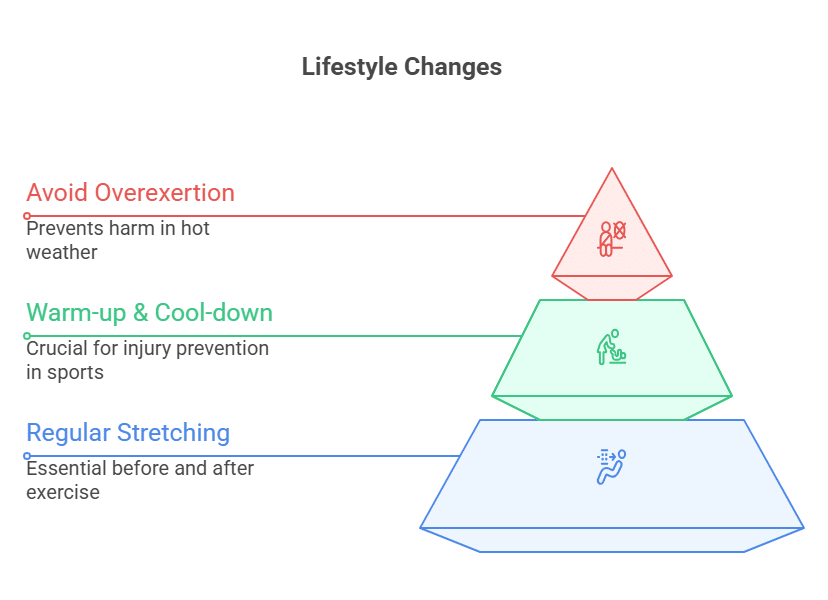
Tips for Preventing Muscle Cramping
- Wear proper footwear to support leg muscles.
- Avoid caffeine and alcohol before bed.
- Consider magnesium supplements if dietary intake is low (check with your GP).
- Schedule regular light exercise to maintain muscle tone.
Knowledge Quiz
Muscle Cramping First Aid
Take the first step towards preparedness and confidence — enrol in a nationally recognised First Aid Pro training course today and learn to manage first aid and common emergency situations.
References
- Better Health Channel: Muscle Cramps.
- Mayo Clinic: Muscle Cramping
- Healthline: How To Stop Leg Muscle Cramping
- Cleveland Clinic: Leg Cramping
Frequently Asked Questions
Leg cramping often results from prolonged inactivity, dehydration, or electrolyte imbalance. Age and poor circulation can also contribute.
Occasionally, cramping may be linked to nerve issues or chronic conditions. See a doctor if they are frequent or severe.
Stop activity, stretch the calf, gently massage it, and hydrate. Warmth can help relax the muscle.
Only under a doctor’s advice. Low magnesium or potassium can be corrected with diet or supplements.
If you experience cramping regularly, they wake you at night, or they’re associated with other symptoms like swelling or weakness.