



Sharon has 21+ years of experience as a qualified Emergency Care Nurse registered with the Australian Health Practitioner Regulation Agency (APHRA) and 12+ years as a First Aid Trainer.
She takes pride in FirstAidPro making first aid training available, comprehensive and affordable to everybody.
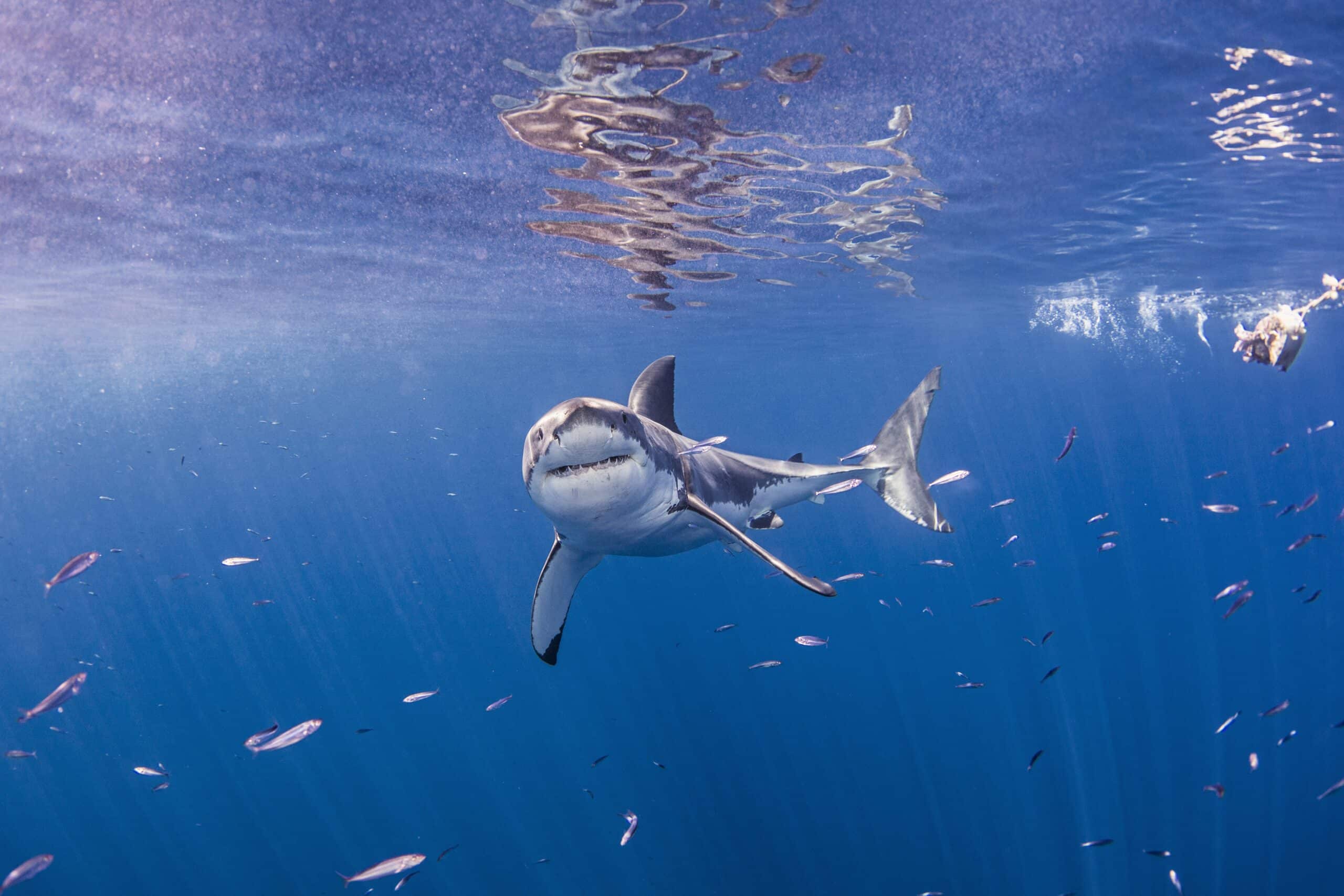
he Australian great white shark, often called the white shark or white pointer, is one of the most powerful predators in our oceans. Amazingly, there are roughly 170 – 180 species of shark recorded in Australian waters, which means our coastline represents one of the most diverse shark habitats on the planet.
Among these are 12 species identified with unprovoked encounters, and notably the bull shark, tiger shark, and great white shark, which together account for the majority of fatal attacks on humans in Australia over the past two decades. Known for their size, speed, and role in marine ecosystems, great whites inspire both fascination and fear. While the risk of a shark attack in Australian waters is low, understanding the facts, debunking shark myths, and learning safety strategies can reduce fear and help keep swimmers safe.
Be prepared for emergencies – enrol in a nationally recognised First Aid course today and gain essential skills for responding to shark bite incidents.
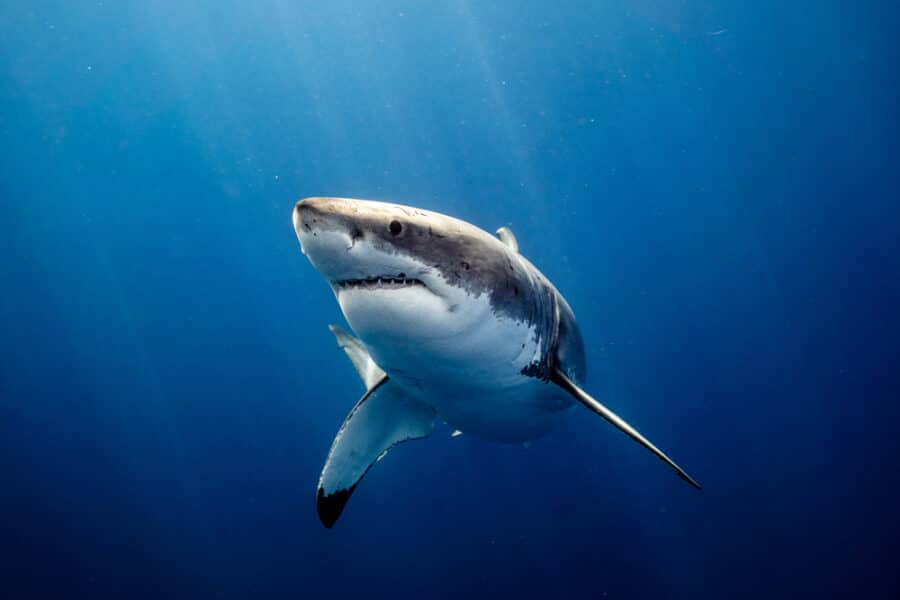
Key Takeaways
- Great white sharks dominate cooler southern coasts, tiger sharks prefer warmer northern waters, and bull sharks frequent rivers and estuaries (notably QLD/NSW).
- Risk remains low: Beachgoing is generally safe; most encounters are unprovoked shark bite/incident cases and not targeted attacks.
- Main species in serious incidents: The majority of severe outcomes involve great white sharks, tiger sharks, and bull sharks.
- When/where risk increases: Dawn/dusk, murky water, river mouths/estuaries, baitfish or seal activity, and whale migration periods can elevate encounter likelihood.
- Deterrents: Personal shark deterrent devices may reduce risk but should complement, not replace, safe behaviours and local advisories.
- What to do if you see a shark: Stay calm, exit the water steadily, and alert lifeguards; never swim alone.
- First aid priorities for bites: Call 000, apply direct pressure (tourniquet only for catastrophic haemorrhage), follow DRSABCD, manage for shock until paramedics arrive.
- Conservation context: White sharks are protected (EPBC Act); sharks play a pivotal role in marine ecosystems—risk-reduction must balance conservation and public safety.
- Stay prepared: Learning haemorrhage control and CPR through nationally recognised first aid training improves outcomes in rare but serious incidents.
Great White Shark Profiles – Species and Distribution
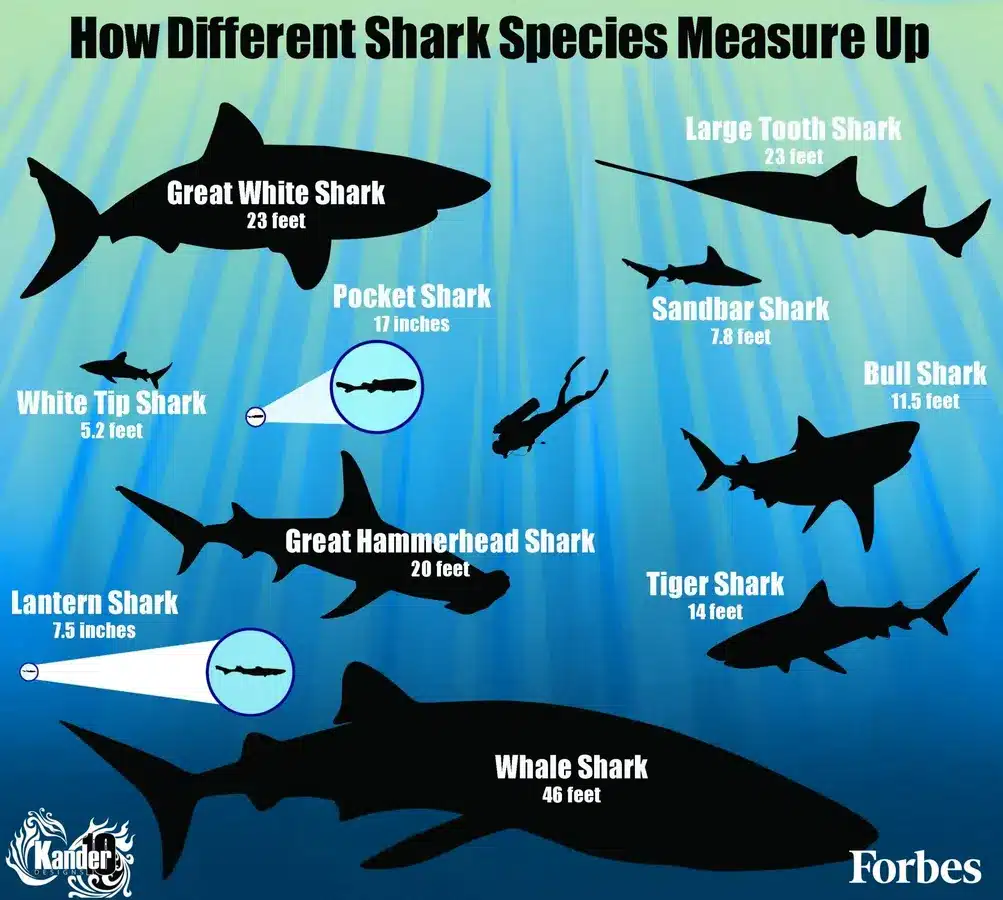
As mentioned earlier, Australia is home to around 170–180 species of sharks, including the bull shark, tiger shark, whale shark, hammerhead sharks, and the speartooth shark. Among them, the great white shark (Carcharodon carcharias) stands out as the largest predatory fish in Australian waters.
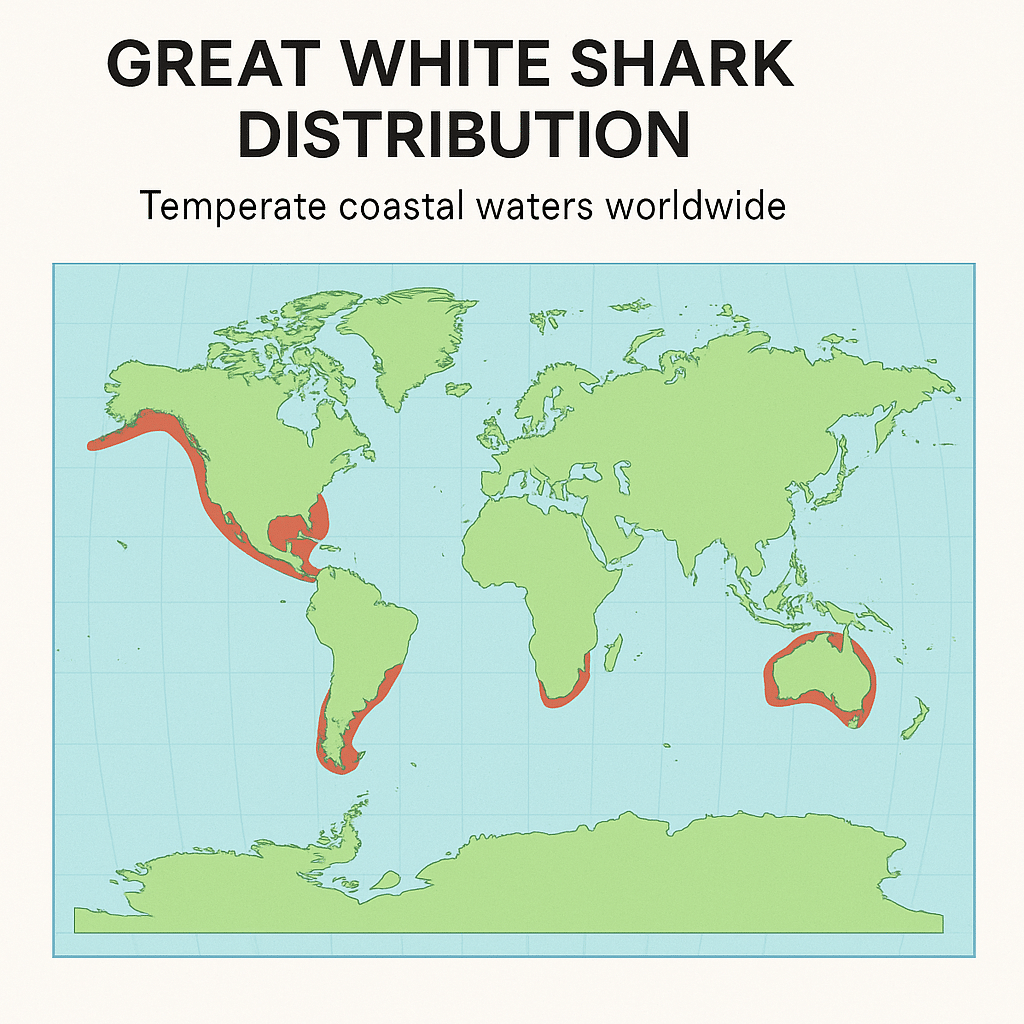
While adult great white sharks typically reach up to 4.9m in length, exceptionally large individuals can exceed 6m, though such sizes are rare. Their powerful jaws are lined with triangular, serrated teeth designed for tearing flesh. Great White shark populations are found from southern Queensland, along the coasts of New South Wales, Victoria, Tasmania, South Australia, and around Western Australia.
Great White Shark Facts
Size, Behaviour, and Ecology
Shark numbers: Current estimates suggest several thousand great whites live in Australian waters, though exact numbers are difficult to calculate due to reliance on juvenile white shark tagging programs and shark research surveys.
Size
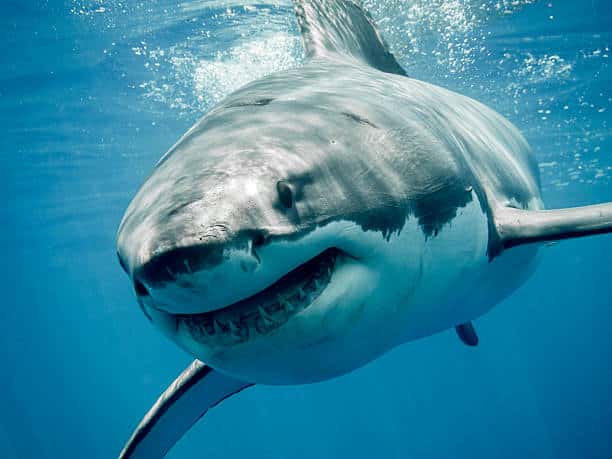
- Length: Adult great white sharks (Carcharodon carcharias) typically range from 4–5.5m, with exceptionally large females reaching up to 6m. Rare individuals may exceed this size.
- Weight: Adults weigh from 1,100–2,400kg, though rare giants can reach over 3,300kg.
Behaviour
- Feeding Patterns:
- Juvenile white sharks primarily eat fish and smaller sharks, while adults shift to marine mammals such as seals, sea lions, dolphins, and even small whales.
- Great whites are ambush predators: they often attack prey from below with a sudden, powerful bite. With marine mammals, they use a “bite and wait” strategy—inflicting a serious wound before retreating as the prey bleeds out.
- They are also opportunistic scavengers, feeding on whale carcasses and large fish.
- Hunting Habits: Although famous for surface attacks, studies show great whites spend significant time foraging near the seafloor, searching for benthic prey like bottom-dwelling fish and rays.
- Social & Investigative Behaviour: Great white sharks can display inquisitiveness towards non-food objects and may occasionally bite boats or floating debris. Their bites on humans are most often attributed to curiosity or mistaken identity rather than active hunting.
Ecology
- Distribution: Great white sharks are found in temperate coastal waters worldwide, including southern Australia, South Africa, California, and the Mediterranean.
- Migration: They are highly migratory, traveling thousands of kilometres between feeding and breeding areas. Seasonal movement is common, particularly along the Australian east coast from southern Queensland to Tasmania.
- Reproduction: Great whites are ovoviviparous: females give birth to live young (2–10 pups per litter), each over 1m in length at birth.
- Role as Apex Predator: As apex predators, great whites help maintain ecosystem balance by regulating populations of seals, dolphins, fish, and smaller sharks.
Key White Shark Facts
Fact | Detail |
Average Size | 4–5 m (adults), up to 6+ m |
Weight | 1,500–2,000 kg |
Lifespan | Up to 70 years |
Speed | Up to 40 km/h |
Conservation Status | Vulnerable (EPBC Act) |
Sharks in Australia – Shark Attack Incidents
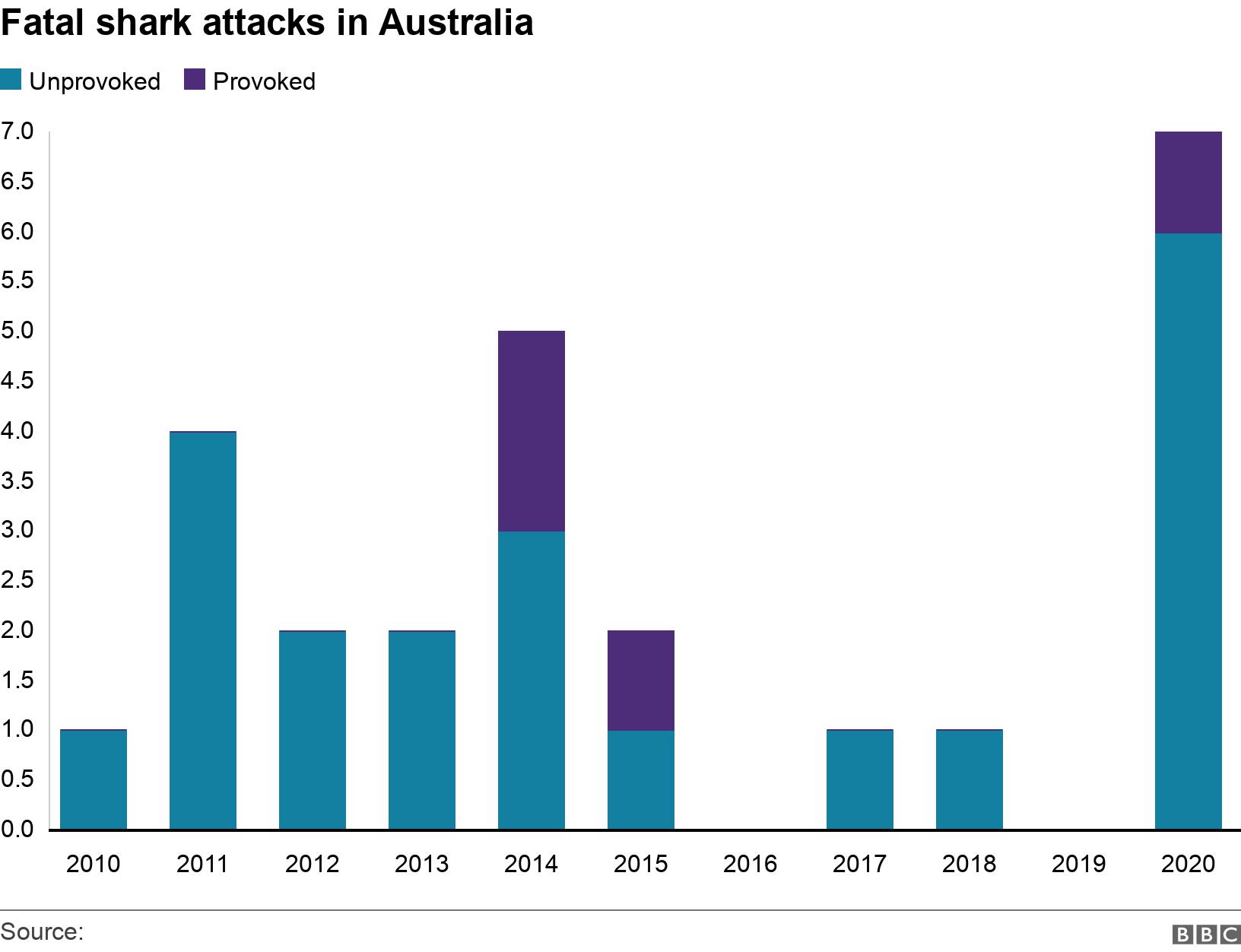
Australia maintains one of the world’s most comprehensive shark encounter records through the Australian Shark-Incident Database (ASID), managed by the Taronga Conservation Society Australia.
- Number of attacks: On average, Australia records about 15–20 unprovoked shark bites each year.
- Fatal attacks: Fatal attacks average 1–2 per year, most commonly involving great white sharks, tiger sharks, and bull sharks.
- Changing patterns of shark attacks: Patterns in shark encounters are shaped by increased human activity in the ocean, better reporting, and environmental factors that influence both shark and human behaviours.
Shark Bites in Australia (10-Year Average)
State | Avg. Shark Bites per Year | Fatal Attacks | Common Shark Species Involved |
NSW | 8–10 | 1 | Great whites, bull sharks |
QLD | 5–7 | 0–1 | Tiger sharks, bull sharks |
WA | 4–5 | 0–1 | Great whites |
SA | 1–2 | Rare | Great whites |
VIC/TAS | <1 | Rare | Port Jackson shark, others |
Learn how to control bleeding and respond to marine incidents – book your nationally certified first aid course with FirstAidPro today.
Shark Attack Prevention – How to Stay Safe

General Safety Tips
- Swim between the flags at patrolled beaches.
- Avoid swimming at dawn, dusk, or night when sharks are most active.
- Don’t swim in murky water or near schools of fish or seals.
- Remove shiny jewellery that may resemble a fish fin in the water.
- Always swim with others.
State-Specific Protection Measures
- New South Wales:
SMART drumlines and drone patrols are significant safety features replacing the Shark Meshing Program which is being phased out. The SharkSmart app provides real-time shark sightings.
- Queensland:
The Shark Control Program uses traditional drumlines and nets at many popular beaches, primarily aiming to reduce the risk of shark attacks. Both methods are designed to catch and remove sharks, though there is ongoing controversy regarding bycatch and effectiveness. Queensland is the last state to consistently use both nets and drumlines throughout whale migration season.
- Western Australia:
The SharkSmart WA app delivers real-time information on shark activity and aerial drone patrols and Surf Life Saving patrols are heavily used for monitoring.
WA did trial SMART drumlines but discontinued them in 2021 after an independent review found they were ineffective for mitigating the risk from white sharks. The state now prioritises extensive shark tagging, monitoring networks, and education over drumlines.
- South Australia (SA):
There is no shark culling or netting in SA. High caution is indeed advised near the Neptune Islands, which are known aggregation sites for adult great white sharks. Public and scientific awareness, as well as strict regulations on shark cage diving and marine tourism, are the main approaches to managing risk near such hotspots.
Great White Shark Myths – Debunked
- Myth: Sharks deliberately target humans.
- Fact: Most shark attacks in Australian waters are cases of mistaken identity when sharks confuse humans for prey.
- Myth: All sharks are dangerous.
- Fact: Of the many species of sharks in our oceans, only a few pose risk to humans.
- Myth: Shark nets guarantee safety.
- Fact: Shark nets reduce but don’t eliminate risk. They also impact other marine species.
- Myth: Shark fin soup drives Australian shark killings.
- Fact: The practice is banned in Australia; shark fin imports are restricted.
| Step | Action |
|---|---|
| 1. Remove the victim | Get the victim out of the water quickly and safely to prevent further injury or drowning. |
| 2. Control severe bleeding |
Bleeding control is the top priority. Apply direct, firm pressure with a clean cloth, pad, or your hands. If blood is spurting or won’t stop and a limb is affected:
|
| 3. Call for emergency help |
Dial 000 (Australia) or local emergency number immediately. Alert lifeguards or bystanders for assistance. |
| 4. Prevent and treat shock |
Lay the victim flat, or in the recovery position if unconscious. Keep them still and warm with dry towels/blankets. Remove wet clothing to reduce heat loss. |
| 5. Continue bleeding control & monitor |
If direct pressure is ineffective, maintain the tourniquet and continue to pack the wound with cloth/bandage. Monitor for shock or loss of consciousness until help arrives. |
| 6. Do not clean deep wounds | Do not wash or attempt to “clean” deep wounds in the field. Focus on bleeding control and emergency help. |
| 7. Always seek medical care | All shark bites, even minor ones, require hospital assessment for wound cleaning and antibiotics to prevent infection. |
| Key points |
|
Gain confidence in emergency response – enrol in a nationally accredited first aid course with FirstAidPro now.
Great White Shark Knowledge Quiz
Test your understanding of Australian great white sharks
Your Answers:
References
Taronga Conservation Society Australia – Australian Shark-Incident Database
NSW Department of Primary Industries – SharkSmart Program
WA Department of Fisheries – SharkSmart WA
Australian Government – EPBC Act & White Shark Recovery Plan
Surf Life Saving Australia – Beach Safety Guidelines
Frequently Asked Questions
- Great white sharks are distributed widely throughout temperate Australian waters, but they’re most commonly associated with the southern half of the continent—from Queensland’s southeast through to WA’s northwest, including Tasmania and South Australia’s island regions.
Yes, they are listed as vulnerable under the EPBC Act and cannot be legally hunted.
Around 20–25 shark bite incidents annually, with 0–2 fatalities.
At dawn, dusk, and during whale migration seasons.
Swim at patrolled beaches, avoid murky waters, and stay in groups.