



Sharon has 21+ years of experience as a qualified Emergency Care Nurse registered with the Australian Health Practitioner Regulation Agency (APHRA) and 12+ years as a First Aid Trainer.
She takes pride in FirstAidPro making first aid training available, comprehensive and affordable to everybody.
HLTAID014 Provide Advanced First Aid is a nationally recognised training course that equips participants with comprehensive first aid skills to manage complex medical emergencies, multiple casualty incidents, and deliver advanced resuscitation techniques in challenging environments. This advanced first aid course goes far beyond basic first aid and CPR training, preparing responders to handle serious injuries, advanced airway management, spinal injury care, and emergency situations in remote settings where professional medical help may be delayed.
Whether you’re a workplace first aid officer, emergency response professional, or work in high-risk industries, this comprehensive training course provides the essential first aid skills and knowledge required to save lives in critical situations.
Ready to advance your first aid skills? Enrol in HLTAID014 with First Aid Pro today and gain the confidence to handle complex medical emergencies with Australia’s leading registered training organisation.
Key Takeaways
- HLTAID014 Provide Advanced First Aid goes beyond basic certification.
- The course covers complex injury management, CPR, spinal care, multiple casualty incidents, and remote first aid.
- Nationally accredited training ensures compliance with Australian Resuscitation Council guidelines.
- Essential for workplace first aid officers and high-risk industries.
What is HLTAID014 Provide Advanced First Aid Certification?
HLTAID014 Provide Advanced First Aid is a comprehensive training course that builds upon basic first aid and CPR skills to address complex emergency scenarios. This nationally accredited training qualification is designed for individuals who may be required to provide first aid in challenging situations where basic first aid techniques are insufficient.
The advanced first aid course covers treatments specific to advanced conditions, including managing severe trauma, coordinating multiple casualty incidents, and delivering care in remote locations where emergency services may be hours away. Unlike basic first aid training, this course emphasises advanced assessment techniques, sophisticated airway management, and the psychological aspects of emergency response.
This first aid training is essential for workplace first aid officers in high-risk industries, emergency service volunteers, outdoor activity leaders, and healthcare workers who need enhanced emergency response capabilities. The course provides comprehensive knowledge aligned with Australian Resuscitation Council guidelines and recommendations from Australia’s national peak clinical bodies.
Key Differences from Basic First Aid:
| Basic First Aid (HLTAID011) | Advanced First Aid (HLTAID014) |
|---|---|
| Immediate life-saving interventions | Complex injury management and extended care |
| Single casualty focus | Multiple casualty incident management |
| Basic airway techniques | Advanced airway management and oxygen therapy |
| Standard environment scenarios | Remote and challenging environment preparation |
| 5 hour course duration | 6 hour intensive training |
Who Needs HLTAID014 Advanced First Aid Training?
Workplace First Aid Officers and Safety Representatives
Workplace first aid officers in high-risk industries require advanced first aid training to meet their duty of care obligations under Work Health and Safety legislation. Industries such as construction, mining, manufacturing, and logistics often mandate HLTAID014 certification for designated first aiders due to the increased likelihood of serious injuries and the potential for delayed emergency medical services.
Safety representatives and health and safety committee members benefit from this training course to better understand emergency response protocols and contribute meaningfully to workplace safety planning. The comprehensive training ensures workplace first aiders can provide immediate, life-saving care while coordinating with professional emergency services.
Emergency Response Personnel and Security Staff
Police officers, security guards, and emergency services volunteers require advanced first aid skills to respond effectively to serious incidents. The course teaches participants how to manage trauma from vehicle accidents, workplace incidents, and public safety emergencies where basic first aid skills may be insufficient.
Security personnel at airports, shopping centres, sporting venues, and entertainment facilities often encounter medical emergencies requiring advanced intervention. This training course equips them with the skills and knowledge to provide appropriate care until paramedics arrive.

Education and Youth Sector Workers Requiring Advanced Skills
Teachers, school administrators, and outdoor education instructors working in remote locations or with high-risk activities need comprehensive first aid training. The course covers paediatric emergencies, sports-related injuries, and managing medical emergencies when professional help is not immediately available.
Camp counsellors, youth group leaders, and adventure activity coordinators particularly benefit from the remote first aid components of HLTAID014, learning to improvise medical equipment and coordinate evacuation procedures in challenging environments.
Tourism and Recreation Industry Professionals
Tour guides leading groups into remote areas, adventure tourism operators, and outdoor recreation professionals require advanced first aid training to manage emergencies far from medical facilities. The course provides essential first aid skills for managing serious injuries in locations where evacuation may take hours or days.
Hotel and resort safety managers, cruise ship crew members, and theme park operators use this training to respond to diverse medical emergencies affecting guests from various age groups and health backgrounds.

Healthcare Workers Seeking Extended First Aid Competency
Aged care facility staff, disability support workers, and community health professionals benefit from advanced first aid training to supplement their existing healthcare knowledge. The course teaches emergency response techniques outside their usual scope of practice and provides confidence in crisis situations.
Allied health professionals working in remote or underserved communities particularly value the extended care protocols taught in HLTAID014, enabling them to provide appropriate emergency care when medical evacuation is delayed.
Remote and High-Risk Industry Workers
Mining and construction site supervisors, oil and gas industry personnel, and agricultural operations managers often work in locations where emergency medical services response times are extended. HLTAID014 advanced first aid training provides the comprehensive first aid skills necessary to manage serious injuries until professional help arrives.
Aviation crew members, maritime workers, and offshore industry personnel require advanced emergency response capabilities due to their isolated working environments and the potential severity of workplace incidents.
Essential Components of HLTAID014 Advanced First Aid Training
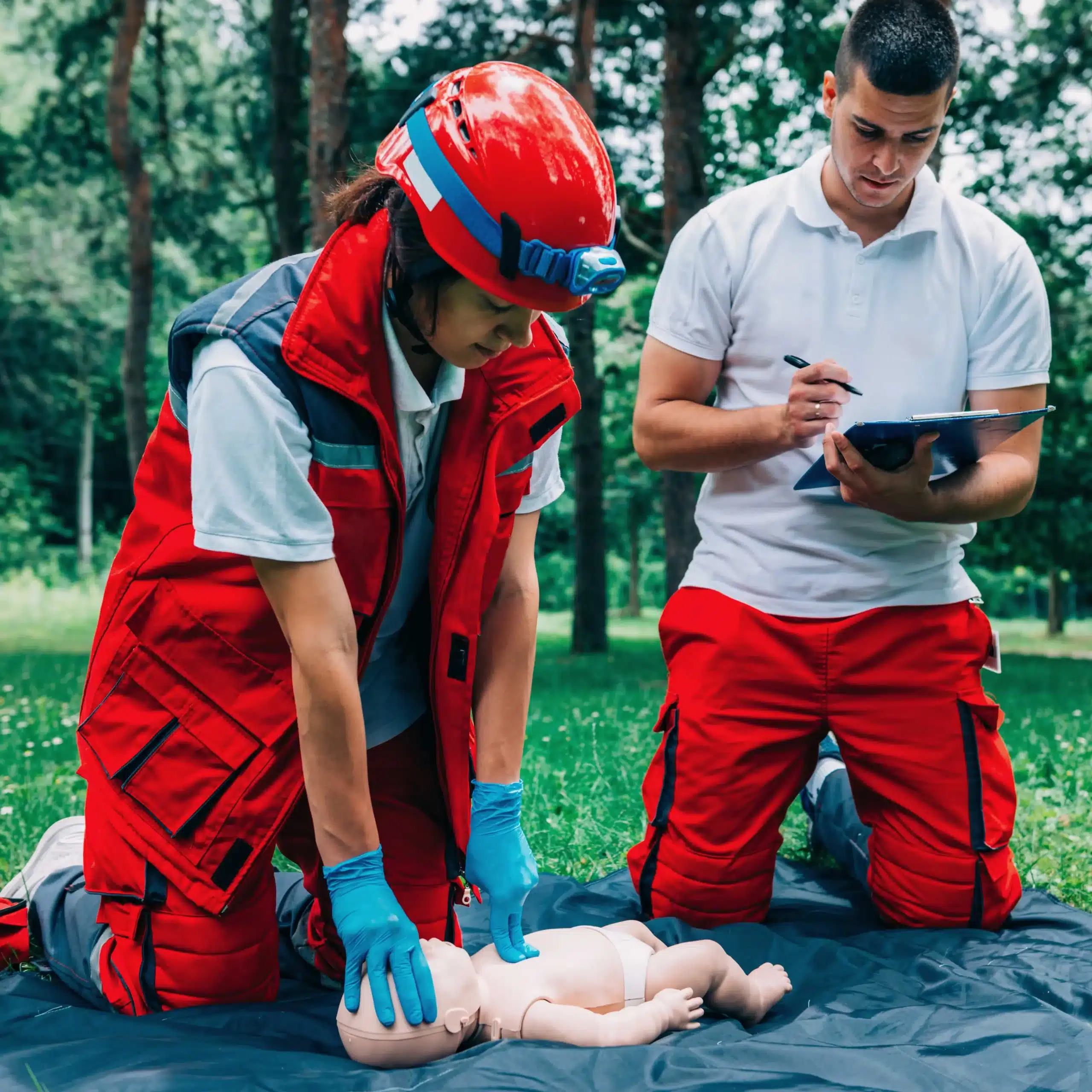
Advanced Assessment Techniques for Complex Medical Emergencies
The HLTAID014 course teaches systematic patient assessment techniques that go beyond basic first aid protocols. Participants learn primary and secondary assessment methods based on Australian Resuscitation Council guidelines, enabling them to rapidly identify life-threatening conditions and prioritise treatment interventions.
Primary assessment focuses on the critical DRSABCD approach (Danger, Response, Send for help, Airway, Breathing, Circulation, Defibrillation), whilst secondary assessment involves comprehensive patient evaluation including vital signs monitoring, neurological checks, and systematic injury identification. The training course emphasises the importance of continuous patient monitoring and recognition of deteriorating conditions.
Documentation and communication strategies form a crucial component of advanced assessment training. Course participants learn to record accurate incident reports, communicate effectively with emergency services, and provide structured handover information to arriving medical professionals.
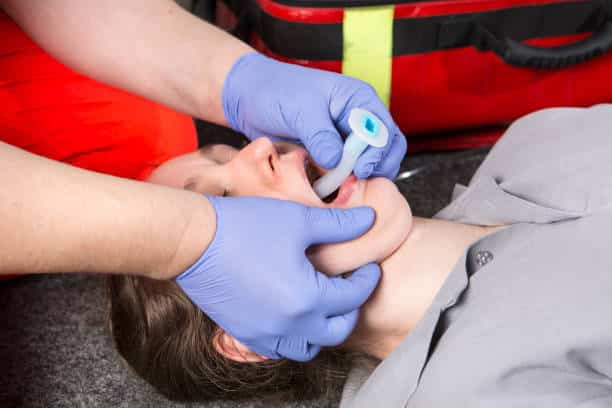
Managing Severe Trauma and Complex Injuries in Emergency Situations
Advanced first aid training covers comprehensive management of severe trauma beyond basic wound care. Participants develop skills in controlling major bleeding using pressure points, tourniquets, and haemostatic agents whilst managing shock and maintaining patient stability.
The course provides detailed instruction on fracture management, including improvised splinting techniques and safe patient positioning. Burns assessment and treatment protocols cover chemical, electrical, and thermal injuries, with emphasis on preventing infection and managing pain in extended care scenarios.
Internal injury recognition forms a critical component of trauma management training. Course participants learn to identify signs of internal bleeding, pneumothorax, and other life-threatening conditions that may not be immediately apparent but require urgent medical intervention.
Advanced Airway Management Techniques for First Aid Responders
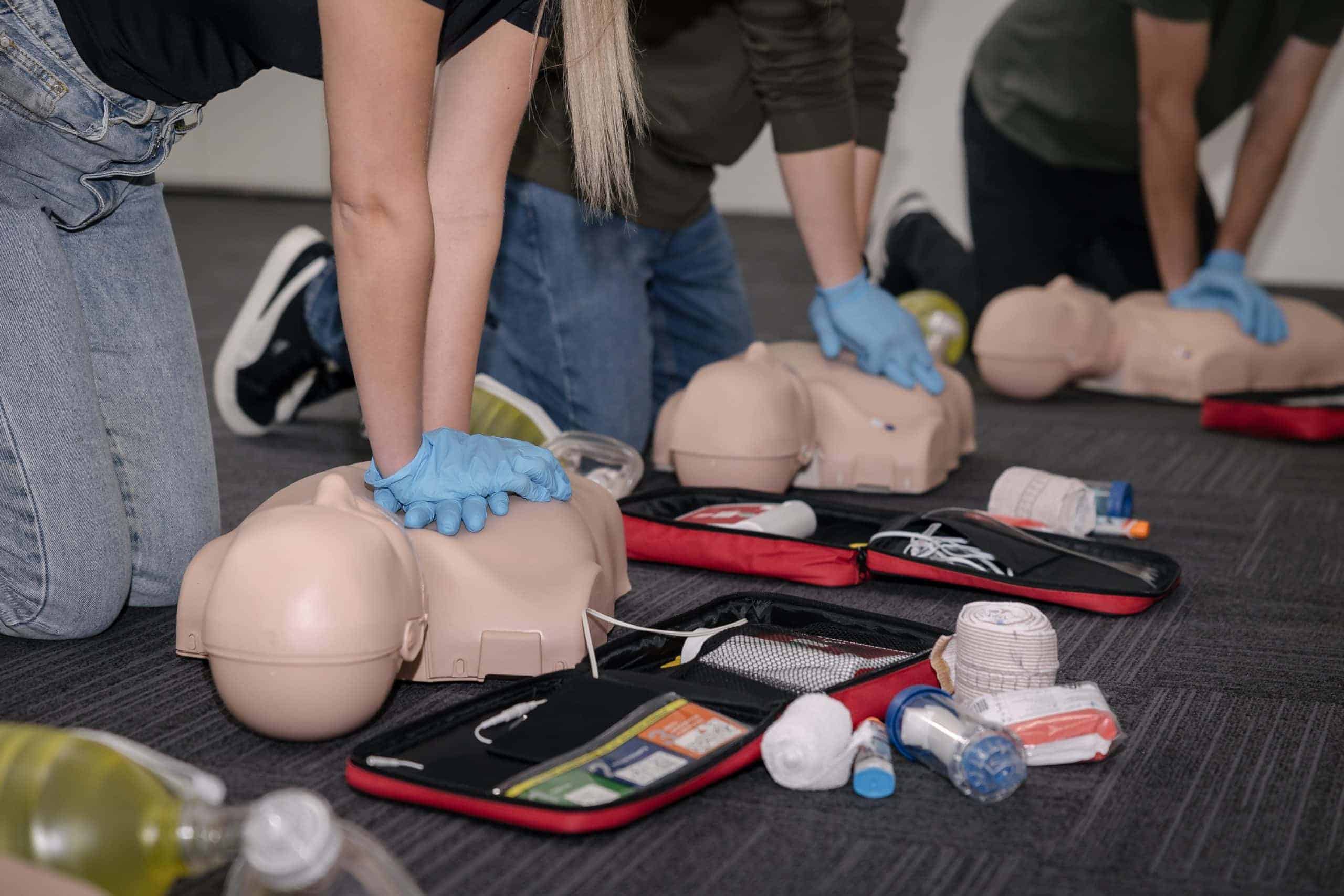
When Basic Airway Interventions Are Not Sufficient
HLTAID014 advanced first aid training teaches participants to recognise when standard airway opening techniques are inadequate for maintaining patient breathing. Complex airway obstruction scenarios, unconscious patients with compromised airways, and facial trauma cases require sophisticated intervention techniques beyond basic first aid scope.
The training course covers assessment of airway compromise in unconscious patients, including recognition of snoring, stridor, and other abnormal breathing sounds that indicate partial obstruction. Participants learn modified positioning techniques for patients with suspected cervical spine injuries where standard head-tilt chin-lift manoeuvres are contraindicated.
Foreign body obstruction management extends beyond basic choking protocols to include techniques for unconscious patients and complex obstructions that don’t respond to standard back blows and chest thrusts.
Advanced Airway Support Methods Within First Aid Scope
The HLTAID014 course, “Provide Advanced First Aid,” delivers training in advanced airway management techniques focused on practical first aid responder scenarios in line with Australian Resuscitation Council (ARC) guidelines.
Key Airway Management Techniques in HLTAID014
Airway positioning: Emphasises proper positioning of unconscious patients to reduce airway compromise and facilitate effective breathing, including recovery position and head-tilt/chin-lift and jaw-thrust maneuvers for suspected spinal injury.
Choking and obstruction management: Includes recognition and immediate management of airway obstructions (e.g., choking), with practical skills in delivering back blows, chest thrusts, and encouraging effective coughing.
Manual airway clearance: Responds to regurgitation or vomiting during CPR by clearing the mouth and airway with available manual techniques (e.g., finger sweep — only if visible matter is present).
CPR and rescue breathing: Teaches effective single- and two-rescuer CPR including correct airway opening techniques, using resuscitation barrier devices (e.g., face shields or pocket masks).
Use of ancillary equipment: Utilises basic airway adjuncts and devices included in standard first aid kits, such as resuscitation masks and suction units, following manufacturer instructions.
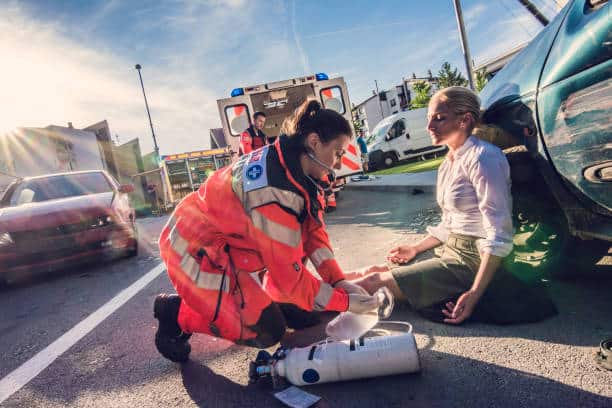
Oxygen therapy (if available): Covers safe administration of oxygen via simple and non-rebreather masks, in line with workplace resources and responder’s scope.
Spinal Injury Care and Immobilisation Protocols
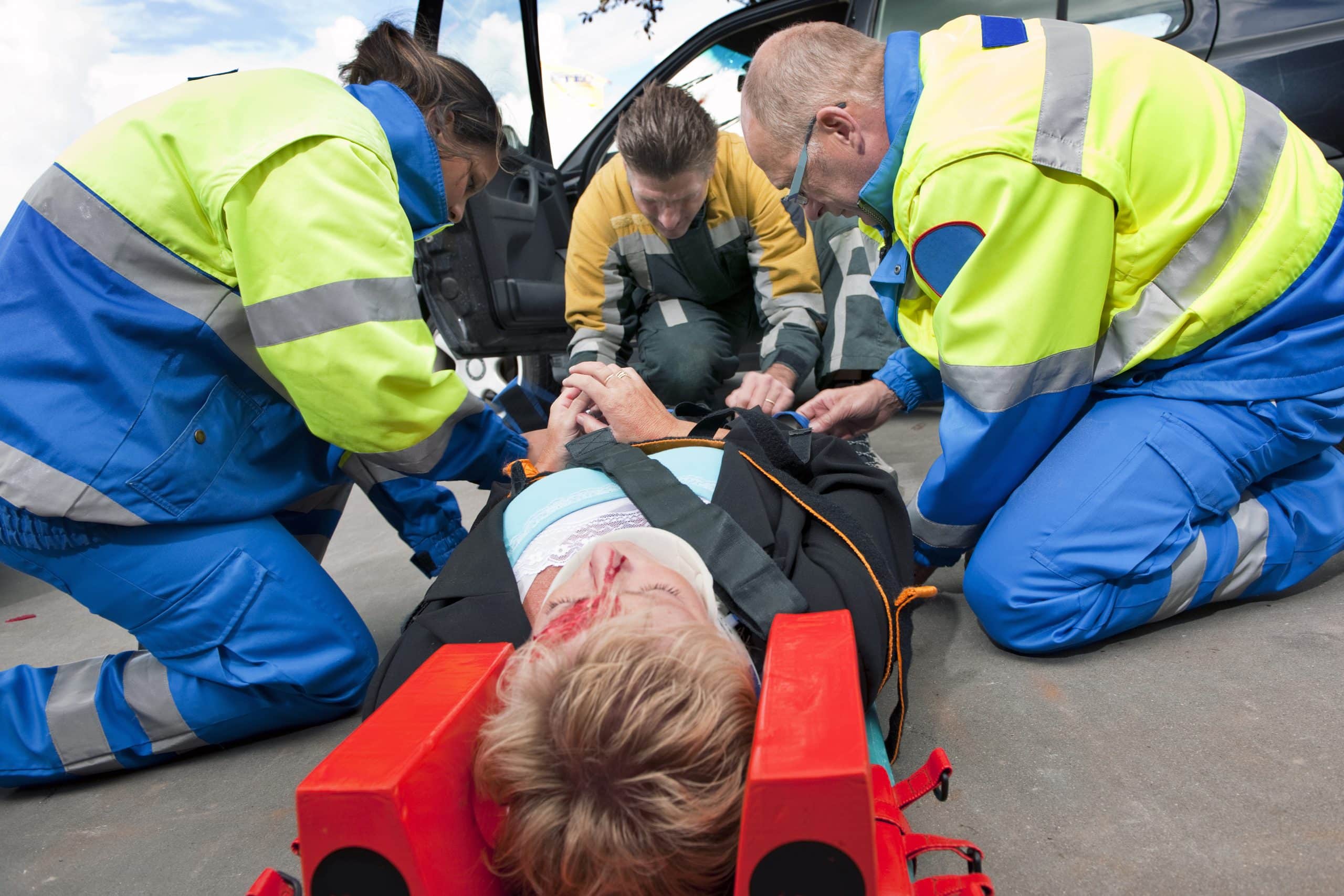
Recognising Potential Spinal Injuries in Emergency Scenarios
The HLTAID014 course, “Provide Advanced First Aid,” teaches the recognition and basic management of potential spinal injuries in emergency situations. First aiders are trained to identify common scenarios associated with spinal trauma—such as motor vehicle accidents, falls from heights, diving incidents, and direct trauma to the head or neck—through assessment of the mechanism of injury.
Key clinical indicators first aiders look for include altered consciousness and neck or spinal pain, as well as observable signs consistent with possible spinal compromise. The course instructs participants in basic assessment skills appropriate to their role: checking for movement and sensation in limbs if safe, and being alert to symptoms that suggest serious injury.
Spinal injury management in HLTAID014 prioritises minimising movement, applying manual stabilisation, and ensuring the airway is maintained in line with the Australian Resuscitation Council (ARC) guidelines. Instruction focuses on safe casualty handling and when and how to use spinal immobilisation equipment if available.
Safe Patient Movement and Spinal Immobilisation Techniques
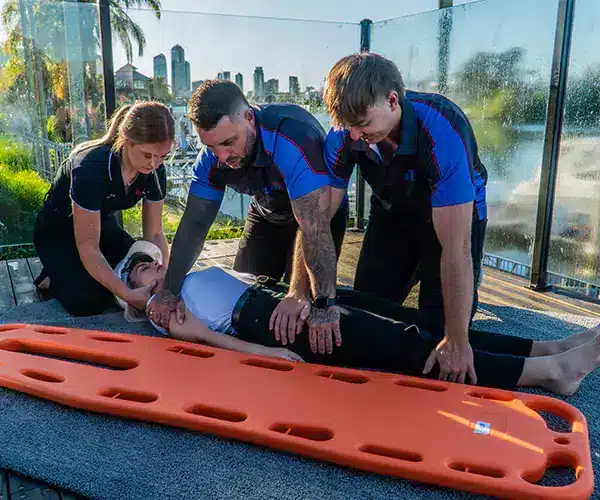
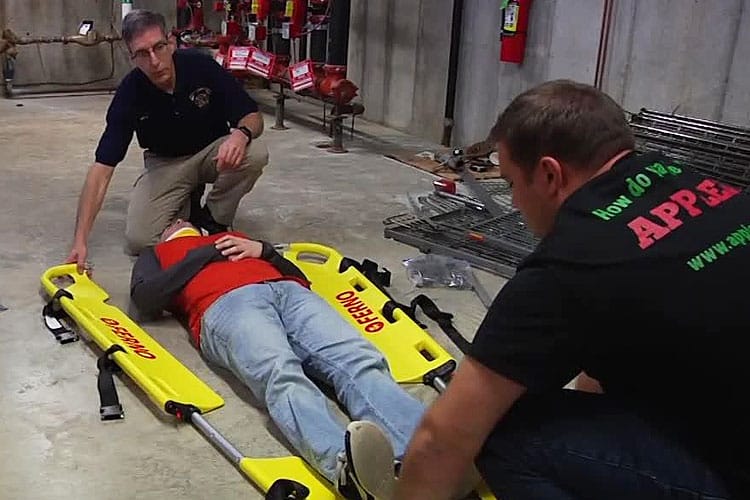
HLTAID014 course participants learn coordinated team-based approaches to casualty movement, emphasising spinal protection through effective communication and planning. The log roll maneuver is demonstrated and practiced, typically in a team scenario, to safely move patients with suspected spinal injuries while maintaining spinal alignment. Roles such as the head controller and assistants are emphasised to ensure correct technique during movement.
Essential immobilisation equipment—including cervical collars, spinal boards, head blocks, tapes and straps, padding, and improvisation with available materials—is outlined in course content. Participants receive supervised, hands-on experience in identifying, selecting, positioning, and securing spinal immobilisation equipment when available. Improvised immobilisation strategies are also covered to prepare responders for settings where standard equipment may be unavailable.
As training reflects first aid responder scope: the focus is on foundational immobilisation and movement skills for initial emergency care, referring more advanced spinal management to higher-level clinical providers.
Triage Principles for First Aid Responders in Mass Casualty Events
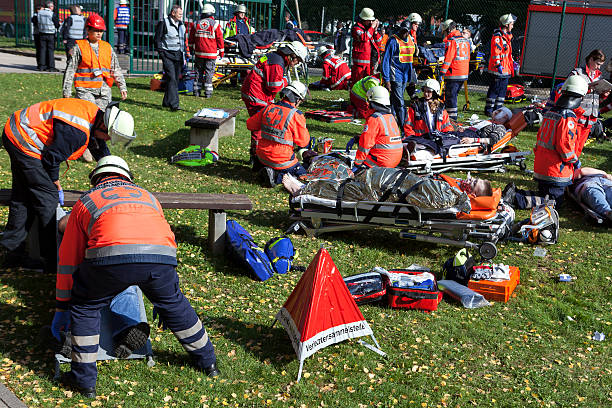
HLTAID014 training provides first aid responders with foundational instruction in triage principles appropriate for multi-casualty incidents. The course equips participants to rapidly assess and prioritise multiple casualties by applying systematic approaches such as the Simple Triage and Rapid Treatment (START) protocol or similar methods, ensuring efficient allocation of care and resources in emergency situations.
HLTAID014 Participants learn to classify patients using color-coded categories based on the severity of injuries and immediate need for intervention. These categories typically include:
- Immediate (red): patients with life-threatening injuries who require urgent treatment.
- Delayed (yellow): individuals with serious but not immediately life-threatening conditions.
- Minor (green): those with minor injuries who can wait for treatment or assist others.
- Deceased/Expectant (black): casualties who are not expected to survive or show no signs of life.
The training emphasises the importance of clear communication, teamwork, and adaptability when performing triage, allowing first aid responders to contribute effectively in mass casualty emergencies and to coordinate care until advanced help arrives.
START Triage Protocol:
Assessment Step | Criteria | Triage Category |
Walking wounded | Can walk and follow commands | Delayed (Yellow) |
Breathing assessment | Not breathing after airway opening | Deceased (Black) |
Respiratory rate | >30 breaths per minute | Immediate (Red) |
Circulation check | Absent radial pulse or >2-second capillary refill | Immediate (Red) |
Mental status | Cannot follow simple commands | Immediate (Red) |
All others | Stable vital signs, conscious | Delayed (Yellow) |
Training emphasises the emotional challenges of triage decisions and provides strategies for maintaining objectivity during overwhelming scenarios. Course participants practice scenario-based exercises involving multiple casualties with varying injury patterns and resource limitations.
Coordinating Care When Multiple Patients Require Immediate Attention
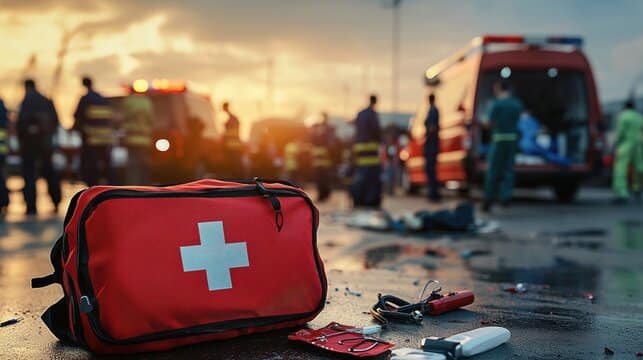
The HLTAID014 advanced first aid course teaches effective coordination and delegation techniques essential for managing multiple casualty incidents. Participants learn to establish command structure, assign roles based on available personnel skills, and maintain oversight of treatment priorities whilst delivering direct patient care.
Communication protocols with emergency services become crucial in mass casualty scenarios. The course covers effective radio communication techniques, structured situation reporting using METHANE format (Major incident, Exact location, Type of incident, Hazards, Access routes, Number of casualties, Emergency services required), and coordination with arriving professional responders.
Want to master advanced emergency response skills? Book your HLTAID014 course with First Aid Pro and learn from experienced instructors in realistic training scenarios.
Psychological first aid principles taught in the course help responders manage their own stress whilst providing emotional support to conscious casualties. Training includes recognition of acute stress reactions, basic psychological support techniques, and understanding when professional psychological intervention is required.
Legal and Ethical Considerations for Advanced First Aid Providers

Duty of Care and Scope of Practice in Advanced First Aid Settings
HLTAID014 training includes comprehensive coverage of legal obligations and limitations for advanced first aid providers. Course participants learn about duty of care requirements, understanding when they are legally obligated to provide assistance and the extent of their responsibilities under Australian law.
Scope of practice limitations receive significant emphasis, ensuring first aiders understand which interventions fall within their training boundaries and when to defer to medical professionals. The course clearly defines the difference between first aid and medical treatment, preventing providers from exceeding their qualifications.
Consent and capacity issues form a crucial component of legal training. Participants learn to obtain informed consent from conscious patients, understand implied consent in emergency situations, and navigate consent issues involving minors and patients with diminished capacity.
Documentation requirements receive detailed coverage, teaching participants to complete accurate incident reports that meet legal and insurance requirements whilst protecting patient privacy and confidentiality.
Managing Complex Injuries and Advanced Trauma Care
Severe Bleeding Control and Shock Management
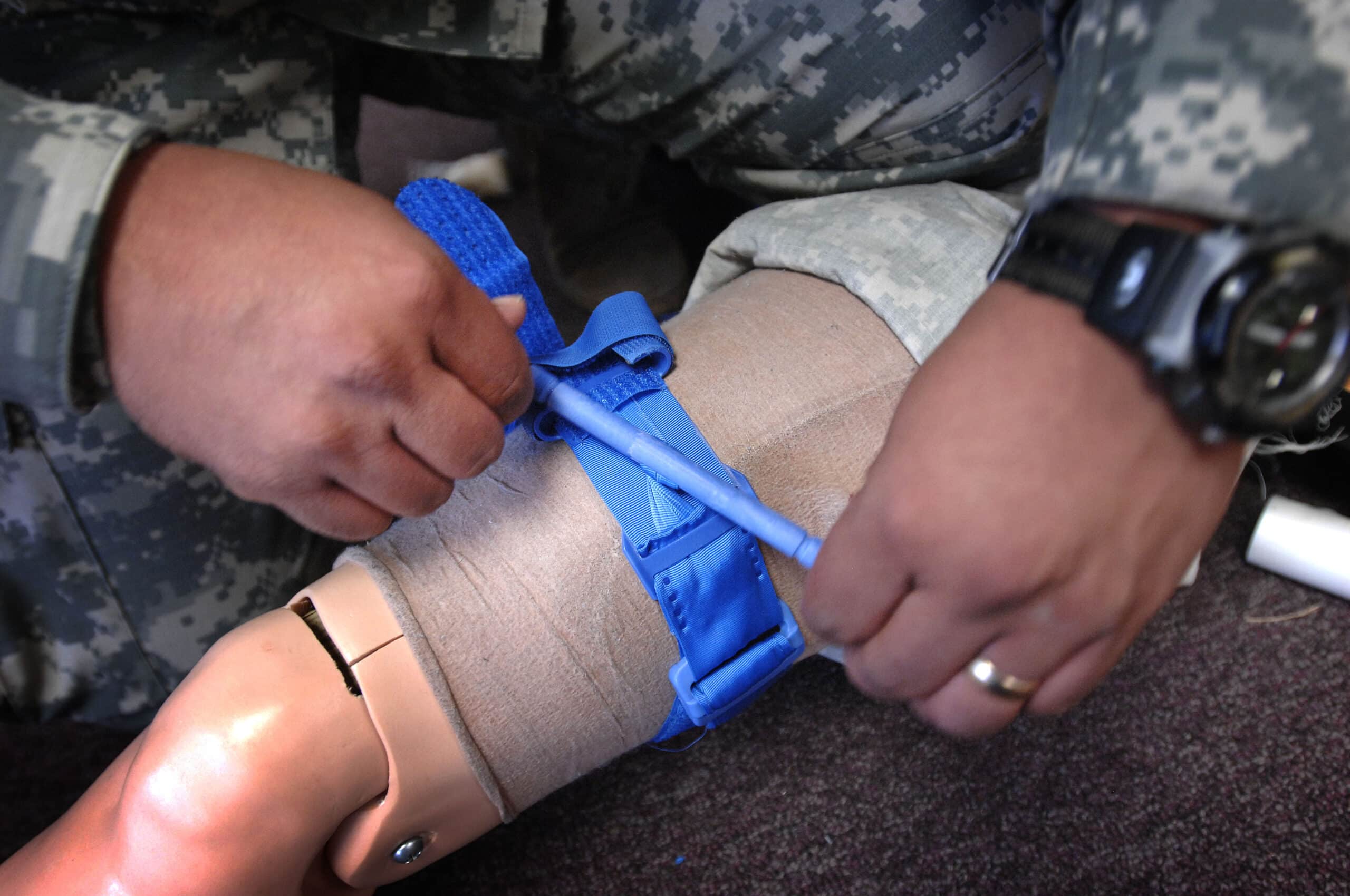
Advanced first aid training provides comprehensive instruction in haemorrhage control techniques beyond basic pressure and elevation. The HLTAID014 course covers pressure point application, tourniquet use for severe limb bleeding, and in some cases, haemostatic agent application according to current evidence-based guidelines.
Shock recognition and management receive extensive coverage, teaching participants to identify early signs of circulatory compromise including altered mental state, weak pulse, pallor, and cool skin. The course emphasises aggressive shock prevention through proper positioning, temperature regulation, and psychological support.
Participants learn the physiology of shock and understand why rapid intervention is crucial for patient survival. Training includes recognition of different shock types including hypovolaemic, cardiogenic, and distributive shock, with appropriate first aid interventions for each category.
Burns Assessment and Advanced Wound Care
The course provides detailed burns assessment training using the rule of nines method for calculating burn surface area and determining injury severity. Participants learn to distinguish between superficial, partial thickness, and full thickness burns, understanding the implications for treatment and evacuation urgency.
Chemical burns, electrical injuries, and radiation exposure receive specialised coverage with emphasis on safety considerations and appropriate decontamination procedures. The training course teaches participants to recognise complications including airway burns and systemic toxicity requiring immediate medical intervention.
Burns Assessment Guide:
Burn Type | Characteristics | First Aid Treatment | Evacuation Priority |
Superficial | Red, painful, no blisters | Cool water, moisturise | Low unless extensive |
Partial thickness | Red, blistered, very painful | Cool water, protect blisters | Moderate to high |
Full thickness | White/charred, painless | Cool water, cover, don’t break blisters | High priority |
Chemical | Variable appearance, ongoing damage | Continuous irrigation, remove contaminated clothing | High priority |
Advanced wound care techniques include proper cleaning and dressing of contaminated wounds, foreign body management, and recognition of signs requiring surgical intervention. The course emphasises infection prevention through proper technique and appropriate dressing selection.
Comprehensive CPR and Resuscitation Training
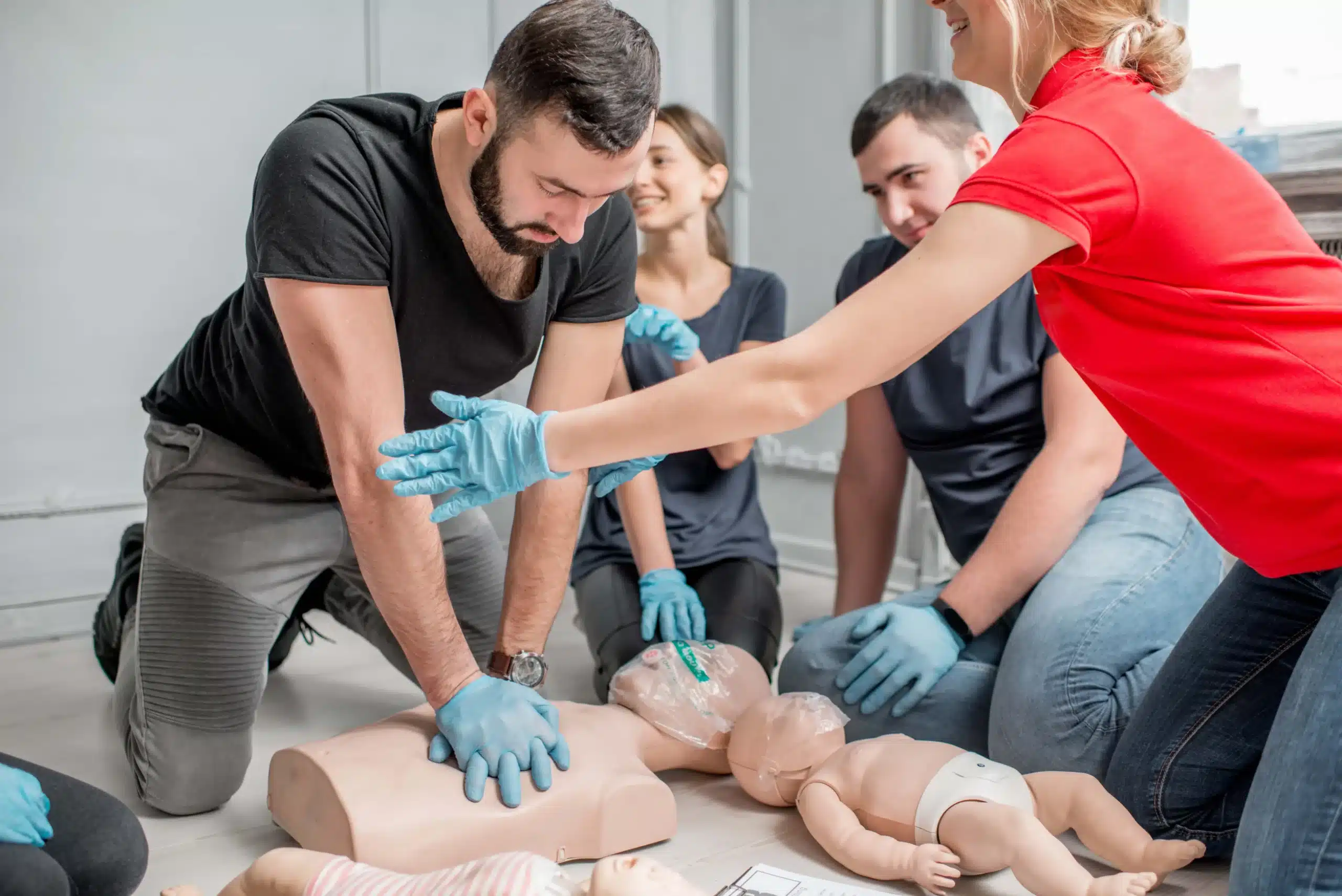
The HLTAID014 course provides comprehensive CPR and resuscitation training in line with the latest Australian Resuscitation Council (ARC) guidelines. This training forms a core part of the advanced first aid curriculum and prepares participants to respond confidently to life-threatening emergencies in both community and workplace settings.
HLTAID014 Advanced First Aid — CPR & Resuscitation Overview
Course Content and Key Learning Outcomes (aligned with ARC guidance)
CPR Techniques
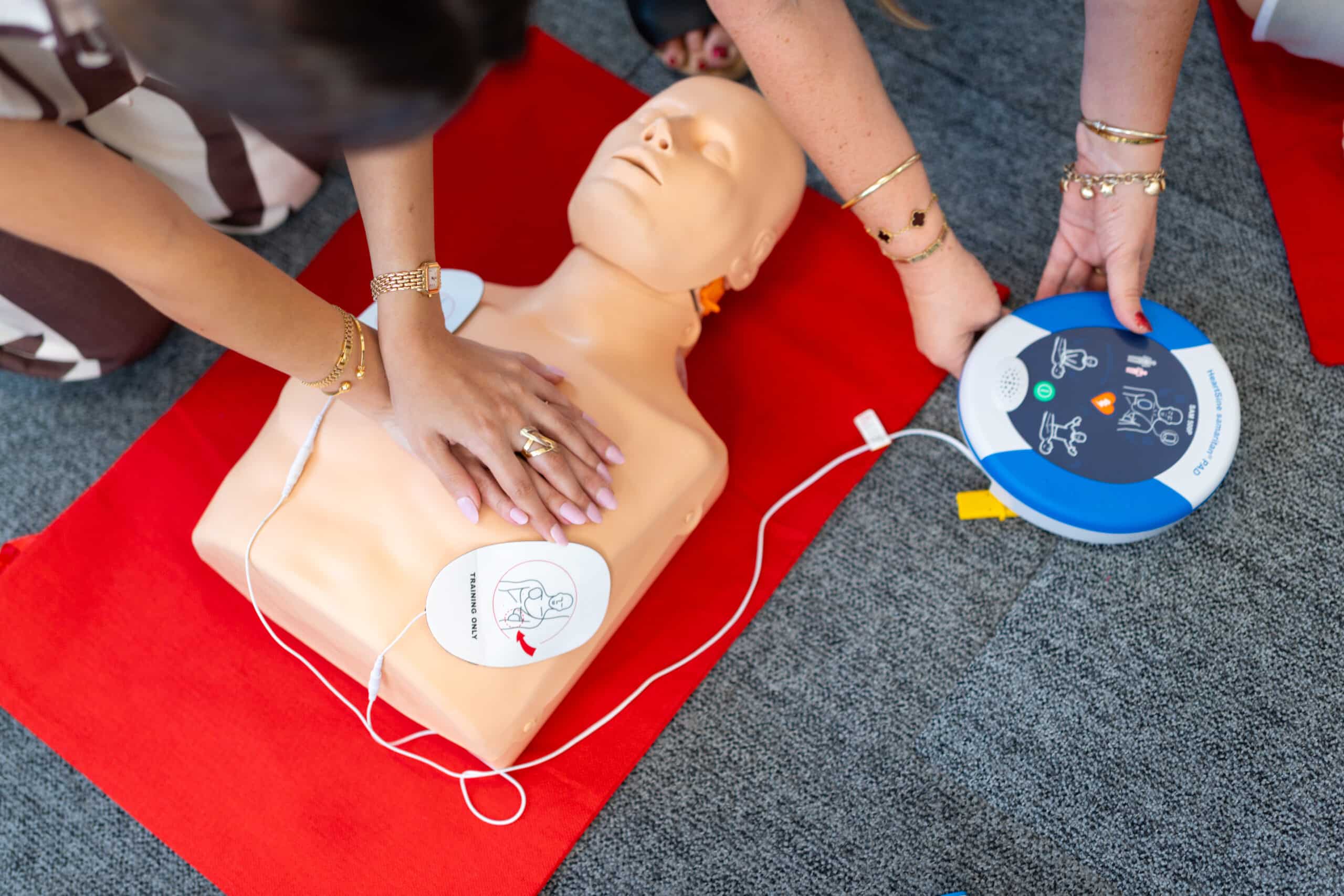
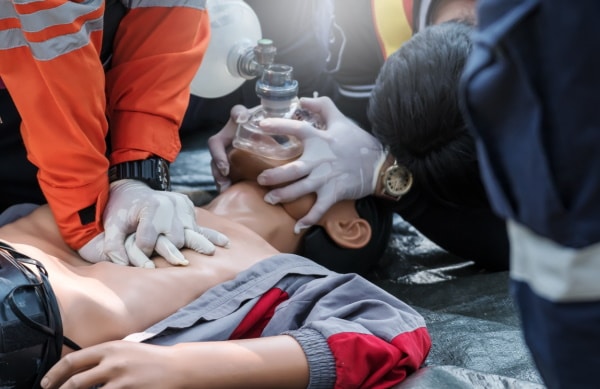
Perform high-quality, uninterrupted CPR on adults, children and infants, covering single-rescuer and two-rescuer methods. Practical sessions use manikins and realistic emergency scenarios.
Airway Management & Barrier Devices
- Airway positioning: head-tilt/chin-lift and jaw thrust.
- Use of pocket masks and barrier shields.
- Managing regurgitation or vomiting during CPR.
Automated External Defibrillator (AED)
Operate an AED confidently: attach pads, follow prompts, and deliver at least one shock as part of assessment.
Team-Based Resuscitation
HLTAID014 emphasises coordinated roles, clear communication and leadership in multi-casualty or complex scenarios.
Special Scenarios
- Trauma-related resuscitation.
- Anaphylaxis and severe allergic reactions.
- Drowning and other emergencies.
Incident Management
Complete incident reports and provide structured handovers to emergency medical services to ensure continuity of care.
Assessment Requirements (Critical)
- Demonstrate CPR for a minimum of 2 minutes on adult and infant manikins.
- Operate an AED and deliver at least one shock.
- Participate effectively in simulated emergencies and team-based response.
Key Learning Outcomes
- Mastery of the DRSABCD protocol (Danger, Response, Send for help, Airway, Breathing, CPR, Defibrillation).
- Competence in adult, child and infant CPR, with and without barrier devices.
- Ability to use AEDs and work effectively in team-based emergencies.
- Understanding of the importance of early, effective CPR and defibrillation for survival.
- Adherence to Australian Resuscitation Council (ARC) guidelines and best practice.
- Capability to coordinate care, manage incidents and maintain care until advanced help arrives.

Specialised Resuscitation Scenarios
The HLTAID014 unit of competency includes knowledge and practical performance for a wide range of emergencies, including:
- Managing a casualty for drowning, following Australian Resuscitation Council guidelines for CPR and specific resuscitation principles appropriate to a water incident.
- Recognising, preventing, and treating hypothermia, including performing resuscitation in scenarios where hypothermia is a factor.
Key Actions Covered
HLTAID014 candidates must show they can:
- Identify signs and provide appropriate first aid for drowning and hypothermia during assessments and simulated scenarios.
- Apply correct CPR techniques for drowning, including emphasis on rescue breathing prior to compressions when required.
- Address hypothermia by preventing further heat loss, gently handling patients, and adapting resuscitation protocols as per best practice.
Advanced Communication and Coordination Skills
Effective communication with emergency services forms a crucial component of multiple casualty incident management. The HLTAID014 course teaches structured reporting techniques using standardised formats that ensure critical information reaches professional responders quickly and accurately.
Radio communication protocols and emergency frequency usage receive practical training, preparing participants to coordinate with police, fire, and ambulance services during large-scale incidents. The course emphasises clear, concise communication techniques that minimise confusion and ensure accurate information transmission.
Team coordination strategies help first aiders work effectively with untrained bystanders, other first aiders, and arriving professional responders. Training includes delegation techniques, supervision of volunteers, and maintaining treatment continuity during personnel changes.
Take your emergency response skills to the next level. Enrol in nationally accredited HLTAID014 training with First Aid Pro and join thousands of professionals who trust our expert instruction and comprehensive course delivery.
Psychological First Aid and Stress Management

Supporting Casualties and Bystanders During Traumatic Events
HLTAID014 training recognises the psychological impact of medical emergencies on patients, bystanders, and responders. The course teaches basic psychological first aid techniques including active listening, reassurance strategies, and recognising signs of acute stress reactions requiring professional intervention.
Communication techniques for conscious casualties emphasise honesty balanced with appropriate hope and encouragement. Participants learn to explain procedures clearly, obtain cooperation during painful interventions, and provide realistic reassurance without making promises about outcomes.
Bystander management strategies help first aiders utilise willing helpers effectively while protecting them from traumatic exposure. The course covers assigning appropriate tasks, maintaining crowd control, and recognising when bystanders require psychological support themselves.
Responder Stress Management and Self-Care
The HLTAID014 training course addresses the psychological impact of emergency response on first aiders themselves. Participants learn to recognise signs of acute stress reactions including tunnel vision, time distortion, and decision-making impairment that can affect emergency response effectiveness.
Stress management techniques taught include controlled breathing exercises, positive self-talk strategies, and systematic debriefing methods following serious incidents. The course emphasises the importance of peer support and professional counselling when traumatic experiences affect responder wellbeing.
Critical incident stress management principles help participants understand normal reactions to abnormal events and develop healthy coping strategies. The training promotes early intervention for stress-related symptoms and emphasises the importance of seeking professional support when needed.
Course Requirements and Certification Process
HLTAID014 Course Prerequisites and Entry Requirements
Entry into HLTAID014 Provide Advanced First Aid training generally requires current HLTAID011 Provide First Aid certification or equivalent basic first aid qualification. Some training providers may accept equivalent overseas qualifications with appropriate evidence of competency and English language proficiency.
Physical requirements for course participation include ability to perform chest compressions for extended periods, lift and move patients safely, and participate in practical scenarios requiring mobility and coordination. Course participants should disclose any medical conditions that might affect their ability to perform emergency response duties.
The nationally registered training organisation delivering the course must verify participant identity, assess English language competency sufficient for emergency communication, and ensure all prerequisite qualifications are current and verifiable.
Assessment Methods and Competency Requirements
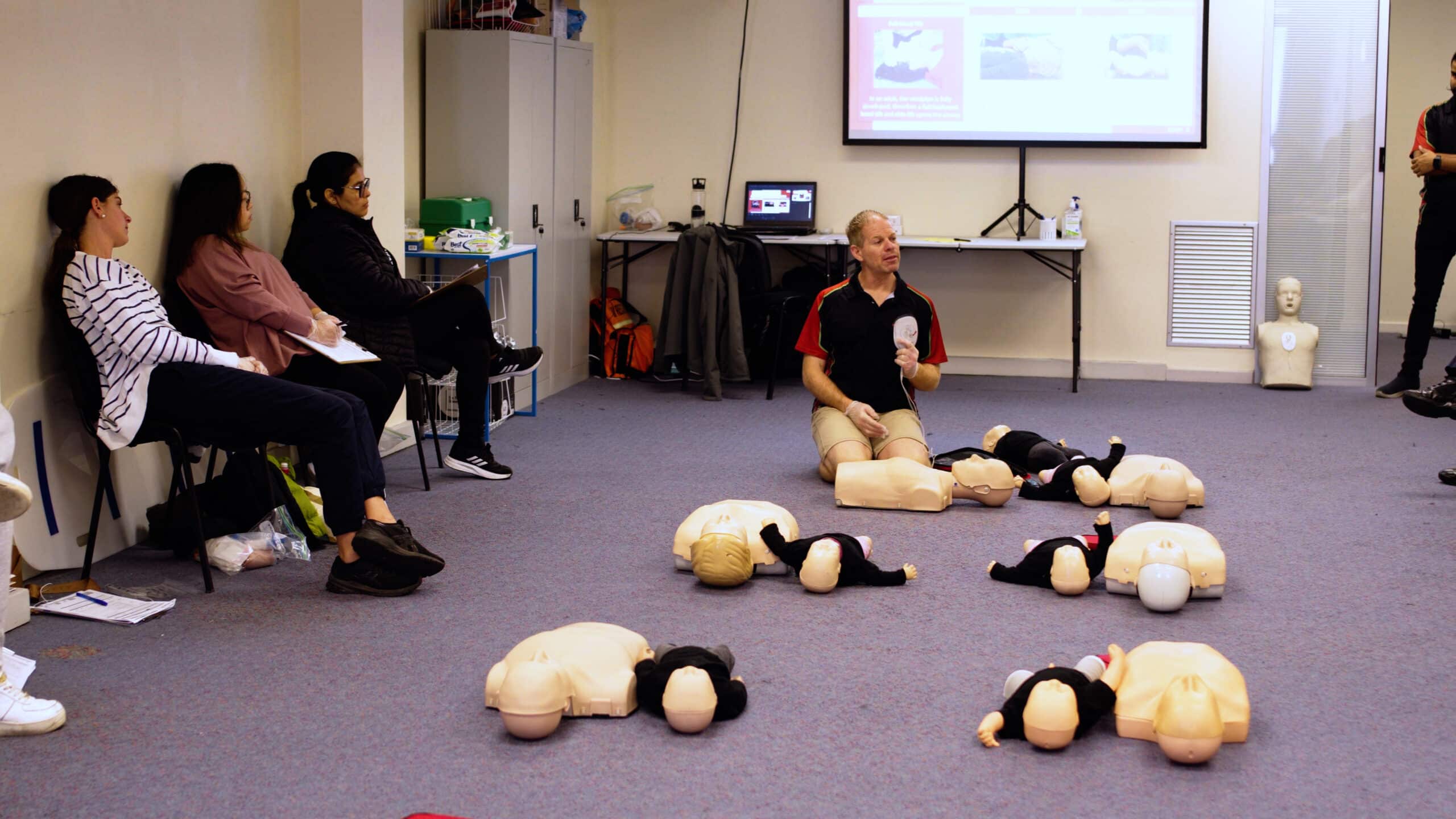
HLTAID014 assessment combines written examinations testing theoretical knowledge with extensive practical demonstrations of emergency response skills. The course requires participants to demonstrate competency in all units of learning including patient assessment, treatment delivery, and coordination skills.
Practical assessments include realistic emergency scenarios requiring participants to integrate multiple skills whilst working under pressure. Assessment scenarios typically involve complex medical emergencies, multiple casualty incidents, and remote setting challenges that test decision-making abilities and technical skills.
Written assessment covers Australian Resuscitation Council guidelines, legal and ethical considerations, anatomy and physiology relevant to emergency care, and evidence-based treatment protocols. Course completion requires achieving competency in all assessment components with no partial qualifications available.
Certification Validity and Renewal:
- Initial certification: 3 years validity
- Annual competency updates recommended (especially CPR)
- Skills maintenance requirements vary by industry
- Refresher training available through accredited providers
Ready to Start Your Advanced First Aid Journey?
HLTAID014 Provide Advanced First Aid offers comprehensive emergency response training for Australian workplaces and communities. This nationally recognised course equips participants with the advanced skills and knowledge required to manage complex medical emergencies, coordinate multiple casualty incidents, and deliver life-saving care in challenging environments.
Secure your place in an advanced first aid course with First Aid Pro – your trusted partner for nationally accredited training that meets industry standards and prepares you for real-world emergency response.
The investment in advanced first aid training pays dividends in enhanced workplace safety, improved emergency response capabilities, and the confidence to act decisively when lives depend on immediate intervention. Whether you’re fulfilling workplace obligations, preparing for outdoor adventures, or developing professional emergency response skills, HLTAID014 certification provides the comprehensive foundation for advanced first aid competency.
References
- Training.gov.au – HLTAID014 Provide Advanced First Aid
- Australian Resuscitation Council Guidelines: Adult Advanced Life Support
- Australian Skills Quality Authority. (2024). Training Package HLT Health Training Package. Commonwealth of Australia.
Frequently Asked Questions
With FirstAidPro, you can complete the HLTAID014 Provide Advanced First Aid course in just 6 hours of face-to-face training.
Accredited training providers supply all necessary equipment for course delivery including resuscitation manikins, oxygen therapy equipment, spinal immobilisation devices, and trauma simulation materials. Participants typically receive a comprehensive first aid manual and certification upon successful completion.
High-risk industries including mining, construction, oil and gas, adventure tourism, and remote operations commonly require HLTAID014 certification for designated first aid officers. Educational institutions, large manufacturing facilities, and organisations operating in remote locations may mandate advanced first aid training to meet duty of care obligations and workplace safety requirements.