



Sharon has 21+ years of experience as a qualified Emergency Care Nurse registered with the Australian Health Practitioner Regulation Agency (APHRA) and 12+ years as a First Aid Trainer.
She takes pride in FirstAidPro making first aid training available, comprehensive and affordable to everybody.
This guide explains what Neosporin is, how to use this topical triple-antibiotic for minor cuts and scrapes, what helps wounds heal, and when to seek medical help. It also covers Australian availability, first aid kit alternatives, and simple wound care steps to help prevent infection and reduce the risk of scarring.
Start building confident first aid skills: Enrol in a nationally recognised first aid course with FirstAidPro today.

Key Takeaways
- Neosporin is a topical triple-antibiotic (bacitracin zinc, neomycin, polymyxin B) used to help prevent infection in minor cuts and scrapes only.
- First aid basics matter most: rinse the wound with water, clean around it with mild soap, apply a thin layer of ointment (or plain petroleum jelly), then cover with a bandage and change the dressing daily.
- For most small, clean cuts and scrapes, a thin layer of plain petroleum jelly and a bandage is usually all you need—no antibiotic ointment required.
- Watch for allergy—particularly to neomycin. Stop using the product if a rash or itch develops and seek pharmacist/GP advice.
- Do not use on deep cuts, puncture wounds, large burns, animal/human bites, or if there are signs of infection (spreading redness, warmth, pus, fever). Get medical help.
- In Australia, Neosporin is not commonly stocked in pharmacies; practical first aid kit swaps include petroleum jelly, povidone-iodine (Betadine), sterile gauze/strips, and micropore/tape.
- Eyes need ophthalmic-labelled products only; regular skin ointment is not for ocular use.
- Keep the wound moist and covered to support the healing process and help reduce scarring; avoid scrubbing and picking.
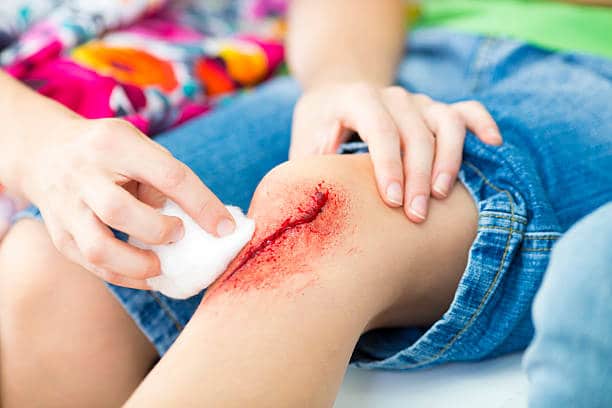
First aid: clean a wound with water, then bandage
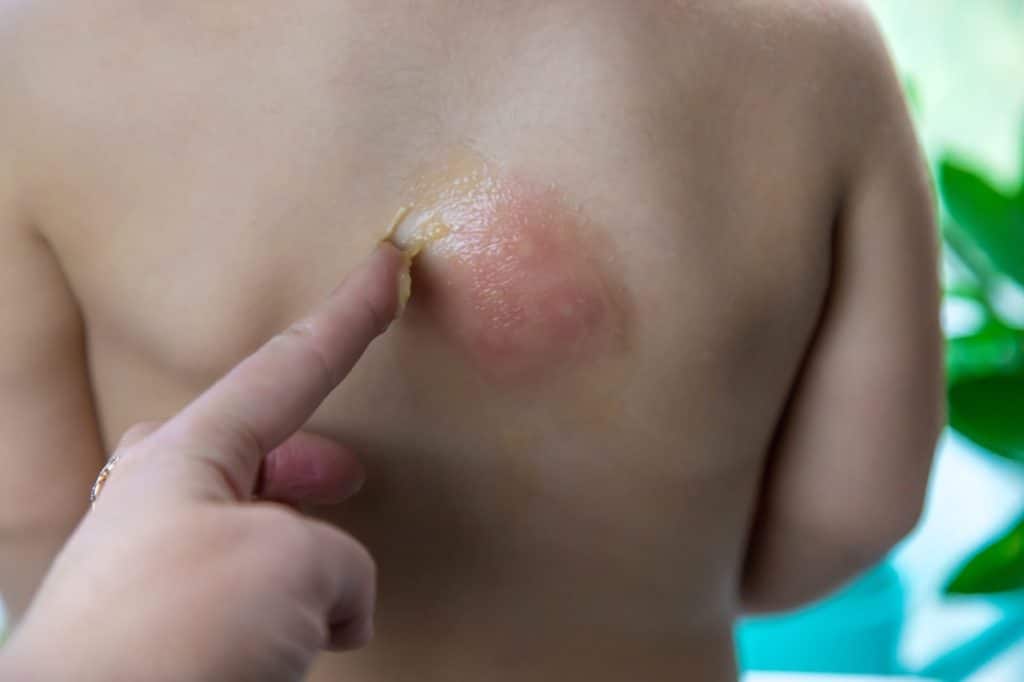
When a small cut or minor wound happens, the best first aid is usually simple: rinse with clean running water, gently clean around the wound with mild soap, pat dry, apply your chosen product (if needed), and cover with a sterile bandage or gauze. Keep the wound moist and covered while it heals; change the dressing at least once a day or when wet/dirty.
Simple first aid table
Step | What to do | Why it helps |
1. Stop bleeding | Gentle pressure with clean gauze | Controls bleeding so you can clean safely. |
2. Clean a wound | Rinse under running water; mild soap around the wound | Washes out dirt/bacteria and helps prevent infection. |
3. Apply a thin layer (optional) | Petroleum jelly or a first aid antibiotic ointment like Neosporin | Keeps the wound moist; certain products help reduce infection risk in minor cuts. |
4. Bandage | Sterile adhesive strip or gauze + tape | Protects from friction/contamination; supports faster healing. |
5. Change the dressing | Daily, or if wet/dirty | Maintains a clean, healing environment. |
Neosporin: a topical triple antibiotic (bacitracin zinc, neomycin, polymyxin B)
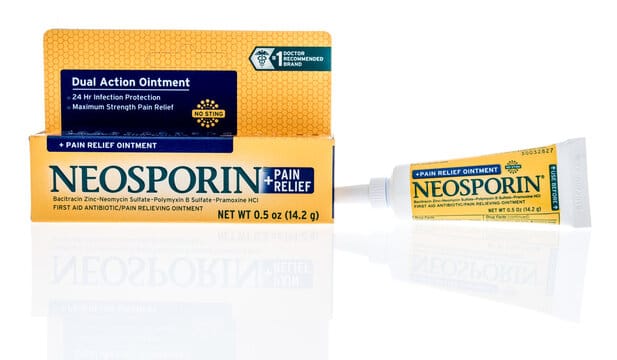
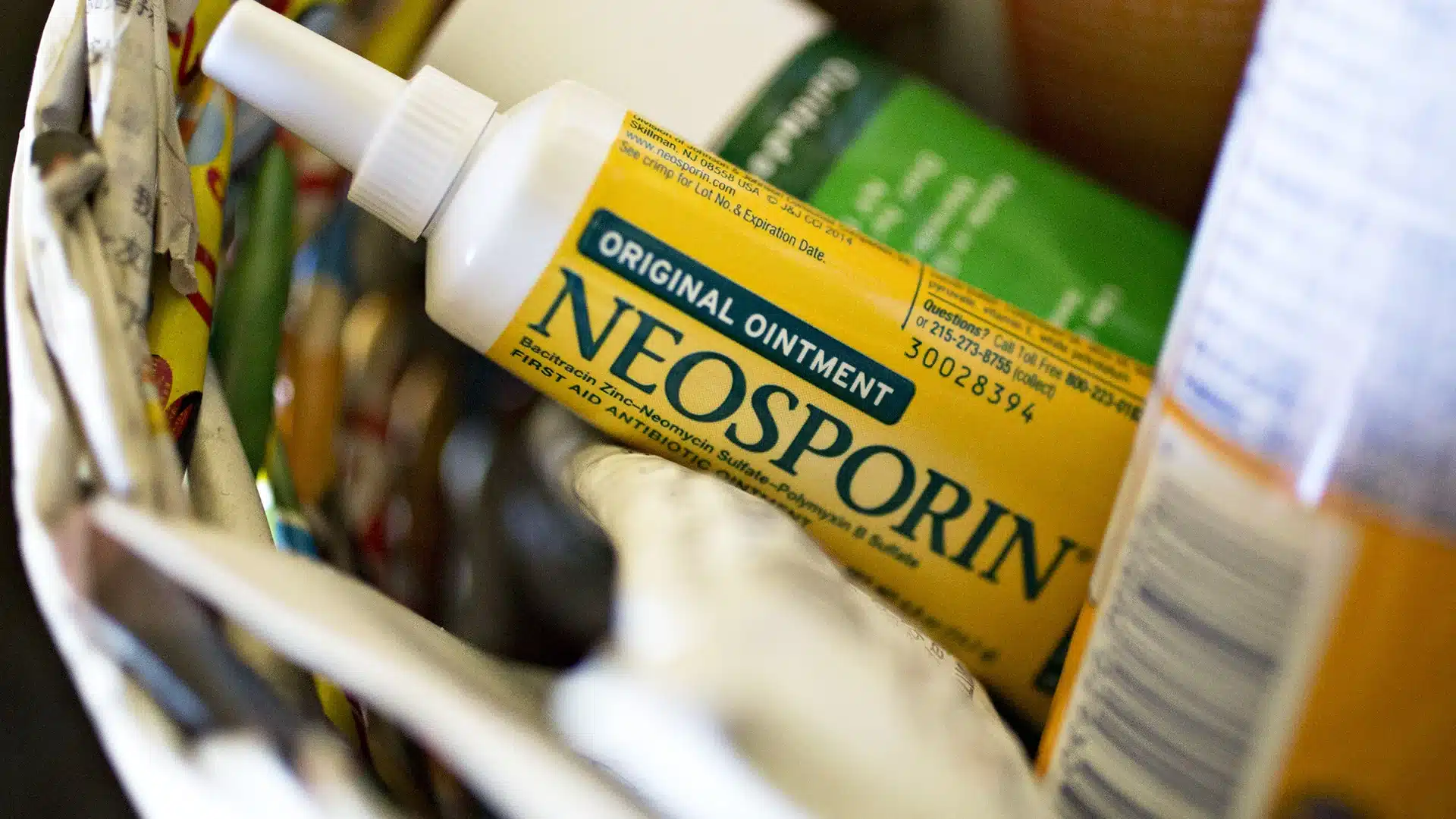
Neosporin is an over-the-counter (OTC) first aid antibiotic ointment. Each gram contains bacitracin zinc, neomycin sulfate, and polymyxin B sulfate to help prevent infection in minor cuts, scrapes and burns. (Regular tubes are for external skin only.)
Active ingredients in Neosporin
Active | Role in the ointment | Notes |
Bacitracin zinc | Antibiotic targeting mainly gram-positive bacteria | Occasionally causes contact allergy. |
Neomycin | Broad gram-negative (and some gram-positive) coverage | Allergic reaction (allergic contact dermatitis) is not uncommon. |
Polymyxin B | Gram-negative coverage | Complements bacitracin/neomycin. |
Variants: Some “Plus Pain Relief” lines add lidocaine (local anaesthetic). Use standard ointment for routine first aid; keep eye products (ophthalmic) separate from skin tubes.
How to use Neosporin (cream or ointment) — directions & bandage tips
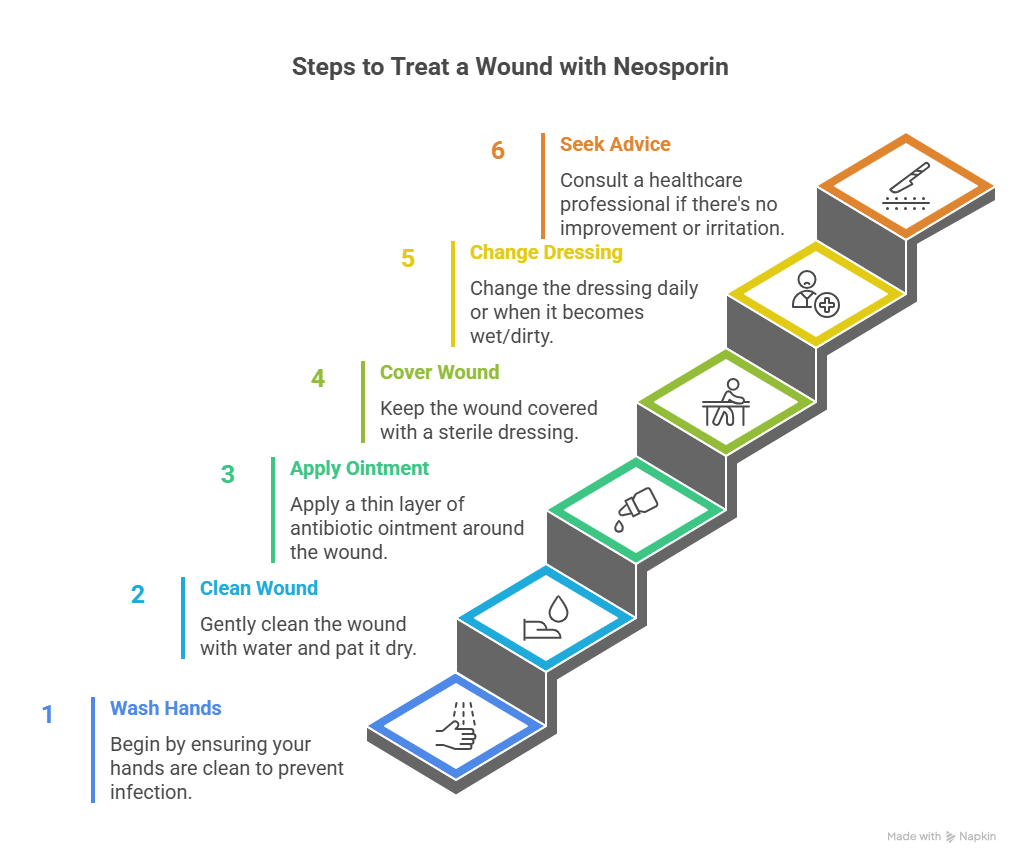
“Cream or ointment?” For small cuts and wounds, ointment usually offers better occlusion (moist wound healing). Use only on minor skin injuries treated at home; deeper wounds, puncture wounds, or an open wound with heavy contamination need clinical assessment.
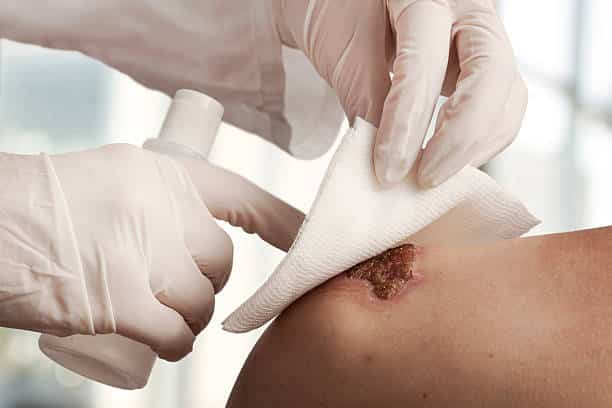
Heal: what actually helps wound healing, scars and comfort
- Moist wound care speeds the healing process and can help reduce scarring. Petroleum jelly (petrolatum) is widely recommended by dermatologists for minor cuts and scrapes to keep the wound moist.
- Antibiotic ointment vs petrolatum: for many clean minor cuts, petrolatum works well; an antibiotic cream/ointment may be considered for contaminated abrasions to help reduce the risk of infection. Always watch for an allergic reaction (especially to neomycin).
- Pain relief: use simple oral analgesics if suitable for you, and don’t “scrub” the wound. A dressing that cushions the area can also help. (If you specifically choose a “+ pain relief” Neosporin, note it contains lidocaine.)
Level up your first aid kit know-how: Book nationally certified first aid training with FirstAidPro now and learn practical wound care that helps ensure proper healing.
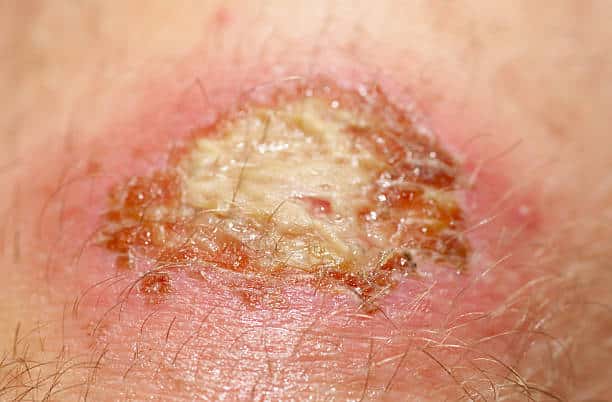
Wound infection: warning signs & when to get medical help
Get medical help promptly if you notice spreading redness, increasing pain, warmth, pus, fever, a bad smell, or if the wound is deep, puncture-type, or caused by an animal/human bite. Queensland’s community pharmacy guidance (2025) outlines red flags, escalation, and dressing choices for acute minor wound management.
Antibiotic ointment vs antiseptic: where Betadine fits
Antibiotic ointments (like Neosporin) target bacteria with antibiotics. Antiseptics (e.g., povidone-iodine/Betadine) broadly kill bacteria on the surface; some Australians prefer an initial antiseptic clean for dirty grazes before standard dressing. Choose one approach that suits the wound, keep your wound covered, and seek pharmacist/GP advice if unsure.
Australia: availability, OTC context, and first aid kit swaps
Neosporin is not commonly stocked in local pharmacies; Australians typically find it through online marketplaces. Your first aid kit can still cover most needs with petrolatum, povidone-iodine, sterile gauze, adhesive dressings and micropore tape.
Be ready for the unexpected: Enrol in nationally recognised first aid with First Aid Pro to master evidence-based wound care for cuts and scrapes.
Minor Cut Decision Flow
Clean
Rinse the wound with clean running water (use soap around the wound), then pat dry.
Thin layer
Apply a thin layer of petrolatum or an OTC topical antibiotic ointment like Neosporin (if appropriate).
Cover
Bandage with a sterile strip or gauze; change the dressing daily or when wet/dirty.
Watch
Check daily. If you see signs of infection (spreading redness, warmth, pus, fever) or it’s a deeper wound, get medical help.
Quick comparisons (for common questions)
Neosporin vs petrolatum vs Betadine
Option | Best use-case | Pros | Watch-outs |
Neosporin (triple antibiotic ointment) | Minor cuts/scrapes with contamination risk | Helps prevent infection in minor cuts | Neomycin allergy; external skin only. |
Petrolatum (e.g., Vaseline) | Clean minor cuts/scrapes; maintain wound moist | Supports faster healing; very low allergy rate | Doesn’t “kill bacteria”; rely on proper cleaning/covering. |
Betadine (povidone-iodine antiseptic) | Dirty grazes or where an antiseptic clean is desired | Broad antiseptic action; widely OTC in AU | Possible iodine sensitivity; can stain. |
Knowledge Test Quiz — First Aid & Neosporin (Self-Check)
References
- Healthdirect (Australia): Wounds, cuts and grazes — self-care and when to see a doctor. (Healthdirect)
- DailyMed: Neosporin Original Ointment – Drug Facts (bacitracin zinc, neomycin sulfate, polymyxin B sulfate). (DailyMed)
- American Academy of Dermatology: Help injured skin heal — petroleum jelly for minor cuts and scrapes. (American Academy of Dermatology)
- Queensland Health (2025): Community Pharmacy Acute Minor Wound Management — Clinical Practice Guideline. (Queensland Health)
- NPS MedicineWise: Betadine Antiseptic Topical Ointment — povidone-iodine. (NPS Australia)
- Amazon Australia: Neosporin product listings (availability context). (Amazon Australia)
Frequently Asked Questions
It’s mainly sold via online marketplaces rather than on standard pharmacy shelves. Local alternatives (petrolatum, povidone-iodine) are widely available.
Good wound care matters most: clean with soap and water, keep the wound moist and covered. That approach aids healing and helps reduce scarring.
For minor cuts and scrapes, ointment usually provides better occlusion to support a healthy healing environment under a dressing.
Spreading redness, warmth, increasing pain, pus, fever, or a bad odour. Seek care if you notice these, or if the wound is deep or a puncture wound.
Anyone with a known neomycin allergy or who develops a rash/itch after use. Stop and switch to alternatives (e.g., petrolatum) and get pharmacist/GP advice.