



Sharon has 21+ years of experience as a qualified Emergency Care Nurse registered with the Australian Health Practitioner Regulation Agency (APHRA) and 12+ years as a First Aid Trainer.
She takes pride in FirstAidPro making first aid training available, comprehensive and affordable to everybody.
What Is a King Brown Snake?
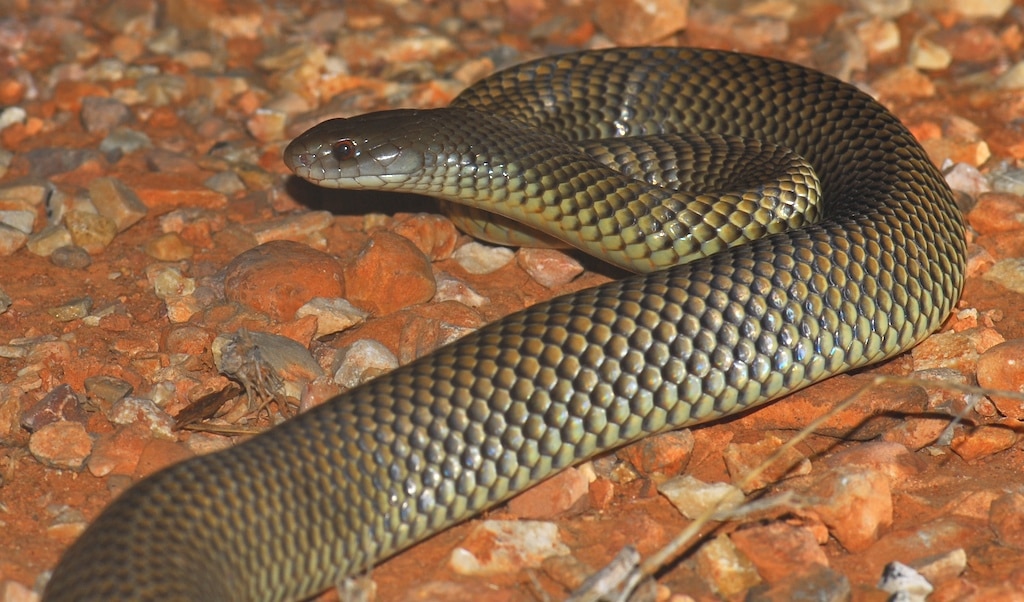
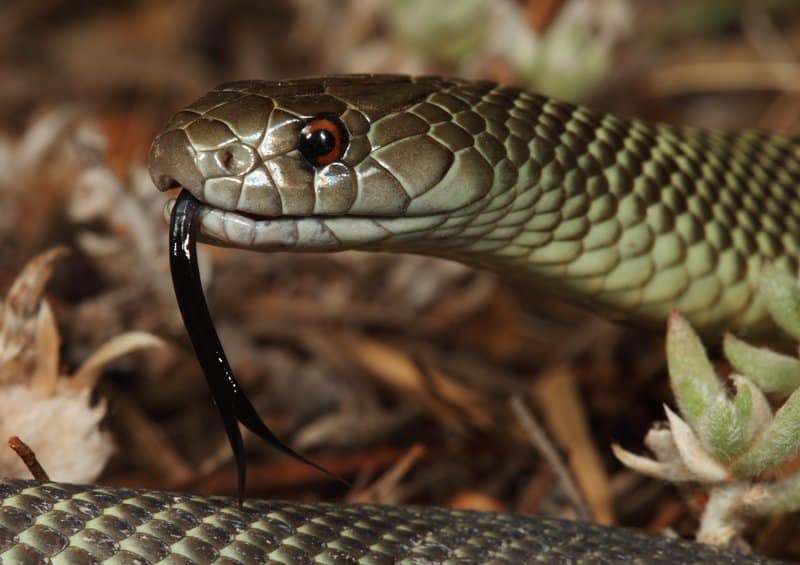
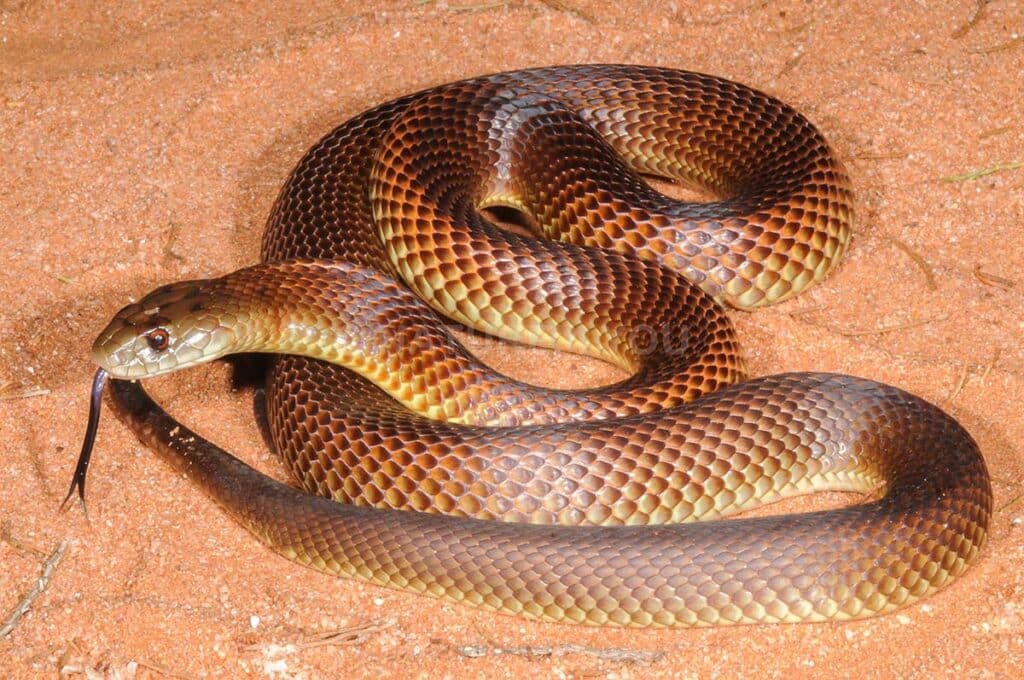
The King Brown Snake, also known as the Mulga Snake (Pseudechis australis), is one of the largest venomous snakes in Australia. Found throughout Australia, this highly dangerous reptile is known for its size, strong venom, and unpredictable behaviour. Despite its name, it’s not a “true brown snake” but belongs to the black snake genus (Pseudechis).
If you’re ever bitten by a snake, knowing snake bite first aid could save a life.
Learn to act fast and confidently — enrol in a nationally recognised First Aid course with First Aid Pro to prepare for emergencies involving snakes and other Australian wildlife.
Key Takeaways
- The King Brown Snake (Mulga Snake) is a large, venomous reptile found throughout Australia.
- Despite its name, it belongs to the black snake genus, not the true brown snakes.
- Its venom contains myotoxins that destroy muscle tissue and can lead to kidney failure.
- Always call Triple Zero (000) and use the Pressure Immobilisation Technique for snake bite first aid.
- First aid training gives you the confidence and skills to save a life in a medical emergency.
King Brown Snake Identification Guide
Physical Appearance and Size
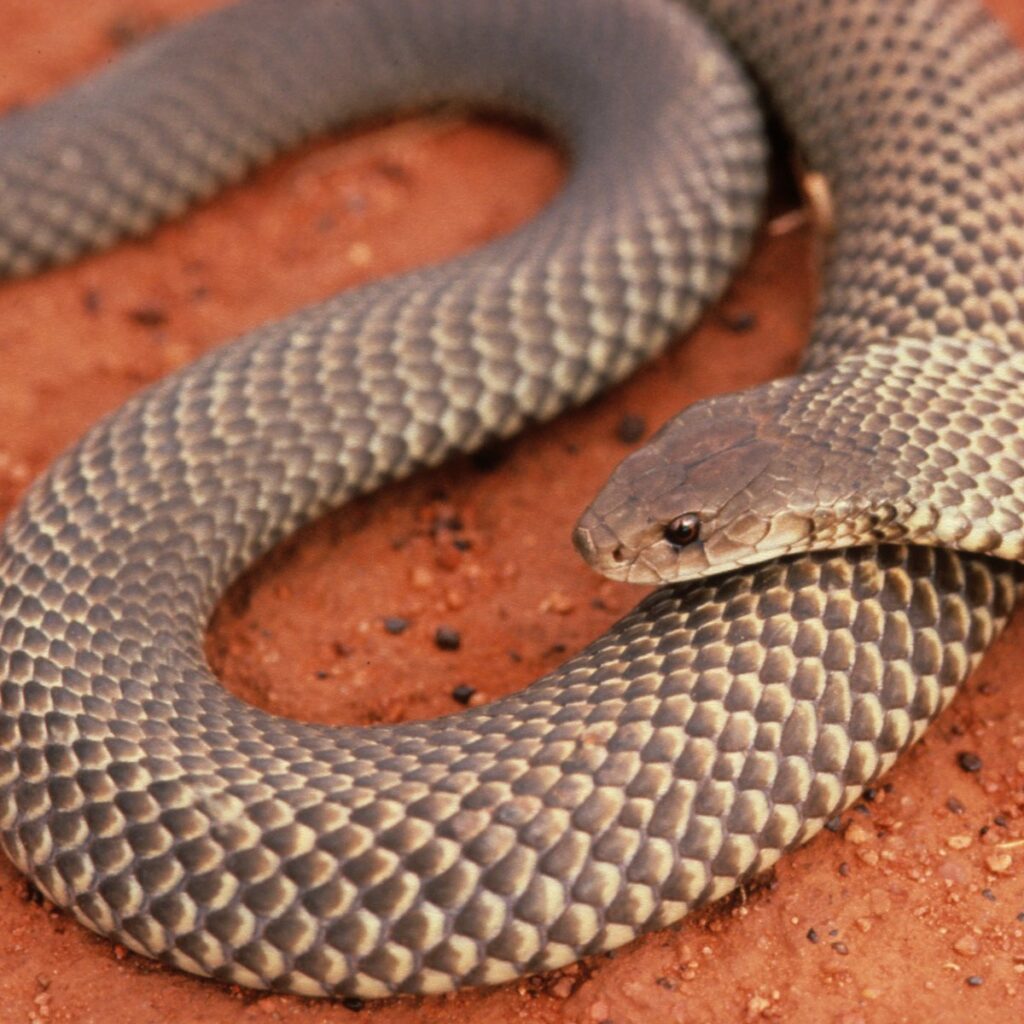
The King Brown Snake is one of Australia’s largest venomous snakes, growing on average 2–2.5 metres and occasionally exceeding 3 metres. Its colour varies depending on location — from coppery-brown to olive-green or reddish-brown — with large glossy scales that give it a shiny appearance. The head is broad and distinct from the neck, and its eyes are medium-sized with round pupils.
Feature | King Brown (Mulga Snake) |
Average Length | 2–2.5 metres |
Colour | Coppery, olive-brown, or reddish |
Head Shape | Broad and flattened |
Scale Texture | Glossy, smooth |
Venom Type | Myotoxic (damages muscle tissue) |
Behaviour and Temperament
Although generally shy, the Mulga Snake can become aggressive when provoked. It’s mostly nocturnal, but may become more active during the day in cooler months. Known for its large venom yield, it strikes repeatedly if threatened.
Diet includes other reptiles, venomous snakes, small mammals, birds, and amphibians — earning it a place among Australia’s deadliest snakes.
King Brown vs Eastern Brown Snake
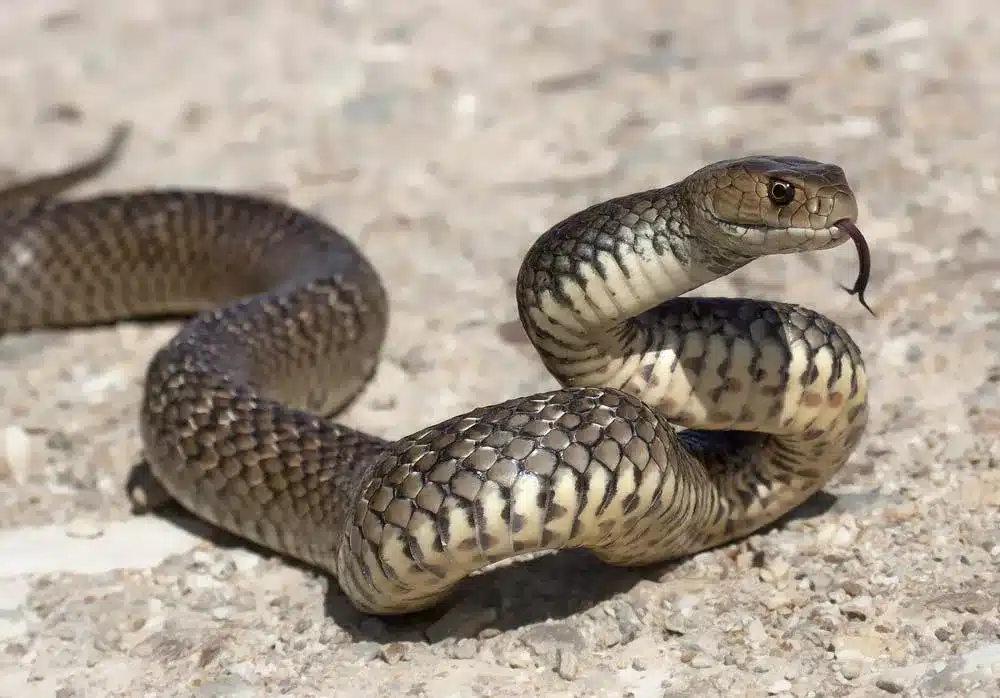
(Above: Eastern Brown snake)
Because of its name, many people confuse the King Brown with the Eastern Brown Snake (Pseudonaja textilis), which is among the world’s deadliest snakes.
Characteristic | King Brown (Mulga Snake) | Eastern Brown Snake |
Genus | Pseudechis (Black Snake genus) | Pseudonaja (True Brown Snake) |
Average Length | 2–2.5 m | 1.5–2 m |
Colour | Coppery or reddish brown | Light brown to dark chocolate |
Venom Type | Myotoxins (muscle-damaging) | Neurotoxins (affecting nerves) |
Aggression Level | Moderate when cornered | Highly defensive |
Antivenom Used | Black Snake Antivenom | Brown Snake Antivenom |
Key takeaway: Despite similar colouring, the King Brown Snake is part of the black snake family, while the Eastern Brown is a true brown snake. Misidentification can complicate first aid management, so always treat any snake bite as a medical emergency.
Venom and Bite Symptoms
Venom Toxicity
The King Brown Snake has one of the largest venom yields of any snake in the world — up to 150 mg per strike. Its myotoxic venom destroys muscle tissue (rhabdomyolysis) and can cause kidney failure if untreated.
While its venom is less toxic than that of the Eastern Brown Snake or Inland Taipan, the sheer quantity it can inject makes it potentially life-threatening.
Signs and Symptoms of a King Brown Snake Bite
If bitten by a snake, symptoms may appear quickly or be delayed.
Common snake bite symptoms include:
Early Symptoms | Severe or Late Symptoms |
Pain or swelling at bite area | Nausea, vomiting |
Headache, sweating | Muscle weakness |
Bleeding from gums | Dark urine (muscle breakdown) |
Numbness or tingling | Collapse or unconsciousness |
Local bruising | Kidney damage or failure |
⚠️ All snake bites in Australia should be treated as a medical emergency.
Call Triple Zero (000) immediately and apply snake bite first aid.
First Aid for Snake Bites in Australia
Step-by-Step Snake Bite First Aid
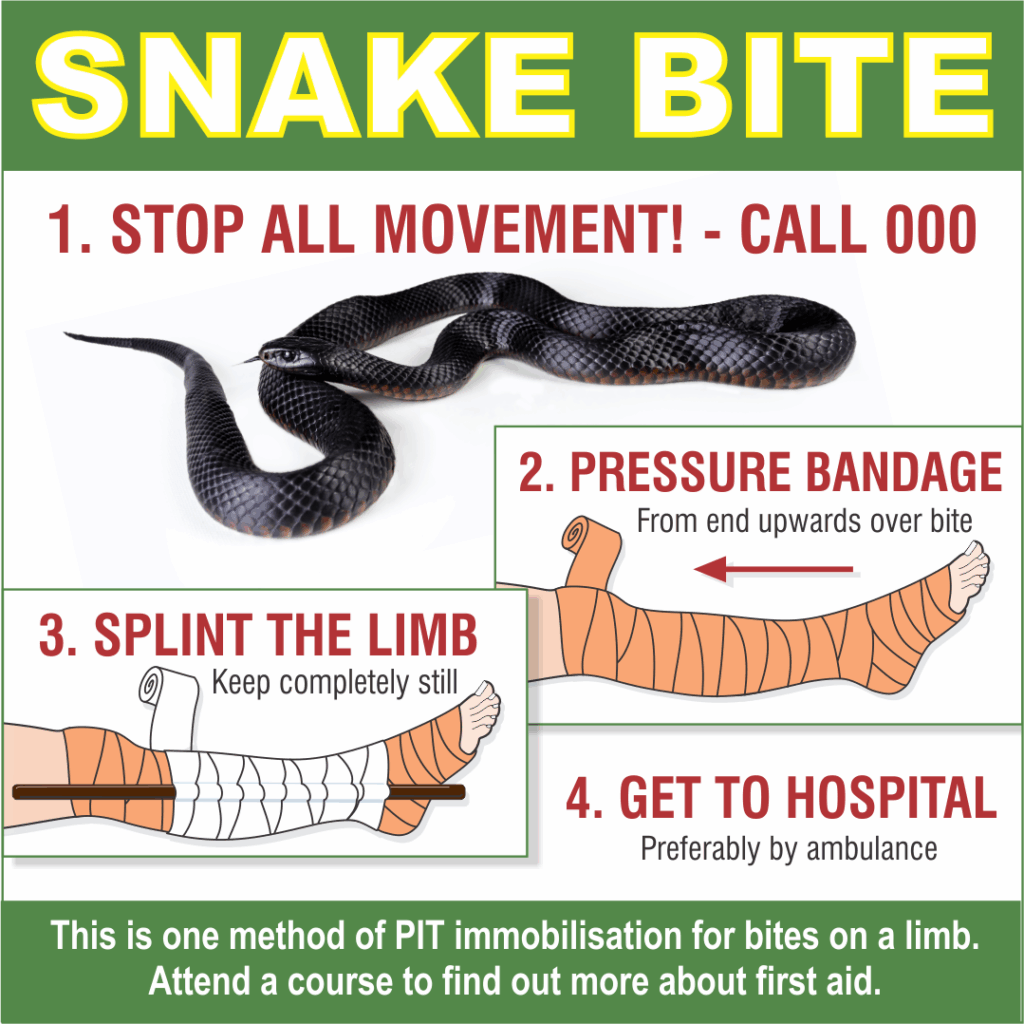
When bitten by a snake, act fast but stay calm. The Pressure Immobilisation Technique (PIT) is the gold standard for snake bite first aid in Australia.
🐍 Pressure Immobilisation Technique
- Call 000 immediately – don’t delay.
- Keep the casualty still – movement spreads venom via the lymphatic system.
- Apply a pressure bandage:
Use a broad roller bandage (10–15 cm wide).
Start over the bite area, then bandage down the limb before wrapping up to the groin or shoulder.
- Immobilise the limb with a splint.
- Mark the bite site on the bandage if possible.
- Do not wash, cut, or suck the wound.
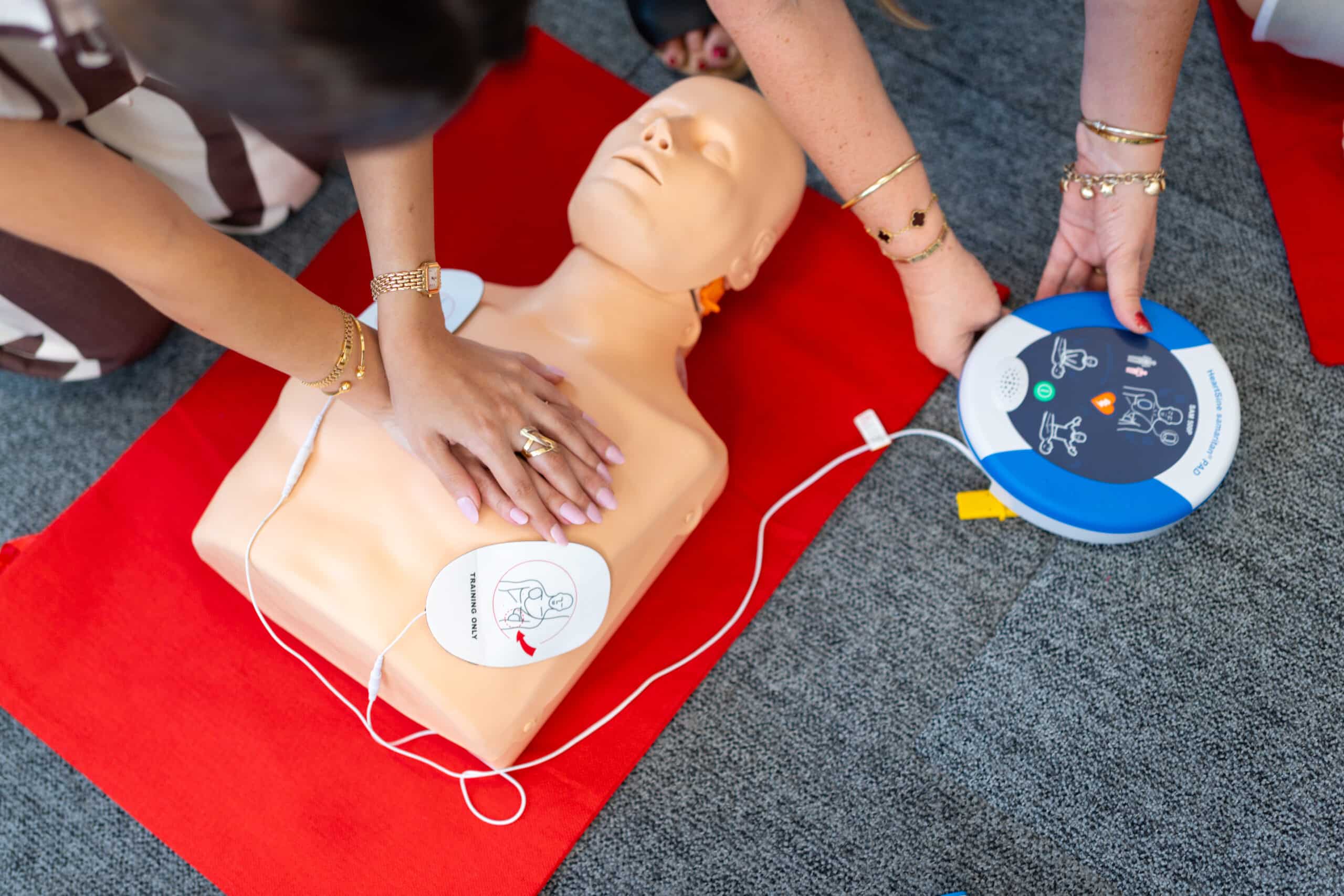
- Monitor breathing – be prepared to perform CPR if the person stops breathing.
Book your accredited First Aid course with First Aid Pro to learn the correct Pressure Immobilisation Technique — this knowledge could save a life.
🚫 What Not To Do
- ❌ Do not apply a tourniquet.
- ❌ Do not wash the bite — venom traces help hospital staff identify the snake.
- ❌ Do not try to catch or kill the snake.
- ❌ Avoid alcohol, food, or medication unless advised by emergency services.
Antivenom and Medical Treatment
In hospitals, antivenom is used to neutralise the venom. For King Brown Snake bites, doctors administer Black Snake Antivenom, which covers all Pseudechis species.
Treatment may include:
- Intravenous fluids
- Monitoring for renal damage
- Managing rhabdomyolysis (muscle breakdown)
Antivenom should only be given by trained medical professionals due to potential allergic reactions.
🐍 Snake Bite Prevention Tips
🏡 Around the Home
- ✔️ Keep lawns trimmed and debris cleared.
- ✔️ Seal cracks under doors and fences.
- ✔️ Store pet food securely to deter rodents.
- ✔️ Wear boots and long pants when gardening.
🌿 In the Bush or Outdoors
- ✔️ Stick to clear paths and avoid tall grass.
- ✔️ Don’t place hands or feet in hollow logs or under rocks.
- ✔️ If you see a snake, give it space — most bites occur when people try to provoke or handle snakes.
👨👩👧👦 Educating Family and Pets
- ✔️ Teach children to stay calm and alert adults if they see a snake.
- ✔️ Keep dogs on leads in snake-prone areas.
- ✔️ Familiarise your family with first aid management for snake bites.
Want to keep your family safe? Join a First Aid course with First Aid Pro and learn life-saving snake bite response techniques used by first aiders across Australia.
King Brown Snake Facts
Fact | Details |
Scientific Name | Pseudechis australis |
Common Name | King Brown Snake / Mulga Snake |
Family | Black Snake Genus (Pseudechis) |
Length | Up to 3 metres |
Diet | Other snakes, lizards, small mammals |
Venom Type | Myotoxic (muscle-damaging) |
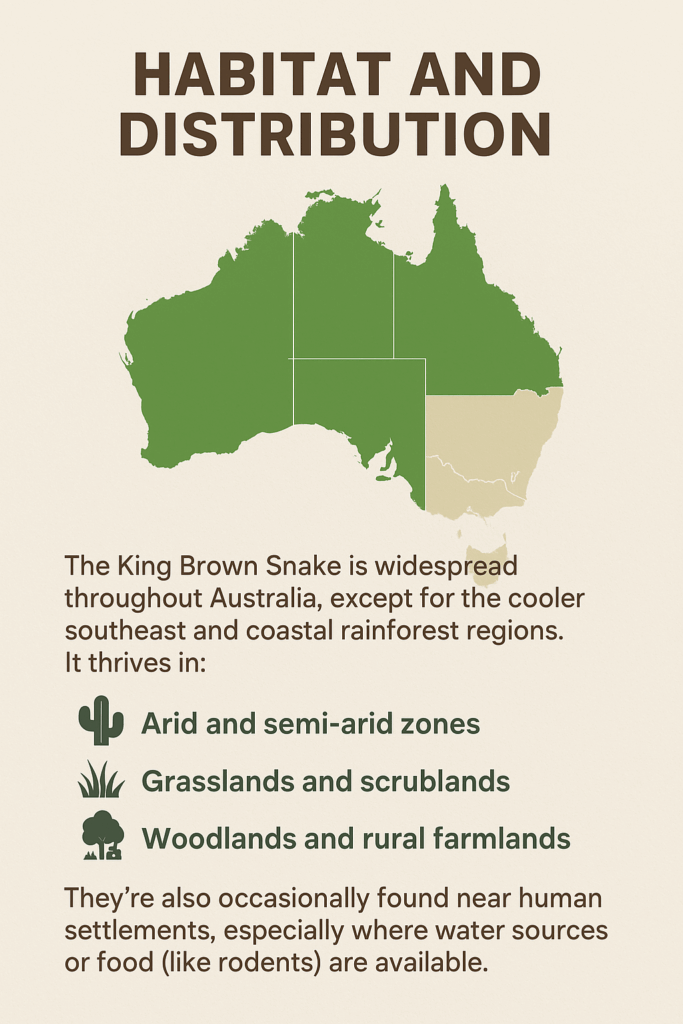
Distribution | Throughout Australia (except southeast coast) |
Behaviour | Defensive if cornered, not usually aggressive |
Lifespan | Over 20 years (in captivity) |
Knowledge Quiz: Test Your Snake Bite First Aid Skills
Select your answers, then tap Check answers.
1) What’s the first step after being bitten by a snake?
2) What type of venom does the King Brown Snake produce?
3) Which antivenom is used for a King Brown Snake bite?
4) Which first aid method is used for all venomous snake bites in Australia?
5) Should you wash the bite site before going to hospital?
Learn Vital Snake Bite First Aid This Summer
Australia is home to some of the world’s deadliest snakes, and the King Brown Snake is among the most dangerous. Understanding snake identification, recognising bite symptoms, and knowing correct first aid can mean the difference between life and death.
Be prepared — enrol in a nationally recognised First Aid course with First Aid Pro and gain the skills to respond confidently to snake bites in Australia.
Your knowledge today could save a life tomorrow.
🧾 King Brown Snake First Aid Steps
Follow these essential steps if bitten by a King Brown Snake — also known as the Mulga Snake.
- 1️⃣ Call 000 immediately.
- 2️⃣ Keep the casualty still and calm.
- 3️⃣ Apply a firm pressure bandage over the bite area.
- 4️⃣ Immobilise the affected limb with a splint.
- 5️⃣ Mark the bite site on the bandage if possible.
- 6️⃣ Monitor breathing and provide CPR if required.
- 7️⃣ Wait for medical professionals — do not remove the bandage until in hospital.
References
- Australian Resuscitation Council – Guideline 9.4.8: Envenomation (Snake Bite)
- Queensland Health – Snake Bites and Antivenom Information
- Australian Museum – The Mulga Snake
- CSIRO – Reptiles of Australia Database
- Australian Venom Research Unit – Snake Venom Toxicology Reports
Frequently Asked Questions
Many Australian snakes are venomous, and identification can be difficult. Always assume a snake is venomous and follow snake bite first aid immediately.
Stay still, apply a pressure bandage, call 000 (use speaker mode), and wait for help. Avoid moving to prevent venom spread.
It depends on the venom dose, location of the bite, and speed of treatment. Immediate first aid and medical attention are critical.
The Eastern Brown Snake is more toxic, but the King Brown’s venom yield is higher. Both are potentially life-threatening and require the same first aid management.
Accredited courses such as HLTAID011 – Provide First Aid by First Aid Pro cover snake bite emergencies, CPR, and the Pressure Immobilisation Technique.