



Sharon has 21+ years of experience as a qualified Emergency Care Nurse registered with the Australian Health Practitioner Regulation Agency (APHRA) and 12+ years as a First Aid Trainer.
She takes pride in FirstAidPro making first aid training available, comprehensive and affordable to everybody.
A bee sting is a painful but common occurrence in Australia, often happening when someone accidentally disturbs a bee while outdoors. This guide explains how to identify a bee sting, understand its symptoms and causes, manage the risks, and apply proper first aid. It also highlights when a sting may lead to a severe allergic reaction or require emergency treatment.
Don’t wait until an emergency strikes — enrol in a nationally recognised first aid course with First Aid Pro and gain the skills to handle bites and stings safely and confidently.
Key Takeaways
- Bee stings are common in Australia and can cause local pain, redness, and swelling.
- Some people may experience a severe allergic reaction that requires urgent medical care.
- Knowing how to treat a bee sting properly helps reduce swelling and discomfort.
- Always monitor for signs and symptoms of anaphylaxis after any insect sting.
- Training in first aid for bites and stings can prepare you to respond effectively in emergencies.
Understanding Bee Sting in Australia
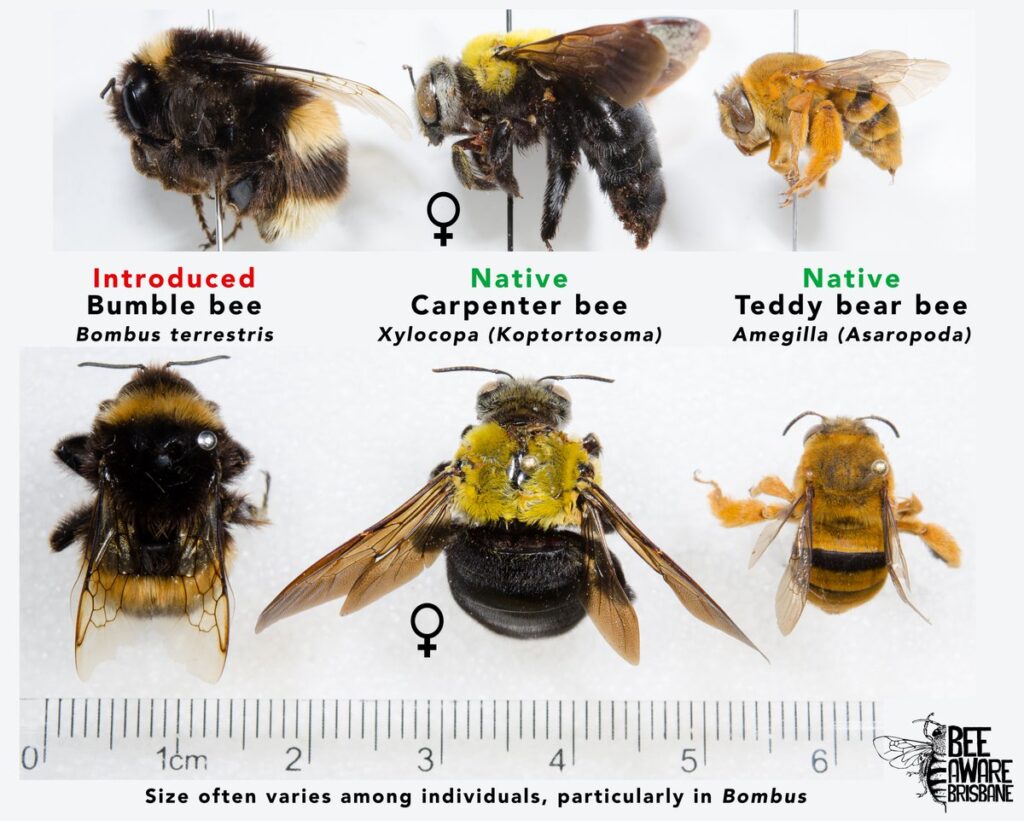
Australia is home to over 1,700 species of bees, including the European honey bee (Apis mellifera), native stingless bees, and various solitary bees. While most bees are non-aggressive and only sting when threatened, bee stings can cause painful local reactions or even life-threatening allergic responses in sensitive individuals.
When a bee stings, it injects venom into the skin through a sharp stinger left behind in the sting site. This venom triggers inflammation, pain, and swelling around the area. In rare cases, the sting may cause a severe allergic reaction known as anaphylaxis, requiring immediate medical treatment.
Identifying a Bee Sting – What Does It Look Like?
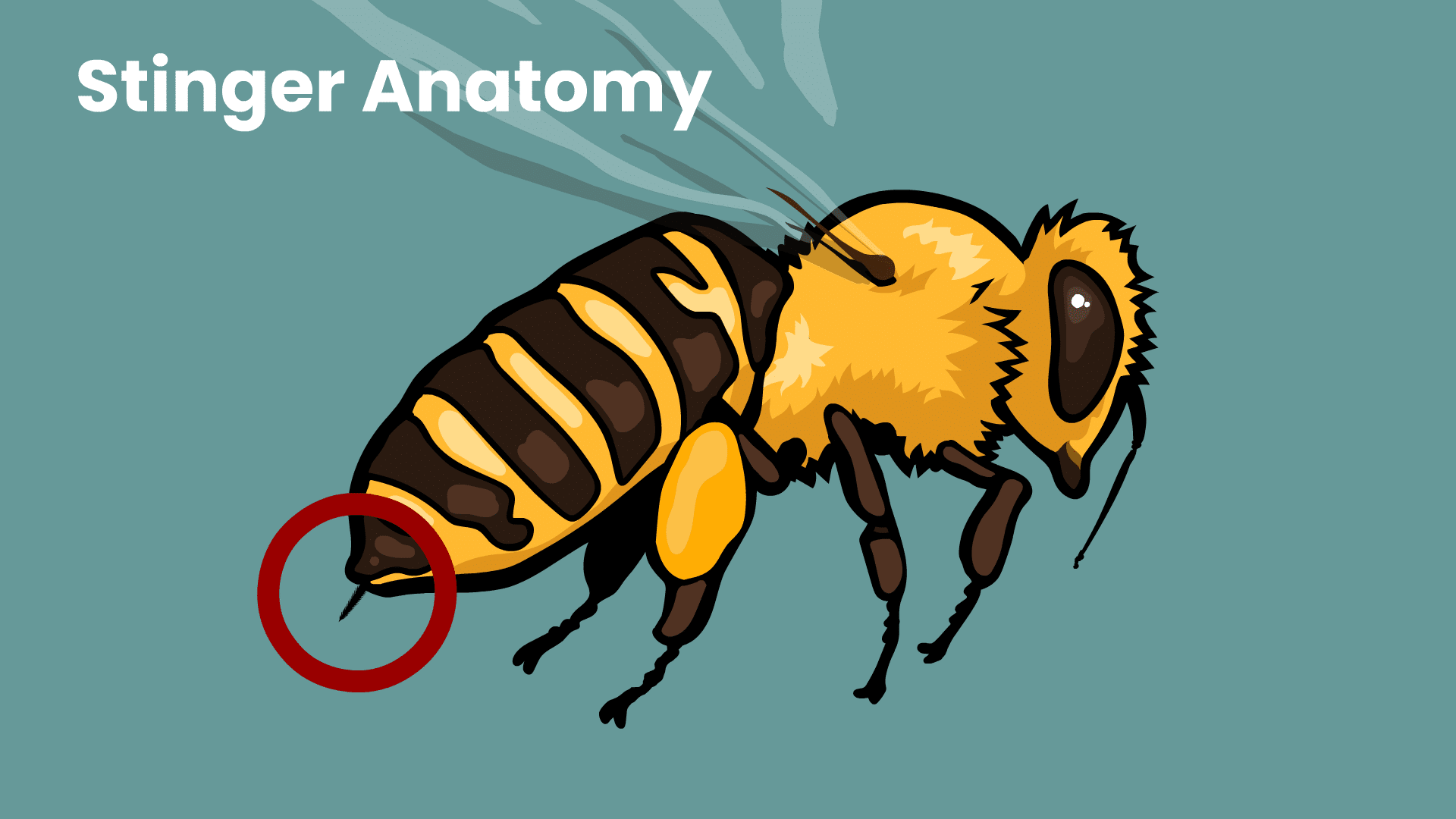
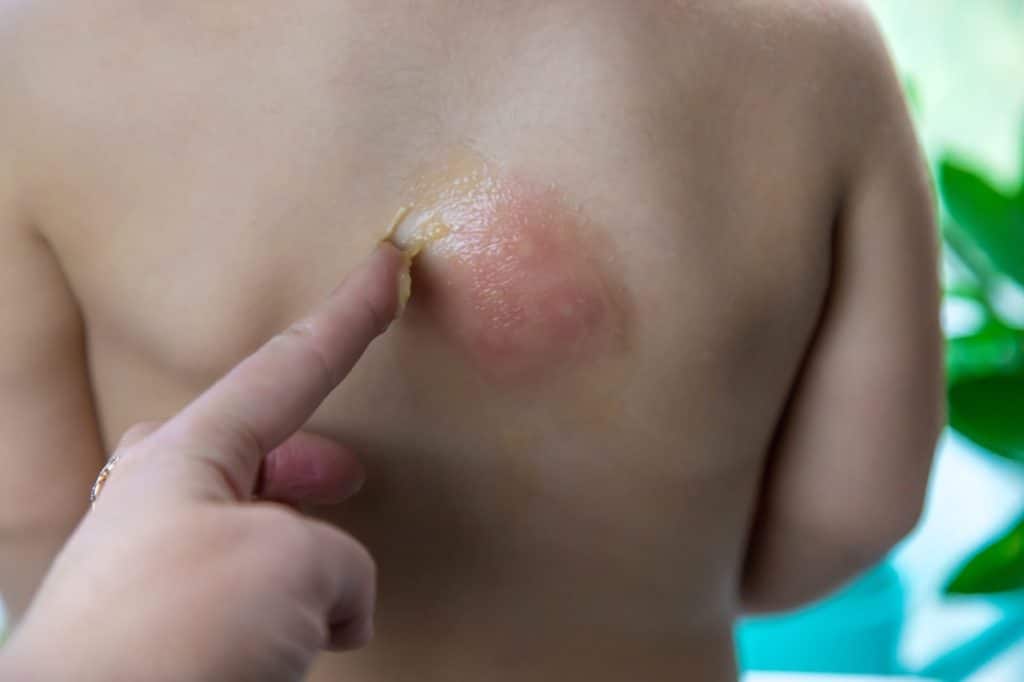
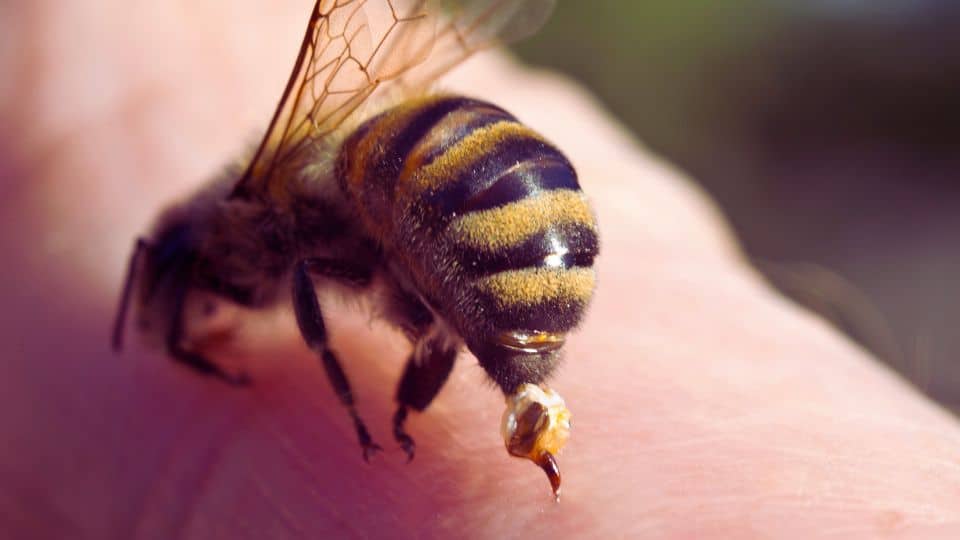
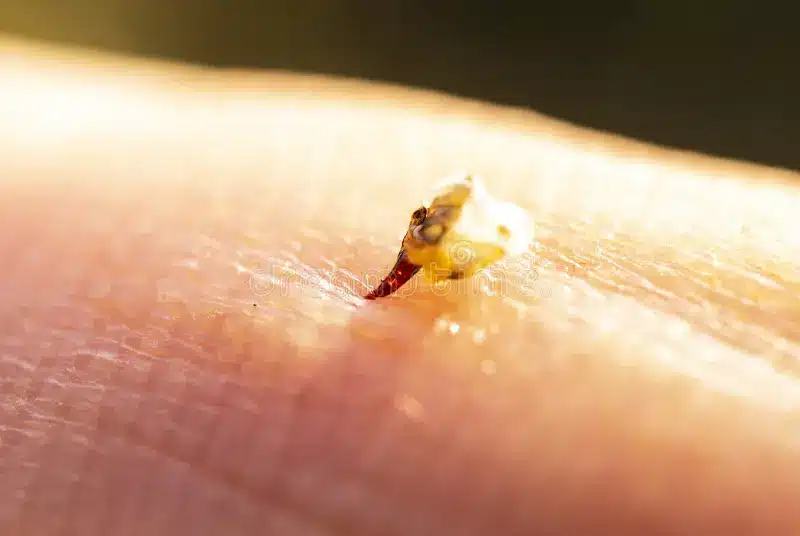
A bee sting usually appears as a small puncture surrounded by redness, pain, and mild swelling. You might see the stinger still embedded in the skin — a key difference between bee and wasp stings. Bees typically leave their sting behind, which causes the bee to die afterward, while wasps can sting multiple times without losing their stinger.
Common signs of a bee sting:
- Sharp pain at the sting site
- Local redness and warmth
- Small puncture mark (with or without stinger)
- Localised swelling or itching
How to Tell if the Stinger Is Still in the Skin
Look closely for a small black or brown speck in the centre of the sting area. The bee stinger often has a venom sac attached. Remove it quickly by scraping sideways with a firm-edged object (like a credit card). Avoid using tweezers, which can inject more venom.
Symptoms of a Bee Sting
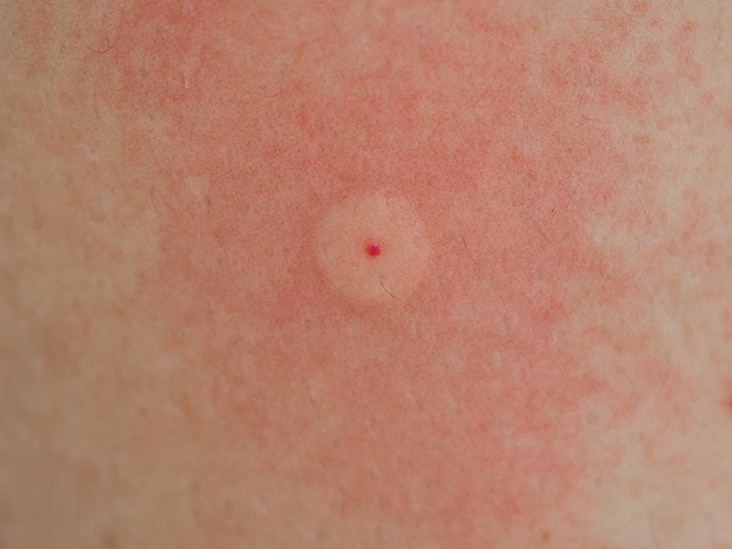
Bee sting symptoms can vary depending on the person’s reaction to bee venom. Most people experience local reactions, while some develop severe allergic reactions requiring emergency care.
Reaction Type | Signs and Symptoms | Severity |
Local Reaction | Pain, redness, mild swelling around the sting site | Mild |
Large Local Reaction | Swelling extending beyond the sting area, itching lasting >24 hours | Moderate |
Severe Allergic Reaction (Anaphylaxis) | Breathing difficulty, dizziness, swelling of face/tongue, rapid pulse, nausea | Severe – Medical Emergency |
Local Reactions – Pain, Itch, and Swelling
Most stings from bees cause minor discomfort and swelling that resolves within 24 to 48 hours. Apply a cold compress and elevate the area to reduce swelling.
Systemic Reactions – Recognising a Bee Sting Allergy
Some individuals are allergic to bee venom, developing symptoms like hives, throat tightness, or dizziness. These signs indicate a systemic allergic reaction and may progress to anaphylaxis — a life-threatening emergency.
Risks and Complications of Bee Stings
While most bee stings are mild, complications can occur, especially for those with a known allergy to bee stings or repeated exposure.
Possible complications:
- Infection at the sting site if scratched
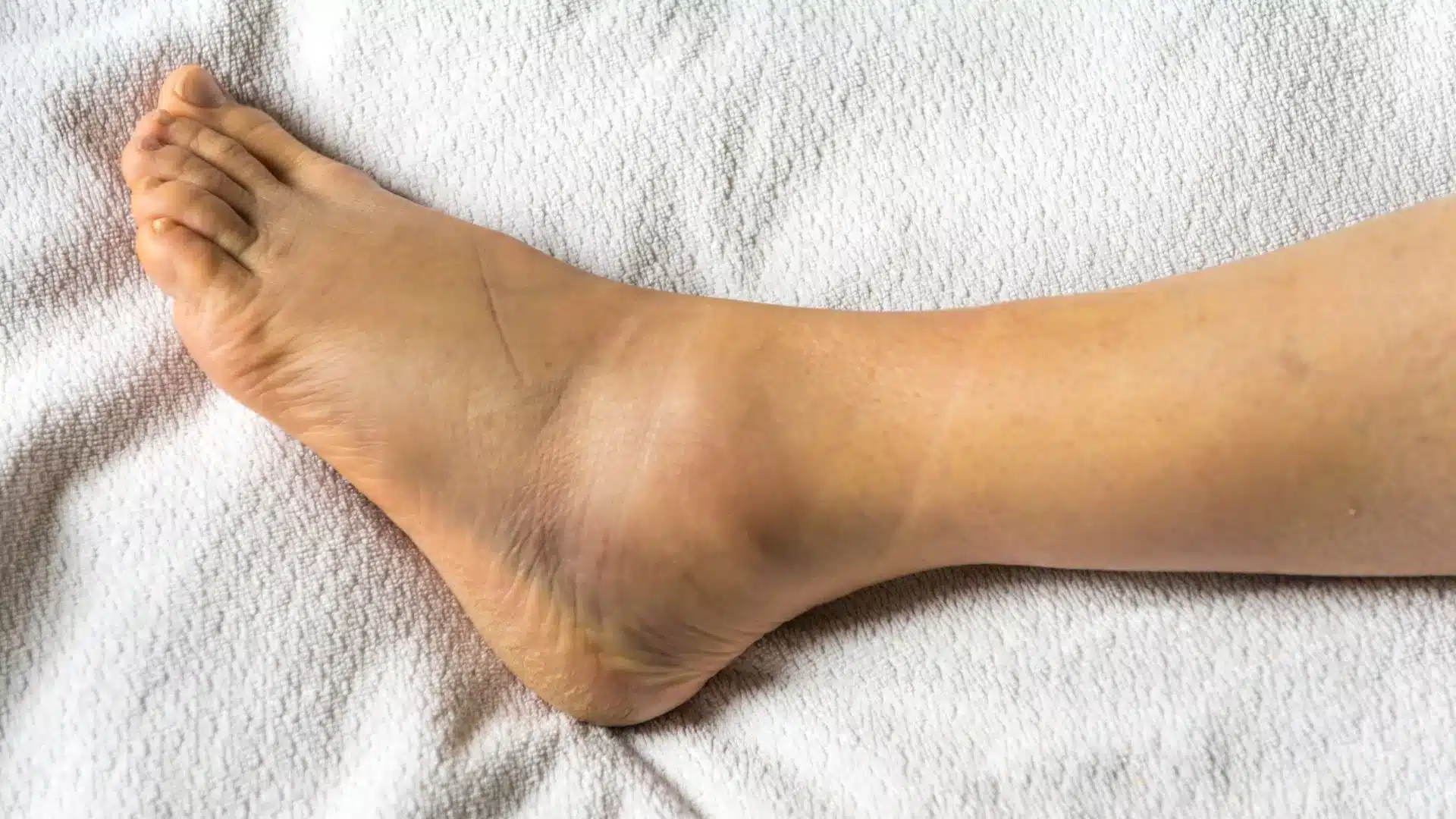
- Large local reactions causing severe swelling
- Multiple stings leading to toxin effects
- Anaphylaxis, a severe allergic reaction to bee venom
Seek medical attention if symptoms worsen after 48 hours or if swelling affects the face, neck, or airway.
When to Seek Emergency Help
Call Triple Zero (000) if you or someone else shows:
- Difficulty breathing or swallowing
- Swelling of the lips, tongue, or face
- Wheezing or persistent coughing
- Dizziness, confusion, or fainting
These are classic signs of an allergic reaction or anaphylaxis that require emergency treatment.
🐝 First Aid for Bee Stings in Australia
Knowing basic first aid for a bee sting can prevent complications and ease discomfort. Follow these steps immediately after being stung by a bee.
- Stay calm and move away from the area to avoid further stings.
- Remove the stinger by scraping it out gently (do not squeeze).
- Wash the sting site with soap and water.
- Apply a cold pack for 10–15 minutes to reduce swelling and pain.
- Take an antihistamine or pain reliever if needed.
- Monitor for symptoms of an allergic reaction for at least 30 minutes.
- If symptoms worsen or signs of anaphylaxis develop, call 000 immediately.
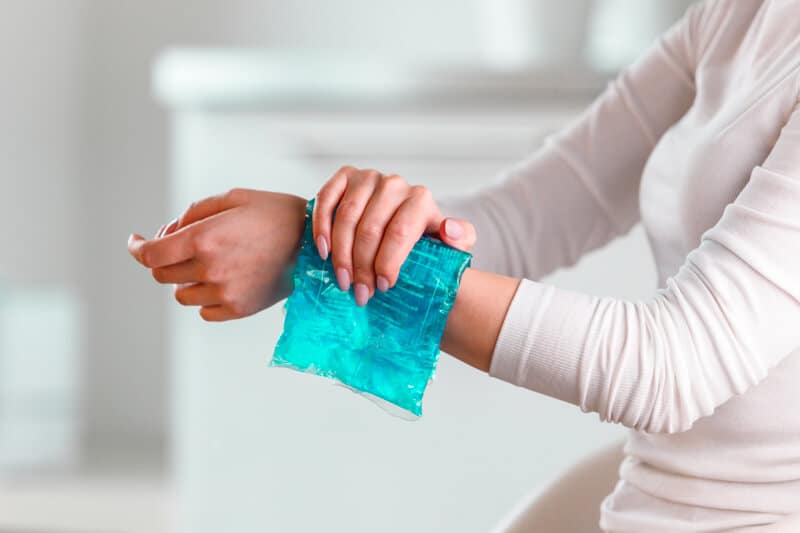
Bee Sting Home Remedies
For minor bee stings, self-care is often all that’s required. These remedies can help relieve pain and reduce swelling around the sting site.
Effective self-care treatments:
- Apply a bicarbonate of soda paste to neutralise the venom.
- Use aloe vera gel or honey to soothe the skin.
- Take oral antihistamines for itching or inflammation.
- Rest and keep the affected area elevated.
🌿 Bee Sting Self-Care & Swelling Relief
Practical home measures to reduce swelling, ease pain, and support recovery after a bee sting. Use these tips for minor local reactions and continue to monitor for any signs of an allergic reaction.
- Use cold packs in short intervals.
- Elevate the affected area when resting.
- Take a suitable antihistamine for itch/swelling.
- Watch for new or worsening signs and symptoms.
- Use heat on the sting area.
- Scratch or squeeze the sting site.
- Apply topical anaesthetics to young children unless advised.
- Ignore worsening pain, spreading redness, or fever.
Learn these life-saving skills in a flexible blended training format — enrol in a First Aid Pro course today and gain confidence in providing emergency treatment for insect stings.
🩺 Medical Treatments and Medication for Bee Stings
When bee sting symptoms persist beyond 48 hours or signs of infection appear, professional medical treatment may be necessary.
Australian Bees and Their Stings
Australia’s diverse bee population includes both stinging and stingless bees. Understanding the difference helps in preventing bee stings and identifying the insect responsible.
Type of Bee | Behaviour | Sting Characteristics |
European Honey Bee | Defensive, dies after stinging | Leaves stinger behind |
Native Stingless Bee | Non-aggressive | No sting, mild bite |
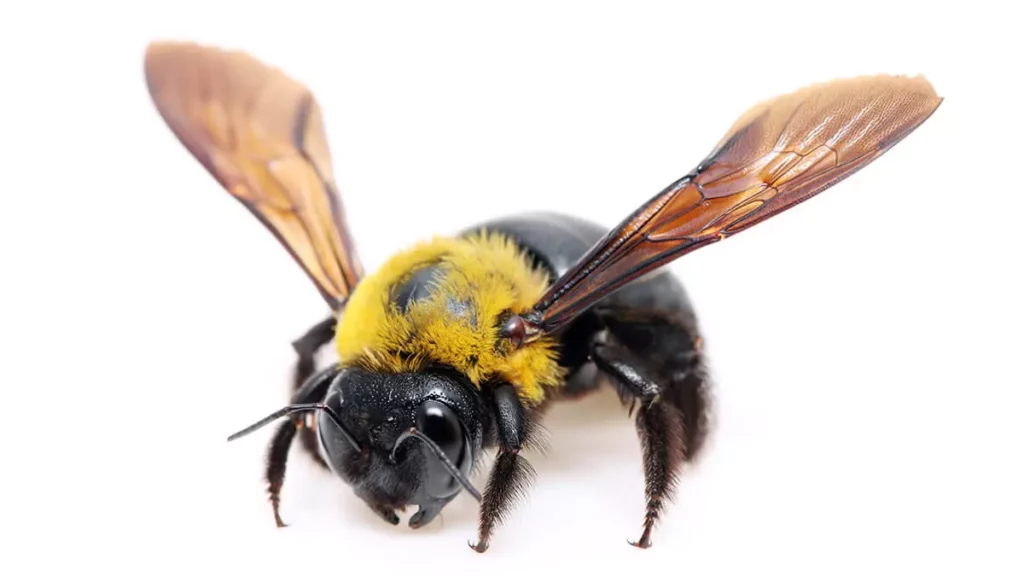
Carpenter Bee | Large, rarely stings | Can sting multiple times if provoked |
While wasps can sting repeatedly, native Australian bees generally sting only in defence. Identifying whether a bee or wasp caused the sting can help guide the treatment described.
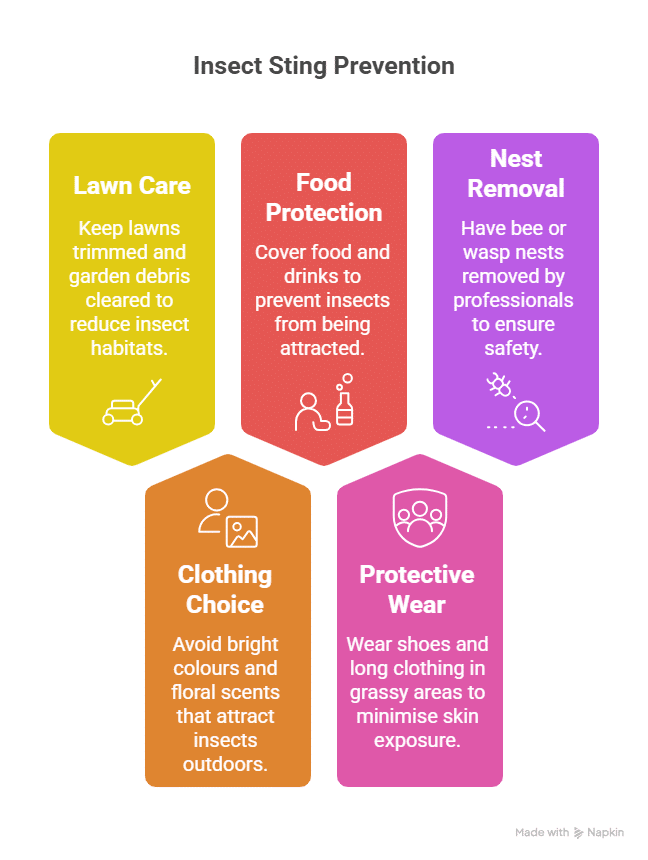
Preventing Bee Stings – Safety Tips
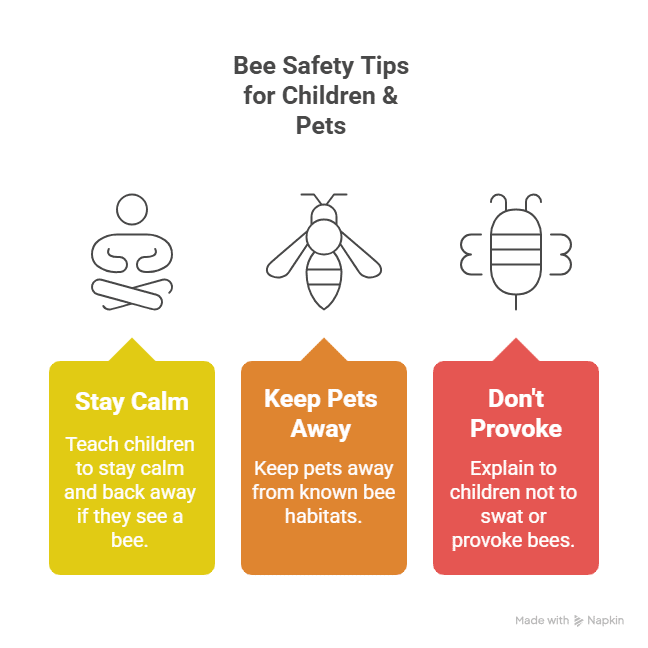
To prevent bee stings and other insect bites and stings, follow these simple steps:
Knowledge Test Quiz: Bee Sting First Aid
Test your understanding of bee sting first aid. Click to choose, then press Check Answers.
🚑 When Bee Stings Become a Medical Emergency
A severe reaction to a bee sting can occur within minutes. This condition, known as anaphylaxis, requires immediate treatment.
- Difficulty breathing or swallowing
- Swelling of lips, face, or throat
- Hives or widespread rash
- Drop in blood pressure or collapse
These actions can save a life — and proper training ensures you know exactly what to do.
Take action today: enrol in a First Aid Pro HLTAID011 course and be ready for any emergency.
Be Prepared for a Wasp or Bee Sting
Wasp and bee stings are an inevitable part of outdoor life in Australia, but being prepared can make all the difference. Most stings can cause local reactions that settle quickly with basic first aid, but a small number lead to severe allergic reactions requiring urgent care.
By learning how to treat a bee sting, recognise symptoms, and manage risks, you can protect yourself and others from harm.
Don’t leave it to chance — enrol in a nationally recognised first aid course with First Aid Pro and be ready for any bite or sting emergency.
References
- Australian Resuscitation Council (ARC) Guidelines – Bites and Stings
- Healthdirect Australia – Bee and Wasp Stings
- ASCIA (Australasian Society of Clinical Immunology and Allergy) – Allergic Reactions to Insect Stings
- Queensland Health – First Aid for Bites and Stings
- NSW Poisons Information Centre: Health – Fact Sheet: Stings and Bites
Frequently Asked Questions
Scrape it sideways with a card or your fingernail. Avoid squeezing to prevent injecting more venom.
If you experience widespread hives, swelling, or breathing difficulty, you may have a bee sting allergy. Consult an allergist for testing and treatment.
Bees leave their stinger and die; wasps can sting multiple times. Wasp stings are typically more painful but shorter-lasting.
Mild swelling usually lasts 24–48 hours. Seek medical advice if it persists or worsens.
If symptoms include dizziness, swelling of the throat or face, or trouble breathing, call 000 immediately.