



Sharon has 21+ years of experience as a qualified Emergency Care Nurse registered with the Australian Health Practitioner Regulation Agency (APHRA) and 12+ years as a First Aid Trainer.
She takes pride in FirstAidPro making first aid training available, comprehensive and affordable to everybody.
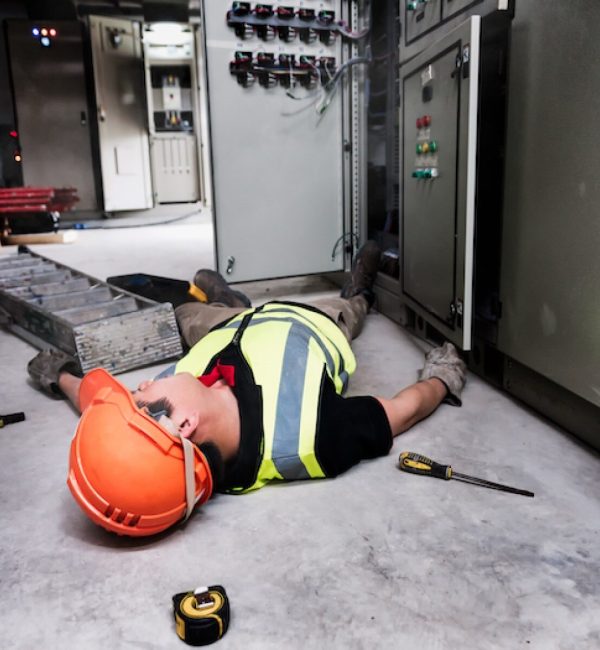
Low Voltage Rescue (LVR) training is the nationally recognised skillset that teaches workers how to perform rescue from a live low voltage panel, provide effective CPR, and respond safely in electrical emergencies. In 2025, Australia continues to update its electrical safety training framework, transitioning away from UETDRRF004 and UETDRMP007, toward the modern unit UETDRMP018, strengthening industry compliance and boosting workplace safety across all electrical environments.
Enrol in the nationally recognised UETDRMP018 Perform Rescue from a Live LV Panel course (includes CPR) with First Aid Pro
Key Takeaways: LVR Training Update 2025
- LVR training remains essential for anyone working around live low voltage electrical equipment, ensuring workers can perform rescue from a live LV panel and provide CPR according to ARC guidelines.
- UETDRRF004 has been fully superseded, meaning workers can no longer enrol in this unit. Existing holders must maintain annual refresher training to stay compliant.
- UETDRMP007 was the industry standard for Electricity Supply Industry (ESI) workers, offering updated rescue procedures, risk controls, and CPR requirements but is now being phased out and superseded by UETDRMP018.
- UETDRMP018 is now the current, official nationally recognised LVR training course, suitable for electricians, construction workers, utilities, and emergency services. It covers WHS, first aid, CPR, and safe rescue techniques.
- All current LVR courses require CPR certification, typically HLTAID009 Provide cardiopulmonary resuscitation, renewed every 12 months.
- The 2025 updates strengthen alignment with national WHS laws, modern electrical safety practices, and industry expectations for safe work around live electrical installations.
What Is Low Voltage Rescue LVR Training in Australia?
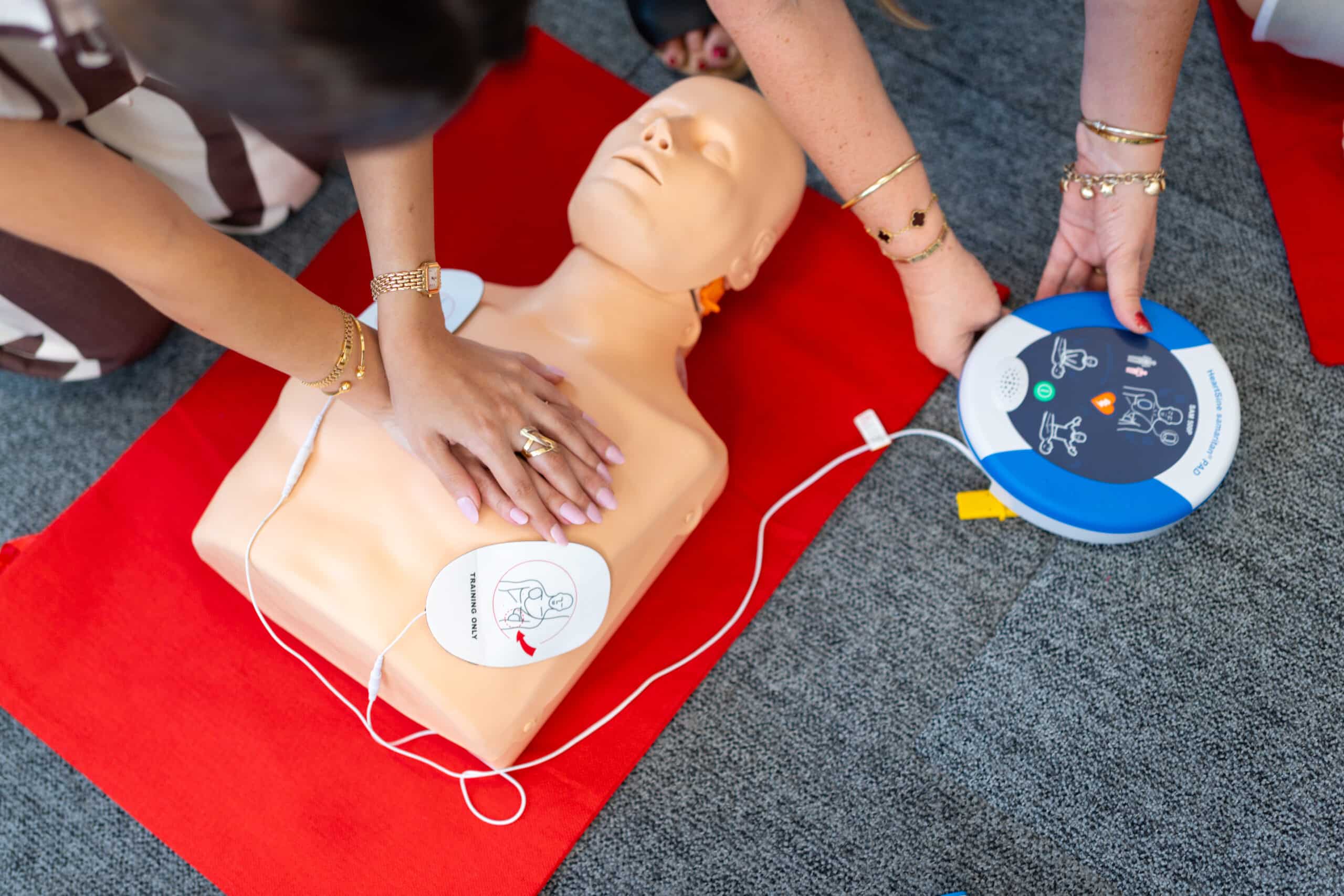
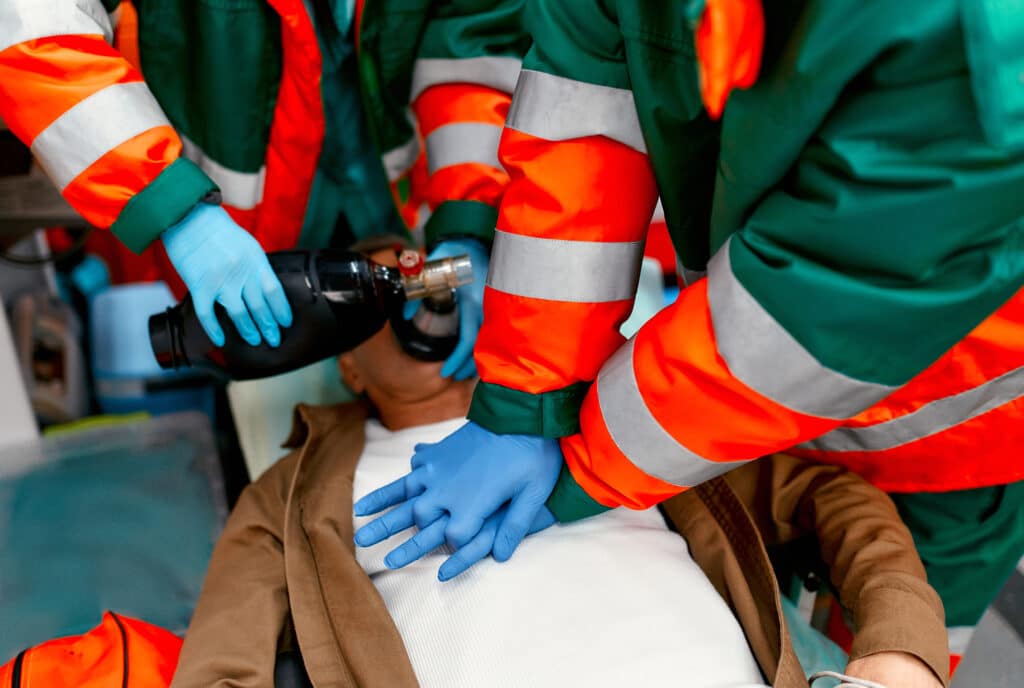
Low Voltage panel rescue – LVR training is essential for anyone working around live low voltage electrical equipment. An LVR training course provides the practical skills and knowledge required to perform a safe rescue from a live LV panel, administer CPR, control electrical hazards, and follow correct first aid and emergency procedures. In Australia, LVR is often packaged with HLTAID009 Provide cardiopulmonary resuscitation, ensuring workers can give 2 minutes of uninterrupted CPR while awaiting emergency services.
The Purpose of LVR Training
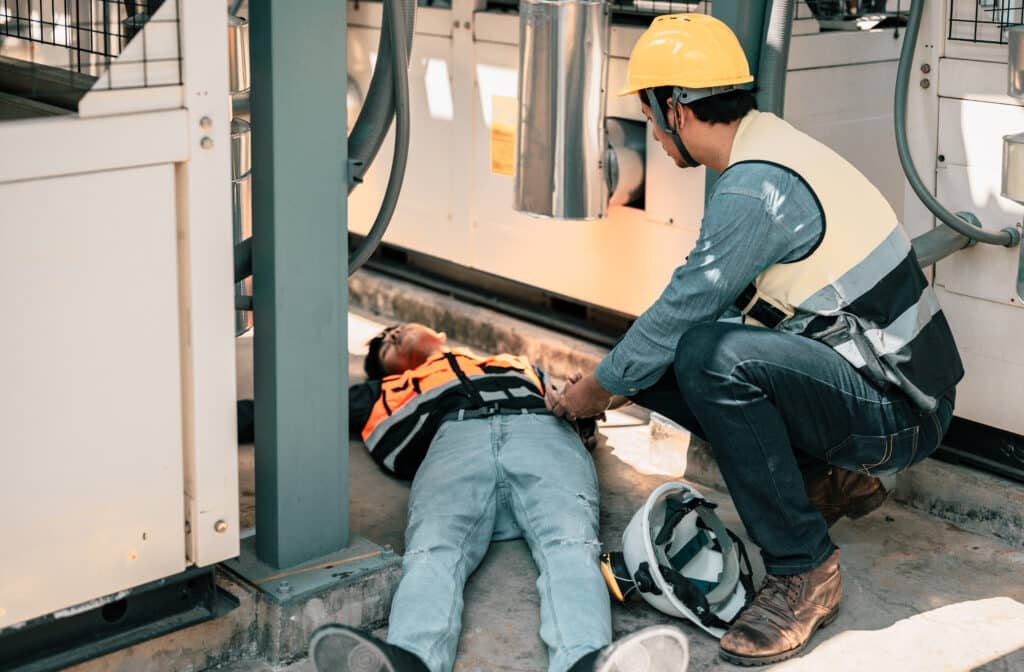
The purpose of low voltage rescue – LVR training is to give workers the capability to perform a safe rescue from a live low voltage panel, protect themselves from electrical hazards, and stabilise the casualty until paramedics arrive. This training helps ensure:
- Safe withdrawal of a person who has suffered an electrical shock
- CPR competency aligned with Australian Resuscitation Council (ARC) guidelines
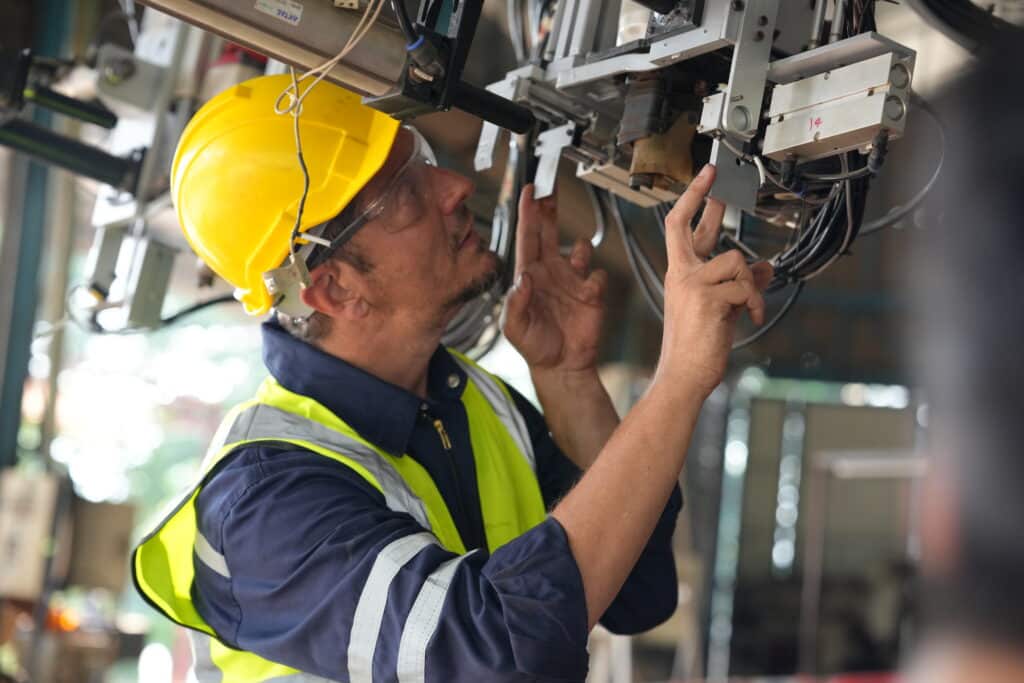
- Awareness of electrical risks in the workplace
- Application of correct rescue procedures from a live low voltage panel
- Understanding of WHS obligations for electrical workers
Who Needs LVR Certification?
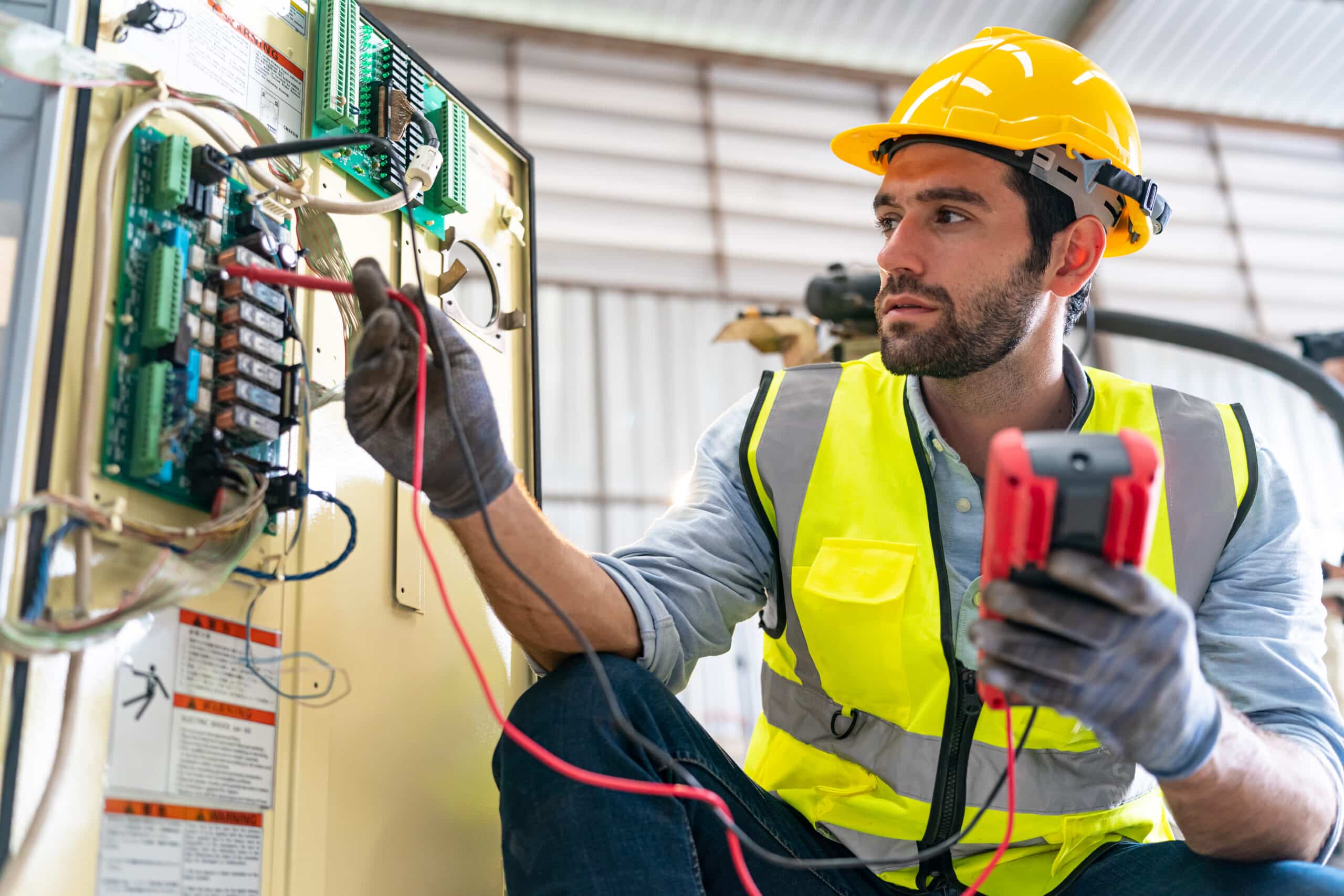
LVR training is required for anyone working with live electrical systems, including:
- Electricians and electrical contractors
- Apprentices working in electrical environments
- Utilities, transmission, and distribution workers
- Mining and construction workers
- Fire, emergency and rescue personnel
- Supervisors overseeing electrical tasks
- Safety officers and WHS representatives
Workers must renew their current LVR CPR certification every 12 months, in line with industry standards and state regulations.
Understanding the Unit Codes: UETDRRF004, UETDRMP007, and UETDRMP018
UETDRRF004 – The Legacy Unit
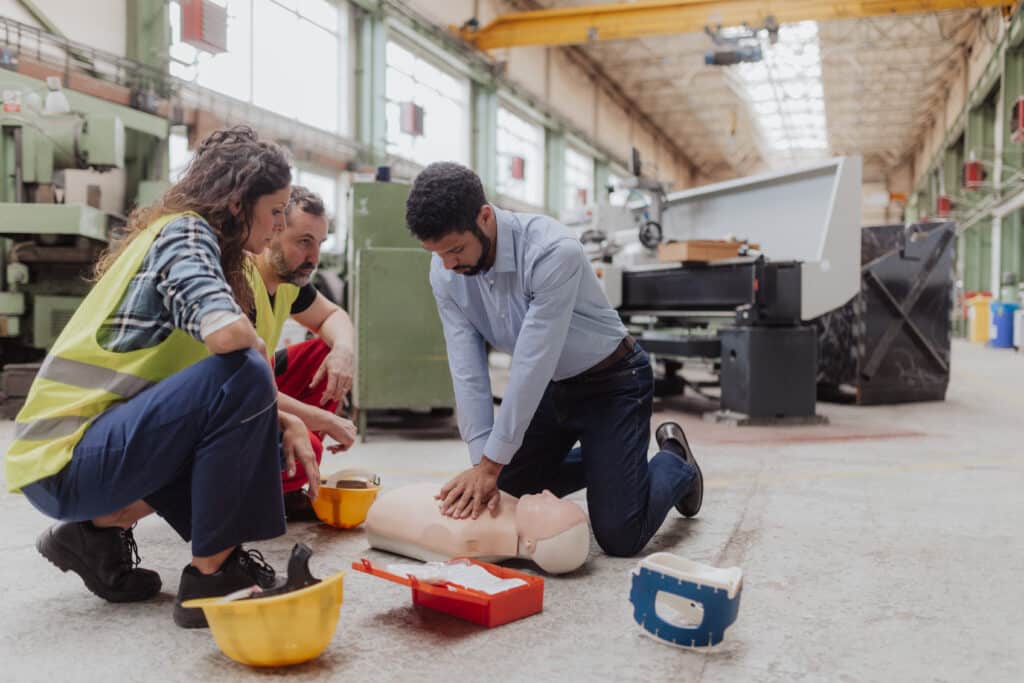
UETDRRF004 Perform rescue from a live LV panel is the legacy unit that dominated the industry for more than a decade. It focused on:
- Practical LVR techniques
- Safe approach and safe withdrawal
- CPR aligned with ARC guidelines
- Electrical incident response
While UETDRRF004 was accepted across Australia for years, it has now been officially superseded. Workers can still hold a certificate in this unit, but new enrolments are no longer allowed.
This older unit remains recognised only if the worker maintains annual refresher training. However, regulators are increasingly directing employers and workers toward the current units: UETDRMP007 (only for a limited time as it’s being phased out) and UETDRMP018.
UETDRMP007 – The Updated Industry Standard for ESI
Introduced after October 2023, UETDRMP007 Perform rescue from a live low voltage electrical apparatus was the updated unit specifically contextualised for the Electricity Supply Industry (ESI). It was better aligned with modern requirements for workers in transmission, distribution, and energy network operations but is soon to be superseded by UETDRMP018 .
Key characteristics included:
- Mandatory CPR prerequisite (HLTAID009 or HLTAID011)
- Stronger focus on ESI risk controls
- More defined electrical incident reporting requirements
- Updated performance and knowledge evidence
- Modernised rescue equipment use, including insulated mats, LVR kits and rescue hooks
This unit applied more directly to electrical network staff, utilities workers, and contractors working under ESI authorities.
UETDRMP018 – The New Nationally Recognised Unit
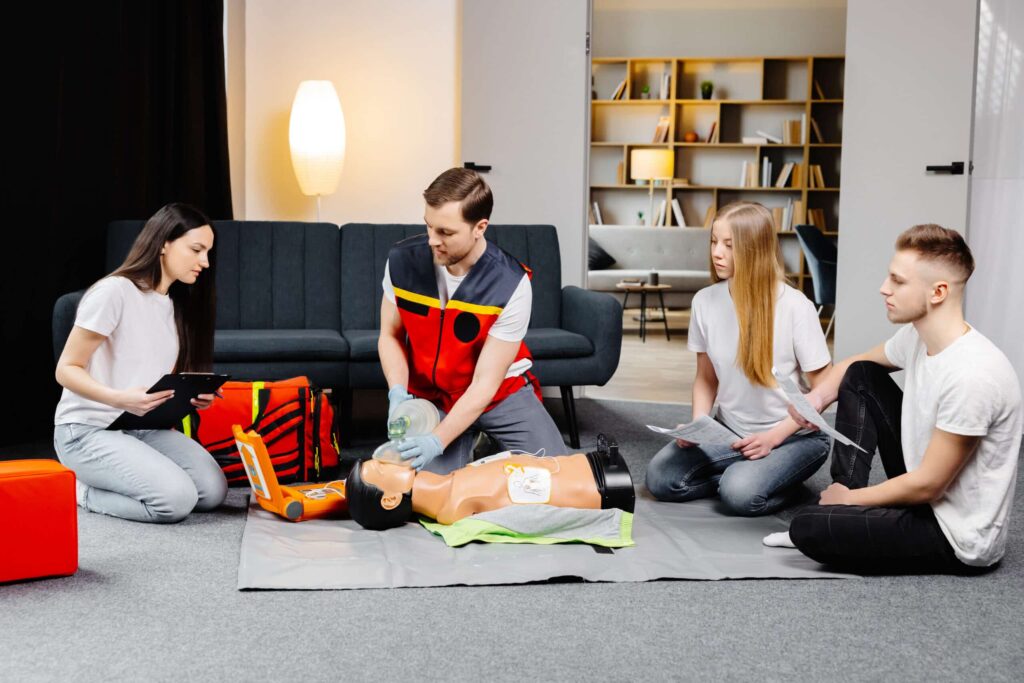
UETDRMP018 Perform rescue from a live LV panel is the new, comprehensive, nationally recognised unit suitable for general electrical, construction, industrial, and emergency services environments. It is considered the most widely applicable current LVR training course across Australia.
Features include:
- Alignment with WHS/OHS and national standards
- Strong emphasis on first aid, CPR, and live LV rescue procedures
- Broader industry application (not limited to ESI)
- More extensive hands-on assessment requirements
- Training for electrical workers, supervisors, and workplace first aiders
This course ensures participants can perform a safe rescue from a live low voltage panel and administer CPR in accordance with ARC guidelines.
Comparison Table – Key Differences at a Glance
Below is a clear comparison to help identify the right unit for your workplace or profession.
Feature | UETDRRF004 | UETDRMP007 | UETDRMP018 |
Status | Superseded | Current (ESI focus) | Current (national) |
Prerequisites | None | CPR required | CPR required |
Training Focus | LVR + CPR | ESI standards, risk control | WHS, LVR rescue + CPR |
Industries | General electrical | Electricity supply industry | Electrical, construction, utilities, emergency |
Who Delivers It? | RTOs pre-2023 | RTOs approved for ESI | Nationally accredited RTOs |
Compliance (2025) | Valid only for past holders | Fully valid but being Phased out | Fully valid |
What Changed in 2025 for LVR Training?
The year 2025 continues Australia’s strong focus on electrical safety reform. While the shift began in 2023–2024, many employers are formalising the changeover to current units in 2025.
Alignment with National WHS Standards
LVR courses now emphasise:
- Pre-rescue hazard identification
- Testing for dead, isolation, and lockout procedures
- Electrical risk controls under WHS Act & Regulations
- Incident reporting and emergency communication
These changes ensure that workers can respond confidently in real electrical environments.
Updated CPR Competencies
Both UETDRMP007 and UETDRMP018 require current CPR certification. Learners must show competency in:
- 2 minutes of uninterrupted CPR
- Use of an AED
- Correct casualty positioning
- ARC-aligned compression-to-ventilation ratios
LVR and CPR training remain inseparable in 2025, reflecting real-world rescue needs.
Increased Emphasis on ESI Contexts
For a limited time, ESI workers can still enrol in UETDRMP007 to focus on scenarios linked closely to:
- Energised network apparatus
- Live switchboard environments
- High-risk isolation scenarios
- Electrical supply interruptions and fault responses
Upgrade your skills with the nationally recognised UETDRMP018 LVR & CPR course.
Enrol Today with First Aid Pro
5 Key Steps of Low Voltage Rescue
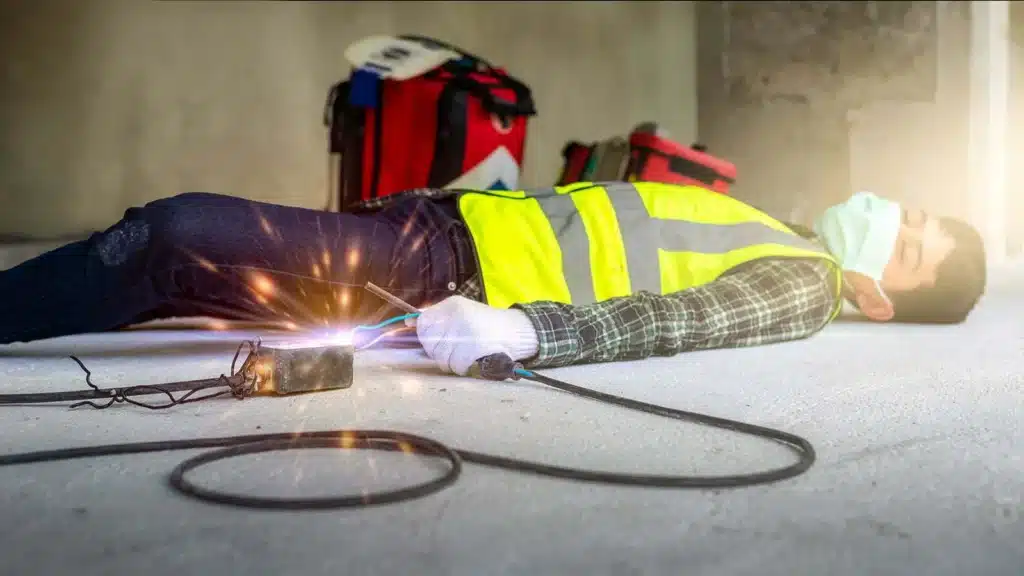
Follow these essential low voltage rescue steps before providing CPR and first aid in any live LV panel emergency.
-
1
Check danger
Ensure no live electrical hazards remain and the area is safe for you and others before approaching the casualty.
-
2
Isolate power
Turn off the electrical supply at the switch or isolation point if it is safe and possible to do so.
-
3
Insulate yourself
Use the LVR kit, including insulated gloves, mat and rescue hook, to protect yourself from live low voltage contact.
-
4
Perform rescue
Using the rescue hook and safe techniques, remove the casualty from the live low voltage panel or energised area.
-
5
Provide CPR and first aid
Check responsiveness and breathing, begin CPR if required, apply first aid, and call Triple Zero (000) for emergency help.
Knowledge Quiz: LVR & CPR Skills
Test your understanding of low voltage rescue training and CPR requirements for electrical workers in Australia.
Staying Safe and Compliant
LVR training is a crucial requirement for electrical workers across Australia. As the industry transitions into 2025, the shift from UETDRRF004 and UETDRMP007 to UETDRMP018 ensures that workers have the most up-to-date skills for responding to electrical incidents and performing rescue from a live LV panel.
Whether you’re an electrician, apprentice, utilities worker, or supervisor, choosing the correct LVR course is essential for ensuring safety, compliance, and professional readiness.
Next Steps
- Verify your RTO’s accreditation on training.gov.au
- Confirm with your employer or state regulator which LVR unit is required
Be ready for any electrical first aid emergency — enrol in the UETDRMP018 Perform Rescue from a Live Low Voltage Panel course with First Aid Pro.
References
Frequently Asked Questions
Yes — but only for workers who completed it before it was superseded. You cannot enrol in UETDRRF004 anymore, and many employers now request UETDRMP018 or UETDRMP007 instead, although this unit will soon be unavailable.
Most industries and regulators require annual refresher training. Workers must hold current LVR training with CPR certification.
UETDRMP018 is the most current unit and is an accepted option across general electrical, construction, mining, and industrial settings.
Yes. LVR training covers electrical first aid, CPR, use of an AED, casualty management, and safe rescue procedures.