



Sharon has 21+ years of experience as a qualified Emergency Care Nurse registered with the Australian Health Practitioner Regulation Agency (APHRA) and 12+ years as a First Aid Trainer.
She takes pride in FirstAidPro making first aid training available, comprehensive and affordable to everybody.
PUAEME008 training – Provide Pain Management is a nationally recognised first aid unit that teaches responders how to safely administer restricted analgesics and provide effective pain relief during emergency situations. This competency helps first responders assess pain, support casualties, and apply safe techniques as part of a medically supervised first aid service in the workplace or community.
If you want to confidently administer restricted analgesics to provide pain management in real emergencies, enrol in First Aid Pro’s nationally recognised PUAEME008 training – Provide Pain Management Course today.
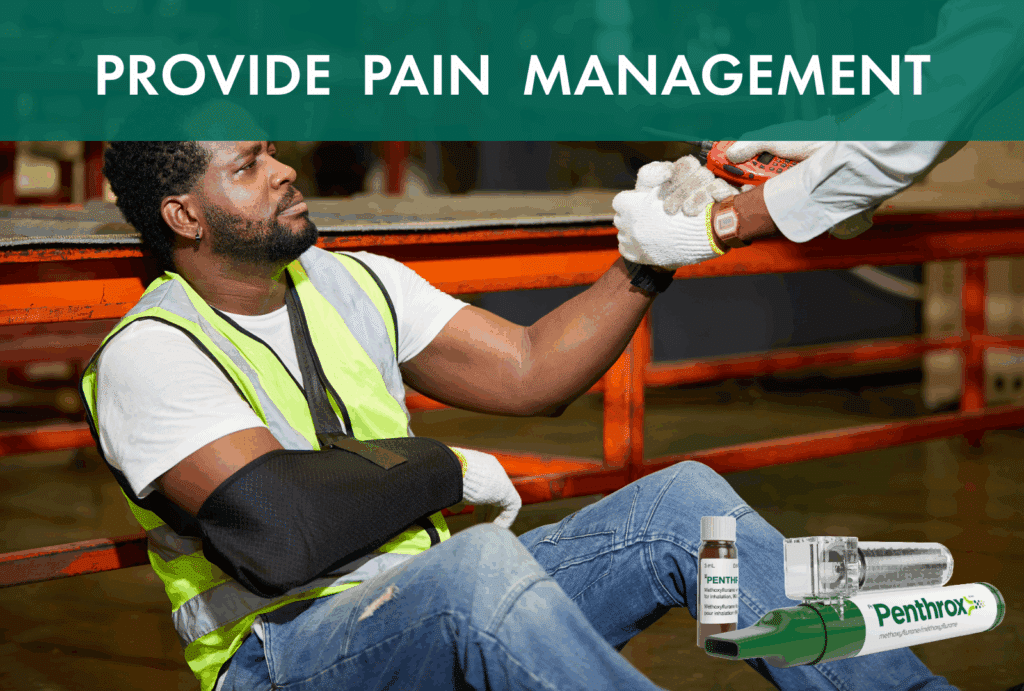
Key Takeaways
- PUAEME008 training provides first responders with the skills and knowledge required to administer restricted analgesics safely.
- The course strengthens capability in assessing pain, preparing medications, monitoring casualties, and performing accurate casualty handovers.
- PUAEME008 training supports workplace first aid officers, medically supervised first responders, and personnel responding to emergencies where pain relief is part of essential care.
- The unit aligns with Australian emergency service expectations and complements HLTAID011 – Provide First Aid.
- Learners gain practical experience applying safe pain management techniques in simulated workplace first aid environments.

Understanding PUAEME008 Training and Its Role in Emergency Preparedness
The nationally recognised training unit PUAEME008 – Provide Pain Management equips first responders with essential skills to offer restricted analgesics as part of a medically supervised first aid response. The unit is commonly completed by workplace first aid officers, emergency service personnel, security staff, and responders working within organisations that provide a medically supervised first aid service.
While HLTAID011 – Provide First Aid focuses broadly on recognising and responding to emergencies, PUAEME008 training extends those skills, allowing responders to manage pain safely and confidently when medical care is still on the way.
Why This Matters for Australian Workplaces
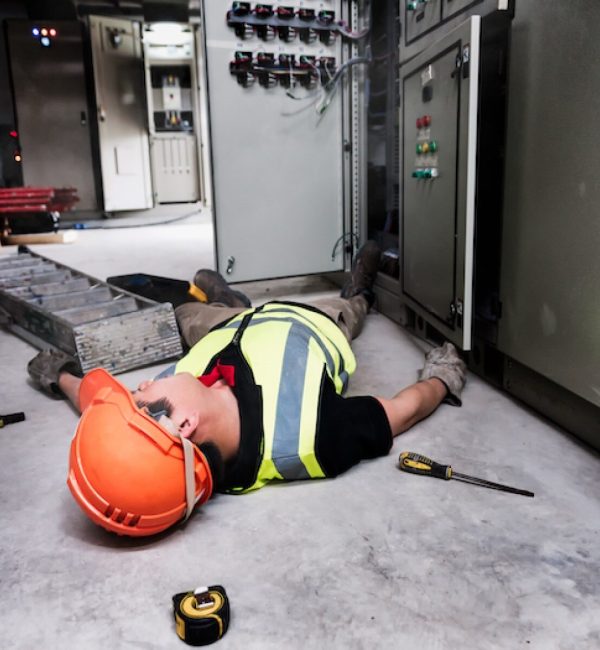
Australian legislation requires workplaces to have appropriate first aid arrangements based on their level of risk. In high-risk settings such as construction, manufacturing, transport, mining, and remote work sites, pain relief can be crucial to maintaining patient safety until professional emergency services arrive. Having personnel with PUAEME008 training – provide pain management ensures a safer, more effective emergency response.

Strengthening Pain Assessment Skills for Safer Decision-Making
Pain assessment is foundational to this unit. First responders must be able to identify the need for analgesia and evaluate the casualty’s condition accurately before preparing or administering restricted pain relief.
Key Components of Pain Assessment
Assessing pain in emergency situations helps responders provide safe, medically informed care when administering restricted analgesics as part of pain management.
Understanding the nature of the pain guides responders in selecting safe and appropriate pain management actions.
Assess whether fractures, burns, or soft-tissue injuries may require analgesics to improve comfort and safety.
Certain medical conditions or symptoms may contraindicate restricted analgesic use, requiring careful judgement.
Continuous monitoring ensures the casualty’s response is safe and helps identify any adverse effects early.
Detailed documentation supports effective handover to paramedics or medically supervised first aid services.
This structured approach helps responders provide safe, medically informed care when administering restricted analgesics to provide pain management.
Improving Communication and Coordination During Emergency Response
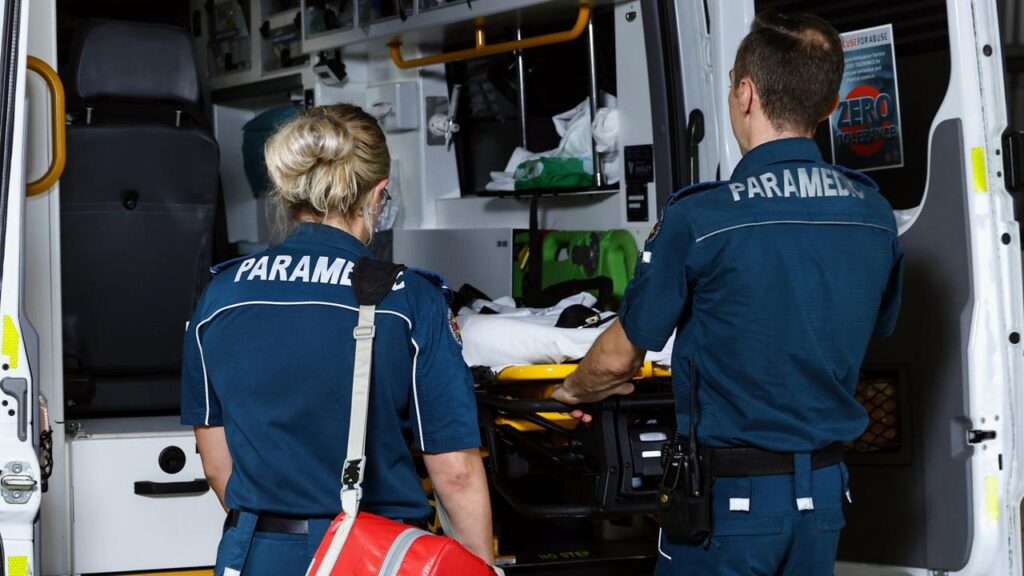
Clear communication is vital when workplace emergencies occur. Responders with PUAEME008 training have enhanced ability to explain procedures, obtain consent, reassure casualties, and communicate with emergency services or medically supervised first aid organisations.
Effective Communication Responsibilities
Communication Requirement | Purpose |
Explain analgesic type and purpose | Builds casualty trust and cooperation |
Clarify risks or side effects | Supports informed consent |
Use calm, direct language | Reduces anxiety and improves safety |
Document and report analgesic use | Ensures legal compliance |
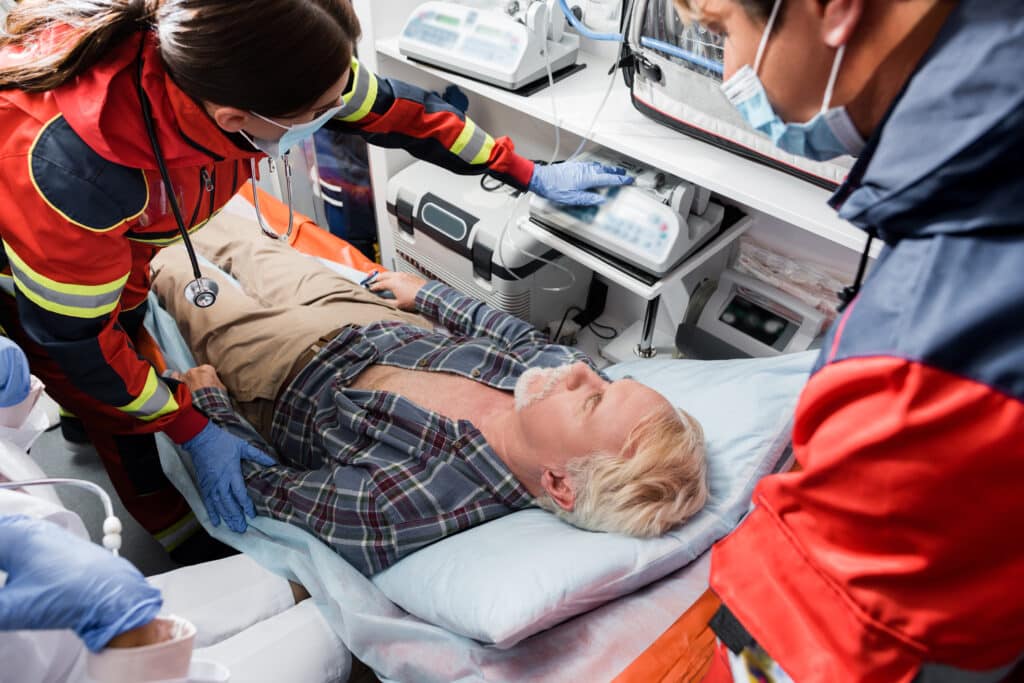
Provide structured casualty handovers | Helps emergency personnel deliver ongoing care |
These communication skills also support workplace evacuation procedures when injuries occur during high-stress incidents.
Enhancing Casualty Care Through Practical, Scenario-Based Training
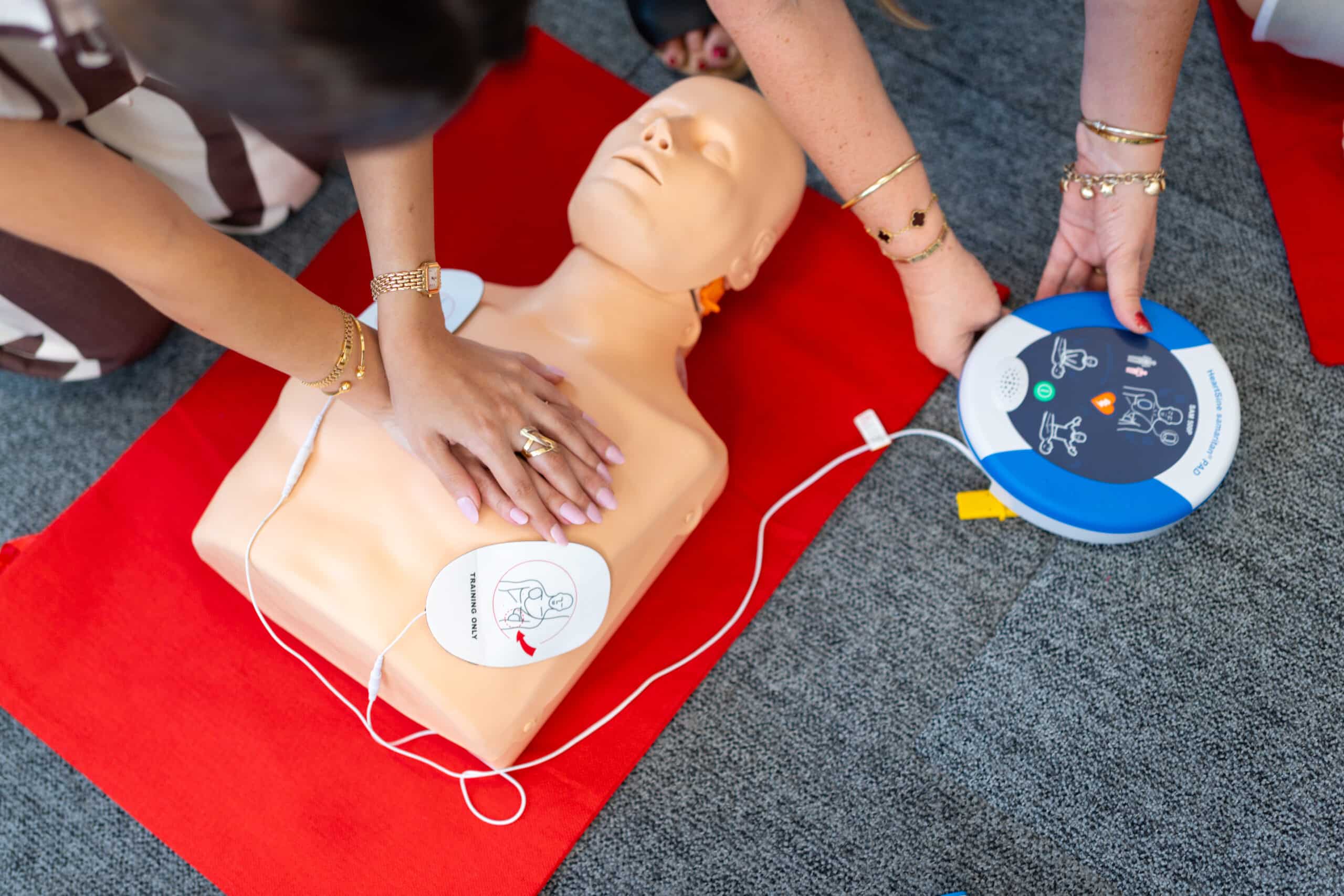
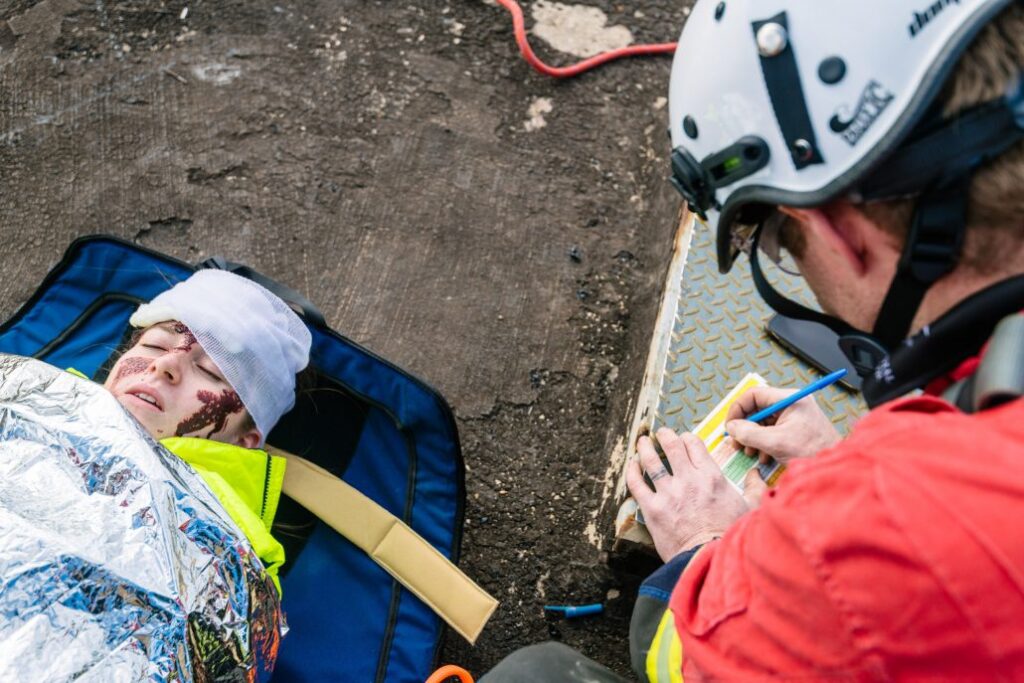
The PUAEME008 Provide Pain Management Course includes hands-on practice to help learners respond confidently in real emergencies. Training covers the skills and knowledge required to support casualties before emergency services take over.
Practical Skills Covered in the Course
This practical focus ensures first responders are ready to provide safe, effective pain relief as part of a medically supervised first aid service.
Learn how to prepare, measure, and administer restricted analgesics in line with organisational protocols and legal requirements.
Assess the casualty’s pain level, condition, and history to decide when pain relief is appropriate and safe.
Observe changes in pain, breathing, consciousness, and vital signs after administering analgesics.
Record dose, timing, route, and response, and provide clear handover details to paramedics or medically supervised first aid personnel.
Use safe handling techniques, appropriate PPE, and clean equipment to reduce infection and contamination risks.
Recognise side effects or deterioration early and escalate to emergency services or medical support without delay.
This practical focus ensures first responders are ready to provide safe, effective pain relief as part of a medically supervised first aid service.
Applying PUAEME008 Skills in Common Workplace Emergency Situations
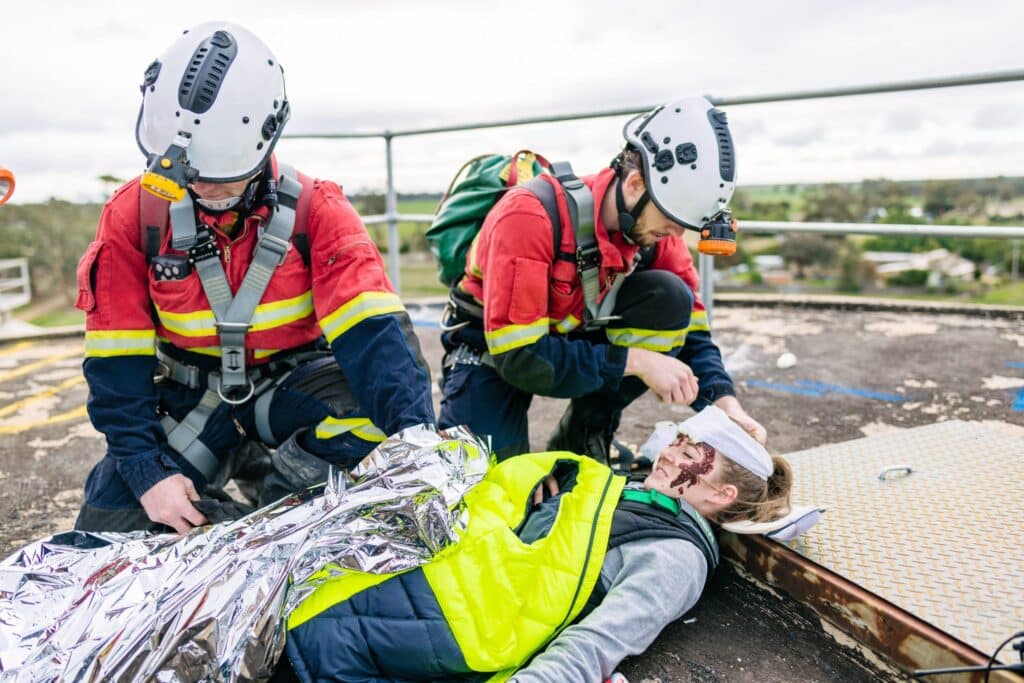
Workplaces experience a wide range of incidents where pain management is required. First responders with PUAEME008 training learn to identify when pain relief is appropriate and administer it safely while maintaining overall casualty care.
Managing Medical Emergencies During Evacuations
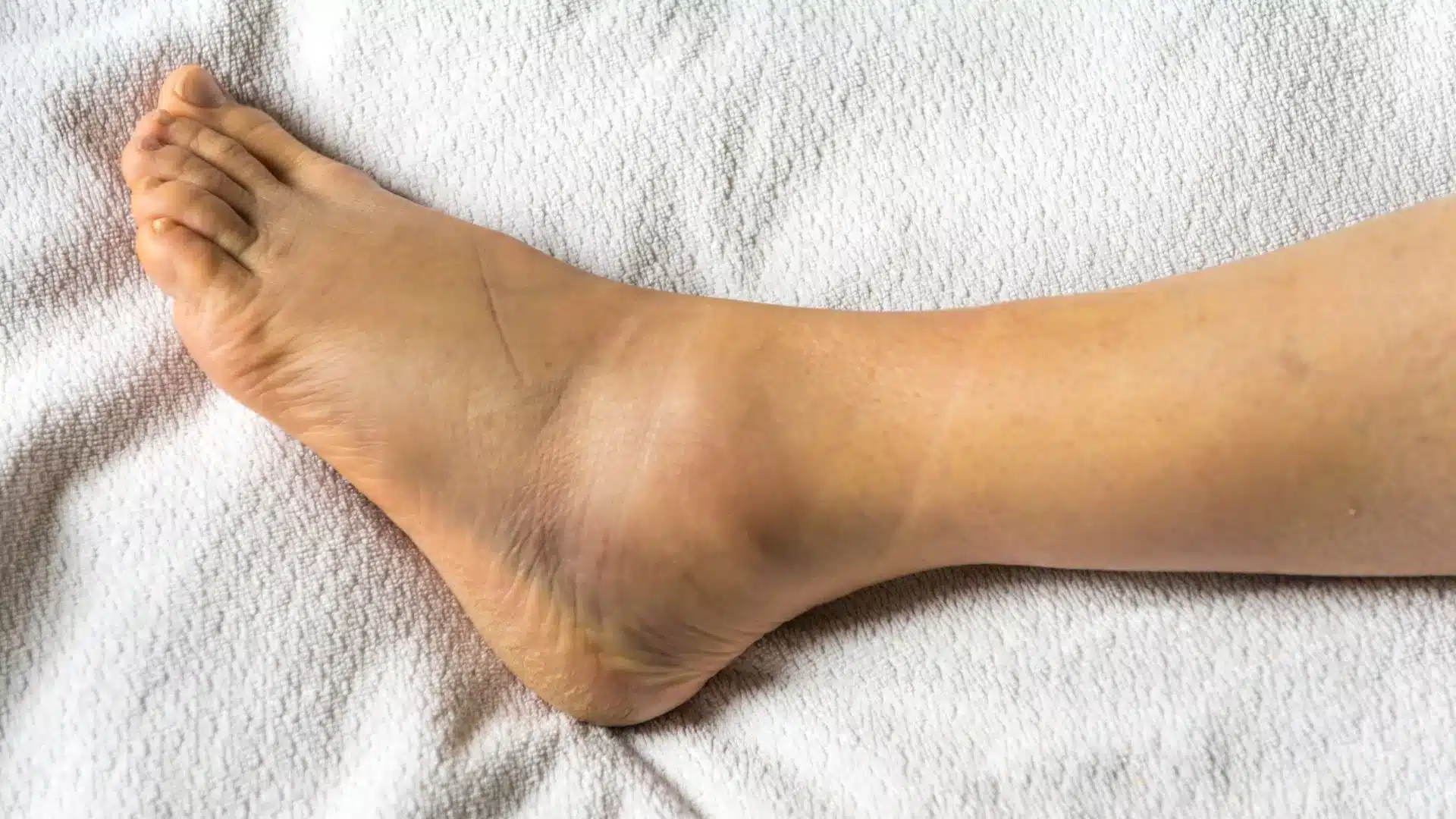
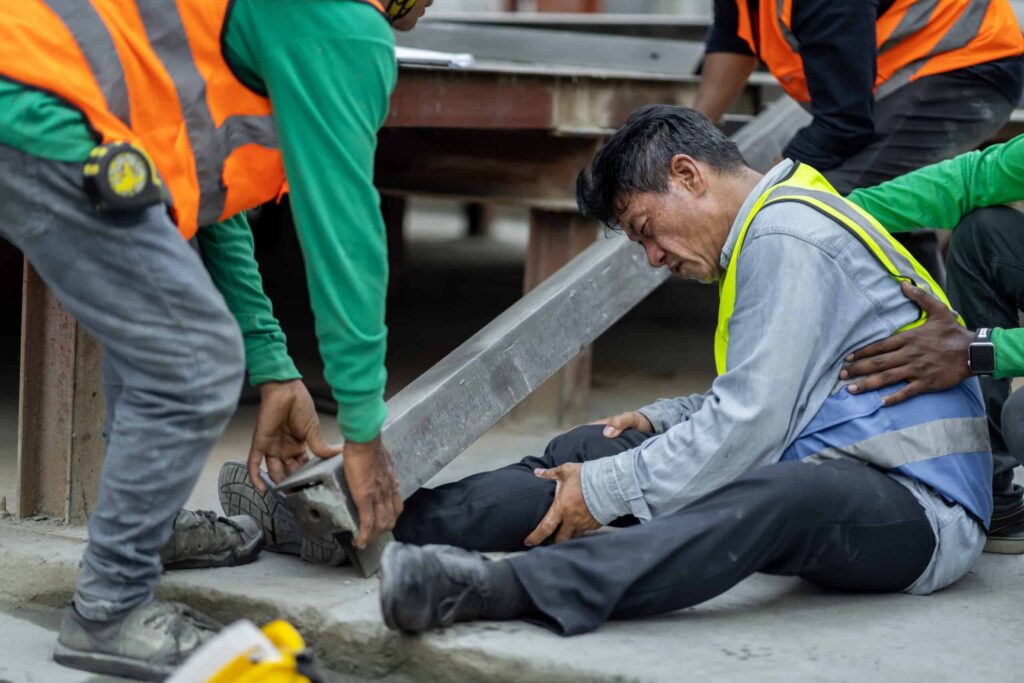
Medical emergencies such as fractures, sprains, crush injuries, burns, and acute medical conditions can occur during evacuations or incidents requiring immediate first aid. Pain management helps stabilise the casualty and prevent shock while maintaining safety.
Responders trained in this unit can:
Providing pain management as part of emergency response helps reduce distress and improves the effectiveness of other first aid interventions.
Responding to Fires, Chemical Spills, and High-Risk Incidents
Australian workplaces face hazards that can lead to serious pain-related injuries. This unit helps responders manage situations such as:
Typical High-Risk Incidents Requiring Pain Relief (Table)
Incident Type | Example Injuries | Pain Relief Role |
Fire/Heat exposure | Burns, smoke irritation | Improve comfort prior to medical care |
Chemical accidents | Eye or skin exposure | Reduce discomfort with safe positioning and analgesics |
Machinery injuries | Crush or laceration injuries | Manage severe pain before ambulance arrival |
Slips/Falls | Fractures, sprains | Stabilise and provide pain relief |
Proper pain management helps maintain casualty wellbeing in these complex workplace emergencies.
Supporting Workplace Emergency Plans With Skilled First Responders
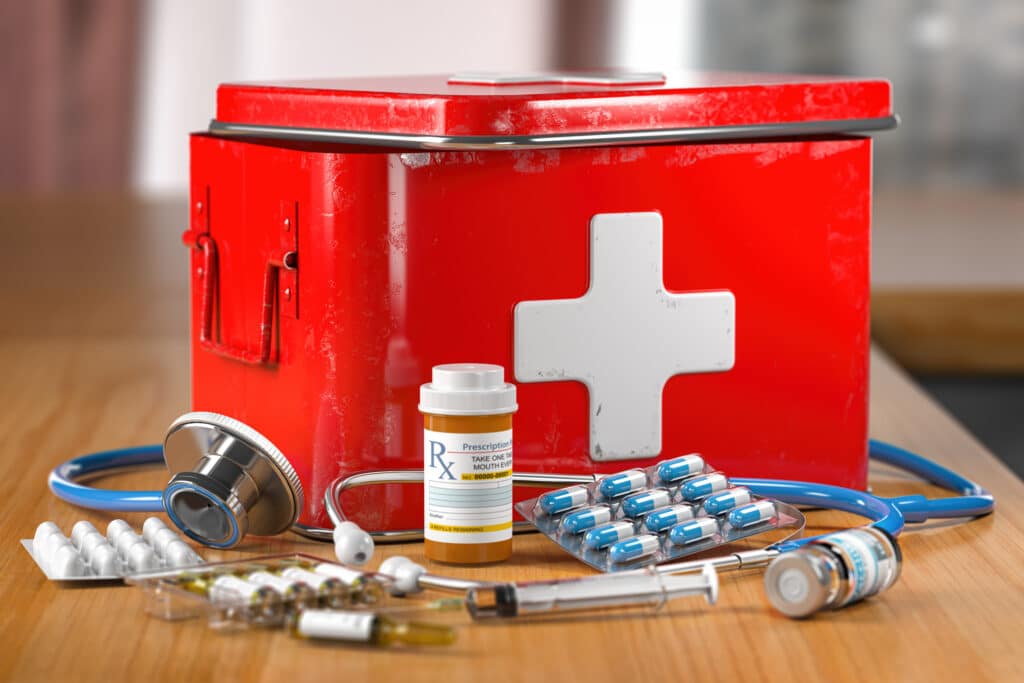
Australia’s WHS laws require workplaces to develop emergency plans that consider potential hazards. Having trained responders who can administer restricted pain relief strengthens a business’s emergency preparedness.
The PUAEME008 Provide Pain Management Course equips responders to:
Pain relief plays a vital role in comprehensive first aid and contributes to safer outcomes in the workplace.
Integrating Pain Management Into Workplace Emergency Procedures and Drills
Emergency drills offer an opportunity to practise casualty care in realistic conditions. Responders with PUAEME008 training can help identify gaps in:
- Pain assessment procedures
- Access to analgesics
- Casualty transport readiness
- First aid room capabilities
- Communication pathways with emergency services
This continuous improvement process ensures workplaces can manage emergencies more effectively.
Compliance Benefits for Businesses Offering PUAEME008 Training
Training employees in a nationally recognised pain management course demonstrates strong due diligence under Australian WHS Regulation. It also contributes to safer workplaces by ensuring that frontline responders can provide safe pain relief in emergency situations.
Compliance Advantages
By investing in pain management training, workplaces improve their capacity to respond effectively to emergencies and support injured employees.
Strengthen your workplace first aid capability—enrol your team in First Aid Pro’s nationally recognised PUAEME008 Provide Pain Management Course today.
How to Enrol in PUAEME008 Provide Pain Management Training
First Aid Pro delivers this nationally recognised PUAEME008 training through practical face-to-face workshops, and flexible workplace delivery options.
Course Content Overview
Who Should Complete This Unit?
- Workplace first aid officers
- Occupational first aid personnel
- Emergency service volunteers
- Security professionals
- Remote or high-risk workers
- Anyone providing medically supervised first aid
Gain the confidence to provide safe, effective pain relief—enrol now in the nationally recognised PUAEME008 training – Provide Pain Management Course with First Aid Pro.
Knowledge Test: Provide Pain Management Quiz
Choose the best answer for each question, then click Check answers.
1. What is the main purpose of PUAEME008 training?
2. Which analgesic type is typically covered in PUAEME008 training?
3. Why is documenting analgesic use important?
4. When should a first responder administer restricted analgesics?
5. What complements PUAEME008 training in workplace emergency preparedness?
References
- Therapeutic Goods Administration (TGA) – Regulation of Analgesics
- Safe Work Australia – First Aid in the Workplace
- Training.gov.au Register of VET – PUAEME008
- ANZCOR Guidelines
Frequently Asked Questions
It is a nationally recognised unit that teaches responders how to safely administer restricted analgesics, assess pain, and manage casualties as part of a medically supervised first aid service.
No. PUAEME008 training builds on HLTAID011 by adding pain relief capabilities but does not replace essential first aid training.
Only responders trained and authorised under their organisation’s medically supervised first aid protocols may administer restricted analgesics.
Construction, mining, transport, remote operations, security, and emergency service organisations benefit strongly from enhanced pain management capability.