



Sharon has 21+ years of experience as a qualified Emergency Care Nurse registered with the Australian Health Practitioner Regulation Agency (APHRA) and 12+ years as a First Aid Trainer.
She takes pride in FirstAidPro making first aid training available, comprehensive and affordable to everybody.
Key Takeaways
- Anti-inflammatory tablets reduce pain and swelling from insect bites and stings but cannot treat serious allergic reactions or anaphylaxis.
- NSAIDs such as ibuprofen are the most common anti-inflammatory tablets available over the counter in Australia.
- Bee stings, wasp stings, ant bites, tick bites, spider bites and mosquito bites can all cause local reactions that may benefit from anti-swelling medicine.
- Anaphylaxis requires an adrenaline auto-injector (EpiPen®) and an immediate call to 000 — not anti-inflammatory medication.
- Cold packs applied to the sting or bite site remain one of the safest and most effective immediate first aid measures.
🩺 Be Ready When It Matters Most Insect bites and stings can escalate fast. A nationally recognised first aid course teaches you exactly what to do — before help arrives – Enrol with First Aid Pro today → firstaidpro.com.au
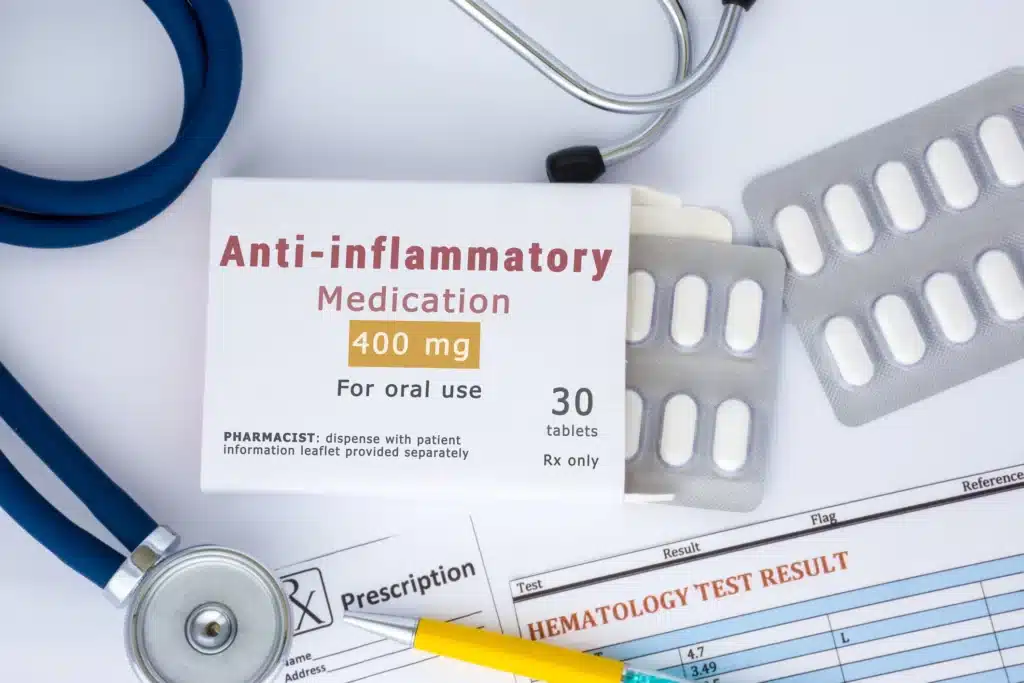
What Are Anti-Inflammatory Tablets and How Do They Work?
Anti-inflammatory tablets are medicines that reduce inflammation — the redness, swelling, heat and pain your body produces in response to injury or a foreign substance like insect venom. In Australia, bites and stings are extremely common and range from mildly irritating to genuinely life-threatening, depending on the person and the creature involved. Knowing when and how to use anti-inflammatory medication — and when it simply isn’t enough — could make a real difference to your health or someone else’s.
There are two main types of anti-inflammatory drugs relevant to treating bites and stings. Non-steroidal anti-inflammatory drugs (NSAIDs) — including ibuprofen (Nurofen®) and naproxen (Naprogesic®) — are available over the counter and work by blocking the enzymes that produce prostaglandins, the chemical messengers driving inflammation and pain. Corticosteroids such as prednisolone are prescription-only, considerably more powerful, and sometimes prescribed for severe allergic reactions or large local reactions. It’s also worth noting that paracetamol is a pain reliever but is NOT an anti-inflammatory drug — it does not reduce swelling the way NSAIDs do.
Generic Name | Common Brand(s) | Typical Adult Dose | Notes |
Ibuprofen | Nurofen®, Advil® | 200–400 mg every 4–6 hrs | Take with food; not for children under 3 months |
Naproxen | Naprogesic® | 220–440 mg, twice daily | Use with caution in the elderly |
Aspirin | Disprin® | 300–600 mg every 4 hrs | Never for children under 16; avoid in asthma |
Diclofenac (topical) | Voltaren® Gel | Apply up to 4x daily | Less systemic risk than oral NSAIDs |
Always follow dosage instructions on packaging or as directed by your pharmacist.
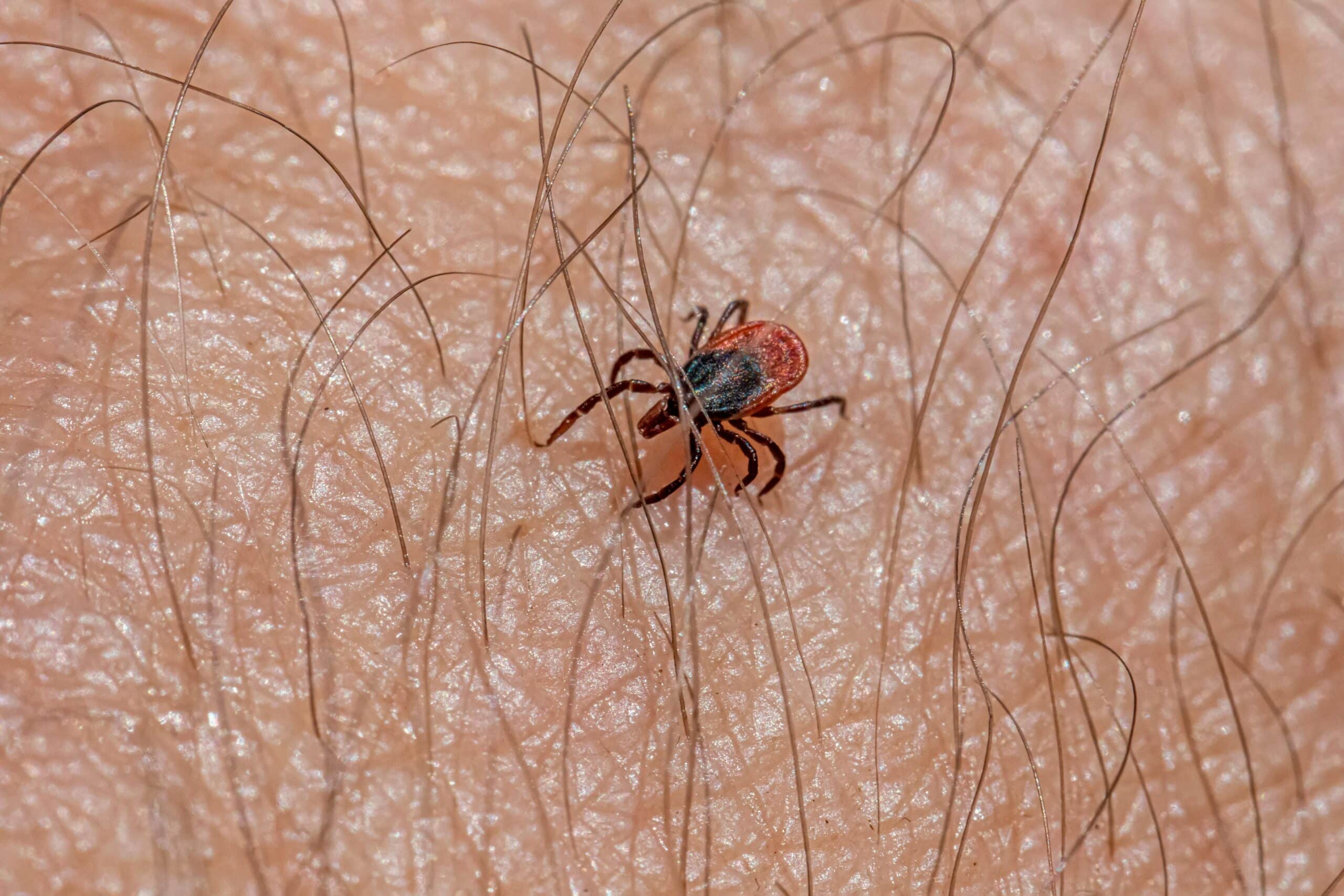
Common Australian Insect Stings and Bites That Cause Inflammation
Australia is home to a remarkable range of insects, arachnids and marine creatures capable of delivering a painful sting or bite. Each triggers inflammation differently, and the severity of reactions varies widely.
Bee and wasp stings are among the most common insect stings in Australia. Honeybee venom contains melittin, which directly damages cell membranes and triggers inflammation. Unlike bees, wasps retain their smooth stinger and can sting multiple times. Both bee and wasp stings cause immediate burning pain, redness and swelling at the sting site, and can trigger severe allergic reactions in sensitised individuals.
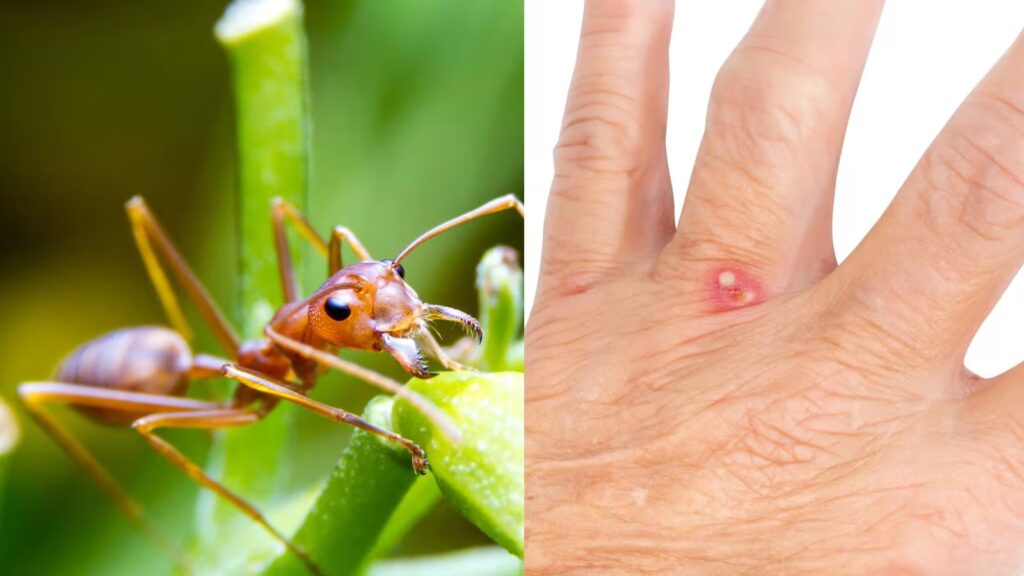
Ant bites are a uniquely Australian concern. The jack jumper ant (Myrmecia pilosula), found mainly in southeastern Australia and Tasmania, causes more anaphylaxis deaths in Australia than any other insect. Fire ants, now established in parts of Queensland and NSW, sting repeatedly and cause intense burning and fluid-filled pustules.
Spider bites from redbacks cause intense localised pain and swelling, while white-tailed spider bites cause local redness and discomfort. Funnel-web spider bites are a medical emergency — anti-inflammatory tablets are not an appropriate response.
Tick bites from the paralysis tick (Ixodes holocyclus), found along the eastern coast, cause localised swelling and itch and can trigger anaphylaxis in sensitised people. Never squeeze or use tweezers to remove a tick — this injects additional toxins. Use a purpose-built tick removal device.
Mosquito bites are the most frequently encountered insect bite in Australia, causing itchy, raised welts through a reaction to mosquito saliva. Beyond the local reaction, Australian mosquitoes can transmit Ross River virus, Barmah Forest virus and, in tropical areas, dengue fever.
Marine stings from bluebottles are extremely common on Australian beaches, causing intense burning pain and linear redness. Box jellyfish and Irukandji stings are life-threatening emergencies — call 000.
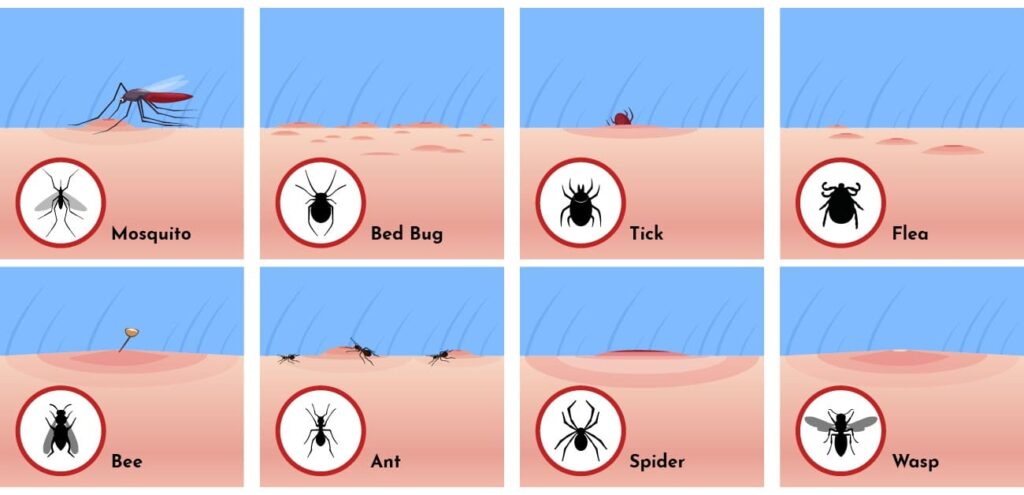
Common Australian Biting and Stinging Creatures at a Glance
Creature | Typical Reaction | Anti-Inflam. Tablets Helpful? | Emergency Risk? |
Honeybee | Local pain, swelling, sting | Yes — local reaction | Yes, if allergic |
Wasp | Burning pain, swelling | Yes — local reaction | Yes — can sting multiple times |
Jack Jumper Ant | Pain, swelling, anaphylaxis risk | No — not for allergic reaction | HIGH — #1 anaphylaxis cause |
Redback Spider | Local pain, swelling | Limited benefit | Seek medical advice |
Funnel-Web Spider | Severe pain, systemic effects | Not appropriate | YES — call 000 |
Paralysis Tick | Local swelling, itch | Limited benefit | Yes — if sensitised |
Mosquito | Itch, mild swelling | Yes — mild inflammation | Low (unless disease) |
Bluebottle Jellyfish | Burning pain, redness | Limited benefit | Low (usually) |
Box Jellyfish | Severe pain, systemic | Not appropriate | YES — call 000 |
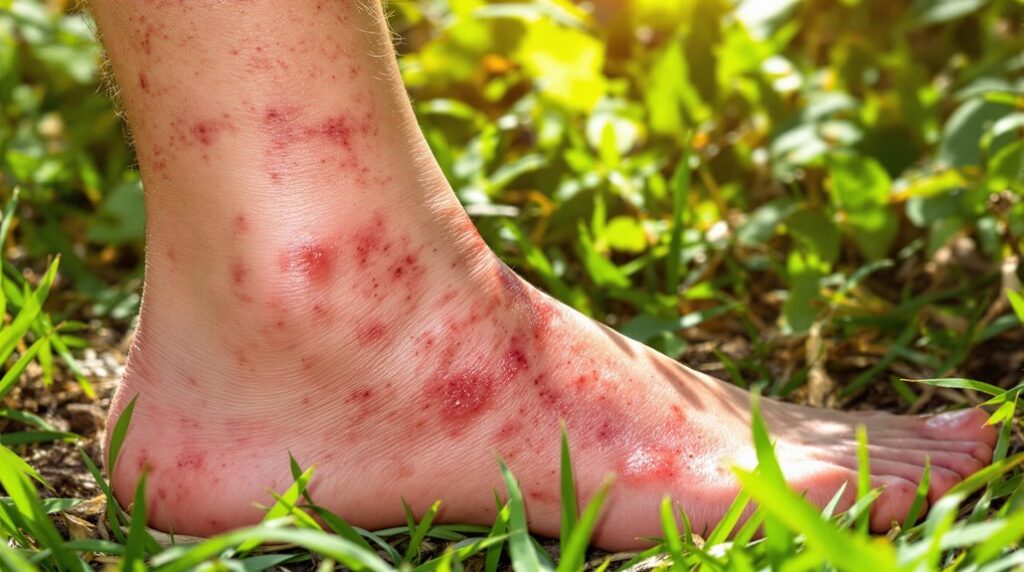
Recognising Reactions to Insect Stings and Bites — Mild to Severe
Correctly identifying the type of reaction you’re dealing with is one of the most important first aid skills when it comes to bites and stings.
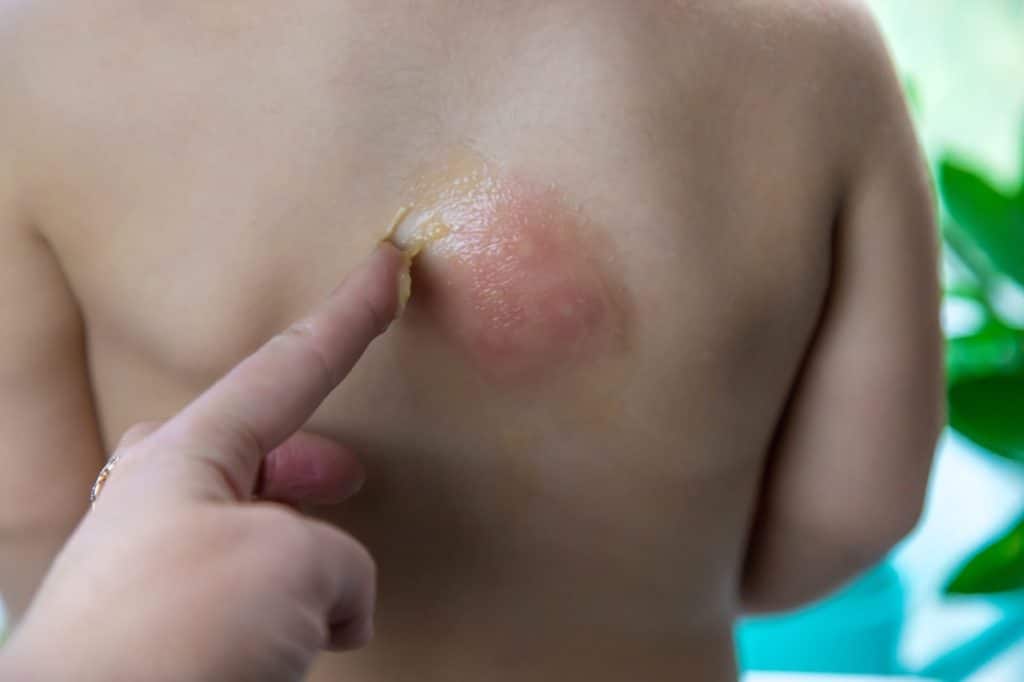
A normal local reaction is the most common response — pain, redness and swelling confined to the area around the sting or bite site, typically resolving within 24–48 hours. These can be treated with basic first aid at home.
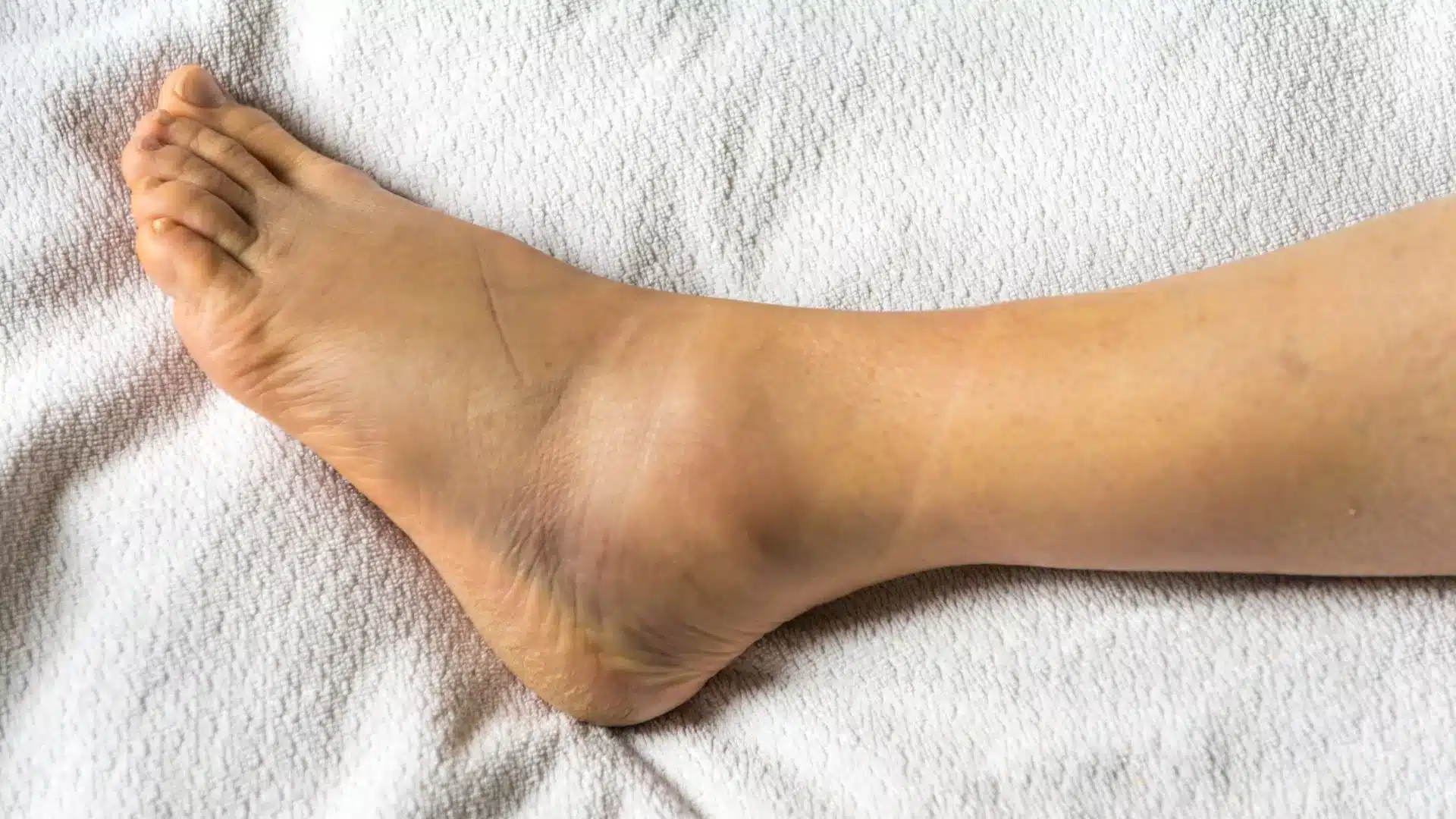
A large local reaction involves swelling extending well beyond the sting site — for example, a sting on the hand causing the entire arm to swell. This is not anaphylaxis, but it’s uncomfortable and may take up to ten days to resolve. According to the Australasian Society of Clinical Immunology and Allergy (ASCIA), people who have experienced large local reactions have a 5–10% risk of anaphylaxis with future stings.
A severe allergic reaction (anaphylaxis) is a life-threatening emergency. Signs and symptoms include sudden difficulty breathing or wheezing, swelling of the throat or tongue, a rapid drop in blood pressure, collapse, and widespread hives appearing rapidly across the body. Anti-inflammatory tablets do NOT treat anaphylaxis. Only adrenaline (via EpiPen®) and calling 000 are appropriate responses.
Reaction Type | Symptoms | Treatment |
Normal local reaction | Pain, redness, swelling at sting site — stays local | Cold pack, antihistamine, NSAID if needed |
Large local reaction | Swelling extends significantly beyond sting site | As above + medical review recommended |
Mild–moderate allergic | Widespread hives, mild facial swelling | Antihistamine + medical review |
Anaphylaxis (severe) | Breathing difficulty, throat swelling, collapse | EpiPen® + CALL 000 — EMERGENCY |
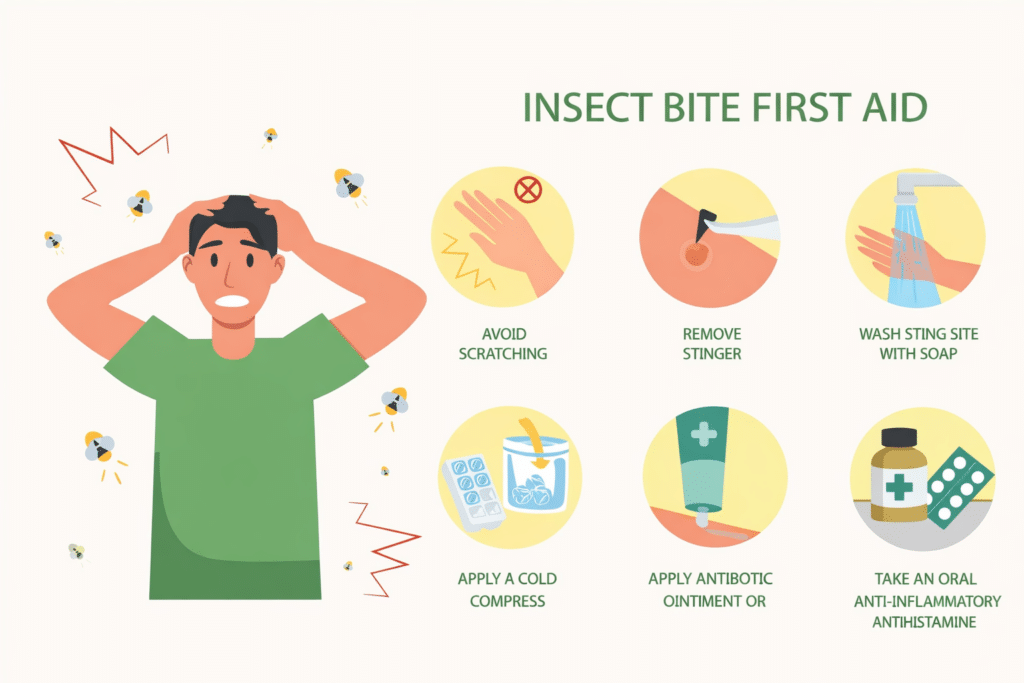
First Aid for Stings and Bites — and Where Anti-Inflammatory Tablets Fit In
Remove yourself and others from the area to prevent further stings.
Assess the person for signs of anaphylaxis. If present, use EpiPen® and call 000 immediately.
Remove the stinger if present — scrape sideways with a card or fingernail. Do not squeeze or use tweezers.
Wash the sting site with soap and water.
Apply a cold pack (wrapped in cloth) to the sting area for up to 20 minutes to reduce swelling and pain.
Consider ibuprofen for pain and localised swelling, and/or an antihistamine for itch and hives.
Monitor for 30–60 minutes. Seek medical attention if symptoms worsen.
If there are any signs of anaphylaxis at any point, use EpiPen® and call 000 immediately.
Anti-inflammatory medication is most appropriate when the reaction is mild to moderate and confined to the local area around the sting or bite. If swelling is rapidly spreading, the site appears infected (increasing redness, pus, fever) or any allergic symptoms develop, stop relying on anti-swelling drugs and seek medical attention.
For bluebottle stings, remove tentacles without touching them directly, then immerse the area in hot water (42–45°C) for 20 minutes. Anti-inflammatory tablets can help manage ongoing pain. For box jellyfish stings, call 000 and apply vinegar to deactivate unfired stinging cells. For stonefish stings, immerse in hot water and seek urgent medical care — antivenom is available.
It is generally safe to combine an oral antihistamine (cetirizine, loratadine) with an NSAID like ibuprofen after a sting or bite, as they work through different mechanisms. Sedating antihistamines can cause drowsiness — avoid driving if you take them.
🩺 First Aid Skills That Could Save a Life Our nationally recognised HLTAID011 courses cover anaphylaxis response, EpiPen® use, DRSABCD and real-world bite and sting scenarios. Book your course with First Aid Pro → firstaidpro.com.au
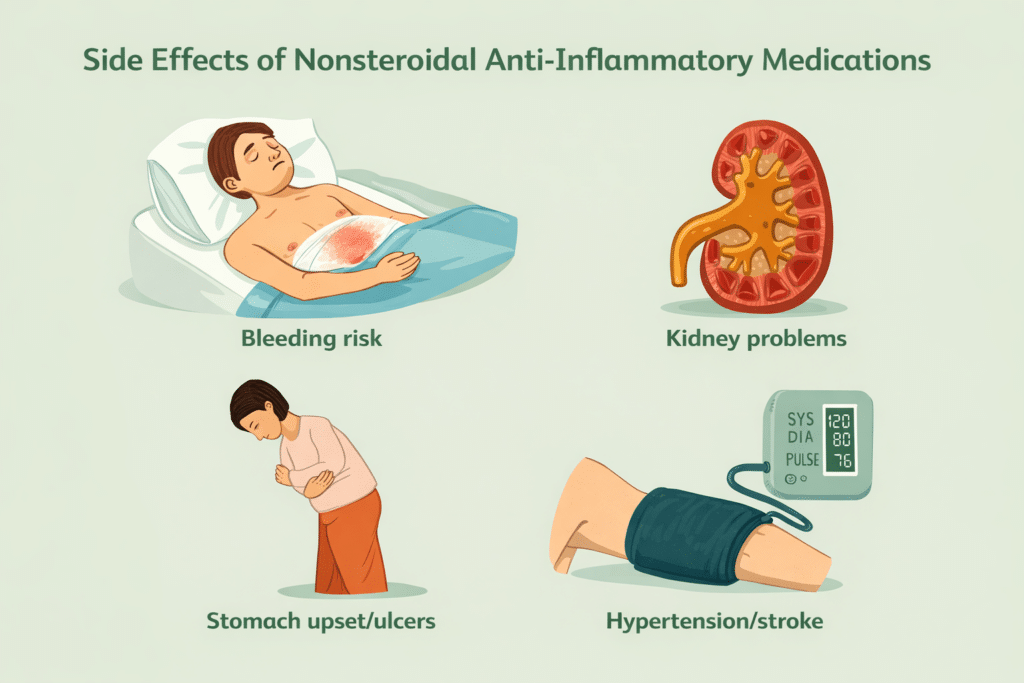
Risks, Side Effects and Who Should Avoid Anit-Inflammatory Tablets (NSAIDs)
Anti-inflammatory tablets are safe for most healthy adults when used short-term, but they carry real risks for certain groups. Common side effects include stomach irritation and nausea (always take with food), kidney stress with prolonged use, elevated blood pressure, and airway narrowing in people with aspirin-sensitive asthma.
Group | Reason for Caution | Recommended Alternative |
People with asthma | NSAIDs may trigger bronchospasm | Paracetamol (discuss with GP) |
Pregnant women | Contraindicated in 3rd trimester | Paracetamol (with medical advice) |
People with kidney disease | Risk of acute kidney injury | Paracetamol (with medical advice) |
Children under 3 months | Ibuprofen not appropriate; aspirin never under 16 | Paracetamol (weight-appropriate dose) |
Elderly individuals | Higher GI bleed and cardiovascular risk | Lower dose; seek medical advice |
People on blood thinners | NSAIDs interact with warfarin and anticoagulants | Consult GP or pharmacist first |
For children, ibuprofen is generally appropriate over 3 months of age at the correct weight-based dose. Aspirin must never be given to anyone under 16 due to the risk of Reye’s syndrome. Paracetamol is the preferred option for pregnant women, young children and those where NSAIDs are contraindicated. Older Australians should discuss any NSAID use with their GP or pharmacist, particularly if they take other regular medications.
Anti-Inflammatory Tablets vs. Antihistamines — Which Is Better?
The two medications work differently and are best suited to different symptoms. NSAIDs are more effective for pain, heat and mechanical swelling at the sting or bite site. Antihistamines are better for itch and hives, which are primarily histamine-driven. For a moderate reaction involving both, using both under pharmacist guidance is reasonable.
When neither is sufficient — for example, in large local reactions following a bee or wasp sting — a doctor may prescribe a short course of oral corticosteroids such as prednisolone. These are significantly more potent than OTC anti-inflammatory drugs and should only be used under medical supervision.
If you’re unsure which inflammatory meds are right for your situation, your pharmacist is your best first stop. They can factor in your health conditions, other medications and the nature of your reaction before making a recommendation.
🩺 Every Australian Should Know Basic First Aid From bee sting treatment to managing anaphylactic shock, our nationally recognised courses are practical, current and delivered by experienced instructors across Australia.
🧠 Knowledge Test
A person stung by a bee develops widespread hives, difficulty breathing and collapses. What is the correct first response?
What is the correct way to remove a bee stinger?
Which Australian insect causes the most anaphylaxis deaths?
Which group should be most cautious about taking ibuprofen?
What is the recommended first aid for a bluebottle jellyfish sting?
References
- Allergy & Anaphylaxis Australia: Insect Allergy
- Australasian Society of Clinical Immunology and Allergy (ASCIA). (2024).
- Therapeutic Goods Administration (TGA). (2024). Ibuprofen consumer medicine information.
- NPS MedicineWise. (2024). NSAIDs — what you need to know.
- Healthdirect Australia. (2024). Insect bites and stings first aid.
- Better Health Channel, Victoria State Government. (2023). Insect bites and stings: First Aid.
Frequently Asked Questions
Can I take anti-inflammatory tablets after a bee sting?
Yes, for a mild local reaction. Remove the stinger first, apply a cold pack, then take ibuprofen if needed. If you have a history of allergic reactions to bee stings, carry an EpiPen® and seek medical advice rather than relying on anti-inflammatory medicine.
What's the difference between anti-inflammatory tablets and antihistamines for bites?
NSAIDs treat pain, heat and swelling. Antihistamines treat itch and hives. For moderate reactions involving both, combining them under pharmacist guidance is reasonable.
Are anti-inflammatory drugs safe for children after a bite or sting?
Ibuprofen is generally safe for children over 3 months at the correct weight-based dose. Never give aspirin to anyone under 16. Use paracetamol for young children or where NSAIDs are contraindicated. Call 000 if a child shows signs of an allergic reaction.
Can anti-inflammatory tablets treat anaphylaxis?
No. Anaphylaxis requires adrenaline via EpiPen® and an immediate call to 000. Anti-inflammatory tablets and antihistamines are not substitutes for adrenaline in an anaphylactic emergency.
How long does swelling from a sting or bite normally last?
A normal local reaction resolves within 24–48 hours. A large local reaction may take up to ten days. If swelling is spreading, worsening after 48 hours, or showing signs of infection (redness, warmth, pus, fever), see your GP.