


Sharon has 21+ years of experience as a qualified Emergency Care Nurse registered with the Australian Health Practitioner Regulation Agency (APHRA) and 12+ years as a First Aid Trainer.
She takes pride in FirstAidPro making first aid training available, comprehensive and affordable to everybody.
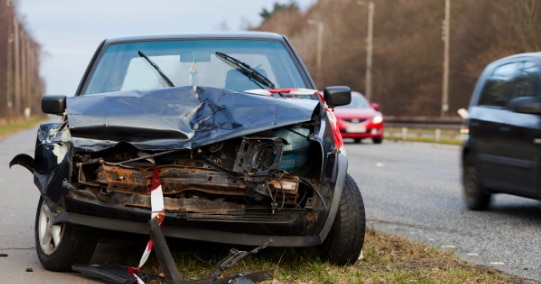
You can’t expect to see an emergency coming when you’re out driving. However, it is important to prepare for emergencies, and learning first aid is a great way to do that. Here are some tips to help you get out of a car accident as unscathed as possible. Though there is no way to stop all accidents, drivers should understand and practise the appropriate first aid techniques and skills to be ready when they occur. The best way to do that is to learn the essential first aid skills – like treating more common injuries that can happen during or after a crash. Knowing how to get help fast, what supplies to have in your car, and what first aid steps are most important are all tips that will be discussed below.
What To Do In The Event Of An Accident?
In any first aid situation, you should call Triple Zero (000) and tell them where you are and what has happened. After a car accident, find a safe place and wait for help to arrive – if you can walk. If another person is injured, then stay calm and speak slowly and clearly. It is important to move them as little as possible; if they’re bleeding, place pressure on the wound with a clean cloth or bandage. Check for breathing and a steady pulse.
Having supplies in your car like a first aid kit that you can access quickly can be critical in these situations. You should always have access to Basic first aid supplies in your vehicle – such as Panadol, cold packs, ibuprofen, sterile gauze pads, tweezers, latex gloves (in case of blood), adhesive tape and scissors. These items are found in most first aid kits on the market – meaning buying an off the shelf car first aid kit is often an easy solution. It can also be valuable to have other resources available in your car – such as a phone charger or a booster cable to help with issues with the landscape, such as an accident in a remote area.
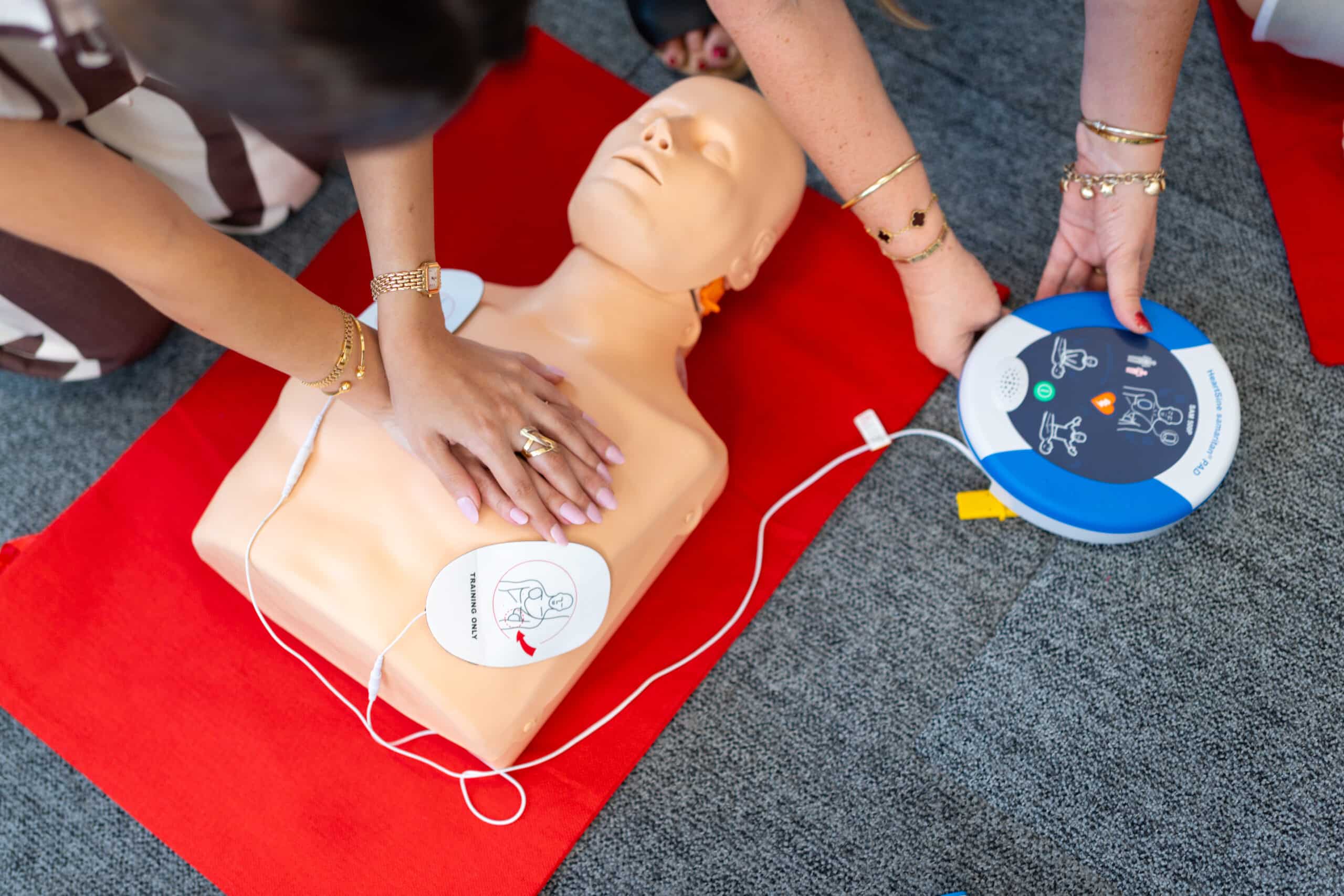
It is important to remember that this is just general advice – you couldn’t possibly cover everything you need to know about roadside first aid in one small article. The best way to be genuinely prepared for an accident or medical emergency is to get proper first aid certification from an accredited RTO who run courses for the general public, and can help you get trained up.
Call For Help Immediately
If someone does need first aid in the car, you need to call for help right away. It does not matter if the injury seems minor; it is always best to have a professional check them and give them the all-clear. Many serious car crash injuries aren’t always obvious. So, call Triple Zero (000) – or send a text message to One Zero Six (106) if you have a hearing or speech impairment.
Check For Any Injured Passengers
If you find yourself in an accident, you need to evaluate the condition of all passengers. If someone is injured, it’s best to leave them where they are if possible – unless there’s significant danger such as fast moving traffic or signs of the car catching fire. If you have to move them, do so carefully to avoid causing further injury or making existing injuries worse.
Know Your Surroundings And Assess The Damage
You need to assess the damage around you after a car accident. You need to check yourself for injuries (especially if you have any pre-existing related health concerns). Then check on your passengers (if there are any), see if anyone is injured. Call emergency services, and stay with any injured passengers until help arrives. Turn on your hazard lights if possible. Once passengers are safe, you can think about move your car to a safer location – taking care not to put yourself at risk in the process.
Use your phone to pinpoint your location, or take note of landmarks and street signs nearby. It is important to know where you are to be able to get help from emergency services.
Protect Yourself From Further Harm – And Fire
There are a lot of things that can happen in a car accident. These tips are designed to help you protect yourself from harm and fire.
First, if your car catches on fire, try not to panic. Stay calm and get out as quickly as possible by rolling down the windows if the door isn’t an option.
Remember to keep a well-stocked first-aid kit in your car.
Don’t try to remove off any clothing that’s stuck to a wound or turn your head too much if you have an open cut on your scalp. If you’re injured while driving, pull over as soon as it is safe. Being prepared, and staying calm and collected is the key to keeping the situation under control and manageable.
Common Injuries In Car Accidents
The most common injuries in car accidents tend to be cuts and bruises. These injuries should be treated as soon as possible. If there is a more severe injury, check the passenger for bleeding with either dry clothes or some other clean fabric (try not to use your hands).
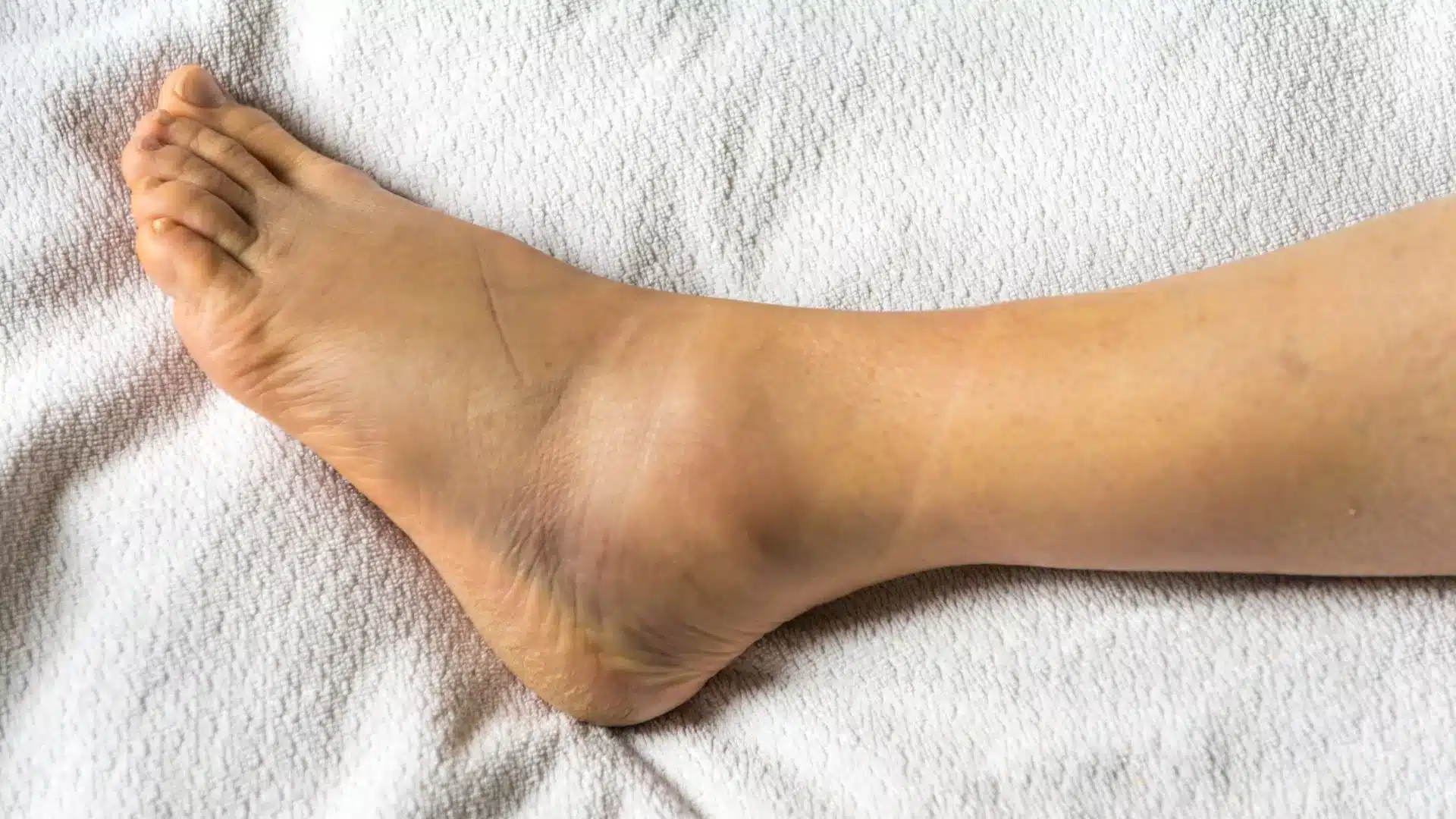
If you think there are any broken bones, check for a neck or spinal cord injury. If you suspect a spinal cord injury and they can’t move anything below the neck, don’t move them all. If you’re not able to feel anything below your neck, don’t move more than is necessary and ask someone else for help. For other fractures, a cold pack can help reduce pain a little.
Be Ready For The Worst
When facing a car accident, you need to know how to react. You want to be prepared for the worst and understand your situation so accidents don’t become disasters. If you find yourself at the scene of an accident, your first priority is to call for help. Next, check for any injured passengers and take care of them. take note of your surroundings, assess any damage, and decide if you need to protect yourself from incoming traffic or fires.
In the event of a car accident, knowing what to do ahead of time can make a big difference. It’s always valuable to get comprehensive first aid training. Finding a training course near you is important in getting certification. So look around your area – whether you live in Adelaide, Darwin or Melbourne – to find a course closest to your suburb.