



Skip to content
Online Courses​
no-Online Courses
Online Courses​
no-Online Courses
no-Online Courses
Online Courses​
Nationally Accredited First Aid Courses
(08) 7120 2570
Firstaidpro Logo
[wp_menu_megatabs id="493"]
Student login
daily deals
No-Online

OR

Online
Applicable to:
Healthcare
Aged Care & NDIS Support
Construction
Warehousing

First Aid For Splinters And Embedded Objects

First Aid for Splinters

Table of Contents

  • About
  • Latest Posts
Sharon McCulloch
Sharon McCulloch
CEO, Founder and First Aid Trainer at FirstAidPro
Sharon McCulloch is the CEO and Founder of FirstAidPro, Australia's leading Registered Training Organisation (31124), delivering First Aid Courses nationwide.

Sharon has 21+ years of experience as a qualified Emergency Care Nurse registered with the Australian Health Practitioner Regulation Agency (APHRA) and 12+ years as a First Aid Trainer.

She takes pride in FirstAidPro making first aid training available, comprehensive and affordable to everybody.
Sharon McCulloch
Latest posts by Sharon McCulloch (see all)
  • Australian Spider Bite & Bite First Aid Guide – Identification, Symptoms & Treatment - 14/04/2026
  • Anti-Inflammatory Tablets – Sting & Bite Symptoms, Risks & First Aid - 10/04/2026
  • LVR CPR Training Australia: What Is the UETDRMP018 Course and Who Needs It? - 08/04/2026

There wouldn’t be a person in existence who didn’t, at some point in their life, discover a splinter embedded in their skin. When you hear the word splinter, most people picture a sliver of wood and shudder at the memory of that tiny barb of anguish and pain. However, splinters come in more forms than wooden spikes.

Splinters can come in many shapes and sizes – any small, sharp piece of wood, glass, metal, or similar material broken off from a larger object. This can mean barbs and spikes in the form of fishing hooks and cacti needles. We can also include bee stings, as the hook on a bee’s stinger is designed to remain embedded in the skin and keep delivering poison after the bee has flown away to die. And of course, there’s nettles – the ultra-fine, almost impossible to see but highly painful defence mechanism used by some plants.

First Aid For Splinters

The First aid treatment you use to remove a splinter will vary depending on the depth and location of the splinter. The best way to get a grounding in how to handle objects embedded in the skin (as well as a variety of other injuries) is to invest a day in taking a professional first aid course. Doing so will give you nationally recognised accreditation in First Aid and allow you to easily assess and treat any level of wound requiring First Aid treatment and management.
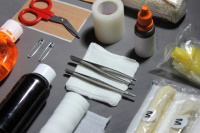
First Aid Tweezers


There’s a reason first aid kits
always have tweezers!

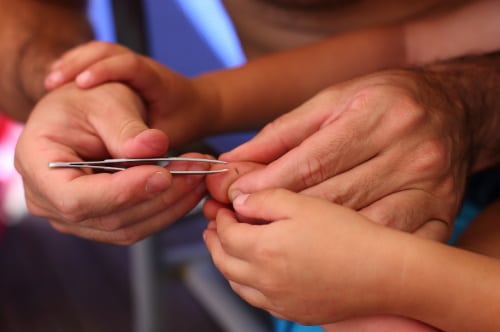
If the splinter is close to the surface and protruding out far enough, you can potentially remove it with tweezers. Place the tweezers as close to the skin as possible, and get a firm grasp on the protruding portion of the splinter. Begin to draw it out along the same line as it penetrated the skin – so you’re pulling it out the same way it went in. You can gently squeeze the area around the wound to encourage slight bleeding as this can provide a little lubrication and potentially help remove debris the splinter carried into the skin.

Once the splinter has been removed, clean the area with a topical antiseptic, such as an alcohol wipe, betadine, or any antiseptic cream or spray. Cover the wound site with a dressing for 24 hours to ensure the antibacterial can do its job and your body can repair the damage the splinter caused, sealing the wound entry site closed.

For ultra-fine nettles, you can use adhesive tape. Lay the tape over the area, press firmly and then rip it off – if all goes well, the fine nettles will stick to the tape and be removed along with it, removing the problem. In a pinch, warm candle wax can also be used – but this should be done with extreme caution or you’ll just be adding a burn injury to the situation. Allow the wax to set firmly and then remove. The nettles should come away with the wax and can then be simply dropped in the bin.
Book Your First Aid Training​

First Aid Course (Incl CPR) $97
CPR Course $45
Child Care First Aid Course $119

  • Same-Day Certificate
  • Courses available 7 Days
  • Nationally Accredited Certification

Don’t Miss Out – Book Today!

Book Now
×
×
Currently viewing results for:
Our course selector helps you find the right course in the right place.
- Find Locations For A Course – Select a course to see where it's offered.
- Find Courses Near You – Select your location to see available courses.

Do Splinters Come Out Naturally?

The short answer is yes, normally. The body is an amazing machine and will slowly work the splinter to the surface with the normal shedding of the skin layers over time. For deeper splinters, the body’s immune system will treat it as a foreign object – surrounding the object with a layer of pus that pushes the object to the surface (at which point you might feel a strong urge to squeeze and burst the pimple or pustule, freeing the splinter).

However, not all splinters should be left to do their thing. Often, a foreign object in the skin can cause infection to set in, causing cellulitis. Cellulitis can spread rapidly. Affected skin appears swollen and red and may be hot and tender to touch. Without treatment with an antibiotic, cellulitis can sometimes even be life-threatening.

How Do You Bring A Splinter To The Surface?

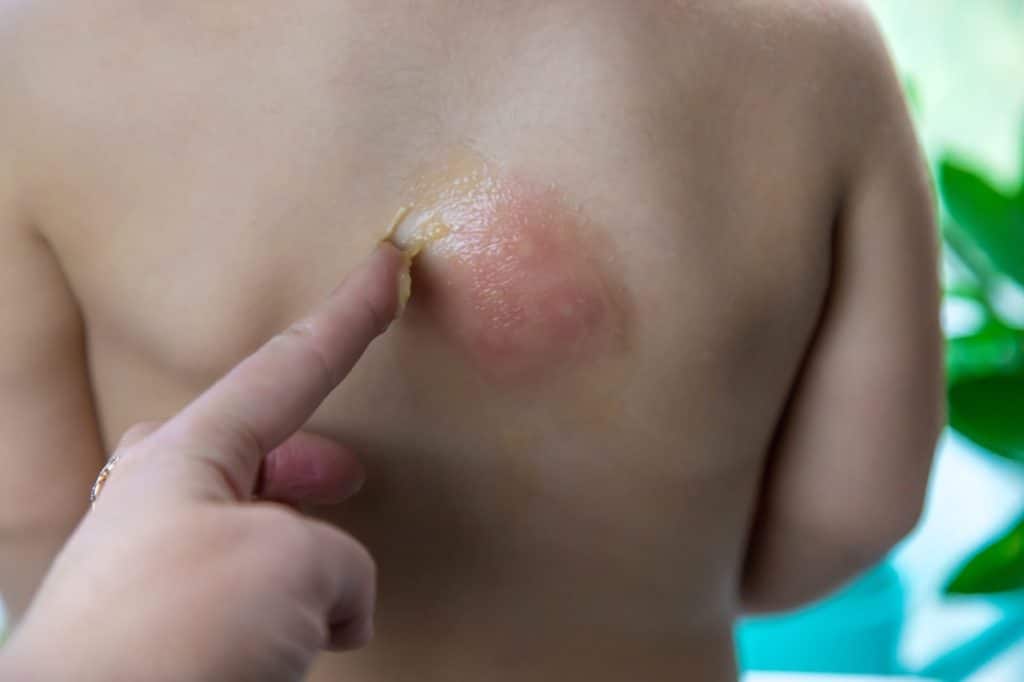
If a splinter is especially deep or doesn’t leave a tail to remove easily. You have some options available. You can purchase a drawing paste (such as Magnoplasm or Splintex) from a chemist, or you can make a paste with baking soda and water and apply it to the affected area. Cover the area with a sterile dressing and wait about a day. The paste should draw any splinters closer to the surface, hopefully causing them to protrude enough to pull them free.

How Does Magnoplasm Remove Splinters?

Drawing pastes work by drawing the infected pus to the skin’s surface, taking the embedded object along with it. The skin should then rupture, allowing the pus and the foreign object to leave the body. The body can then repair the cavity left behind – after it has been cleaned with antiseptic to prevent and kill off any infections.

Drawing paste is a useful item to have in your First Aid cabinet, andis ideal for the initial treatment of boils, carbuncles, and whitlows. Drawing pastes like Magnoplasm contain glycerol and dried magnesium sulphate, which helps draw splinters, thorns and ooze from the skin using a process known as osmosis. This is the technical term for the biological drawing of moisture – in this case, up towards the skin. Think of the paste as acting like a vacuum, sucking things under it to the surface.

When To Seek Medical Assistance?

There will always be occasions when the object is too large or too deep to extract at home. In such cases, a trip to your local doctor (or in urgent cases, the local hospital emergency department), who will assess your condition. They should be able to remove the object, suturing the site closed after sterilising the area and dressing it for protection. Ultra-large objects embedded in the body (like shrapnel from an explosion or high-speed accident) will require hospitalisation and surgical treatment. However, basic First Aid protocols will always be applied by the initial First aid responder.

If you’re not sure what a First Aid responder is, or how you could offer First Aid to someone in a medical emergency like this, it might be time to look into doing first aid training. You don’t want to be caught unprepared by a medical emergency.

First Aid Courses And Costs

Taking a First Aid course sounds like something expensive and time-consuming, and in the past, that may have been true. However, times have changed, as have the options for delivering training. Nowadays you can complete first aid qualifications in a single day, often for less than the cost of a full tank of petrol. You also have the option of doing the course partially or fully online, at a variety of times – seven days a week. So there’s now very little excuse for not taking a day to get trained in CPR and basic First Aid.

A CPR course will take three hours and set you back around $45. Anyone over the age of 14 can take part, and will receive nationally recognised accreditation (valid for 12 months). Children under 14 can still do the course but are not eligible for certification.

A full first aid course takes less than $100, and around 6 hours to complete. However, depending on the course you choose, you can work at your own pace until the day of assessment – when you can either live stream the instructor via Zoom, or attend at a venue in person for face-to-face evaluation of your CPR and First Aid skills by the instructor.

Group booking for the entire family can reduce the price significantly, so why not get your neighbours and friends together and make it a First Aid group booking. This option even allows the trainer to come to you and train you in a chosen location!

Book a First Aid Course

The content on this website offers general insights regarding health conditions and potential treatments. It is not intended as, and should not be construed as, medical advice. If you are facing a medical emergency, dial 000 immediately and follow the guidance provided.

Recent Posts
Common Australian Spiders
Australian Spider Bite & Bite First Aid Guide – Identification, Symptoms & Treatment
14/04/2026

An Australian spider bite is common, but serious injury is rare. This guide explains how to identify several Australian spiders, what a spider bite looks …

infected-insect-bite
Anti-Inflammatory Tablets – Sting & Bite Symptoms, Risks & First Aid
10/04/2026

Key Takeaways Anti-inflammatory tablets reduce pain and swelling from insect bites and stings but cannot treat serious allergic reactions or anaphylaxis.NSAIDs such as ibuprofen are …

LVR CPR Training -UETDRMP018 Perform Rescue From A Live Low Voltage Panel
LVR CPR Training Australia: What Is the UETDRMP018 Course and Who Needs It?
08/04/2026

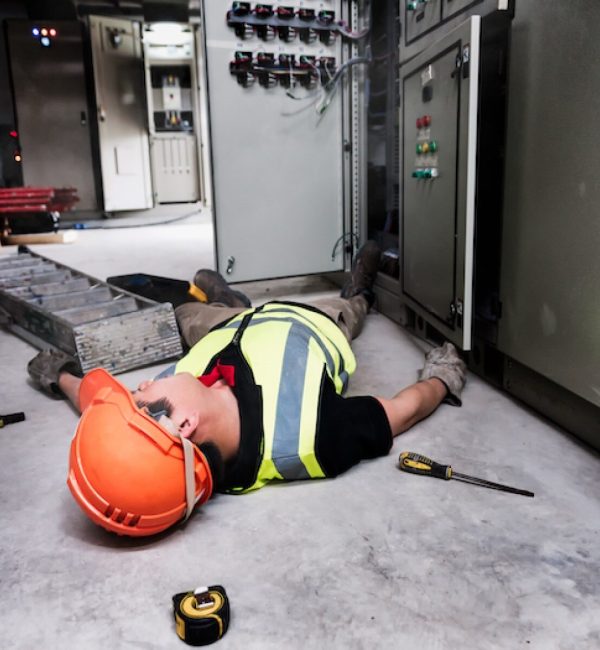
Low voltage rescue (LVR) is the process of safely removing a person from contact with a live low voltage electrical panel and providing emergency care …

CPR and AED
CPR and AED: Why They’re Critical for Saving Lives in Emergencies
01/04/2026

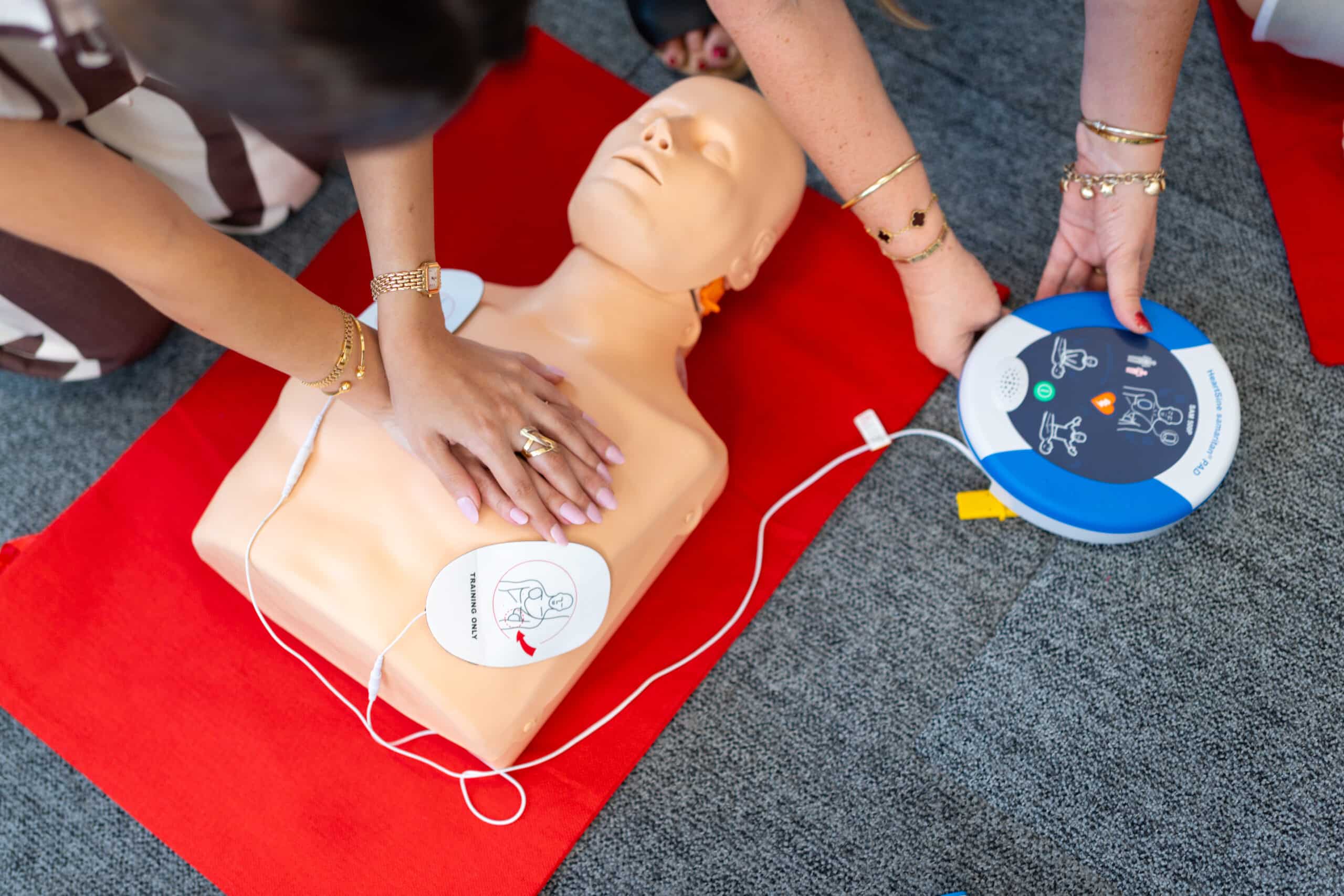
CPR and AED are life-saving first aid techniques used during cardiac arrest to help save lives before an ambulance arrives. When a person’s heart stops …

sprain of the ankle
Sprain vs Strain: Key Differences, Symptoms, and First Aid Treatment
27/03/2026

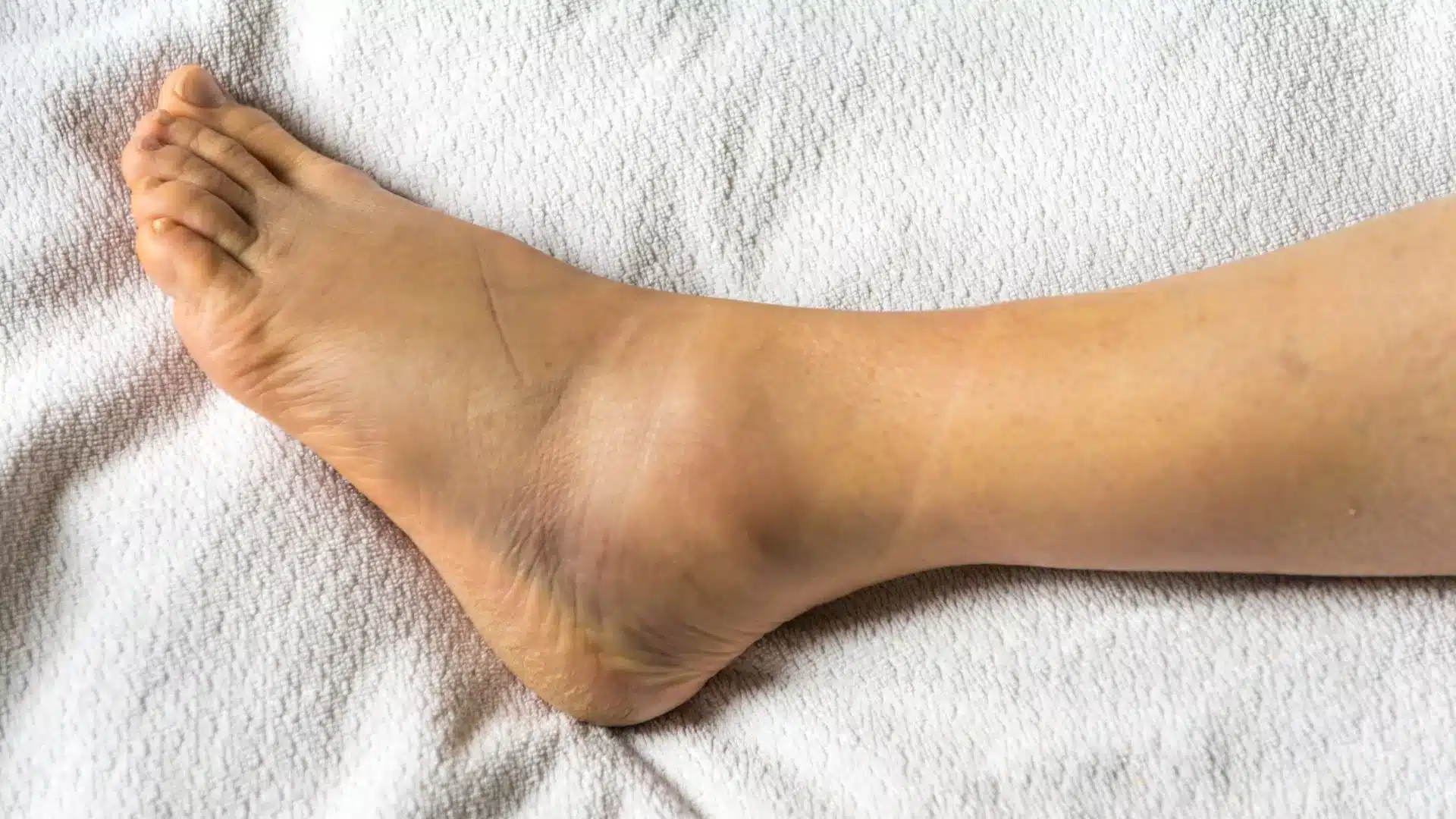
A sprain is a common soft-tissue injury that occurs when a ligament is stretched or torn, usually after a fall, twist, or sudden impact. Sprains …

Information
  • About Us
  • Contact Us
  • Mental Health Pro
  • Onsite Training
  • Careers
  • Collaborations
  • Course Calendar
  • Daily Deals
  • FAQs
  • Explore Our Courses
  • Instant Price Beat
  • Partners
  • Same Day Certificates
Resources
  • Student Login
  • Blog
  • Learn First Aid
  • Create Your USI
  • Find Your USI
  • First Aid Charts
Popular Courses
  • CPR
  • First Aid
  • Childcare First Aid
  • First Aid Mental Health
  • Remote First Aid
  • Advanced First Aid
  • CPR, Asthma & Anaphylaxis
  • Asthma & Anaphylaxis
  • CPR LVR
  • Manual Handling
  • Manual Handling Refresher
  • Medication Administration
  • White Card
Online Courses
  • Zoom Online CPR
  • Zoom Online First Aid
  • Zoom Childcare First Aid
  • Zoom NDIS HISS Courses
Blended Courses
  • Blended CPR
  • Blended First Aid
  • Blended Childcare First Aid
Charity Courses
  • Free CPR
  • Free First Aid
Locations
  • South Australia
  • Queensland
  • New South Wales
  • Victoria
  • ACT
  • Tasmania
  • Northern Territory
  • Western Australia
Policies & Procedures
  • Academic Honesty
  • Complaints & Appeals
  • LLN
  • Refunds & Cancellations
  • RPL & Credit Transfers
  • Training & Assessment
Firstaidpro Logo
Facebook Instagram Youtube tiktok Pinterest Linkedin
  • Level 3, Unit 6/9 Frinton Street, Southport QLD 4215
  • (08) 7120 2570
  • Get In Touch

FirstAidPro is a leading Registered Training Organisation (RTO: 31124) delivering industry-leading standards and the latest training techniques. We provide you with Australia’s most comprehensive, officially recognised first aid qualification!

  • Same-Day Certificates
  • Courses Available 7 days
  • Nationally Accredited Certification
eway-payment.png
© 2026 Firstaidpro Australia Pty Ltd (RTO: 31124) | ABN: 70 106 788 050 | ACN: 106 788 050 | All rights reserved.
  • Privacy Policy
  • Refund Policy
  • Website Disclaimer
North Hobart